


 Claim Ownership
The Executive Brand Podcast
Subscribed: 9Played: 333
Subscribe

© Finn Thormeier
Description
In this podcast, Finn Thormeier, Founder of Project 33, shares the best Founder Branding and Executive Thought Leadership strategies & playbooks. Prior guests include Jason Fried, David Heinemeier Hansson, Henry Schuck, Megan Bowen, Guillaume Moubeche, Josh Braun, Todd Busler, Peter Caputa, Chris Walker, Greg Head, Adam Robinson, Gal Aga, Alina Vandenbergh, Alec Paul, Melissa Kwan and many more.
Key Topics: Demand Gen, SaaS Growth, B2B Marketing, B2B Content, Linkedin, Personal Branding, Founder Branding and Executive Branding.
www.executivebrand.org
Key Topics: Demand Gen, SaaS Growth, B2B Marketing, B2B Content, Linkedin, Personal Branding, Founder Branding and Executive Branding.
www.executivebrand.org
147 Episodes
Reverse
Tony Scott is the CEO of Intrusion, a publicly traded cybersecurity company. Before joining Intrusion in 2021, he served as the Federal CIO of the United States under President Obama, as CIO at VMWare, CIO at Microsoft, CIO at Disney, and as CTO at General Motors. Yes, let that sink in.In this episode, we talk about what Tony learned from working with Bill Gates, Obama, and other world leaders, what it actually takes to land a C-level role at a Fortune 5 company, and why he predicts a major AI disaster is coming in 2026.---We discuss:* The three most stressful weeks of his career (and there were many)* Why he chose to become CEO of a struggling cybersecurity company after serving as the Federal CIO* What Bill Gates really meant when he said “that’s the dumbest thing I’ve ever heard” in meetings* How to actually get a C-level role at a Fortune 5 company* Tips for founders trying to sell into the enterprise or government and the phrases that immediately kill deals* Why he predicts a major AI disaster in 2026* What flying taught him about business* Why someone who’s already “made it” still invests in LinkedIn---Connect with Tony:LinkedIn: https://www.linkedin.com/in/tony-scott-intrusion/Intrusion: https://www.intrusion.com/---Connect with Finn:LinkedIn: https://www.linkedin.com/in/finnthormeier/Project 33: https://www.project33.io/---My personal takeaways:* What gets you a meeting with a CIO at a Fortune 100 company is doing your homework & finding a top 3 organizational problem they're trying to solve. If you come to pitch on innovative tech, you won't get far. And if you start the conversation with "what keeps you up at night?" you've already lost. It shows you did zero research. Tony had a secret signal with his assistants to get rescued from bed vendor meetings. That question was usually the trigger.* Tony's prediction for 2026: there's going to be a very big disaster as a result of the abuse, misuse, or accidental use of AI. Something attention-grabbing. And people are going to go "oh my god, we didn't know that could happen." We're building so much on top of AI without understanding all the points of failure, so when that failure occurs, it'll bring on a bunch of governance and regulatory inspections. It happened with every big invention we've ever had.* What impressed Tony most about interacting with Obama: his questions. He’d ask surprisingly deep questions about technical topics. When Tony’s team would send in a draft white paper (about something cybersecurity related), they’d often overnight get back a markup from the president with all kinds of notes & questions in his handwriting in the margins.* At Microsoft, Tony interfaced with Bill Gates, who would often say "that's the dumbest thing I've ever heard” in meetings. Tony saw it as a test to see if the person had done their homework on their idea/proposal/opinion, and were able to stand their ground. Problems happened when other executives tried to copy that style without context and without being Bill (Tony decided not to emulate it)* None of the things Tony did in his career were direct predictors of the thing he was gonna do next. He went from Sun Microsystems to startups to being the CIO at Microsoft, Disney, VMware, then Federal CIO under President Obama, and finally, CEO of a public cybersecurity company navigating headwinds. Recruiters kept finding him because he had an unusual combination of tech experience + a law degree. That made him stand out. His advice if you want unique opportunities: build a unique skill stack. This is a public episode. If you would like to discuss this with other subscribers or get access to bonus episodes, visit www.executivebrand.org
Kacie Jenkins is the new Head of Marketing for Claude Code (she joined a couple weeks after this recording). Before joining Anthropic, she was SVP Marketing at Sendoso, VP Marketing at Sourcegraph, and VP Marketing at Fastly, where she helped take the company from Series A to $200M ARR and an IPO.In this episode, we talk about how she built executive brand programs before it was a thing, what actually drives pipeline from LinkedIn, and why anything that sounds corporate is dead on arrival.We discuss:- Why she felt like she had to perform a “TV version” of an executive when she first got promoted- How Fastly built their brand around their CEO’s personality and why they let him swear in F1000 meetings- How to turn LinkedIn DMs into pipeline- Where ghostwriting works & where it breaks- Anything that sounds corporate is dead on arrival- The organic content playbook that made her paid ads perform 50% better- Why developer marketing starts with credibility---Connect with Kacie:LinkedIn: https://www.linkedin.com/in/kaciejenkins/Claude Code (Anthropic): https://www.anthropic.com/---Connect with me:LinkedIn: https://www.linkedin.com/in/finnthormeier/Project 33: https://www.project33.io/---My personal takeaways:1. Corporate is dead upon arrival. Anything that sounds or feels corporate, developers will write off immediately2. The worst thing you can do with a CEO who doesn’t naturally want to do founder brand: try to make them sound more formal or executive-y. Everyone will know because that’s not how they show up in person. At Fastly, their CEO swore all the time. He’d roll into Fortune 1000 meetings and drop an F-bomb when he really meant something. People found it endearing because he was exactly the same in every room. 3. She spent way too long performing a version of herself she thought should be at the table without emotion, very serious, and didn’t ask for help. People told her no one wanted to be around her anymore. What got her there was that she was different than everyone else. She was a writer, a singer, understood how to build communities and scale human connection. 4. Building trust is now more important than it even was 10 years ago. No one will listen to you if they don’t think you’re credible and trustworthy, and they can learn from you. You start with great documentation, technical writing, your subject matter experts sharing in public, and building in public5. Kacie tracks how many connections each exec has with their ICP in target accounts. She puts it on a dashboard. Most CEOs are competitive and they don’t want to be the lowest on the board in front of the whole company. It had a rising tide effect on all other channels.6. Her two tools for mining content ideas: Granola to record & transcribe every meeting, then use AI to surface patterns across calls. And a weekly brain dump call: “What pissed you off this week? What do you think needs to change? What are we hearing in customer calls that shouldn’t be happening to them?”7. Asking for help brings people closer to you. It doesn’t make them think you’re incompetent. Lean into what got you there. You don’t have to have all the answers. This is a public episode. If you would like to discuss this with other subscribers or get access to bonus episodes, visit www.executivebrand.org
Sydney Sloan was previously the CMO at G2, Drata, and Salesloft, prior to which she spent 16 years at Adobe in a variety of marketing leadership roles. She is currently an advisor at G2 and Executive in Residence at Scale Venture Partners, working with early-stage founders on go-to-market strategy.In this episode, we talk about her biggest lessons, how buyer behavior has fundamentally changed, why brand matters more than ever, and what the 2026 marketing playbook actually looks like.---We discuss:* Why this is the biggest transformation in 30 years of B2B marketing* Buyer research shifted from 29% to 50% on AI chatbots in 4 months, and what that means for you AEO strategy* Why you probably don't need marketing automation the way you used to* “Human in the loop” vs “human in the lead”* How to build brand in 2026 - and why it matters more than ever* The Show-Up-Bigger-Than-You-Are playbook* Reorganizing GTM teams around outcomes, not functions* The advice Sydney would give herself before her first CMO role---Connect with Sydney:* LinkedIn: https://www.linkedin.com/in/sydsloan/* G2: https://www.g2.com/* Scale Venture Partners: https://www.scalevp.com/---Connect with Finn:* LinkedIn: https://www.linkedin.com/in/finnthormeier/* Project 33: https://www.project33.io/---My personal takeaways:1. The shift to AI search is happening faster than we think. Internal G2 data showed that in April 2025, 29% of buyers said they started their research in of of the AI chatbots. By August that number hit 50%, just four months later. In 2026, every company needs to focus on their AEO strategy making sure their brand is the citation source LLMs use.2. Marketing automation as we know it is dead. Companies need to capture high-intent signals using tools like Clay or Common Room, and immediately deploy AI agents to act on them. Speed is the new currency.3. Show up bigger than you are. Sydney got this advice from the CMOs of Okta and Snyk, and used it to scale Drata and Salesloft. You don’t need a massive budget, you need one anchor event or one bold move. At Drata, they bought out every ad space for two blocks around Moscone Center for RSA Conference so attendees couldn’t miss them. At Salesloft, they bought a billboard on Highway 101, but the ROI didn’t come from the traffic driving by, it came from leveraging photos of it online. Big one-off events, if properly leveraged, signal momentum to investors, customers and potential employees.4. We’re entering the “Rick Rubin Economy”, because AI lowers the barrier to entry for content and code, so the only differentiator is taste. You can’t prompt your way to good taste. We need to hire for context and judgment, or leverage advisory boards of influencers who actually understand the market. AI provides the speed, but humans provide the creative direction that determines if anyone actually cares.5. Do we need GTM Architects? Everyone is rushing to hire GTM Engineers and build AI workflows, but in software development, you need engineers and architects. They work at different levels of abstraction. Software Engineers build and maintain software, Software Architects design the system as a whole. We need this for GTM. You need someone to map the strategy, choose the agentic platforms, and decide *what* to automate before you build it. Sydney said she sees this as a separate role, likely sitting in RevOps, not something for the CMO.6. The biggest mistake new CMOs make is obsessing over their domain of the marketing department. Sydney’s advice for someone stepping into a C-level role for the first time: Spend your first 90 days building deep relationships with your peers - the CFO, CRO, CEO. If you don’t understand the business context and have alignment with your peers, the best marketing strategy in the world won’t save you. This is a public episode. If you would like to discuss this with other subscribers or get access to bonus episodes, visit www.executivebrand.org
Jessica Gilmartin was previously the CMO and CRO at Calendly, Head of Revenue Marketing at Asana, and Head of Product Marketing for Wildfire at Google. Today, she works closely with founders and first-time CMOs from pre-revenue through $100M ARR, advising them on everything from hiring, org design to GTM focus and executive communication.In this episode, we talk about how AI is changing the CMO role and marketing org, where it’s wildly overhyped vs working, and many other topics.Listen on: YouTube, Spotify or Apple PodcastWe discuss:* Why CMO + CRO combo roles usually fail* Why companies now hire CMOs from smaller, scrappier startups* Where AI is truly useful vs pure hype* Why random acts of marketing kill momentum* How Calendly moved from viral PLG to focused enterprise ABM* The real reason CMOs only last 18 months* Why taste, courage, and focus still matter more than toolsConnect with Jessica:* LinkedIn: https://www.linkedin.com/in/jessicagilmartin/Connect with Finn:* LinkedIn: https://www.linkedin.com/in/finnthormeier/* Project 33: https://www.project33.io/My personal takeaways:* We’re overvaluing AI right now: Jessica believes we’ll replace most of our day-to-day work with AI in 5-10 years. But right now board members are mandating AI adoption without specific use cases. The reality is AI is making teams 10-20% more efficient and that it works as an enabler, but not as a replacement. The best use cases she’s seeing are data enrichment for lead prioritization, competitive research for product marketing, and using LLMs as synthetic customer panels.* There are three paths to CMO and CEOs keep hiring wrong. 50% of B2B CMOs come from product marketing, 50% from demand gen, brand CMOs are rare in B2B. CEOs want a unicorn who’s great at both strategic messaging and technical growth. Jessica’s advice: “It’s like asking a backend engineer why they can’t code mobile apps.” Hire for your actual problem right now, not the one you’ll have at $100M.* The only mistake with bad hires is keeping them. Jessica repeats this constantly to clients, that you will always make bad hires. Or you hire people who were good then but aren’t right now. The mistake afterwards is keeping them too long. When you bring the right person on board, your life gets 10-100x easier.* Attribution is broken and that’s okay. You’re getting 70-80% accuracy at best. Jessica’s approach is to use the 80-20 rule. Get directionally correct data so teams understand where they can make impact and then work from there. The bigger issue is that companies wait too long to implement basic data and reporting infrastructure.* Random acts of marketing kill focus. At Calendly, Jessica pivoted the entire team to one thing: repositioning for enterprise customers. Because their CAC was zero for casual users due to viral growth. Marketers hate focus and they want to sprinkle seeds everywhere. But the winning strategy is making big bets, being explicit about trade-offs, and ensuring no one does random acts of marketing. This is a public episode. If you would like to discuss this with other subscribers or get access to bonus episodes, visit www.executivebrand.org
Ashley Faus is the Head of Lifecycle Marketing at Atlassian and author of Human-Centered Marketing. Besides helping build Atlassian’s thought leadership playbook, over the last year, she built her own executive presence on LinkedIn with now over 22,000 followers.In this podcast, we cover her thought leadership framework.We discuss:1. Ashley’s approach to LinkedIn2. The 4 pillars of thought leadership3. SMEs vs. influencers vs. thought leaders4. The “Internal Influencer” strategy5. How to operationalize employee advocacy6. Understanding trust intent vs buying intent7. And much moreConnect with Ashley:LinkedIn: https://www.linkedin.com/in/ashleyfaus/Human-Centered Marketing book: https://a.co/d/bbd8nV2Atlassian: https://atlassian.com/Connect with Finn:LinkedIn: https://www.linkedin.com/in/finnthormeier/Project 33: https://www.project33.io/Some key takeaways:1. Ashley’s content idea generation prompts: Write about “One question I asked today” and “One question I answered today”. It anchors your content in real experiences rather than generic advice.2. The 4 Pillars Framework: Thought leadership requires credibility (being the source), profile (audience size), prolificness (showing up often), and depth of ideas (saying new things)3. SME vs. thought leader: Subject-matter experts solve gnarly internal problems but lack profile. Thought leaders are disruptive and forward-looking4. A CEO’s job is often to show the market they are steady and predictable. Thought leadership is naturally disruptive, so it can actually be better to have non-C-suite experts as your primary visionaries.5. Build up your internal influencers. Laura Erdem at Dreamdata is a good example. She built an audience of now 50k+ LinkedIn followers by talking about how she actually uses the product in her own deals.6. Don’t fear employees leaving with their audience. Careers are long and the Valley is small. Investing in them creates lifelong partners, customers, and advocates.7. The first thing to NOT do is buy an advocacy platform and force people to register. Focus on the small handful of people who are “willing and able” and pair them with a marketer to help slice and dice their ideas.8. Revenue vs. thought leadership: Revenue belongs with “buy intent”. Thought leadership is about “trust intent” and “learn intent”. If you force it to drive short-term sales, you end up with a thinly veiled sales pitch that breaks trust.9. What “human-centered” marketing means: Most marketers talk about “capturing” leads and “converting” an MQL. Human-centered marketing means solving a problem for an actual person behind the screen, even if it doesn’t fit perfectly into a dashboard. Which is a fundamental mindset shift for most marketers. This is a public episode. If you would like to discuss this with other subscribers or get access to bonus episodes, visit www.executivebrand.org
Peter Kang runs social at Clay, the GTM Engineering Platform valued at $3.1B. Peter turned LinkedIn into one of Clay’s strongest growth channels, without paid ads, without corporate content, and with a team of one. In 69 weeks, he posted 961 times and grew the Clay company page from ~14K to 120K+ followers.This episode is a deep, tactical breakdown of what actually works on LinkedIn in 2025, and why most B2B advice completely misses the point.What we cover: - Why company pages still matter and what they’re actually good for- How Peter posted 961 times in a year as a team of one (and what broke)- Why video works even when it breaks every rule- Why “taste” is the real moat in modern marketing & how to hire for it- How Clay is activating their founders on LinkedIn and the playbook they’re following- Why LinkedIn runs on ACV, not CPM- How Clay connects social engagement to pipeline- Why optimization advice creates noise, not signal- The authenticity test most content failsConnect with Peter:LinkedIn: https://www.linkedin.com/in/peterhoilkang/Clay: https://www.clay.com/Connect with Finn: LinkedIn: https://www.linkedin.com/in/finnthormeier/Project 33: https://www.project33.io/Chapters:00:00 — Posting 961 times in 69 weeks02:00 — Why company pages still matter04:15 — Founder profiles vs company pages06:00 — Why long-form video works on LinkedIn08:45 — Followers are a vanity metric10:25 — Running social as a team of one13:00 — Clay’s real content portfolio15:00 — How Clay films executive videos18:45 — When to activate founders (and when not to)20:05 — What “taste” actually means23:00 — Hiring creatives with taste26:45 — Why product success drives social success29:00 — Why most LinkedIn copy fails31:00 — LinkedIn vs TikTok vs YouTube35:00 — LinkedIn as scaled ABM36:00 — How to test for authenticity38:30 — Why optimization advice is noise39:00 — Designed-by-committee content40:20 — Clay’s internal prompts and style guides42:00 — Claude vs ChatGPT42:30 — Closing This is a public episode. If you would like to discuss this with other subscribers or get access to bonus episodes, visit www.executivebrand.org
Olga Andrienko spent 12 years helping build Semrush from $5M in revenue to IPO. She led social, brand, global marketing, and eventually operations at scale. Now she’s joining a pre-seed startup as CMO to build everything from scratch:- A new product category (AI-driven corporate learning)- A founder brand- An employee advocacy system- A modern AI-powered marketing engineWe discuss:* Why Olga left Semrush after 12 years* Why enterprise marketers feel stuck right now and how AI restrictions slow innovation* What marketers should actually do in a scary job market to stay employable* The #1 skill marketers need in 2025: experimenting with AI + no-code on their own* The departments where AI creates the biggest leverage (hint: not marketing)* How Semrush cut reporting time from 10 hours down to hours using automation* The automated workflows Semrush shipped: SOV tracking, reporting, content QA* The dream content engine Olga couldn’t build and why AI quality still isn’t there* How AI will reshape marketing orgs and which roles will (and won’t) survive* Why social media managers now have more strategic leverage than ever* Why brand pages on LinkedIn are basically dead and how to fix it* How Semrush scaled employee advocacy to 10M+ impressions a year* Employee advocacy vs executive thought leadership: the real difference* The exact system Olga is using to build her founder’s brand at Foxtory* How she scrapes top founders, analyzes formats, and recreates winning post types* The outbound → founder-brand → content loop that drives traction* Why a founder brand is a multi-year compounding asset and not a 3-month projectPerfect For You If* You’re a founder building your personal brand from zero* You lead marketing inside a startup and need leverage fast* You work in enterprise and feel slowed down by approvals, rules & legacy systems* You want to build an employee advocacy program that actually scales* You want to understand how top marketers think about org design & team structure* You want a behind-the-scenes look at how a former Semrush exec builds in publicConnect with Olga:Olga’s Linkedin: https://www.linkedin.com/in/olgandrienko/Foxtery: https://www.foxtery.com/Connect with me:LinkedIn: https://www.linkedin.com/in/finnthormeier/Website: https://www.project33.io/Chapters00:00 — Why Olga left Semrush after 12 years02:00 — The gap in her career: building from zero03:30 — Solo vs team: why she chose a startup06:00 — How AI restrictions slow down enterprise marketers08:30 — What marketers should do when the job market feels unsafe10:50 — The biggest AI opportunities inside large organizations13:00 — Semrush’s 10h → 2h reporting automation14:30 — How they automated share-of-voice tracking16:45 — The content engine Olga couldn’t get approved20:15 — How AI changes team structure & role definitions22:00 — Why social media managers now have disproportionate leverage24:00 — Why most brand pages are a graveyard27:00 — How Sem rush scaled employee advocacy to 10M+ impressions30:30 — Advocacy vs executive thought leadership33:00 — Why Olga never touched executive accounts at Semrush36:00 — How she’s activating her new founder’s brand at Foxtery38:30 — Scraping top creators and rebuilding winning formats44:00 — Why she refuses AI-generated infographics47:30 — How she’s measuring success before product launch49:40 — Founder brand as a long-term compounding asset51:00 — What’s next for Foxtery#linkedin #founderledmarketing #linkedinads #linkedinagency #founderbranding #saas #b2bmarketing #demandgeneration #demandgen #content #b2b #revenue #contentmarketing #performancemarketing #videomarketing #personalbranding This is a public episode. If you would like to discuss this with other subscribers or get access to bonus episodes, visit www.executivebrand.org
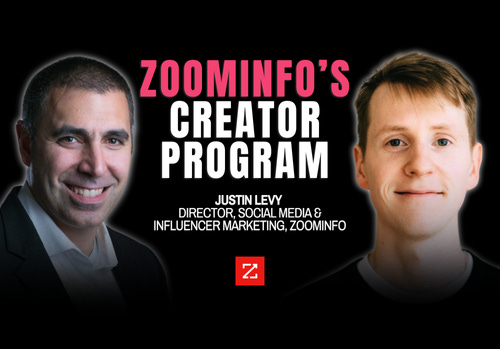
Justin Levy is the Director of Social Media & Influencer Marketing at ZoomInfo, a $1.2B ARR company with 4,000+ employees. He built their first executive social program, scaled employee advocacy from 100 to 1,800 people, and grew ZoomInfo’s creator program to 40+ creators across LinkedIn, TikTok, YouTube, Substack, newsletters, and podcasts.That program alone drove thousands of webinar registrants and millions influenced in revenue.We break it all down in this episode.What You’ll Learn• The real reason LinkedIn reach is collapsing and why the algorithm now behaves more like TikTok• Why B2B brands should stop overextending on LinkedIn and where to diversify instead• The truth about vertical video on LinkedIn and why the returns are shrinking• How ZoomInfo uses YouTube Shorts & Reddit to influence AI Overviews and search• The 5 pillars of ZoomInfo’s social + creator ecosystem and which one outperforms everything• Why ZoomInfo’s creator program drives millions in revenue with a full attribution breakdown• How to launch an influencer program with a small budget• Paid vs. earned influencer content: how B2B brands should think about it• What B2B creators get wrong: over-monetizing, low authenticity, and trust decay• How ZoomInfo built a 12-hour/day social SWAT team to handle brand attacks in under an hourPerfect For You If• You lead marketing or brand at a B2B company• You're experimenting with creator or influencer marketing• You want to diversify beyond LinkedIn• You’re building an executive social program or employee advocacy motion• You want to understand how a $1.2B ARR company runs modern social at scaleConnect with Justin:Justin’s LinkedIn: https://www.linkedin.com/in/justinlevy/ZoomInfo: https://www.zoominfo.com/Connect with me: Podcast: https://open.spotify.com/show/03CXzsZp7wdqIRVDcqPTFHLinkedIn: https://www.linkedin.com/in/finnthormeier/Website: https://www.project33.io/Chapters00:00 — Why Justin’s creator program outperforms everything else02:00 — ZoomInfo’s 5,000-registrant virtual event (and 2,000 from creators)03:07 — The biggest gap in B2B social today04:30 — How LinkedIn’s algorithm actually works in 202506:00 — Vertical video fatigue and diminishing returns06:58 — YouTube Shorts, TikTok & Reddit: new frontiers for B2B10:26 — Why LinkedIn is still #1 but shouldn’t be your only channel12:44 — ZoomInfo’s top 3 social channels14:13 — Breaking down ZoomInfo’s creator program15:57 — Why creator-driven demos outperform branded demos17:50 — Earned vs. paid: how to classify influencer marketing19:47 — Why you should combine logo placements + integrated creator content21:36 — How ZoomInfo measures millions in influenced revenue23:21 — Why every creator post gets a UTM24:55 — Why Justin ignores “the link kills reach” myth25:45 — First-touch, influenced pipeline, and attribution modeling27:34 — How smaller companies should start creator marketing29:53 — The “Top 50” organic play that gets creators on your radar33:13 — How many creators to pick for a 3-month test35:26 — Why you should always pair creator campaigns with a lead magnet37:07 — How Justin evaluates ROI when enterprise cycles are long39:35 — Why SMB-heavy leads aren’t good enough41:32 — One-to-one pipeline attribution explained43:37 — How to pick the right creators45:25 — The hidden metric Justin cares about47:18 — The authenticity problem with full-time creators50:22 — FTC rules, disclosure, and trust52:16 — Inside ZoomInfo’s 12-hour/day social SWAT team56:33 — Why consumers are shifting complaints from public to private59:00 — Closing#linkedin #founderledmarketing #linkedinads #linkedinagency #founderbranding #saas #b2bmarketing #demandgeneration #demandgen #content #b2b #revenue #contentmarketing #performancemarketing #videomarketing #personalbranding This is a public episode. If you would like to discuss this with other subscribers or get access to bonus episodes, visit www.executivebrand.org
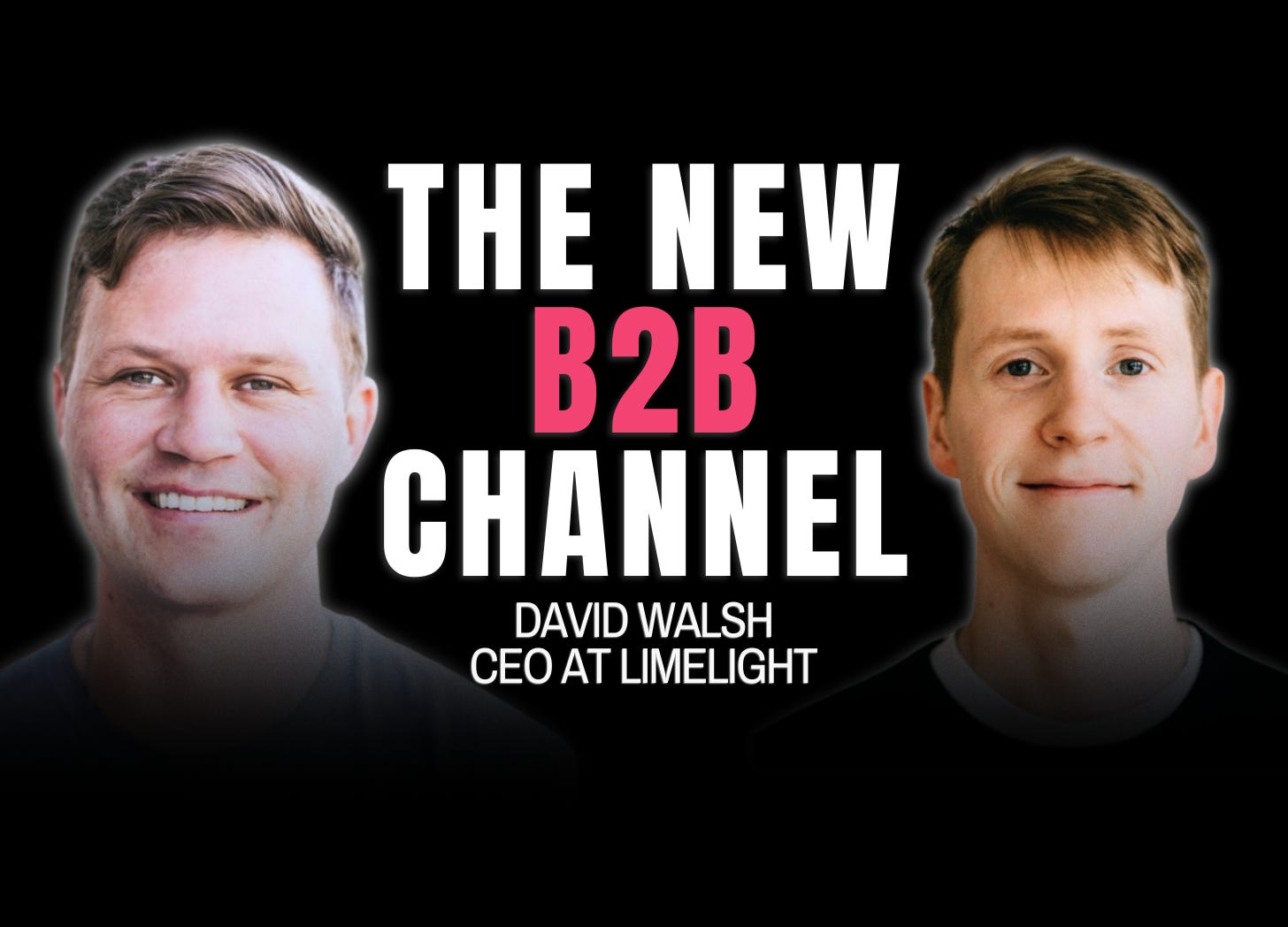
David Walsh, Founder & CEO of Limelight, is one of the few people who actually knows how B2B influencer marketing actually works. His marketplace powers creator campaigns for Clay, Webflow, HubSpot, ZoomInfo, Bill.com, and dozens of high-growth B2B companies.In this episode, we break down exactly how to collaborate with creators as a repeatable growth channel and not a one-off experiment.What You’ll Learn- The stage where influencer marketing actually works- Creator-Market Fit: the only metric that matters- The campaign structure Limelight recommends to every brand- What a good budget looks like- How to measure influencer marketing without guessing- Why organic posts are step one and paid ads are step two- How Clay built the best creator program in B2B- Why employee advocacy and creators is the real cheat code- The flywheel effect that happens when executives, employees, and influencers amplify each other- Why now is the moment to start creating content- David shares how his own content now drives 90% of Limelight’s revenuePerfect For- Founders who want real distribution, not just paid impressions- Marketing leaders tired of rising CAC and declining ad performance- Teams considering influencer marketing but unsure where to start- Anyone curious how B2B creators actually drive pipeline Connect with David: - David’s Linkedin: https://www.linkedin.com/in/dw1232/- Limelight: https://www.limelighthq.com/Connect with me: - Podcast: https://open.spotify.com/show/03CXzsZp7wdqIRVDcqPTFH- LinkedIn: https://www.linkedin.com/in/finnthormeier/- Website: https://www.project33.io/Chapters00:00 — The 2012-Instagram moment for LinkedIn02:05 — When a company is actually ready for influencer marketing03:44 — Does ACV matter?05:33 — Why LinkedIn creators are the hardest to find06:59 — Solving the creator cold-start problem09:13 — Employees vs full-time creators11:21 — Why creator partnerships are suddenly normalized13:19 — How often creators should post15:07 — The ideal campaign structure and why going wide wins17:30 — Why niche creators outperform big ones19:01 — Budget ranges for 60-post campaigns20:32 — How to measure success the honest version22:55 — The 80/20 of engagement quality25:14 — Turning creator posts into paid ads27:30 — Why creator budgets will explode over the next 5 years31:06 — Creator-Market Fit 33:10 — The campaigns David points companies to35:02 — How Clay built the new standard37:10 — How brands should think about creative control40:38 — Why over-controlling the creator kills performance42:22 — How to think about creator fatigue + competitive overlap44:28 — The transparency rules creators follow46:12 — Employee advocacy + creators = distribution48:33 — How creators help employees grow, and vice versa50:48 — Why every company will have “personality-led marketing”52:54 — Why employee content must become measurable54:34 — David’s closing message: start creating now#linkedin #founderledmarketing #linkedinads #linkedinagency #founderbranding #saas #b2bmarketing #demandgeneration #demandgen #content #b2b #revenue #contentmarketing #performancemarketing #videomarketing #personalbranding This is a public episode. If you would like to discuss this with other subscribers or get access to bonus episodes, visit www.executivebrand.org
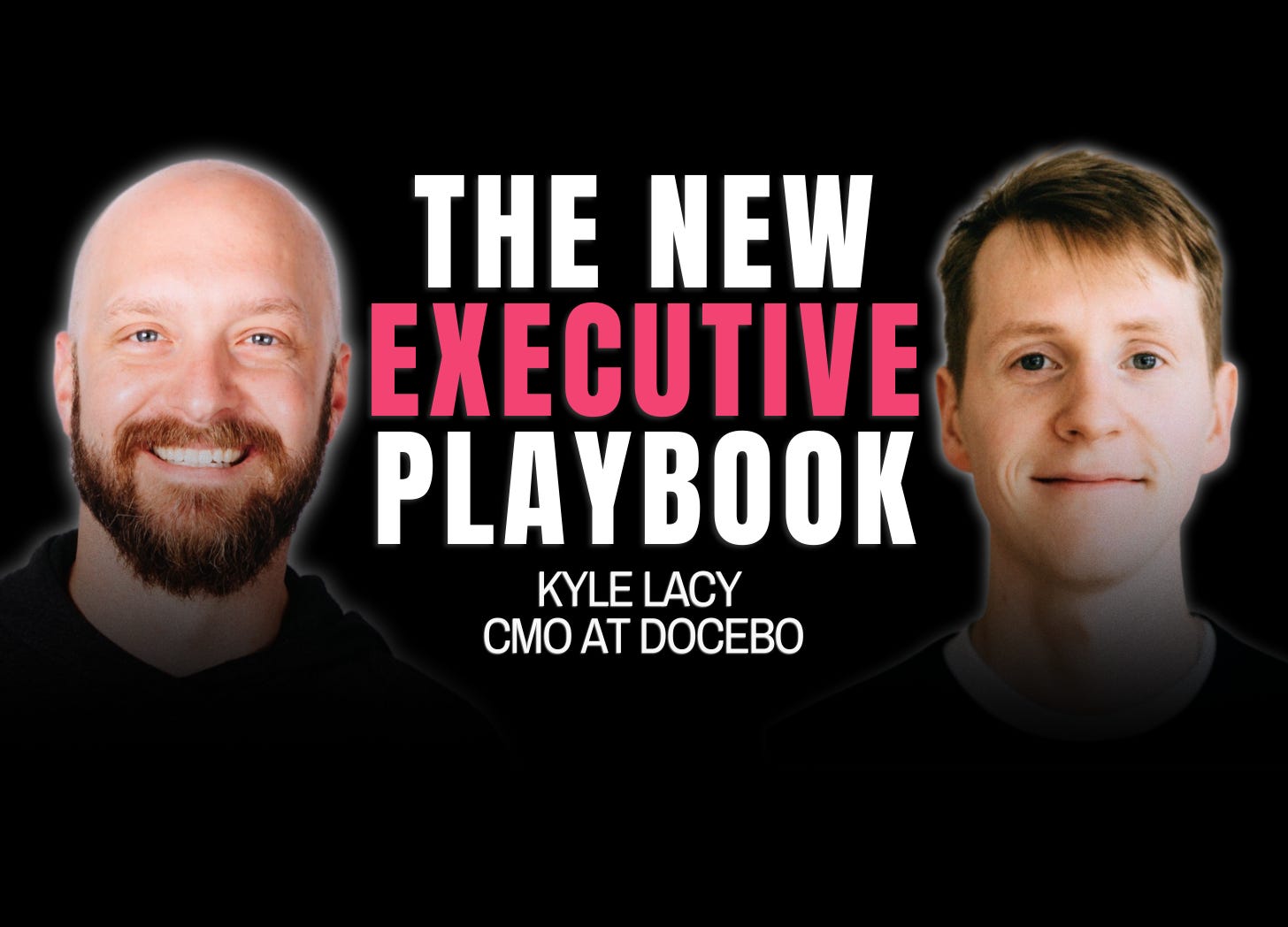
Kyle Lacy is the CMO of Docebo, a publicly traded enterprise learning platform used by companies like Zoom, OpenTable, Dior, and Denny’s. Before Docebo, he led marketing at Lessonly, Seismic, Salesforce, and Jellyfish, and he’s been publishing online since MySpace.In this episode, Kyle breaks down what’s still true about personal branding in 2025, how executives should think about posting online, the mistakes leaders make when they worry too much about reach, and why story is the only thing that differentiates you.We also talk about publishing as a discipline, how to turn meetings into content, the realities of being an exec at a public company, and why Ramp and Liquid Death are raising the bar for brand in B2B.What You’ll Learn- The one thing about personal branding that hasn’t changed since 2010- How to create content as a busy executive- Why reach doesn’t matter as much as people think- The biggest mistakes executives make on LinkedIn- How to use LinkedIn for internal communication- When executive thought leadership becomes a marketing motion- The best way to pick content topics Perfect for founders, CMOs, and B2B leaders who want to:- Build a real executive brand - Understand how to post confidently without fear- Turn daily work into high-performing content- Enable your leadership team to publish consistently- Use LinkedIn for recruiting, culture, and storytellingConnect with Kyle: Kyle’s Linkedin: https://www.linkedin.com/in/kylelacy/Docebo: https://www.docebo.com/ Revenue Diaries: https://www.therevenuediaries.com/Connect with Me:LinkedIn: https://www.linkedin.com/in/finnthormeier/Website: https://www.project33.io/Podcast: https://open.spotify.com/show/03CXzsZp7wdqIRVDcqPTFHChapters00:00 Who is Kyle Lacy?01:22 Writing one of the first personal branding books (in 2010)03:30 What’s still true about personal branding05:00 Story vs. generic content07:00 How personal to get online08:58 Why specific details make you relatable10:22 How Kyle sees LinkedIn compared to other platforms12:05 The truth about reach and algorithm changes13:42 Kyle’s workflow: how he actually creates content15:38 Posting daily as an executive17:44 The Delta incident: how a single tweet almost got him fired20:37 How executives should think about posting22:38 Why building a network matters for every leader23:58 Dealing with imposter syndrome vs. publishing fear25:39 Do people assume you’re not working?27:36 Evergreen vs. timely content29:49 Using LinkedIn for internal communication31:41 When executive thought leadership becomes a real marketing motion33:54 Using audience trust for hiring35:48 Which executives should post (and why some shouldn’t)37:58 Themes and sub-themes: Kyle’s writing strategy39:22 Hooks, structure, and intuition40:49 Framework content vs. story content42:00 Commenting, community, and consistency44:38 Why Kyle wishes he started his newsletter earlier46:15 Substack vs. Beehiiv48:04 Kyle’s current tool stack49:10 Brands inspiring him: Ramp, Liquid Death50:37 Why good taste still wins This is a public episode. If you would like to discuss this with other subscribers or get access to bonus episodes, visit www.executivebrand.org
Melissa Rosenthal is the Co-Founder of Outlever, the company helping B2B brands build their own media properties, full newsrooms, daily publishing, real interviews, and journalism that companies actually own.Before Outlever, Melissa scaled BuzzFeed’s creative team, helped build Cheddar into a modern media brand, and later became Chief Creative Officer at ClickUp, where she helped turn the company into one of the most recognizable names in SaaS.In this episode, Melissa gives a behind-the-scenes look at how company-owned newsrooms work, why traditional PR is broken, how Outlever produces journalism at scale, and why the future belongs to brands that control their own distribution.We also talk about B2B storytelling that people actually want to read, the new rules of thought leadership, and how AI is reshaping content creation from the inside.What You’ll LearnWhy traditional PR doesn’t work anymoreHow to build a company-owned newsroomThe system Outlever uses to create journalism at scaleWhy founders should own their audience, not rent itHow AI fits into modern editorial workflowsThe ClickUp lessons: brand, creative, and B2C thinking in B2BHow to use interviews to build trust at scaleWhat happens when every company becomes a media companyPerfect for founders, CMOs, and B2B marketers who want to:Build a real moat around their brandEscape the limitations of traditional PRUse interviews to drive trust, authority, and distributionUnderstand the future of B2B mediaBlend AI + human storytelling effectivelyConnect with Melissa:Melissa’s LinkedIn: https://www.linkedin.com/in/melissarosenthal5/Outlever: https://www.outlever.com/Connect with me:LinkedIn: https://www.linkedin.com/in/finnthormeier/Website: https://www.project33.io/Podcast: https://open.spotify.com/show/03CXzsZp7wdqIRVDcqPTFHChapters00:00 Who is Melissa Rosenthal? From BuzzFeed to ClickUp to Outlever02:00 Why traditional PR is broken (and what replaces it)05:06 The reality behind earned media and pay-to-play06:46 Why companies should build their own newsroom08:37 What it takes to launch a media entity from scratch10:47 How Outlever produces journalism at scale12:50 The companies doing this best today14:14 Should every company build a newsroom?16:07 AI search, AEO, and why third-party content wins17:25 How Outlever does its own marketing19:20 How direct the brand to newsroom link should be20:40 Why this model is a moat for companies22:20 Will new “gatekeepers” emerge?24:30 How Melissa explains this to CMOs26:20 Distribution: LinkedIn, newsletters, and peer networks28:21 Quality vs. quantity in content publishing29:55 How AI assists interviews and drafting31:18 Why humans will always run the interview34:07 AI-assisted interviewer workflow, explained35:38 The rise of thought leadership and personal brand building37:46 The hardest part: going from 0 to 139:23 Why POV comes from your ICP, not your boardroom41:06 What media companies can’t do anymore44:35 Forbes 30 Under 30, and what it meant at 2546:28 What makes a truly great interview This is a public episode. If you would like to discuss this with other subscribers or get access to bonus episodes, visit www.executivebrand.org
Alex Josephson is the VP of Brand and Content Strategy for Advertisers at LinkedIn, helping brands tell better stories and run smarter campaigns on the world’s largest B2B platform.In this episode, Alex gives a behind-the-scenes look at how LinkedIn thinks about vertical video, thought-leader ads, creative strategy, and what’s next for the platform.We also talk about B2B storytelling that actually entertains, why executives should stop over-engineering their content, and how brands like Ramp and Amex are setting a new bar for creativity in B2B.What You’ll Learn:Why LinkedIn is going all-in on vertical videoHow to make executives feel natural on cameraThe three principles LinkedIn teaches top advertisersWhy “cheap reach” is the wrong metric and what actually drives ROIHow to combine brand and demand in one strategyThe rise of Thought Leader Ads and what makes them workReal examples from Ramp, Amex, ServiceNow, and MicrosoftWhat’s coming next for LinkedIn: creators, brand-link video, and original programmingPerfect for founders, CMOs, and B2B marketers who want to:Turn executives into trusted voicesCombine brand and demand effectivelyUnderstand how LinkedIn’s ad ecosystem really workConnect with Alex:Alex’s LinkedIn: https://www.linkedin.com/in/alexjosephson/LinkedIn: https://www.linkedin.com/Thought Leader Ads: https://business.linkedin.com/marketing-solutions/native-advertising/thought-leader-adsEnhanced Discovery for Thought Leader Ads: https://www.linkedin.com/pulse/boost-reach-build-influence-enhanced-discovery-thought-m5alc/BrandLink: https://business.linkedin.com/marketing-solutions/native-advertising/brandlinkServiceNow Video Case Study: https://business.linkedin.com/marketing-solutions/case-studies/servicenow-kantar-ctvAmerican Express Together We Grow Campaign: https://www.linkedin.com/posts/linkedin_in-business-trust-is-key-which-is-why-american-activity-7350539632754704384-xmEo/Ramp’s “Brian's First Day As CFO” Campaign: https://www.linkedin.com/company/ramp/posts/?feedView=videosConnect with me:LinkedIn: https://www.linkedin.com/in/finnthormeier/Website: https://www.project33.io Podcast: https://open.spotify.com/show/03CXzsZp7wdqIRVDcqPTFHChapters00:00 Introducing Alex Josephson, from Twitter to LinkedIn02:00 Why LinkedIn is betting big on vertical video07:00 Stories, executives, and authentic B2B content09:30 How Blackstone’s president built a following with 60-second videos11:30 The psychology behind “show vs. tell” marketing13:00 The 3 core principles for winning on LinkedIn ads17:00 Thought Leader Ads and persona-based storytelling21:00 Video vs. static and what actually performs23:00 Using video to warm audiences before retargeting26:00 How to structure your LinkedIn ad funnel like a pro30:00 Should you promote thought leadership content?32:00 Debunking the “LinkedIn reduced reach” myth34:00 The shift from SEO to AEO (Answer Engine Optimization)36:00 Ramp’s live-streamed “expense office” campaign and why it worked38:00 American Express: co-creating with real customers40:00 Why creative still wins in a world of automation41:00 The rise of executive content at LinkedIn42:00 How companies can actually enable their people to post44:00 Corporate Natalie, Rob Mayhew, and the B2B comedy era46:00 What’s next for LinkedIn → creators, shows, and premium media48:30 Closing thoughts This is a public episode. If you would like to discuss this with other subscribers or get access to bonus episodes, visit www.executivebrand.org
Joe Ciarallo led comms at Salesforce, Toast (through IPO), and now Wellhub (formerly Gympass), a $2.4 billion corporate-wellness company.He’s seen what happens when scrappy startup PR turns into an IPO-ready machine.In this episode, Joe breaks down exactly how to build that engine. From category creation at Salesforce to crisis playbooks at Toast, and how to make your founder’s voice a real strategic asset. What you’ll learn:- How Salesforce invented the “Marketing Cloud.”- The shift from scrappy PR to strategic comms.- The new PR mix: owned + earned.- Where AI fits in comms, and why thought leadership will become more valuable, not less.- How companies like Ryanair earned trust by explaining the logic behind unpopular choices.- Why separating those functions is already outdated.- How Salesforce and Toast decide who shows up, what to say, and why empathy is non-negotiable.- Joe’s rule: just start. Post, iterate, learn, repeat.Perfect for founders who:- Want to look public-ready long before the IPO- Need to balance credibility with control- Are scaling fast and can’t afford to “wing comms” anymore- Believe the founder’s voice is part of the brand- Want to build real authority on LinkedIn without sounding corporateConnect with Joe:- Joe’s Linkedin: https://www.linkedin.com/in/joeciarallo/- Wellhub: https://wellhub.com/Connect with me: - LinkedIn: https://www.linkedin.com/in/finnthormeier/- Website: https://www.project33.io/- Podcast: https://open.spotify.com/show/03CXzsZp7wdqIRVDcqPTFHChapters00:00 – “Dress for the job you want, even as a startup.”01:20 – The Salesforce Marketing Cloud story05:50 – How owned + earned media play off each other08:30 – The rise of podcasts as the new PR11:40 – Turning scrappy PR into an IPO-ready function14:00 – How Toast prepped for IPO16:15 – AI, content, and speed18:20 – Why AI can’t create thought leadership20:30 – The new transparency: explaining the why22:00 – When journalists check your LinkedIn25:50 – Internal vs external comms is outdated30:00 – The rise of the Chief Comms Officer32:00 – Coaching founders to lead industries, not just products34:00 – Crisis playbooks and empathy36:00 – Why comms leaders should post too38:10 – CEO visibility and leading by example40:00 – Wrap-up This is a public episode. If you would like to discuss this with other subscribers or get access to bonus episodes, visit www.executivebrand.org
Udi Ledergor joined Gong as their first marketer in 2016, back when “revenue intelligence” wasn’t even a thing.Nine years later, Gong is one of the most recognizable B2B brands in the world, doing well over $300M ARR and followed by 300,000+ people on LinkedIn.In this episode, Udi breaks down the marketing playbook that made that possible, and why best practices are just boring practices. We talk about: Why best practices are boring practices and how to replace them with a sharp POVThe 3 levels of content that actually earn attention (data, surveys, opinions)Inside Gong’s Content Council and how 21 employees drive organic reachHow to safely build a “courageous” marketing culture that rewards risk-takingUdi’s biggest lessons from Gong’s Super Bowl ad (what worked, what didn’t)Balancing personal brands vs. company brands — and how Gong grew bothWhat founders should do first when building brand at $5M ARRHow Gong adapted its LinkedIn strategy as it moved upmarketThe “Punch Above Your Weight” principle that’s inspiring campaigns worldwidePerfect For:Founders building an early-stage marketing motionCMOs creating brand differentiation in crowded categoriesMarketing leaders trying to activate their team on LinkedInConnect with Udi:Udi’s Linkedin: https://www.linkedin.com/in/udiledergor/Gong: https://www.gong.io/ Udi’s new book: https://a.co/d/djoOhWR Connect with Finn:Podcast: https://open.spotify.com/show/03CXzsZp7wdqIRVDcqPTFHLinkedIn: https://www.linkedin.com/in/finnthormeier/Website: https://www.project33.io/00:00 — Intro: from Gong’s first marketer to $300M+ ARR02:00 — Why best practices lead to boring marketing03:40 — How courage creates differentiation05:00 — Examples of bold B2B marketing done right06:20 — Dreaming of product placement for B2B07:40 — The truth about ROI from Gong’s Super Bowl ads09:40 — “Show the damn product” what Udi learned the hard way11:00 — Building internal influencers: Chris Orlob & Devin Reed13:00 — Personal brands vs. company brand: how Gong balanced both15:00 — Why Gong lets employees post freely on LinkedIn17:00 — The structure and role of Gong’s “Content Council”20:00 — How onboarding includes LinkedIn training for every employee23:00 — Turning customers into advocates: Gong Love Week25:00 — Why celebration fuels consistency27:30 — How Gong’s LinkedIn content evolved as the company scaled30:00 — How to build brand at $5M ARR (Udi’s playbook)33:00 — Why paid ads don’t work for early-stage startups35:00 — The 3 levels of content: data, surveys, and opinions38:00 — Why being polarizing beats being agreeable42:00 — How strong opinions build categories44:00 — The story behind Gong’s viral “group therapy” CEO post46:00 — Building a courageous team: psychological safety in practice50:00 — Why boldness is Gong’s real competitive advantage52:00 — Writing Courageous Marketing — and what surprised Udi most54:00 — “Punch Above Your Weight”: the framework inspiring global campaigns This is a public episode. If you would like to discuss this with other subscribers or get access to bonus episodes, visit www.executivebrand.org
Bryan Law is the CMO at SentinelOne, an AI-powered cybersecurity company that just crossed $1B ARR.Before joining SentinelOne, Bryan led marketing at Salesforce and ZoomInfo, where he learned the power of distinctive brands and founder-led storytelling.In this episode, Bryan breaks down how he helped SentinelOne become the fastest-growing cybersecurity brand on LinkedIn (up 61% YoY) — and how he’s rethinking executive content, AI, and brand-building in enterprise SaaS.What you’ll learnThe difference between being different and being distinct and why it matters more for B2B brandsHow SentinelOne doubled its LinkedIn followers in 12 monthsWhy follower growth isn’t vanity when it drives top-of-funnel awarenessHow to get executives posting consistently without forcing itBryan’s 4 stages of adopting AI in marketing teamsHow synthetic audiences and agentic AI are changing customer researchThe “Day 1 Buyer List” every marketer needs to understandWhy every brand investment should have a measurable impact on demandPerfect for Founders, CMOs, and marketing leaders who want to:Build distinctive brands that dominate the buyer’s “Day 1” listTurn executive teams into LinkedIn thought leadersBlend AI, content, and brand for measurable pipeline impactConnect with BryanBryan’s Linkedin: https://www.linkedin.com/in/bryanbasdenlaw/SentinelOne: https://www.sentinelone.com/ Connect with mePodcast: https://open.spotify.com/show/03CXzsZp7wdqIRVDcqPTFH LinkedIn: https://www.linkedin.com/in/finnthormeier/ Website: https://www.project33.io/ Chapters00:00 Distinct vs Different02:00 Why distinctiveness beats differentiation05:30 Brand assets that make you recognizable08:30 Using AI and synthetic audiences for messaging10:45 Why SentinelOne made LinkedIn a top priority13:00 Metrics that actually matter beyond follower count16:00 The 3 levers that drove 100K+ new followers18:00 Getting executives active on LinkedIn19:45 The Henry Schuck story on building a personal brand21:30 How executives should approach LinkedIn posting25:00 Balancing personal content vs company relevance27:00 Why CEOs should post on LinkedIn (and how to convince them)30:00 The CEO as a distinctive brand asset32:00 Inside SentinelOne’s internal brand ambassador program35:00 The “Day 1 Buyer List” and marketing to the 95%38:45 Brand investments that actually drive demand42:30 What every CMO should still do in the AI era46:00 How SentinelOne uses GenAI operationally47:30 Favorite AI tools in Bryan’s stack49:00 Closing thoughts This is a public episode. If you would like to discuss this with other subscribers or get access to bonus episodes, visit www.executivebrand.org
Owner.com powers 10,000+ restaurants with tools to grow sales, from online ordering and loyalty programs, to marketing automation.Behind that growth is Kyle Norton, CRO and former Shopify revenue leader, who’s helped rebuild the business from zero to multi-millions ARR, twice.In this episode, Kyle opens up about the habits, frameworks, and trade-offs that drive long-term success as a leader, parent, and athlete.From rebuilding after failure to finding balance with two kids and a hyper-intense founder, this one’s packed with real talk on what high performance actually looks like.What You’ll Learn- How Owner.com rebuilt from $0 to $1M ARR in a year, twice- Why Adam Guild’s intensity sets the bar for what “founder-led” really means- How martial arts shaped Kyle’s approach to sales, discipline, and resilience- The real trade-offs between startup growth, family, and health- What separates great CROs from good ones and why “bar raising” matters- How Kyle uses AI in his revenue org (and what actually delivers ROI)- Why he doesn’t chase AI hype and how Owner’s mission keeps him grounded- Lessons from Jason Lemkin on board trust, transparency, and tough feedbackFounders, sales leaders, and executives who want to:-Scale teams without burning out- Lead with discipline, not chaos- Build brand trust that compounds- Stay grounded while chasing growthConnect with Kyle:- Kyle’s Linkedin: https://www.linkedin.com/in/kylecnorton/- Revenue Leadership Podcast: https://www.therevenueleadershippodcast.com/- Owner.com: https://www.owner.com/ Connect with me:Podcast: https://open.spotify.com/show/03CXzsZp7wdqIRVDcqPTFHLinkedIn: https://www.linkedin.com/in/finnthormeier/Website: https://www.project33.io/Chapters00:00 Owner.com’s story and rebuilding from $0 to $1M ARR03:00 Lessons from martial arts and disciplined practice07:00 Physical fitness as a superpower for startup leaders09:30 What makes founder-led intensity different13:00 Investing early in brand and why it paid off long-term17:30 Balancing family, health, and high performance24:00 The truth about kids, work, and “having it all”26:00 What separates elite CROs from good ones31:00 Company culture, ownership, and “the numbers too high”34:00 Why building a personal brand matters as a leader39:00 Kyle’s favorite podcasts and why he started his own42:00 AI in sales and what actually works51:00 Lessons from Jason Lemkin on trust and board management53:30 Closing thoughts and reflections#linkedin #founderledmarketing #linkedinads #linkedinagency #founderbranding #saas #b2bmarketing #demandgeneration #demandgen #content #b2b #revenue #contentmarketing #performancemarketing #videomarketing #personalbranding This is a public episode. If you would like to discuss this with other subscribers or get access to bonus episodes, visit www.executivebrand.org
Charles Tenot is the CEO of Lemlist, the $33M bootstrapped B2B SaaS company behind LinkedIn favorites like Lemwarm, Taplio, and TweetHunter. In this episode, he walks us through the transition from COO to CEO, what it’s like to follow a founder like Guillaume Moubeche, and how Lemlist builds brand without performance marketing.He also unpacks his personal LinkedIn writing system (including how he gets post ideas on his motorbike), why repurposing content is underrated, and why shipping features again was key to breaking their $15M ARR plateau.This one’s packed with stories and tactics from internal growth challenges to building a content-first culture that attracts top hires and drives 10:1 LTV to CAC.What we cover:- Charles’ transition from COO to CEO - The honest truth about why Lemlist stopped growing and how they broke through- How they restarted product velocity after 12 months of “tech debt”- The Lemlist brand playbook: what it actually means to build trust- Why Charles doesn’t believe in performance marketing (and what works instead)- How he writes LinkedIn posts in 10 minutes- His system for idea capture (Slack voice notes + ChatGPT for hook ideation)- Why clickbait kills audience quality- Internal content pods, incentives, and how Lemlist encourages employee posting- Why he killed their SEO blog and what they replaced it withPerfect for:- B2B founders stuck at a revenue plateau- CEOs looking to activate their teams on LinkedIn- Marketing and brand leaders scaling a bootstrapped company- Anyone trying to build trust in a noisy categoryConnect with Charles:- Charles’ Linkedin: https://www.linkedin.com/in/charlestenot/- lemlist: https://lemlist.com/Connect with me: Podcast: https://open.spotify.com/show/03CXzsZp7wdqIRVDcqPTFHLinkedIn: https://www.linkedin.com/in/finnthormeier/Website: https://www.project33.io/Chapters:00:00 – LinkedIn is a game. Play it.01:16 – Lemlist, Lempire, and $33M ARR03:05 – What it’s like to take over as CEO 04:45 – The power of a “clear contract” when transitioning leadership06:40 – Biggest lesson: trust your gut (even if the founder’s still around)08:37 – Why Charles started posting on LinkedIn (and what pissed him off)10:44 – Why personal branding helps attract top hires12:38 – Can you track LinkedIn ROI? Not really. Here’s what to measure instead.13:55 – Charles’ full posting system: ideation, hooks, writing, time spent16:15 – The difference between engagement and quality (and how to balance)18:37 – How he gets ideas on a motorbike (and his Slack system for saving them)20:54 – “Done is better than perfect” The mindset for scaling content23:00 – Why Charles doesn’t repurpose content (but why you probably should)24:23 – Guillaume’s advice, and why you need your own voice26:40 – “Why should anyone care what you write?” (Especially if you're early)28:40 – Why every company should think like a niche content brand30:55 – Internal pods, incentives, and how Lemlist encourages posting34:33 – How Guillaume helps team members write—and why some say no36:57 – Why they stopped paying employees for impressions38:13 – 10:1 LTV to CAC – How Lemlist drives growth with brand40:32 – Why they killed their SEO content42:45 – What actually builds a trustworthy brand (from sales to product)44:48 – Breaking through the ARR plateau: what finally worked46:47 – Why complex orgs have lagging feedback loops48:32 – “Ship something every month that excites the customer”50:34 – How to build a personal brand when you’re just getting started52:38 – Use your lack of experience as your brand54:45 – “Do cool s**t and talk about it”—Content advice for students and juniors#linkedin #founderledmarketing #linkedinads #linkedinagency #founderbranding #saas #b2bmarketing #demandgeneration #demandgen #content #b2b #revenue #contentmarketing #performancemarketing #videomarketing #personalbranding This is a public episode. If you would like to discuss this with other subscribers or get access to bonus episodes, visit www.executivebrand.org
David Heinemeier Hansson (DHH) is the co-founder & CTO of 37signals (Basecamp, HEY) and the creator of Ruby on Rails.In this episode, DHH breaks down how he built real wealth without playing the Silicon Valley game, why “f**k you money” is misunderstood, and what it really takes to stay independent for 20+ years.We talk about effort, writing, grit, parenting, and how the most meaningful success doesn’t always look like a unicorn.Topics we cover in this episode:- How Basecamp started as a side project and became a 20-year business- What most people get wrong about building “f**k you money”- Why DHH bet on Ruby when no one else cared- The 2% rule: how David outworked luck- The real cost of deferred living and why it’s not worth it- Why content creation is a byproduct, not a goal- What Europe gets wrong (and right) about work and family- Why blogging and replying to people still mattersPerfect for:- Founders who don’t want to raise $100M to be successful- Indie hackers and devs building side projects- Creators who actually ship things- Anyone tired of the same recycled startup adviceConnect with DHH: - DHH’s Linkedin: https://www.linkedin.com/in/david-heinemeier-hansson-374b18221/- DHH’s X: https://x.com/dhh- DHH’s blog: https://world.hey.com/dhh- DHH’s personal website: https://dhh.dk/- 37signals: https://37signals.com/- Basecamp: https://basecamp.com/- HEY: https://www.hey.com/- Once: https://once.com/- Ruby on Rails: https://rubyonrails.org/Connect with Finn:Podcast: https://open.spotify.com/show/03CXzsZp7wdqIRVDcqPTFHLinkedIn: https://www.linkedin.com/in/finnthormeier/Website: https://www.project33.io/Chapters00:00 – Intro: Why wisdom becomes platitude01:58 – The watch blog that changed lives03:20 – What “f**k you” money really means06:31 – Betting on Ruby when it made no sense09:50 – Why Building for yourself means long-term leverage11:45 – Don’t wait to live your dream14:20 – DHH’s 2% mindset (via David Goggins)16:45 – How one helpful email led to 37signals18:20 – Redrawing patterns: giving gifts with no ask20:40 – Standing out: The 0.1% effort rule23:55 – “Content creator” is an insult. Here’s why25:40 – Share your ideas *after* taking action27:15 – Marketing without ads or attribution29:40 – Gary Vee and the power of retail scale32:00 – Jim Rohn, Stoicism, and seasons of life35:10 – How to survive the storm37:05 – Platitudes only work when they land38:30 – Authenticity means being maskless41:20 – On “f**k Apple” and reputation caveats42:40 – Why compliments should be clean44:30 – Balaji, network states, and philosophy47:00 – Europe and ambition shame50:40 – Cultural change is possible (but slow)53:00 – Bringing success back home55:30 – Final thoughts: Be the 2%. Always.#linkedin #founderledmarketing #linkedinads #linkedinagency #founderbranding #saas #b2bmarketing #demandgeneration #demandgen #content #b2b #revenue #contentmarketing #performancemarketing #videomarketing #personalbranding This is a public episode. If you would like to discuss this with other subscribers or get access to bonus episodes, visit www.executivebrand.org
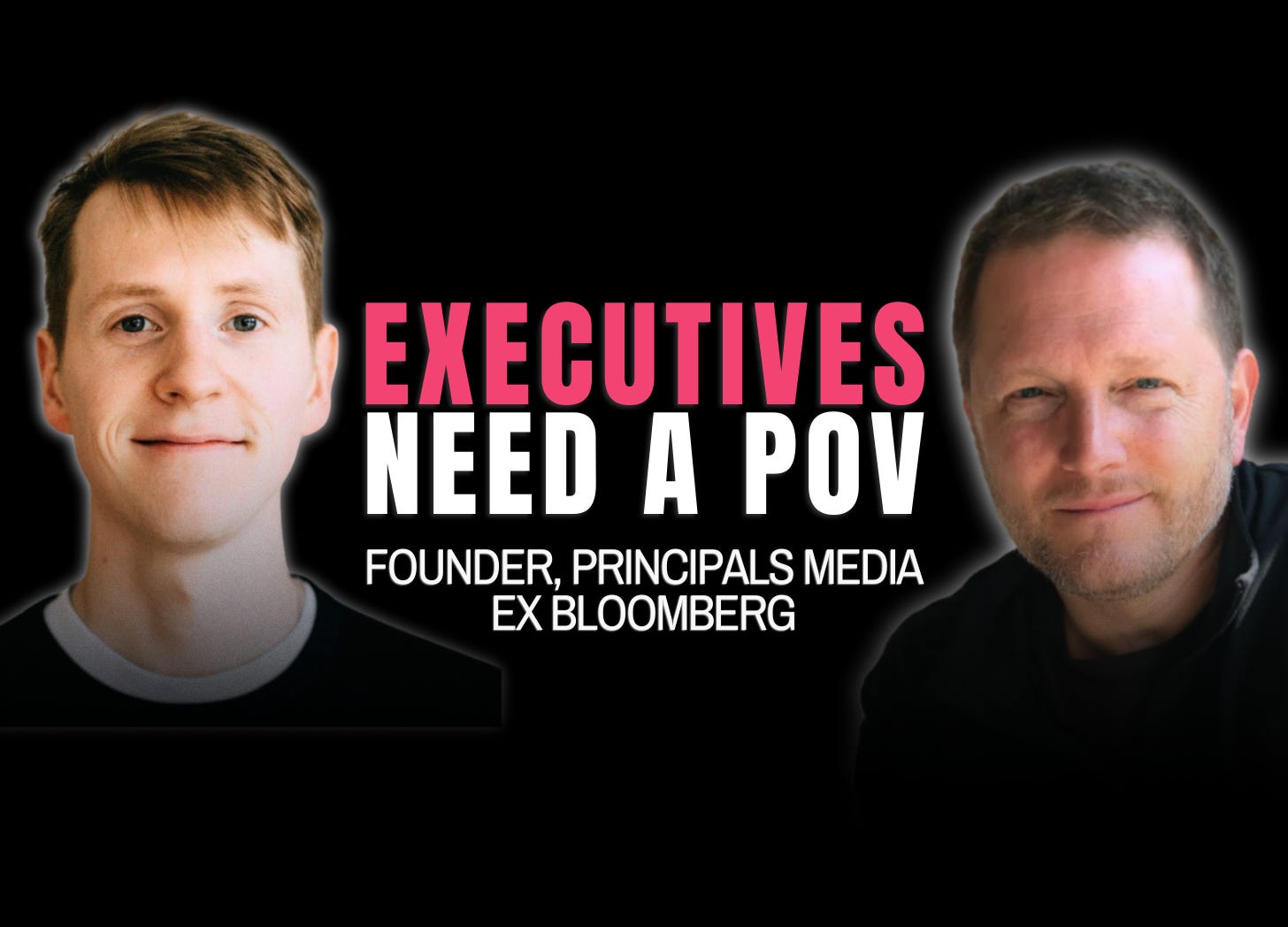
Ted Merz spent 32 years at Bloomberg. He started as reporter #15 and ended as Global Head of News Product.In this episode, Ted breaks down how storytelling became his next career. He shares the turning point after getting fired, the content habits he developed, and how that turned into Principals Media, a company helping executives build real audiences through honest stories.We talk about founder content, comms vs. brand, what most ghostwriters get wrong, and the difference between vulnerability and clarity.Topics we cover in this episode:- The truth about getting laid off at 57 (and what came next)- How LinkedIn became a proving ground for executive content- Why most founder content sounds like it was written by ChatGPT- What Bloomberg taught Ted about voice, clarity, and leadership- The difference between being vulnerable and being honest- Why memorability is more important than engagement as metric- How ghostwriters can help execs find their POV (not just polish)- The real ROI of storytelling is reputation, not reachPerfect for:- Founders and execs trying to grow on LinkedIn- Comms teams turning leadership into creators- Ghostwriters building long-term client relationships- Anyone starting over and using content to get back in the gameConnect with Ted:- Ted’s LinkedIn: https://www.linkedin.com/in/ted-merz-cfa-b711257/- Principals Media: https://www.principalsmedia.com/Connect with me:Podcast: https://open.spotify.com/show/03CXzsZp7wdqIRVDcqPTFHLinkedIn: https://www.linkedin.com/in/finnthormeier/Website: https://www.project33.io/Chapters00:00 From Bloomberg to LinkedIn: how storytelling became the next chapter02:30 Getting laid off at 57 with no plan05:00 Going viral with real stories (and no strategy)07:45 Why so much founder content feels generic09:30 What ghostwriters should be doing for execs12:15 The Bloomberg comms lessons that stuck14:45 The danger of over-polished “vulnerability”17:10 What metrics Ted cares about (and what he ignores)20:20 Starting Principals Media: from DMs to clients23:00 Helping execs write without dumbing it down25:30 Why founder content is just good leadership in public27:40 How writing helped Ted clarify what came next30:00 If you want to start posting this is what you should start with#linkedin #founderledmarketing #linkedinads #linkedinagency #founderbranding #saas #b2bmarketing #demandgeneration #demandgen #content #b2b #revenue #contentmarketing #performancemarketing #videomarketing #personalbranding This is a public episode. If you would like to discuss this with other subscribers or get access to bonus episodes, visit www.executivebrand.org
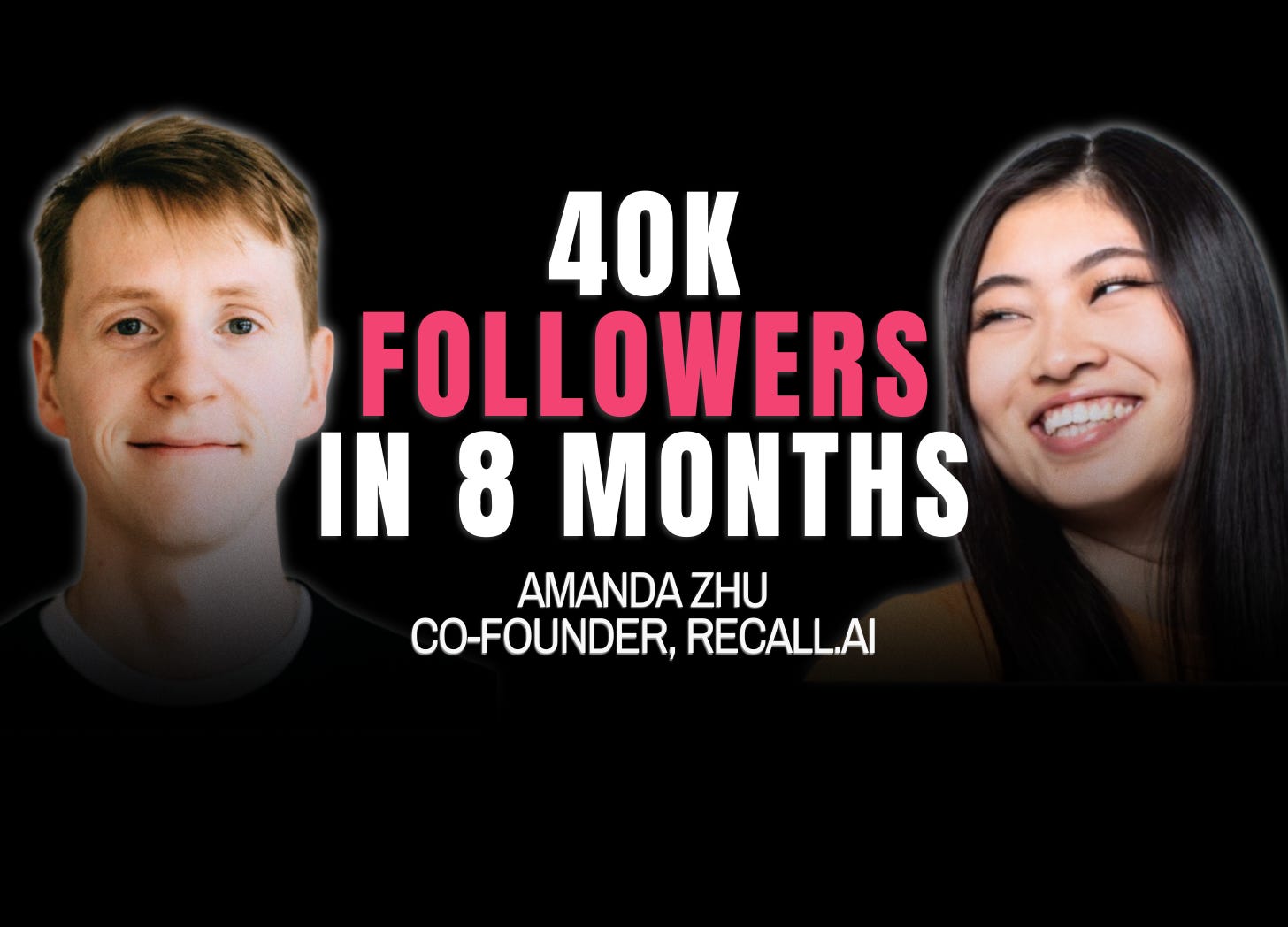
Amanda Zhu is the co-founder of Recall.ai, the API that lets SaaS tools access data from Zoom, Meet, Teams, and more.In just 8 months, Amanda grew her LinkedIn following to 40,000+ and turned content into a serious GTM channel, helping Recall land customers like HubSpot, Calendly, Apollo, and Datadog, while scaling past $20M ARR.In this episode, Amanda walks through her full playbook, from getting lucky with her first viral post, to building a structured, repeatable system for consistent growth. We also break down Recall’s content ops, audience targeting, and why Amanda believes credibility is earned in public, not in your pitch deck.Topics that we will cover in this episode: - The 2-week LinkedIn experiment that changed Recall’s GTM strategy- How Amanda and her marketer co-write 6 posts every week- Building a Notion database of content ideas, voice notes & pillars- Why “hook + value” is still the core formula for going viral- How to keep content fresh by varying tone, depth, and topic- What they’ve learned about the LinkedIn algorithm (and how it’s changing)- The real ROI: 20M+ impressions and customers that “already know her”- Why Amanda briefly added PS product pitches and why she removed them againConnect with Amanda: - Amanda’s Linkedin: https://www.linkedin.com/in/zhu-amanda/- Recall.ai: https://www.recall.ai/Connect with me:LinkedIn: https://www.linkedin.com/in/finnthormeier/Website: https://www.project33.io/Podcast: https://open.spotify.com/show/03CXzsZp7wdqIRVDcqPTFH Chapters00:00 Amanda’s Background & What Recall.ai Does02:10 Why LinkedIn Became Their Top GTM Channel04:00 The First Posts: No Framework, Just Instinct06:15 Going Viral Early - Luck or Strategy?08:00 Reverse-Engineering What Works (And Building a System)10:00 Notion Board, Weekly Content Meetings, Hands-on Writing13:00 Voice Notes, Pillars, and Getting Granular16:00 Scheduling Posts vs. Posting Live17:45 Daily LinkedIn Routine & Why They Avoid Automation19:20 The Target Account List Strategy (Manual, Not Automated)20:45 What They Track Instead of Attribution22:00 The Unquantifiable ROI (Conferences, Familiarity, Warm Leads)24:30 Why Hooks Matter More Than Anything Else25:30 The Role of Founder Stories, Frameworks, and Granular Value27:30 Tradeoffs: Building for Founders vs. Selling to Product Leaders29:00 Why Content Only Works if You’ve Lived the Story30:30 Should Her Co-founder Post Too? Why Timing Matters32:00 Advice to YC Founders: Just Start Posting (Even If It Sucks)34:20 How to Build Your Own System36:15 The “PS Buy Our Product” Era (Why It Worked & Why They Paused It)Podcast: https://open.spotify.com/show/03CXzsZp7wdqIRVDcqPTFHLinkedIn: https://www.linkedin.com/in/finnthormeier/Website: https://www.project33.io/#founderledmarketing #b2bmarketing #linkedin #saas #founderbranding #executivebranding #pr This is a public episode. If you would like to discuss this with other subscribers or get access to bonus episodes, visit www.executivebrand.org

Comments

Download from Google Play

Download from App Store
 United States