


 Claim Ownership
Discover Permaculture - The Podcast
Subscribed: 14Played: 271
Subscribe

© 2025 Discover Permaculture, LLC
Description
Host Geoff Lawton & guests discuss how to fight back against ecological collapse not with fear or hostility, but with design, community, and purpose. This podcast explores permaculture design solutions for every climate and at every scale. Real stories. Real designs. Real hope.
19 Episodes
Reverse
What does “efficiency” really mean in food production? Host Geoff Lawton and Ben, Eric and Sam discuss the hidden costs of industrial agriculture and explore how regenerative systems can produce more with less by working with nature, not against it.
Watch the video episode here.
Key Takeaways:
00:00 – 02:00: Introduces the idea of efficiency in food systems and questions whether yield and labor truly define it.
02:00 – 03:30: Reframes efficiency through an energy audit—measuring all inputs and outputs over the life of a system.
03:30 – 06:00: Explains how soil health is the real foundation of productivity, not just visible crop yields.
06:00 – 09:30: Breaks down the hidden environmental and social costs that industrial agriculture leaves out.
09:30 – 13:30: Explores how monoculture systems increase short-term efficiency but reduce long-term resilience.
13:30 – 15:30: Introduces the idea of combining farming scale with garden diversity for better outcomes.
15:30 – 20:30: Compares perennial and annual systems, showing how long-term plantings require fewer inputs over time.
20:30 – 26:30: Contrasts industrial control with ecological design, emphasizing working with natural systems.
26:30 – 31:30: Questions conventional productivity metrics and highlights the importance of nutrition and system health.
31:30 – 36:30: Discusses the benefits of local food systems in reducing transport and increasing resilience.
36:30 – 39:00: Looks at historical examples like victory gardens to show how decentralized systems can feed populations.
39:00 – 45:00: Emphasizes the role of home-scale food production in improving food security and independence.
45:00 – 51:00: Explores how regenerative systems become more economically viable over time.
51:00 – 60:00: Concludes that true efficiency comes from designing systems that work with nature and produce surplus energy.
In this episode, Geoff, Ben, Eric and Sam sit down with business coach and permaculture practitioner Bronwyn Chompff-Gliddon to explore how ethical businesses can thrive while spreading permaculture ideas into the wider world.
Watch the video episode here.
Key Takeaways:
00:00:00 – 00:03:30: Permaculture needs profitable businesses to scale beyond small communities.
00:03:30 – 00:06:00: Bronwyn’s journey connects permaculture with real-world business systems.
00:12:30 – 00:18:30: Permaculture practitioners commonly undercharge their work. Undercharging limits impact and leads to burnout.
00:18:30 – 00:26:00: Price based on value created, not time spent.
00:26:00 – 00:29:00: Permaculture challenges extractive, industrial business models.
00:29:00 – 00:33:00: Ethical businesses reinvest surplus into people and land.
00:33:00 – 00:36:30: Money can be directed like a resource in a system.
00:36:30 – 00:44:00: Marketing feels uncomfortable for many practitioners but it can be reframed as education and storytelling.
00:44:00 – 00:52:00: Giving value builds trust and attracts the right clients. Share freely, then charge for deeper expertise.
00:52:00 – 00:56:00: Good design creates far more value than it costs.
00:56:00 – 01:00:00: Success can attract criticism within the movement.
01:00:00 – 01:03:00: It’s possible to grow while staying ethically grounded.
01:03:00 – 01:06:00: Translate permaculture into language clients understand.
01:06:00 – 01:09:00: Give first, build trust, then offer paid services.
01:09:00 – 01:12:00: Real businesses must navigate taxes, systems, and competition.
01:12:00 – 01:15:00: Stay grounded in ethics as complexity grows.
01:15:00 – 01:18:00: Permaculture businesses can model real-world abundance.
01:18:00 – END: Scaling permaculture requires viable, well-communicated businesses.
About Bronwyn Chompff-Gliddon:Bronwyn is a business coach and permaculture practitioner based in Western Australia. She works with small businesses and entrepreneurs—especially those in the permaculture and sustainability space—helping them develop financially viable enterprises while aligning their work with ecological and ethical principles.
🔗 Website: https://evertrue.com.au
▶️ Youtube: / @evertruecoach
🌿 Community: https://permacultureaustralia.org.au
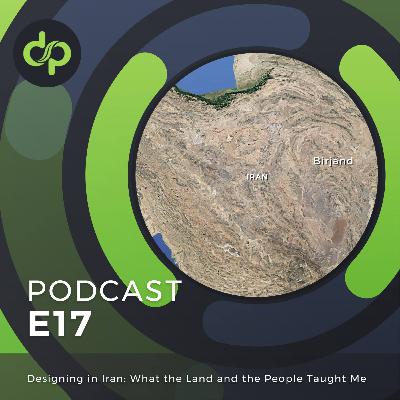
In 2007, Geoff was invited by Iran’s Ministry of Agriculture to teach composting and permaculture design to agricultural advisors. What followed surprised him. A single compost demonstration spread across the country and helped catalyze a national shift toward organic agriculture. In this reflective episode, Geoff describes ancient Iranian technologies like qanats (underground water canals), traditional water-harvesting orchards, desert restoration techniques, and innovative ways farmers combined permaculture ideas with thousands of years of local knowledge. Listen in as the team explores culture, ecology, and regenerative design in one of the world’s oldest agricultural civilizations.
Watch the video episode here.
Key Takeaways:
00:00 – 01:00: Introduction Geoff introduces his 2007 invitation to Iran by the Ministry of Agriculture to teach permaculture and composting.
01:00 – 04:30: Ancient irrigation still in use Iran still builds and maintains qanats, underground canals that transport mountain water to farms with almost no evaporation.
04:30 – 12:00: One compost pile becomes a national program The compost system Geoff taught was trialed across agricultural districts and eventually spread nationwide.
12:00 – 16:00: The “Doctor Tamarisk” story An Iranian agricultural researcher restored salt-damaged land by planting tamarisk trees and using their biomass to gradually reduce soil salinity.
16:00 – 20:00: Radical desert restoration ideas Discussion of an experimental technique reportedly used to stabilize dunes with crude oil mulch.
20:00 – 22:00: Ancient pistachio orchards Thousands of pistachio trees grown with half-circle water harvesting earthworks — a design used for centuries.
22:00 – 32:30: Sanctions and agricultural independence Geoff suggests Iran’s isolation helped preserve traditional farming knowledge.
32:30 – 35:00: What qanats actually are Detailed explanation of the underground canal system and how it moves water using gravity.
35:00 – 37:00: Passive cooling architecture Traditional Iranian buildings use wind chimneys and underground water tanks to cool homes without electricity.
37:00 – 46:00: Integrating permaculture into date palm plantations Farmers added swale-style trenches filled with compost to dramatically increase yields.
46:00 – 50:00: Ancient gabion flood systems Stone check dams used to capture desert silt and create extremely fertile crop zones.
50:00 – End: Why long-term infrastructure matters A qanat that lasts 2,000 years spreads its energy cost across centuries.
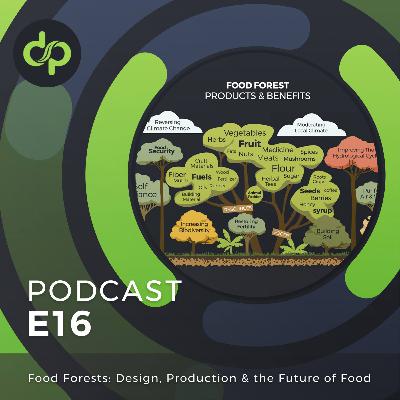
What if our food systems worked like forests? In this episode, host Geoff Lawton and the team explore food forests—long-term, tree-based systems that produce food while restoring ecosystems. From perennials and succession to microclimates and legumes, this conversation breaks down why food forests are one of the most stable and productive systems humans have ever designed.
Watch the video episode here.
Key Takeaways:
00:00 – 01:20: Why food forests matter Food forests challenge short-term agriculture by prioritizing long-lived systems that build stability, resilience, and food security over time.
01:20 – 02:05: What a food forest is A food forest is not a fixed layout or layer diagram. It’s a living system that adapts to climate, land, and time rather than following a template.
02:05 – 06:40: Perennials vs annuals Annual crops require constant disturbance and replanting, while perennials invest once and continue producing for years with fewer inputs.
06:40 – 07:40: Strategic neglect and plant resilience Strategic neglect allows systems to reveal which plants can survive with minimal care, selecting for resilience rather than dependency.
07:40 – 08:50: Trees, legumes, and long-term productivity Trees operate on long timelines, supported early by legumes that build soil, fertility, and structure before stepping aside.
08:50 – 13:10: Succession — from support species to food trees Food forests evolve through succession, where early, fast-growing plants prepare the conditions for slower, long-lived food species.
13:10 – 18:10: Maintenance vs yield trade-offs Maximizing yield often increases labor and inputs, while lower-maintenance systems can deliver more reliable long-term returns.
18:10 – 24:40: Wildlife returns when systems heal As ecological function improves, wildlife returns naturally — not through intervention, but because habitat and balance are restored.
24:40 – 33:00: Microclimates inside food forests Trees, water, and landform create protected microclimates that allow a wider range of species to grow beyond their expected limits.
33:00 – 52:00: Trees, people, and long-term settlements Human settlements have historically endured where tree cover stabilized food systems, water cycles, and living conditions.
52:00 – 57:45: Designing for generations, not seasons Food forests require patience, but their real value emerges over decades as systems mature and self-maintain.
57:45 – End: The bigger picture Food forests reframe agriculture from extraction to participation, asking how long a system can function — not how fast it can produce.
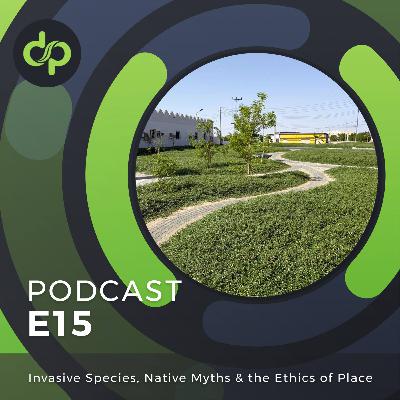
In this episode of the Discover Permaculture Podcast, we explore one of the most misunderstood and emotionally charged topics in ecology: invasive species. Are non-native plants and animals always destructive? Or are they often responding to damaged ecosystems—filling gaps, building soil, and restoring function where humans have removed it?
Watch the video episode here.
Key Takeaways:
00:00 – 02:30: “Invasive species” is more than a scientific term. It carries fear, values, and moral judgment — which often shuts down real ecological thinking before it begins.
02:30 – 05:00: Public debate collapses into emotion fast. This conversation isn’t defending negligence — it’s questioning whether outrage is replacing evidence.
05:00 – 11:30: Introduced plants are condemned while quietly performing critical ecological roles. Management often targets labels instead of outcomes.
11:30 – 15:00: If killing a plant causes erosion, loss of habitat, or system failure, the issue may be management — not the plant itself.
15:00 – 18:10: Instead of asking where a species came from, ask what it’s doing. Function changes everything.
18:10 – 20:30: Healthy ecosystems are defined by relationships and roles, not purity. Remove function and systems fail.
20:30 – 22:20: Ecosystems move through stages. Good management works with succession instead of freezing landscapes in time.
22:20 – 25:30: Purity thinking flattens complexity. When conservation becomes moral absolutism, it stops being ecological.
25:30 – 32:00: Many landscapes are already new. The question isn’t whether they belong — it’s how well they function.
32:00 – 36:30: Much restoration is driven by nostalgia. Living systems respond to present conditions, not historical ideals.
36:30 – 41:00: Societies reliant on introduced crops still condemn introduced plants elsewhere. That contradiction exposes selective thinking.
41:00 – 49:30: Small, well-managed systems show what works. Soil health, water cycling, and yield matter more than labels.
49:30 – 01:02:00: The future isn’t purity. It’s functional systems, living soils, and working with what’s already alive.
Drylands are expanding across the planet, putting pressure on water, food systems, and entire communities. In this Podcast, host Geoff Lawton, Eric, Ben and Sam draw on real-world experience from places like Jordan, Saudi Arabia, California, and Somalia to explore what actually works in arid and semi-arid landscapes.
Watch the video episode here.
Key Takeaways
00:00–03:00: Drylands are expanding fast, driven by climate instability, land misuse, and poor water strategy.
03:00–05:00: Techniques fail without timing and context. Strategy is what makes systems work.
05:00–07:30: Treating water as a commodity breaks dryland systems. Water must be managed as a cycle.
07:30–09:30: Large-scale infrastructure often creates dependency, not resilience.
09:30–11:30: Without shade, soil life collapses and water is lost to evaporation.
11:30–13:30: Cooling landscapes can be more powerful than adding more water.
13:30–15:30: Wind moves moisture and nutrients. Design decides whether it degrades or regenerates land.
15:30–18:00: Dust can build fertility when landscapes are structured correctly.
18:00–20:30: Catchment-scale thinking is essential for long-term success.
20:30–23:00: True water security is stored in soil and vegetation, not tanks.
23:00–26:00: Centralized water systems increase ecological and social fragility.
26:00–29:30: Somalia shows the real human cost of water system failure.
29:30–32:00: Land regeneration is long-term infrastructure, not charity.
32:00–34:30: Aid fails when it ignores how drylands actually function.
34:30–37:00: Traditional dryland cultures evolved strategies modern systems often overlook.
37:00–39:30: Stable food and water systems reduce migration and conflict pressure.
39:30–42:00: Agriculture can heal or destroy drylands — design determines the outcome.
42:00–44:30: Extractive thinking fails faster in drylands than anywhere else.
44:30–47:00: Soil carbon is the key to holding water in the landscape.
47:00–49:30: When strategy is right, drylands respond quickly.
49:30–52:00: Copying techniques without context leads to failure.
52:00–54:30: Designing for extremes matters more than designing for averages.
57:00–59:30: Drylands expose the fragility of modern systems everywhere.
62:00–66:00: Drylands are not doomed — with the right strategy, they can thrive.

What is culture, really? Is it food, clothing, music, beliefs — or something deeper? In this conversation, host Geoff Lawton and the panel explore culture through the lens of permaculture. From local food systems and ethics to migration, religion, consumerism and identity, the discussion keeps circling back to one core idea: culture emerges from place. When culture is disconnected from land, ecology, and local production, it becomes fragile, conflicted, and easy to manipulate. But when it’s rooted in care for the Earth and each other, culture becomes resilient and worth passing on.
Watch the video episode here.
Key Takeaways:
00:00–02:00: Culture is not a trend or an identity label. It grows out of how people live with land, food, and each other over time.
01:30–03:00: Agriculture and food systems sit at the foundation of every culture. Change the way food is grown, and culture changes with it.
03:30–07:30: Belief systems and religion have historically provided shared ethics that guide behaviour, responsibility, and community life.
07:30–10:30: Ethics are the invisible structure beneath culture. They shape how societies treat land, food, and one another.
14:30–16:00: Culture is deeply shaped by place — climate, soil, resources, and what can be grown locally.
17:00–19:30: Modern consumer culture disconnects people from land and food, replacing relationship with convenience and consumption.
21:00–23:30: Local food systems create resilience and diversity, while centralized systems lead to sameness and cultural loss.
22:30–24:00: When landscapes become homogenized, cultures begin to homogenize as well. Shopping malls and global supply chains are symptoms of this shift.
26:30–28:30: Understanding other cultures requires context. Practices make sense when viewed through climate, history, and local conditions rather than judgment.
27:30–30:30: Religion, culture, and ethics often overlap, functioning as systems that organise behaviour and shared responsibility.
34:00–37:00: Culture is not static. It evolves — and can either degrade through extraction or regenerate through care and design.
40:30–43:30: Permaculture provides a framework for consciously designing culture using ethics, ecology, and cooperation.
43:30–46:00: The ethics of earth care, people care, and returning surplus offer a foundation for rebuilding resilient, place-based cultures.
46:00–48:00 (end): A regenerative future depends on rebuilding culture from the ground up, starting with soil, food, and ethical responsibility.

Wildfires aren’t just getting bigger — they’re behaving differently. In this episode, Host Geoff Lawton, Eric, Ben and Sam are joined by special guest Matthew Trumm to unpack why modern “mega-fires” burn hotter, faster, and across vast areas and what land design has to do with it. From degraded ecosystems and fuel loads to wind, water, and soil, this conversation explores how human decisions have reshaped fire behavior. The discussion also looks at Indigenous cultural burning, landscape buffers, and permaculture design strategies that reduce fire risk, offering a grounded and practical lens on how we can design landscapes and communities, that don’t burn.
Watch the video episode here.
Key Takeaways:
00:11:50 – 00:16:30: Mega-fires aren’t normal wildfires. They’re driven by wind, heavy dry fuel loads, and degraded ecosystems, allowing fire to move into the canopy and accelerate rapidly.
00:13:40 – 00:15:40: When forests lose grazing, ground cover management, and soil health, excess fuel builds up — allowing fire to climb into the treetops and spread uncontrollably.
00:17:45 – 00:19:40: Open, simplified landscapes allow wind to accelerate. Well-designed buffer zones — trees, water, and earthworks — slow wind and reduce fire intensity.
00:16:30 – 00:18:20: Low-intensity, intentional fire has long been used by Indigenous cultures to reduce fuel loads, protect ecosystems, and prevent catastrophic burns.
00:35:55 – 00:36:45: Designs that work with natural systems require less energy and are more resilient. Forced systems rely on constant inputs — and tend to fail under stress.
00:38:10 – 00:41:30: Degraded landscapes spiral toward desertification and disaster. Regenerative design rebuilds soil, holds water, and restores ecological balance.
00:41:30 – 00:47:00: Start with water, restore soil, reduce fuel loads, and design buffers. Fire resilience is built long before fire season begins.

In this wide-ranging and deeply human conversation, host Geoff Lawton & Ben, Eric and Sam explore nationalism, immigration, borders and belonging through a permaculture lens. Drawing on Bill Mollison’s definition of a nation as a shared ethic — not a geographic boundary — the discussion reframes global challenges around scarcity, migration, labor and wealth. This is not a political debate. It’s a systems conversation about ethics, ecology and what it really means to belong.
Watch the video episode here.
Key Takeaways:
00:00 – 01:21 - The episode sets the stage by questioning modern nationalism and its confusion with patriotism.
01:38 – 02:15 - A nation is redefined through permaculture as a shared ethic and worldview, not borders or race.
02:15 – 03:07 - Ethnic nationalism is unpacked as a historical and dangerous distortion of identity.
03:09 – 06:29 - Economic stress, immigration, and labor exploitation are explored as systemic issues rather than moral failures.
06:30 – 08:21 - Modern borders and immigration are revealed as recent constructs that ignore historic movement and trade.
08:46 – 10:29 - Blame is shifted away from immigrants and toward concentrated wealth, power, and policy decisions.
10:29 – 12:41 - Survival instinct, territory, and human behavior are examined through both ecological and social lenses.
13:19 – 15:27 - Passport privilege highlights global inequality and the uneven experience of “freedom of movement.”
16:05 – 17:55 - Scarcity mindset vs. abundance mindset becomes a central theme, tying directly into permaculture ethics.
18:38 – 20:50 - Resource-rich nations suffering poverty reveal how systems, not nature, create deprivation.
21:26 – 22:41 - Geoff introduces the idea of a “permaculture nation” — a global identity rooted in care and action.
22:41 – 27:37 - Immigration reframed as an opportunity for land repair, skill-building, and eventual regeneration at home.
27:37 – 30:19 - Personal responsibility, consumer choices, and voting with time and labor are emphasized.
31:27 – 33:08 - Wealth is redefined as food, water, air, community, and resilience — not money.
33:08 – 35:13 - Local action and community engagement are positioned as real power outside financial systems.
35:13 – End - The episode closes by questioning unchecked systems while affirming permaculture as a practical, hopeful path forward.

What if pollution isn’t the end of the story but the beginning of regeneration? In this episode, host Geoff Lawton is joined by Sam Parker-Davis, Ben Missimer and Eric Seider for a grounded conversation on bioremediation – how living systems clean up humanity’s messes. This is a hopeful, practical conversation about resilience, confidence in nature, and why good biology wins in the end. If you’ve ever felt overwhelmed by pollution, toxicity, or environmental collapse—this episode offers a calm, grounded way forward.
Key Takeaways:
00:00 – 01:53 – Bioremediation uses living systems instead of high-energy machines to clean pollution.
01:53 – 04:55 – Fear without solutions can paralyze us, but understanding biology empowers action.
04:55 – 06:31 – Stories of snails surviving toxic conditions show nature’s resilience.
06:31 – 10:16 – Growing up with nuclear anxiety and oil disasters taught Geoff that biology reduces fear.
10:16 – 12:03 – John Todd’s wetlands can outperform mechanical systems for wastewater treatment.
12:03 – 14:40 – The return of predators like wolves reveals ecosystem recovery beyond radiation readings.
14:40 – 16:22 – Reed beds are legally required in rural Australia and effectively manage wastewater.
16:22 – 21:17 – In Iraq, rubble, reeds, and gravity stopped disease and cleaned water in war-torn villages.
21:17 – 24:35 – The John Bunker Sands wetland in Texas cleans wastewater efficiently but at high energy cost.
24:35 – 28:02 – Wastewater wetlands from Melbourne to London support biodiversity and create abundance.
28:02 – 30:22 – Pollution becomes damaging mainly when fear and ignorance prevent solutions.
30:22 – 33:18 – pH, compost, and mulch make most gardens safe from heavy metals and contaminants.
33:18 – 35:17 – Fungi can break down microplastics and other complex “forever chemicals.”
35:17 – 39:27 – Permaculture mindset and soil life help humans stay hopeful and effective in a toxic world.
38:56 – 40:22 – Life-rich soil locks up toxins, self-regulates, and reduces contaminant risks.
40:22 – 42:45 – In Iran, crude oil was used on sand dunes to stop erosion and enable forest growth.
42:45 – 44:52 – Light debris and windblown plastic can act as micro-mulch and aid plant growth if managed properly.
45:17 – 46:38 – Permaculture interventions create structures that allow ecosystems to mature over generations.
46:38 – 50:14 – Prioritize carbon storage in living soil for water retention, food, and ecosystem resilience.
50:14 – 51:30 – Soil health is best measured by organic matter, and diverse plantings build resilience.
51:30 – 53:58 – Hardy trees reclaim degraded land, recycle nutrients, and increase organic matter.
54:37 – 01:00:12 – Let living systems self-replicate to reduce labor, toxicity, and create abundance.
01:00:12 – 01:01:26 – High-quality compost introduces living soil ecosystems that naturally mobilize nutrients."

Compost isn’t just a pile — it’s the engine that drives soil fertility. In this conversation, Host Geoff Lawton and the regular crew, Sam, Eric, Ben are joined by guest Mohammed to unpack how compost really works, why biology matters more than recipes, and how the same principles apply from a backyard bin to large-scale farms. From hands-on composting stories to soil biology, bokashi, and scaling systems, this episode explores compost as a living process that feeds soil, plants, and people. If it once lived, it can live again.
Watch the video episode here.
Key takeaways:
00:00:00–01:10: Compost isn’t a thing you make once — it’s a living process driven by biology.
01:10–02:50: There’s more than one way to compost, and if life is breaking things down, it’s working.
02:50–06:10: You don’t really learn compost from books — you learn it by doing it, mistakes and all.
06:10–10:40: Compost works best when animals, gardens, and soil are designed to support each other.
10:40–17:50: With compost and biology, even worn-out land can recover faster than most people expect.
17:50–20:40: Compost builds fertility by feeding soil life first, not by feeding plants directly.
20:40–23:40: Most compost problems come down to balance, and carbon is usually the missing piece.
23:40–28:30: Good compost systems are designed first, and only then supported by the right tools or machines.
28:30–34:40: Compost follows the same rules at every scale — from a backyard pile to broad-acre farming.
34:40–53:30: Whether it’s aerobic or anaerobic, all composting relies on the same living biology doing the work.
53:30–55:30: Bokashi isn’t finished compost — it’s a fermentation step that prepares food scraps for soil life.
55:30–59:30: Compost is about returning life back to life and closing the cycle where it belongs.
Artificial intelligence is being called the biggest change in human history—bigger than the wheel. But what does it mean for those of us designing resilient futures? In this conversation, Host Geoff Lawton and regular guests Eric, Ben, and Sam wrestle with the knife’s edge of AI: its potential for abundance versus its risk of deepening inequality, war and ecological destruction. Along the way, they explore how permaculture design could harness AI to spread knowledge, the dangers of living in false realities, the resource drain behind the tech and why true wealth still comes from soil, water, and community. With stories ranging from Silicon Valley to Zaytuna Farm, this episode is both a warning and a call to embed ourselves more deeply in nature while the world hurtles toward uncertainty.
Watch the video episode here.
Key Takeaways:
00:00:32 – 00:01:04: AI is being called a change bigger than the wheel—possibly the biggest shift in human history.
00:05:28 – 00:06:49: AI is already used in war; leadership failures make its misuse likely, but a global permaculture network could use it for good.
00:14:26 – 00:15:46: AI risks creating a false natural world, blurring reality and deepening disconnection from the Earth.
00:16:33 – 00:18:01: Over-reliance on AI makes humans vulnerable; true security comes from being multi-skilled and fulfilled in diverse, hands-on work.
00:20:01 – 00:21:19: The hyper-wealthy are driving AI development—raising the question: who really benefits?
00:29:49 – 00:33:37: Permaculture offers a population solution: real wealth in clean air, water, food, and community naturally stabilizes human numbers.
00:35:28 – 00:36:52: AI is resource-hungry—requiring vast amounts of energy, lithium, cobalt, and water—risking ecological collapse if unchecked.
00:43:00 – 00:44:22: If AI learns from the natural world, it could be beautiful; if from artificial systems, its conclusions could be dangerously flawed.
00:55:03 – 00:57:41: Religious and prophetic parallels warn of giving AI godlike power, raising existential questions of faith, ethics, and responsibility.
01:17:09 – 01:19:42: Geoff’s closing directive: decouple from fragile global systems, embed in landscape, and trust in nature and spirit to stay sane.
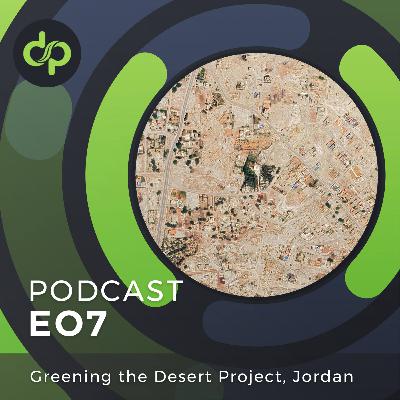
Host Geoff Lawton and guests Sam, Eric, and Ben sit down to unpack the evolution of the Greening the Desert project, Jordan — from the early days of dust, salt, and heat to the cool, shaded food forest it became. Together they share field stories, design insights, and the lessons learned while turning a degraded desert site into a living demonstration of regeneration. It’s a roundtable tour through one of the most iconic permaculture projects ever built.
Watch the video episode here.
Key Takeaways:
00:00 – 03:12: The project begins in the hardest conditions: Conflict, heat and barren soil set the stage for a bold restoration experiment.
03:12 – 07:10: Evaporation is the real enemy in drylands: Shade, wind buffering and hardy pioneers must come first.
07:10 – 12:20: From spiky pioneers to cooperative legumes: Mesquite held the line early, but gentler support species took over as soil improved.
12:20 – 15:24: Water scarcity shapes every design decision: Swales, mapping and strict budgeting kept the system alive with only hours of weekly water.
15:24 – 18:21: A 70-hectare project reveals costly surveying mistakes: Swales accidentally built uphill had to be torn out and rebuilt.
18:21 – 21:11: A plastic bottle becomes the ultimate teaching tool: Geoff uses simple props to show how contour and water movement actually work.
21:11 – 24:01: Eric arrives in 2009 to a Mars-like landscape: Harsh climate, cultural shock and nearby conflict defined his first days.
24:01 – 27:01: Reality challenges the media narrative: Eric finds Jordan welcoming, safe and nothing like he’d been told.
27:01 – 28:31: Hardship resets Eric’s understanding of difficulty: The desert strips away excuses and sharpens purpose.
28:31 – 33:24: Sam’s journey leads to a thriving 2019 site: He arrives to find the project lush, stable and full of students.
33:24 – 36:00: Proof deserts everywhere can be restored: If this site healed, better landscapes can rebound even faster.
36:00 – 40:32: A 'peace army' replaces the military approach: They contrast permaculture’s healing work with systems that fail to make lasting change.
40:32 – 47:27: Ben’s military experience fuels his restoration drive: War showed him the cost of destruction and the need for repair.
47:27 – 50:48: Aid agencies often miss the point: Sam sees operations focused on extraction rather than regeneration.
50:48 – 53:12: Forest systems beat vegetable beds in the long game: True resilience comes from canopy, soil life and structure.
53:12 – 56:46: ‘Invasives’ become vital allies in dead landscapes: Fast pioneers rebuild soil where delicate natives can’t survive yet.
56:46 – 01:00:25: You can’t recreate past ecosystems on degraded land: Regeneration needs a forward path, not nostalgia.
01:02:23 – 01:04:21: Spain’s Almería shows the industrial opposite: A sea of plastic greenhouses reveals the cost of synthetic agriculture.
01:04:21 – 01:05:30: Reed beds close the loop with elegance: Wastewater becomes irrigation and inspires nearby villages.
This episode takes a hard look at politics, power, and why the world feels so upside down right now. Host Geoff Lawton and the team jump from America’s political gridlock to the bold changes happening in Burkina Faso—and what it teaches us about leadership, resources, and real community empowerment. Instead of getting lost in the chaos, the crew keeps circling back to a simple truth: local action beats political promises every time. When people organise, grow food, and build resilient communities, they create real change—no matter what’s happening on the world stage. If you’re tired of the noise and want a grounded path forward, this conversation will get you thinking (and hopefully planting).
Watch the video episode here.
Key Takeaways:
00:00:00 – 00:03:13: Burkina Faso’s Ibrahim Traoré redirects resources to citizens, focusing on trees, food security, free housing—a stark contrast to Western politics.
00:04:17 – 00:07:27: Leaders who try to nationalize resources or challenge global banking systems often face resistance or assassination; debt is used to trap nations and individuals alike.
00:09:21 – 00:10:57: True freedom means liberation from unpayable debt—politicians, left or right, rarely deliver real change.
00:21:22 – 00:22:46: Bill Mollison once said: “Don’t enter a corrupt system to change it—you’ll be corrupted.” Instead, imagine a Permaculture People’s Party with no intention of being elected, only to share its manifesto.
00:23:06 – 00:24:50: Disaster capitalism uses crises to pass pre-written laws and strip freedoms, as seen after 9/11.
00:28:19 – 00:29:14: Companies like Palantir push predictive policing and social credit systems, raising concerns about surveillance and control.
00:31:00 – 00:32:30: Permaculture is a simple, grounded solution to overwhelming global chaos—millions of small local actions could transform the world.
00:44:14 – 00:46:37: Information overload and political tribalism keep people divided; pattern recognition and honesty are key to breaking free. 00:56:11 –
00:57:40: Like forests after fire, collapse can open the way for regeneration—real power is local, patterned, and rooted in permaculture systems. 01:02:40 –
01:03:24: We already have the information we need to act; the task now is to inform, connect, and build alternatives together.

In this conversation, host Geoff Lawton along with regular guests Eric, Ben, and Sam trace the rise of chemical agriculture and how permaculture offers a healthier, sustainable alternative. From Geoff’s childhood revelations about farming in England to real-world examples in Australia, Mississippi, and California, this conversation explores the ecological, human, and social impacts of chemicals, and how thoughtful design can create abundance without them.
Watch the video episode here.
Key Takeaways:
00:00:00 – 00:00:12 – Geoff introduces the podcast and sets the topic: permaculture versus glyphosate, framing it as a contentious issue.
00:01:36 – 00:04:18 – Geoff shares a childhood insight from the late 1950s, observing organic vs chemical farming on TV. Key point: using unnatural chemicals felt inherently wrong to him, even as a child.
00:04:18 – 00:09:58 – Historical progression from DDT and paraquat to glyphosate.
00:09:58 – 00:13:22 – Damaging Effects of Herbicides. Global scale: over 800,000 tonnes of glyphosate used annually, widespread exposure.
00:13:22 – 00:17:54 – Examples from Sacramento and the San Joaquin Valley, highlighting correlation of high pesticide use and cancer rates.
00:17:54 – 00:26:38 – Geoff stresses that permaculture provides practical, sustainable alternatives.
00:26:38 – 00:33:46 – Permaculture empowers local communities, offers chemical-free options.
00:33:46 – 00:44:58 – Designing crops and weeds for natural fertility, rather than relying on chemicals.
00:44:58 – 00:46:48 – Critical need: rethink reliance on chemical agriculture. Encourage listeners to explore permaculture principles in their own lives.

What does real food security look like? It’s not stockpiling tins or waiting for governments to fix broken systems—it’s designing abundance right where you are. In this episode of Discover Permaculture: The Podcast, Host Geoff Lawton sits down with Sam Parker-Davies, Ben Missimer, and Eric Seider to explore how permaculture transforms anxiety about the future into empowered action.
Watch the video episode here.
Key Takeaways:
00:01:09 – 00:02:00: Food security isn’t about stockpiling tins; it’s about designing ecosystems that continuously produce abundance.
00:11:57 – 00:12:26: There’s a big difference between feeding people and nourishing them—true food security is about nutrition, not just calories.
00:14:12 – 00:15:03: Nutrition can come from small, diverse systems; calorie crops are bulkier, but permaculture widens the range beyond rice, wheat, corn and soy.
00:44:15 – 00:45:26: Peri-urban agriculture—farming on the edges of cities—can bridge urban diversity with rural productivity and strengthen food security.
00:45:26 – 00:46:29: We could meet all human nutritional needs on just 4–6% of the farmland currently in use.
00:58:07 – 00:58:29: Permaculture designs for abundance—not just for ourselves, but for people we’ll never meet.
In this episode of the Discover Permaculture: the Podcast, host Geoff Lawton and regular guests Eric and Ben sit down with a longtime friend of Geoff's and creative force, Addy Jones — a surfer, builder, recycler, wombat rescuer, and permaculture artist who somehow turns junkyard scraps into landscapes so beautiful they feel like sculpture.
Addy's life reads like an adventure novel: living on a remote island between Australia and Tasmania, shaping surfboards out of refrigerators, nursing orphaned wombats, restoring degraded land, helping save critters (animals), and building artistic permaculture systems from recycling yards to deserts.
This conversation is wild, funny, heartfelt, and packed with real design wisdom. It reminds you that creativity is one of the most powerful tools in permaculture — and that anyone can learn to see solutions hidden in plain sight.
Watch the video episode here.
Key Takeaways:
00:00 – 00:01:01: Geoff introduces Ben, Eric, and Addy — and sets the stage for a conversation about creativity, community, and long-term permaculture friendships.
00:01:02 – 00:03:37: A neighborly meeting in the 1990s turns into 30 years of shared work, surf, design, and mischief.
00:03:37 – 00:07:29: From Bill Mollison’s farm to international projects, Addy's hands-on creativity becomes a critical part of major permaculture builds.
00:07:29 – 00:10:26: Geoff reflects on bridging decades of permaculture experience with modern tools — and why every generation needs the other.
00:10:26 – 00:12:45: Addy explains how junk, scrap, and leftovers become high-value landscapes — and why resourcefulness is a design superpower.
00:15:01 – 00:17:12: Surf culture, permaculture, storytelling, and the unexpected rise of Eddie’s artistic reputation.
00:22:12 – 00:28:07: Adventures in wildlife rescue, the power of observation, and the grounded compassion driving Eddie’s work.
00:26:13 – 00:35:56: Eddie shares how experimenting with native oils began as wombat care — and ended up helping heal people as well. (One of the episode’s most surprising stories.)
00:48:08 – 00:49:51: Geoff explains why Eddie’s artistic, intuitive, slightly “sideways” approach is actually a perfect expression of permaculture design.
00:53:22 – 00:54:52: From messy earthworks to five-star landscapes — the mindset shift that unlocks beauty in any environment.
01:02:02 – End: Closing reflections on creativity, wildlife, food, and why the world gets better when we share what we know.

In this episode, host Geoff Lawton and guests Ben, Eric, and Sam explore what it really means to be responsible — for ourselves, our communities, and the Earth. They unpack how modern systems have stripped away our sense of agency and why permaculture offers a pathway back to empowerment. From personal energy audits to the illusion of technological choice, this episode challenges you to rethink your role in shaping the future. If you’ve ever felt powerless about the state of the world, this conversation will remind you how much power you still hold.
Watch the video episode here.
Key Takeaways:
00:00:30 – 00:00:53: Responsibility is the ability to respond—it’s about how we meet challenges head-on.
00:01:46 – 00:02:17: Carbon credits aren’t a solution; designing our own systems of provision is.
00:02:49 – 00:03:14: The prime directive of permaculture is taking responsibility for our own needs first.
00:29:10 – 00:29:52: Nature doesn’t have a design problem—humans do. We can be as positive as we are destructive.
00:30:50 – 00:31:19: “It’s no measure of health to be well adapted to a profoundly sick society.”
00:52:14 – 00:52:41: Moments of crisis often spark the realization that there is another way—and permaculture offers that way forward.

In this first episode of Discover Permaculture: The Podcast, Host Geoff Lawton is joined by Ben Missimer, Eric Seider, and Sam Parker-Davies to explore how water shapes landscapes, communities, and even peace itself. Water is the lifeblood of every living system and the foundation of good permaculture design. From the hidden rainmakers of the forest canopy to the power of LiDAR mapping and the revival of ancient aquifers, this conversation dives deep into how we can read, restore and regenerate the Earth through design.
Watch the video episode here.
Key Takeaways:
00:01:48 – 00:03:26: Water is the mainframe of design—slow it, spread it, soak it, and deserts like Jordan’s Dead Sea Valley can turn into abundance.
00:04:13 – 00:08:35: High-resolution LiDAR mapping has revolutionized permaculture, exposing the flaws in low-resolution satellite data and giving designers accuracy to work with.
00:15:34 – 00:19:04: Myths about water persist—pure water doesn’t “go off,” swales don’t breed mosquitoes, and clean rainwater is often safer to drink than tap water.
00:22:08 – 00:23:56: Designing with water means reducing evaporation, increasing condensation, slowing flow, soaking, storing in ponds and aquifers, and letting water touch as much life as possible.
00:25:20 – 00:27:35: Removing trees from ridgelines is the fastest way to create deserts; responsible grazing and reforestation are essential to recharge aquifers.
00:29:18 – 00:31:54: The Ogallala Aquifer, the largest in the US, is being drained—some areas may run dry in 20 years—showing the urgency for water-harvesting earthworks at scale.
00:40:19 – 00:41:42: Condensation drip from trees is more reliable than rainfall—cutting down “rain trees” collapses the hidden cycles that keep rivers and streams flowing.
00:52:31 – 00:55:08: Swivel pipes in swales at Zaytuna Farm make water management flexible—transforming once-dry valleys into permanent wildlife ponds.
01:06:29 – 01:07:41: From broad landscapes to home gardens, humans can design water systems that cooperate with nature, just as beavers slow rivers and birds disperse seeds.
01:09:02 – 01:11:32: New mapping reveals entire catchments and flood flows unseen before, allowing designers to prepare for floods and store years of water in hours of rainfall.
01:13:19 – 01:14:41: Of all the water on Earth, only a tiny fraction is available in rivers, lakes, and soils—most is saltwater, ice, or locked underground.
01:24:42 – 01:25:45: Water can be a peace blanket—when designed well, it provides enough for everyone and removes reasons for conflict.
01:28:24 – 01:29:04: Water systems don’t just hydrate landscapes—they feed us too. Aquaculture offers more production per area than farming on land.
Comments

Download from Google Play

Download from App Store
 United States