


 Claim Ownership
NotebookLM Investigates
Subscribed: 0Played: 11
Subscribe

© Elton Sherwin
Description
I scan the web for interesting stories. And then ask Google’s Notebook LM to create an audio podcast.
Occasionally, I break in with a few comments or tell a bit of my own story.
NotebookLM makes mistakes and mispronounces words. It does not have a medical degree, so doublecheck and do your own research.
Enjoy. And thanks for listening, Elton
Topics frequently covered:
#Medicine
#Nutrition
#PublicHealth
#EconomicDevelopment
Occasionally, I break in with a few comments or tell a bit of my own story.
NotebookLM makes mistakes and mispronounces words. It does not have a medical degree, so doublecheck and do your own research.
Enjoy. And thanks for listening, Elton
Topics frequently covered:
#Medicine
#Nutrition
#PublicHealth
#EconomicDevelopment
62 Episodes
Reverse

The surprising cancer fighting and heart health benefits of arugula .

Loos-en-Gohelle, a former French coal mining town, successfully…

This content was AI generated and may contain errors.
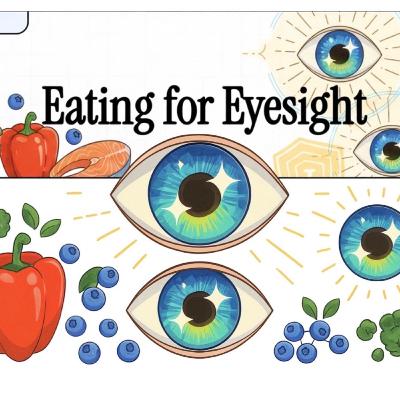
Can Food slow down the progression of macular degeneration? What does the research say?This is AI generated and may contain errors, omissions and mispronunciations. Always consult a healthcare professional.

What is the optimal LDL level for individuals raised on the American diet?What does the research say? AI generated It may contain errors.

Can food slow the progression of breast cancer? What does the research say?

Foods that fight depression. The surprising link between what you eat and how you feel.

By allocating five percent of its investment funds to citizen-led proposals Paris has successfully funded local improvements like urban farms, community centers, and bicycle infrastructure. This democratic shift aims to rebuild public trust and increase transparency in municipal spending while addressing the specific needs of various neighborhoods.

Recent scientific research suggests that vaccinations provide substantial health benefits beyond simply preventing their target diseases, particularly by reducing the risk of dementia and neuroinflammation in older adults. AI generated and may contain mistakes and mispronunciations. Consult your physician for medical advice

Studies suggest that regular consumption of mushrooms may lower the risk of cancer, specifically breast and colorectal types, while also potentially reducing depression and improving heart health. AI generated and make errors and mispronunciations
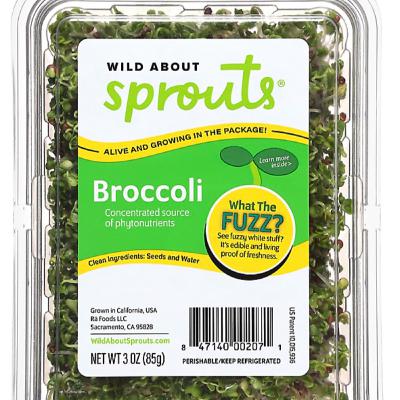
Scientific research suggests that sulforaphane, a potent compound found in high concentrations in broccoli sprouts, may significantly improve behavioral and social symptoms of autism spectrum disorder (ASD). AI generated and may contain mistakes, mispronunciations and incomplete information
Scientific research suggests that sulforaphane, a potent compound found in high concentrations in broccoli sprouts, may significantly improve behavioral and social symptoms of autism spectrum disorder (ASD). AI generated and may contain mistakes, mispronunciations and incomplete information
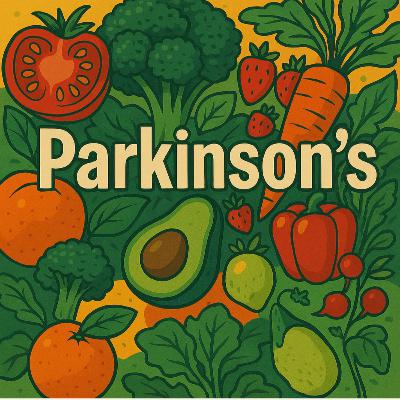
References: Dr Michael Greger:Avoiding Dairy to Prevent Parkinson'sDr. Greger’s Top Takeaways on Parkinson's and FibromyalgiaReview: “How Not to Die from Parkinson’s Disease” - Parking SunsMichael J Fox Foundation:https://www.michaeljfox.org/sites/default/files/media/document/Diet_Guide_Update_7.1.21.pdf

Startling research on the impact of high-fat dairy on cancer progression, accelerating breast cancer, and prostate cancer.

I did not know wolves were saving lives in Minnesota. It certainly surprised me. This short video was produced using Google’s NotebookLM. I hope you enjoy it, Elton

Amelia Stafford's horrific e-bike accident and Marin counties response.In response to a dramatic surge in youth-related e-bike accidents, Marin County has implemented a groundbreaking ban on Class 2 throttle-assisted electric bikes for riders under 16. Cover art: Ilan.neworld - Own work

I red of Tatiana Schlossberger's death today and I asked our AI dynamic duo from NotebookLM for an update. Elton

I think I’m probably using too much plastic in the kitchen. Here is some further information:The study was led by Dr. Matthew Campen at the University of New Mexico.The study analyzed human brain tissue and made the alarming claim that approximately 0.5% of the brain by weight was composed of microplastics, with polyethylene making up roughly 75% of that plastic.Here is the breakdown of the recycling symbols associated with that plastic and the specific scientific challenges to the study.1. The Plastic and Its Recycling SymbolThe study identified the dominant plastic as Polyethylene. Since polyethylene comes in two main densities, it is associated with two recycling symbols: * **#2 HDPE (High-Density Polyethylene): Found in milk jugs, detergent bottles, and shampoo bottles. * **#4 LDPE (Low-Density Polyethylene): Found in plastic grocery bags, shrink wrap, and squeezable bottles.Because microplastics degrade and fragment in the environment, the particles found in the body could originate from either source.Who is Challenging the Study?Beyond the plastics industry (specifically the American Chemistry Council, which called the study "unnecessarily alarming"), there is a legitimate scientific challenge regarding the methodology used in the study.The Scientific Critique: "Lipid Interference"The primary scientific criticism comes from analytical chemists regarding the tool used to measure the plastic, called Pyrolysis Gas Chromatography-Mass Spectrometry (Py-GC/MS). * How it works: This method heats the sample until it decomposes into gas, which is then analyzed to identify chemical signatures. * The Problem: The human brain is largely made of lipids (fats). When brain fats are heated to high temperatures, they can break down into chemicals (hydrocarbons) that look almost identical to the chemicals produced when polyethylene burns. * The Argument: Critics argue that the "0.5% by weight" figure may be vastly inflated because the machine might be counting natural brain fats as plastic. They contend that without a different confirmation method (like spectroscopy that uses light rather than heat), it is difficult to distinguish the plastic from the brain's natural fatty tissue.Summary of Challenges: * Industry: Claims the study ignores the lack of proven health effects. * Scientists: Argue the method likely confused brain fats for polyethylene, potentially producing a false positive or an exaggerated weight percentage.

I was curious about the details of former President Bill Clinton‘s heart problems, so I asked the dynamic duo from Google‘s NotebookLM. And here’s the response.

If you think an LDL of 125 is “normal,” this episode may stop you in your tracks. After the last podcast when NotebookLM claimed that optimal LDL is actually below 70, Elton worried Google’s NotebookLM might have hallucinated the science—so he sent the entire episode to Perplexity, an AI engine known for rigorous, citation-backed research. The results weren’t just confirming—they were stunning. Perhaps the most jaw-dropping revelation came from UCLA’s landmark study showing that 75% of heart-attack patients had LDL levels labeled “normal.” Many medical portals still tell patients that 125–130 is safe, and some don’t call LDL “high” until it surpasses 160. This episode confirms that the "American normal” isn’t the same as “optimal,” and what steps anyone can take to dramatically reduce cardiovascular risk.Disclaimer: This podcast episode was produced by Elton Sherwin from publicly available sources and generated using AI engines. It is for informational purposes only and is not a substitute for professional medical advice, diagnosis, or treatment. The hosts and AI engines consulted are not healthcare professionals and do not hold medical degrees. AI-generated summaries may contain factual errors, omissions and mispronunciations. This information is intended solely as a conversation starter; it should never be relied upon as the sole basis for making medical decisions. Consult a licensed doctor or healthcare professional before making any health-related changes.

Comments

Download from Google Play

Download from App Store
 United States