


 Claim Ownership
Understanding Healthcare with Zack Kanter
Subscribed: 0Played: 0
Subscribe
© 2025 Stedi
Description
Stedi founder Zack Kanter interviews builders who know how healthcare really works.
5 Episodes
Reverse

Varun Krishnamurthy is the co‑founder and CEO of Assured Health, an AI-powered provider credentialing and enrollment platform.In this episode, Zack and Varun talk about credentialing – how insurers check that a healthcare provider is qualified to practice. They cover how provider credentialing works, the bottlenecks it can cause, and how to improve it.0:00 - Intro0:44 - How Varun started Assured Health1:57 - How long does it take for a provider to take insurance?3:26 - Does provider experience speed up onboarding?4:20 - How Dawn Health led to Assured Health7:31 - What must a provider do to accept insurance?9:11 - Is there a single application for credentialing?12:15 - How complex is credentialing, really?15:29 - What else besides credentialing do you need to accept insurance?18:02 - How do you keep provider data current?19:51 - Is credentialing a major bottleneck for providers?22:18 - Credentialing vs. provider enrollment vs. transaction enrollment25:17 - What are closed panels and why do they matter?26:30 - When does a credentialing service make sense?31:05 - What are the steps for credentialing?34:32 - How can you tell if a provider is already enrolled for insurance?38:13 - Has anyone tried to standardize credentialing?40:03 - What Varun would change about RCMLearn more about Assured Health: https://www.withassured.com/Connect with Varun on LinkedIn: https://www.linkedin.com/in/varunakrishnamurthy/Referenced in this episode: - "Reality has a surprising amount of detail" by John Salvatier: http://johnsalvatier.org/blog/2017/reality-has-a-surprising-amount-of-detail- "Estonia, the Digital Republic" by Nathan Heller: https://www.newyorker.com/magazine/2017/12/18/estonia-the-digital-republic- Aadhaar (India's National ID system): https://en.wikipedia.org/wiki/Aadhaar
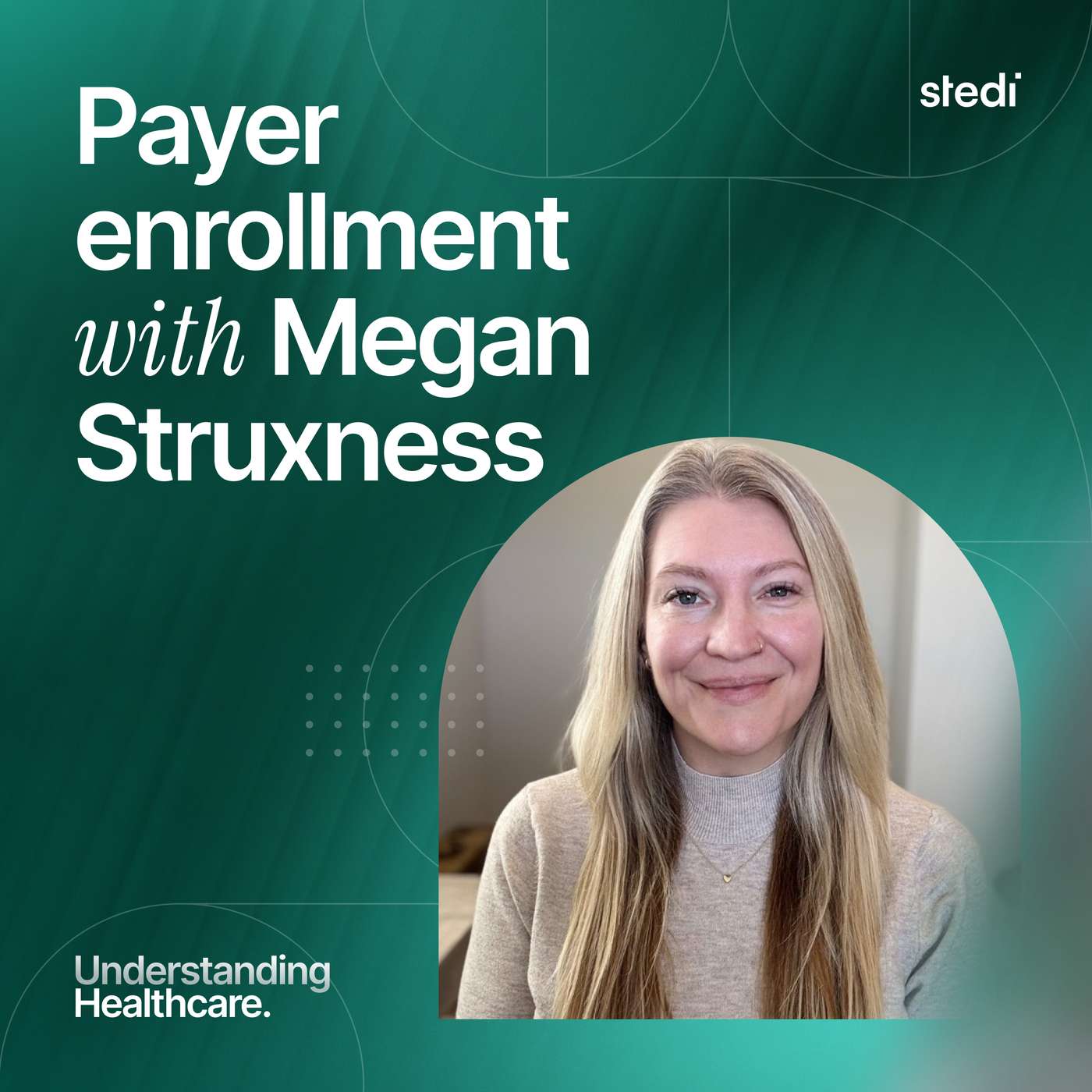
Megan Struxness is Head of Payer Operations and Revenue Cycle Management at Bridge, a healthcare platform that helps telehealth providers accept insurance nationwide.In this episode, Megan and Zack discuss payer enrollment – the industry term for what healthcare providers need to do to accept insurance.They cover payer contracting, credentialing, what superbills are, how out-of-network claims work, and how small operational details – like enrollment and eligibility checks – determine what providers actually get paid.Watch on YouTube: Click here to watch a video of this episode.
(00:00) - Intro
(00:27) - What is Bridge?
(02:20) - How Bridge helps providers accept insurance
(04:36) - Can a brand new practice work with Bridge?
(07:31) - What is an EMR?
(10:27) - What it takes for a provider to accept insurance
(13:15) - What are super bills?
(15:41) - How out-of-network payments work
(18:35) - What is payer enrollment?
(22:41) - The alternative to self-managing revenue cycle management (RCM)
(28:50) - How does Bridge onboard providers in 45 days?
(32:44) - What are MSOs?
(37:05) - Why eligibility checks can’t guarantee payment
(41:42) - What is guaranteed payment?
(44:48) - The source of truth for provider contracts
(51:36) - What would Megan change about RCM?
---Learn more about Bridge: https://www.usebridge.com/Connect with Megan on LinkedIn: https://www.linkedin.com/in/megan-struxness-79962866/Referenced in the episode: - "Reality has a surprising amount of detail" by John Salvatier: http://johnsalvatier.org/blog/2017/reality-has-a-surprising-amount-of-detail---Listen and subscribe to the Understanding Healthcare with Zack Kanter podcast:YouTube: https://www.youtube.com/playlist?list=PLZ4o7H5Som0Zlo2dGH4jMJy0nlL1oqxDoSpotify: https://open.spotify.com/show/6cyz5JaAoG3R995QokLR2dApple Podcasts: https://podcasts.apple.com/podcast/understanding-healthcare-with-zack-kanter/id1860618431RSS feed: https://feeds.transistor.fm/understanding-healthcare-with-zack-kanter

Dr. Eric Bricker is an internal medicine physician and Chief Medical Officer at AHealthcareZ, a popular healthcare finance YouTube channel.In this episode, Eric and Zack break down revenue cycle management (RCM), the flow of money in U.S. healthcare.They cover how healthcare plans are funded, how Medicare Advantage differs from traditional Medicare, how eligibility checks work, medical coding, and why what doctors bill insurers isn't what they're paid.(00:00) - Intro
(00:31) - Starting the AHealthcareZ YouTube channel
(02:03) - The clinical vs. administrative sides of healthcare
(04:05) - When does clinical care transfer to administration?
(06:00) - The four buckets of funding
(09:10) - The shift to Medicare Advantage
(11:20) - How real-time eligibility checks are used
(14:13) - The history of real-time eligibility checks
(15:54) - Why insurance verification still relies on phone calls
(17:24) - Traditional Medicare and MACs
(18:45) - Medicare Advantage
(19:17) - What is capitation in healthcare billing?
(21:22) - Why traditional Medicare claims are easier to process
(22:28) - How medical coding and billing work
(26:22) - Why medical coding is so complex
(27:05) - Upcoding in medical billing
(28:17) - What is charge capture?
(29:13) - Billed vs. allowed amounts in healthcare billing
(30:41) - Why billed and allowed amounts differ
(32:52) - What is repricing?
(34:14) - Why small practices sell to hospital systems
(35:04) - How AI and RCM tools are changing small practices
(37:26) - How much of revenue cycle management (RCM) can be automated?
(41:07) - Insurance float and why it matters
(41:56) - The economic impact of more efficient RCM
(43:28) - Patient responsibility and out-of-pocket costs
(45:26) - What Stedi customers are building
(46:05) - What Dr. Bricker would change about RCM
--- AHealthcareZ videos related to this episode:Revenue Cycle Management in Healthcare Explained: https://www.youtube.com/watch?v=rqdWr9ynZ_oDo Insurance Carriers Want Healthcare Costs Up or Down? https://www.youtube.com/watch?v=ELyvOLkxADUTraditional Medicare vs Medicare Advantage vs Medicare Part D vs Medicare Supplement Explained: https://www.youtube.com/watch?v=KRzBxPj-eQkHealthcare Uncovered Ep 2: Denied Requests: Medicare Advantage and the Rise of Prior Authorizations: https://www.youtube.com/watch?v=5hwCF1HPjOIMedical Coding Overview: https://www.youtube.com/watch?v=fqNBNE_YSroHealth Insurance Claims Adjudication: https://www.youtube.com/watch?v=bM9e2EPUg0gHealth Insurance Claim Repricing: https://www.youtube.com/watch?v=u8upoDe0nwIHospital Chargemaster Explained: https://www.youtube.com/watch?v=2PUwLXW2-swInsurance Float Explained: https://www.youtube.com/watch?v=WBOYDnPfkUUPatient Out-of-Pocket Healthcare Costs Explained: https://www.youtube.com/watch?v=ilfgZiJNwyMHospital Finance Explained: https://www.youtube.com/watch?v=O1CGDi50Nys

Brendan Keeler is Interoperability Practice Lead at HTD Health and author of the Health API Guy Substack.In this episode, Brendan explains why healthcare standards are actually a good thing, how HIPAA and X12 enable interoperability, the history of FHIR (Fast Healthcare Interoperability Resources), how information blocking and related laws are changing health tech, and how AI may reshape the healthcare standards and regulation.(00:00) - Intro
(00:31) - Healthcare standards are actually a good thing
(03:11) - How HIPAA helps with interoperability
(07:52) - Interoperability lessons from X12 in other industries
(10:15) - FHIR and the evolution of clinical interoperability
(14:37) - The tradeoffs of healthcare standards
(16:59) - How AI could impact healthcare standards
(23:05) - What is information blocking?
(26:08) - What is RPA?
(28:33) - The downstream effects of information blocking laws
(42:21) - The gravitational pull of systems of record
(47:50) - How much is left to unlock in interoperability?
(49:56) - What would Brendan change about FHIR?
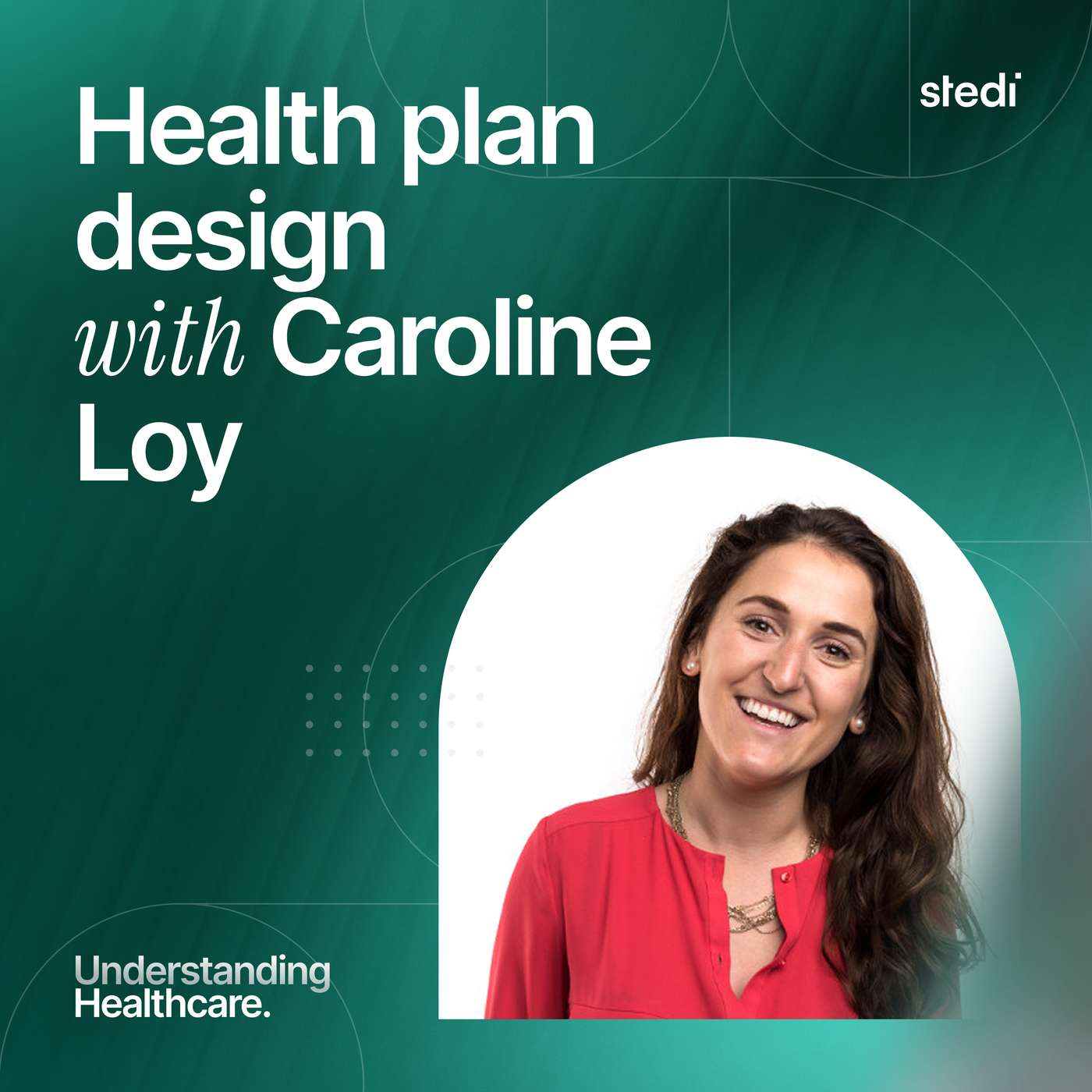
Caroline Loy is Principal Product Strategist at Turquoise Health. In this episode, she explains what health plan design is, the decisions employers make when designing or buying plans, and how plan design affects care.(00:00) - Intro
(00:15) - What is health plan design?
(01:35) - Who decides plan design?
(02:32) - What are self-funded vs fully insured plans?
(04:32) - How do employers choose between self-funded and fully insured plans?
(06:44) - What are the levers employers can pull during plan design?
(09:43) - How many employer plans are self-funded vs. fully insured?
(10:27) - Employer access to claims data with self-funded plans
(12:36) - How would an employer build a self-funded plan?
(13:52) - Broker, TPA, and carrier: What does each do?
(16:57) - The questions employers ask during plan design
(19:33) - What does the plan design process look like?
(21:02) - Can employers incentivize behavior through plan design?
(23:50) - How does plan design impact providers?
(25:12) - How does plan design affect collections?
(27:35) - What are accumulators? How do they affect predicting patient responsibility?
(31:53) - Revenue cycle management (RCM) for providers
(35:01) - What does Stedi do?
(36:25) - How does Turquoise Health help providers predict patient responsibility?
(38:38) - What is the difference between CPT codes and Service Type Codes?
(43:20) - What are contracted rates?
(45:42) - Who are Turquoise Health's customers?
(46:36) - How would Caroline change revenue cycle management?
(48:31) - Outro
Comments

Download from Google Play

Download from App Store
 United States