


 Claim Ownership
The Men's Fertility Nutrition Podcast
Subscribed: 0Played: 1
Subscribe

© Axis Dietetics
Description
Fertility is often framed as a women’s issue. But around half of fertility challenges involve male factors.
The Men’s Fertility Nutrition Podcast explores what really affects sperm health and male fertility, and what men can actually do about it.
Hosted by Alex Hardy, Men’s Fertility Dietitian, each episode breaks down evidence-based nutrition and lifestyle strategies to support fertility, improve IVF outcomes, and cut through the confusion.
Clear, practical, and designed for men who want to understand their role
The Men’s Fertility Nutrition Podcast explores what really affects sperm health and male fertility, and what men can actually do about it.
Hosted by Alex Hardy, Men’s Fertility Dietitian, each episode breaks down evidence-based nutrition and lifestyle strategies to support fertility, improve IVF outcomes, and cut through the confusion.
Clear, practical, and designed for men who want to understand their role
9 Episodes
Reverse
Many couples spend months wondering whether something might be wrong. In this episode, Alex explains when fertility testing is actually recommended, when it may be worth doing earlier, and how semen analysis fits into the bigger picture.We cover what the test involves, what the results can and can’t tell you, and why repeat testing is sometimes needed.This episode marks the shift from foundational lifestyle factors into the clinical side of fertility assessment.What You'll LearnWhen fertility testing is typically recommendedSituations where earlier testing may be appropriateWhat a semen analysis involvesWhat sperm concentration, motility, and morphology representWhy semen analysis is not a pass–fail testWhy results can vary and when repeat testing is neededThe limitations of semen analysis and what it doesn’t measurKey TakeawaysMale factors contribute to around 50% of infertility casesTesting men early helps build a complete fertility pictureA semen analysis is a useful first-line test, not a definitive answerResults reflect a snapshot in time and can change“Normal” results do not necessarily mean optimal fertilityTesting replaces uncertainty with useful informationPractical PointsWhen to consider testingAfter 12 months of trying without pregnancyAfter 6 months if the female partner is over 35Earlier if there are known risk factors (injury, surgery, chemotherapy, infections, hormonal issues)Or simply to reduce uncertainty and guide next stepsWhat to expectSample collected at home or pathology2–5 days abstinence beforehandLab assesses count, motility, and morphologyHow to interpret resultsNot pass–failBased on population reference rangesShould be considered alongside clinical contextBig PictureA semen analysis is a starting point.It provides useful information about sperm health, but it doesn’t capture everything, including aspects like DNA integrity or actual fertilisation potential.The goal isn’t to assign blame.It’s to gather information that helps guide decisions.And importantly, it brings men into the fertility conversation earlier, where they should have been all along.DisclaimerThis podcast is for general education only and does not replace personalised medical or healthcare advice. Always speak with your doctor or healthcare professional about your individual situation.LinksWebsite: axisdietetics.comInstagram: @axisdietetics
Episode overviewSleep is often overlooked when people think about fertility, yet it plays an important role in the hormonal environment that supports sperm production.In this episode, Alex explains how sleep patterns influence testosterone rhythms, why consistent sleep helps regulate key hormonal signals, and how disrupted sleep can gradually shift the environment sperm develop in.This episode continues the foundation series on sperm health, helping men understand how everyday habits influence fertility long before testing or treatment decisions come into the picture.In this episode, we cover:How sleep influences testosterone rhythms in menWhy hormonal signalling during sleep supports sperm productionWhat research suggests about sleep restriction and testosterone levelsThe connection between sleep disruption and semen parametersHow alcohol can indirectly affect sperm health through its effects on sleepCommon lifestyle patterns that shorten or disrupt sleepPractical habits that support consistent, restorative sleepKey takeaways:Sleep plays an important role in regulating the hormonal signals that support sperm productionTestosterone follows a daily rhythm closely linked to sleep patternsRegular sleep disruption may shift the hormonal environment sperm develop inAlcohol can impair sleep quality, which may indirectly affect sperm healthConsistent sleep patterns and adequate sleep duration help support reproductive healthSleep is rarely the only factor affecting fertility. But across the weeks when sperm are developing, it quietly shapes the hormonal environment those cells are exposed to.Practical strategies discussed:Keep sleep timing relatively consistent from night to nightAim for around 7–8 hours of sleep per nightProtect the later part of the night when deeper and REM sleep occurBe mindful of habits that repeatedly disrupt sleep, such as late-night alcohol or heavy screen useFocus on patterns across weeks rather than worrying about occasional poor sleepWho this episode is for:Men planning pregnancy or supporting a partnerMen preparing for fertility testing or IVFPartners looking for clear, realistic guidanceClinicians seeking aligned, referral-safe education for patientsWhat’s next:In the next episode we begin exploring the clinical side of fertility — when men should actually get tested and how to make sense of semen analysis results.DisclaimerThis podcast is for general education only and does not replace personalised medical or nutrition advice.If you are trying to conceive or undergoing fertility treatment, discuss your individual situation with your healthcare team.
Does alcohol actually need to be eliminated when trying to conceive — or is that an oversimplification?In this episode, Alex breaks down how alcohol influences sperm health, why timing and drinking patterns matter, and what men can realistically do to reduce risk without aiming for perfection. This is a practical, evidence-based discussion focused on sustainable changes rather than all-or-nothing rules.In this episode, we cover:• How alcohol affects the environment sperm develop in• The role of hormones and oxidative stress• Why timing matters during the 12-week sperm development window• Abstinence versus reduction — and when each approach makes sense• Practical strategies to reduce alcohol exposure without disrupting life• How alcohol, sleep, and recovery are connectedKey takeaways:• Alcohol doesn’t switch fertility on or off — it shifts the environment sperm develop in• Total drinking volume matters, but patterns and timing often drive risk• Regular heavy or binge-style drinking has a greater impact than occasional drinking spread out over time• Changes made in the 12 weeks before conception, testing, or treatment matter most• Sustainable reduction often delivers more benefit than short-term perfectionAlcohol isn’t a pass–fail test for fertility.It’s an exposure you can meaningfully reduce.Practical strategies discussed:• Focus on both how much and how often alcohol shows up• Avoid stacked nights and frequent heavy sessions• Be mindful of late-night drinking due to its impact on sleep and recovery• Prepare simple, honest responses for social situations• Replace alcohol as a stress outlet with other ways to unwindWho this episode is for:• Men planning pregnancy or supporting a partner• Men preparing for fertility testing or IVF• Partners looking for clear, realistic guidance• Clinicians seeking aligned, referral-safe education for patientsWhat’s next:In the next episode, we explore sleep, hormones, and testosterone — and how lifestyle inputs like alcohol and stress begin showing up in test results and treatment decisions. Up to now, the series has focused on foundations. From here on, those foundations begin intersecting with the clinical side.DisclaimerThis podcast is for general education only and does not replace personalised medical or nutrition advice. If you are trying to conceive or undergoing fertility treatment, discuss your individual situation with your healthcare team.
Supplements are widely used in men’s fertility, but they’re often approached as a shortcut rather than a tool. In this episode, Alex explains where supplements actually fit, why results can be inconsistent, and how clinicians think about supplementation as part of a broader strategy that starts with food, lifestyle, and comprehensive assessment. The focus is on context, safety, and targeted use, not generic protocols.Why supplements are often misunderstood in men’s fertilityWhy motivated men start supplements early, and why that can inflate expectationsWhy “food first” is a sequencing decision, not an anti-supplement stanceThe three questions clinicians use to decide whether supplements belong (gap, mechanism, context)Why these decisions shouldn’t be guesswork, and the role of nutrition assessmentDose, timing, and duration, and why stacking can quietly lead to excessWhy the evidence can look mixed, and what study limitations mean in practiceA simple supplement audit you can do today to check overlap and dose creepWhy targeted supplementation tends to make more sense than blanket approachesSupplements are tools, not solutions. They tend to work best when used selectively, for a clear reason, on top of solid foundations.In the next episode, we’ll look at alcohol and sperm health, including what the evidence actually says and what changes are worth making.This podcast is for general education only and is not a substitute for individual medical advice. Always speak with your healthcare team about your specific situation.
In this episode, Men’s Fertility Dietitian Alex Hardy breaksdown the nutritional foundations that support sperm health — before supplements or optimisation strategies enter the picture.Rather than focusing on individual nutrients, this episodeexplains why overall diet quality and eating patterns matter, how sperm are built and maintained, and why consistency over time is key.This episode sets the groundwork for the episodes thatfollow on supplements, alcohol, sleep, and hormones.What You’ll LearnWhy sperm are biologically fragile and highly responsive to lifestyle inputsHow nutrition influences sperm structure, DNA integrity, energy production, and resilience to damageWhy most fertility issues aren’t driven by major nutrient deficienciesThe role of overall dietary patterns in sperm healthHow oxidative stress affects sperm and why food quality mattersWhy short-term fixes rarely lead to meaningful changeKey TakeawaysSperm are produced continuously and respond to daily inputsDiet quality matters more than individual nutrients in isolationNutrition forms the base layer for all other fertility interventionsSperm health develops over weeks to months, not overnightFoundations come before refinementEpisode OutlineWhy nutrition matters for sperm healthFoundations vs hacks: adequacy before optimisationWhat the research consistently shows about dietary patternsThe four biological roles nutrition supports in sperm: Building structure, Synthesising DNA, Powering movement, Protecting against oxidative stress Why time and consistency matterDisclaimerThis podcast is for general education only and does notreplace individual medical or nutrition advice. If you’re navigating fertilityconcerns or treatment, please consult your healthcare team.Want Support?If you or your partner are looking for personalisedfertility nutrition support, Alex works via telehealth with clients across Australia.🌐 Website: AxisDietetics.com📸 Instagram: @axisdieteticsWhat’s NextNext episode: Supplements — what’s worth it, what’s not,and when food is enough.
Men’s fertility is often discussed in simplified, reassuring ways that don’t tell the full story. In this episode, Alex breaks down the most common misconceptions that can quietly undermine fertility outcomes, even when men feel they’re doing everything right.This episode focuses on understanding risk, timing, and preparation, not blame or guarantees.In this episode, we cover:Why fertility is often framed as pass/fail, and why thatcauses problemsWhy “normal” semen results don’t always mean optimalpreparationHow male fertility changes with age, and why riskaccumulates quietly over timeWhy lifestyle factors matter earlier than most men realiseWhy IVF and ICSI don’t remove the importance of spermqualityThe difference between control and certainty in men’sfertilityKey takeawayMen don’t control fertility outcomes, but they do influence risk. Understanding that distinction is the foundation for better timing, preparation, and decision-making.What’s nextIn upcoming episodes, we’ll start unpacking what actually helps, what matters when, and how men can approach fertility in a more proactive, informed way.DisclaimerThis podcast is for general education only and is not a substitute for individual medical advice. Always speak with your healthcare team about your specific situation.
In Episode 2, Men’s Fertility Dietitian Alex Hardy breaksdown the 12-week sperm development cycle and explains why this timeline matters. We explore the biology of sperm formation, the key areas men can influence, and the deliberate habits that support healthier sperm and better fertility outcomes.What You’ll Learn:• What happens during the 12-week sperm cycle• Why the 12-week window matters• How nutrition, lifestyle, and harmful exposures influence sperm development• The key areas men can influence• When changes tend to show up• Practical habits you can start nowKey Takeaways:• Sperm take around 72 days plus maturation to develop• Sperm are sensitive to oxidative stress and inflammation• Deliberate lifestyle changes can meaningfully influence sperm quality• The habits that support sperm also support long-term health• Men have more influence over fertility outcomes than they often realisePractical Tips:Prioritise whole foods Choose one “sperm defensive move”Anchor your sleep scheduleLinks:Website: axisdietetics.comInstagram: @axisdietetics
The Men’s Fertility Nutrition Podcast delivers clear, evidence-based conversations to help make sense of male fertility.Hosted by Alex Hardy, Men’s Fertility Dietitian, the show explores how nutrition and lifestyle influence sperm health, fertility outcomes, and preparation for pregnancy and fertility treatment.Men’s fertility matters — not just for conception, but for embryo development, miscarriage risk, and the long-term health of future children.If you’re planning ahead, going through treatment, or simply want clarity on what actually helps, this podcast is for you.
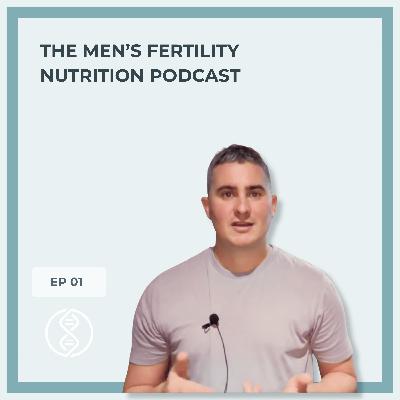
Episode Summary: In this first episode, Men’s Fertility Dietitian Alex Hardy breaks down why men are so often left out of fertility conversations and why that needs to change.We explore common misconceptions, how sperm health affects conception and early embryo development, and three practical steps men can start today.What You’ll Learn:• Why fertility isn’t just a women’s issue• How male factors contribute to 50% of fertility challenges• Why sperm health isn’t fixed• What oxidative stress, DNA fragmentation, and epigenetics mean for fertility• Three simple habits that help• What’s coming in future episodesKey Takeaways:• Men play an equal role in fertility but often receive less guidance• Sperm are vulnerable but highly responsive to change• A man’s health affects conception, miscarriage risk, and long-term child health. Small, consistent shifts matter. Practical Tips:1. Add more colour to your plate2. Include oily fish 2–3 times per week3. Move most days + prioritise good sleepLinks:Website: axisdietetics.com Instagram: @axisdietetics
Comments

Download from Google Play

Download from App Store
 United States