


 Claim Ownership
This Week in Space (Audio)
Subscribed: 539Played: 17,080
Subscribe

© This work is licensed under a Creative Commons License - Attribution-NonCommercial-NoDerivatives 4.0 International - http://creativecommons.org/licenses/by-nc-nd/4.0/
Description
The new space age is upon us, and This Week in Space leaves no topic untouched. Every Friday, join Editor-in-Chief of Ad Astra magazine, Rod Pyle and Managing Editor of Space.com, Tariq Malik as they explore everything related to the cosmos. You can join Club TWiT for $10 per month and get ad-free audio and video feeds for all our shows plus everything else the club offers...or get just this podcast ad-free for $5 per month.
New episodes posted every Friday.
New episodes posted every Friday.
25 Episodes
Reverse

We've seen NASA go through a lot of drama this year, and recently, some remarkable changes have been announced under the new administrator, Jared Isaacman. We're taking a deep dive into what's changed, what's the same, and what to expect. But first: Tariq and Rod are in Houston monitoring the Artemis 2 mission, which launched flawlessly on Wednesday. It's been a thrill since launch day, which Tariq saw in Florida, and shows no sign of slowing. We're bringing it to you from the field, so strap on in and join us!
Headlines:
Artemis 2 Launched This Week!
Challenges Hit Artemis 2 After Launch: Toilet Problems and Personal Computing Issues
Artemis 2 Crew Prepares for Lunar Flyby and Science Activities
NASA Faces Another Budget Cut for 2027
Main Topic: New NASA, Artemis Overhauls, and Future Missions
NASA Reshuffles Artemis 3–5: Landings Delayed, Missions Reassigned
SLS Development Locked; Vulcan Centaur 5 Upper Stage Selected
Aggressive Timeline for 29 Moon Missions and 22 Landings in Next Decade
Push for Moon Bases by 2032 with $20 Billion Investment
Gateway Lunar Station Put on Ice; Hardware Repurposed for Moon Base and Mars
Surprise Nuclear-Powered Mars Mission Announced for 2028
New Mars Helicopter Fleet to Debut as Part of Skyfall Payload
Shift Away from Private Space Stations; NASA to Build New Core Module
NASA Workforce Hit by Layoffs, Launches New NASA Force Hiring Initiative
Geopolitics, China's Role, and Space Race 2.0 Narrative
(Video of Artemis 2 Launch Courtesy of Space.com)
Hosts: Rod Pyle and Tariq Malik
Download or subscribe to This Week in Space at https://twit.tv/shows/this-week-in-space.
Join Club TWiT for Ad-Free Podcasts!
Support what you love and get ad-free audio and video feeds, a members-only Discord, and exclusive content. Join today: https://twit.tv/clubtwit
Sponsor:
helixsleep.com/space
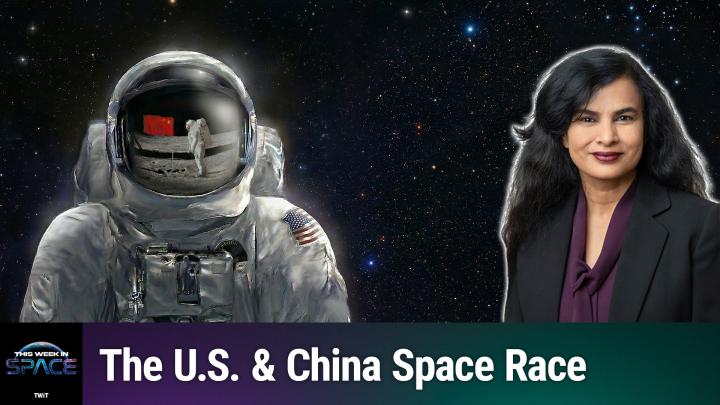
Many suggest there is a new space race afoot, this time between the US and China. We've also seen that America seems to be at its best in innovation and achievement when challenged by some external force. Will the Chinese human lunar program light the fuse of American innovation and accomplishment when it comes to our lagging lunar program and other spaceflight initiatives? Dr. Namrata Goswami of Johns Hopkins University joins us to examine the intricacies of potential threats to American leadership in space and the possible outcomes. Who will be first to land astronauts on the moon? Does it really matter? Who controls what regions of the moon? Will cislunar space be contested between major space powers? This and much more in this episode of This Week in Space.
Headlines:
Artemis 2 Mission Nears Launch, Astronauts Arrive at Kennedy Space Center
Stunning New Images of Saturn Released from Webb and Hubble Telescopes
"For All Mankind" Renewed for Sixth and Final Season
Nancy Grace Roman Space Telescope Clears Vibration Test, Launch Date Set
Main Topic: U.S.-China Competition and Global Ambitions in Space
Dr. Namrata Goswami Explains the Evolution of the New Space Race
China's Strategic, Economic, and Cultural Goals for Lunar Exploration
Comparison of U.S. and Chinese Approaches to Public Messaging and Program Identity
The Role of the Artemis Accords vs. China's International Lunar Research Station Partnerships
The Legal and Political Implications of Lunar Safety and Exclusion Zones
Space Force's Emerging Role in Cislunar Security and Commerce
Increasing Global Participation: India, Japan, and Developing Nations Expand Space Competition
Impact of Lunar "Real Estate" and Resource Maps on International Strategies
Hosts: Rod Pyle and Tariq Malik
Guest: Dr. Namrata Goswami
Download or subscribe to This Week in Space at https://twit.tv/shows/this-week-in-space.
Join Club TWiT for Ad-Free Podcasts!
Support what you love and get ad-free audio and video feeds, a members-only Discord, and exclusive content. Join today: https://twit.tv/clubtwit

We've waited, and we've waited, and it looks like Artemis 2 might be ready to go in early April! It's moved back to the launch pad, LC-39B, and will begin preparations for a launch as early as April 1. There will be no wet-dress rehearsal this time — associate administrator Lori Glaze said in a recent press conference that once they fuel successfully, she just wants to go to launch. The crew of Artemis 2 will soon arrive at KSC for pre-launch quarantine, as will Tariq, who will be covering the launch. We invited Mike Wall, the spaceflight and tech editor at Space.com, back to the show to bring us up to date on all the latest Artemis news.
Headlines:
Blue Origin and NASA Team Up to Hunt Earth-Threatening Asteroids
Rocket Lab Nabs $190 Million for 20 Hypersonic Test Launches
Spring Equinox Arrives with Northern Lights Potential
Sun Gun Orbital Mirrors Spark Debate on Utility and Security
Main Topic: Artemis II Launch Update
Rollout and Status of Artemis II: Delays, Rocket Issues, and Launch Windows
Comparing Artemis II Trajectory to Apollo 8 and Apollo 13
Solar Activity Risks for Artemis Astronauts Discussed
Shake-Up in Artemis Program: Artemis III Will Perform Docking Tests with Lunar Landers
Blue Origin vs SpaceX: Moon Lander Progress and Readiness
Gateway Lunar Station Uncertainty and International Partnerships
Challenges with Refueling Starship and Lander Logistics
Legislative Moves Toward a Permanent Moon Base
What to Watch for Ahead of Artemis II—Final Checks and Go/No-Go Signs
Hosts: Rod Pyle and Tariq Malik
Guest: Mike Wall
Download or subscribe to This Week in Space at https://twit.tv/shows/this-week-in-space.
Join Club TWiT for Ad-Free Podcasts!
Support what you love and get ad-free audio and video feeds, a members-only Discord, and exclusive content. Join today: https://twit.tv/clubtwit
Sponsor:
outsystems.com/twit
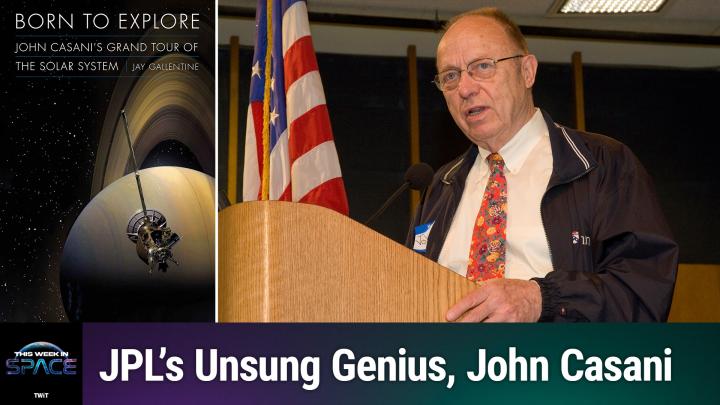
When most people think about deep space exploration, management acumen is generally not the first thing they settle on—but without it, no robotic mission would ever succeed. This week we are joined by Jay Gallentine, author of multiple books on the robotic exploration of space. Each of these tomes is a somewhat of a masterpiece; a deep dive into a topic that few explore in such detail. His newest book, "Born to Explore," started off as a book about robots exploring Mars, but his interviews with former JPL manager John Casani was so compelling that he transformed it into a biography. John Casani is a legend at JPL and NASA, and his story reads like a combination of a spaceflight adventure, personal memoir, and a pirate's tale. You'll love the book, and you'll love hearing about it from Jay. Join us!
Headlines:
Artemis II Sets April 1st Launch Date Amid Technical Fixes
NASA Discusses Risks and Media Reactions Around Artemis II Mission Breifing
OIG Report Reveals Delays and Issues with Artemis Moon Landers
NASA's Human Landing System Development Faces Setbacks
Blue Origin and SpaceX Landers Compared for Progress and Outlook
Starship's Next Launch and Orbital Refueling Plans Delayed Again
Main Topic: Jay Gallantine on His Book, Born to Explore, and John Casani's NASA Legacy
Jay Gallantine Shares Origins of His Space Research and Writing Career
Unpacking John Casani's Crucial Role at JPL and Mission Leadership
Casani's Unique Team-Building Tactics and the Legendary Goat Story
Galileo Mission's Hurdles, Constant Redesigns, and Casani's Problem-Solving
Budget Cuts and Hard Choices on Casini Mission Management
How Casani's Leadership and Philosophy Shaped NASA Spacecraft Teams
Sneak Peek: Gallantine's Upcoming Book on the Evolution of Mars Rovers
Hosts: Rod Pyle and Tariq Malik
Guest: Jay Gallentine
Download or subscribe to This Week in Space at https://twit.tv/shows/this-week-in-space.
Join Club TWiT for Ad-Free Podcasts!
Support what you love and get ad-free audio and video feeds, a members-only Discord, and exclusive content. Join today: https://twit.tv/clubtwit
Sponsors:
threatlocker.com/twit
Melissa.com/twit
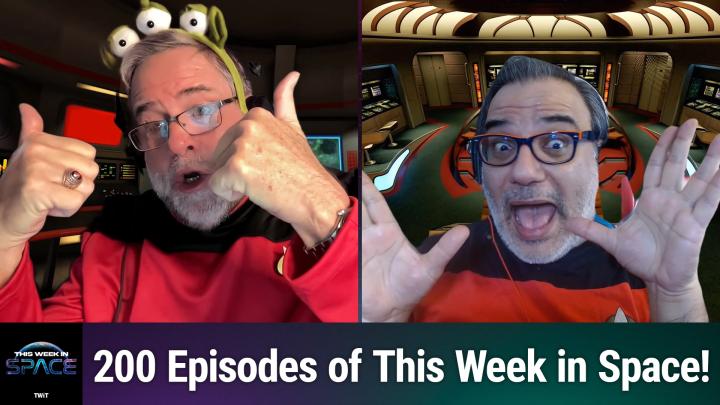
It's our 200th episode, our annual listener special! We took your comments, suggestions, advice, and insults and wove them into a rollicking, fun-filled hour of mishaps, mayhem, and mirth! Plus space headlines and a whole passel of your space jokes! This is a fun one, so don't be shy—join us!
Headlines:
NASA's Artemis Program Unveils New Details and Updates
Moon Safe from Asteroid 2024 YR4 in 2032
NASA Launches "NASA Force" Hiring Initiative Led by Jared Isaacman
MAVEN Orbiter at Mars Faces Potential Loss—Latest Status Update
Total Lunar Eclipse Marks Last Sight Until 2029
Hosts: Rod Pyle and Tariq Malik
Download or subscribe to This Week in Space at https://twit.tv/shows/this-week-in-space.
Join Club TWiT for Ad-Free Podcasts!
Support what you love and get ad-free audio and video feeds, a members-only Discord, and exclusive content. Join today: https://twit.tv/clubtwit
Sponsor:
helixsleep.com/space
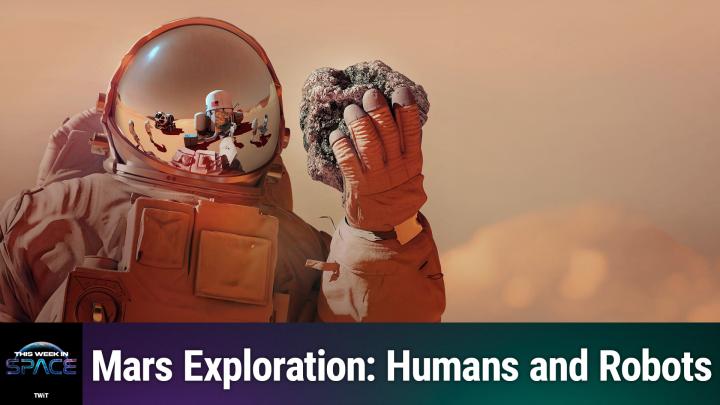
In this age of rapidly advancing AI and robotic technology, do we still need to send humans into space? The argument has long been that people can do things better and faster off-Earth, but the changing face of robotic tech has some feeling otherwise. This week's guest is a returning friend of the show, Dr. Pascal Lee, who has thoughts on how and when robots may perform better--and more safely--than humans in space, and then, of course, Tariq and I worry about how our mechanical masters might take our place in the cosmos. Pascal also reports on his recent experience with the National Academies' report on the human exploration of Mars. Join us!
Headlines:
NASA Unveils Major Overhaul to Artemis Lunar Program, With Arrtemis II & III Facing Delays and a Shift in the Lunar Landing Timeline.
Mike Fincke Revealed as Astronaut Medically Evacuated from ISS
Main Topic: First Steps for the Human Exploration of Mars
National Academies Report Identifies Top Mars Science Priorities for Astronauts, With the Search for Life on Mars Ranked as the Highest Scientific Priority
Strategies Debated: Shorter Missions vs. Building Lasting Mars Infrastructure
Call for Focused Mars Surface Lab to Maximize Science Returns
Discussion of Sample Return, Planetary Protection, and Evolving AI/Robotics/Human Partnerships
Debate Over Long-Term Human Settlement on Mars Versus Robotic and Cyborg Exploration
Implications of Rapid Progress in Humanoid Robotics and AI for the Future of Space Exploration
Also, Rod and Tariq are celebrating their 200th episode of This Week in Space and are hosting an Ask Us Anything (AUA) episode! Get your questions ready and send them to twis@twit.tv for Rod and Tariq to answer them!
Hosts: Rod Pyle and Tariq Malik
Guest: Pascal Lee
Download or subscribe to This Week in Space at https://twit.tv/shows/this-week-in-space.
Join Club TWiT for Ad-Free Podcasts!
Support what you love and get ad-free audio and video feeds, a members-only Discord, and exclusive content. Join today: https://twit.tv/clubtwit
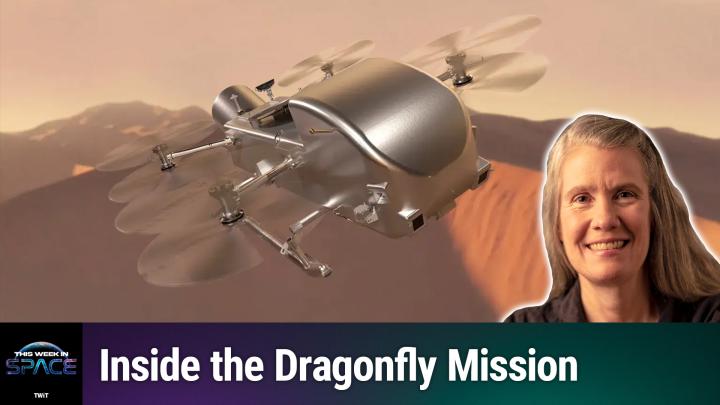
One of the most exciting missions to ever journey to the outer solar system has the be the Dragonfly multi-rotor helicopter that will head to Saturn's moon Titan in 2028. The car-sized probe will arrive at that strange, frozen world in 2034, descending into the soupy, smoggy atmosphere and then taking flight before it even touches the ground! We spoke with the mission's Principal Investigator, Dr. Elizabeth "Zibi" Turtle, about the mission's origins, current progress, and what to expect in the coming years. She also took us through a narrated tour of the surface of Titan, with its hydrocarbon sand dunes and methane seas. The Dragonfly mission will be an adventure of a lifetime!
Headlines:
NASA's Artemis II Moon Rocket Aces New Fueling Test
Boeing Starliner is Rated a "Type A" Mishap and Faces More Launch Delays
Perseverance Rover Gets Instant Mars GPS-like Functionality
Main Topic: NASA's Dragonfly Mission to Titan
Dr. Elizabeth Turtle explains Dragonfly's origins and mission concept
Why Titan is unique and somewhat akin to the primordial Earth, perfect for exploring prebiotic chemistry
Dragonfly's advanced science suite and autonomous flying capability
Insights from the Cassini/Huygens missions and how they are shaping Dragonfly
Navigation, flight strategy, and safety planning for Titan's harsh environment
Power, heating, and longevity on Titan's freezing surface
Titan's dune landscape, flying conditions, and analogs to Earth
Big scientific questions: methane cycle, atmospheric mysteries, and potential surprises
Mission timeline, lander design, and the innovative "fly-as-you-land" arrival approach
Hosts: Rod Pyle and Tariq Malik
Guest: Dr. Elizabeth Turtle
Download or subscribe to This Week in Space at https://twit.tv/shows/this-week-in-space.
Join Club TWiT for Ad-Free Podcasts!
Support what you love and get ad-free audio and video feeds, a members-only Discord, and exclusive content. Join today: https://twit.tv/clubtwit
Most people don't think of spaceflight when talking about the United Nations, but the UN, through its Office of Outer Space Affairs, or UNOOSA, has been pivotal in securing agreements on space poilicy and behavioral norms. This week, we speak with Aarti Holla-Maini, the director of UNOOSA, and Dr. Rick Jenet, the executive director of Expanding Frontiers and the National Space Society's representative to the UN, about the importance of this office. It's a wide-ranging discussion of the intersection of international space efforts and the intersection with commercial space as we expand activities into Earth orbit, the moon, and beyond.
Headlines:
SpaceX Crew-12 Launch Sends New Astronauts to the ISS
Vast Joins Commercial Flights to the ISS, Prepares for Private Space Stations
Axiom, Voyager, and Vast Face Off in Commercial LEO Station Race
International Collaboration Ramps Up for Future of Space Policy
Main Topic: Inside UNOOSA—The United Nations Office for Outer Space Affairs
Dr. Rick Janet Explains the Role of COPUOS and UNOOSA in Global Space Governance
Aarti Holla-Maini Shares Her Path to Leading UNOOSA and Her Vision for Its Future
Distinguishing UNOOSA (the office) from COPUOS (the committee)
UNOOSA's Expanding Mission: Capacity Building, Disaster Response, Space Law, and Sustainability
The Importance of Neutral Convening, Capacity Building, and Industry Input
Growing Need for Space Sustainability, Debris Mitigation, and New Regulatory Focus
Anticipating Lunar Activity: Resource Use, Transparency, and Non-Appropriation Principle
Engaging Commercial Space Actors While Maintaining Member State Authority
Megaconstellations: Building New Norms for Responsible Behavior in Orbit
Future UNOOSA Goals: Coordinating Space Traffic, Centralizing Satellite Data Access, and Fostering Global Partnerships
Hosts: Rod Pyle and Tariq Malik
Guests: Fredrick (Rick) Jenet and Aarti Holla-Maini
Download or subscribe to This Week in Space at https://twit.tv/shows/this-week-in-space.
Join Club TWiT for Ad-Free Podcasts!
Support what you love and get ad-free audio and video feeds, a members-only Discord, and exclusive content. Join today: https://twit.tv/clubtwit
Sponsors:
Melissa.com/twit
threatlocker.com/twit

It is widely accepted that over time, humanity will need to expand its presence into the solar system. What are the challenges? Well, space and our nearby worlds have proved to be a much greater challenge than we had long thought. While the rigors of zero-g have been well researched on the International Space Station, the challenges of living in lower gravity, such as that found on the moon and Mars, has not yet been explored. And human reproduction in space, along with genetic challenges, is a complete unknown. Rice University professor and researcher Scott Solomon joins us to explore these topics in depth, and to posit possible solutions.
Headlines:
Artemis 2 Moon Launch Faces More Delays Due to Hydrogen Leaks
Perseverance Rover on Mars Completes First Fully AI-Driven Journey
Study Warns of Urgent Need to Research Human Reproduction in Space
Main Topic: Becoming Martian – What It Would Take for Humans to Thrive on Mars
Biological impacts of space and Martian environments on the human body
Gaps in research about human reproduction, growth, and development in space and partial gravity
Ethical, social, and medical challenges of having children beyond Earth
The complexities of transplanting Earth's ecosystems, microbiomes, and the risk of disruptive species
Evolutionary changes and the likely divergence of human populations living long-term off-Earth
Considerations around modifying humans versus modifying extraterrestrial environments
Infectious disease threats and dwindling biological immunity for space settlers
Psychological, cultural, and population dynamics for future interplanetary communities
Hosts: Rod Pyle and Tariq Malik
Guest: Dr. Scott Solomon
Download or subscribe to This Week in Space at https://twit.tv/shows/this-week-in-space.
Join Club TWiT for Ad-Free Podcasts!
Support what you love and get ad-free audio and video feeds, a members-only Discord, and exclusive content. Join today: https://twit.tv/clubtwit
Sponsor:
helixsleep.com/space
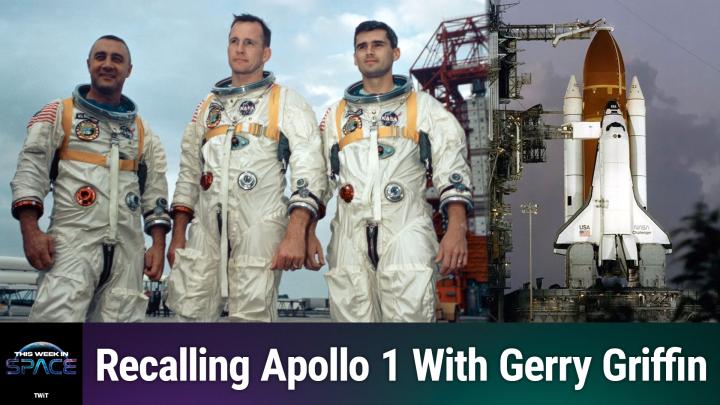
This month marks a bitter annual anniversary for NASA. On February 1, 1967, the crew of Apollo 1 was killed in a horrific fire on the pad in Florida. Years later, as the space shuttle Challenger ascended on February 28, 1986, it was destroyed mid-flight with a loss of seven crewmembers. Finally, on February 1, 2003, the shuttle Columbia was lost during reentry, again with a crew of seven. This episode is a remembrance of these tragic events with Gerry Griffin, former Apollo Flight Director and Director of the Johnson Space Center among his many other roles with NASA and beyond. Gerry brings a personal touch to these events, describing the experiences first-hand and lessons learned. Please join us for this very special episode.
Headlines:
NASA Artemis 2 Testing and Launch Delayed by Cold Weather
Crew 12 Launch Schedule Impacted by Artemis II Slip
New Artemis Launch Windows and Associated Challenges
Countdown to NASA's Next Moonshot: Updated Flight Timelines
Main Topic: Remembering NASA's Worst Tragedies and Lessons Learned
Apollo 1 Fire: Causes, Team Reaction, and Aftermath
Transition from Gemini to Apollo: Organizational and Technical Shifts
Challenger Disaster: Technical Failures, Team Dynamics, and Impact
Shuttle Safety Evolution and Lessons from Columbia
The Resolve and Spirit of NASA Teams After Tragedy
Evolving Risk Management and Decision-Making in Human Spaceflight
Reflections and Advice for Today's Flight Directors as Artemis II Flight Approaches
Hosts: Rod Pyle and Tariq Malik
Guest: Gerry Griffin
Download or subscribe to This Week in Space at https://twit.tv/shows/this-week-in-space.
Join Club TWiT for Ad-Free Podcasts!
Support what you love and get ad-free audio and video feeds, a members-only Discord, and exclusive content. Join today: https://twit.tv/clubtwit

The Outer Space Treaty of 1967, which was intended to regulate activities in space, is hard to enforce and woefully out of date. New nations and private actors are entering the spaceflight arena, and an updated mechanism with a bit more teeth is needed. Our guest, Ely Sandler, a Fellow at the Harvard Kennedy School, has put forward the idea of using COPs—not the kind in uniform, but a Conference of Parties—as a less-formal gathering of spacefaring (and space-ambitious) entities, to discuss future treaties, agreements, and enforcement mechanisms, eventually leading to new treaties. These would be similar to the annual climate COP that has provided useful discourse on climate change. A space COP would address responsibility for and control of orbital assets, land and resource use on the Moon, Mars, and asteroids; and possibly limits to the militarization of space. Join us for a fascinating discussion!
Headlines:
Artemis II Moon Rocket Rolls Out for Launch Preparations
Crew-11 Astronauts Speak on Space Station Medical Evacuation
Earth Faces Strongest Solar Radiation Storm in 20 Years
Auroras Sparked Across Unusual Latitudes
Main Topic: Is the Outer Space Treaty Obsolete? Examining the Future of Space Governance with Ely Sandler
Outer Space Treaty's Vagueness and Limits for Modern Space Activity
Why New Space Policy Models Are Needed for Orbital Debris, Spacecraft Ownership, and Liability
"Conference of the Parties" (COP) Model Proposed for Space Law Updates
Challenges of Property Rights, Exclusion Zones, and International Consensus on the Moon
How Commercial Space and Military Concerns Intersect Under Outdated Treaties
Space Solar Power's Potential and Regulatory Hurdles for Energy Beaming
Hosts: Rod Pyle and Tariq Malik
Guest: Ely Sandler
Download or subscribe to This Week in Space at https://twit.tv/shows/this-week-in-space.
Join Club TWiT for Ad-Free Podcasts!
Support what you love and get ad-free audio and video feeds, a members-only Discord, and exclusive content. Join today: https://twit.tv/clubtwit
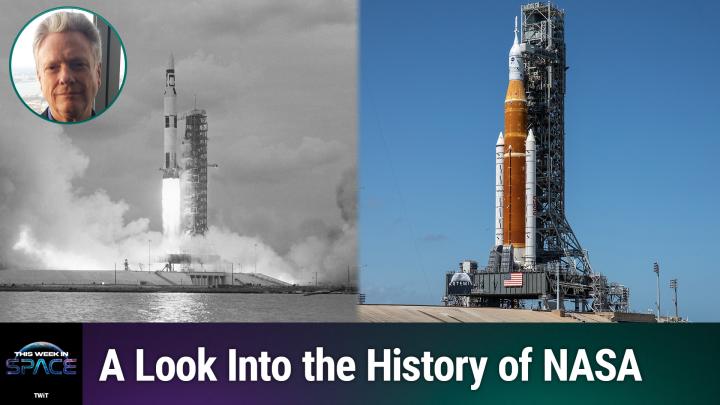
NASA's history is a long and fascinating story, and we decided we'd invite former NASA Chief Historian Dr. Roger Launius onto the show to tell us about how NASA tracks its history, the public's perceptions of spaceflight, and how our understanding of the past might inform our future in space. Also the Crew 11 return, Artemis II rollout, and MAVEN, phone home! Join us for this engaging conversation!
Headlines:
NASA Completes First-Ever Medical Evacuation From the ISS
Artemis 2 Megarocket Rolls Out to the Launch Pad Amid Tight Schedule
NASA Attempts to Revive MAVEN Spacecraft Around Mars
Main Topic: Chronicling the Space Age — With Dr. Roger Launius
How NASA's First Chief Historian Got Hooked on Space
The Role and Daily Work of a NASA Chief Historian
Transitioning From NASA to Smithsonian: Culture, Audience, and Mission
Is This a "Second Space Age"? Commercial Players and Evolving Space Policy
Public Attitudes Toward Space: Then and Now—Separating Myth From Reality
Historical Parallels Between Apollo and Artemis and the Notion of a New Space Race
Challenges of Public Engagement and NASA's Struggle to Stay In the Spotlight
Media Fragmentation, Social Media, and Changing Consumption of Space News
The Rise of Moon Landing Conspiracies Amid Information Abundance
The Vital Importance of Documenting Accidents and Hard Lessons in Space History
Preserving Space History in the Digital Era—From Paper to Tweets
Dr. Roger Launius' Upcoming Book: NASA History in 100 Objects
Hosts: Rod Pyle and Tariq Malik
Guest: Roger Launius
Download or subscribe to This Week in Space at https://twit.tv/shows/this-week-in-space.
Join Club TWiT for Ad-Free Podcasts!
Support what you love and get ad-free audio and video feeds, a members-only Discord, and exclusive content. Join today: https://twit.tv/clubtwit
Sponsors:
helixsleep.com/space
Melissa.com/twit
2026 promises to be the most exciting year in the new space age yet! Shining bright is the prospect of an Artemis II launch to send astronauts around the moon for the first time since 1972, as early as February. We've already seen news about a medical incident on the International Space Station that will force a crew to return to Earth early, but NASA says this won't affect the Artemis launch. On other news, NASA's budget seems on track to be passed at near 2025 levels, China is preparing to send a robot to the south lunar pole, SpaceX plans robust tests of Starship this year—and hopefully refinement of their lander for Artemis III, Boeing will fly Starliner again (uncrewed), Mars Sample Return is poised to be scuttled, and all this under the leadership of a new—and apparently quite capable—NASA administrator, Jared Isaacman. Join us for an in-depth look at what's coming in 2026!
Headlines:
Medical evacuation planned for ISS astronauts due to health concerns
NASA Chief Jared Isaacman leads first big press conference amid ISS medical incident
Artemis 2 lunar mission remains on track for February launch
Orion spacecraft heat shield faces scrutiny ahead of crewed flight
NASA budget nearly secured—Congress backs full funding for 2026
Mars Sample Return project faces likely cancellation
SpaceX Starship gears up for crucial orbital and refueling tests
Blue Origin's Blue Moon lunar lander launch delayed, competition heats up
China's lunar, asteroid, and orbital missions ramp up for 2026
Boeing Starliner and Sierra Space Dream Chaser schedule ISS cargo missions
New moon landers, asteroid missions, and global crewed capsule tests coming in 2026
NASA's Roman Space Telescope possibly launching this year
Hosts: Rod Pyle and Tariq Malik
Download or subscribe to This Week in Space at https://twit.tv/shows/this-week-in-space.
Join Club TWiT for Ad-Free Podcasts!
Support what you love and get ad-free audio and video feeds, a members-only Discord, and exclusive content. Join today: https://twit.tv/clubtwit
Sponsor:
threatlocker.com/twit
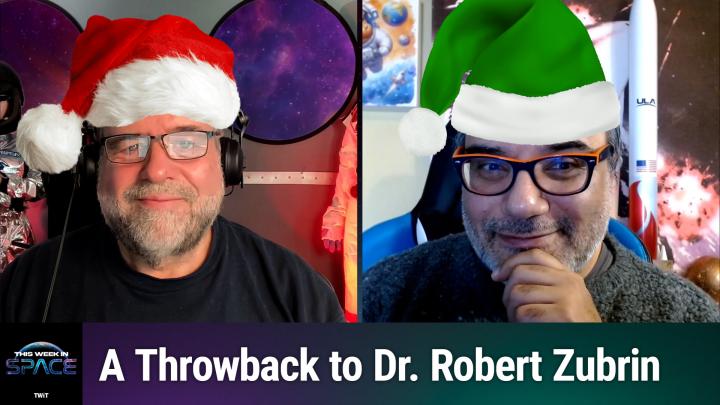
One of our favorite interviews of 2025 was with Dr. Robert Zubrin, founder of the Mars Society and the mind behind Mars Direct, a streamlined approach to reaching the Red Planet with human beings that was later largely adopted by NASA in their mission designs. It's a fascinating story about a man who continually swam upstream against strong currents of the aerospace establishment. His seminal book, "The Case for Mars," has enjoyed multiple reprints and influenced millions. Join us for this encore of an informative and forward-looking episode!
Hosts: Rod Pyle and Tariq Malik
Download or subscribe to This Week in Space at https://twit.tv/shows/this-week-in-space.
Join Club TWiT for Ad-Free Podcasts!
Support what you love and get ad-free audio and video feeds, a members-only Discord, and exclusive content. Join today: https://twit.tv/clubtwit
It's our annual holiday special for 2025, in which we look back at the past year in space—its ups, its downs, its all-arounds. What a year it's been, and after all the challenges and hullabaloo, we're grateful in a post-Thanksgiving fashion to welcome Jared Isaacman, at last, as the new NASA Administrator. What he will do and how remains largely unknown, but we do believe he has the nation's interests at heart, and the man knows people are watching. But there are a lot of other stories and we've done our best to stuff as many as we can into this virtual Christmas space stocking! Please join us for this year-end roundup!
Headlines & Looking Back at 2025:
New Executive Order Targets Space Superiority
Starlink Satellite Breaks Up in Orbit, SpaceX Responds
Interstellar Comet ATLAS: Extraterrestrial Conspiracies and Public Fascination
Isaacman Confirmed as New NASA Administrator
Project Athena: NASA's New Strategic Direction?
Artemis 2 Mission Prep and Timeline Shifts
Mars Sample Return: Uncertain Costs and New Proposals
Commercial Spaceflight: SpaceX Successes, Boeing Troubles
Perseverance Rover Finds Possible Mars Biosignatures Recap
Space Shuttle Discovery Relocation Battle Heats Up
New Moon Discovered Around Uranus
Webb Telescope and Hubble Milestones
International Space Station Celebrates 25 Years of Crewed Work
U.S. Space Policy Shifts and NASA's New Leadership
Satellite Operations: Starlink's Reliability and Space Junk Concerns
Hosts: Rod Pyle and Tariq Malik
Download or subscribe to This Week in Space at https://twit.tv/shows/this-week-in-space.
Join Club TWiT for Ad-Free Podcasts!
Support what you love and get ad-free audio and video feeds, a members-only Discord, and exclusive content. Join today: https://twit.tv/clubtwit
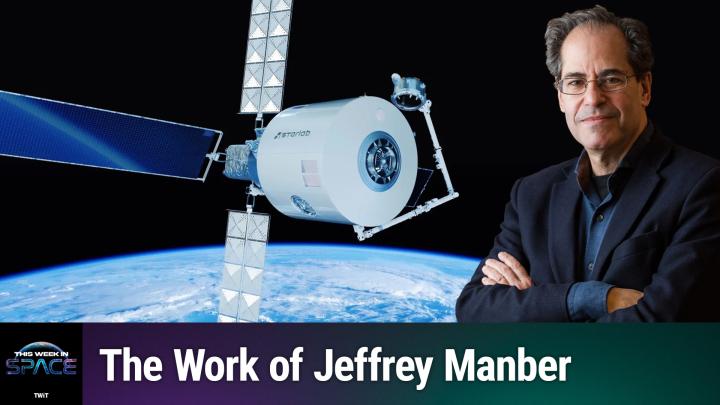
This week, we talk with our favorite Newspace Buccaneer, Jeffrey Manber. When so many people were touting their private spaceflight dreams in the 1980s, Manber took the next enormous stride and actually made it happen. He formed the Office of Space Commerce within the US Department of Commerce at the invitation of the Reagan administration, forged the first commercial relations with the then-Soviet Union, bridged that into the post-USSR period, and was responsible for the first commercial spaceflight to the then-mothballed Soviet-era Mir space station with a crew that stayed there for 70 days. He then went on to develop a variety of commercial space enterprises, from the first commercial platform to release smallsats from the ISS to initiating the Bishop airlock that became part of the space station. He also started Nanoracks, the first privately developed and standardized satellite deployment mechanism to fly. Finally, he initiated Starlab, the private space station currently under development by Voyager Technologies and a consortium of aerospace companies. Join us for this very special episode with one of the key founders of NewSpace!
Headlines:
SpaceX Plans 2026 IPO and Possible $1.5 Trillion Valuation
NASA Loses Contact with Mars Maven Orbiter
Discussion of Star Trek's New Starfleet Academy Series Trailer
Main Topic: Privatizing Orbit and the Roots of Commercial Space
Jeffrey Manber Details His Early US-Russian Commercial Space Collaborations
His Space Journalism Origins and Shaping Commercial Space Policies
Inside the Launch of Commercial Space Fund and the Office of Space Commerce
First US Commercial Contracts with the Soviet Union and Mir Space Station
Navigating Washington Policy and Export Licenses for Soviet Deals
Attempt to Privatize Mir: Mirkorp, Leasing the Space Station, and Commercial Astronaut Crews
The Rise of Nanoracks and Commercial Payloads on the ISS
Building Starlab: Partnerships, Scale, Launch Plans, and Commercial Design
Comparing Starlab's Ambitions to Vast, Axiom, and China's Tiangong
Evaluating SpaceX's Public Offering and Its Impact on Elon Musk's Strategy
Jeffrey Manber's Other Projects: Writing About Newspace and President Lincoln
Thoughts on America's Future in Commercial Orbit and Personal Memoir Plans
Hosts: Rod Pyle and Tariq Malik
Guest: Jeffrey Manber
Download or subscribe to This Week in Space at https://twit.tv/shows/this-week-in-space.
Join Club TWiT for Ad-Free Podcasts!
Support what you love and get ad-free audio and video feeds, a members-only Discord, and exclusive content. Join today: https://twit.tv/clubtwit

Jared Isaacman, the billionaire entrepreneur, philanthropist, and private astronaut, took on Capitol Hill this week in his second confirmation hearing as President Trump's pick for NASA's next leader. Here's what it could mean, plus: A Russian cosmonaut got kicked off a SpaceX flight for allegedly trying to steal spacecraft secrets, China's 1st reusable rocket Zhuque-3 reached orbit, but crashed and burned (and exploded) during landing, and Russia accidentally wrecked the only launch pad it has for astronauts with Thanksgiving's new ISS crew launch.
Headlines:
Russian Cosmonaut Pulled from SpaceX Crew 12 Mission over Alleged Incident at SpaceX HQ
Russian Soyuz Launch Pad Damaged After Thanksgiving Crew Mission, Threatening Future Flights
China's Land Space Rocket Nearly Sticks First Reusable Launch and Landing—Explodes on Return
Scientists Find Time Passes Faster on Mars Than Earth, Thanks to Relativity
Main Topic: Jared Isaacman's Bid to Become NASA Administrator
Isaacman Returns for Second Senate Confirmation Hearing After Trump Re-Nominates Him
Controversy Over SpaceX Ties, Conflict of Interest, and Elon Musk's Influence
Bipartisan Support from Astronauts, Industry, and Lawmakers Highlights Isaacman's Appeal
Project Athena Leaked: Isaacman's Vision for NASA and Debate on Earth Science Outsourcing
Congressional Drama Over Artemis Funding, Gateway, and the US-China Race to the Moon
Questions Around Space Shuttle Discovery's Possible Move to Houston
Anticipation Builds for Senate Vote and NASA's Need for Stable Leadership Ahead of Artemis 2
Host: Tariq Malik
Guest: Mike Wall
Download or subscribe to This Week in Space at https://twit.tv/shows/this-week-in-space.
Join Club TWiT for Ad-Free Podcasts!
Support what you love and get ad-free shows, a members-only Discord, and behind-the-scenes access. Join today: https://twit.tv/clubtwit
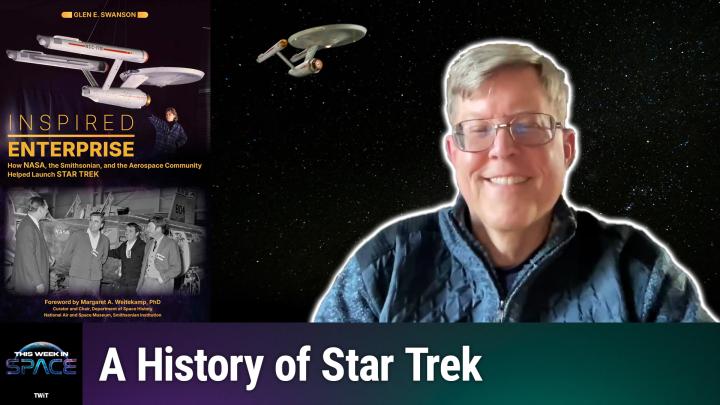
Were you inspired by "Star Trek" (or one of its innumerable spinoffs) as a young person? We know we were, so it was a pleasure to invite Glen Swanson, author of the new Star Trek history book "Inspired Enterprise" onto the show. We've all heard lore about the original series, but Swanson, who was previously the Chief Historian at the Johnson Space Center, used his prodigious skills to perform a deep dive into the topic. From Gene Roddenberry's original inspiration to working with Caltech, the RAND Corporation, and NASA; and on to the design of the good ship Enterprise itself (and the very popular AMT models that followed), this book provides everything you need to know to be a certified Trekker.
Headlines:
Comet 3I Atlas confirmed as a comet, not a spacecraft & NASA releases new images and details of the comet
SpaceX's Starship Version 3 booster suffers damage during test
Uranus reaches yearly opposition—best viewing opportunity
Main Topic: The Real Inspirations Behind Star Trek
Glen Swanson shares career highlights as a NASA historian and magazine founder
How Gene Roddenberry's background and influences shaped Star Trek
NASA's direct involvement and technical guidance for Star Trek's creators
The significant role of the aerospace industry, Rand Corporation, and real-world science in Star Trek's development
The story behind NASA and the Smithsonian Enterprise shooting model connections
AMT's plastic model kits fueled fan obsession and supported the show's visuals
Influences from movies like Robinson Crusoe on Mars and Forbidden Planet
Space Station K7 design's origins traced to NASA and Douglas Aircraft concepts
Star Trek's impact on inspiring real-life astronauts and the space community
Glen Swanson's book, "Inspired Enterprise," and how you can get a signed copy
Hosts: Rod Pyle and Tariq Malik
Guest: Glen Swanson
Download or subscribe to This Week in Space at https://twit.tv/shows/this-week-in-space.
Join Club TWiT for Ad-Free Podcasts!
Support what you love and get ad-free shows, a members-only Discord, and behind-the-scenes access. Join today: https://twit.tv/clubtwit
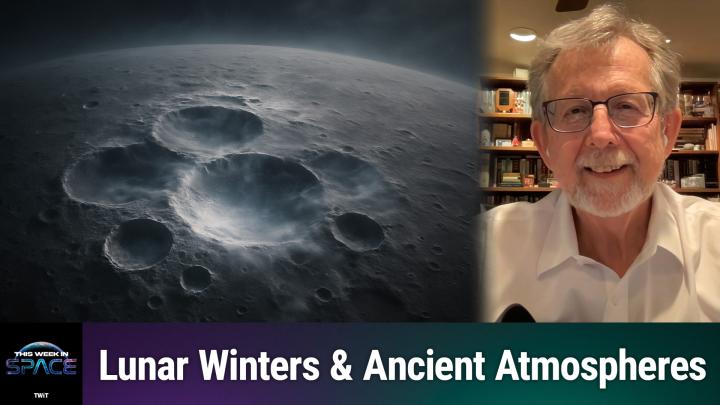
Snow on the moon? Yes, though not recently... but maybe billions of years ago. Recent discoveries indicate that the early moon, orbiting just 20,000 miles above our planet at the time, may have shared a dynamic magnetic field with that of the Earth, resulting in the moon having an early atmosphere about twice as dense as the Martian atmosphere is today! This has wide implications for planetary science, but perhaps our favorite is that it may have snowed both carbon dioxide and water ice on the moon back in the day. We're also talking about the amazing launch and recovery of New Glenn, the plight of the Chinese taikonauts aboard the Tiangong space station, and a recent SpaceX memo about—no surprises here—a delay to their lunar landing program for Artemis III. Join us!
Headlines:
China's Shenzhou Astronauts Still Dealing with Stricken Spacecraft
Blue Origin's New Glenn Rocket Launches and Lands, Sends Probes Toward Mars
Comet C/2025 K1 Atlas Breaks Up After Solar Flyby
SpaceX Artemis Moon Landing Delayed to 2028
Main Topic: Moon Volatiles and Lunar Science
The Moon's Formation and the Giant Impact Hypothesis
Intertwined Magnetic Fields on the Early Moon and Earth
Transmission of Earth Atmosphere and Volatiles to Lunar Surface
Lunar Outgassing, Volcanism, and Creation of an Ancient Lunar Atmosphere
Permanently Shadowed Regions as Time Capsules of Early Moon and Earth
Scientific Importance of NASA's VIPER Rover for Analyzing Polar Ices and Volatiles
Commercial and Scientific Value of Moon's Minerals and Resources
Long-Term Preservation of Lunar Samples for Future Research
Early Moon Weather: Volatile Snow, Atmosphere Collapse, and What It Means for Lunar Resources
Educational Outreach through Virtual Space Science Experiences
Hosts: Rod Pyle and Tariq Malik
Guest: Dr. Jim Green
Download or subscribe to This Week in Space at https://twit.tv/shows/this-week-in-space.
Join Club TWiT for Ad-Free Podcasts!
Support what you love and get ad-free shows, a members-only Discord, and behind-the-scenes access. Join today: https://twit.tv/clubtwit
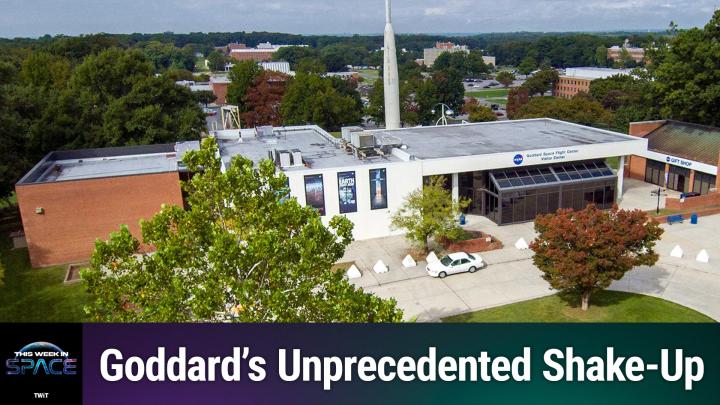
As you may or may not know, NASA's Goddard Space Flight Center is in the administration's crosshairs. With cuts to their budget and staffing beginning under Elon Musk's DOGE, it has taken a different form with the government shutdown. Employees furloughed or retired from critical programs, laboratories shuttered, and entire facilities gutted--all without the approval of Congress. By the time the shutdown is over, NASA's primary research center--and the one most responsible for what many are now calling "the C-word," climate science--will be a shell of its former self. Josh Dinner, who recently completed a months-long investigative report, joins us. Also: Jared Isaacman is back in the running as NASA chief, the 25th anniversary of the ISS, and China now working with the US on orbital dangers.
Headlines:
Trump Renominates Jared Isaacman as NASA Chief, Sparking Political Drama
25 Years of Continuous Astronaut Presence on the International Space Station
China Initiates Rare Satellite Collision Avoidance With NASA
Apollo-Era Radio Telescope That Spied on Soviet Satellites Up for Sale
Mars ESCAPADE Missions Twin Probes Prepare for Launch on New Glenn Rocket
Main Topic: NASA's Goddard Space Flight Center Crisis
Goddard Hit by Accelerated Building Closures and Funding Cuts
NASA Employees and Lawmakers Accuse Agency Leadership of Breaking the Law
Climate Science and Political Motives at the Core of Goddard's Struggles
Union Power Stripped After NASA's Reclassification as National Security Agency
High-Profile Missions Like Hubble, the Nancy Roman Space Telescope, and LISA Facing Uncertainty
Loss of Talent and Institutional Knowledge Threatens Future Space Projects
Congress and the Public Urged to Support, But Outlook Remains Grim
Could New Leadership Reverse the Changes Brought to Goddard, or Reinforce Goddard's Decline?
Hosts: Rod Pyle and Tariq Malik
Guest: Josh Dinner
Download or subscribe to This Week in Space at https://twit.tv/shows/this-week-in-space.
Join Club TWiT for Ad-Free Podcasts!
Support what you love and get ad-free shows, a members-only Discord, and behind-the-scenes access. Join today: https://twit.tv/clubtwit


Download from Google Play

Download from App Store
 United States
I loved this episode, although i do not agree that "patients" and "patience" are spelled the same. 😁 Also, truth be told, Life was found on Mars in 1976. Perchlorates do explain the absence of organics after the samples were heated. However, despite 50 years of trying, science has NEVER been able to show that perchlorates could mimic something that eats, breathes and sleeps. Nice try, but the late Gilbert Levin was wrongly cheated out of his Nobel Prize for finding it. Best Regards
A crime against science and civilization if the budget takes a cut? I'd say it is a crime against future generations when you spend them into poverty. How much science will get done then?
Another thing that Elon has said in acknowledgement of "Elon Time": We do the impossible, late.
Awesome coverage! thank you for bringing perspective to reporting vs what "main stream media" reports.