


 Claim Ownership
Security and Technology Guide
Subscribed: 1Played: 0
Subscribe

© INSITECT
Description
Security and technology guide. Find detailed, accurate, and clear insights on building technologies and modern security architectures.
16 Episodes
Reverse

Modern IT infrastructure depends on the seamless integration of server and storage systems to handle complex compute workloads, ensure data persistence, and meet high availability requirements. From primary databases to email platforms, every enterprise application relies on a foundation of storage technologies designed to survive hardware failures and power cycles. In today's landscape, maximizing hardware utilization through virtualization and linking servers to centralized storage arrays via high-speed networks are essential strategies for efficient data management.The importance of these systems cannot be overstated. As organizations face increasing threats from ransomware and accidental data loss, robust backup strategies and disaster recovery planning have become mandatory components of the digital ecosystem. Whether deployed in traditional data centers, at the edge, or within cloud platforms, the architecture of server storage determines the reliability, performance, and security of an organization's most critical asset: its data.Read the full article; What is Server Storage and Why is it Important?

In the modern digital landscape, enterprises are increasingly shifting away from maintaining costly on-premises hardware and embracing the power of distributed networks. This transformation is driven by cloud solutions, a revolutionary approach to delivering computing resources, software, and virtualization capabilities on demand. At its core, cloud architecture relies on vast, centralized data centers that provide processing, storage, and networking capacity, allowing organizations to access these resources through web-based platforms.The true power of the cloud lies in its use of virtualization technology. This process abstracts physical server resources—like CPUs, memory, and storage—into isolated virtual environments. As a result, multiple workloads can run simultaneously on the same hardware without interference, maximizing efficiency and resource utilization. This fundamental shift turns significant capital expenses into predictable operational costs, granting businesses the flexibility to scale resources up or down in minutes, not weeks, and focus on innovation rather than infrastructure management.Read the full article; What Are Cloud Solutions and How Do They Work?

In today's interconnected world, organizations face a relentless barrage of digital threats targeting their most valuable assets: their data, networks, and applications. Cybersecurity is the comprehensive practice of protecting these digital systems from attacks designed to access, alter, or destroy sensitive information. It involves establishing a robust set of technical controls and operational procedures to defend against unauthorized access, theft, and system disruption, ensuring the confidentiality, integrity, and availability of digital assets.The importance of a robust cybersecurity posture cannot be overstated. A single breach can lead to devastating financial losses, regulatory penalties, and irreparable reputational damage. An effective strategy recognizes that no single security tool provides complete protection. Instead, it relies on a layered, defense-in-depth approach. This means combining multiple layers of protection—such as network security, data protection, and application security—so that a failure in one area does not compromise the entire environment.This layered approach is critical for defending the three interconnected domains of a modern IT environment. When attackers breach a network perimeter, data encryption serves as the final line of defense. When application vulnerabilities expose a database, strong access controls limit what an attacker can steal. By implementing layered cybersecurity defenses across all domains, organizations can significantly reduce their exposure to costly and disruptive breaches.Read the full article; What is Cybersecurity and Why is Data Protection Important?

A network is a collection of interconnected devices designed to exchange data and share resources reliably. Every time you send an email, stream a video, or access a shared file, a complex system of hardware and software works in the background. Standardized communication methods, known as protocols, govern how information travels from a source to its destination, ensuring data integrity and proper delivery. The physical infrastructure handles the transmission, while processes like switching and routing determine the precise path each packet of data takes through the vast web of interconnected systems.Understanding how these networks operate is fundamental to designing, managing, and troubleshooting the connectivity solutions that power our digital world. Modern networks can range from a simple setup in a small office with just a few devices to a global infrastructure spanning multiple continents. Despite this difference in scale, the same core principles of communication, addressing, and data flow apply, providing a consistent foundation for building reliable and scalable connectivity.Read the full article; What is a Network and Why is it Important?

In the hospitality industry, guest safety is the highest priority. A hotel is a unique environment, operating 24/7 with a constant flow of transient occupants who are unfamiliar with the building's layout. This dynamic, combined with mixed-use spaces ranging from guest rooms and grand lobbies to commercial kitchens and laundry facilities, presents a complex set of challenges for fire protection. Choosing the right fire alarm system is not merely a matter of regulatory compliance; it is a critical decision that directly impacts guest safety, operational continuity, and brand reputation.The consequences of selecting the wrong system can be severe. An inadequate or poorly designed solution can lead to delayed detection, dangerous evacuation scenarios, and failed inspections. Furthermore, nuisance alarms disrupt operations, damage guest experience, and can lead to costly compensation and negative reviews. These failures create significant safety risks that expose hotel operators to immense legal liability in the event of an actual emergency. A well-designed fire alarm system, therefore, is a fundamental investment in protecting lives, assets, and the business itself.Read the full article; How to Choose Fire Alarm Solutions for Hotels?

Modern security infrastructure has evolved far beyond the traditional lock and key. Today's facilities rely on sophisticated access control systems to manage physical entry, using electronic credentials, biometric verification, and intelligent software to protect people, assets, and sensitive information. These systems provide a robust framework for deciding who can open each door, at what time, and which areas of a building they can reach.The importance of a well-designed access control system cannot be overstated. It serves as the first line of defense, creating a secure environment by applying granular rules and policies at every entry point. By authenticating user identities and logging every transaction, these systems not only prevent unauthorized access but also provide an invaluable audit trail for compliance and investigations. This integration of hardware, software, and policy transforms security from a passive barrier into an active, intelligent, and responsive part of an organization's operations.Read the full article; What is Access Control? Managing Entry and Security
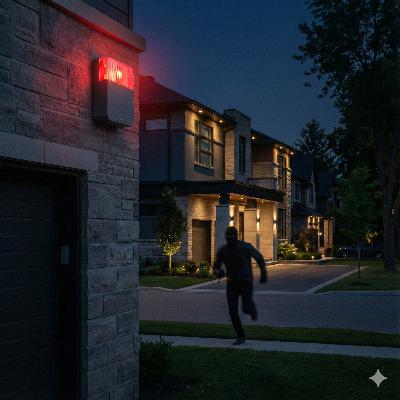
An alarm system is an integrated network of electronic devices designed to provide layered protection through intrusion detection, automated response, and continuous monitoring of secured spaces. These security systems serve as a critical first line of defense, utilizing a variety of sensors to identify burglar activity, forced entry, and other security threats before significant losses can occur. When a detection device senses unauthorized access or movement, a central control panel processes the signal and activates alerts, such as sirens, strobes, and notifications to professional monitoring centers.The importance of a well-designed alarm system cannot be overstated in today's security landscape. Modern platforms have evolved far beyond simple, unmonitored local sounders. Today’s solutions range from professionally monitored systems with redundant communication paths and video verification to fully integrated smart home security hubs. The effectiveness of any system hinges on strategic sensor placement, robust design, and reliable communication that ensures detection capabilities are maintained even during power outages or attempts to jam signals.This comprehensive overview explores everything from alarm system types and intrusion detection methods to communication reliability and smart security integration. It provides practical insights for understanding how to design, operate, and maintain effective alarm systems for residential, commercial, and industrial environments.Read the full article; Alarm System: Your First Line of Defense Against Intruders

In the modern hospitality industry, a robust and reliable network is no longer a luxury—it is the central nervous system of the entire operation. From the moment a guest checks in using a mobile app to when they stream a 4K movie in their room, the network underpins every aspect of their experience. A high-performance hotel WiFi system enables seamless services like digital room keys, mobile ordering, and smart room controls, directly influencing guest satisfaction and operational efficiency. When the network falters, the consequences are immediate and severe, leading to negative online reviews, frustrated staff, and lost revenue.The challenge lies in the escalating expectations of today's travelers. They arrive with multiple devices—smartphones, laptops, tablets, and smartwatches—and expect flawless connectivity for everything from high-stakes video conferences to bandwidth-intensive entertainment. This demand places immense pressure on a hotel's digital infrastructure. Building effective hospitality networks is a complex endeavor that requires a strategic alliance between property owners, IT teams, and operations managers. Unfortunately, many projects fail due to short-sighted decisions, such as opting for cheap equipment or underestimating usage, transforming a critical asset into a persistent source of problems.Read the full article; Hospitality Networks: Common Design and Deployment Mistakes
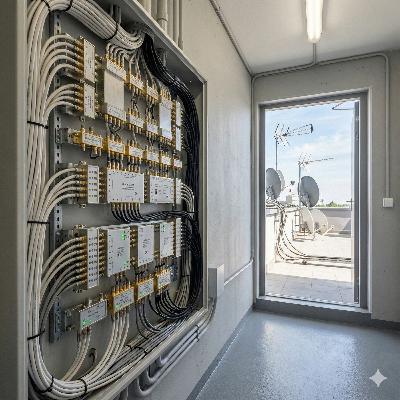
The installation of satellite television in apartment buildings is optimally achieved through a centralized Satellite Master Antenna Television (SMATV) system. This approach utilizes a single, shared satellite dish that feeds all individual apartments via a multiswitch and a structured coaxial cable network. Compared to allowing individual tenant dishes, a shared SMATV system offers superior aesthetic control, compliance with building codes, simplified maintenance, and more reliable signal quality.Successful implementation hinges on a meticulous planning process, including a thorough site survey to ensure an unobstructed line of sight to orbital satellites. The selection of appropriate hardware—such as dish size, LNB type, and multiswitch capacity—is critical and must be tailored to the building's size and local climate. The design of the cable distribution network, adherence to proper grounding and safety protocols, and a systematic testing procedure are essential for delivering a stable, high-quality signal to every unit. A well-designed SMATV system not only meets current tenant needs but also provides a future-proof infrastructure adaptable to new broadcast technologies.Read the full article; How to Install Satellite TV in Apartment Buildings
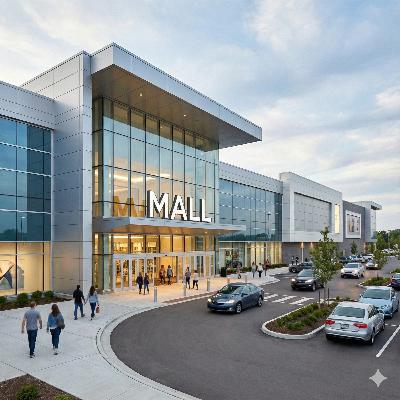
The primary objective of a fire alarm system within a shopping mall or retail complex is to bolster life safety through rapid fire detection and the facilitation of an orderly evacuation. These high-occupancy environments present a unique risk profile, characterized by diverse tenant activities, high fire loads from merchandise, concentrated hazards in areas like food courts, and large, open spaces that can act as smoke pathways.Effective systems must adhere to stringent codes, such as NFPA 72 in the United States and EN 54 in Europe, which mandate comprehensive detector coverage, specific notification appliance standards, and deep integration with other building safety infrastructure. The architectural foundation of a modern mall fire alarm system is typically an addressable Fire Alarm Control Panel (FACP), which provides precise location data for any activated device. This is complemented by a carefully selected array of detectors—including optical smoke, multi-sensor, heat, and flame detectors—matched to the specific conditions of each zone.Strategic system design hinges on logical zoning, which separates common areas, individual shops, anchor tenants, and high-risk zones like cinemas and food courts. This allows for a targeted, controlled response that can prevent unnecessary building-wide panic. Crucially, the fire alarm system must operate as part of a coordinated network, integrating seamlessly with public address/voice evacuation (PA/VA) systems, elevator recall, smoke management systems, and building security platforms.Finally, long-term reliability is dependent on rigorous operational management. This includes a proactive program of routine testing and maintenance, dedicated strategies to minimize false alarms in busy public spaces, and a structured process for managing system upgrades and modifications prompted by tenant changes or technological advancements. A well-designed and maintained system not only protects visitors and staff but also safeguards property, asset value, and business continuity for owners and tenants.Read the full article; Fire Alarm Solutions for Shopping Malls and Retail Complexes
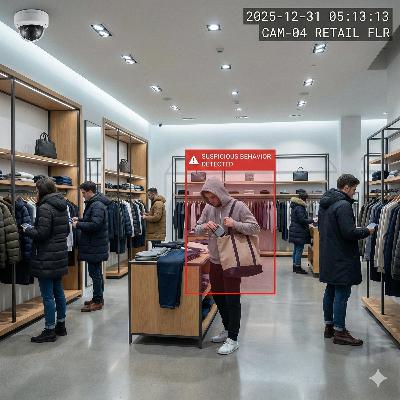
Effective burglar alarm design for retail stores and showrooms is a critical component of a proactive security strategy, essential for protecting high-value inventory, cash, and staff from intrusion and theft. Unlike residential systems, retail security must account for unique challenges such as high foot traffic, multiple access points, complex operational schedules, and the specific nature of commercial threats like smash-and-grab attacks.A successful retail alarm system is built on a foundation of thorough risk assessment, which identifies vulnerable entry points and high-value zones. The core architectural principle is layered security through strategic zoning, dividing the premises into distinct areas (perimeter, interior, high-risk) that can be armed independently. This approach provides robust, layered coverage while allowing for operational flexibility, such as partial arming for after-hours work.Sensor selection and placement are paramount to balancing detection performance with the mitigation of false alarms. A combination of magnetic contacts for perimeter defense, dual-technology motion detectors for interior spaces, glass break sensors for facades, and panic buttons for staff safety creates a comprehensive detection network. System reliability is further enhanced by integrating the alarm with CCTV for video verification and access control for coordinated response.Finally, the long-term efficacy of the system depends on robust operational protocols, including disciplined user code management, clear arming/disarming procedures, and comprehensive staff training. Regular testing, commissioning, and ongoing maintenance are non-negotiable for ensuring the system remains effective and compliant with insurance and regulatory standards.Read the full article; Burglar Alarm Design for Store and Showroom Security

This document provides a comprehensive overview of modern emergency evacuation systems, which are critical platforms for ensuring occupant safety during crisis events. The central purpose of these systems is to coordinate alerting, communication, and the controlled movement of people away from danger. This is achieved by replacing abstract sirens with clear, intelligible voice messages delivered through integrated networks of speakers, communication pathways, and visual alerting devices.The operational core of these systems is the voice evacuation control panel, which processes inputs from fire alarms and security sensors to execute pre-programmed, scenario-specific responses. This enables sophisticated strategies like phased evacuation, which prevents congestion by directing immediately threatened zones to evacuate first. System architectures are designed for maximum reliability, featuring fault-tolerant components, redundant backups, uninterruptible power supplies (UPS), and networked audio distribution over IP infrastructure.Key technologies include voice evacuation, mass notification systems for broader threats, emergency lighting, and refuge area communication systems. The effectiveness of these systems is objectively measured through standards like the Speech Transmission Index (STI) for message clarity. Compliance with regulatory frameworks such as EN 54 in Europe and NFPA 72 in the United States is mandatory, guiding every aspect from equipment design and installation to ongoing maintenance and operational drills. Ultimately, these systems integrate technology, architectural design, and procedural planning to create predictable and effective emergency responses that reduce confusion and prevent panic.Read the full article; What Is Emergency Evacuation and Why Is It Important?

Cybersecurity in the banking and financial services industry is a foundational discipline essential for protecting sensitive data, preventing fraud, and maintaining customer trust in an increasingly digital landscape. The sector faces a constant and sophisticated barrage of cyber threats, including phishing, ransomware, and advanced persistent threats, which exploit expanded attack surfaces created by online banking, mobile applications, and third-party integrations.A robust cybersecurity posture is no longer merely a technical requirement but a critical business enabler and a regulatory imperative. Financial institutions must navigate a complex web of global and local regulations, such as ISO 27001, PCI DSS, NIST, and GDPR, where compliance failures can lead to severe financial penalties and reputational damage.Effective defense relies on a multi-layered, integrated strategy that combines resilient security architecture, strong identity and access controls, and comprehensive data protection. Key defensive pillars include network segmentation, multi-factor authentication, privileged access management, and end-to-end encryption. Crucially, modern security operations must integrate fraud prevention with traditional cybersecurity controls, leveraging Security Operations Centers (SOCs), SIEM platforms, and threat intelligence to achieve real-time detection and response. Ultimately, success is underpinned by strong governance, board-level oversight, and a pervasive security culture that aligns security efforts with strategic business objectives and fosters continuous improvement.Read the full article; Cybersecurity in Banking and Financial Services
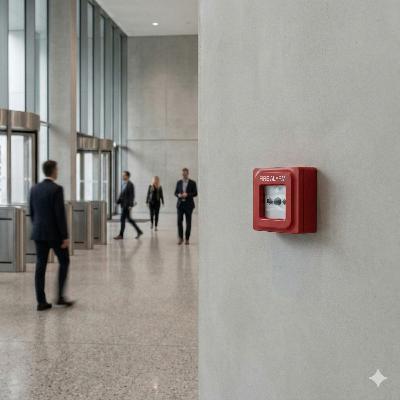
Fire alarm systems are critical safety networks designed for the early detection of fire indicators such as smoke, heat, or flames. Their primary function is to protect building occupants by activating alerts and facilitating a coordinated emergency response. The effectiveness of these systems hinges on a coordinated, three-layered architecture: detection sensors that monitor protected spaces, a central control panel that processes signals and executes programmed logic, and notification appliances that provide audible and visual alerts for evacuation.A diverse array of detection technologies is available, each tailored to specific environmental conditions and fire risks. These range from common photoelectric smoke detectors for smoldering fires to specialized heat, flame, multi-sensor, and advanced aspiration (VESDA) systems for challenging or high-value environments. System architecture is a crucial design consideration, with modern installations favoring addressable systems that provide precise location data for individual devices over older, zone-based conventional systems.The entire lifecycle of a fire alarm system—from design and installation to ongoing inspection, maintenance, and eventual replacement—is governed by stringent safety codes and standards. In North America, NFPA 72 is the primary governing document, while Europe follows the EN 54 series. Compliance is mandatory and ensures that all components, from wiring and power supplies to software and notification devices, function reliably. Ultimately, the system's performance and its ability to protect life and property depend on proper design, meticulous installation, thorough commissioning, and a disciplined maintenance regimen.Read the full article; Understanding Fire Alarm Systems: Safety First

This podcast synthesizes an analysis of modern surveillance, focusing on the transformative impact of facial recognition technology and the critical privacy challenges it presents. The core finding is that surveillance has evolved from passive recording to active, persistent identification, turning public and private spaces into comprehensive tracking networks. This shift is driven by CCTV analytics that extract and process sensitive biometric data, raising urgent ethical and legal questions.Under European law (GDPR), facial data is classified as special-category information, subject to the most stringent protections. Its collection and processing require a rigorous legal basis, mandatory Data Protection Impact Assessments (DPIAs), and robust privacy controls. The technology is fraught with inherent risks, including algorithmic bias that leads to discriminatory outcomes, the potential for life-altering misidentification, and a lack of transparency in AI decision-making.The analysis highlights significant dangers of surveillance overreach, including "mission creep," where systems are used for purposes beyond their original scope, and covert applications in behavior prediction and marketing. Architectural choices—such as edge, cloud, or hybrid processing—present distinct security vulnerabilities that must be addressed through layered technical safeguards like end-to-end encryption, strict access controls, and automated data redaction. Ultimately, rebuilding public trust requires a commitment to ethical frameworks, genuine transparency, and governance structures that prioritize human rights over technological capabilities.Read the full article; Facial Recognition: Who Is Watching Us and How Far They Go
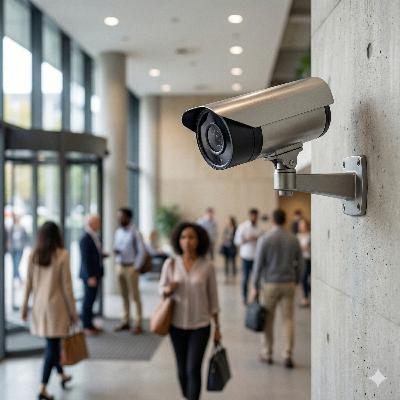
Modern Closed-Circuit Television (CCTV) systems have evolved from passive recording tools into a dynamic, intelligent layer of security and operational intelligence. A properly designed surveillance system is a complex integration of camera hardware, network infrastructure, video management software (VMS), and storage architecture, designed to provide complete visibility and a coordinated layer of protection across facilities. The transition from analog to IP-based architectures has been a catalyst for this evolution, enabling remote access, advanced video analytics, and seamless integration with broader security and building management platforms.Key technological pillars of a contemporary CCTV system include high-definition cameras with specialized imaging capabilities (such as thermal, low-light, and wide dynamic range), robust IP networking with Power over Ethernet (PoE), and scalable storage solutions from edge devices to cloud archives. The VMS serves as the central command hub, enabling live monitoring, incident investigation, and automated alarm responses.The most significant recent advancement is the infusion of Artificial Intelligence (AI) and deep learning. Video analytics now transform raw video streams into actionable data, capable of detecting intrusions, recognizing license plates, counting people, and identifying anomalous behaviors. This intelligence is maximized when CCTV is integrated with other systems like access control, intrusion alarms, and building management, creating a unified security ecosystem. However, deploying such powerful technology necessitates a rigorous approach to privacy, data protection, and legal compliance, governed by regulations like GDPR. Effective systems are supported by best practices in design, installation, and ongoing maintenance to ensure reliability and achieve security objectives.Read the full article; CCTV Surveillance Systems: Cameras, Video & Security
Comments


Download from Google Play

Download from App Store
 United States