


 Claim Ownership
Bedtime Astronaut
Subscribed: 1Played: 26
Subscribe
© 2026 Bedtime Astronaut
Description
Welcome to Bedtime Astronaut, where we drift through the universe one idea at a time. Each episode explores real space science, planetary history, and astronomical discoveries in a calm, steady voice—perfect for unwinding at the end of the day.
21 Episodes
Reverse
In this episode of Bedtime Astronaut, we invite you to a serene journey beyond our solar system to uncover the secrets of exoplanet discovery. As night falls and the world calms, join us in exploring how scientists detect planets orbiting distant stars, often invisible to the naked eye. We'll delve into the gentle art of observing the subtle dance between stars and their hidden companions, revealing how the faintest changes in starlight can guide us to new worlds. Discover the meticulous techniques astronomers employ, such as the transit method, where the slight dimming of a star's light signals the passage of a planet. Learn about the remarkable instruments, like the Kepler Space Telescope and TESS, that vigilantly scan the cosmos for these elusive signals. This episode of Bedtime Astronaut is a tranquil exploration of the universe's wonders, offering a calming narrative that blends the beauty of science with the intrigue of the unknown, perfect for relaxation and reflection.
In this soothing episode of Bedtime Astronaut, we embark on a serene exploration of one of the universe's most intriguing enigmas: dark matter. As you settle into a peaceful state, imagine the vast cosmos around you, where stars and galaxies dance in a celestial ballet. While these luminous bodies form the night sky we know, they account for only a small fraction of the universe's total mass. The rest is a mystery, an unseen force that shapes the very structure of the cosmos. Join us as we journey back to the early 20th century, when astronomers first noticed something peculiar in the movement of galaxies. Stars within these galaxies orbited at incredible speeds, defying the gravitational laws known at the time. This led to the concept of dark matter, an invisible entity that, while not emitting light, exerts a gravitational pull binding these galaxies together. Through gentle narration, we explore the profound influence of this mysterious substance, inviting you to ponder the unseen wonders of our universe.
In this episode of Bedtime Astronaut, we embark on a tranquil voyage across the cosmos to ponder a question that has fascinated humanity for centuries: Are we alone in the universe? Settle into a moment of calm as we journey through the vastness of space, contemplating the possibility of life beyond our blue planet. With over 100 billion galaxies each teeming with stars and potential planets, the backdrop for our inquiry is both vast and humbling. As we explore this profound question, we delve into the characteristics that define life as we know it and how these traits guide scientists in their search for extraterrestrial existence. Our focus shifts to the promising prospects within our own solar system, such as Mars, with its ancient signs of water, and the potential habitats nestled within the icy moons of Jupiter and Saturn. Join us as we gently unravel the mysteries of the universe, guided by curiosity and the hope of uncovering whether or not we share this cosmic ocean with other forms of life.
Join us on Bedtime Astronaut as we gently unravel the captivating mystery of black hole formation, guiding you through the cosmic ballet of matter and energy. In this episode, you'll float softly through the stellar nurseries of the universe, where stars are born from swirling clouds of gas and dust. Discover how these celestial cradles nurture stars into existence and witness the delicate balance of forces that sustain them through their luminous lives. As we delve deeper into the life cycle of stars, you'll learn about the dramatic finale awaiting those significantly more massive than our Sun. We explore the awe-inspiring phenomena of supernovae, where the core of a dying star collapses under its own gravity, leading to the birth of a black hole. Let the calm narrative of Bedtime Astronaut guide you through these cosmic transformations, inviting you to ponder the vastness of the universe as you drift into a peaceful sleep.
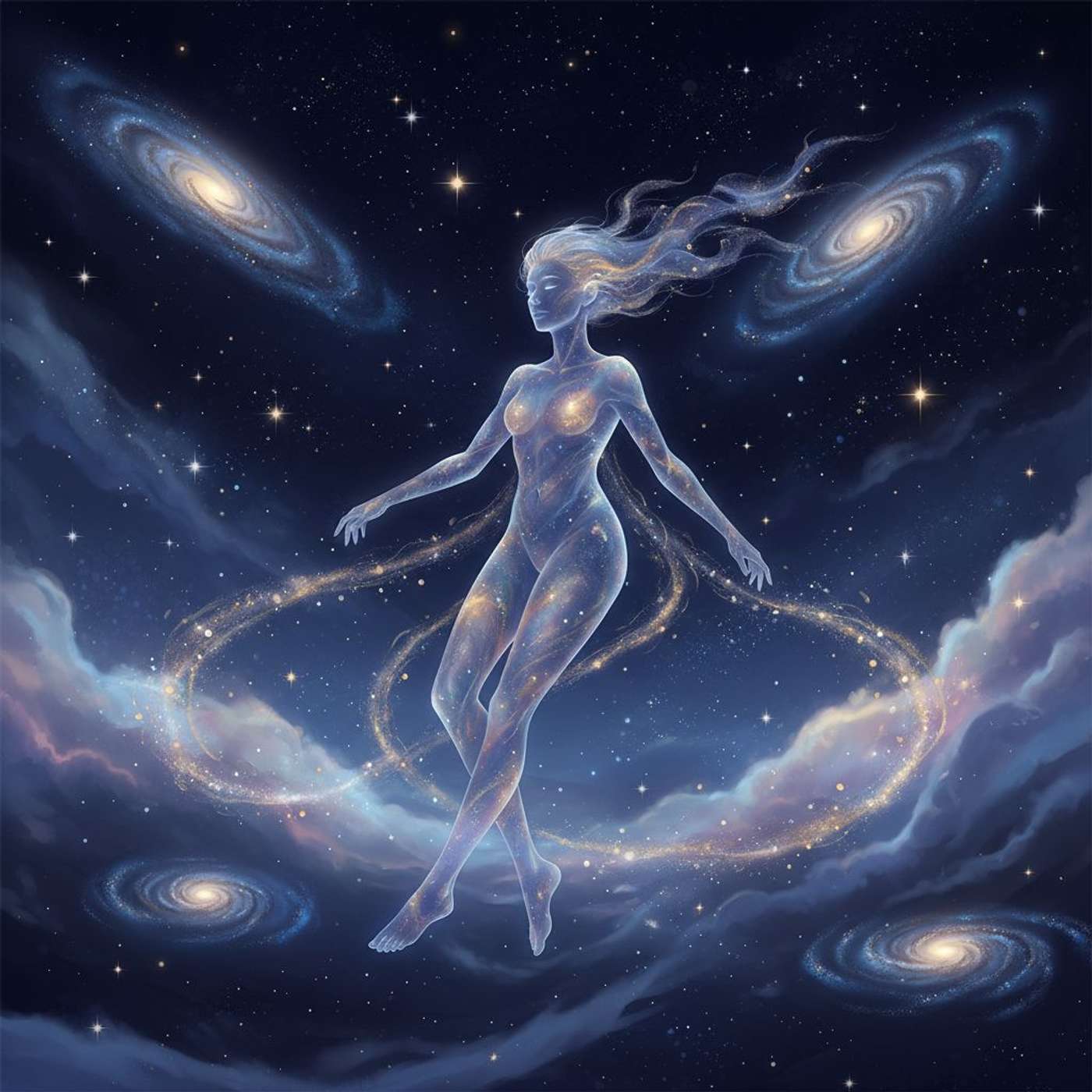
Join us on this episode of Bedtime Astronaut as we gently delve into the cosmic origins of life on Earth by exploring the fascinating concept that we are, quite literally, made of stardust. As we journey through the serene expanse of the universe, we'll unravel the profound connections between the stars above and the elements that compose our very beings. Through the comforting narrative of cosmic cycles, discover how the dazzling brilliance of stars not only lights up the night sky but also plays a crucial role in the formation of the essential elements of life. Listen as we trace the lifecycle of stars, from their fiery beginnings in vast nebulae to their twilight years, when they become cosmic forges of heavier elements like carbon and oxygen. These elements, forged in the intense heat of stellar interiors, eventually scatter across the universe, seeding new stars, planets, and, ultimately, life itself. Reflect on the awe-inspiring realization that the atoms in your body share an ancient lineage with the stars, linking us all to the grand story of the cosmos. Tune in for a tranquil exploration of how the stars' life and death cycles are intricately woven into the very fabric of our existence.
In this episode of Bedtime Astronaut, we gently drift through the cosmos to explore one of the universe's most profound mysteries: what existed before the Big Bang? As we embark on this contemplative journey, we unravel the foundational concepts that define our universe, from the singularity that marked the beginning of time and space to the ever-expanding cosmos we inhabit today. With the soothing backdrop of the stars, we delve into the interplay of time and space, where the boundaries of "before" and "after" dissolve into the fabric of spacetime. Join us as we listen to the whispers of theoretical physics and venture into the quantum realm, where the classical rules of physics yield to the enigmatic dance of probabilities and uncertainties. Together, we ponder how these quantum principles might illuminate the mysterious prelude to the Big Bang, inviting us to expand our understanding of the cosmos. This episode offers a tranquil exploration of cosmic origins, perfect for winding down and inspiring a sense of wonder at the universe's infinite possibilities.
In this calming episode of Bedtime Astronaut, we gently explore the fascinating phenomenon of the universe's expansion. As we drift through the cosmic tapestry, we unravel the mysteries that have captivated astronomers and physicists alike. Join us in contemplating how the universe, much like a balloon with galaxies as its dots, continually stretches and grows, leading to the mesmerizing dance of galaxies drifting apart. We trace back to the early 20th century, where the groundbreaking work of Edwin Hubble revealed the universe's dynamic nature. Discover how Hubble's observations led to profound insights, such as the Hubble Expansion and the Big Bang theory, which describes the universe's beginnings as a hot, dense singularity over 13.8 billion years ago. This episode invites you to reflect on the vastness of the cosmos and the intricate forces that govern its endless expansion, providing a serene backdrop for relaxation and wonder.

In this episode of Bedtime Astronaut, we delve into the enchanting relationship between the Earth and its steadfast celestial partner, the Moon, unraveling the mystery of how our lunar neighbor orchestrates the rhythmic dance of the tides. As you drift into relaxation, imagine yourself floating weightlessly above our blue planet, witnessing the profound gravitational influence that the Moon exerts on Earth's vast oceans. Join us as we explore the fundamental force of gravity and its role in shaping the interactions between the Moon and our planet. Discover how the Moon's gravitational pull creates the ebb and flow of the tides, pulling water towards it and forming bulges that travel across the globe. This episode offers a gentle journey into the science behind the tides, illustrating the elegant balance and interconnectedness of our cosmic environment, perfect for a tranquil and informative bedtime listen.
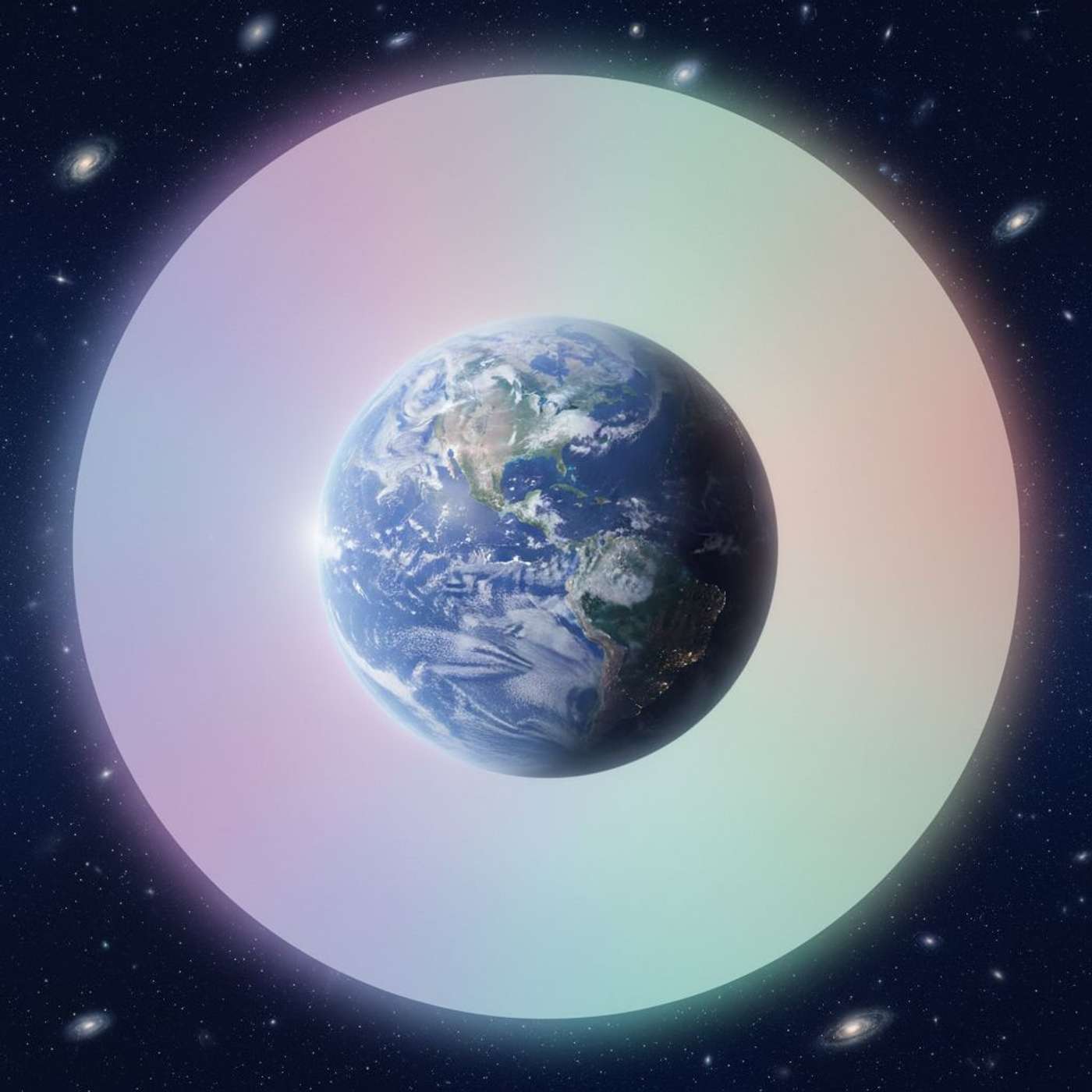
In this episode of Bedtime Astronaut, we gently invite you to explore a fascinating hypothetical scenario: what would happen if Earth stopped spinning? As you unwind, join us on a journey through imagination and science, delving into the intricate mechanics that govern our planet's rotation. This constant motion, a backdrop to our daily lives, is crucial to the cycle of day and night and is a testament to the enduring forces that have shaped Earth over billions of years. Together, we'll explore the catastrophic consequences and intriguing possibilities of an Earth at rest. From the forceful winds and shifting oceans to the profound changes in our environment and climate, we'll contemplate the delicate balance that keeps our world in harmony. Through this exploration, gain a deeper appreciation for the unseen forces that silently choreograph the dance of our planet, offering a moment of calm reflection amidst the vastness of the universe.
In this episode of Bedtime Astronaut, we invite you to join us on a tranquil exploration of one of the cosmos's most enigmatic mysteries: the ultimate fate of the universe. As you settle into a comfortable state of relaxation, we'll ponder whether the universe, in its grandiosity and complexity, is destined to continue its infinite expansion or meet an eventual end. This question, which has intrigued scientists and philosophers alike, leads us to contemplate the very nature of existence and our place within the cosmic tapestry. Guided by historical insights and modern discoveries, we'll delve into the remarkable journey of the universe since its inception with the Big Bang. We'll explore how the universe behaves like an ever-expanding balloon, with galaxies drifting apart as space itself stretches. This expansion, first observed by Edwin Hubble, challenges us to think about the dynamic and ever-changing cosmos we inhabit. As we navigate these cosmic ideas, we invite you to let the gentle rhythms of space and science lull you into a peaceful state, making this celestial voyage as calming as it is enlightening.
In this soothing episode of Bedtime Astronaut, we gently float through the cosmos to unravel the enigma of gravity. As you relax into your evening, allow yourself to be carried by the thoughtful narrative exploring this fundamental force that shapes our universe. Gravity, an invisible yet powerful presence, cradles us on Earth and choreographs the celestial dance of planets and stars. Often overlooked in its omnipresence, we delve deeper to understand its essence and significance. Our journey begins in the 17th century with the groundbreaking work of Sir Isaac Newton, whose insights into gravity transformed our understanding of the natural world. Newton's law of universal gravitation revealed the mathematical framework behind the celestial motions, offering a glimpse into the universe's hidden language. As our exploration continues, we approach the early 20th century, where Einstein's revolutionary ideas further expanded our comprehension of this profound force. Join us as we calmly journey through time and space, discovering the layers of mystery and knowledge that gravity holds.
Join us on Bedtime Astronaut as we drift into the cosmic realm to explore the captivating question: "Does Time Exist Everywhere the Same Way?" In this serene episode, we unravel the mystery of time—a concept so deeply embedded in our everyday lives that it often goes unnoticed, much like the gentle ticking of a clock. However, as we journey through the universe, we find that time is not as steadfast as it seems. It can twist and bend, altering its pace in response to the cosmic surroundings. Guided by the groundbreaking theories of Albert Einstein, we delve into the intricate relationship between space and time, known as spacetime. Discover how massive celestial bodies, like stars and planets, warp this continuum, causing time to slow in their gravitational embrace. Through the tranquil narrative of Bedtime Astronaut, allow yourself to ponder the fluidity of time and its enchanting dance across the universe, providing a calming backdrop for your own reflections and dreams.
In this episode of Bedtime Astronaut, we gently guide you through the vast and awe-inspiring expanses of the universe to explore one of the cosmos' most intriguing questions: What is the biggest thing in the universe? As you relax into the soothing narrative, imagine yourself drifting silently among the stars, enveloped in the profound quiet of space. This calming journey begins with the smallest building blocks of matter, illustrating how these tiny particles come together to form the complex structures of our universe. From the fundamental atoms to the intricate dance of galaxies, we delve into the cosmic architecture that defines existence. Discover the enormity of our Milky Way galaxy and its billions of stars, each with potential worlds of its own. As you float through this gentle exploration, you'll gain an appreciation for the universe's vastness, where galaxies group into even larger structures known as galaxy clusters and superclusters. Join us as we unravel the layers of the cosmos, providing a serene backdrop for contemplation and wonder.
In this episode of Bedtime Astronaut, we embark on a serene journey through the universe to uncover the mysteries of the cosmic web. As we drift into a state of relaxation, we explore the grand tapestry that defines the very structure of the cosmos. The cosmic web, while seemingly abstract, reveals itself as a beautiful and intricate network connecting galaxies and galaxy clusters through invisible threads of dark matter. Guided by a gentle curiosity, we delve into the early universe, tracing back to the aftermath of the Big Bang and the cosmic microwave background. These ancient echoes have shaped the universe's vast structure, with gravity acting as the sculptor of stars and galaxies. Join us as we peer beyond the night sky, discovering how these celestial bodies form the cosmic web—a magnificent, interconnected scaffolding that holds the universe together, offering a tranquil perspective on the wonders of space.
In this serene episode of Bedtime Astronaut, we gently guide you through the captivating question: "Why Is the Universe So Quiet?" As you settle into your evening routine, allow your mind to wander through the vast and silent expanse of space, where the absence of sound invites us into a deeper contemplation of the cosmos. The universe, in its magnificent splendor, is a realm where silence reigns—not merely as the absence of noise, but as a profound stillness that calls for reflection. Join us as we explore the fundamental nature of sound and its absence in the vacuum of space. Discover how, despite this silence, the universe is far from inactive. It is alive with vibrant processes and cosmic phenomena, from the birth and death of stars to the majestic dance of galaxies and the mysterious pull of black holes. While these events unfold quietly, they are rich with the energy and motion that define our universe. Relax and let your curiosity soar as we unravel the quiet mysteries that shape our understanding of the cosmos.
Every star you see tonight is living on borrowed time.In this gentle journey through the cosmos, we explore how stars are born, how they live for millions or even billions of years, and how they eventually come to an end. Some fade quietly into white dwarfs, glowing softly in the dark. Others erupt in magnificent supernova explosions, scattering the elements that will one day form new planets — and perhaps life itself.We’ll drift through the life cycle of stars, from peaceful red giants to the creation of neutron stars and black holes. Along the way, we’ll discover a comforting truth: star death is not destruction, but transformation.The iron in your blood… the calcium in your bones… were forged inside ancient stars that once lived and died long before our Sun was born.Tonight, we look up at the sky not with fear of endings, but with quiet gratitude. Because every ending in the universe is also a beginning.Welcome back, astronaut. 🌙✨
Tonight, we drift beyond our own solar system to explore a quiet and remarkable question: how do we discover planets around other stars, light-years away from Earth?As you settle in, we’ll gently explore the subtle ways astronomers find these distant worlds — not by seeing them directly, but by noticing the smallest changes in starlight. We’ll talk softly about planets passing in front of their stars, stars that sway ever so slightly under the pull of unseen worlds, and the faint shadows that reveal entire solar systems far beyond our own.Along the way, we reflect on how patience, time, and careful observation allow us to uncover planets that cannot be touched or visited, yet still leave quiet signatures across the vastness of space. From warm, glowing stars to tiny drifting planets, each discovery adds to our understanding of how common — and how diverse — planetary systems may be throughout the universe.This episode is designed for calm listening, with no urgency and no complexity, allowing your thoughts to slow as you float through distant star systems. Let the gentle rhythm of discovery guide you into rest, as the universe quietly reveals its hidden worlds.🌌 Perfect for bedtime, relaxation, and drifting into sleep beneath distant stars.
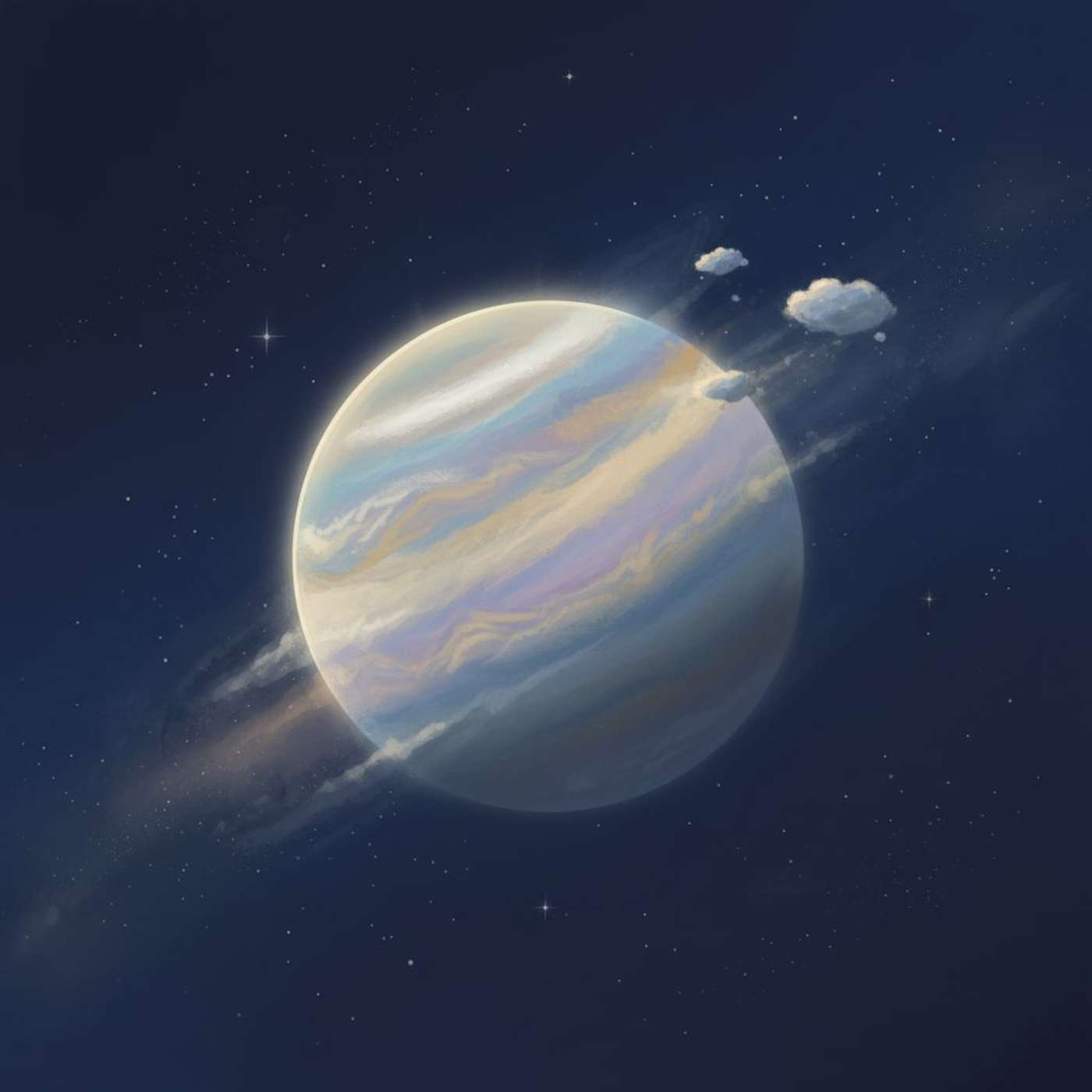
Tonight, we drift into the towering cloud worlds of the solar system and beyond to explore a quiet and fascinating question: could life exist on gas giants?As you settle in, we float above the soft, swirling atmospheres of planets like Jupiter and Saturn, where there is no solid ground, only endless layers of cloud, wind, and light. In this gentle journey, we explore what life means in environments so different from our own, and whether the upper atmospheres of gas giants could offer stable, calm regions where something living might slowly drift and endure.We’ll softly explore scientific ideas about floating ecosystems, chemical energy, and the delicate balance of temperature and pressure found high within these massive planets. Without rushing into speculation, we also consider what similar worlds around distant stars might teach us about life in the universe.Along the way, we pause to reflect on the many forms life might take, how our definitions of habitability continue to expand, and how the universe often surprises us with possibilities far beyond what we imagine.This episode is designed for quiet listening — to help you relax, slow your thoughts, and gently wander through the clouds of giant planets as you prepare for sleep.Let the stars fade softly as you float, unanchored, through a universe full of quiet wonder.🌌 Perfect for bedtime, relaxation, and drifting off under distant skies.
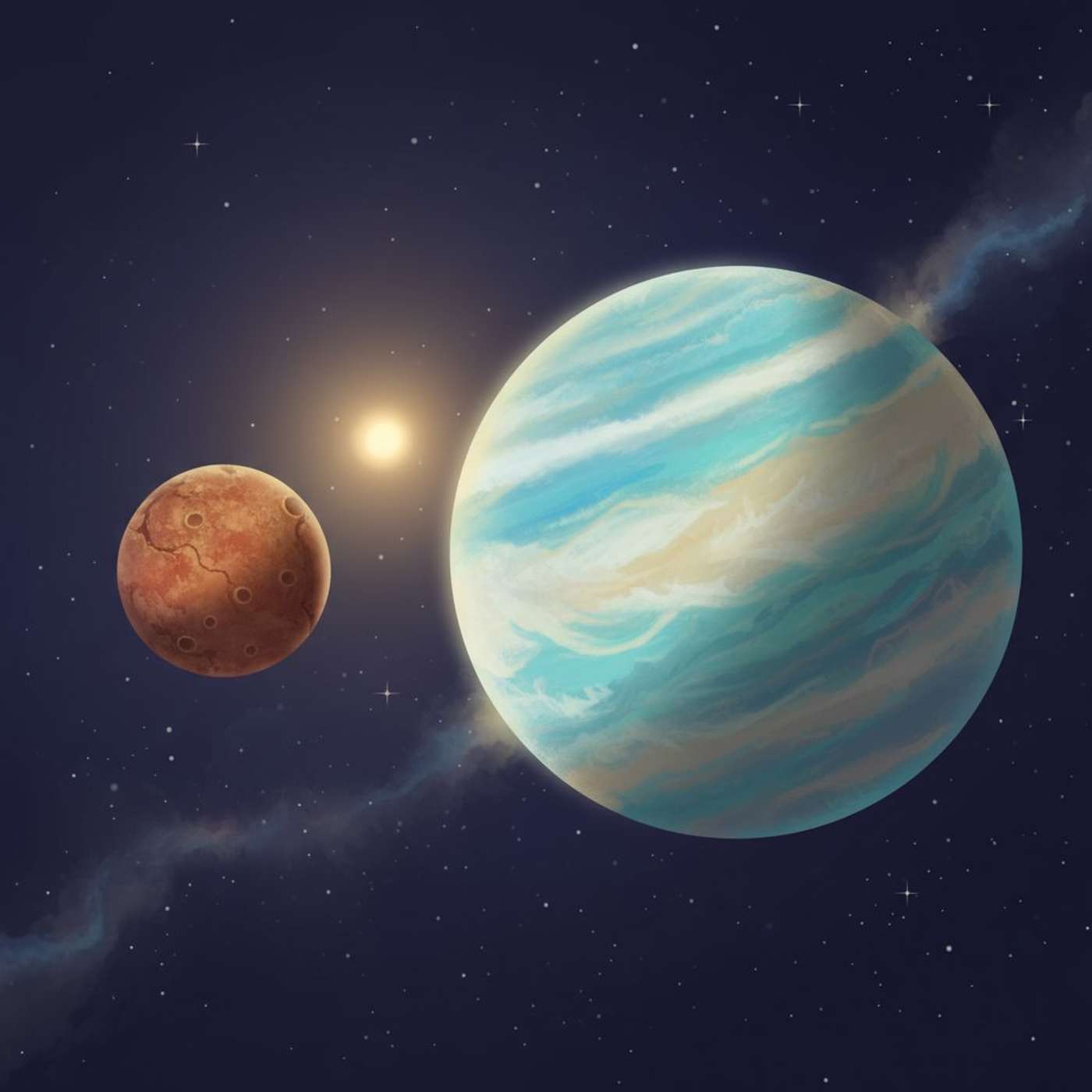
Tonight, we take a gentle journey through our solar system to explore a quiet but fascinating question: why do some planets form as solid, rocky worlds, while others grow into vast spheres of gas and ice?As you settle in, we begin near the warm glow of the Sun, drifting past the rocky inner planets — Mercury, Venus, Earth, and Mars — worlds shaped by heat, metal, and stone. From there, we glide outward through the asteroid belt and into the realm of the giant planets, where Jupiter and Saturn swirl with clouds of hydrogen and helium, and the distant ice giants, Uranus and Neptune, rest in the cold outskirts of the solar system.Along the way, we explore the early days of our cosmic neighborhood, when the Sun was surrounded by a vast disk of gas and dust. In this slow and calming explanation, you’ll learn how temperature, distance, gravity, and time quietly determined the fate of each planet — deciding which worlds became rocky and solid, and which grew massive atmospheres of gas.We’ll also reflect on planets beyond our solar system, the surprising diversity of exoplanets, and what these distant worlds reveal about how planets form throughout the universe. With soft imagery, unhurried pacing, and a focus on wonder rather than complexity, this episode is designed to help you relax, unwind, and drift gently into sleep.Let the stars guide your thoughts as you float through space, listening to the story of worlds shaped by fire, gas, ice, and time.🌌 Perfect for bedtime listening, relaxation, and quiet curiosity.
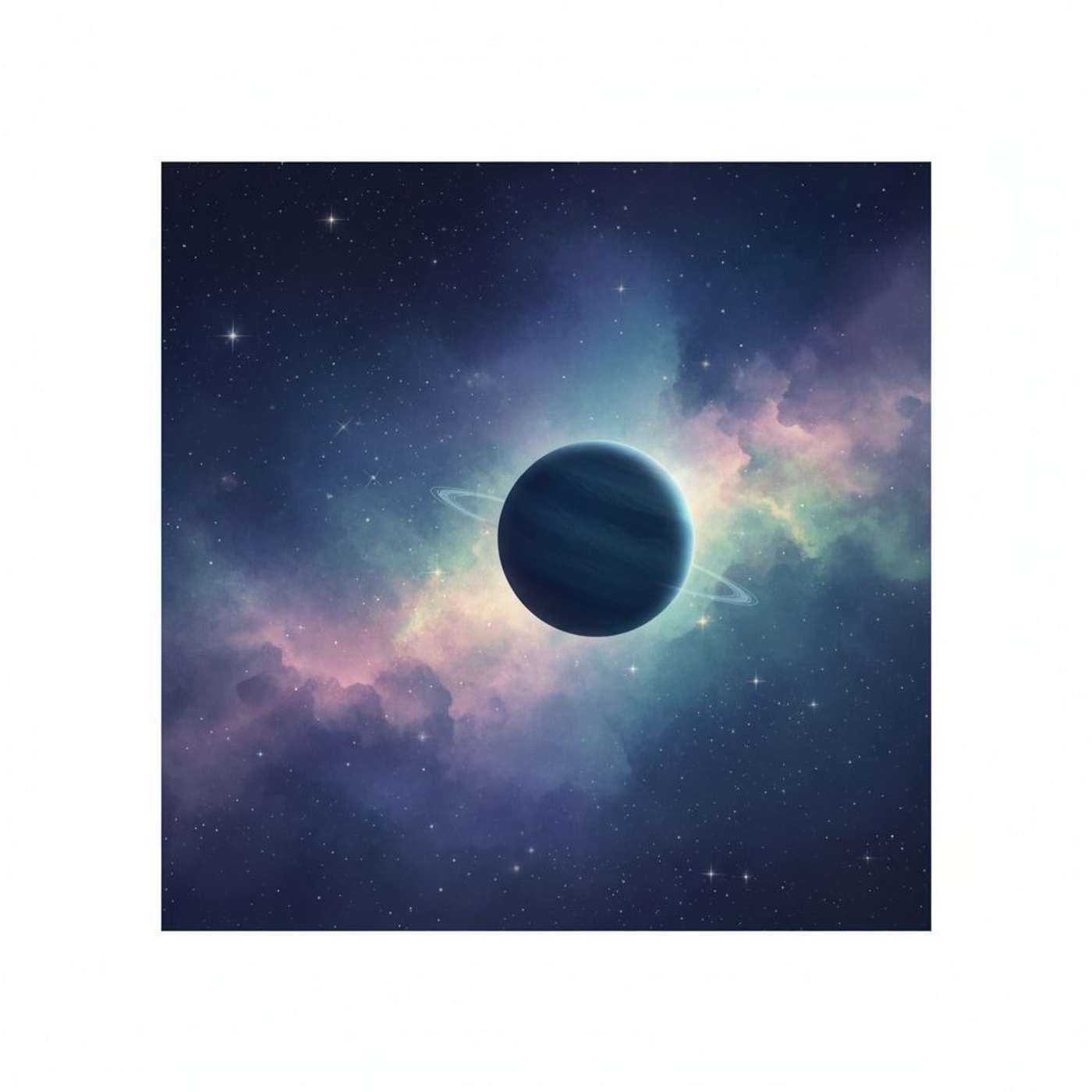
Where does the solar system truly end? This episode explores the boundaries of our cosmic neighborhood, from the outer planets and the Kuiper Belt to the distant Oort Cloud and the edge of the Sun’s influence. We examine how gravity, solar wind, and interstellar space define the gradual transition from our solar system into the wider galaxy.

Comments

Download from Google Play

Download from App Store
 United States