


 Claim Ownership
The FreightFA Brief Podcast
Subscribed: 0Played: 0
Subscribe

© Freight Flow Advisor
Description
Turning market volatility into competitive advantage for shippers and brokers. Global carriers publish an enormous amount of financial and market data. Most shippers never see it in a form they can actually use.
This publication bridges that gap.
freightflowadvisor.substack.com
This publication bridges that gap.
freightflowadvisor.substack.com
57 Episodes
Reverse

content typeInterviewprimary goalEducationalsummaryOmar Shakoor shares insights on the future of rail, technology, and industry challenges, including automation, labor shortages, and geopolitical impacts on freight. Discover how innovation and experience are shaping the transportation sector.keywordsrail industry, automation, freight logistics, supply chain, labor shortage, geopolitics, transportation technology, rail consultancykey topicsRail industry innovation and automationLabor shortages and workforce challengesGeopolitical impacts on freight and supply chainsguest nameOmar ShakoorTitlesThe Future of Rail: 5 Key Trends Shaping TransportationHow Technology Is Transforming Freight Rail Operationssound bites"Mitigating risk is always paramount""Gradually introducing efficiencies with AI""Economics is the billion dollar question"Chapters00:00 Introduction and Omar's Recent Projects00:51 Leading a Flagship Rail Project01:41 Future of Rail and Industry Impact02:12 Safety, Risk, and Workforce Challenges02:50 Generational Shifts and Labor Dynamics03:37 Technology Adoption and Complexity05:01 Automation in Rail Operations05:56 Rock and Railroad Consultancy Origin08:47 Rail Economics and Market Research12:25 Global Events and Domestic Freight12:56 Fuel Volatility and Supply Chains16:53 Rail Automation Today19:27 Data and Sensors in Rail Automation23:03 Fuel Surcharges and Market Exposure25:13 Labor Shortages and Industry Challenges29:19 Next Generation Workforce and Experience32:39 Rail Jobs and Environment Challenges33:35 Omar's Contact and Industry Pride36:38 Introduction to Freight Flow Advisor Brief36:39 Market Intelligence and Rate EstimatesresourcesRock and Railroad Consulting - https://rockrailroad.comOmar Shakoor on LinkedIn - https://www.linkedin.com/in/omarshakoorRock and Railroad Website - https://rockrailroad.comOmar Shakoor's YouTube Shorts - https://youtube.com/@OS_travelerguest linksLinkedIn - https://www.linkedin.com/in/omarshakoor This is a public episode. If you'd like to discuss this with other subscribers or get access to bonus episodes, visit freightflowadvisor.substack.com/subscribe
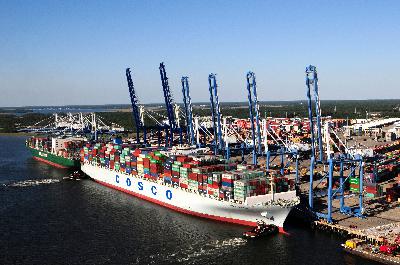
content typeInterview primary goalEducational summaryThis episode explores the transformative impact of the new rail facility at Charleston, South Carolina, on regional logistics, supply chain strategies, and freight movement. It highlights how infrastructure investments like inland ports and deep harbor upgrades are reshaping the Southeast's freight landscape, offering strategic insights for shippers, carriers, and brokers. keywordsFreight, Supply Chain, Charleston Port, Rail Infrastructure, Inland Ports, Logistics Strategy, Tariffs, Market Trends key topicsImpact of the Leatherman Rail Facility on freight movementRole of inland ports in regional logisticsEffects of tariffs and trade policy volatility on portsStrategic implications for freight operators in the Southeast guest nameTitlesHow Charleston's New Rail Yard Will Triple Freight MovementThe Southeast's Logistics Revolution: Charleston's Strategic Edge sound bites"The new rail facility could triple freight movement.""Charleston has the deepest harbor on the East Coast.""The Southeast region is on a growth tear."Chapters00:00 Introduction: Charleston's Economic Impact and Port Significance00:12 The New Rail Facility and Its Potential to Triple Freight Volume00:59 Charleston's Deep Harbor and Global Shipping Connections01:22 Challenges of No Near-Dock Rail and the Solution01:29 Details of the Leatherman Rail Facility and Its Capacity02:14 The Southeast Region's Growth and Industry Drivers02:37 Inland Ports Greer and Dillon as Strategic Nodes03:06 FreightFA.com: Real-Time Freight Intelligence Platform04:08 Trade Volatility, Tariffs, and Port Resilience05:11 Practical Strategies for Freight Operators in the Southeast06:06 Summary: Charleston's Infrastructure and Regional Impact06:35 Closing Remarks and How to Stay Informed06:46 Untitled video - Made with Clipchamp.mp4 resourcesFreightFA.com - https://freightfa.comSouth Carolina Ports - https://scport.comLeatherman Rail Facility Details - https://scport.com/rail-facilityInland Port Greer - https://scport.com/inland-port-greerInland Port Dillon - https://scport.com/inland-port-dillon This is a public episode. If you'd like to discuss this with other subscribers or get access to bonus episodes, visit freightflowadvisor.substack.com/subscribe
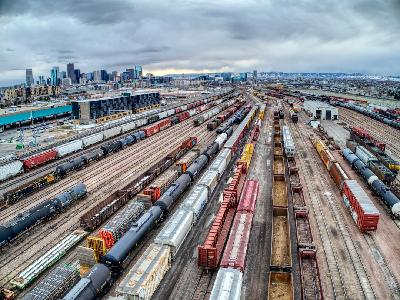
content typeSolo primary goalEducational summaryAn in-depth analysis of recent freight and rail data highlighting key commodities like grain, coal, chemicals, and autos, and their implications for the freight market and economic outlook. keywordsfreight, rail data, grain, coal, chemicals, autos, manufacturing, logistics, market trends key topicsU.S. rail carloads and intermodal traffic surgeRecord grain exports and their impactCoal's unexpected resilience amid energy transitionChemical sector growth driven by Gulf Coast investmentsAutos market slowdown and future outlookManufacturing PMI as a freight demand indicatorTariff impacts on manufacturing and freight takeawaysU.S. rail carloads hit highest levels since 2019, signaling strong freight demand.Grain exports are at a 1990s peak, driven by record harvests and international demand.Coal remains a significant freight commodity, defying energy transition narratives due to natural gas prices.Chemical shipments are at record levels, benefiting from Gulf Coast capacity expansion.Manufacturing shows signs of recovery with PMI above 50 for two consecutive months.Tariffs and geopolitical tensions pose risks to freight growth, requiring close monitoring.TitlesFreight Market Insights 2024: Grain, Coal, and Manufacturing TrendsHow Rail Data Signals a Freight Market Shift in 2024 sound bites"Rail carloads highest since 2019, up 6.5% YoY""Chemical shipments hit record levels in 2026""Economy is bending, not breaking, in 2024"Chapters00:00 Introduction: U.S. Freight Data Highlights00:26 U.S. Rail Carloads and Intermodal Trends01:22 Key Commodities Driving Growth: Grain and Energy02:21 Record Grain Exports and Future Outlook03:20 Coal's Resilience in the Energy Transition05:14 Chemical Sector Boom and Gulf Coast Investment06:12 Autos Market: Challenges and Opportunities07:07 FreightFA Platform: Enhancing Logistics Planning08:02 Manufacturing PMI and Freight Demand09:30 Tariffs, Geopolitics, and Freight Risks11:36 Market Outlook: Bending, Not Breaking This is a public episode. If you'd like to discuss this with other subscribers or get access to bonus episodes, visit freightflowadvisor.substack.com/subscribe
content typeInterview primary goalEducational summaryAn in-depth analysis of the recent jobs report highlighting the decline in transportation and warehousing jobs, the impact of automation, and strategic shifts in major logistics companies like UPS, FedEx, and Amazon. keywordsfreight, logistics, transportation, warehousing, jobs report, automation, UPS, FedEx, Amazon, supply chain key topicsTransportation and warehousing job declineImpact of automation on logistics jobsStrategic shifts by UPS, FedEx, and Amazon takeawaysTransportation and warehousing lost 157,000 jobs in 12 monthsUPS eliminated 48,000 jobs in 2025 and plans for 30,000 more in 2026FedEx cut 70,000 jobs since 2022 and is consolidating facilitiesAmazon is restructuring, cutting 30,000 jobs and building its own delivery networkAutomation is replacing traditional roles, creating high-skill opportunitiesTitlesThe 2025 Logistics Job Collapse: What You Need to KnowHow Amazon and UPS Are Reshaping the Freight Industry sound bites"UPS eliminated 48,000 jobs in 2025""FedEx cut 70,000 jobs since 2022""Macy's closing fulfillment centers and stores"Chapters00:00 Introduction: The Latest Jobs Report and Its Impact on Logistics00:30 Sector Overview: 157,000 Jobs Lost in Transportation and Warehousing01:32 The Downward Trend: From Job Gains to Losses in 202502:30 The Bigger Picture: Sector-Wide Decline and Skill Mismatch04:30 Major Company Moves: UPS, FedEx, and Amazon Restructuring07:28 Retail and Small Operators: Job Cuts in Fulfillment Centers08:26 Introducing FreightFA: Tools for Smarter Logistics Decisions10:00 The Four Forces Driving the Logistics Reset11:29 Implications for Carriers, Warehousing, and Workers12:41 Final Thoughts: Navigating the Future of Logistics This is a public episode. If you'd like to discuss this with other subscribers or get access to bonus episodes, visit freightflowadvisor.substack.com/subscribe

content typeSolo primary goalEducational summaryAn in-depth analysis of FedEx's upcoming spin-off of FedEx Freight into a standalone company, exploring its implications for the freight and logistics industry, shippers, and investors. keywordsFedEx, FedEx Freight, logistics, LTL, supply chain, transportation, investment, freight strategy key topicsFedEx's planned spin-off of FedEx FreightImplications for shippers and investorsStrategic and financial details of the spin-offMarket reaction and valuation estimatesFuture outlook and strategic considerations guest nameTitlesFedEx's $9B Spin-Off: What Shippers Need to KnowHow FedEx's Split Will Reshape the LTL Market sound bites"FDXF could be worth roughly 30 to 35 billion dollars.""This spin could unlock $10 to $20 billion of value.""Expect contract structures to evolve with the spin-off."Chapters00:00 Introduction to FedEx's Spin-Off Announcement00:30 Details of the FedEx Freight Spin-Off and Timeline01:30 Market Position and Business Overview of FDXF02:25 Leadership and Governance of the New Company03:51 Financial Strategy and Capital Structure of FDXF04:55 Market Valuation and Analyst Perspectives05:23 Implications for Shippers and Logistics Strategies06:50 What the Spin-Off Means for Contracting and Pricing07:46 Upcoming Investor Day and Future Outlook08:44 Summary and Strategic Takeaways for Stakeholders resourcesFreightFA - https://freightfa.comFedEx Official Site - https://www.fedex.comFedEx Freight Investor Day April 8th - https://investor.fedex.comSubstack Freight FA Brief - https://substack.com This is a public episode. If you'd like to discuss this with other subscribers or get access to bonus episodes, visit freightflowadvisor.substack.com/subscribe
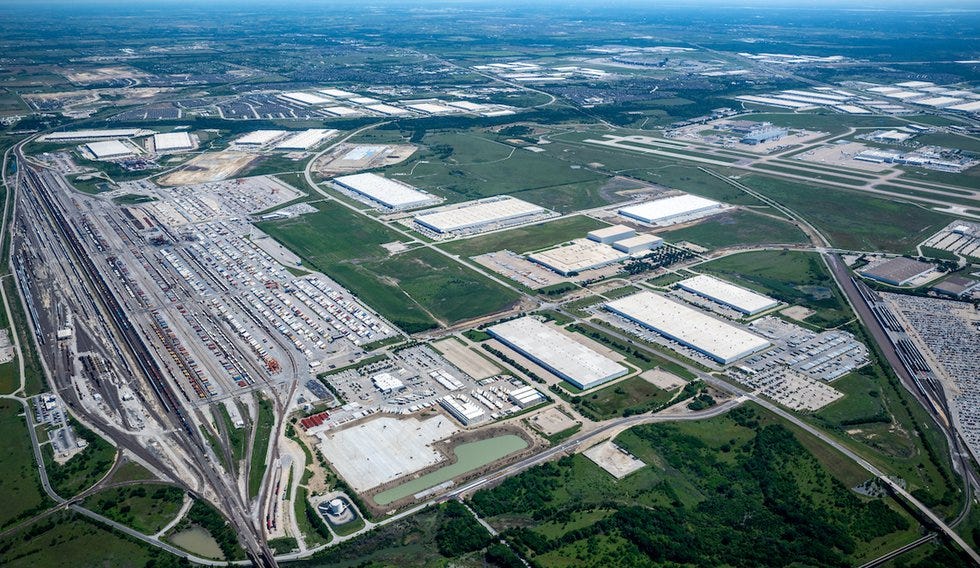
content typeInterview primary goalEducational summaryExplore North Texas's rise as a freight superpower, focusing on DFW's logistics infrastructure, Alliance Texas, and future growth opportunities in high-value freight sectors. keywordsNorth Texas logistics, DFW freight hub, Alliance Texas, air cargo, parcel market, semiconductor freight, freight infrastructure, supply chain innovation key topicsDFW International Airport's cargo growthAlliance Texas and inland rail portNorth Texas's parcel market expansionHigh-value freight: pharmaceuticals and semiconductors guest nameTitlesNorth Texas: The Next Logistics PowerhouseHow DFW Became America's Freight Hub sound bites"North Texas is the freight superpower in the making.""DFW moved 1 million tons of cargo in 2021.""North Texas is already a logistics powerhouse."Chapters00:00 Introduction: North Texas as a Freight Superpower00:27 DFW International Airport's Cargo Milestone 202101:19 Building a Freight Foundation Post-Pandemic02:16 Alliance Texas: The Inland Rail and Industrial Ecosystem03:11 Alliance Intermodal Facility's Impressive Capacity04:03 Plugging into North Texas Freight Opportunities with FreightFA.com05:00 The Growing Parcel Market and E-commerce Impact06:18 Next-Gen Freight: Pharmaceuticals and High-Value Goods07:11 Tech Boom: Semiconductors and AI in North Texas08:04 North Texas's Rapid Growth as a Logistics Powerhouse09:23 Strategic Advice for Shippers and Carriers09:49 Untitled video - Made with Clipchamp.mp4 resourcesFreightFA.com - https://FreightFA.comDFW International Airport - https://www.dfwairport.comAlliance Texas - https://alliancetexas.comBNSF Railway - https://www.bnsf.comFort Worth Alliance Airport - https://flyfw.com This is a public episode. If you'd like to discuss this with other subscribers or get access to bonus episodes, visit freightflowadvisor.substack.com/subscribe

content typeInterview primary goalEducational summaryAn in-depth analysis of the geopolitical tensions in the Strait of Hormuz and their impact on global shipping, oil prices, and supply chains. keywordsStrait of Hormuz, oil prices, shipping, geopolitics, supply chain disruption, freight costs, inflation, risk management key topicsGeopolitical tensions in the Strait of HormuzImpact on global oil and LNG flowsShipping disruptions and carrier risksEffects on freight costs and inflationStrategies for supply chain resilience takeawaysOil flow through Hormuz has dropped 40%, affecting global markets.Carrier margins and insurance costs are skyrocketing due to geopolitical risks.Importers face higher landed costs from rerouting and risk surcharges.High oil prices could add up to 5.2 percentage points to global inflation.Tools like Freight FA help plan and mitigate supply chain disruptions.TitlesHormuz Crisis: How Geopolitics Disrupt Global ShippingThe Strait of Hormuz and Its Impact on Oil and Supply Chains sound bites"War risk insurance can jump to as high as 1%.""Higher bunker prices and longer routes push up costs.""Tools like Freight FA turn chaos into strategy."Chapters00:00 Introduction to the Hormuz Crisis and Geopolitical Context00:26 The Strategic Importance of the Strait of Hormuz00:51 Impact on Oil and LNG Shipments01:18 Effects on Shipping Traffic and Carrier Risks02:07 Insurance and Rerouting Costs for Carriers02:34 Implications for Importers and Global Supply Chains03:27 Impact on Commodities: Fertilizers, Food, and Metals04:50 Inflation Risks from Oil Price Spikes05:40 Using Data and Tools to Manage Disruption Risks06:35 Strategies for Carriers and Importers in Crisis07:23 Key Takeaways and Strategic Recommendations07:48 Closing Remarks and Resources07:51 Untitled video - Made with Clipchamp.mp4 resourcesFreight FA Platform - https://freightfa.com This is a public episode. If you'd like to discuss this with other subscribers or get access to bonus episodes, visit freightflowadvisor.substack.com/subscribe
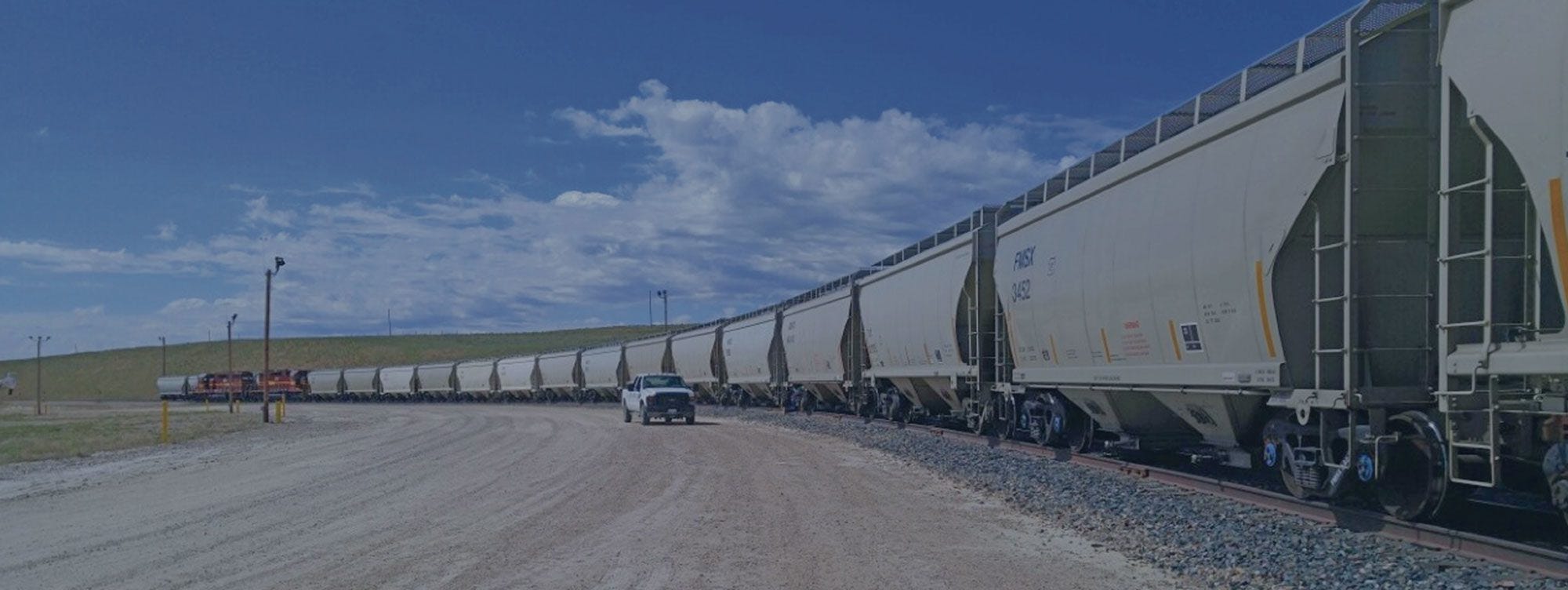
content typeInterview primary goalEducational summaryAn in-depth analysis of Twin Eagle's recent rail expansion in Big Spring, Texas, and its implications for freight logistics, especially in the Permian Basin. The discussion covers infrastructure investments, market trends, and strategic insights for shippers. keywordsFreight logistics, rail expansion, Permian Basin, intermodal, supply chain, infrastructure, Twin Eagle, rail capacity, freight market trends key topicsRail expansion in Big Spring, TexasPermian Basin oil and gas logisticsUS freight market trends and dataStrategic importance of transloading infrastructure guest nameTitlesHow a 2,000-Foot Rail Expansion Could Reshape US FreightTwin Eagle's Big Spring Terminal: A Game Changer in Logistics sound bites"A 2,000-foot track expansion can reshape freight flows""Big Spring is a strategic hub for long-term growth""Terminal infrastructure is the key to mode conversion"Chapters00:00 Introduction to the Big Spring Rail Expansion00:23 Details of the 2,000-Foot Track Expansion01:15 Strategic Significance of the Expansion02:05 Permian Basin's Oil Production and Logistics Demand03:22 Broader Freight Market Trends in 202605:31 The Truck Driver Shortage and Rail's Cost Advantage06:49 The Role of Terminal Infrastructure in Mode Shift07:43 Introducing FreightFA.com: Your Freight Intelligence Tool08:47 Actionable Takeaways for Shippers and Logistics Leaders09:57 Future Trends in Rail and Terminal Investments10:49 Conclusion and Key Insights for the Freight Market11:00 Untitled video - Made with Clipchamp.mp4 resourcesFreightFA.com - https://freightfa.comFreight Flow Advisor Brief on Substack - https://substack.comUnion Pacific Railroad - https://www.up.comTwin Eagle Terminals and Logistics - https://tweagle.com This is a public episode. If you'd like to discuss this with other subscribers or get access to bonus episodes, visit freightflowadvisor.substack.com/subscribe

content typeInterview primary goalEducational summaryAn in-depth analysis of the Supreme Court ruling in USPS v. Konan and its implications for the mail delivery system, especially in critical sectors like healthcare and pharmaceuticals. keywordsUS Postal Service, Supreme Court, USPS v. Conan, mail delivery, legal immunity, healthcare logistics, cold chain, mail order prescriptions, sovereign immunity, legal liability key topicsSupreme Court decision USPS v. ConanLegal immunity for USPS in intentional non-deliveryImpact on mail order pharmaceuticals and healthcare logistics guest nameTitlesUSPS Immunity in Mail Delivery: What the Supreme Court Ruling Means for Healthcare sound bites"Mail can include intentional failures to deliver""Cold chain logistics are growing rapidly""USPS shielded if a postal worker withholds mail"Chapters00:00 Introduction to the USPS v. Conan Supreme Court Ruling01:03 The Case of Labine Conan: Allegations of Racially Motivated Mail Withholding02:28 Legal Interpretation: Does the FTCA Cover Intentional Non-Delivery?03:28 Majority and Dissenting Opinions on Postal Immunity05:25 Real-World Impact: Mail-Order Medications and USPS Strain07:37 Implications for Medicare and Rural Healthcare Access08:36 Cold Chain Logistics and Critical Medications09:59 Mitigating Risks with FreightFA.com11:28 Liability in Mail-Order Prescriptions Post-Ruling12:22 Final Thoughts: Preparing for a Riskier Postal System12:36 Closing Remarks and Resources resourcesFreightFA.com - https://freightfa.comSupreme Court Decision on USPS v. Conan - https://www.supremecourt.gov/opinions/22pdf/21-1534_4m58.pdf This is a public episode. If you'd like to discuss this with other subscribers or get access to bonus episodes, visit freightflowadvisor.substack.com/subscribe

content typeSolo primary goalEducational summaryThis episode explores the state of industrial production, its impact on rail volumes, and the key tailwinds and headwinds shaping the freight industry in 2026. We analyze data, industry trends, and strategic insights for shippers and railroads. keywordsindustrial production, rail freight, supply chain, logistics, economic trends, freight industry, tailwinds, headwinds, 2026 key topicsIndustrial production index trendsGrowth sectors: aerospace, defense, data centers, metals, foodHeadwinds: chemicals, autos, construction, coalStrategic implications for railroads and shippersTitlesIs Industrial Production Truly Flat? Key Insights for 2026Top Growth Opportunities in Rail Freight for 2026 sound bites"Defense spending supports a new expansion phase""Data centers are driving massive chip demand""Autos and construction are acting as headwinds"Chapters00:00 Introduction: Flat Industrial Production and Its Impact01:21 Analyzing the Federal Reserve's Industrial Production Index02:13 Manufacturing PMI and Global Growth Outlook03:06 Identifying Industry Tailwinds: Aerospace, Defense, Data Centers04:28 The Role of Metals, Machinery, and Food in Growth06:12 Using FreightFA for Data-Driven Freight Planning07:31 Headwinds: Chemicals, Autos, Construction, and Coal10:04 Strategic Takeaways for Railroads and Shippers10:56 Conclusion: Navigating a Flat but Shifting Industrial Environment This is a public episode. If you'd like to discuss this with other subscribers or get access to bonus episodes, visit freightflowadvisor.substack.com/subscribe
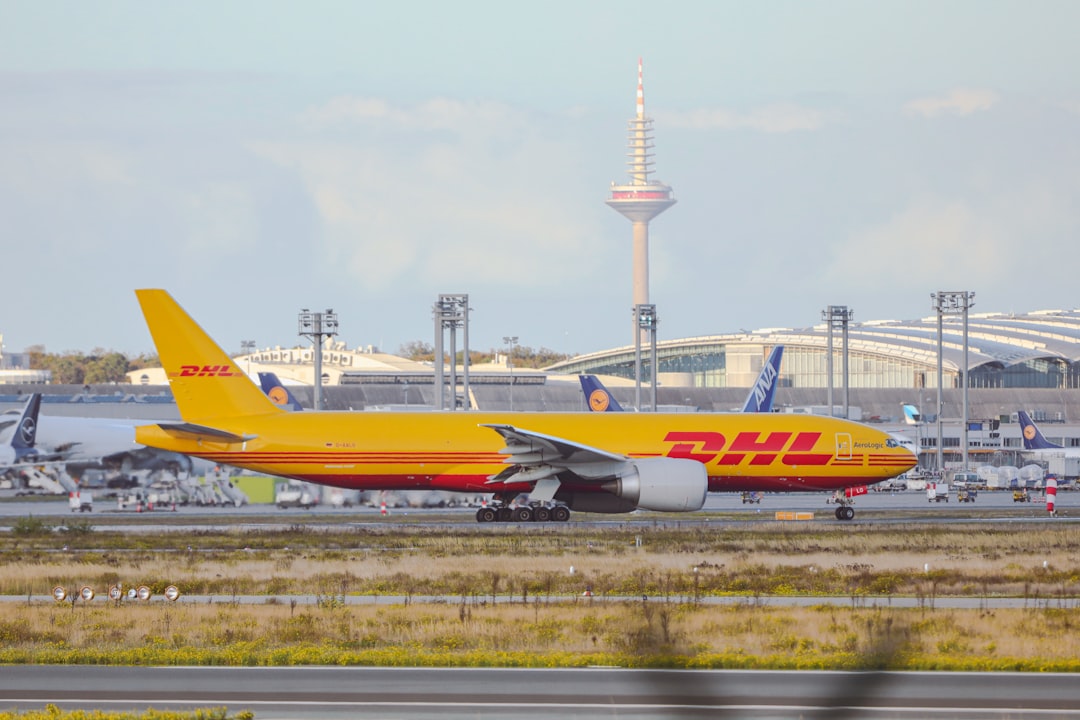
content typeInterview primary goalEducational summaryAn in-depth analysis of DHL's $2 billion investment in healthcare logistics, focusing on the expansion of its air freight cold chain network and its implications for the pharmaceutical logistics industry. keywordsDHL, healthcare logistics, cold chain, pharmaceutical logistics, air freight, supply chain, biologics, GDP compliance, global logistics, freight industry growth key topicsDHL's $2 billion investment in healthcare logisticsExpansion of air freight cold chain networkGrowth trends in pharmaceutical and cold chain logisticsImpact of infrastructure and regulatory compliance on logisticsStrategic implications for freight industryTitlesDHL's $2 Billion Cold Chain Expansion: What It Means for Pharma LogisticsHow DHL Is Reshaping Healthcare Supply Chains with $2B Investment sound bites"DHL is expanding its healthcare logistics network""Integration into 30 GDP-compliant stations""Targeting a high-growth, specialized segment"Chapters00:00 DHL's $2 Billion Investment in Healthcare Logistics05:14 The Impact of Cold Chain Logistics on Freight08:16 Understanding the Future of Pharma Logistics resourcesDHL Group - https://www.dhl.comGDP Compliance Standards - https://www.gdpstandard.comFreightFA.com - https://freightfa.com This is a public episode. If you'd like to discuss this with other subscribers or get access to bonus episodes, visit freightflowadvisor.substack.com/subscribe
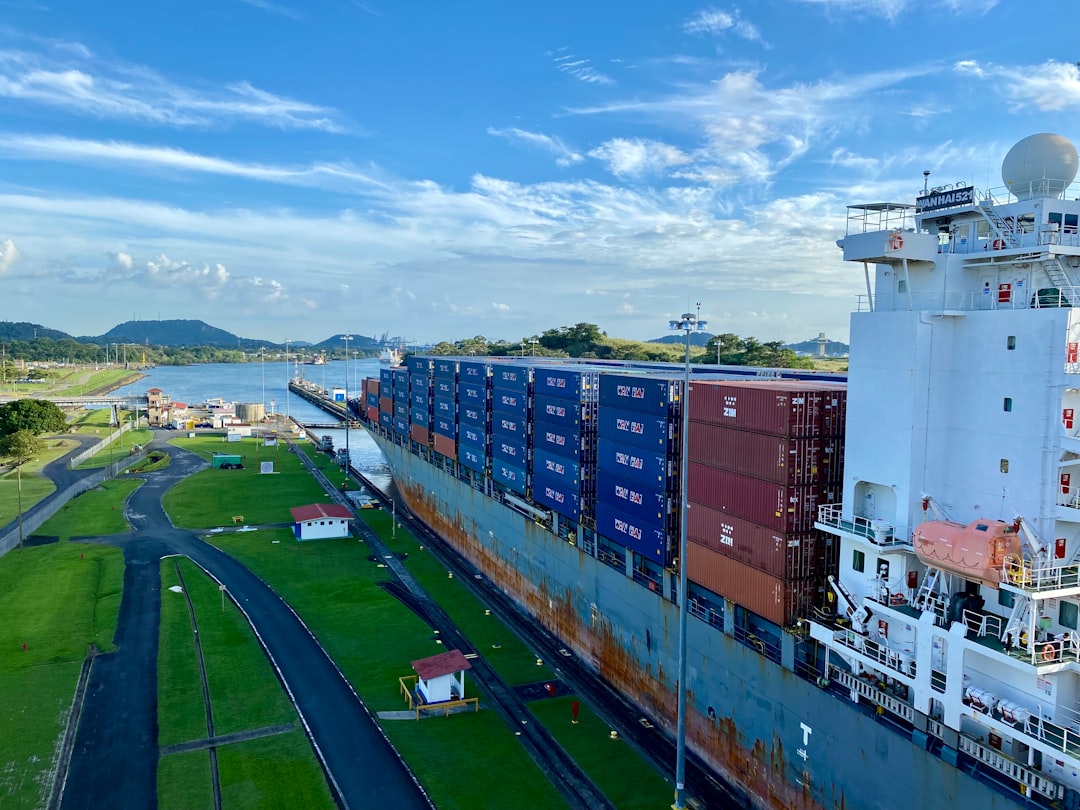
content typeSolo primary goalEducational summaryAn in-depth analysis of the Panama Canal's $8.5 billion modernization plan, its strategic importance, and implications for global trade and logistics. Explore how new infrastructure, pipelines, and water security projects aim to enhance resilience and capacity. keywordsPanama Canal, global trade, infrastructure, logistics, TEUs, water security, supply chain resilience key topicsPanama Canal modernization planImpact of new terminals and pipelinesWater security and climate resilienceTrade volume and capacity projections guest nameTitlesPanama Canal's $8.5B Modernization: What It Means for Global TradeHow Panama's Infrastructure Projects Will Reshape Shipping in 2024 sound bites"Droughts have reduced capacity by as much as 25%.""Infrastructure projects are not a silver bullet.""Turn this moment into a strategic advantage."Chapters00:00 Introduction to Panama Canal's Strategic Importance00:24 Context: The Canal's Role in Global Trade00:51 Impact of Droughts and Capacity Challenges01:17 Key Question: Will Investments Change the Game?01:43 New Terminals: Turning Panama into a Logistics Hub02:38 Pipeline Projects and Energy Logistics03:57 Water Security and the Rio Indio Reservoir05:16 Financial and Strategic Outlook of the Projects05:44 FreightFA.com: Turning Chaos into Strategy06:38 Balancing Opportunities and Risks07:30 Actionable Takeaways for Shippers and Leaders07:56 Closing Remarks and Next Steps08:07 Untitled video - Made with Clipchamp.mp4 resourcesFreightFA.com - https://FreightFA.comPanama Canal Authority - https://www.pancanal.comRicarte Morales (ACP Administrator) - https://www.pancanal.com/eng/administration/ricarte-morales.html This is a public episode. If you'd like to discuss this with other subscribers or get access to bonus episodes, visit freightflowadvisor.substack.com/subscribe
Executives love to talk about “resilience.” Boards love to talk “cost.” Customers care about one thing: “Did it arrive when you said it would?”Nearshoring to Mexico is where all three finally meet. Not as a buzzword, but as a hard pivot in how North American supply chains are designed, financed, and moved.The Big Picture: Mexico Is No Longer a Side BetMexico isn’t just “a cheaper China close to the U.S.” anymore. It’s rapidly turning into the default staging ground for serving North American demand.* In the first half of 2025, Mexico attracted about 34.3 billion dollars in FDI, up more than 10% year‑over‑year, with roughly 36% flowing into manufacturing tied to nearshoring.* By the third quarter of 2025, FDI had climbed to roughly 41 billion dollars, a record high and about 15% higher than the same period in 2024.* Mexico’s government and business councils project 43 billion dollars in FDI in 2025, with 40–45 billion expected in 2026, heavily concentrated in strategic manufacturing sectors.On the trade side, Mexico has locked in its role as America’s factory floor:* In 2024, Mexico exported more than half a trillion dollars’ worth of goods to the United States, led by vehicles, machinery, and electronics.* Vehicles alone generated about 137 billion dollars in export value to the U.S. in 2024–25, roughly 27% of all exports, with total automotive exports (vehicles plus parts) around 181 billion dollars.As one nearshoring analysis put it, “Mexico is fast progressing to the forefront of the world’s industrial and logistical landscape.”For an executive, the message is simple: this isn’t an experiment anymore—this is the new baseline.Who’s Moving: From EV Giants to Med‑Tech Quiet WinnersNearshoring is not evenly spread. It’s heavily concentrated in sectors with the highest time, complexity, and capital intensity.Automotive and EV: The Tip of the Spear* The automotive industry accounts for about 39% of accumulated nearshoring demand in Mexico through 2024, with clusters around Monterrey, Tijuana, and Ciudad Juárez.* Vehicles and parts together now account for almost one‑third of Mexico’s exports to the U.S., with plants from global automakers such as General Motors, Volkswagen, Toyota, BMW, and others anchoring states such as Puebla, Guanajuato, and Nuevo León.Even with recent softness due to tariff uncertainty and slower U.S. demand, Mexico still produced about 3.95 million light vehicles in 2025, with the U.S. accounting for around 78% of exports.“The automotive sector is the backbone of Mexico’s export economy.”Electronics, Machinery, and Medical DevicesMexico is climbing the value chain:* In 2024, electrical machinery (HS 85)—everything from transformers to components—generated roughly 95.9 billion dollars in exports to the U.S.* Industrial machinery, engines, and equipment added another 94–106 billion dollars in 2024.* Medical devices and related equipment are an emerging growth vector, tightly tied to U.S. healthcare supply chains.A U.S.–Mexico trade analysis notes that Mexico’s exports reflect “a manufacturing powerhouse,” emphasizing vehicles, machinery, and electronics as the core of its export mix.The Supporting Cast: Ag, Textiles, and Light ManufacturingWhile autos and electronics grab headlines, agriculture, beverages, textiles, and other light-manufacturing categories keep cross‑border lanes busy and balanced year‑round.For your network, that diversity matters. It stabilizes flows, supports better asset utilization, and cushions demand cycles.Why Executives Are Betting on Mexico: Time, Cost, and ControlYou don’t move a plant—or a multi‑billion‑dollar sourcing strategy—because a consultant wrote a cool slide. You move it because the math changes.Time-to-Market AdvantageTraditional Asia–U.S. models often carry 30–45 days of door‑to‑door lead time once you factor in production, ocean, ports, rail, and drayage. Cross‑border moves from northern Mexico into Texas or the U.S. Midwest can be measured in days, not weeks.In categories like EVs, electronics, and med‑tech, that’s not a minor optimization—it’s a competitive weapon.“The bulk of these exports is vehicles, machinery, and electronics… This integration makes the auto sector highly dependent on cross‑border logistics efficiency.”Cost and Tariff DynamicsOcean freight volatility has become its own line item of risk. While exact load costs vary, analyses consistently show that trucking from Mexico into the U.S. is structurally cheaper and more predictable than trans‑Pacific shipping once you factor in surcharges, congestion, and inventory-carrying costs.On tariffs, Mexico enjoys some of the lowest effective rates globally into the U.S. under current policies:* In June 2025, Mexico’s exports subject to special tariffs faced an effective average of about 8.28% on 44.9 billion dollars in goods, among the lowest globally for sanction‑like measures.USMCA also deepens integration in advanced technology products:* For every 100 dollars Mexico exports in advanced tech, the U.S. ships back about 54 dollars of inputs, underscoring how intertwined these value chains have become.Strategic ControlNearshoring is also about control: shorter supply lines, greater visibility, and fewer geopolitical chokepoints.However, credible analyses stress that nearshoring’s impact is nuanced. A Dallas Fed study highlights that much of the recent trade shift appears to be trade diversion—rerouting and relabeling—rather than entirely new greenfield capacity.“The reality surrounding nearshoring’s impact on Mexico’s economy is nuanced… structural obstacles limit its ability to fully capitalize on opportunities.”The upshot: nearshoring to Mexico is a strong move, but not a silver bullet. It trades ocean risk for border and policy risk. Sophisticated supply chain strategy requires acknowledging both.The Hidden Risks: What Could Break This StoryNo executive should green‑light a Mexico‑centric footprint without looking at the downside. Several themes recur in serious research.Infrastructure and Energy ConstraintsMexico faces infrastructure bottlenecks in electricity generation, including the mix of renewables versus fossil fuels, and in water supply. These constraints risk limiting productivity and slowing the ramp‑up of new industrial sites.“Mexico has recently experienced a series of blackouts, which may signal the insufficiency of current energy supplies for companies to increase their operations in Mexico… improving infrastructure and connectivity is essential.”Security and Rule of LawRising insecurity and concerns over the rule of law—including judicial reforms—are flagged as investor worries. Analysts warn these issues can mute the full potential of nearshoring by increasing perceived risk and cost of capital.“Additionally, a weakening rule of law… and rising insecurity complicates efforts to attract new FDI.”Uneven Regional DevelopmentNearshoring gains are heavily concentrated in northern and central states, including Nuevo León, Chihuahua, Baja California, Coahuila, Jalisco, Querétaro, and Guanajuato. Integrating the south and SMEs into these value chains is still a major policy challenge.“We are faced with the challenge of integrating companies in the south-southeastern states into these value chains… value chains that include the participation of SMEs and large companies must also be set up.”For executives, the key is to build Mexico into your strategy with eyes wide open: pair factory decisions with serious risk mapping, redundancy, and cross‑border logistics partnerships that can actually execute.How to Think Like a Network Designer (Not Just a Buyer)The nearshoring wave doesn’t just move factories; it rewrites freight networks. If your logistics strategy isn’t keeping up, you’re leaving money—and resilience—on the table.Treat the Border as a Port, Not a Line on a MapLaredo, El Paso, Nogales, Otay Mesa—these are the new “ports” in a Mexico‑centric network. Your questions should shift from:* “What’s our Asia–West Coast–inland play?”to* “What’s our Mexico–Texas–Midwest spine, and how are we orchestrating it?”The U.S. Trade Representative reports that total goods trade with Mexico reached approximately $ 839.6 billion in 2024, underscoring the centrality of this corridor to U.S. commerce.Use Data, Not Vibes, to Price and RouteWith higher‑value freight concentrated in autos, machinery, and electronics, pricing mistakes become more expensive. You need lane‑level intelligence that tells you:* When to lock in long‑term contracts versus ride the spot market.* How your carrier or broker's quotes compare to the live market.* Where modal shifts (e.g., truck to rail, or cross‑border to domestic repositioning) actually pay off.Executives increasingly expect logistics teams to speak in scenarios and sensitivities, not anecdotes.Where FreightFA Fits InThis is where FreightFA becomes more than another name in your inbox. In a world moving from ocean‑centric to Mexico‑centric networks, you can’t afford to make freight decisions in the dark.FreightFA is built around a simple idea: give shippers and brokers real‑time clarity on lanes, rates, and routing options, so every freight decision is defensible.That means:* Surfacing instant lane‑level rate intelligence so you can benchmark cross‑border lanes against domestic and overseas options before you commit.* Helping you understand where nearshoring actually shifts your total landed cost, not just your transportation line.* Equipping you with insights you can take straight to the CFO, COO, or Board when they ask, “Why Mexico? Why this lane? Why this timing?”“FDI should be measured not only by volume but by its ‘positive and transformative impact on our economy and our communities.’”Translate that for your company, and it becomes: “Our freight strategy should be measured not by how cheap it looks on paper, but by how much resilience, agility, and strategic upside it creates.”That’s the lens FreightFA is designed for.The Execut
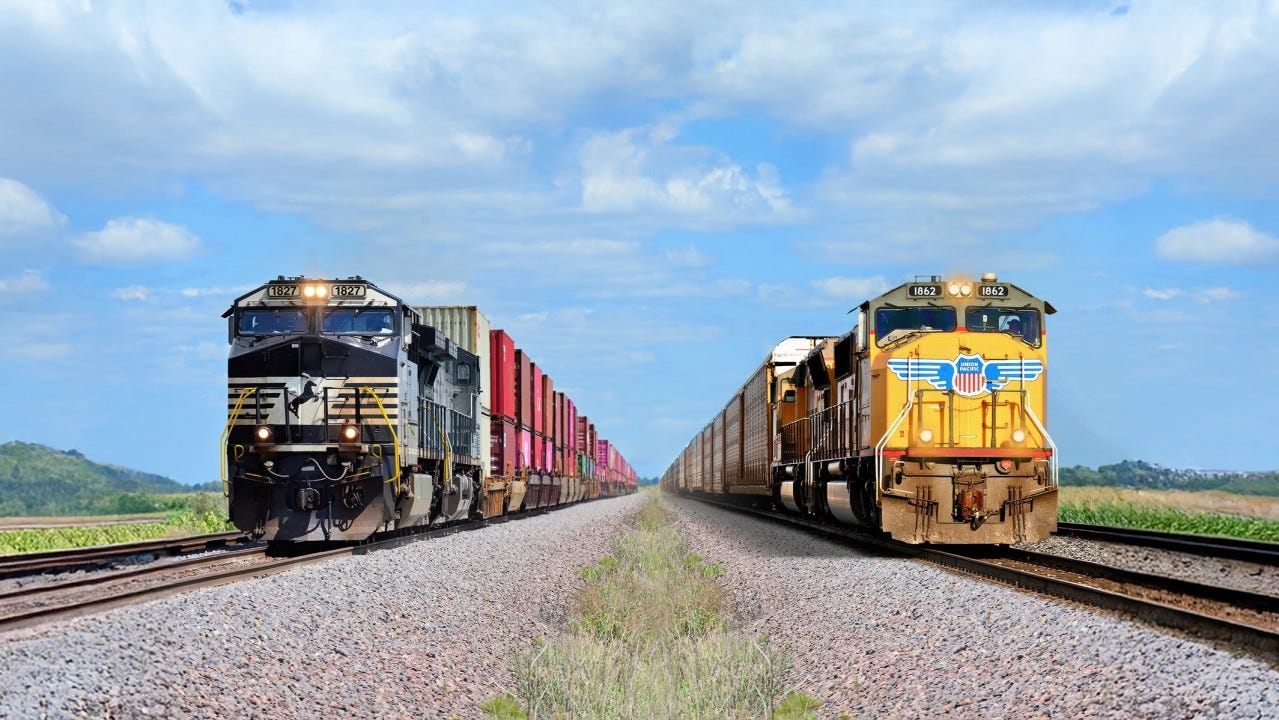
Union Pacific has paused its merger process, a move that is often unpopular with Wall Street and industry stakeholders.Rather than submitting a revised merger filing with Norfolk Southern to the Surface Transportation Board (STB) in March, CEO Jim Vena announced a new target date of April 30. While this may appear to be a delay or a sign of uncertainty, a closer examination suggests it is a strategic response to current regulatory requirements and the prevailing political environment.For shippers, 3PLs, and carriers, the key question is not whether Union Pacific is delaying, but rather what CEO Vena is prioritizing and what this indicates about the likelihood of the merger’s success.What Vena Actually Said (And Why It Matters)To begin, consider the CEO’s direct statements.Vena explained that the delay is due to the STB's change in procedural requirements, not to the substance of the filing.“They indicated that we needed to provide additional information… last week, through our liaison, they informed us that their expectations for the data presentation were different from our understanding three weeks prior.”Regulators are not requesting a new rationale for the merger. Instead, they are asking for:“Give us the same story, but in our language, with our analytics, in our format.”Vena emphasized that the additional work was “not unexpected” for a transaction of this scale. He is fully aware of the complexities involved, as this is not a minor acquisition but the first freight-only transcontinental railroad, valued at approximately $85 billion and spanning from the Pacific to the Atlantic.Then you have his tone after the original application got tagged as “incomplete.”Back in January, when the STB rejected the first ~7,000‑page filing for missing post‑merger market share projections, incomplete merger documentation, and loose detail on the Terminal Railroad Association of St. Louis, Vena wasn’t blindsided. Instead, he said:“Because of this merger’s significance and size, we figured they would turn back some [of the application]… What they are asking for? I’m good with it.”And the killer line:“We want to give them more than what they’re asking for. We don’t want it to come back again.”This response suggests Vena viewed the initial application as a test of the board’s current standards, with the intention to exceed those requirements in the subsequent filing.The “Test Filing” Theory: Why the First Application Was a ProbeA 7,000-page merger application of this magnitude requires significant expertise and resources.UP and NS have:* Elite in‑house regulatory and legal teams* Outside antitrust counsel who live in front of the STB and DOJ* Economists and traffic modelers who do nothing but build market‑share and diversion analysesWhy was the initial application deemed “incomplete”?Because pushing a mega‑deal into a post‑2001, Biden‑era STB was never going to be a one‑and‑done exercise. The rules for major rail mergers were rewritten in 2001 to make large combinations harder to approve and to require applicants to demonstrate that they enhance competition, not just cut costs.From this perspective, the first application appears to have been an exploratory submission:* “Let’s see exactly how far we can go on future market share detail.”* “Let’s see what level of contract documentation the board insists on.”* “Let’s see how much transparency they demand on shared assets like TRRA in St. Louis.”The STB responded publicly with an “incomplete” designation. While this may have negative publicity, it provides valuable guidance on the level of disclosure and modeling required.In this context, the April 30 delay appears to be a strategic decision: incorporate the feedback, have experts revise the analysis to meet the board’s requirements, and invest additional time now to improve the likelihood of future approval.This Isn’t CPKC or CN–BNSF: The Rulebook Is DifferentTo understand Union Pacific’s approach, it is important to distinguish this deal from two frequently cited examples: CPKC and CN–BNSF.CPKC: Approved, But Under Easier RulesThe Canadian Pacific–Kansas City Southern merger, which created CPKC, got STB approval in 2023. Yes, that was a big, cross‑border deal. Yes, it involved intense scrutiny and a long record. But there’s a crucial detail:* CPKC was reviewed under the pre‑2001 merger rules because CP and KCS had a pre‑existing “waiver” from the new standards.The previous rules were significantly more permissive. Applicants were not required to meet the current “enhance competition” standard that now applies to UP–NS and other major Class I mergers. Even under these less stringent rules, CPKC faced extensive conditions and seven years of post-merger oversight.UP does not have that waiver. They’re in the full, post‑2001 world.CN–BNSF: The Merger That Froze the SystemGo back further to the late 1990s, when CN and BNSF tried to merge.* The STB responded by imposing a moratorium on major rail mergers in 2000, followed by stricter rules in 2001. away from the deal in that environment.This history influences all major Class I merger discussions. It serves as a cautionary example: pursuing large mergers without sufficient attention to competition and public interest can result in both deal failure and broader regulatory changes.UP knows this. The STB knows this. The White House knows this.Now layer in the current administration:* The Biden White House has repeatedly pushed agencies (including the STB) to be more aggressive on competition, explicitly calling out rail and ocean shipping.* The STB has hosted “growth” and competition hearings and has been very public about its desire for a healthier, more competitive rail ecosystem.Therefore, the UP–NS merger is not a repeat of CPKC. It is the first major Class I test under the current regulatory framework and a competition-focused administration. In this environment, a comprehensive and detailed filing is essential.Market Reaction: Concerned, Not AlarmedWhen Vena disclosed the new April 30 target, Union Pacific shares dropped by roughly $10 intraday before recovering most of that loss.That tells you a couple of things:* Investors generally react negatively to delays, regardless of their strategic rationale.* However, investors did not view this as a fundamental issue, as the stock quickly rebounded.Vena’s message to that audience has been consistent:* The delay is due to the format and depth of the analysis, not a change in strategic logic.* The traffic growth projections are based primarily on shifting volume from highways to rail, with approximately 75% of growth attributed to truck-to-rail conversion in their modeling, rather than taking business from other railroads.* According to Vena, competitors will need to “compete on service” against a transcontinental network, indicating that Union Pacific has identified areas where a single-line railroad can excel in reliability and cost.Such claims suggest that internal modeling, legal, and regulatory teams have provided strong supporting analysis.Why a Neutral‑to‑Positive Read on UP Makes SenseFor those in the freight industry, it is possible to appreciate Union Pacific’s approach without necessarily supporting the merger. A neutral-to-positive perspective on their process includes the following points:* They’re taking the rules seriously.Vena acknowledges the authority of the STB and is adapting to its requirements, rather than minimizing or challenging its role.* Union Pacific is incorporating regulatory feedback rather than resisting it.The initial “incomplete” decision provided clear guidance, including the need for more detail on market shares, contracts, and shared assets. The April 30 delay reflects the effort to incorporate this feedback thoroughly.* They’re signaling confidence in their people.When Vena states, “The devil’s in the details. Let’s get through the details… I’m not worried,” he is signaling to customers and investors that the company has the expertise to manage the process effectively.* They’re realistic about timelines.Under post-2001 regulations and the current STB, attempting to rush a major rail merger would be concerning. Taking additional time to thoroughly document the case demonstrates discipline.Could this still get blocked or heavily conditioned? Absolutely. That’s the reality of major rail consolidation now. But if your question is, “Is UP behaving like a serious, well‑advised actor in a tough regulatory moment?” the answer leans yes.What This Means If You Move FreightFor shippers, 3PLs, and carriers, here’s how to translate all of this:* Do not include potential merger benefits in your 2026 planning.Consider this a post-2027 issue, as the review process will not begin until the STB accepts a complete application.* Assume Union Pacific is focused on long-term strategy rather than short-term market reactions.Submitting an initial application as a test, followed by a more comprehensive April 30 refiling, is a standard approach for a large, well-resourced railroad managing a high-profile transaction under close scrutiny.* Anticipate that the merger will be subject to additional conditions.Based on the conditions imposed on CPKC under less stringent rules and the outcome of the CN–BNSF merger attempt, any UP–NS approval will likely include significant oversight and competitive safeguards.* Take advantage of the current period before any merger changes take effect.While the merger process continues, Union Pacific and Norfolk Southern remain separate carriers, allowing for standard contract negotiations and service arrangements. This is an opportune time to strengthen your rail and intermodal strategy rather than relying on potential merger outcomes.For those involved in routing, procurement, or network design, Union Pacific’s actions indicate a clear understanding of the challenges and a willingness to invest in thorough preparation to improve the likelihood of regulatory approval.In the freight industry,
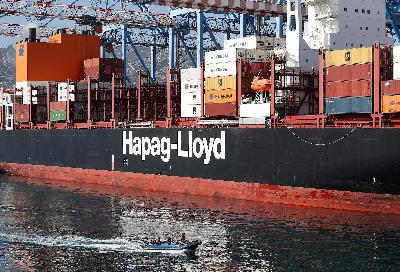
Senior supply chain leaders are observing a similar trend across container shipping and Class I railroads. Both sectors are seeking greater scale by reducing complexity, with regulators as the primary constraint.This is not simply industry news. It represents a structural shift that will impact your pricing power, lane flexibility, and network risk over the next three to five years.Below are the key signals, data points, and recommended executive actions to consider now, before contracts and regulatory decisions limit your options.Hapag-Lloyd–Zim: One Less Scrappy Carrier, One Stronger NetworkHapag-Lloyd has agreed to acquire Zim in an all‑cash deal valued at about $4.2 billion. Zim is the tenth-largest global carrier by capacity, while Hapag-Lloyd ranks in the top five. After the acquisition, Hapag-Lloyd will increase its market share on Transpacific and Atlantic routes and strengthen its presence in Israel and the Eastern Mediterranean.Key structural facts executives should note:* Deal size: approximately $4.2 billion, all cash.* Zim shareholders will receive a substantial premium, and the company will become privately held.* A newly structured ‘New Zim’ will continue as an Israeli carrier, focusing on Israeli trades within a strategic cooperation framework with Hapag-Lloyd.* The transaction is expected to close in late 2026, pending approval from Zim shareholders, global competition authorities, and the Israeli government.Leadership communications emphasize that this transaction is focused on scale and synergy, rather than a rescue.* Hapag-Lloyd CEO Rolf Habben Jansen: “We expect this deal to strengthen our global position and generate synergies of $300–400 million in savings. We will particularly strengthen our presence on Atlantic routes, where we will become the second‑largest carrier.”* Zim chairman Yair Seroussi: the transaction is “the most prudent and beneficial” path to “maximize value for shareholders” while protecting “the company, our employees, and Executive takeaway: Hapag-Lloyd and Zim shareholders benefit directly. The key question is whether shippers will gain more from a stronger, more stable network than they lose by having one fewer independent carrier in their negotiation stack.Who Actually Benefits – And Where Shippers Lose LeverageFrom a profit and capital allocation perspective, this deal is logical:* Hapag-Lloyd is acquiring Zim’s charter-heavy fleet and Transpacific exposure at a cyclical low, gaining flexible capacity that can be adjusted through charter contracts in future market cycles.* Zim’s investors reduce exposure to a volatile, leveraged business and realize value in cash, rather than facing another market cycle independently.For large shippers and third-party logistics providers, the implications are more complex:* On the positive side:* There may be improved schedule reliability, a broader service portfolio, and enhanced integration with Hapag-Lloyd’s alliances on key east–west routes.* A more extensive network can support resilient routing during geopolitical or port disruptions.* On the negative side:* Historically, Zim has acted as a price-taker on certain Transpacific and Asia–Mediterranean routes, using promotions and niche services to maintain competitive pressure. After Zim is integrated, your ability to use it as leverage in rate negotiations or as a flexible overflow option will be significantly reduced.This will not cause immediate rate increases, but will gradually reduce your negotiating flexibility, resulting in fewer independent options and more reliance on a small group of major carriers.What This Means Operationally for Your NetworkEven before the transaction closes, you should anticipate the following medium-term operational changes:* Pricing power will shift toward larger alliances.Promotional tension on certain high‑volume lanes—especially Transpac eastbound and some Asia–Med routes—softens once Zim stops bidding as a standalone challenger.* Service design will become more standardized.* Zim services can be realigned into Hapag’s alliance structures, which may mean:* Different port rotations and hub choices.* Adjusted cut‑off times and transit profiles.* There will be fewer customized routing options, as Zim previously pursued niche opportunities.* Port selection will directly influence inland costs and risk exposure.A shift in port mix—say, more volume through particular Atlantic or Med hubs—will feed directly into dray, transload, and truckload patterns, even if your contracted warehouse footprint doesn’t change.For executives, the key operational question is not whether this will matter, but:Where, specifically, does my current network rely on Zim as either a price lever or a schedule hedge—and what happens if that disappears?UP–NS: A High‑Impact, Low‑Certainty Rail BetWhile ocean carriers are consolidating through acquisitions, railroads are pursuing similar strategies but are currently facing regulatory delays.The Surface Transportation Board (STB) rejected the initial Union Pacific–Norfolk Southern merger application as incomplete, not on the merits, citing three key deficiencies:* No forward‑looking post‑merger market‑share projections, despite sweeping growth claims.* Missing parts of the merger agreement, including schedules that outline UP’s right to walk away if conditions are too onerous.* Misclassification of the TRRA St. Louis transaction as “minor,” when the Board believes it is significant and needs full scrutiny.Union Pacific and Norfolk Southern have informed the STB that they plan to refile their revised merger application by April 30, 2026. This remains within the Board’s late-June deadline, but is later than the initial ‘as early as March’ timeline proposed after the January rejection.In their early messaging, the growth story leaned heavily on Oliver Wyman’s modeling in the watershed markets: a transcontinental UPNS network creating roughly 10,000 new single‑line service lanes and enabling about 105,000 additional carloads per year to shift from road to rail in those markets, with the balance of projected growth—system-wide—coming mostly from trucks and a smaller share diverted from other railroads.Beyond the watershed, the formal STB application scaled that narrative up to a system-wide projection of roughly 1.86 million additional annual rail units and more than 2 million long‑haul truckloads diverted from highway to rail, with the railroads saying roughly three‑quarters of that growth would come from trucks. These projections are being directly challenged: That story is under direct attack:* Competing railroads argue the application “lacked core information critical to determining the proposed merger’s impact on competition.”* An independent analyst has described parts of the Oliver Wyman diversion table as a “mathematical impossibility” for the STB’s own market‑share tests, given how volumes and equipment data were presented.Executive takeaway: This scenario carries significant impact and uncertainty. Approval is not assured, but the effects on competition, routing options, and pricing power would be substantial if approved. They would remain meaningful even if the merger is ultimately rejected after a lengthy review.What’s Really Going On Between Now and April 30The reason for moving the expected refile from March to April 30 has not been explicitly stated, but the rationale is clear: the math needs a rebuild, not a cosmetic tweak.* The math needs a rebuild, not a cosmetic tweak.The STB’s demand for forward‑looking market shares and more detailed competitive analysis implies:* Oliver Wyman’s underlying models must be expanded or recalibrated to produce credible, lane‑level projections that regulators can test.* The “mathematical impossibility” critique means simply re‑summarizing the same tables in a new format is not enough; assumptions and methodologies likely need re‑work.* The narrative needs to shift from generic “competition” to verifiable public benefitsThe original messaging focused on:* “Enhancing competition,”* Shifting volume from truck to rail,* Minimal harm to competing railroads.But with competitors and analysts openly challenging that story, the refile likely has to:* Provide more concrete, testable commitments on gateways, interchange, and service levels.* Clarify where rivals will lose share and why that is acceptable under current merger rules.Bluntly: you don’t take an extra month to re‑staple a PDF.You do it to recompute the core model and reframe the story before regulators, competitors, and shippers get a second look.Strategic Moves for Executives – Ocean and RailBoth developments point to the same strategic risk: concentration is rising, and your leverage is shrinking unless you proactively manage it.Here are concrete moves to consider:On the ocean side (Hapag-Lloyd–Zim)* Assess your exposure to Zim by trade lane and operational role.* Identify where Zim is a primary carrier, backup, or pricing lever in your routing guide.* Flag lanes where losing Zim as an independent counterparty would leave you with only 1–2 serious options.* Secure alternatives before integration effects hit* Establish or strengthen relationships with at least one non-Hapag carrier on each strategic lane where Zim plays a significant role.* For high-volume lanes, implement a dual-sourcing strategy across different alliances.* Evaluate your landed costs under scenarios of moderate rate increase. Model scenarios in which Transpacific or Asia–Mediterranean contract rates increase moderately as consolidation progresses.* Identify the SKUs and lanes that are most sensitive and where you may need pricing, sourcing, or mode adjustments.On the rail side (UP–NS)* Design two rail futures: merger and no‑merger* Build parallel scenarios in your network model: one with the current Class I structure, one with a merged UP–NS, and likely conditions.* Highlight corridors where you become effectively single‑served by the combined railroad.* Preser

KeywordsUPS, Teamsters, chameleon carriers, SAFE Act, tariffs, ocean freight, logistics, freight costs, automation, labor restructuringSummaryIn this episode of the Freight Flow Advisor Brief, we discuss three major topics affecting the freight industry: the ongoing labor dispute between UPS and the Teamsters, the introduction of the SAFE Act to combat chameleon carriers, and the potential impact of new tariffs on ocean freight and metals. Each topic highlights the complexities and challenges in the logistics sector, underscoring the need for shippers to adapt to evolving regulations and market conditions.TakeawaysUPS is restructuring labor costs to stay competitive.The Teamsters are pushing back against UPS's buyout program.Chameleon carriers pose a significant safety risk.The SAFE Act aims to improve carrier registration processes.Tariffs could significantly increase freight costs.Automation may lead to service inconsistencies during transitions.Local knowledge is crucial for effective delivery operations.Regulatory changes can shift market dynamics and pricing power.FreightFA.com offers tools for better cost modeling.Shippers need to diversify to mitigate risks from policy changes.TitlesUPS vs. Teamsters: A Labor ShowdownCracking Down on Chameleon Carriers sound bites"Higher rates could run into the trillions.""UPS is trying to rewrite their labor costs.""You get what you pay for, but in a good way."Chapters00:00 UPS vs. Teamsters: A Labor Showdown02:50 Cracking Down on Chameleon Carriers04:48 Tariff Earthquake: Impacts on Ocean Freight10:09 Navigating Freight Costs with Data This is a public episode. If you'd like to discuss this with other subscribers or get access to bonus episodes, visit freightflowadvisor.substack.com/subscribe
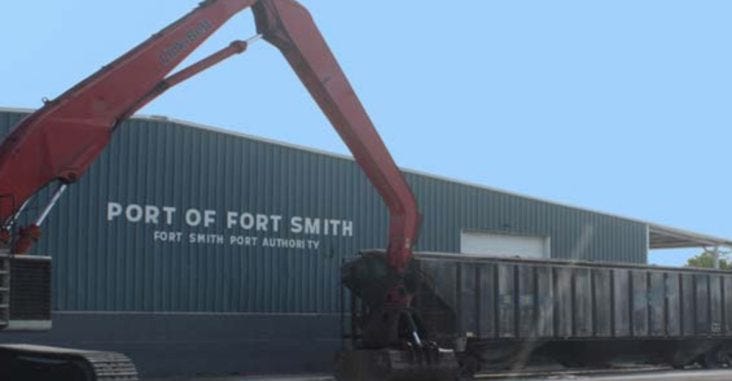
KeywordsFort Smith, inland logistics, federal grant, rail capacity, freight transportation, supply chain, infrastructure, sustainability, economic impact, transportation modesSummaryThis episode discusses the revitalization of the Port of Fort Smith, Arkansas, following devastating floods in 2019. With the help of multiple grants, including a significant $8.1 million federal grant, the port is modernizing its infrastructure and expanding its rail capacity. The conversation explores the implications of these developments for freight transportation, the economics of different transport modes, and strategic considerations for supply chain executives looking to optimize their logistics networks.TakeawaysThe Port of Fort Smith is undergoing a significant transformation.The $8.1 million grant will enhance rail-linked warehouse capacity.Local leaders view the flood damage as an opportunity for modernization.Fort Smith is becoming a critical hub for freight movement across 18 states.Understanding mode economics is essential for logistics strategy.Rail and barge are more cost-effective than trucking for long distances.Sustainability is a key consideration in freight transportation.The U.S. is investing heavily in port infrastructure and rail connectivity.Supply chain executives should consider emerging inland ports like Fort Smith.Strategic decisions can leverage the evolving freight landscape.TitlesRevitalizing Fort Smith: A New Era for Inland LogisticsUnderstanding the $8.1 Million Grant Impact sound bites"Essentially a brand new port.""Game changer for the region.""Capitalizing on freight news."Chapters00:00 Revitalizing Fort Smith: A New Era for Inland Logistics02:48 Understanding the $8.1 Million Grant Impact06:00 Mode Economics: The Freight Transportation Landscape09:01 Strategic Decisions for Supply Chain Executives This is a public episode. If you'd like to discuss this with other subscribers or get access to bonus episodes, visit freightflowadvisor.substack.com/subscribe
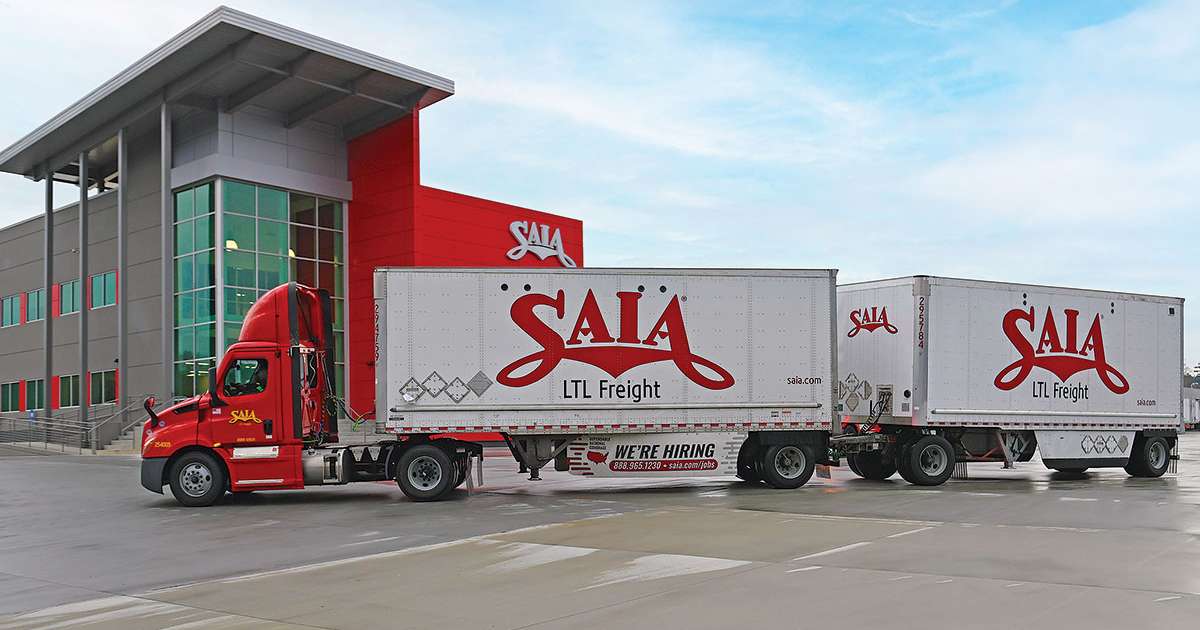
KeywordsSIA, LTL, national carrier, expansion, operating ratio, freight, logistics, investment, market analysis, forecastingSummaryThis conversation delves into SIA's strategic expansion from a regional player to a national carrier, analyzing the implications of their $2 billion investment on operational efficiency, financial performance, and market positioning. It explores the current operating ratios, forecasts for future performance under various economic scenarios, and the strategic considerations for shippers and carriers in light of SIA's growth.TakeawaysSIA is making a significant $2 billion investment to expand its national footprint.The company has opened 39 new terminals, indicating aggressive growth.Current operating ratios reflect the challenges of expansion, with a 91.9% OR.Management anticipates a 100 to 200 basis points improvement in OR by 2026.Forecast scenarios include base, bull, and bear cases for SIA's performance.Pricing discipline is crucial for maintaining margins in a competitive market.SIA's network design may justify premium pricing in certain corridors.The competitive landscape in LTL is shifting towards tech-enabled networks.Investors are concerned about whether SIA can sustain sub-85 OR performance.The next two years will be critical for SIA's long-term success. sound bites"20 to 25 % excess doors across the system""Operating ratio was 91.9%, 91.3 % adjusted""Pricing discipline across the sector cracks"Chapters00:00 SIA's Ambitious Expansion Strategy03:08 Financial Performance and Operating Ratios06:08 Forecasting Scenarios: Bull, Bear, and Base Cases08:55 Strategic Implications for Shippers and Carriers11:46 Conclusion and Future Outlook This is a public episode. If you'd like to discuss this with other subscribers or get access to bonus episodes, visit freightflowadvisor.substack.com/subscribe

This week, the US House voted to overturn President Trump’s tariffs on Canada, marking the first significant GOP opposition to his “tariffs first” policy. As a result, cross-border freight is once again a primary focus.For FreightFA readers, this development directly impacts RFPs, routing guides, and 2026 freight budgets.We will review recent events, examine the data, and outline how you can adjust your network as the political situation evolves.The Plot: How We Got to a House RebellionIn 2025, Trump declared a national emergency and imposed tariffs on imports from Canada, America’s closest trade partner and largest export market. These new duties affected a range of Canadian goods, from industrial inputs to finished products, as supply chains were still recovering post-pandemic.On February 11, the House voted 219–211 to terminate the national emergency and effectively cancel the tariffs, with six Republicans joining Democrats. Gregory Meeks, who led the effort, stated that Trump had “weaponized tariffs” and that they were “bringing [Canada] closer to China” while increasing domestic prices.Rep. Don Bacon, a Republican from Nebraska, described Trump’s tariffs as a “net negative for the economy” and a “tax on American consumers, manufacturers, and farmers.” This perspective comes from a GOP lawmaker representing an agricultural state.In response, Trump warned on Truth Social that any Republican opposing tariffs would face “serious repercussions during Election time.” This has turned the tariff debate into a test of party loyalty within the GOP.The FreightFA Brief is a reader-supported publication. To receive new posts and support my work, consider becoming a free or paid subscriber.The Reality Check: What This Vote Actually Does (and Doesn’t) Before making changes to your Canada strategy, consider the following details.* The House resolution now heads to the Senate, which has already shown some appetite for dissent—similar measures have drawn support from a handful of Republicans there.* Even if it passes the Senate, Trump is almost certain to veto it.* Overriding that veto would require a two‑thirds majority in both chambers. No one believes those numbers are there yet.At this stage, the vote is largely symbolic in Washington, but it marks the start of a potential shift in political stance that could soon affect freight operations. Changing expectations may influence operational strategies. It is important for freight operators to monitor these developments closely. Shippers and carriers may consider pausing investments or adjusting logistics plans to remain flexible and prepared for policy changes that could impact cross-border tariffs and network dynamics.This development indicates that Congress is no longer passively accepting ongoing emergency tariffs on a key G7 partner that supports the North American network. This shift in expectations will likely influence future actions.Shippers, carriers, and 3PLs begin planning as soon as the political climate shifts, rather than waiting for new laws.The Data: Why Canada Tariffs Hit DifferentCanada is not just another trade partner; it is a critical component of the North American supply chain.* Canada is the largest export market for U.S. goods and services, buying about 440 billion USD from the U.S. in 2024—around 14% of America’s total exports.* Total cross‑border freight between the U.S. and Canada was about 698.8 billion USD in value as of November 2024.* This figure declined by approximately 2% from the previous year, reflecting softer demand and policy-driven friction rather than a structural collapse.* Trucking is the workhorse: freight by truck made up more than half of that total value, at roughly 390.4 billion USD.In 2024, the total U.S. trade deficit with Canada was only 0.12% of U.S. GDP, a relatively small share compared with common perceptions. Canada is not a trade problem for the U.S.; it is a major customer.The key point is that tariffs on Canada are not addressing a significant trade issue. Instead, they serve as a political tool that negatively impacts freight-intensive sectors such as trucking, rail, ports, and warehousing.What Tariffs Do to Freight (and What Rolling Them Back Would Change)The following outlines practical implications for operations teams.How tariffs impact your networkTariffs function like a tax slapped on every unit of goods crossing the border. That cascades into freight in a few predictable ways:* Higher landed costs: Shippers reconsider sourcing, consolidate orders, or delay new cross-border programs to protect margins.* Reduced volume in tariff-affected sectors: Lumber, building materials, metals, consumer goods, and industrial inputs experience delayed shipments, canceled purchase orders, or partial reshoring.* Capacity misalignment: Cross-border lanes such as Midwest–Ontario, Northeast–Quebec, and PNW–BC experience reduced demand, while domestic and Mexico-linked lanes become more constrained.https://kpmg.com/ca/en/home/insights/2025/06/impacts-of-us-tariffs-on-canada.html* Pricing pressure: Shippers are negotiating more aggressively with carriers and brokers in tariffed corridors to offset rising costs.Next, consider the potential effects of rolling back tariffs.If tariffs are actually rolled backIf the House push eventually leads to the removal or reduction of Canada tariffs—whether legislatively or via court decisions—you’d likely see:* Rebound in cross-border volume: Lower landed costs would make Canada–U.S. freight flows more attractive, resulting in increased truck and intermodal activity at the border over time.* Healthier contract dynamics: With tariff risk fading, shippers are more willing to commit to volume and term, giving carriers and 3PLs clearer visibility and reducing last‑minute spot scrambling.* Lane reactivation: Dormant or reduced lanes are reconsidered in bids, particularly for automotive, industrial, agricultural, and retail flows that cross USMCA boundaries.* Teams can return to optimizing their networks by evaluating mode mix, distribution center locations, and routing guide depth, rather than simply reacting to tariff issues. To implement this analysis, review the placement of distribution centers for strategic alignment with current and potential trade routes. Renegotiate contracts with major carriers to include flexible terms that can adapt to future tariff changes. Establish a responsive routing guide to address disruptions or opportunities in cross-border freight flows.On a broader scale, studies of the US‑China trade war indicate that removing tariffs improves efficiency, restores normal production patterns, and supports growth. The same logic applies here: fewer distortions, smoother flows, and better capacity utilization.The Three Scenarios Freight Leaders Should Be Planning ForFreight leaders cannot control political developments, but they can select effective strategies. The following are three realistic options.Scenario 1: Veto holds, tariffs stay (status quo, but shakier)Most likely near‑term outcome:* Senate passes something similar; Trump vetoes; Congress falls short of the two‑thirds threshold.* Tariffs stay in place, but they’re now under open attack from both parties and under judicial review by the Supreme Court.What it means for freight:* Continued drag on tariff‑sensitive Canada flows; volumes stay suppressed versus a no‑tariff baseline.* Shippers continue to seek savings in transport (rates, mode shifts, longer lead times) to offset duty costs.* Political risk remains a concern. As you plan for 2027, continue to assess the possibility of tariff increases. To mitigate this risk, implement flexible contract terms with vendors and carriers that allow for easier adjustments to pricing and sourcing if tariffs change. Additionally, develop a diversified sourcing strategy to reduce reliance on any single market. Proactive planning will help freight operations remain resilient amid political changes.Scenario 2: Congress eventually forces a changeLess likely short‑term, but possible over a longer horizon:* House + Senate keep chipping away, building a bipartisan coalition that’s tired of emergency‑driven tariff policy.* Over time, a negotiated solution may emerge, potentially resulting in reduced tariffs, certain exemptions, or a full repeal as part of a compromise.What it means for freight:* Greater clarity for investment in cross-border solutions, such as new distribution center nodes near the border, dedicated Canada capacity, and long-term intermodal partnerships.* More stable rate environment on Canadian lanes as the tariff shock fades and freight returns to normal supply-and-demand cycles.Scenario 3: Courts clip the president’s wingsWild card, but very real:* The Supreme Court is already considering whether the president had the authority to impose these tariffs on Canada under an emergency declaration.* A decision that limits this authority would affect not just Canada, but the whole approach to emergency tariffs. What it means for freight:* Less “midnight tariff tweet” risk in future cycles, which is huge for long‑term contracts, nearshoring bets, and asset positioning.* Trade shocks would remain, but they would become more predictable and develop more gradually, which is preferable for planners and network engineers.How FreightFA Followers Should Be Playing This MomentFreightFA provides more than headlines; it offers practical insights. The following steps can help you turn this political development into an operational advantage.Audit your tariff‑exposed Canada lanesMap where tariffs intersect your network:* Which SKUs and HS codes are actually hit?* Which lanes (origin‑destination pairs) see the heaviest tariff‑exposed volume?* Where did you cut or throttle volumes in 2025 in direct response to these duties?If you do not have these answers, begin by gathering this information. Freight teams that link political decisions to specific lanes and SKUs will respond more effec

KeywordsAgentic AI, Lean AI, CH Robinson, freight logistics, supply chain, automation, efficiency, technology, AI agents, missed pickupsSummaryIn this episode, FreightFA discusses the emergence of Agentic AI in the freight industry, particularly focusing on CH Robinson's implementation of Lean AI. He highlights how this technology is transforming logistics by automating processes, improving efficiency, and handling exceptions better than traditional methods. The conversation also touches on the competitive landscape of AI in logistics, emphasizing the need for companies to adapt and innovate to stay ahead.TakeawaysAgentic AI is revolutionizing freight logistics.CH Robinson's Lean AI focuses on process before technology.Automation can save significant manual labor hours.AI agents can handle complex decision-making in real time.The freight industry is experiencing an AI arms race.Data quality and governance are critical for AI success.Lean AI combines technology with human expertise.Missed pickups are a major area for AI intervention.Companies must find safe ways to deploy AI agents.The gap between AI experimentation and production is a competitive advantage.TitlesIs Agentic AI the Future of Freight?Transforming Logistics with Lean AIsound bites"Is Agentic AI the new freight arms race?""Missed pickups are just one slice.""It's becoming an arms race."Chapters00:00 The Rise of Agentic AI in Freight02:51 Transforming Processes with Lean AI05:48 The Arms Race of AI in Logistics This is a public episode. If you'd like to discuss this with other subscribers or get access to bonus episodes, visit freightflowadvisor.substack.com/subscribe

Comments

Download from Google Play

Download from App Store
 United States