


 Claim Ownership
Change of Mind
Subscribed: 0Played: 0
Subscribe

© Johanna Kate RN
Description
Change of Mind is a neuroscience-informed podcast about how we adapt, grow, and keep functioning when life doesn’t go to plan.
Hosted by a registered nurse and neuroscience educator, the show blends clinical experience, lived caregiving reality, and brain science to explore burnout, neuroplasticity, nervous system regulation, neurodivergence, and mental load.
Short, evidence-based episodes for people living complex lives — and still becoming.
Hosted on Acast. See acast.com/privacy for more information.
13 Episodes
Reverse
This episode is a hello... and a bit of context.I’m Johanna, a registered nurse with nearly 2 decades of experience across operating theatres and high-pressure healthcare environments. In this first episode of Change of Mind, I share who I am, why this podcast exists, and what we’ll be exploring together.In this episode, I talk about:Who I am and why I'm hereEverything I love and know that I want to share with youWhy it might matter to youWhat you can expect from future episodes of Change of MindThis is a space for curious minds, tired carers, neurodivergent thinkers, and anyone who feels functional on the outside but overloaded on the inside.No optimisation culture. No pressure to fix yourself. Just evidence-based insight, lived experience, and small shifts that actually stick.If you’ve ever wondered why knowing better doesn’t always lead to doing better — you’re in the right place.🎧 New episodes released weekly📍 Recorded in Australia | Relevant everywhereCheck out the YouTube Video Here:https://youtu.be/0TfKb-d2f9gCheck out my Insta here:www.instagram.com/_johanna.kateDisclaimer:This podcast is for educational and informational purposes only. It does not constitute medical, nursing, or mental health advice and is not a substitute for professional care. Always consult your healthcare provider for guidance tailored to your individual needs. While I’m a registered nurse with experience in operating theatres, mental health, neuroscience, and motherhood, the content shared here reflects general information and personal insights — not clinical recommendations.#ChangeOfMind #NeurosciencePodcast #MentalHealthPodcast #SoftRewiring #ScienceSis #ScienceSisEnergy #Neuroplasticity #NervousSystem #MotherhoodAndMind Hosted on Acast. See acast.com/privacy for more information.
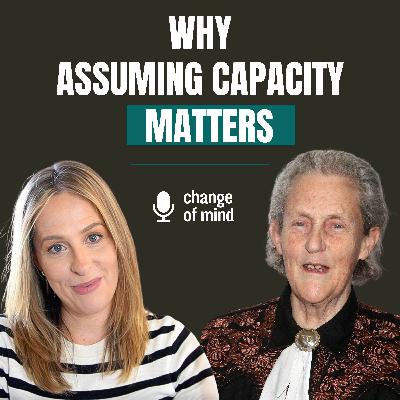
In this first part of my conversation with Temple Grandin, we go right back to the beginning — her childhood, her early experiences of being misunderstood, and the moment that changed everything.This episode is about what happens when adults stop deciding what a child can’t do and start assuming capacity instead. Not competence. Capacity. There’s a difference, and it matters more than most systems are willing to admit. In this series, Temple shares how animals shaped her thinking, how visual reasoning became her strength, and why support, timing, and environment can alter a life trajectory without needing to “fix” a person first. We talk autism, education, misunderstanding, and the long tail of childhood experiences that follow people into adulthood — for better or worse.This is part one of a longer conversation and it sets the foundation for everything that follows. If you work with children, raise neurodivergent kids, design systems, teach, lead, or simply want to think more carefully about human potential, start here.Hosted by Johanna Kate.Watch Episodes: https://www.youtube.com/@ThisIsJohannaKateFollow along on Insta:https://www.instagram.com/thisisjohannakate/https://www.instagram.com/changeofmindpodcast/#changeofmind #templegrandin #neurodiversity #autismacceptance #assumecapacity #neuroscience #educationreform #mentalmodels #sciencesis #softrewiring #neuroscience Hosted on Acast. See acast.com/privacy for more information.
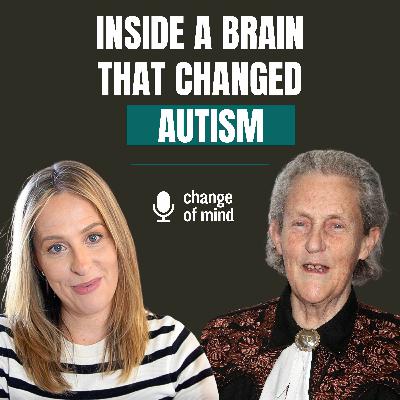
In Part 2 of this six-part conversation, Temple Grandin reflects on what it was like to see her own brain—and why that mattered.This episode explores sensory regulation, stimming, deep pressure, and how early experiences shaped Temple’s ability to learn, self-soothe, and build independence. We talk visual thinking, motor memory, skill-building, and her “hardware vs software” model of the brain, alongside candid reflections on brain imaging, genetics, and validation in adulthood.Grounded, practical, and thoughtful, this conversation is for parents, educators, clinicians, and anyone interested in autism, sensory processing, neurodiversity, and human development—without the hype or oversimplification.🎧 In this episode:– Stimming, sensory overload, and self-regulation– Visual thinking and motor learning– Autism, genetics, and brain scans– Supporting progress without limiting potentialThis is Part 2 of a 6-part interview series with Temple Grandin.About the channelChange of Mind is a podcast and video channel exploring neuroscience, psychology, neurodiversity, mental health, and how humans actually change — in real life, not theory.Hosted by Johanna Kate, a registered nurse with experience across healthcare, neuroscience, leadership, and motherhood. Expect thoughtful conversations, evidence-informed insights, and the kind of nuance the internet usually skips.DisclaimerThis podcast is for educational and informational purposes only. It does not constitute medical, nursing, or mental health advice and is not a substitute for professional care. Always consult your healthcare provider for guidance tailored to your individual needs. While I’m a registered nurse with experience in operating theatres, mental health, neuroscience, and motherhood, the content shared here reflects general information and personal insights — not clinical recommendations.Watch on YouTubePart 1: https://youtu.be/8X_BVJLoXkE?si=T17NyUVaujugmwAwListen to previous episodesSpotify: https://open.spotify.com/show/6YuybHkjX6CsPX8RqNsYAJFollow & connectInstagram Profile: https://www.instagram.com/thisisjohannakate/Instagram Show: https://www.instagram.com/changeofmindpodcast/#templegrandin #autismawareness #autismacceptance #autismparenting #specialneeds #specialneedsparenting #changeofmind #neuroscience #neurodiversity #mentalhealth #autismacceptance #assumecapacity #podcast #longformconversation #softrewiring #sciencesis #sciencesisenergy Hosted on Acast. See acast.com/privacy for more information.
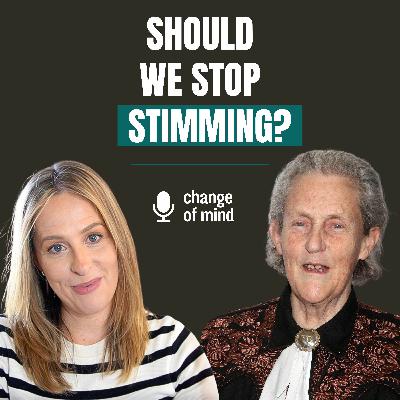
Should stimming be limited, shaped, or simply understood better?In Part 3 of this six-part conversation, Temple Grandin shares her lived experience of stimming, sensory regulation, and learning how to function in a world that isn’t built for autistic nervous systems. She explains why control and context matter, how sensory sensitivities can change over time, and what helped her build impulse control, tolerance, and independence without overwhelm.This episode offers practical, grounded insight for parents, carers, educators, and clinicians navigating questions around autism, stimming, masking, sensory processing, and support strategies—without fear-based narratives or oversimplified answers.🎧 In this episode:– Stimming and self-regulation– Sensory sensitivity and desensitisation– Masking, fatigue, and social tolerance– Supporting independence over timePart 3 of a 6-part interview series with Temple Grandin. Hosted on Acast. See acast.com/privacy for more information.
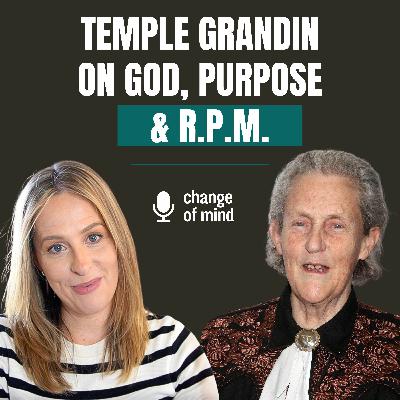
In Part 4 of this six-part conversation, Temple Grandin tackles the biggest questions—meaning, belief, morality—and one of the most controversial issues in autism today: facilitated communication and RPM.Temple shares her views on God, values, and what it means to live a good life, before turning to the ethics of assisted communication, independent typing, and authorship in non-speaking autistic individuals. This episode sits where evidence, lived experience, hope, and caution collide—without tidy answers or slogans.Thoughtful, nuanced, and practical, this conversation is essential listening for parents, carers, educators, clinicians, and autistic adults navigating communication, autonomy, and ethical support.🎧 In this episode:– Temple Grandin on God and the meaning of life– Autism, purpose, and values– Facilitated Communication vs RPM– Independent typing, competence, and ethicsPart 4 of a 6-part interview series with Temple Grandin.About the podcastChange of Mind is a long-form podcast and video channel exploring neuroscience, parenting, neurodiversity, and how humans actually change — in real life, not theory.Hosted by Johanna Kate, a registered nurse with experience across healthcare, neuroscience, leadership, and motherhood. Expect thoughtful conversations, evidence-informed insights, and the kind of nuance the internet usually skips.DisclaimerThis podcast is for educational and informational purposes only. It does not constitute medical, nursing, or mental health advice and is not a substitute for professional care. Always consult your healthcare provider for guidance tailored to your individual needs. While I’m a registered nurse with experience in operating theatres, mental health, neuroscience, and motherhood, the content shared here reflects general information and personal insights — not clinical recommendations.Listen to other episodesSpotify: https://open.spotify.com/show/6YuybHkjX6CsPX8RqNsYAJFollow & connectInstagram Profile: https://www.instagram.com/thisisjohannakate/Instagram Show: https://www.instagram.com/changeofmindpodcast/#changeofmind #neuroscience #neurodiversity #softrewiring #specialneeds #disabilityparenting #templegrandin #autismawareness #autismacceptance #autismparenting Hosted on Acast. See acast.com/privacy for more information.
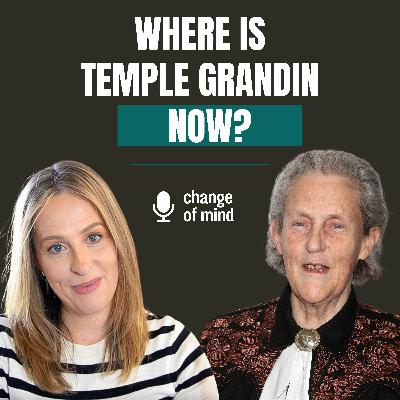
In Part 5 of this six-part conversation, Temple Grandin reflects on ageing, legacy, work, and the principle that has guided her life: assuming capacity.At 78, Temple is still teaching, mentoring, designing, and advocating. She shares why practical skills matter more than labels, why success looks different for every autistic person, and why parents and carers must sometimes risk disappointment to avoid something worse—regret.This episode is especially meaningful for parents and carers of autistic children with high support needs, non-speaking children, and those navigating intellectual disability with both realism and hope.Part 5 of a 6-part interview series with Temple Grandin. About the podcastChange of Mind is a long-form podcast and video channel exploring neuroscience, parenting, neurodiversity, and how humans actually change — in real life, not theory.Hosted by Johanna Kate, a registered nurse with experience across healthcare, neuroscience, leadership, and motherhood. Expect thoughtful conversations, evidence-informed insights, and the kind of nuance the internet usually skips.DisclaimerThis podcast is for educational and informational purposes only. It does not constitute medical, nursing, or mental health advice and is not a substitute for professional care. Always consult your healthcare provider for guidance tailored to your individual needs. While I’m a registered nurse with experience in operating theatres, mental health, neuroscience, and motherhood, the content shared here reflects general information and personal insights — not clinical recommendations.Listen to other episodesSpotify: https://open.spotify.com/show/6YuybHkjX6CsPX8RqNsYAJFollow & connectInstagram Profile: https://www.instagram.com/thisisjohannakate/Instagram Show: https://www.instagram.com/changeofmindpodcast/#changeofmind #neuroscience #neurodiversity #softrewiring #specialneeds #disabilityparenting #templegrandin #autismawareness #autismparenting #autismacceptance Hosted on Acast. See acast.com/privacy for more information.
In the last installment of this six-part conversation, Temple Grandin and I continued to chat after the official part of the interview wrapped up. I wanted to share some of these candid moments because they show a side to her that I fell in love with - witty, caring, and brilliant as ever.Part 6 of a 6-part interview series with Temple Grandin. About the podcastChange of Mind is a long-form podcast and video channel exploring neuroscience, parenting, neurodiversity, and how humans actually change — in real life, not theory.Hosted by Johanna Kate, a registered nurse with experience across healthcare, neuroscience, leadership, and motherhood. Expect thoughtful conversations, evidence-informed insights, and the kind of nuance the internet usually skips.DisclaimerThis podcast is for educational and informational purposes only. It does not constitute medical, nursing, or mental health advice and is not a substitute for professional care. Always consult your healthcare provider for guidance tailored to your individual needs. While I’m a registered nurse with experience in operating theatres, mental health, neuroscience, and motherhood, the content shared here reflects general information and personal insights — not clinical recommendations.Listen to other episodesSpotify: https://open.spotify.com/show/6YuybHkjX6CsPX8RqNsYAJFollow & connectInstagram Profile: https://www.instagram.com/thisisjohannakate/Instagram Show: https://www.instagram.com/changeofmindpodcast/#changeofmind #neuroscience #neurodiversity #softrewiring #specialneeds #disabilityparenting #templegrandin #autismawareness #autismparenting #autismacceptance Hosted on Acast. See acast.com/privacy for more information.
Silence gets mistaken for absence far too easily. And when that happens, people who don’t use speech end up carrying the cost — socially, emotionally, system-wide.In this episode of Change of Mind, Johanna Kate breaks down eight common mistakes adults make around non-speaking people, especially autistic people and those with complex communication needs. Not in a call-out way. More in a “we were taught this wrong, here’s the update” way.By the end of this episode, you’ll see non-speaking communication as exactly that — communication — and understand how subtle assumptions shape behaviour, access, and dignity. This isn’t about being perfect. It’s about being more accurate.The science matters here. Research in autism, AAC, and cognitive neuroscience shows that speech is a motor output, not a measure of intelligence, comprehension, or intent. Studies on presuming competence, sensory processing differences, and delayed motor planning help explain why so many well-meaning interactions miss the mark.In this episode, we cover:Why speech is a poor proxy for understandingHow processing time gets misread as disengagementThe damage done by “testing” instead of communicatingWhat AAC research actually says (not what TikTok says)Small shifts that make interactions safer and more humanThis episode is for parents, clinicians, educators, and anyone who wants to stop guessing and start listening — even when listening doesn’t look the way we were taught it should.Calm, grounded, and practical. Hosted on Acast. See acast.com/privacy for more information.
In this episode of Change of Mind, Johanna Kate unpacks the one quiet reason your nervous system won’t settle, even when you finally sit down: unfinished business. The Zeigarnik effect explains why half-done tasks linger in the mind, and dopamine explains why your brain keeps poking them like a sore tooth instead of letting you rest.By the end of this episode, you’ll understand why “just relax” is terrible advice for an overloaded brain, and why mental exhaustion often has nothing to do with laziness or resilience. You’ll see your restlessness for what it is — a predictable neurochemical loop, not a personal flaw.This matters right now because modern parenting is basically a live demo of constant interruption. Open loops everywhere. No closure. And a brain that evolved to remember unfinished threats doesn’t know the difference between a half-written email and a real emergency.The science comes from early Gestalt psychology (Bluma Zeigarnik’s original work), modern dopamine research, and cognitive load theory. Together, they explain how task incompletion heightens memory recall, keeps dopamine circuits active, and blocks the shift into genuine rest.In this episode, we cover:Why unfinished tasks stick louder than finished onesWhat dopamine actually does (and doesn’t) do hereHow cognitive load keeps your brain on standbySimple ways to close loops without “doing more” Hosted on Acast. See acast.com/privacy for more information.
The debate around Autism Barbie has been loud, emotional, and deeply divided.But I think we’re missing something important.In this episode, I unpack why the backlash isn’t really about the doll — and why compassion has been in short supply on all sides of the conversation.As a nurse, a parent, and someone who works in brain science, I explore a less-discussed angle: that many autism parents aren’t reacting to representation itself. They’re reacting to years of unacknowledged strain, grief, and trauma.In this episode, we talk about:- Why “palatable” neurodivergent representation can still have value- How public discourse often overlooks caregiver trauma- Why anger around Autism Barbie may actually be about being unseen- The difference between criticism and compassion and why we need more of the latter- How nuance gets lost when conversations turn performativeIf you care about autism, disability, parenting, or how we talk about difference in public spaces, this conversation matters.Study Referenced (PTSD Symptoms in Autism Parents):https://www.mdpi.com/1660-4601/22/11/1642About the channelChange of Mind is a long-form podcast and video channel exploring neuroscience, busy lives, caregiving, neurodiversity, and how humans actually change - in real life, not theory.Hosted by Johanna Kate, a registered nurse with experience across healthcare, neuroscience, leadership, and motherhood. Expect thoughtful conversations, evidence-informed insights, and the kind of nuance that might just change your mind.DisclaimerThis content is for educational and informational purposes only. It does not constitute medical, nursing, or mental health advice and is not a substitute for professional care. Always consult your healthcare provider for guidance tailored to your individual needs. While I’m a registered nurse with experience in operating theatres, mental health, neuroscience, and motherhood, the content shared here reflects general information and personal insights - not clinical recommendations.Follow & connectInstagram Profile: https://www.instagram.com/thisisjohannakate/Instagram Show: https://www.instagram.com/changeofmindpodcast/Work With Mehttps://johannakate.com.au#changeofmind #neuroscience #neurodiversity #disabilityparenting #mentalload #burnoutprevention #autismacceptance #assumecapacity #podcast #longformconversation #softrewiring #sciencesis Hosted on Acast. See acast.com/privacy for more information.
Self-care gets talked about like it’s spa days, journaling, and perfect routines… but for a lot of us, it just feels like another thing we’re failing at.In this episode, Johanna (nurse and mum of three boys including one with additional needs) breaks down why “self-care” can feel triggering, guilt-inducing, and unrealistic in the season of life where you’re exhausted, overstimulated, and just trying to get through the day.Together, we reframe self-care as something personal, proactive, and small - sometimes as simple as forgiving yourself, taking real rest, or using micro-practices like gratitude to shift your nervous system and build momentum.You’ll hear:A grounded definition of self-care (without the wellness-guru pressure)Why “basic hygiene” isn’t always the self-care you think it isHow to choose between sleep, exercise, meditation, and survivalWhat to do when therapy is accessible… but not always affordableHow habit stacking can make self-care actually doableA quick gratitude reset + the neuroscience of why it worksWhy the “right people” matter — and how relationships can be self-care (or the opposite)If self-care has become a burden, this conversation offers a kinder, more realistic way back.Listener question: What’s one simple self-care practice that actually works for you right now?#selfcare #burnoutprevention #mumlife #parenting #selfcompassion #nervoussystem #gratitude #mindfulness #meditation #habits #australiamums #overwhelmed #burnoutrecovery Hosted on Acast. See acast.com/privacy for more information.
Why do we choose the careers we choose?In this episode, I share the story of how I became a nurse... and the 15-minute moment that shifted my entire life path.At 16 years old, newly CPR certified and certain I didn’t belong in healthcare, I found myself at the scene of a serious motorcycle accident. What followed wasn’t dramatic heroics. It was something much quieter - holding a stranger’s hand while waiting for an ambulance, and realising that presence can matter more than perfection.We explore:The psychology of career-defining momentsHow neuroplasticity allows the brain to reorganise during insightThe role of the orbital frontal cortex in motivationWhy some people run toward emergenciesWhat nursing has taught me about human connectionSince that day, nursing has taken me into emergency situations, reconstructive surgery overseas, and countless bedside moments where the social layers fall away and only humanity remains.This episode is about purpose, presence, and remembering what actually matters.If you’ve ever experienced a moment that shaped your career, I’d love to hear about it. Hosted on Acast. See acast.com/privacy for more information.
In Part 2 of my nursing story, I share the operating theatre experience that sparked my love for neuroscience.Early in my career, I assisted in a deep brain stimulation procedure for a patient with Parkinson’s disease. Watching tremors stop in real time — and seeing a lifelong musician play his flute again — was a defining moment.But this episode goes deeper than surgery.I talk about:How deep brain stimulation worksWhat happens in awake neurosurgeryMy unexpected Tourette’s diagnosisBurnout and a crisis of professional confidenceThe neuroscience of feeling “stuck”How changing your internal narrative shifts brain activity from the amygdala to the prefrontal cortexThe role of dopamine and oxytocin in motivation and identityThis is where my clinical experience meets personal rebuilding.If you’re feeling stuck, doubting yourself, or trying to take the next step toward something meaningful, this episode is for you.Next week, we break down the brain itself so you can understand the structures involved as we move forward.Until then, your task is simple:Identify as the person you’re becoming.Let’s see what your brain does with that. Hosted on Acast. See acast.com/privacy for more information.
Comments

Download from Google Play

Download from App Store
 United States