


 Claim Ownership
Tactical Edge: The Valortec Briefing. Where Preparedness Meets Precision
Subscribed: 0Played: 1
Subscribe

© Valortec
Description
Welcome to Tactical Edge: The Valortec Briefing — the official podcast of Valortec. Join top-tier instructors and field experts as we cover firearms training, tactical readiness, legal insights, and real-world scenarios. Designed for responsible gun owners, law enforcement, and security pros who demand more than the basics. Stay sharp. Train smart. Defend with purpose. https://valortec.com/
85 Episodes
Reverse
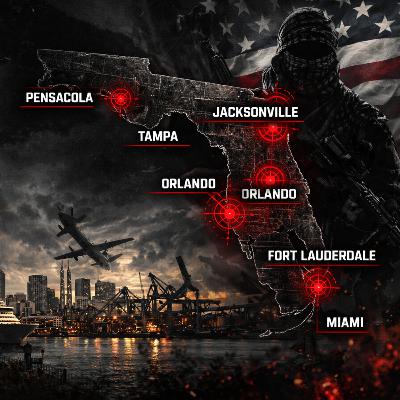
Florida faces a unique and ongoing threat from violent extremism due to its high-density tourism, critical infrastructure, and documented history of terror plots. The author emphasizes that readiness goes far beyond basic marksmanship, requiring stress-tested decision-making, medical skills, and a deep understanding of use-of-force laws. Specific regions like Orlando, Tampa Bay, and South Florida are identified as high-consequence areas where the potential for mass casualties necessitates professionalized security planning. Residents and organizations are encouraged to move past a mindset of denial and adopt comprehensive training standards to effectively handle active threats. https://valortec.com/florida-terror-threat-reality-why-readiness-matters-now/
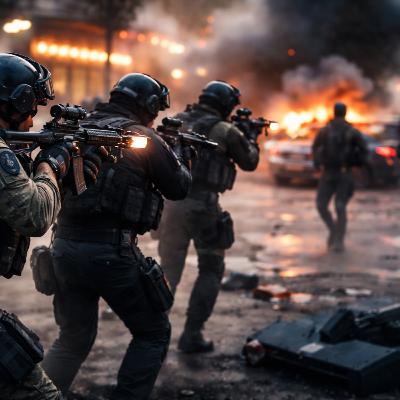
Agencies must shift their focus from reactive labels to identifying suspicious behavioral indicators and improving intelligence sharing before an incident occurs. By citing recent high-profile plots and attacks, the text highlights a dangerous readiness gap between controlled training scenarios and the chaotic reality of hybrid threats. Leaders are urged to prioritize realistic, scenario-based drills and the hardening of soft targets to ensure personnel can function under extreme pressure. Ultimately, the source serves as a call to action for departments to utilize available federal funding to modernize their operational standards. Underlining these points is the assertion that true preparedness requires proactive community engagement and a rejection of administrative complacency.https://valortec.com/sleeper-cell-attack-readiness-for-law-enforcement/https://valortec.com/sleeper-cell-attack-readiness-for-law-enforcement/
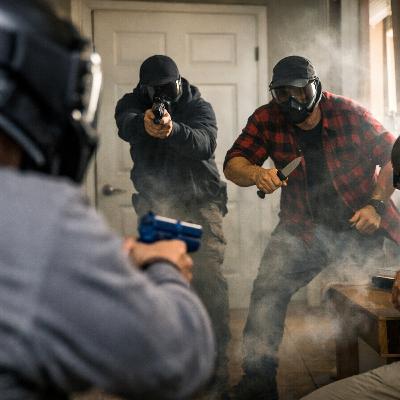
Critical differences between static range drills and scenario-based firearms training, arguing that mechanical shooting skills do not always translate to real-world defense. While traditional practice builds basic accuracy, dynamic defensive training forces participants to manage movement, verbal communication, and split-second decision-making under intense pressure. The text emphasizes that force-on-force training serves as the most effective method for exposing performance gaps caused by stress and environmental chaos. By simulating realistic threats in settings like parking lots or homes, these programs teach shooters to discriminate between targets and navigate legal complexities.https://valortec.com/why-flat-range-confidence-fails-under-pressure/
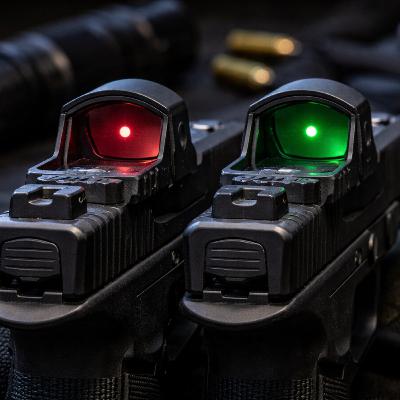
The scientific and physiological differences between red and green optical sights to help shooters determine which color suits their needs. Because the human eye is naturally more sensitive to green wavelengths, that color often appears brighter and is easier to detect in daylight or transitional lighting. Conversely, red emitters are frequently preferred for preserving night vision and providing better contrast against lush, green outdoor backgrounds.https://valortec.com/red-dot-vs-green-dot-optics/
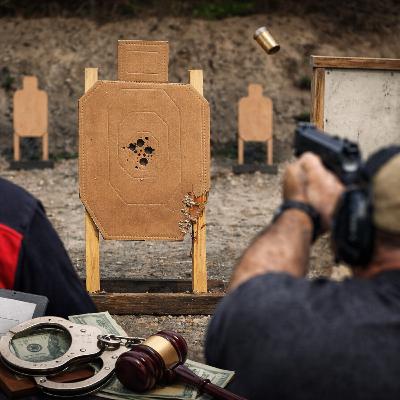
Let's warn shooting range owners and operators that they face significant legal liability if they permit subpar firearms instruction on their premises. The author argues that hosting "certificate mills," which grant credentials to students who lack basic marksmanship, transforms a facility into an enabler of foreseeable public harm. Relying on Florida statutes, the text explains that standard liability waivers and range protection laws do not shield businesses from gross negligence or premises liability claims. To mitigate these risks, facilities must implement strict objective standards and vet all instructors to ensure students actually demonstrate proficiency. https://valortec.com/range-liability-certificate-mill-firearms-training/
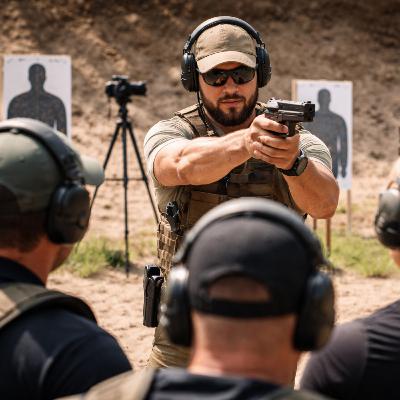
The legal vulnerabilities associated with hiring firearms instructors who lack state-recognized credentials or formal training standards. While social media influencers may offer popular courses, their certificates often lack evidentiary weight in court and can even jeopardize a student's self-defense claim. The text emphasizes that legal defensibility relies on documented curricula, objective performance benchmarks, and the instructor's professional credibility. For both civilians and law enforcement agencies, relying on unverified trainers increases the risk of being held liable for negligent certification or training.https://valortec.com/certificate-only-firearms-instructors-florida-legal-risks/
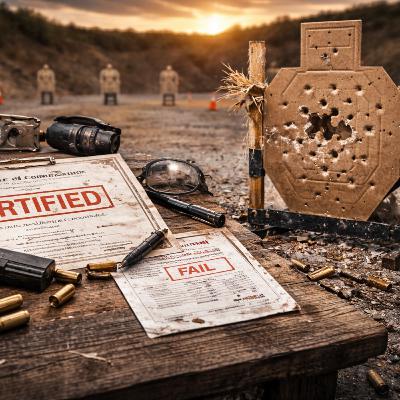
Firearms instructors who certify incompetent students commit negligent enablement, creating significant civil and criminal liability. The author emphasizes that passing a shooter who cannot consistently hit a standard torso target replaces a lack of skill with a dangerous, false confidence. Such "certificate mills" ignore observable failures, making the instructor legally responsible for foreseeable harm caused by the student in public. By prioritizing profit over proficiency, these trainers transform themselves into liability generators who jeopardize public safety. https://valortec.com/instructor-liability-certificate-mills/
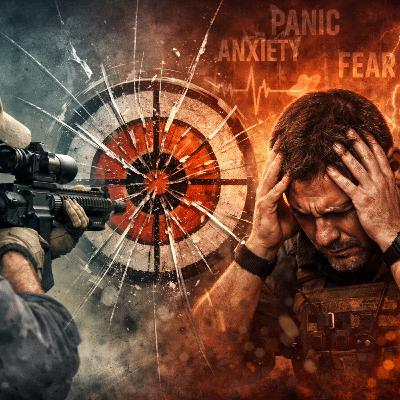
How physiological stress fundamentally degrades a shooter's accuracy and decision-making during high-pressure defensive situations. It explains that adrenaline triggers a shift from fine to gross motor skills, often leading to mechanical failures like trigger slapping and poor recoil management. Beyond physical control, the source highlights how sensory distortions, such as tunnel vision and time compression, prevent individuals from processing their environment effectively. To counter these effects, the author advocates for Force-on-Force training, which uses realistic scenarios to build stress inoculation. This specialized training aims to bridge the gap between static range practice and the complex realities of real-world encounters. https://valortec.com/why-stress-destroys-shooting-accuracy/
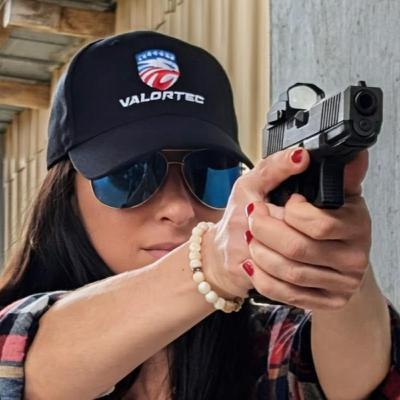
We examine why the Glock 17 and 19 models are premier choices for civilian self-defense and responsible ownership. The author highlights the 9mm platform's user-friendly nature, noting that its consistent controls and simple maintenance allow for better performance under pressure. Beyond the firearm itself, the text emphasizes the importance of a robust ecosystem, where widely available aftermarket parts, holsters, and magazines ensure long-term reliability. By comparing the compact versatility of the Glock 19 with the full-sized stability of the Glock 17, the source helps users select a tool tailored to their specific needs. Ultimately, the text argues that standardization and practical readiness are the most critical factors for staying prepared in emergency situations.https://valortec.com/glock-17-19-9mm-responsible-civilians/
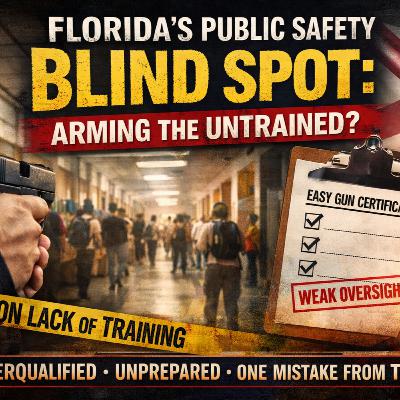
Florida’s current firearms training requirements are insufficient, creating a significant public safety gap. The author contends that merely "qualifying" for a license does not equate to being tactically ready for high-stress situations, especially regarding armed school personnel. To address these risks, the text proposes stricter proficiency standards, updated instructional manuals, and more rigorous oversight for instructors. It warns that without modernized training methods like stress inoculation and movement drills, the state remains vulnerable to preventable tragedies. Ultimately, the source serves as a call to action for Florida officials to prioritize measurable performance over simple administrative checkboxes.https://valortec.com/florida-firearms-training-oversight-a-public-safety-gap/
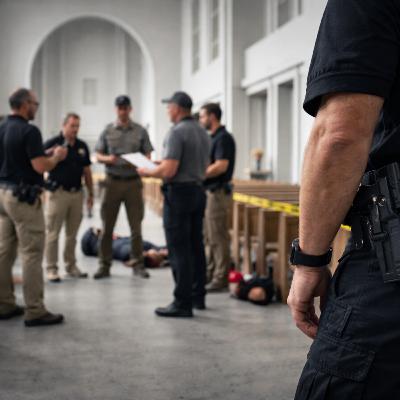
The Valortec Church Safety Training Program offers a comprehensive, professionally licensed framework designed to move houses of worship away from informal security toward structured risk management. By providing both unarmed and armed training tracks, the program emphasizes defensible standards, thorough documentation, and strict performance benchmarks to mitigate organizational liability. The curriculum covers essential phases including environmental assessments, de-escalation techniques, and scenario-based decision-making tailored for crowded ministry settings. This systematic approach ensures that safety teams are not only skilled in emergency response but also operate under clear governance and accountability protocols. Ultimately, the program aims to enhance operational readiness while protecting the church from the legal scrutiny that often follows critical incidents.https://valortec.com/florida-church-security-training/
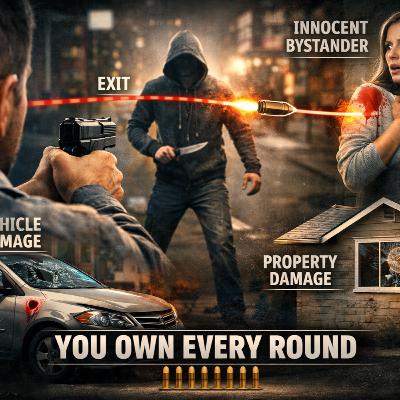
Justifiable self-defense does not grant immunity from civil or criminal liability for harm caused by misses or over-penetration. Shooters are legally responsible for every round. Courts evaluate negligence and foreseeability when projectiles strike bystanders.https://valortec.com/florida-self-defense-liability-you-own-every-round/
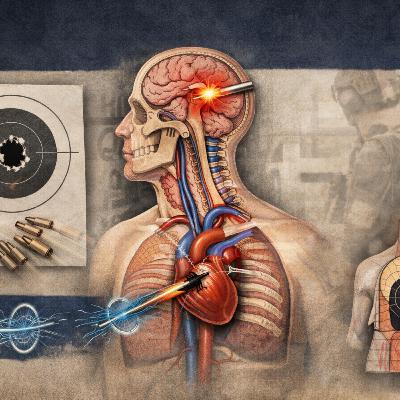
Defensive shooting should prioritize anatomical hits and speed over tight "keyhole" groups. Rapid incapacitation relies on CNS disruption or circulatory collapse. Handgun effectiveness stems from permanent tissue destruction, making time-relevant placement the key metric.
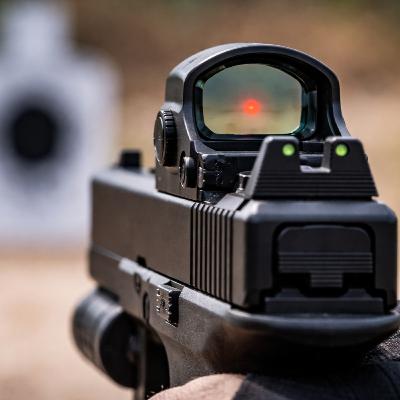
Co-witness sights on a pistol red-dot setup are widely misunderstood—and that mistake costs people time and hits. In this episode, we break down what co-witness actually means, why “dot + irons” becomes a visual competition problem, and how tall backup sights can clutter the optic window, trigger dot-hunting, and push shooters back into iron-confirmation habits. We connect the science of attention, target focus, and binocular vision to real-world performance—then tie it to the hard outcomes that matter: point of aim versus point of impact errors, inconsistent holds, and missed shots under stress. You’ll walk away with clear, practical rules for setup, zeroing discipline, and training drills that keep the dot fast, clean, and accountable.https://valortec.com/co-witness-pistol-red-dot-misconception-poa-poi/
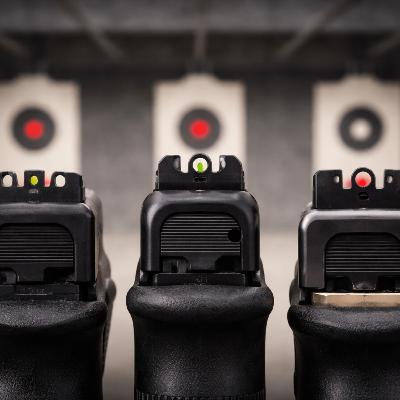
Handgun accuracy depends on matching Point of Aim (POA) with Point of Impact (POI). Shooters must master sight alignment and choose the correct sight picture: Center Hold, Combat Hold, or 6 O’Clock Hold. Variables like ammo and sight radius affect consistency.https://valortec.com/handgun-iron-sights-combat-hold-6-oclock-poa-poi-2/

This article outlines the legal distinctions between protected speech and criminal actions during protests involving Immigration and Customs Enforcement (ICE). While peaceful assembly is a right, the text clarifies that physical interference, such as blocking vehicles or touching officers, can lead to serious federal felony charges. It details specific statutes like 18 U.S.C. § 111, which punishes resisting or impeding federal employees with potential prison sentences of up to twenty years. The source also warns that conspiracy, harboring individuals, or destroying evidence can result in massive fines and long-term legal consequences. Ultimately, the author emphasizes that force and obstruction are never protected, even when they occur within the context of a demonstration.https://valortec.com/interfering-with-ice-protest-federal-charges/
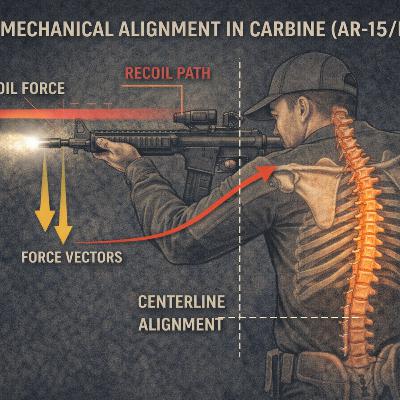
The biomechanics of rifle operation to enhance accuracy and control during defensive encounters. Rather than following outdated methods, the text advocates for centerline alignment and neutral spinal posture to efficiently manage recoil through the skeletal system. By focusing on musculoskeletal stacking, shooters can minimize physical fatigue and improve shot-to-shot consistency under high-stress conditions. The author emphasizes that multi-point contact and a squared stance are essential for weapon retention and rapid movement. Ultimately, the source frames firearm proficiency as a motor task rooted in applied physics and human anatomy. This approach ensures that the body acts as a stable foundation for recoil absorption and visual coordination.https://valortec.com/ar15-m4-carbine-biomechanics-defensive-shooting/
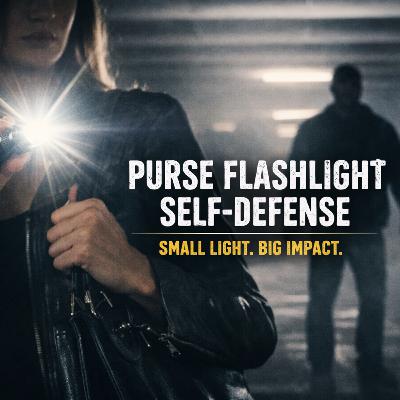
The strategic importance of carrying a small handheld flashlight as a primary tool for personal safety and situational awareness. The author argues that high-intensity light offers a legal and effective way to disrupt a potential attacker’s vision while providing the user with critical time to identify threats and escape. Unlike smartphone lights, dedicated defensive flashlights feature momentary switches and concentrated beams designed to function reliably under extreme stress. The text emphasizes that the most effective devices are compact enough for daily carry and simple to operate without complex settings. Proper preparation requires users to stage their equipment in accessible locations, such as specific purse pockets, to ensure it can be deployed instantly. Ultimately, the source highlights that possessing the right hardware must be paired with realistic training to successfully navigate dangerous, low-light environments.https://valortec.com/purse-flashlight-self-defense/
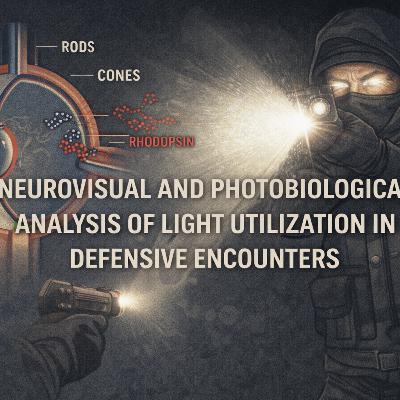
The biological mechanics of human vision and their strategic application in tactical lighting and self-defense. By examining the roles of retinal rods and cones, the materials explain how high-intensity light can trigger neurological disruptions such as pupil constriction and temporary night blindness. This scientific foundation supports the concept of a "wall of light," which uses extreme contrast to disorient a subject while protecting the defender. The texts further compare handheld and weapon-mounted systems, emphasizing that constant illumination often provides superior cognitive dominance over strobe effects. Ultimately, light is presented as a neurophysiological force multiplier that can manage threats and enhance survival in both dark and lit environments.https://valortec.com/neurovisual-photobiological-light-self-defense/
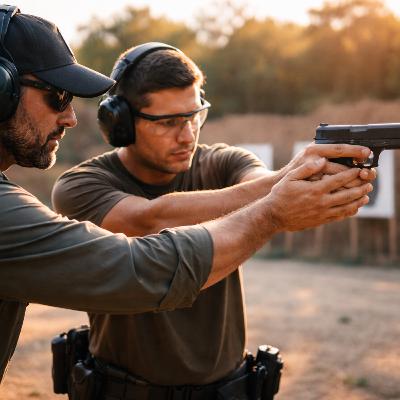
A comprehensive guide for aspiring firearms instructors in Florida, emphasizing that professional success requires more than just shooting proficiency. The author highlights the critical importance of selecting a mentor who prioritizes legal accountability and documented training standards to mitigate risks like vicarious liability and negligent entrustment. Aspiring professionals in cities like Tampa, Orlando, and Lakeland are encouraged to vet potential mentors based on their ability to teach adult learning principles and safety enforcement. Ultimately, the text asserts that the right mentorship protects an instructor's long-term reputation and legal standing by establishing a foundation of defensible instructional practices. By choosing a mentor who models professional discipline, new trainers can ensure they are prepared for the significant legal responsibilities inherent in firearms education.https://valortec.com/how-to-choose-the-right-firearms-instructor-mentor-in-florida/

Comments

Download from Google Play

Download from App Store
 United States