


 Claim Ownership
Mossback
Subscribed: 67Played: 1,353
Subscribe

© Copyright 2022 All rights reserved.
Description
The official podcast companion to Mossback’s Northwest, a video series about Pacific Northwest history from Cascade PBS. Mossback features stories that were left on the cutting room floor, along with critical analysis from co-host Knute Berger. Hosted by Knute Berger and Stephen Hegg
57 Episodes
Reverse
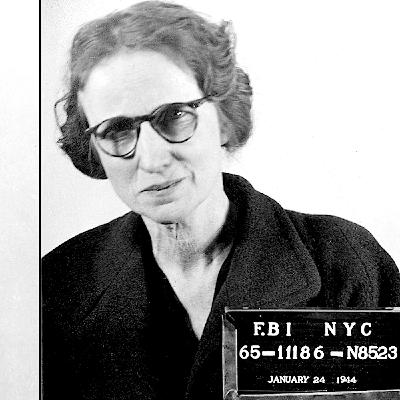
One of the oddest cases of World War II espionage involved a woman, Velvalee Dickinson, who spied on Northwest shipyards for the Japanese. How did she do it? By writing coded letters about dolls. Cascade PBS’s resident historian Knute Berger told this story in a recent episode of the Mossback’s Northwest video series, but there’s more left to examine. In this episode of Mossback, Berger joins co-host Stephen Hegg to discuss Dickinson’s remarkable story, how she was ultimately caught by the U.S.’s first female cryptanalyst and the Northwest’s unique role in international spy games throughout the 20th century. For more on all things Mossback, visit CascadePBS.org. To reach Knute Berger directly, drop him a line at knute.berger@cascadepbs.org. And if you’d like an exclusive weekly newsletter from Knute, where he offers greater insight into his latest historical discoveries, become a Cascade PBS member today. ---CreditsHosts: Stephen Hegg, Knute BergerProducer: Sara BernardStory editors: Sarah Menzies, Adam BrownStudio recording: Roger Basquette
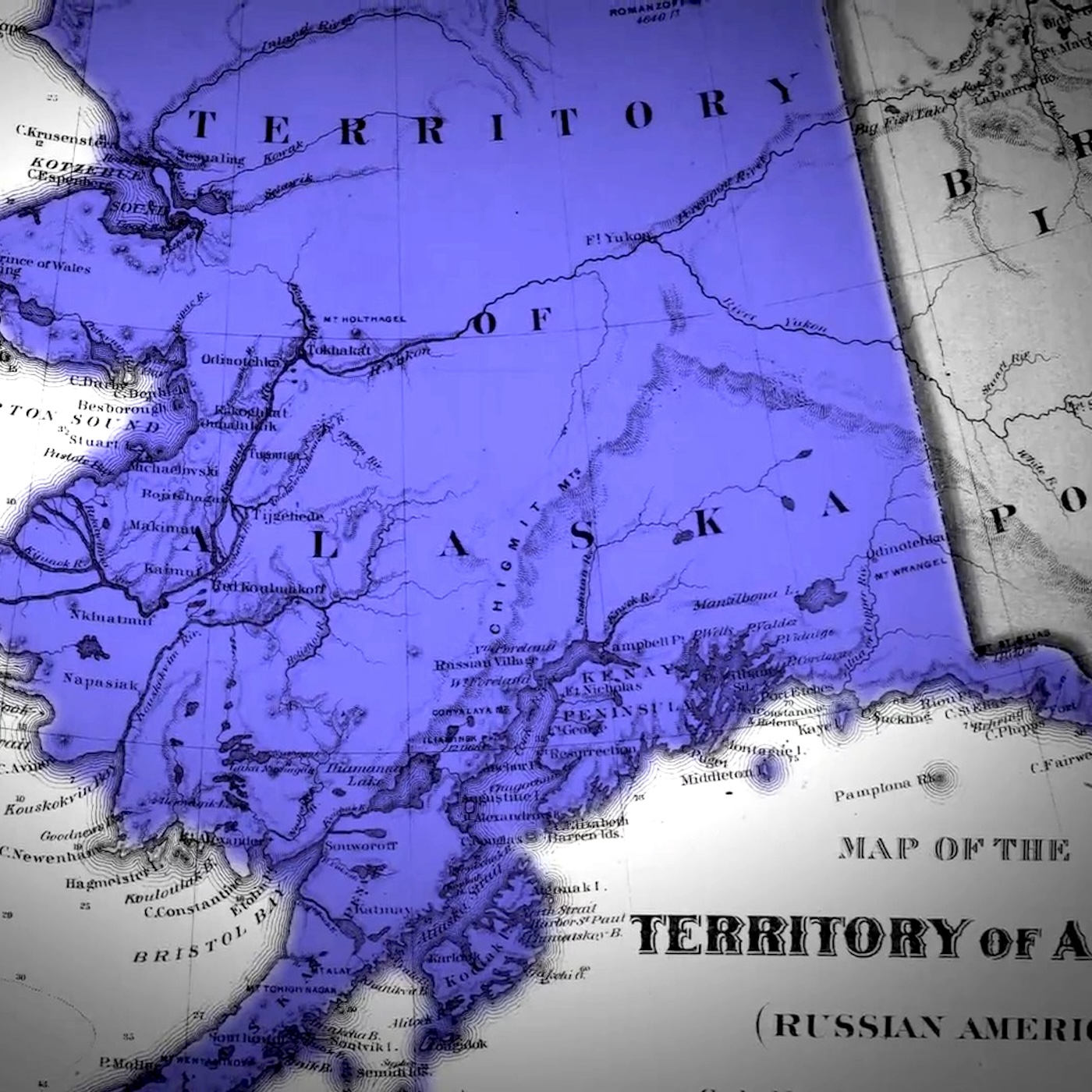
Why did the U.S. buy Alaska from Russia? It wasn’t for gold or fur, it turns out. It was for fish. And it was a politician from the Washington Territory who lobbied the hardest for the purchase. Cascade PBS’s resident historian Knute Berger explored some of this history in a recent episode of the Mossback’s Northwest video series, but there’s more left to discuss. In this episode of Mossback, Berger joins co-host Stephen Hegg to dig into the geopolitical events that set the stage for the Alaska Purchase, the far-sighted Washington clerk who helped make it happen and how all of that ultimately transformed the Pacific Northwest and its fishing industry. For more on all things Mossback, visit CascadePBS.org. To reach Knute Berger directly, drop him a line at knute.berger@cascadepbs.org. And if you’d like an exclusive weekly newsletter from Knute, where he offers greater insight into his latest historical discoveries, become a Cascade PBS member today. ---CreditsHosts: Stephen Hegg, Knute BergerProducer: Sara BernardStory editors: Sarah Menzies, Adam BrownStudio recording: Roger Basquette
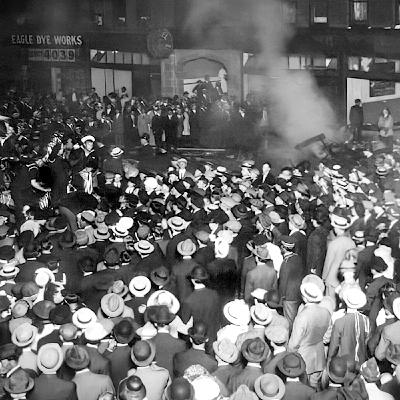
Seattle once hosted a summer celebration called The Golden Potlatch. But in July 1913, political tensions mixed with revelry erupted into a riot, resulting in a brief period of martial law and intense battles over freedom of speech. Cascade PBS’s resident historian Knute Berger explained what happened in a recent episode of the Mossback’s Northwest video series, but there’s more left to unpack. In this episode of Mossback, Berger joins co-host Stephen Hegg to explore the differing accounts of why the riot took place, the political undercurrents at play at the time, the enduring power of the press and how so much of what happened then resonates eerily with our world today. For more on all things Mossback, visit CascadePBS.org. To reach Knute Berger directly, drop him a line at knute.berger@cascadepbs.org. And if you’d like an exclusive weekly newsletter from Knute, where he offers greater insight into his latest historical discoveries, become a Cascade PBS member today. ---CreditsHosts: Stephen Hegg, Knute BergerProducer: Sara BernardStory editors: Sarah Menzies, Adam BrownStudio recording: Roger Basquette
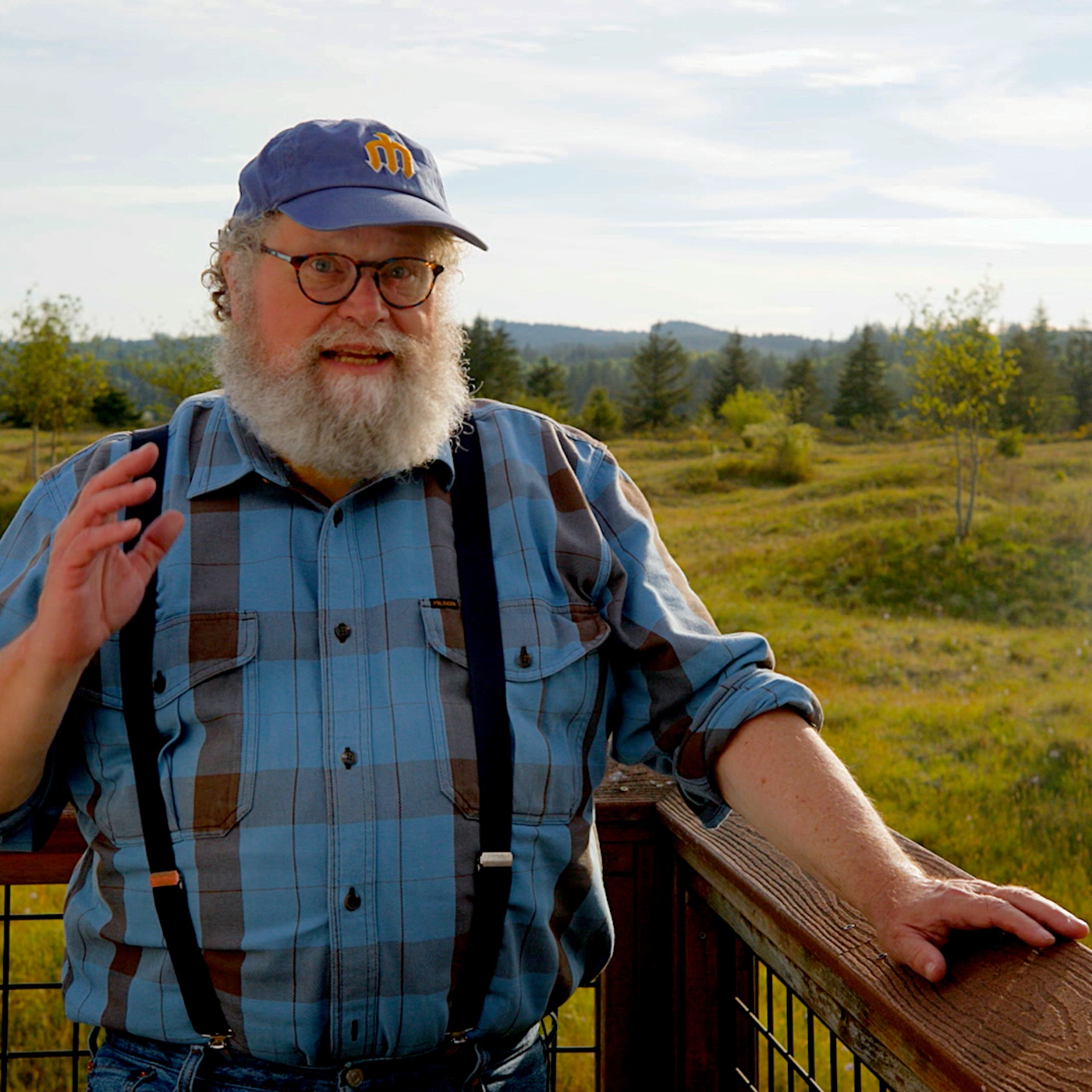
Despite two centuries of speculation and science, a strange prairie full of small, evenly spaced hills south of Olympia remains a mystery. Cascade PBS’s resident historian Knute Berger unearthed some of the theories on the famous Mima Mounds’ origins in a recent episode of the Mossback’s Northwest video series, but there’s more left to explore. In this episode of Mossback, Berger joins co-host Stephen Hegg to dig deeper into the many explanations that have been put forth over the years, including earthquakes, fires, floods and ancient gophers. Plus, we get a peek behind the scenes at the Mossback’s Northwest video shoot at the Mima Mounds and local geologist Patrick Pringle weighs in. For more on all things Mossback, visit CascadePBS.org. To reach Knute Berger directly, drop him a line at knute.berger@cascadepbs.org. And if you’d like an exclusive weekly newsletter from Knute, where he offers greater insight into his latest historical discoveries, become a Cascade PBS member today. ---CreditsHosts: Stephen Hegg, Knute BergerProducer: Sara BernardStory editors: Sarah Menzies, Adam BrownStudio recording: Roger Basquette
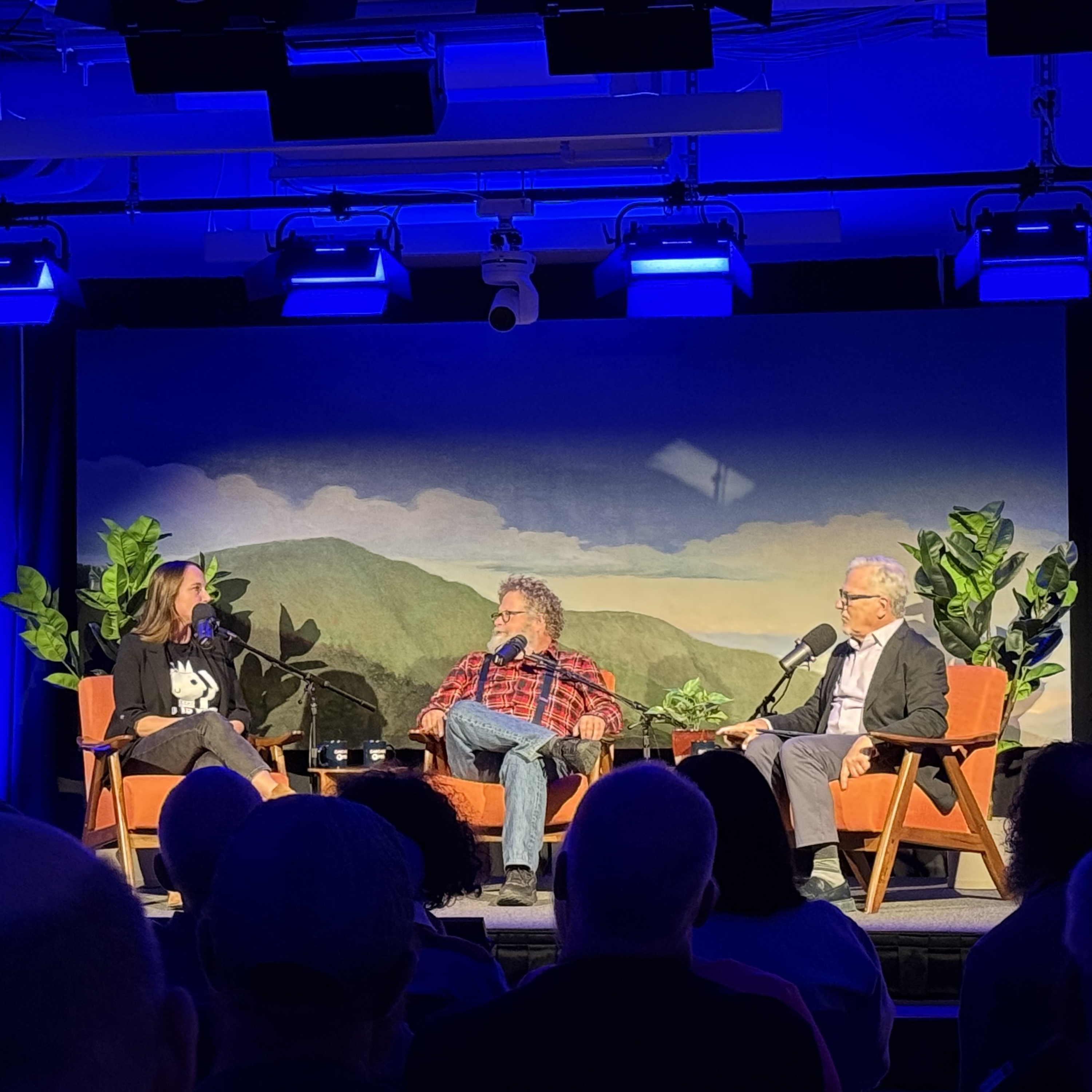
The Mossback’s Northwest video series launched its 11th season last fall, covering topics ranging from the mystery of the Mima Mounds to World War II espionage to Seattle’s Princess Angeline. In October, Cascade PBS hosted a live event to celebrate the season premiere, featuring Mossack’s Northwest host Knute Berger, Mossback podcast co-host Stephen Hegg and executive producer Sarah Menzies. In this bonus episode of the Mossback podcast, Berger, Hegg and Menzies kick off the season by digging into the fascinating stories on deck, the evolution of the series over time and the thinking and planning that goes on behind the scenes. Get ready for the next season of the Mossback podcast! Weekly episodes drop starting March 4 on CascadePBS.org or wherever you get your podcasts, alongside new, extended-cut video versions available on YouTube. For more on all things Mossback, visit CascadePBS.org. To reach Knute Berger directly, drop him a line at knute.berger@cascadepbs.org. And if you’d like an exclusive weekly newsletter from Knute, where he offers greater insight into his latest historical discoveries, become a Cascade PBS member today. ---CreditsHosts: Stephen Hegg, Knute BergerProducer: Sara BernardStory editors: Sarah Menzies, Adam BrownLive event recording: Resti Bagcal
The massive Columbia River travels more than 1,200 miles from start to finish. It crosses four mountain ranges, powers 14 hydroelectric dams and irrigates hundreds of thousands of acres of farmland, among other feats.
But its origins start humbly: in a gentle lake in the mountains of British Columbia.
Cascade PBS’s resident historian Knute Berger journeyed to these headwaters for a recent episode of the Mossback’s Northwest video series, but there’s far more left to explore.
In this episode of Mossback, Berger joins co-host Stephen Hegg to share what it was like to make the trek to that peaceful lake in Canada where it all begins. Berger and Hegg also discuss the fur trade that kicked off an early-19th century era of exploration along the Columbia; the Welsh-Canadian explorer and cartographer known for navigating and mapping the entire river from start to finish; and the existential threat that climate change poses to the ice and snow that feed the river and its watershed.
This is the last episode of the season! Thanks so much for listening. We'll be back next season with more. In the meantime, check out the new Mossback's Northwest Special. It's a 30-minute deep dive on the Columbia River, streaming now on Cascade PBS and at CascadePBS.org.
For more on all things Mossback, visit CascadePBS.org. To reach Knute Berger directly, drop him a line at knute.berger@cascadepbs.org. And if you’d like an exclusive weekly newsletter from Knute, where he offers greater insight into his latest historical discoveries, become a Cascade PBS member today.
---
Credits
Hosts: Stephen Hegg, Knute Berger
Producer: Sara Bernard
Story editor: Sarah Menzies
In the second half of the 19th century, a businessman named George Francis Train rose to prominence through his success with global shipping and trade. As his wealth grew, so did his obsession with himself, and his tireless self-promotion made him a social media phenomenon of his age.
Train is perhaps best known for the alleged relationship between his world travels and the Jules Verne bestseller Around the World in 80 Days, and less well-known for his attempts to beat subsequent travel records through a partnership with a newspaper in Tacoma.
Cascade PBS’s resident historian Knute Berger shone a spotlight on Train and his adventures in the Pacific Northwest in a recent episode of the Mossback’s Northwest video series, but there’s much more left to uncover.
In this episode of Mossback, Berger joins co-host Stephen Hegg to more deeply explore Train’s eccentric and monomaniacal exploits. Berger digs into Train’s obsessions, travels and unique psychology; reads aloud from some of his writings; explains how he coined the still-beloved Tacoma moniker “City of Destiny”; and ponders Train’s uncanny resemblance to some contemporary figures.
For more on all things Mossback, visit CascadePBS.org. To reach Knute Berger directly, drop him a line at knute.berger@cascadepbs.org. And if you’d like an exclusive weekly newsletter from Knute, where he offers greater insight into his latest historical discoveries, become a Cascade PBS member today.
---
Credits
Hosts: Stephen Hegg, Knute Berger
Producer: Sara Bernard
Story editor: Sarah Menzies
The tumultuous mouth of the Columbia River, near Astoria, Oregon, is beautiful but deadly. Thousands of ships have capsized and wrecked on its shores over the centuries.
That’s earned it the menacing nickname “Graveyard of the Pacific,” although that’s not the only gloomy moniker in the region.
Cascade PBS’s resident historian Knute Berger explored some of this history in a recent episode of the Mossback’s Northwest video series, but there are more stories left to tell.
In this episode of Mossback, Berger joins co-host Stephen Hegg to discuss the early explorers who coined so many of the area’s depressing names, from Cape Disappointment to Dismal Nitch; the natural forces that make the river's mouth so treacherous; some of the area’s most famous shipwrecks; and the deadliest tragedy to ever occur here and its uncanny parallel to Berger’s own family history. Plus, Berger shares his adventures from scouting and shooting the video for Mossback’s Northwest, including breathless hikes, sandy mishaps and barking sea lions.
For more on all things Mossback, visit CascadePBS.org. To reach Knute Berger directly, drop him a line at knute.berger@cascadepbs.org. And if you’d like an exclusive weekly newsletter from Knute, where he offers greater insight into his latest historical discoveries, become a Cascade PBS member today.
---
Credits
Hosts: Stephen Hegg, Knute Berger
Producer: Sara Bernard
Story editor: Sarah Menzies
The Pacific Northwest has a reputation for the macabre. We’ll never escape the allure of Twin Peaks, for instance, or the terrible crimes of some of the most infamous serial killers in American history.
But some of the weirdest things can happen to corpses after death. Did you know that dead bodies can turn into soap?
Cascade PBS’s resident historian Knute Berger explored a few lesser-known stories of regional murder and mystery in a recent episode of the Mossback’s Northwest video series, but there is much more left to share.
In this episode of Mossback, Berger joins co-host Stephen Hegg to offer a deeper look at the grim tales of Hallie Illingworth, the “Lady of the Lake” whose body was found in Lake Crescent in 1940; “Mother Damnable,” a storied resident of 19th-century Seattle whose corpse allegedly turned to stone; and a recurring recent phenomenon involving disembodied feet washing up on beaches along the Salish Sea.
For more on all things Mossback, visit CascadePBS.org. To reach Knute Berger directly, drop him a line at knute.berger@cascadepbs.org. And if you’d like an exclusive weekly newsletter from Knute, where he offers greater insight into his latest historical discoveries, become a Cascade PBS member today.
---
Credits
Hosts: Stephen Hegg, Knute Berger
Producer: Sara Bernard
Story editor: Sarah Menzies
A few seasons ago, the Mossback’s Northwest video series profiled Catherine Montgomery, an early 20th-century wilderness advocate who has been dubbed “the Mother of the Pacific Crest Trail.”
But after the video aired, a viewer reached out with some more information: Catherine Montgomery, a “progressive” of her time, expressed extremely racist views.
This, unfortunately, isn’t a new story. Many American heroes, including in the context of wilderness access and preservation, perpetuated racism and exclusion. Cascade PBS’s resident historian Knute Berger invited Alison Mariella Désir, host of the Cascade PBS video series Out & Back, to join him in an episode of Mossback’s Northwest to discuss these uncomfortable and lesser-known truths.
In this episode of Mossback, Berger joins Désir and co-host Stephen Hegg to dig even deeper into the big questions of wilderness access: How many celebrated environmentalists, from John Muir to John James Audubon, did and said unconscionable things? What do we do with this knowledge? And what impact has this history of bigotry had on the experiences of people of color in outdoor recreation today? Plus, Désir shares stories rarely told about the ways people of color have always participated in – and championed access to – the great outdoors.
For more on all things Mossback, visit CascadePBS.org. To reach Knute Berger directly, drop him a line at knute.berger@cascadepbs.org. And if you’d like an exclusive weekly newsletter from Knute, where he offers greater insight into his latest historical discoveries, become a Cascade PBS member today.
---
Credits
Hosts: Stephen Hegg, Knute Berger
Producer: Sara Bernard
Story editor: Sarah Menzies
In 1996, some of the oldest human remains ever found in North America were discovered along the banks of the Columbia River, ultimately illuminating Indigenous presence in the region since time immemorial.
Long a crucial source of sustenance, culture and trade, the Pacific Northwest’s largest river has continued to be a vital part of human civilization, whether through its salmon or its many hydroelectric dams.
Cascade PBS’s resident historian Knute Berger dug into this history in a recent episode of the Mossback’s Northwest video series, but there is much more left to discuss.
In this episode of Mossback, Berger joins co-host Stephen Hegg to revisit the story of The Ancient One and the decades-long controversy that ensued over his bones. They explore the significance of the river to its people over the centuries; the impact of the arrival of European and American traders and settlers; and the impact of the creation of so many dams, especially the one that submerged Celilo Falls.
Special note: The voice of Lana Jack in this episode comes courtesy of Creative FRONTLINE. The clip is from “Celilo Falls and the Culture of Death” with Lana Jack, produced by Tracker Ginamarie Rangel Quinones (Apache Investigative Reporter) and filmmaker Robert Lundahl. The full episode initially aired on Creative FRONTLINE, KPFK Los Angeles 90.7, Pacifica Network.
For more on all things Mossback, visit CascadePBS.org. To reach Knute Berger directly, drop him a line at knute.berger@cascadepbs.org. And if you’d like an exclusive weekly newsletter from Knute, where he offers greater insight into his latest historical discoveries, become a Cascade PBS member today.
---
Credits
Hosts: Stephen Hegg, Knute Berger
Producer: Sara Bernard
Story editor: Sarah Menzies
At the turn of the 20th century, almost no one had a car in Seattle. There weren’t traffic laws or paved roads, and at first, only the wealthiest people could own these “horseless carriages.”
Within a couple of decades, though, cars were everywhere, and Pacific Northwesterners were using their cars for all kinds of intrepid adventures, from long-haul road trips to mountainside camping.
Cascade PBS’s resident historian Knute Berger took a look at early car culture in our region in a recent episode of the Mossback’s Northwest video series, but there’s much more left to explore.
In this episode of Mossback, Berger joins co-host Stephen Hegg to discuss when the very first cars showed up in Washington and what those cars were like. They dig into some of the earliest (and most treacherous) road trips; the day cars were turned away from Mount Rainier National Park; pioneering women drivers of the era; and the newfangled camping gear that manufacturers raced to produce for the region’s ever-outdoorsy drivers.
For more on all things Mossback, visit CascadePBS.org. To reach Knute Berger directly, drop him a line at knute.berger@cascadepbs.org. And if you’d like an exclusive weekly newsletter from Knute, where he offers greater insight into his latest historical discoveries, become a Cascade PBS member today.
---
Credits
Hosts: Stephen Hegg, Knute Berger
Producer: Sara Bernard
Story editor: Sarah Menzies
The Columbia River has been carved up by more than a dozen dams over the past century. But it’s the colossal floods and lava flows from millions of years ago that truly set it on its winding path.
How do we really know what we know about the Columbia?
To better understand this history, Cascade PBS’s resident historian Knute Berger joined forces with geologist Nick Zentner of Nick on the Rocks in a recent episode of the Mossback’s Northwest video series. But there’s much more left to unearth.
In this episode of Mossback, Berger joins co-host Stephen Hegg to discuss his decision to spend half of this past season of Mossback’s Northwest on different aspects of the Columbia River. They also dig into the massive floods and lava flows that made the Columbia River what it is today; what it was like for Berger to work with Zentner on this project and other geological inquiries over the years; and the enthusiastic response from viewers, including one observation of a mistake in the video that led Berger down an entirely new path.
For more on all things Mossback, visit CascadePBS.org. To reach Knute Berger directly, drop him a line at knute.berger@cascadepbs.org. And if you’d like an exclusive weekly newsletter from Knute, where he offers greater insight into his latest historical discoveries, become a Cascade PBS member today.
---
Credits
Hosts: Stephen Hegg, Knute Berger
Producer: Sara Bernard
Story editor: Sarah Menzies
At a live event, Knute Berger, Stephen Hegg and Nick Zentner discussed Mossback’s Northwest and the 10th season's focus on the Columbia River.
Mossback’s Northwest is still going strong, with its most recent season covering everything from the Columbia River to a history of racist exclusion in the outdoors.
In October, Cascade PBS put on a live event to celebrate 10 seasons of the beloved video series. Stephen Hegg, who’s produced past seasons of Mossback’s Northwest, interviewed host Knute Berger to give audience members a peek behind the scenes.
In this bonus episode of Mossback, Berger explains from the stage how the video series got its start, what it’s like to craft a season and the historical artifacts that bring Mossback’s Northwest to life.
Plus, the two were joined by special guest Nick Zentner of Nick on the Rocks, who made a guest appearance in the first episode of Season 10. Stay tuned for a deeper dive on everything Season 10 covers when the Mossback podcast drops new episodes in early 2025.
For more on all things Mossback, visit CascadePBS.org. To reach Knute Berger directly, drop him a line at knute.berger@cascadepbs.org. And if you’d like an exclusive weekly newsletter from Knute, where he offers greater insight into his latest historical discoveries, become a Cascade PBS member today.
---
Credits
Hosts: Stephen Hegg and Knute Berger
Producer: Isaac Kaplan-Woolner
Story editor: Adam Brown
Adelaide Lowry Pollock was an educator, birder, author and believer in the power of civic participation at the turn of the 20th century.
In the early 1900s, pioneering educator Adelaide Lowry Pollock was the first woman to be named principal of a Seattle grade school. A lifelong love of birds dominated her curriculum. Her students went on birding field trips, mapped birds’ nests, researched bird behaviors, learned bird songs and even built elaborate birdhouses.
Ultimately, though, Pollock was interested in more than just the birds themselves. For her, studying birds was a way to encourage both environmental preservation and civic participation.
Cascade PBS’s resident historian Knute Berger profiled Pollock and her legacy in a recent episode of the Mossback’s Northwest video series, but there’s more left to explore.
In this episode of Mossback, Berger joins co-host Stephen Hegg to discuss how the seed for this story was planted by a single photograph; what those bird-centered classroom activities entailed; what the study of birds truly meant to Pollock; and the chapter of her life following her time in Seattle’s schools, which included teaching citizenship classes for soldiers overseas and attempting to improve the lives of both retired teachers and juvenile offenders. Plus, Berger and Hegg take a field trip to Mount Pleasant Cemetery in Queen Anne, one of the places Pollock’s students studied birds, to imagine what the place would have been like in Pollock’s day and do a little birdwatching themselves.
For more on all things Mossback, visit CascadePBS.org. To reach Knute Berger directly, drop him a line at knute.berger@cascadepbs.org. And if you’d like an exclusive weekly newsletter from Knute, where he offers greater insight into his latest historical discoveries, become a Cascade PBS member today.
---
Credits
Hosts: Stephen Hegg, Knute Berger
Producer: Sara Bernard
Story editor: Sarah Menzies
Sitka trees were key military materiel in both World Wars. Knute Berger shares how the need for wood and the women who harvested it changed logging.
In the early 20th century, Sitka spruce, a giant conifer native to the Pacific Northwest, became known as an excellent material for building airplanes. As a result, when the U.S. entered World War I, the demand for that wood exploded.
The American military set up what was called the “Spruce Division” and brought in soldiers to Washington forests to help manage a growing industry. Over time, as the demand for spruce continued into World War II, women began to fill tens of thousands of timber jobs traditionally held by men.
Cascade PBS’s resident historian Knute Berger dug into these overlapping histories in a recent episode of the Mossback’s Northwest video series, but there is far more left to explore.
In this episode of Mossback, Berger joins co-host Stephen Hegg to discuss the unique characteristics of Sitka spruce and why the U.S. military was so interested in it; labor strife and the role of unions in the Northwest logging industry in the early 20th century; the entrance of female workers into the lumber camps and the rampant sexism they sometimes faced; and the larger impact that all of these forces had on the Pacific Northwest and its timber business.
For more on all things Mossback, visit CascadePBS.org. To reach Knute Berger directly, drop him a line at knute.berger@cascadepbs.org. And if you’d like an exclusive weekly newsletter from Knute, where he offers greater insight into his latest historical discoveries, become a Cascade PBS member today.
---
Credits
Hosts: Stephen Hegg, Knute Berger
Producer: Sara Bernard
Story editor: Sarah Menzies
Minoru Yamasaki was among the most influential architects of the 20th century. Knute Berger tells the story.
Minoru Yamasaki was born in Seattle in 1912, studied architecture at the University of Washington and went on to design some of the most celebrated buildings of the 20th century. Among them: the World Trade Center in New York and the Pacific Science Center in Seattle.
Yamasaki aimed to do something that few were doing at the time. He subverted the bare, minimalist and sometimes brutalist trends of mid-century modern buildings with fine details that evoked elegance and beauty.
Cascade PBS’s resident historian Knute Berger explored Yamasaki’s career and legacy in a recent episode of the Mossback’s Northwest video series, but there’s much more left to discuss.
In this episode of Mossback, co-host Stephen Hegg joins Berger to hear more about Yamasaki’s early life experiences and how they influenced his work; his approach to architecture and how it differed from the prevailing cultural winds of the time; and the process of creating his most acclaimed buildings and the blistering critiques they sometimes received. Plus, Berger and Hegg take a field trip to Rainier Tower, a striking Seattle skyscraper and one of Yamasaki’s most controversial designs.
For more on all things Mossback, visit CascadePBS.org. To reach Knute Berger directly, drop him a line at knute.berger@cascadepbs.org. And if you’d like an exclusive weekly newsletter from Knute, where he offers greater insight into his latest historical discoveries, become a Cascade PBS member today.
---
Credits
Hosts: Stephen Hegg, Knute Berger
Producer: Sara Bernard
Story editor: Sarah Menzies
Environmental activist Polly Dyer teamed up with Supreme Court Justice William O. Douglas in the 1950s to keep a stretch of Washington wild.
Today, more than 73 miles of Washington’s rugged Olympic Coast is still rugged. It’s accessible only to hikers, not cars. Part of the reason for that is a famous 1958 beach hike led by former U.S. Supreme Court Justice – and Washington resident – William O. Douglas.
The three-day hike, co-organized by environmental advocate Polly Dyer, was designed to protest a proposed coastal highway that would have transformed the region forever. A filmmaker tagged along with the roughly 70 participants, and thanks in part to the efforts of the Oregon Historical Society, the film is now restored, digitized and available for anyone to watch on YouTube.
Cascade PBS’s resident historian Knute Berger detailed this chapter of Pacific Northwest history in a recent episode of the Mossback’s Northwest video series, but there’s more left to explore.
In this episode of Mossback, Berger joins co-host Stephen Hegg to discuss his early admiration for Justice Douglas and the fan letter he sent him back in 1970; Douglas’ famed legacy as an advocate for wilderness conservation; the less-publicized, but just as crucial, role Polly Dyer played in preserving wilderness in Washington and across the country; and the fact that the 1958 hike was not the only protest hike like it.
For more on all things Mossback, visit CascadePBS.org. To reach Knute Berger directly, drop him a line at knute.berger@cascadepbs.org. And if you’d like an exclusive weekly newsletter from Knute, where he offers greater insight into his latest historical discoveries, become a Cascade PBS member today.
---
Credits
Hosts: Stephen Hegg, Knute Berger
Producer: Sara Bernard
Story editor: Sarah Menzies
Audiences loved Buffalo Bill's Wild West show, but what he sold as “authentic” was anything but. Knute Berger shares how the myth shaped our idea of the frontier.
You’ve probably heard of Buffalo Bill. The name is nearly synonymous with “the Wild West,” a kind of cultural mythology created as white settlers colonized the American West in the late 19th century.
Although he’s now larger than life, Buffalo Bill was, in fact, a real person who hunted buffalo, scouted for the U.S. Army and developed a wildly popular traveling show of sharpshooters, cowboys and other “rough riders.” It was a beloved pageant that catapulted him into global fame. In 1908, Buffalo Bill’s show arrived in Seattle.
Cascade PBS’s resident historian Knute Berger explored all of this in a recent episode of the Mossback’s Northwest video series, but there’s much more left to discuss.
In this episode of Mossback, co-host Stephen Hegg joins Berger to more deeply understand who Buffalo Bill really was; unpack the genesis of his traveling show and what it meant to audiences everywhere; dig up firsthand accounts of his Seattle shows as well as that of copycat “Cheyenne Bill”; and interrogate the colonialist narrative that Bill and his supporters perpetuated and that still exists today.
For more on all things Mossback, visit CascadePBS.org. To reach Knute Berger directly, drop him a line at knute.berger@cascadepbs.org. And if you’d like an exclusive weekly newsletter from Knute, where he offers greater insight into his latest historical discoveries, become a Cascade PBS member today.
---
Credits
Hosts: Stephen Hegg, Knute Berger
Producer: Sara Bernard
Story editor: Sarah Menzies
Folk songs, clam bakes, aquaculture and more: Knute Berger explores the myriad ways clams have shaped our region’s culture.
Clams are among the Pacific Northwest’s most vital natural resources. From thousands of years of aquaculture to folk songs and university mascots, the celebration and consumption of clams permeates local food and culture.
Cascade PBS’ resident historian Knute Berger dug up some of these stories in a recent episode of the Mossback’s Northwest video series, but there’s more left to uncover.
In this episode of Mossback, Berger and co-host Stephen Hegg discuss their own experiences digging for clams on the Washington coast; Indigenous knowledge and early settlers’ experiences with (and reliance on) clams; the lasting impact of Seattle restaurateur Ivar Haglund; and the strange but mighty geoduck.
Plus, they take a field trip to Ivar’s Acres of Clams on the Seattle waterfront to eat clam chowder, drink clam nectar and do battle with seagulls.
For more on all things Mossback, visit CascadePBS.org. To reach Knute Berger directly, drop him a line at knute.berger@cascadepbs.org. And if you’d like an exclusive weekly newsletter from Knute, where he offers greater insight into his latest historical discoveries, become a Cascade PBS member today.
---
Credits
Hosts: Stephen Hegg, Knute Berger
Producer: Sara Bernard
Story editor: Sarah Menzies

Comments

Download from Google Play

Download from App Store
 United States