


 Claim Ownership
Best of the Spectator
Subscribed: 6,704Played: 687,052
Subscribe

© 343517
Description
Home to the Spectator's best podcasts on everything from politics to religion, literature to food and drink, and more. A new podcast every day from writers worth listening to.
Hosted on Acast. See acast.com/privacy for more information.
2593 Episodes
Reverse
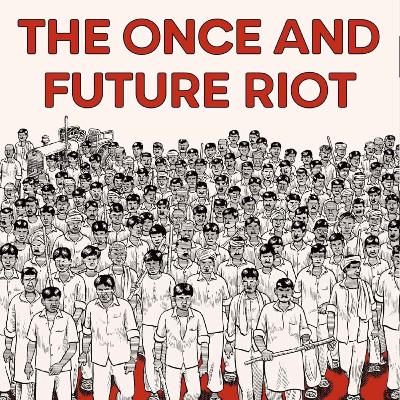
My guest in this week’s Book Club podcast is the reporter – cartoonist Joe Sacco, talking about his most recent book The Once and Future Riot, about Hindu/Muslim violence in rural India. He tells me how he knows when he’s onto a story, what cartooning can do for reportage, and why he draws himself so differently.
Hosted on Acast. See acast.com/privacy for more information.
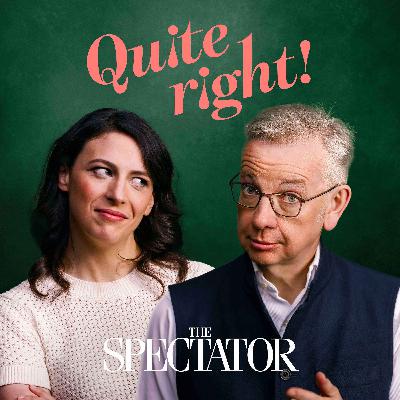
To hear this week's episode in full, search 'Quite right!' wherever you are listening now. This week: the Southport inquiry and a deeper question about why Britain’s institutions keep failing to act. After a damning report into the killings revealed that Axel Rudakubana was ‘known to authorities’, Michael and Madeline ask how so many warning signs were missed. Did a fear of getting things wrong – or being accused of racism – stop professionals from intervening?
Hosted on Acast. See acast.com/privacy for more information.
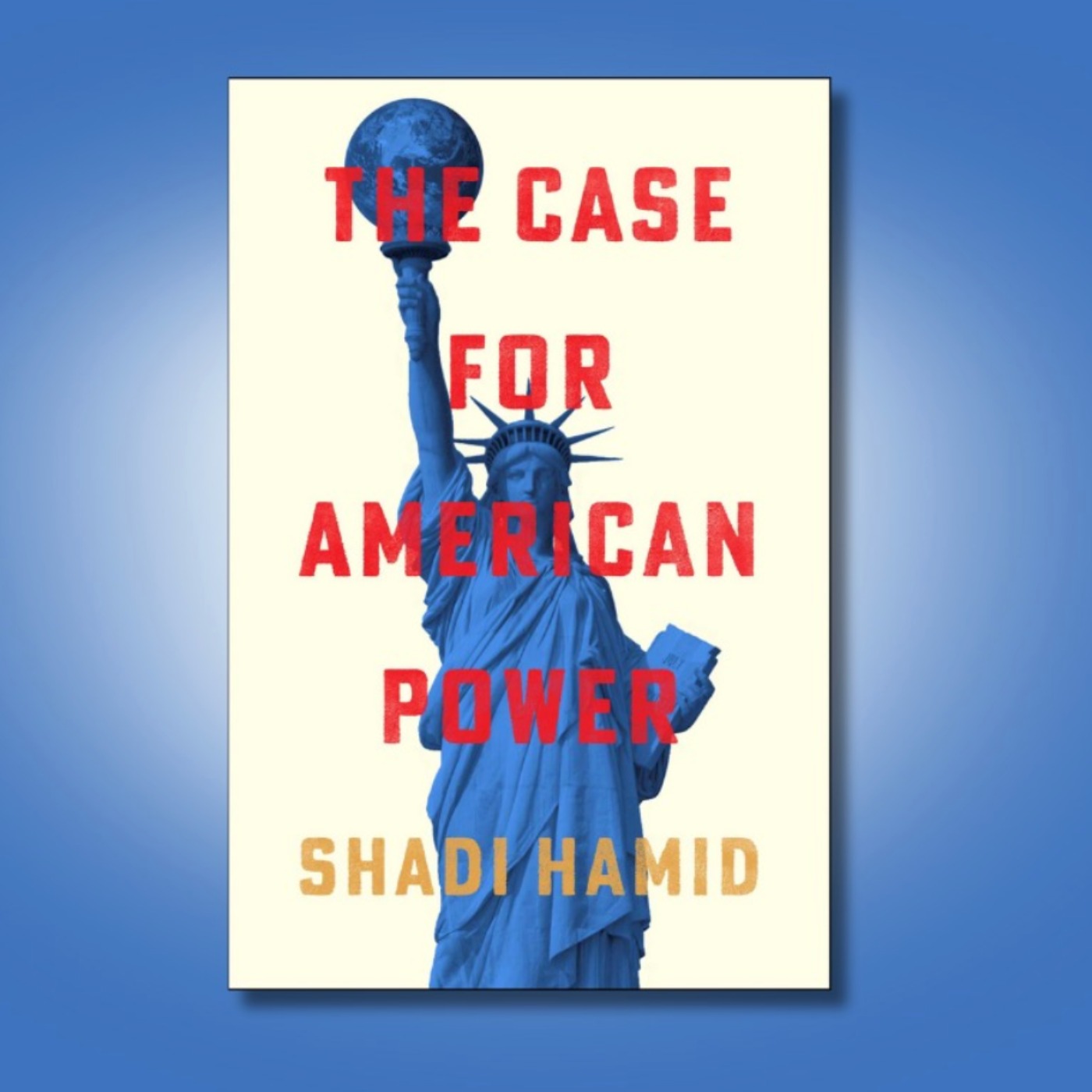
Freddy Gray speaks to Shadi Hamid, author of the book The Case for American Power, which explores – and puts forward – the case for American power in spite of Donald Trump.
Hosted on Acast. See acast.com/privacy for more information.
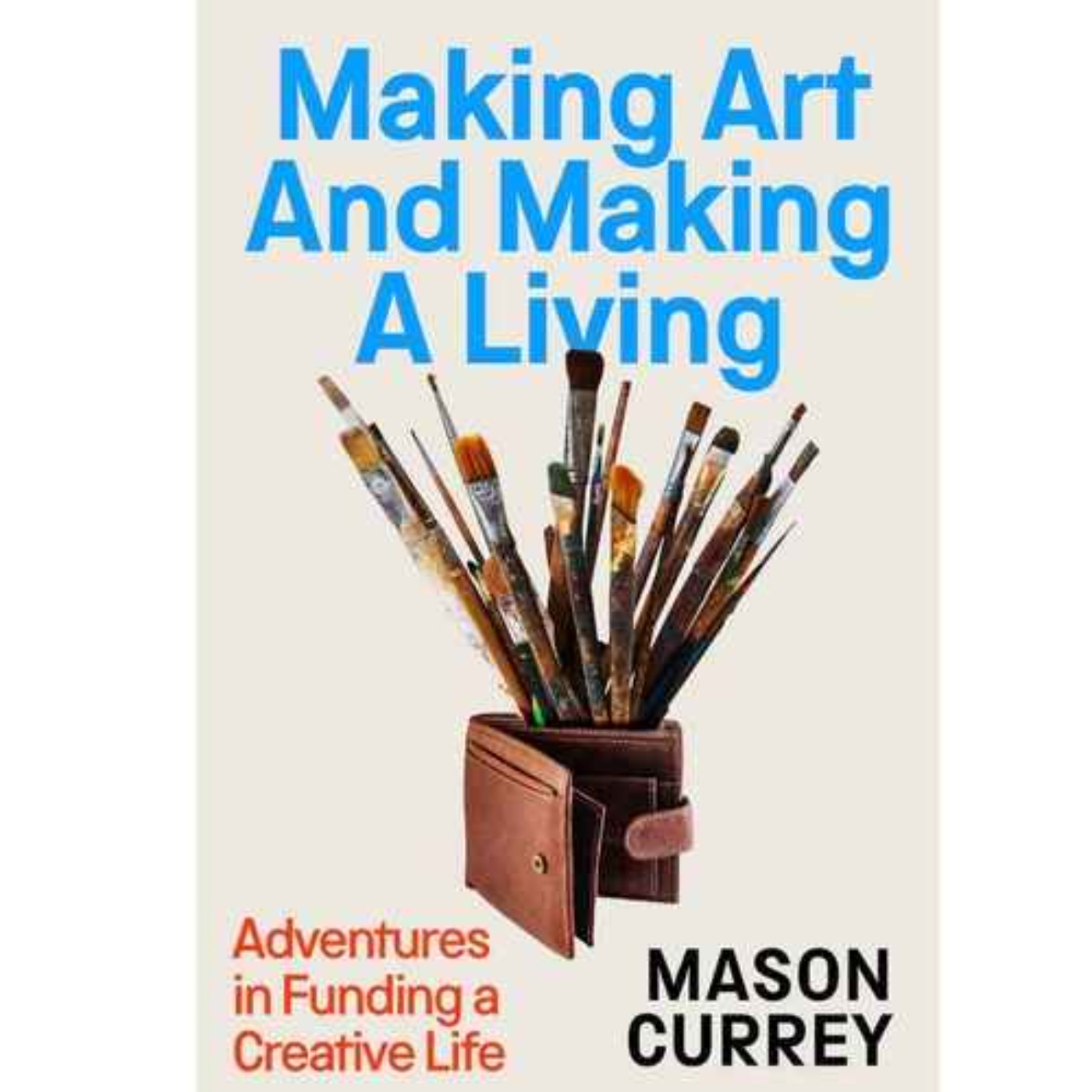
My guest in this week's Book Club podcast is Mason Currey, author of the new book Making Art and Making a Living: Adventures in Funding a Creative Life. He tells me how artists, writers and composers have wrangled through history with the challenge of scraping by, and how that has affected their art, from Baudelaire's lifelong outrage at being forced to live on an allowance and John Berryman's disastrous stint as a door-to-door encyclopaedia salesman to Haydn reinventing the musical idiom of his time because he was so far in the boondocks with his day job that he didn't know what the musical idiom of his time was, exactly.
Hosted on Acast. See acast.com/privacy for more information.

Melania Trump delivered a televised statement correcting the record on the rumours about her relationship with Jeffrey Epstein. Has this backfired? Also on the podcast, Freddy Gray and Americano favourite Jacob Heilbronn discuss the latest ceasefire negotiations with Iran and Trump’s feud with is former MAGA fans, Tucker Carlson, Ann Coulter and Candace Owens.
Hosted on Acast. See acast.com/privacy for more information.
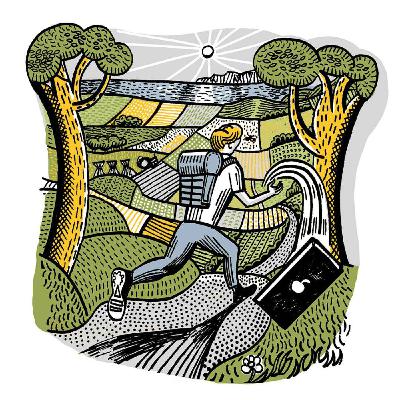
On this week’s Spectator Out Loud: Catherine Ostler, the former editor of Tatler, ponders the drama of the courtroom as she travels around the Kent countryside; following the news of the ceasefire with Iran, Paul Wood says that no-one knows what Trump will do next; John Power encourages Gen Z men to go hiking; and finally, astrophysicist David Whitehouse explores the dark side of the moon. Produced and presented by Patrick Gibbons.
Hosted on Acast. See acast.com/privacy for more information.
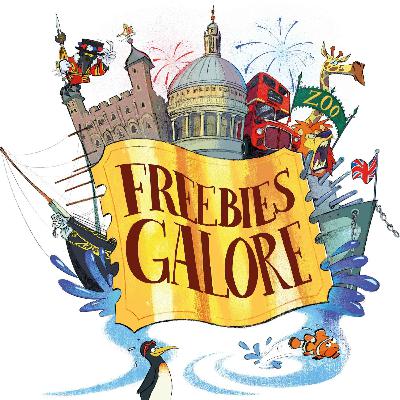
Has Britain become a freeloader’s paradise, asks the Spectator’s economics editor Michael Simmons in our cover piece this week. Michael analyses ‘the benefits of benefits’, at a time when Britain’s welfare bill is burgeoning and most households are struggling with cost of living. For example, while a family of four can expect to pay £111 to visit the Tower of London, that is just £4 total on Universal Credit (UC), and for London Zoo it is £108 compared to £26. Michael is not arguing against the idea of helping those in need, but pointing out that – as the benefits bill continues to increase – this is another case of governments prioritising ‘welfare over work’ and ultimately squeezing the working poor. And the problem is set to continue: ‘we are nowhere near peak welfare’ Michael warns. Is the system fair?On this week’s Edition, Lara Prendergast is joined by Michael, assistant content editor William Atkinson and political commentator – and founder of Conservative Home, Tim Montgomerie. William argues that such discounts are part of the ‘infantilisation’ of those on UC and that there has been a systematic failure to confront the structural issues preventing people from returning to work. While Tim, a Reform supporter, defends Nigel Farage’s pledge to retain the Triple Lock for pensioners, on the grounds of achieving power. Also on the episode: does Britain need 'Anglo-Gaullism' – and could Nigel Farage be the answer; are we about to see the end of Viktor Orban – and why have some conservatives changed their minds on the Hungarian Prime Minister; should Kanye West have been banned from Britain; and the Artemis II moon mission – inspiring, restoring faith in America’s ability to lead, too expensive – or all three?Produced by Patrick Gibbons.
Hosted on Acast. See acast.com/privacy for more information.
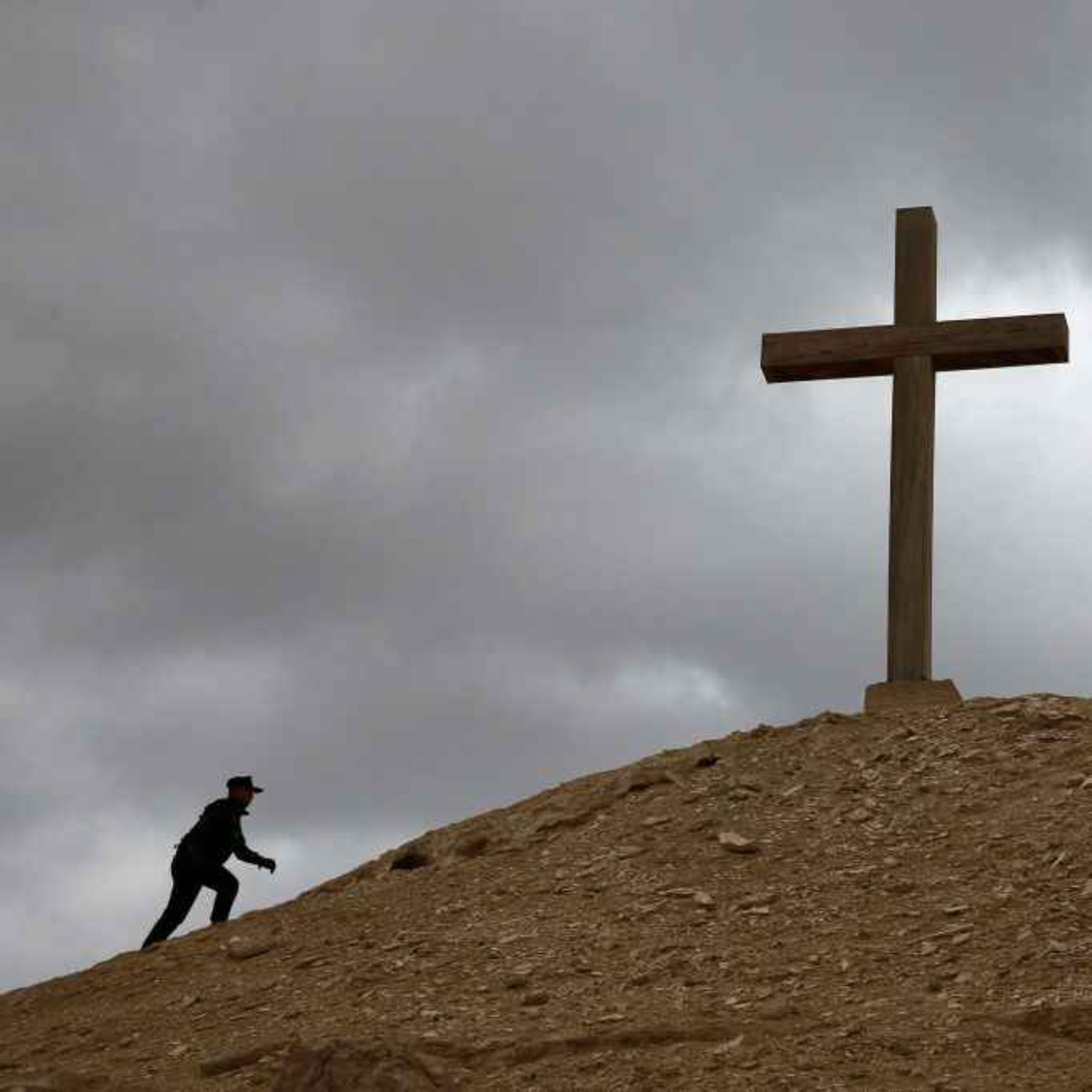
The past year has seen a deluge of reports and investigations about young people finding faith and flocking back to Christianity – including here on Holy Smoke. All roads lead back to a Bible Society study which claimed that – backed up by polling from YouGov – a ‘quiet revival’ was underway. Yet, one year on, YouGov has pulled the survey due to data errors and the Bible Society was forced to apologise. While the credibility of the survey is undermined, this doesn’t necessarily chime with anecdotal evidence from some quarters. So what is the truth behind the ‘quiet revival’? Justin Brierley, broadcaster and founder of Think Faith, joins Damian Thompson to provide his more optimistic assessment: that while the story might not be what it seemed, that doesn’t mean that nothing is happening. Could the decline in religious adherence seen over the past few decades be slowing? And what would his advice be to struggling parish churches, and to the new Archbishop of Canterbury Sarah Mullally?Produced by Patrick Gibbons.
Hosted on Acast. See acast.com/privacy for more information.
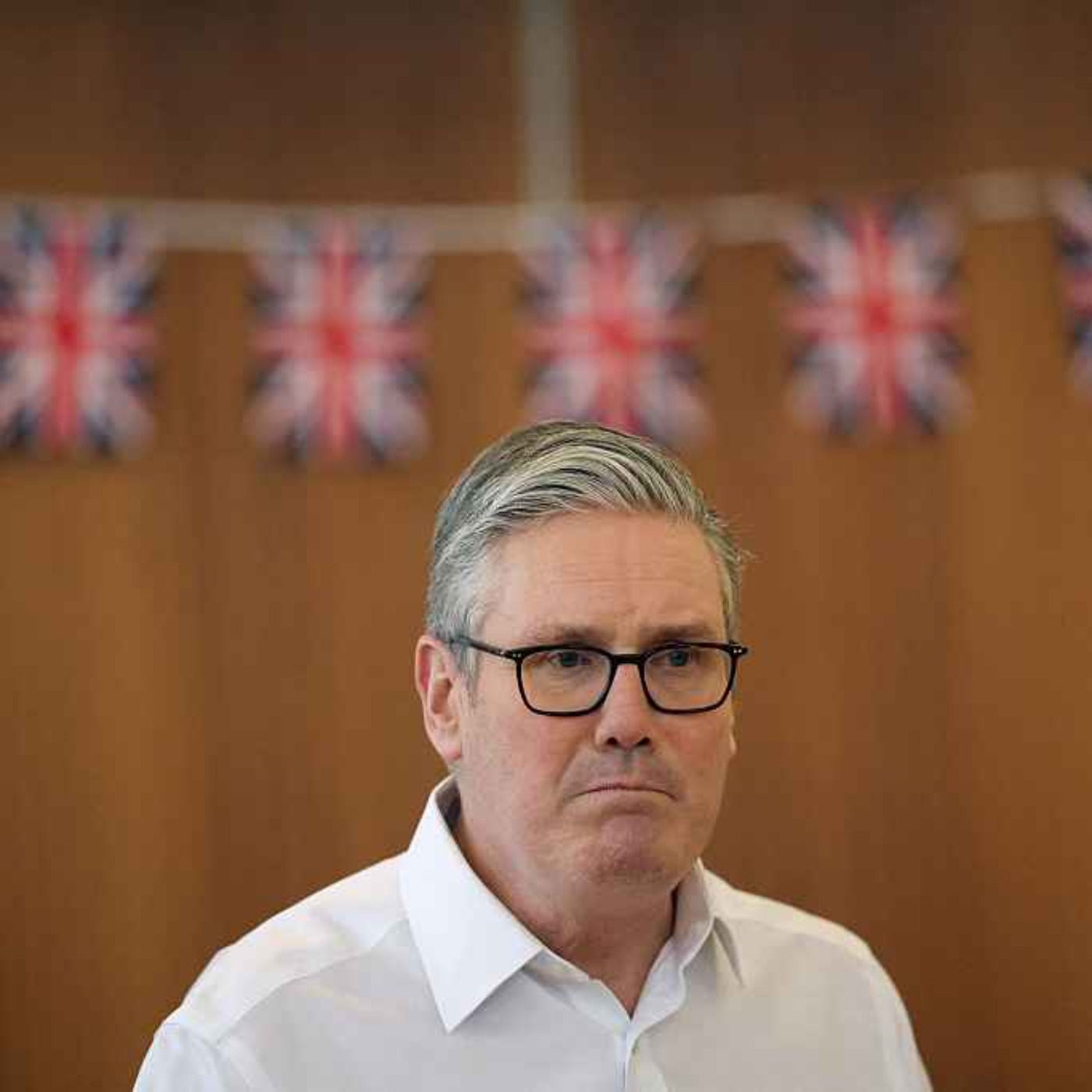
Opinion polls consistently show Keir Starmer as one of the most unpopular Prime Ministers in history. His critics point to inertia and a lack of vision, while his supporters argue that media spin is harming the image of a decent man. Less than two years on from Labour's landslide victory, broadcaster Lewis Goodall joins James Heale to try to answer the question 'where did it all go wrong?' – a subject which Lewis explores in a Channel 4 Dispatches documentary. Lewis explains the factors at play, from Starmer's personality and Labour party politics to the effect that the Conservative Party's implosion had on Labour's preparedness for government. Is Starmer a politician from a bygone era? Or, following on from a run of unpopular Tory leaders, is modern British politics simply ungovernable?Produced by Patrick Gibbons and Megan McElroy.
Hosted on Acast. See acast.com/privacy for more information.

Artemis II departed on the most ambitious mission yet, something which has not been tried for 50 years. Four astronauts were launched into the air on a ten day expedition with the aim of travelling 5000 miles past the far side of the moon. Natasha Feroze is joined by David Whitehouse, astroscientist and writer to discuss the difficulty involved in the mission, how little we think about the significance of the moon and whether the US will beat China in its quest to have footsteps back on the moon.
Hosted on Acast. See acast.com/privacy for more information.

On this week’s Spectator Out Loud: Lisa Haseldine reports from Svalbard; Matthew Parris reflects on the Iran crisis during Holy Week; Damian Thompson assesses how Pope Leo XIV is quietly reshaping the Vatican; Peter Pomerantsev reviews Jack Watling’s Statecraft; Chas Newkey-Burden provides his notes on marathons; and finally, from Provence, Catriona Olding reflects on comfort and companionship. Produced and presented by Patrick Gibbons.
Hosted on Acast. See acast.com/privacy for more information.

Advertising guru – and the Spectator's Wiki Man – Rory Sutherland joins Damian Thompson to try and tackle the question 'how would you sell Christianity – today?' If religions have previously thrived by providing a form of social network and an 'elevated trust mechanism', perhaps there ways in which they can adapt for modern society – especially as many people appear to be turning away from conspicuous consumption and searching for meaning. In this Easter special they ponder: are religious people less likely to be alcoholics? Does driving make you a better person? And are Churches today akin to the carrier pigeon of yesteryear?Produced by Patrick Gibbons.
Hosted on Acast. See acast.com/privacy for more information.
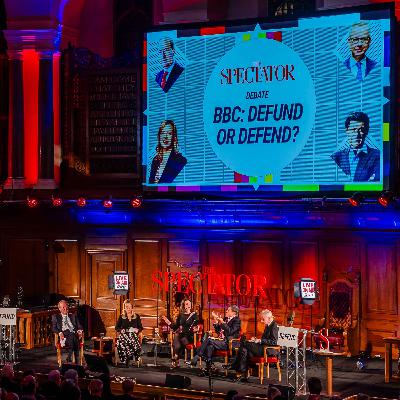
Should we defund – or defend – the BBC?Live from London, the Spectator hosted a debate on the future of this iconic British institution, compered by associate editor Isabel Hardman. The Spectator’s chairman – and long-time Beeb-critic – Charles Moore, and the Telegraph’s Allison Pearson went head-to-head with the Spectator’s editor – and former Tory cabinet minister – Michael Gove and the former BBC correspondent – now-podcaster with The Newsagents – Jon Sopel. Defund: do you agree with Lord Moore that the BBC is constantly breaking impartiality? That this issue ‘more profound than just about balance’ – that this is a systemic issue which hampers the British public’s opportunity to learn. And for Allison Pearson, the BBC that the country feels 'sentimental attachment to’ is gone, replaced today by a corporation that is ‘institutionally antisemitic’.Defend: Jon Sopel argues that the soft power of the BBC cannot be underestimated and, while guilty of many mistakes, destroying the BBC would be ‘an act of cultural vandalism akin to ISIS blowing up Palmyra’. Lord Gove argues that the BBC reflects the best of us, declaring that he backs the organisation 'not in spite of being a conservative – but because I am a conservative’.Subscribers can watch the full discussion on Spectator TV and for more events from the Spectator, go to events.spectator.co.uk.
Hosted on Acast. See acast.com/privacy for more information.

Is British politics becoming more religious? Madeline Grant certainly thinks so, arguing – in the Spectator’s cover article – that the next election could be the most religious for decades. Issues like immigration and Islam, assisted dying – and even the establishment of the Church of England are likely to play a role. The current Labour government's ‘most telling divide’, Madeline writes, is between MPs – like Shabana Mahmood and Wes Streeting – who understand religion – and 'those who don’t’. For the Edition’s Easter special, host Lara Prendergast is joined by vicar – and Madeline’s husband – The Rev’d Fergus Butler-Gallie, former Supreme Court justice Jonathan Sumption and the historian and broadcaster Tom Holland. They discuss why faith might be re-emerging as a live political issue: from searching for meaning in modern life, to a reaction against an ‘anaemic form of post-Christianity’ that has dominated since the 1960s. They also ponder whether the public has always sought out authority, and a moral code, and if the current, insurgent political parties – the Greens and Reform – have understood this, embracing a ‘moral energy’ which has proven attractive to a large portion of the electorate. Plus: is having Anglican Bishops in the House of Lords ‘an anomaly’? Why is the Church of England 'the canary in the coal mine’? And was the late Queen the 'most effective proselytiser’ for Christianity in Britain since the Georgians?Produced by Patrick Gibbons. Wishing all our listeners a very Happy Easter.
Hosted on Acast. See acast.com/privacy for more information.

Sam Leith's guest in this week’s Book Club podcast is Yann Martel, talking about coming late to Homer, definitely not being influenced by Pale Fire, why he can’t resist a silly animal, and his new book Son of Nobody.
Hosted on Acast. See acast.com/privacy for more information.

One month on from calling for Keir Starmer's resignation, Anas Sarwar – the leader of Scottish Labour – joins Michael Gove to reflect on British politics ahead of the May elections. Does he stand by his call for the Prime Minister to go? And, having spoken to Wes Streeting the weekend before, what advice did his close ally give? The May local and regional elections promise to be the 'fiercest battle' for Scotland's future. Yet after over two decades in power, what does he make of polling that suggests the SNP will win – again? Is Reform posing a threat to Labour? And how can Scottish Labour offer a realistic alternative? Plus: which Westminster cabinet minister would he like to see campaign in Scotland – and who are his political heroes?Produced by Oscar Edmondson and Patrick Gibbons.
Hosted on Acast. See acast.com/privacy for more information.

Steven Crowder, host of Louder with Crowder joins Freddy Gray to discuss the warring factions in the podcast world, worsened since Charlie Kirk's assassination; the global leftwing alliance promoting communism in Cuba, whether Trump was wrong to attack Iran & why the Mark Carney kowtowed to China.
Hosted on Acast. See acast.com/privacy for more information.
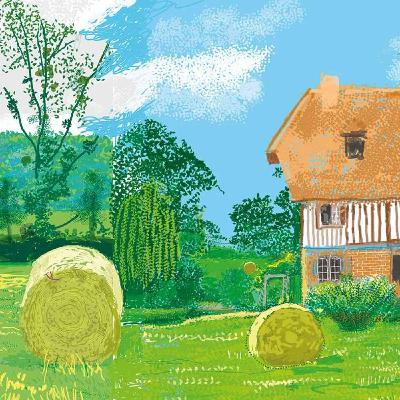
On this week’s Spectator Out Loud: looking back to 1973, Tim Shipman wonders how bad the energy crisis could get; Ben Clerkin interviews Steve Hilton, the former Cameron aide running to be California’s next governor; Maxwell Marlow explains how to solve the student debt crisis; and finally, ‘disorientatingly enjoyable’ is the verdict of Hermione Eyre as she reviews David Hockney at the Serpentine. Produced and presented by Patrick Gibbons.
Hosted on Acast. See acast.com/privacy for more information.
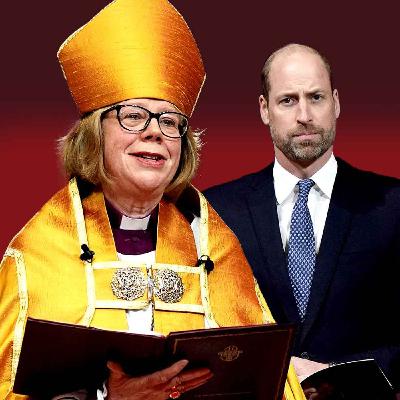
Dame Sarah Mullally has been enthroned as the Archbishop of Canterbury, the first female head of the Church of England. Prince William attended as the representative of the Monarch and – as heir to the throne – the person who will one day become Supreme Governor of the Church. His attendance came a few days after an interview appeared in The Times where Prince William seemed to be pressing 'reset' on his relationship with faith. Friend of Holy Smoke, The Daily Mail’s Robert Hardman – author of the forthcoming biography Elizabeth II. In Private. In Public. The Inside Story – and Anglican priest The Rev'd Fergus Butler-Gallie, join Damian Thompson to discuss the Prince's faith, what the enthronement ceremony tells us about the current state of the Church of England – and what we can expect from Mullally's era.Produced by Patrick Gibbons.
Hosted on Acast. See acast.com/privacy for more information.

As Reform chips away at the Tory vote, the Conservatives face a stark choice – join forces with Nigel Farage or fight alone. James Heale, The Spectator’s deputy political editor, will be joined by Conservative peer Daniel Hannan, journalist and politician Paul Goodman, shadow cabinet member Victoria Atkins, and former Brexit secretary David Davis as they lock horns over what a Conservative–Reform pact might look like – and whether it should happen at all.
Hosted on Acast. See acast.com/privacy for more information.


Download from Google Play

Download from App Store
 United States
Super content - thank you.
Thank you! You are absolutely right!! Unfortunately, our Aus government will not do anything for the good Aus people. They will punish the good people of Aus with suppression. I, and many of us are extremely furious!!!!@! We are thinking of the Jewish community and those who died.
anti semtism has been reduced to a pathetic fig leaf doomed to irrelevance by genocidal psychopaths that you are insidiously protecting making you directly complicit in genocide. shame on you
Brilliant!
I can not believe how far off the mark this woman is, and with the brazen confidence she possesses. Woman-splaining about men's apparent problems. How can society solve men's problems by treating them exactly how we've been solving women's problems? "...Taking on more feminine traits"... "and having fabulous makeovers. " Men are not women, so Moran seems to neglect. Of all the statistics she gives, she insists that men need to talk, express themselves, and cry in the way that women do. She demonstrates that she knows nothing of evolutionary psychology of the sexes, perhaps listening and reading more broadly and perhaps a professor of clinical psychology with over 35 years of clinical practice and teaching at Harvard may know better, but obviously, Jordan Peterson. She gives the most typical left-wing feminist view of the apparent monster that Dr. Jordan Peterson is and goes on to mischaracterise his book. Nothing interesting, valid, or new. Quite boring. She says that she uses the same
A gratuitous reference to 'atheist' in the title there, as if that was the salient issue with North Korea. But otherwise, good of The Spectator to focus some attention on the evil regime there.
one sided as usual
I will listen to this and give it a chance. However I really hope it's not gonna be full of bullshit. These Replicans have a terrible habit of making stuff up or lying to put it more succinctly.
I was very disappointed to find a contribution from Jacob Rees-Mogg on here. I can save everyone time from listening to it as it was nonsensical twaddle laced with obligatory lies. The usual stuff from this repulsive individual.
correction: the damage caused by *the response to* the pandemic.
Harry is a disgrace. stitching up his own family with a tissue of lies, to enrich himself and make a reasonably pretty girl (a 39 yr old divorced actress) like him. Big big error.
Max comes across as way to London centric.
Similar to the story about Genghis Khan on the Mongols. Yes they were brutal but they had freedom of religion, the promotion of people on merit, appreciation of art, they spread literacy, and many many other positive attributes. And that was back in the 13th century, while Europe was deep in the dark ages, eating mud for dinner.
what....the..fuck...
I found the... attitude... of the guests this week pretty dismissive of the Chinese Trump supporters.
Religious elite in corruption shock. Imagine my surprise.
this lady started as an interesting perspective but ended as a completely useful idiot for the CCP. She even washes over the Uigher genocide. what a disgraceful woman. great show as always, Cindy.
a ridiculous statement in this podcast. "this is driven by racism, anti-Communist racism." yeah obviously Communism is a race now. clown.
These people are the WORST of the Spectator
An interesting listen...