


 Claim Ownership
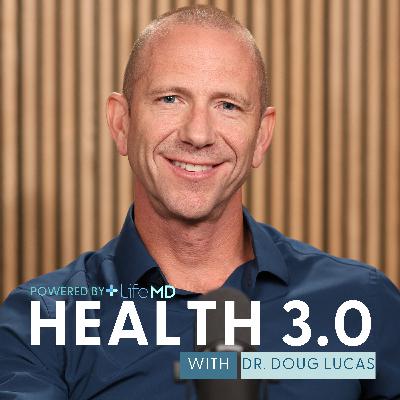
Health 3.0 w/ Dr. Doug Lucas
Subscribed: 3Played: 41
Subscribe

© LifeMD
Description
Welcome to the Health 3.0 Podcast, where the innovators shaping the future of healthcare share insights YOU need to take control of your health today.
Health 3.0 is for adults in their 30s, 40s, 50s, and beyond who feel stuck in a system built for sick care—not long-term health. It’s also for clinicians and leaders who know prevention, education, and patient autonomy must be part of modern medicine. The show breaks down what’s broken, what’s changing, and how to make smarter, proactive health decisions now.
Health 3.0 is for adults in their 30s, 40s, 50s, and beyond who feel stuck in a system built for sick care—not long-term health. It’s also for clinicians and leaders who know prevention, education, and patient autonomy must be part of modern medicine. The show breaks down what’s broken, what’s changing, and how to make smarter, proactive health decisions now.
14 Episodes
Reverse
For decades, women’s midlife health has been governed by rigid medical algorithms that prioritize fertility and "rule-out" diagnostics over actual quality of life. Dr. Tara Scott, a triple board-certified OB/GYN and functional medicine expert, joins Dr. Doug to expose why the conventional "one-size-fits-all" approach to menopause and low libido is leaving millions of women in a hormonal void. We break down the complex science of personalized hormone protocols and why reclaiming female sexual health requires looking far beyond a standard estrogen patch.In this episode, you will learn:The Mechanism: Female desire is a multi-layered biological process involving the "diurnal variation" of testosterone, which peaks in the morning, and the delicate interplay of estradiol, progesterone, DHEA, and cortisol.The Protocol: Effective treatment requires a holistic assessment that balances hormone replacement with lifestyle factors like stress management and relationship health, often moving beyond FDA-approved products that Dr. Scott notes only "marginally work".The History: The 2002 Women's Health Initiative (WHI) study created a decade-long "taboo" around hormone replacement therapy, causing a significant void in menopause training for traditionally trained physicians.The Concept: The "Algorithm vs. Personalization"—conventional medicine follows a rule-out-tumor-and-prescribe-X approach, whereas Health 3.0 uses integrative testing to find the "why" behind systemic symptoms.Quotable Moments"I could cut a baby out in a minute in a C-section... but there’s virtually no training in menopause.""For some women, it’s not hormone replacement, it’s husband replacement therapy... the conversation around sex seems to just be mysteriously gone."Key Moments(00:00) - Intro(03:08) - From OBGYN to Functional Medicine(13:42) - Impact of the 2002 WHI Study(21:15) - Conventional Medical Algorithms vs. Personalization(30:22) - Solving the Midlife Libido Gap(38:47) - Complex Hormonal Drivers in Women(45:10) - Understanding Female Testosterone Diurnal Variation(52:30) - Stress, Cortisol, and Hormonal Decline(59:15) - 2019 Global Consensus on Testosterone(01:06:40) - Reclaiming Female Sexual SatisfactionFeatured ResourcesResearch: The Global Consensus on Testosterone (2019)Research: The Women's Health Initiative (WHI) Study (2002)Connect with Dr. Tara ScottWebsite: drtarascott.comInstagram: @hormonegurumdSupport the ShowIf you found value in this episode, please subscribe and share it with someone who needs to take control of their health.Apple Podcasts: Listen on Apple PodcastsSpotify: Listen on SpotifyYouTube: Watch on YouTubeConnect with Dr. DougWebsite: LifeMD | Health 3.0 with Dr. Doug LucasInstagram: @drdouglucasLinkedIn: Dr. Doug Lucas on LinkedInPowered by LifeMDWebsite: LifeMD official siteInstagram: @lifemdLinkedIn: LifeMD on LinkedInDisclaimers: The views and opinions expressed by the host and guests in this podcast are their own and do not necessarily reflect the official policy or position of LifeMD or Health 3.0.The content of this podcast is for educational purposes only and does not constitute medical advice, diagnosis, or treatment. Always seek the advice of your physician or other qualified health provider with any questions you may have regarding a medical condition.
For over 150 years, our healthcare system has operated under the cold certainty of algorithms, often forcing patients to leave their sovereignty and "innate knowing" at the clinic door. Dr. Lisa Koche, a triple-board certified physician and founder of Spectra Wellness, understands the cost of this disconnect better than most; after surviving childhood leukemia and chemo-induced heart failure, she realized that the data on her chart didn't match the reality of her internal experience.We explore the radical frontier of "Health 3.0," where clinical expertise meets quantum healing. We break down why your mitochondria are more than just powerhouses—they are environmental sensors that respond to your stress, your surroundings, and even your spiritual state. Dr. Koche shares her four-pillar framework for moving beyond "sick care" to reclaim control of the nervous system and access the high-performance state of transcendence.In this episode, you will learn:• The Mechanism: Mitochondria act as the "canary in the coal mine," physically shifting shape from "spaghetti" (relaxed/resource sharing) to "meatballs" (stressed/defensive) based on the safety of their environment.• The Protocol: Reclaiming the nervous system through "vagal tone" stimulation—using tools like the Apollo vibration device for 60 minutes a day—to signal safety to the cells before attempting complex biohacks.• The History: Since the early 1900s, medical education has largely stripped away the spiritual and intuitive components of healing in favor of standardized, data-driven "compliance".• The Concept: The Cell Danger Response (CDR)—a metabolic state where cells become impermeable to healing (including peptides and stem cells) if the nervous system remains in a chronic state of threat.Quotable Moments"We are so brain-centered instead of heart-centered. Going with your heart is going against the grain, but your heart space speaks to your brain more than the other way around."Key Moments(0:00) - Intro(02:55) - Gift of childhood leukemia(05:50) - Validating the "Muscle Testing" debate(13:53) - The Four Pillars: Reclaim, Heal, Optimize, Transcend(15:53) - Can you grow back a thyroid?(17:43) - Measuring energy with the Me-Screen(20:59) - Apollo: Vibrational vagal tone tools(25:27) - Mitochondria under the microscope(33:05) - The Unwritten Prescription(35:57) - Addressing the spiritual piece(43:09) - Mitochondria as internal clocks(46:04) - The chloroplast/mitochondria plant analogy(50:06) - Modern distractions vs. spiritual sovereigntyFeatured Resources• Book: The Unwritten Prescription by Dr. Lisa Koche – Amazon• Technology: Apollo Neuro (Nervous System Tracker) – apolloneuro.com• Diagnostic: Me-Screen Mitochondrial Test – mescreenmitochondria.comConnect with Dr. Lisa Koche• Website: drlisakoche.com• Clinic: Spectra Wellness Solutions – spectrawellness.com• Instagram: instagram.com/dr.lisakocheSupport the ShowIf you found value in this episode, please subscribe and share it with someone who needs to take control of their health.Apple Podcasts: Listen on Apple PodcastsSpotify: Listen on SpotifyYouTube: Watch on YouTubeConnect with Dr. DougWebsite: LifeMD | Health 3.0 with Dr. Doug LucasInstagram: @drdouglucasLinkedIn: Dr. Doug Lucas on LinkedInPowered by LifeMDWebsite: LifeMD official siteInstagram: @lifemdLinkedIn: LifeMD on LinkedInDisclaimers: The views and opinions expressed by the host and guests in this podcast are their own and do not necessarily reflect the official policy or position of LifeMD or Health 3.0.The content of this podcast is for educational purposes only and does not constitute medical advice, diagnosis, or treatment. Always seek the advice of your physician or other qualified health provider with any questions you may have regarding a medical condition.
For decades, the idea of "growing" a replacement heart or kidney was dismissed as the fever dream of science fiction writers, leaving millions of patients trapped on waitlists where they literally wait for someone to die to save their own lives. Dr. Anthony Atala—an internationally recognized surgeon, director of the Wake Forest Institute for Regenerative Medicine, and the first person to ever engineer functional human organs for implantation—joins the show to explain why that "fictional" future is already happening. The conflict is no longer about if we can grow human tissue, but how quickly we can scale these biological miracles to end the era of organ rejection and chronic shortage once and for all.We explore the groundbreaking science of tissue engineering and bioprinting. We break down the shift from simple skin grafts to the complex 3D printing of solid organs like livers and kidneys. Dr. Atala provides a masterclass on how we are currently "rebooting" failing organs using a patient’s own cells to bypass the toxic side effects of anti-rejection medications.In this episode, you will learn:The Mechanism: How scientists take a biopsy the size of a postage stamp, expand the cells outside the body, and "seed" them onto a degradable scaffold that the body eventually replaces with its own natural tissue.The Protocol: The four levels of organ complexity—from flat structures (skin) and tubular structures (blood vessels) to hollow organs (bladder) and solid organs (kidney)—and how the current clinical approach varies for each.The History: Why regenerative medicine has been limited to small-scale clinical trials for 20 years and the regulatory hurdles required to move a "lab-grown" organ into widespread distribution.The Concept: "Organ-on-a-chip" technology, which creates miniature "patient avatars" to test drug safety and efficacy without ever putting the actual human at risk.Quotable Moments"We basically take a small biopsy from the patient... less than half the size of a postage stamp... expand those cells outside the body... and put them right back into the patient.""Your body has this great reserve. It's only when you give up all that reserve [over 90%] that you start having challenges."Key Moments(0:00) - Intro(03:39) - Engineering first human bladder(07:22) - Four levels of complexity(12:15) - Expanding cells from biopsies(18:41) - Using the extracellular matrix(25:56) - Bioprinting functional human tissue(31:07) - Stem cell clinic warnings(38:44) - Testing drugs on chips(44:12) - Fighting aging with regeneration(50:33) - Ending the organ shortage(55:11) - Printing organs in space(58:40) - Universal access to healthcareFeatured ResourcesResearch: Regenerative Medicine: A Review by Dr. Anthony Atala – Read on PMCResearch: Clinical trial results for 3D printed tissue (Science Advances) – Read on Science AdvancesConnect with Dr. Anthony AtalaWebsite: Wake Forest Institute for Regenerative Medicine – Visit WFIRMTwitter/X: @WFIRMnewsSupport the ShowIf you found value in this episode, please subscribe and share it with someone who needs to take control of their health.Apple Podcasts: Listen on Apple PodcastsSpotify: Listen on SpotifyYouTube: Watch on YouTubeConnect with Dr. DougWebsite: LifeMD | Health 3.0 with Dr. Doug LucasInstagram: @drdouglucasLinkedIn: Dr. Doug Lucas on LinkedInPowered by LifeMDWebsite: LifeMD official siteInstagram: @lifemdLinkedIn: LifeMD on LinkedInDisclaimers: The views and opinions expressed by the host and guests in this podcast are their own and do not necessarily reflect the official policy or position of LifeMD or Health 3.0.The content of this podcast is for educational purposes only and does not constitute medical advice, diagnosis, or treatment. Always seek the advice of your physician or other qualified health provider with any questions you may have regarding a medical condition.
You are being lied to by the very industry meant to save you—our modern food system is nutritionally bankrupt, and the supplement shelf is a minefield of fraudulent placebos. Dr. Doug Lucas, VP of Health and Hormone Optimization at LifeMD, pulls back the curtain on why even a "perfect" diet leaves you with dangerous micronutrient gaps in an increasingly high-stress world.We break down the science of strategic supplementation, moving beyond the "multivitamin" myth to explore how to use specific molecules as precision tools for longevity. We explore the essential framework for identifying high-quality products and the specific "stack" required to protect your heart, bones, and brain.In this episode, you will learn:The Mechanism: How modern agricultural practices and high-stress environments create "super-physiologic" demands that traditional diets can no longer meet.The Protocol: The "Goal-Timeline-Reevaluate" framework for tracking supplement efficacy and avoiding indefinite, useless pill-popping.The History: Why previous generations didn't require the same micronutrient support that Health 3.0 practitioners do today.The Concept: The distinction between "Filling Gaps" (replacing what's missing) versus "Super-physiologic dosing" (using compounds at levels not found in nature for specific performance gains).Quotable Moments"Supplements are not foundational. Supplements are supplemental.""The biggest problem I see in the supplement space right now is fraudulent products... manufacturing things that don’t have in them what they say is in them."Key Moments(00:00) — Intro(04:32) — Vitamin D deficiency impact(08:03) — B-vitamins and modern stress(11:59) — Creatine boosts cellular energy(15:24) — Fish oil heart benefits(19:18) — Collagen improves skin aging(23:32) — Avoid low-quality supplementsFeatured ResourcesResearch: Third-Party Testing Standards (NSF/USP/Consumer Lab) – Learn moreSupport the ShowIf you found value in this episode, please subscribe and share it with someone who needs to take control of their health.Apple Podcasts: Listen on Apple PodcastsSpotify: Listen on SpotifyYouTube: Watch on YouTubeConnect with Dr. DougWebsite: LifeMD | Health 3.0 with Dr. Doug LucasInstagram: @drdouglucasLinkedIn: Dr. Doug Lucas on LinkedInPowered by LifeMDWebsite: LifeMD official siteInstagram: @lifemdLinkedIn: LifeMD on LinkedInDisclaimers: The views and opinions expressed by the host and guests in this podcast are their own and do not necessarily reflect the official policy or position of LifeMD or Health 3.0.The content of this podcast is for educational purposes only and does not constitute medical advice, diagnosis, or treatment. Always seek the advice of your physician or other qualified health provider with any questions you may have regarding a medical condition.
For over twenty years, a "void of education" has left a generation of physicians terrified of the very hormones essential for women’s health. Dr. Felice Gersh—a double board-certified OB-GYN and integrative medicine practitioner with over 40 years of experience—witnessed the catastrophic fallout of the 2002 Women’s Health Initiative (WHI) firsthand. In this episode, she exposes how the medical system abandoned women’s longevity for fear of a study that used the wrong products on the wrong people.In this episode, we explore the science of hormonal optimization and the systemic shifts needed to move beyond "bare minimum" care. We break down the historical misuse of equine-derived hormones and the critical importance of human-identical estradiol and progesterone for protecting the heart, brain, and bones.In this episode, you will learn:The Mechanism: How the loss of ovarian hormones (ovarian senescence) triggers a systemic decline across multiple organ systems, including the vascular and neurological systems.The Protocol: The necessity of moving toward physiologic, cyclic dosing of human-identical hormones that mirrors a woman's natural reproductive cycle.The History: The origins of the "Menopause Fear Era" following the 2002 WHI study, which used conjugated equine estrogen (Premarin) and synthetic progestins.The Concept: Lowest Dose vs. Optimal Dose; why the "bare minimum" mantra treats hot flashes but fails to address long-term healthspan.Quotable Moments"The lowest dose applies to poison. For everything else that’s good, it’s the optimal best dose.""We have over 80% of practitioners today who were taught nothing about menopause, and what little they were taught was wrong."Key Moments(00:00) — Intro(02:24) — Decades of women's care experience(08:14) — Horse urine hormone study flaws(14:43) — Medical education's missing hormone training(19:24) — Why modern doctors fear HRT(22:27) — Pre-2002 cyclic hormone protocols(27:52) — Evolution of transdermal hormone delivery(35:55) — Bare minimum doses fail bones(45:48) — Why blood testing is essential(55:53) — Progesterone's heart and brain benefits(1:07:23) — Hallucinations regarding synthetic progestins(1:11:50) — Independent thinking in medical careFeatured ResourcesBook: Feminine Forever by Robert A. Wilson – Feminine Forever (Goodreads)Research: The Women's Health Initiative (WHI) 2002 Study – Full text (JAMA)Transcript: Read the full transcript here: [Link]Connect with Dr. Felice GershWebsite: Integrative Medical Group of IrvineInstagram: @dr.felicegershBook/Course: PCOS SOS (Amazon) | Online CoursesSupport the ShowIf you found value in this episode, please subscribe and share it with someone who needs to take control of their health.Apple Podcasts: Listen on Apple PodcastsSpotify: Listen on SpotifyYouTube: Watch on YouTubeConnect with Dr. DougWebsite: LifeMD | Health 3.0 with Dr. Doug LucasInstagram: @drdouglucasLinkedIn: Dr. Doug Lucas on LinkedInPowered by LifeMDWebsite: LifeMD official siteInstagram: @lifemdLinkedIn: LifeMD on LinkedInDisclaimers: The views and opinions expressed by the host and guests in this podcast are their own and do not necessarily reflect the official policy or position of LifeMD or Health 3.0.The content of this podcast is for educational purposes only and does not constitute medical advice, diagnosis, or treatment. Always seek the advice of your physician or other qualified health provider with any questions you may have regarding a medical condition.
Most of us are fighting an uphill battle against a "metabolic mess" designed by a modern world that favors ultra-processed "Franken foods" over human health. For Dr. Doug Lucas, this isn’t just a professional observation—it’s a personal mission. Growing up in a family where nearly every adult struggled with severe obesity, he realized early on that "standard" medical advice often fails those with a genetic predisposition toward weight gain. This episode exposes the gap in the traditional "sick care" model that ignores you until you are already broken, and offers a blueprint to reclaim your biology before the damage becomes permanent.In this episode, we move beyond the superficial "eat less, move more" mantra to explore the data-driven science of the four foundational lifestyle pillars: Nutrition, Sleep, Exercise, and Mindset. We break down how to use tools like Continuous Glucose Monitors (CGMs) to identify hidden glucose spikes, the evolutionary non-negotiables of Deep and REM sleep, and the specific hierarchy of resistance training required for lifelong bone and muscle health. This is a masterclass in bio-individualization, providing the protocols you need to transition from a passive patient to the active CEO of your own health.In this episode, you will learn:The Mechanism: How ultra-processed "Franken foods" bypass natural communication with the body, remaining calorie-dense but nutrient-poor, which drives persistent hunger despite high calorie intake.The Protocol: The "8-hour window" strategy to ensure adequate sleep and the prioritization of high-intensity resistance training to stimulate both muscle and bone health.The History: Why sleep is an evolutionary necessity preserved across every species on the planet, and how modern "social jet lag" creates a net negative for our internal biological clocks.The Concept: Orthorexia—the point where the pursuit of "clean" habits becomes so extreme that it provokes anxiety and negatively impacts your quality of life.Quotable Moments"Those who think they have not time for bodily exercise will sooner or later have to find time for illness.""Knowledge is potential power... Knowledge plus action is power."Key Moments(00:00) — Intro(05:07) — Ultra-processed food harms(10:12) — Powerful tracking tools(15:18) — Glucose spikes explained(20:25) — Sleep impacts longevity(25:32) — Deep vs REM sleep(30:45) — Technology for sleep data(35:58) — Why sleep deprivation harms(41:06) — Stress and mindset role(46:12) — Exercise for longevity(51:24) — Preventing chronic disease(55:10) — Defining your lifestyle pillarsFeatured ResourcesBook: Why We Sleep by Dr. Matt Walker – Why We Sleep (Goodreads)Book: Mindset: The New Psychology of Success by Carol Dweck – Mindset (Goodreads)Research: Sleep Duration and All-Cause Mortality (systematic review and meta-analysis) – Full text (PMC)Support the ShowIf you found value in this episode, please subscribe and share it with someone who needs to take control of their health.Apple Podcasts: Listen on Apple PodcastsSpotify: Listen on SpotifyYouTube: Watch on YouTubeConnect with Dr. DougWebsite: LifeMD | Health 3.0 with Dr. Doug LucasInstagram: @drdouglucasLinkedIn: Dr. Doug Lucas on LinkedInPowered by LifeMDWebsite: LifeMD official siteInstagram: @lifemdLinkedIn: LifeMD on LinkedInDisclaimers: The views and opinions expressed by the host and guests in this podcast are their own and do not necessarily reflect the official policy or position of LifeMD or Health 3.0.The content of this podcast is for educational purposes only and does not constitute medical advice, diagnosis, or treatment. Always seek the advice of your physician or other qualified health provider with any questions you may have regarding a medical condition.
For decades, women have been told to "just deal with it" while navigating the turbulent shifts of perimenopause and infertility, often receiving a "normal" lab result while their quality of life suggests anything but. In this episode, Dr. Doug is joined by Dr. Amy Divaraniya, founder and CEO of Oova, and Dr. Mary Parman, a double board-certified OB-GYN and menopause specialist, to bridge the gap between dismissive conventional care and a data-driven future. Together, they explore the "controversial" space of hormone testing and why a single snapshot in time is failing millions of women.We break down the science of quantitative urine testing, the limitations of standard blood labs, and how the recent removal of certain "black box" warnings is finally opening the door for personalized hormone protocols. From mapping the 10-year perimenopause journey to identifying the hormonal roots of migraines and sleep disturbances, this conversation provides the roadmap for women to move from trial-and-error to clinical certainty.In this episode, you will learn:The Mechanism: Why single "spot" blood tests often return "normal" results despite severe symptoms, as sex hormones like estrogen and progesterone fluctuate significantly throughout a cycle.The Protocol: How using at-home quantitative urine testing creates a "personal hormone profile" that allows clinicians to adjust dosages based on real-time trends rather than averages.The History: The impact of the 2002 Women’s Health Initiative (WHI) study, which created a "tidal wave" of fear that caused a generation of physicians to be "untrained" in hormone replacement therapy.The Concept: The "Hormonal Signature"—the unique pattern of hormonal shifts that can predict, with 88% accuracy, exactly where a woman is in her decade-long perimenopause journey.Quotable Moments"The abnormal is the new normal. We're not robots; we don't follow these perfect textbook curves everyone is striving to hit." — Dr. Amy Divaraniya"That label [the black box warning] has caused some harm for people, just by the fact that it scared them away so much." — Dr. Mary ParmanKey Moments(00:00) Intro(02:47) Personalized Infertility and PCOS Journey(07:47) Why Blood Tests Miss Fluctuations(11:12) Estradiol Levels and Bone Health(15:58) Quantitative At-Home Hormone Testing(23:27) Adjusting HRT for Better Sleep(36:12) Mapping Perimenopause With Hormone Data(38:44) Identifying Hormonal Migraine Root Causes(45:32) FDA Black Box Warning Removal(57:04) Validating Women’s Healthcare Through Data(01:06:15) Training Doctors in Hormone LiteracyFeatured ResourcesCompany: Oova (Hormone Monitoring) – https://www.oova.life/Research: Mapping Hormonal Signatures in Perimenopause (The Menopause Society) – https://menopause.org/Connect with GuestsOova Website: https://www.oova.life/Dr. Amy Divaraniya LinkedIn: https://www.linkedin.com/in/aparna-amy-divaraniyaDr. Mary Parman LinkedIn: https://www.linkedin.com/in/maryparmanSupport the ShowIf you found value in this episode, please subscribe and share it with someone who needs to take control of their health.Apple Podcasts: Listen on Apple PodcastsSpotify: Listen on SpotifyYouTube: Watch on YouTubeConnect with Dr. DougWebsite: LifeMD | Health 3.0 with Dr. Doug LucasInstagram: @drdouglucasLinkedIn: Dr. Doug Lucas on LinkedInPowered by LifeMDWebsite: LifeMD official siteInstagram: @lifemdLinkedIn: LifeMD on LinkedInDisclaimers: The views and opinions expressed by the host and guests in this podcast are their own and do not necessarily reflect the official policy or position of LifeMD or Health 3.0.The content of this podcast is for educational purposes only and does not constitute medical advice, diagnosis, or treatment. Always seek the advice of your physician or other qualified health provider with any questions you may have regarding a medical condition.
For decades, millions of women have been unnecessarily stripped of life-changing hormones due to a culture of medical gaslighting and fear. In this foundational episode, Dr. Doug exposes how a single mismanaged press conference in 2002 derailed the health span of an entire generation. From the shocking mortality rates of hip fractures to his own personal struggle with "normal" lab results, Dr. Doug challenges the status quo of "sick care" to provide a roadmap for true hormonal autonomy.In this episode, we explore the shift from the outdated "use it only if you’re dying" mentality to the Health 3.0 framework of shared decision-making. We break down the science of bioidentical vs. synthetic molecules and why the current medical system treats men and women with a glaring double standard.In this episode, you will learn:The Mechanism: How oral and synthetic progestogens differ from transdermal bioidentical hormones, specifically regarding blood clot risk and the "first-pass" metabolism in the liver.The Protocol: Why you must advocate for "Free Testosterone" and "SHBG" testing rather than relying on misleading "Total" levels that doctors often call normal.The History: The legacy of the 2002 Women’s Health Initiative (WHI) and how its results were misrepresented to create a global rift in hormone access.The Concept: The "Saturation Model" of the prostate, which refutes the long-held myth that testosterone replacement causes prostate cancer.Quotable Moments"Hip fractures have a higher 12-month mortality than all leading reproductive cancers stacked together.""The gap in care between women and men is not biological. This gap is cultural, it is political, and it needs to be closed."Key Moments(0:00) Intro(05:54) Hip Fracture Mortality Risks(07:33) Deconstructing the WHI Study(13:02) Bioidentical vs. Synthetic Hormones(21:15) Shared Decision-Making Framework(28:48) Navigating Female Testosterone Options(35:12) Debunking Prostate Cancer Myths(42:43) Dr. Doug’s Personal JourneyFeatured ResourcesResearch: The Women's Health Initiative (WHI) Study – JAMA PublicationSupport the ShowIf you found value in this episode, please subscribe and share it with someone who needs to take control of their health.Apple Podcasts: Listen on Apple PodcastsSpotify: Listen on SpotifyYouTube: Watch on YouTubeConnect with Dr. DougWebsite: LifeMD | Health 3.0 with Dr. Doug LucasInstagram: @drdouglucasLinkedIn: Dr. Doug Lucas on LinkedInPowered by LifeMDWebsite: LifeMD official siteInstagram: @lifemdLinkedIn: LifeMD on LinkedInDisclaimers: The views and opinions expressed by the host and guests in this podcast are their own and do not necessarily reflect the official policy or position of LifeMD or Health 3.0.The content of this podcast is for educational purposes only and does not constitute medical advice, diagnosis, or treatment. Always seek the advice of your physician or other qualified health provider with any questions you may have regarding a medical condition.
For many high-achieving women, perimenopause feels like a "reverse puberty" that hijacks their bodies and minds, leaving them burned out and bloated despite doing everything "right." Cynthia Thurlow—a nurse practitioner with 25 years of experience in cardiology and women’s health—joins Dr. Doug to reveal the hidden conflict between your declining hormones and a struggling microbiome. This episode exposes the lie that midlife misery is inevitable, shifting the focus from "surviving" to thriving through the lens of the "Menopause Gut."In this episode, we explore the systemic shift in female physiology that occurs five to ten years before the final period. We break down the science of the "estrobolome"—the specific gut bacteria responsible for metabolizing estrogen—and how your lifestyle choices either act as the glue or the gasoline for hormonal inflammation.In this episode, you will learn:The Mechanism: How declining estradiol levels compromise the gut barrier, leading to "leaky gut" and systemic inflammation that affects everything from brain health to insulin sensitivity.The Protocol: Why "Digestive Rest" and circadian-aligned eating (stopping food 3 hours before bed) are non-negotiable for hormonal stability in midlife.The History: Why the "Women's Health Initiative" study created a generation of "hormone-phobic" providers and why we are finally correcting that narrative.The Concept: The distinction between Chronological Age and Biological Age, and how muscle mass (the "organ of longevity") dictates your metabolic future.Quotable Moments"Perimenopause is a time to reflect on what no longer serves us—from the food we eat to the people-pleasing habits we’ve carried for decades.""The ovaries set the pacemaker for aging in women, but the gut microbiome is the key to how well we age."Key Moments(0:00) Intro(11:15) Cynthia's Life-Threatening Health Crisis(13:44) The Estrobolome Explained Simply(22:30) Estrogen’s Role in Gut Integrity(28:27) The 30-Gram Protein Rule(35:10) Circadian-Aligned Eating Protocols(42:15) Alcohol and Hormonal Inflammation(48:50) Managing Midlife Cortisol Spikes(59:01) Personalized Medicine for WomenFeatured ResourcesBook: The Menopause Gut by Cynthia Thurlow – Pre-order the bookBook: Intermittent Fasting Transformation by Cynthia Thurlow – LinkResearch: The Estrobolome: The Gut Microbiome and Estrogen Metabolism – LinkConnect with Cynthia ThurlowWebsite: cynthiathurlow.comInstagram: @cynthia_thurlow_Podcast: Everyday WellnessSupport the ShowIf you found value in this episode, please subscribe and share it with someone who needs to take control of their health.Apple Podcasts: Listen on Apple PodcastsSpotify: Listen on SpotifyYouTube: Watch on YouTubeConnect with Dr. DougWebsite: LifeMD | Health 3.0 with Dr. Doug LucasInstagram: @drdouglucasLinkedIn: Dr. Doug Lucas on LinkedInPowered by LifeMDWebsite: LifeMD official siteInstagram: @lifemdLinkedIn: LifeMD on LinkedInDisclaimers: The views and opinions expressed by the host and guests in this podcast are their own and do not necessarily reflect the official policy or position of LifeMD or Health 3.0.The content of this podcast is for educational purposes only and does not constitute medical advice, diagnosis, or treatment.Always seek the advice of your physician or other qualified health provider with any questions you may have regarding a medical condition.
It is a strange paradox in medicine: patients often fear the side effects of prescribed osteoporosis drugs, yet blindly trust the "natural" supplement aisle without hesitation. In this episode, I expose the "Wild West" of the unregulated supplement industry and explain why standard advice—like taking massive doses of calcium—might be increasing your risk of heart attacks rather than helping your bones.In this episode, we break down the science-backed protocols for reversing bone loss without relying solely on pharmaceuticals. We explore the specific vibration frequencies that actually stimulate bone growth, the critical relationship between Vitamin D and K2, and why we need to stop viewing osteoporosis as a disease of the elderly and start treating bone health as a vital biomarker of longevity.In this episode, you will learn:The Mechanism: Why calcium supplements can cause dangerous spikes in blood calcium (increasing heart risk) if you lack the necessary co-factors to direct that mineral into the bone .The Protocol: The specific settings for whole-body vibration therapy (30-40 Hz at 2-4 mm displacement) required to trigger osteogenic effects .The Concept: Why bone density is a biomarker for healthspan and why losing bone mass in your 30s or 40s is a red flag for systemic dysfunction .The Nuance: The difference between MK-4 and MK-7 forms of Vitamin K2 and why you need them to prevent calcium from calcifying your arteries .Quotable Moments"The same group of people that are fearful of the drugs really want to take supplements... but the supplement industry is a wild and unregulated space.""Bone health is a biomarker of longevity. If you're losing bone as a young adult, something is wrong. We do not need to accept that bone loss is a part of aging."Key Moments(0:00) Intro(02:18) The Story: Fear of drugs versus supplements (04:02) The Science: Calcium spikes increase heart risks (07:58) The Warning: Most supplements are actually fake (11:12) The Mechanism: K2 directs calcium into bone (16:23) The Tool: Exact vibration frequency for growth (18:26) The Tool: Heavy loading without lifting weights(21:00) The Future: Bone density predicts your lifespan (22:21) The Crisis: Young athletes losing bone earlyFeatured ResourcesTechnology: Power Plate (Whole Body Vibration) – Learn moreTechnology: Osteo Boost (Belt Device) – Learn moreSupport the ShowIf you found value in this episode, please subscribe and share it with someone who needs to take control of their health.Apple Podcasts: Listen on Apple PodcastsSpotify: Listen on SpotifyYouTube: Watch on YouTubeConnect with Dr. DougWebsite: LifeMD | Health 3.0 with Dr. Doug LucasInstagram: @drdouglucasLinkedIn: Dr. Doug Lucas on LinkedInPowered by LifeMDWebsite: LifeMD official siteInstagram: @lifemdLinkedIn: LifeMD on LinkedInDisclaimers: The views and opinions expressed by the host and guests in this podcast are their own and do not necessarily reflect the official policy or position of LifeMD or Health 3.0.The content of this podcast is for educational purposes only and does not constitute medical advice, diagnosis, or treatment. Always seek the advice of your physician or other qualified health provider with any questions you may have regarding a medical condition.
A third of all patients who suffer a hip fracture will be dead within 12 months. That is a mortality statistic worse than many cancers, yet the conventional medical system largely sweeps osteoporosis under the rug until it is too late. As an orthopedic surgeon, I spent years treating "fragility fractures" in patients who had simply lost too much bone density to survive a fall—a tragedy that is almost entirely preventable if we stop following the outdated guideline to wait until age 65 to screen.In Part 1, we dismantle the conventional approach to bone health. We move beyond the simplistic advice of "take calcium and go for a walk" to reveal the real metabolic drivers of strong bones. We break down why low protein is a bigger risk than low calcium, why the "alkaline diet" theory is a myth, and how optimizing hormones like estradiol and testosterone can protect your independence for the next 50 years.In this episode, you will learn:The Mechanism: How the drop in estradiol during menopause triggers rapid bone loss, and why waiting until 65 to screen misses the critical window for prevention.The Protocol: The specific lifestyle pillars for building bone: eating 0.8–1g of protein per pound of ideal body weight and prioritizing resistance training over "being careful".The History: The debunking of the "Acid-Ash Hypothesis"—why eating an acidic/high-protein diet does not leach calcium from your bones, despite what popular diet trends claim.The Concept: "Fragility Fracture"—a fracture resulting from a fall from standing height or less, which signals a profound systemic failure in bone metabolism.Quotable Moments"A third of those patients after a hip fracture will die within 12 months. That's a worse mortality statistic than most cancers.""Generally this isn't a calcium problem. This is a protein problem for a lot of people."Key Moments:(0:00) Intro (3:50) The Story: Hip fractures vs. Cancer mortality (6:04) The Crisis: Screening at 65 is too late (13:22) The Myth: Debunking the "pH Diet" (16:32) The Tool: Resistance training + Impact (18:25) The Science: HRT: Test, don't guess (24:46) The Future: Previewing Part 2Support the Show:If you found value in this episode, please subscribe and share it with someone who needs to take control of their health.Apple Podcasts: Listen on Apple PodcastsSpotify: Listen on SpotifyConnect with Dr. DougWebsite: LifeMD | Health 3.0 with Dr. Doug LucasInstagram: @drdouglucasLinkedIn: Dr. Doug Lucas on LinkedInPowered by LifeMDWebsite: LifeMD official siteInstagram: @lifemdLinkedIn: LifeMD on LinkedInDisclaimers: The views and opinions expressed by the host and guests in this podcast are their own and do not necessarily reflect the official policy or position of LifeMD or Health 3.0.The content of this podcast is for educational purposes only and does not constitute medical advice, diagnosis, or treatment. Always seek the advice of your physician or other qualified health provider with any questions you may have regarding a medical condition.
The medical system was designed to treat acute trauma and infection—to save your life in a moment of crisis. But when it comes to chronic disease, that same system is outdated. As an orthopedic surgeon, I was compensated to perform surgeries, not to prevent the need for them. Today, providers find themselves "golden handcuffed" to a fee-for-service model that prioritizes volume and prescriptions over true health, leaving patients dependent on polypharmacy and doctors unable to practice prevention.In this episode, I break down the "Health 3.0" framework—a bridge between the limitations of conventional medicine and the often murky, unregulated world of functional medicine. We explore the "Health Optimization Pyramid," a strategic blueprint for prioritizing Healthspan (living well) over simply extending a Lifespan filled with disability.In this episode, you will learn:The Mechanism: How "Golden Handcuffs" (E&M coding and procedural billing) disincentivize doctors from teaching prevention and force a focus on sick care.The Protocol: The "Health Optimization Pyramid," a tiered approach to longevity starting with the "Big 4" Foundation (Nutrition, Exercise, Sleep, Mindset) before moving to hormones and pharmaceuticals.The Concept: The critical difference between Lifespan (total years lived) and Healthspan (years lived optimally without disability).The Trap: Navigating the "murky space" of functional medicine, where providers may overstep their scope and industry creates expensive products with little evidence.Quotable Moments"We are golden handcuffed to the procedures or to the drugs that we're prescribing. We're not actually encouraging health.""80% of chronic disease could be prevented by simple lifestyle choices."Key Moments(0:00) Intro(02:12) The Crisis: Profit over patient health(06:33) The Truth: Functional Medicine's "murky" reality(11:18) The Myth: "Concierge" doesn't mean better care(12:34) The Concept: Healthspan vs. Lifespan defined(14:00) The Tool: The Health Optimization Pyramid(16:03) The Warning: Sleep loss ruins metabolic health(20:47) The Science: "Normal" labs vs. Optimal health(24:11) The Protocol: Stop guessing with supplements(26:50) The Question: Is healthcare a right?Featured ResourcesOrganization: The Menopause Society – Official siteConcept: The Health Optimization Pyramid – Learn more from Dr. DougSupport the ShowIf you found value in this episode, please subscribe and share it with someone who needs to take control of their health.Apple Podcasts: Listen on Apple PodcastsSpotify: Listen on SpotifyYouTube: [YouTube link coming soon]Connect with Dr. DougWebsite: LifeMD | Health 3.0 with Dr. Doug LucasInstagram: @drdouglucasLinkedIn: Dr. Doug Lucas on LinkedInPowered by LifeMDWebsite: LifeMD official siteInstagram: @lifemdLinkedIn: LifeMD on LinkedInDisclaimers: The views and opinions expressed by the host and guests in this podcast are their own and do not necessarily reflect the official policy or position of LifeMD or Health 3.0.The content of this podcast is for educational purposes only and does not constitute medical advice, diagnosis, or treatment. Always seek the advice of your physician or other qualified health provider with any questions you may have regarding a medical condition.
"Do not go into medicine." That was the specific warning my father—a cardiothoracic surgeon—gave me when I was a young man. I didn't listen. I followed in his footsteps and became a successful orthopedic surgeon, only to realize I wasn't fixing people—I was just cleaning up the "metabolic mess" left behind by a broken system.In this debut episode, I open up about being silenced by insurance companies for discussing nutrition and introduce the "Health 3.0" revolution. We break down why the current medical model fails at chronic disease and how to build a future focused on Healthspan (living better), not just Lifespan (living longer).In this episode, you will learn:The Mechanism: Why the medical system excels at saving your life in a car crash but fails at preventing chronic diseases like heart attacks.The History: How the Flexner Report and the rise of antibiotics created a system designed for acute care, not longevity.The Concept: The critical difference between Lifespan (total years lived) and Healthspan (years lived without disability).The Protocol: How to navigate the new healthcare marketplace to combine conventional medicine with functional optimization.Quotable Moments"I realized the terrifying truth: I wasn't fixing people; I was just cleaning up the metabolic mess.""I don't want to live a long life if half of it is miserable. I want Healthspan."Key Moments(00:00) Intro(05:33) The limits of surgery on metabolic disease (08:32) Leaving the system to focus on prevention (11:00) Health 3.0 vs. Medicine 3.0 (16:25) Why the system is outdated, not broken (20:49) Building the Health 3.0 marketplace(22:06) The Goal: Why I don't care about Lifespan, and only care about HealthspanFeatured ResourcesBook: Outlive: The Science and Art of Longevity by Dr. Peter Attia - Get the bookResearch: The Flexner Report (1910) - Read the original report (PDF)Support the ShowIf you found value in this episode, please subscribe and share it with someone who needs to take control of their health.Apple Podcasts: Listen on Apple PodcastsSpotify: Listen on SpotifyConnect with Dr. DougWebsite: LifeMD | Health 3.0 with Dr. Doug LucasInstagram: @drdouglucasLinkedIn: Dr. Doug Lucas on LinkedInPowered by LifeMDWebsite: LifeMD official siteInstagram: @lifemdLinkedIn: LifeMD on LinkedInDisclaimers: The views and opinions expressed by the host and guests in this podcast are their own and do not necessarily reflect the official policy or position of LifeMD or Health 3.0.The content of this podcast is for educational purposes only and does not constitute medical advice, diagnosis, or treatment. Always seek the advice of your physician or other qualified health provider with any questions you may have regarding a medical condition.
The current healthcare system—Health 2.0—was built to save lives in emergencies, not to optimize health over a lifetime. Too often, patients are stuck in a reactive cycle of "sick care," managing illness rather than building resilience.We are ready for a new system. Welcome to The Health 3.0 Podcast—where the innovators shaping the future of healthcare share insights YOU need to take control of your health today.This show explores the shift from merely surviving to thriving, offering a blueprint for preventive, personalized, and science-backed medicine. If you are ready to move past the limitations of the conventional system and add life to your years, welcome to the conversation.
Comments


Download from Google Play

Download from App Store
 United States