


 Claim Ownership
Early Miles with Steve Gonser
Subscribed: 2Played: 2
Subscribe

© RunSmart
Description
Early Miles with Steve Gonser is about how people are built, not just how they perform.
Hosted by physical therapist and RunSmart founder Steve Gonser, the show features real conversations about discipline, health, and the early miles that shape who we become.
No hype. No shortcuts. Just stories, science, and perspective for anyone trying to stay in it for the long run.
Hosted by physical therapist and RunSmart founder Steve Gonser, the show features real conversations about discipline, health, and the early miles that shape who we become.
No hype. No shortcuts. Just stories, science, and perspective for anyone trying to stay in it for the long run.
8 Episodes
Reverse
Joe Whelan’s path to 2:09 was not linear. From breaking his kneecap in college to battling recurring stress fractures, he spent years navigating setbacks, under-recovery, and training imbalances. After stepping away from the sport and later returning through self-coached marathon builds, Whelan steadily rebuilt his engine—learning how fueling, sleep, controlled volume progression, and smarter intensity distribution separated 2:15 fitness from 2:09 performance.In this episode, he breaks down the mindset shift that fueled his breakthrough, the decision to leave full-time work to prioritize recovery, and the tactical execution behind his course-record win at the Austin Marathon. Whelan also reflects on Olympic Trials preparation, pacing discipline, race-day strategy, and his goal of climbing into the top 15 all-time U.S. marathon performances as he builds toward 2028.Connect with our founder & host:https://www.instagram.com/stevegonserdpt/ Connect with our guest:https://www.instagram.com/jpwhelan23/If you’d like to learn more about personalized running, strength, and recovery plans designed by Physical Therapists, check us out at:https://runsmartonline.com/https://www.facebook.com/runsmartofficialhttps://www.instagram.com/runsmartofficialhttps://www.tiktok.com/@runsmartofficial
In this conversation, Jeffrey Durmer discusses his journey from athlete to sleep expert, explores the evolution of sleep medicine, the impact of consumer technology on sleep tracking, and the significance of heart rate variability (HRV). He emphasizes the effects of sleep deprivation, cultural attitudes towards sleep, and strategies for optimizing sleep for athletic performance, including the importance of circadian rhythms and food timing. In this conversation, Dr. Jeffrey Durmer discusses the significance of chronotypes in determining sleep patterns, the importance of recovery sleep for athletes, and the impact of mood on sleep quality. He emphasizes the benefits of light therapy for enhancing mood and performance, and outlines best practices for creating a sleep-friendly environment. The discussion also covers the effects of alcohol and diet on sleep and concludes with insights into the future of sleep monitoring and the integration of AI to personalize sleep health.Connect with our founder & host:https://www.instagram.com/stevegonserdpt/ Connect with our guest:Website: https://www.happysleep.com/ Instagram: https://www.linkedin.com/in/jeffreydurmer/If you’d like to learn more about runsmart. Personalized running, strength, and recovery plans designed by Physical Therapists. Check us out at:https://runsmartonline.com/ https://www.facebook.com/runsmartofficial https://www.instagram.com/runsmartofficialhttps://www.tiktok.com/@runsmartofficial
Keira D'Amato joins Early Miles to unpack one of the most unconventional journeys in American distance running. From five-time Virginia state champion to collegiate All-American at American University, her early trajectory pointed toward elite competition—until injuries, burnout, and an insurance-denied surgery led her to step away from the sport entirely. Nearly a decade later, after marriage, motherhood, and a full professional career, she returned to running with a 90-second effort that would ultimately evolve into an American record in the marathon.In this conversation, she details the mindset shift that fueled her second chapter: embracing failure, prioritizing long-term consistency, rebuilding strength after injury, and redefining success beyond results. She discusses Olympic Trials disappointment, racing strategy, aging as an elite athlete, training adaptations in her 40s, and the value of structured development over chasing quick gains. For runners at any level, this episode reinforces a core principle—progress is built through patience, resilience, and the courage to start again.Don’t Call It a Comeback by Keira D'Amato Official Purchase Link: https://static.macmillan.com/static/smp/dont-call-it-9781250344946 Connect with our founder & host:https://www.instagram.com/stevegonserdpt/ Connect with our guest:Website: https://keiradamato.com/hello/ Instagram: https://www.instagram.com/keiradamato/ If you’d like to learn more about runsmart. Personalized running, strength, and recovery plans designed by Physical Therapists. Check us out at:https://runsmartonline.com/ https://www.facebook.com/runsmartofficial https://www.instagram.com/runsmartofficial https://www.tiktok.com/@runsmartofficial
In this episode, we break down how to structure half or full marathon training so we can build fitness without breaking down. We use the idea of three training “levers” — duration, frequency, and effort — and explain why pulling more than one at the same time is where many runners get hurt. We talk about giving ourselves a long enough training runway, spending the first 50–70% of a plan focused on base building and conversation-pace running, and being careful not to overload our weeks with too much speed work too early. The goal isn’t to crush every workout — it’s to stay consistent, avoid injury, and arrive at race day feeling strong and confident.We also cover smart long-run progression, why big spikes in mileage raise injury risk, and how a simple two-weeks up, one-week down structure helps the body adapt. Along the way, we get into practical topics like adjusting for winter running conditions, practicing race fueling during long runs, improving recovery with carbs plus protein after workouts, and adding efficient strength training to build durability. Whether we’re training for our first marathon or our tenth, this episode is all about making training fit real life, protecting our bodies, and building a sustainable relationship with running for years to come.Connect with our founder & host:https://www.instagram.com/stevegonserdpt/If you’d like to learn more about runsmart. Personalized running, strength, and recovery plans designed by Physical Therapists. Check us out at:https://runsmartonline.com/https://www.facebook.com/runsmartofficialhttps://www.instagram.com/runsmartofficialhttps://www.tiktok.com/@runsmartofficial
Anne shares her journey from a childhood filled with outdoor adventures in Cincinnati to becoming a record-breaking ultramarathon runner. She discusses her experiences in various races, including the Leadville 100 and Tunnel Hill, and how her background as an ER physician influences her approach to running and training. Anne emphasizes the importance of balancing her professional life with her passion for the outdoors and running, and her commitment to fostering a love of nature in her family. With aspirations for future races and a focus on her nonprofit work, Anne's story is one of resilience, adventure, and the joy of running.
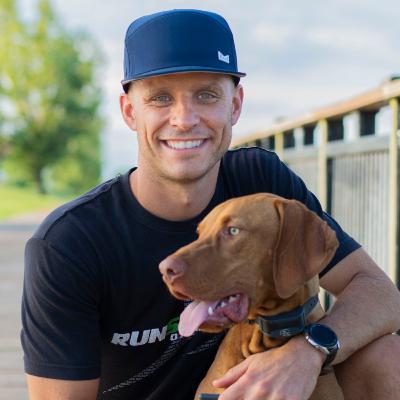
Steve Gonser shares his journey from a reluctant runner to a passionate marathoner, discussing his experiences, challenges, and the evolution of his training methods. He highlights the importance of context in research, the role of strength training, and his personal health discoveries. The episode sets the stage for future conversations with athletes and experts in the running community.
Felicia Pasadyn is a 2:35 marathoner, former Olympic Trials swimmer, and current NYU medical student who returned to elite-level running by doing almost everything differently than the standard marathon playbook.In this conversation, Felicia talks about growing up in Brunswick, Ohio, competing at Harvard and Ohio State, and how her background in swimming shaped her approach to training, strength work, and injury management. We get into her unconventional buildup to the New York City Marathon, including managing an Achilles issue days before the race and what it was like lining up and racing in the pro field.Felicia also reflects on finishing NYC, the disbelief that followed, and the online debate around her training methods. We talk fueling, community support, balancing medical school with high-level training, her decision to pursue radiology, and how she sees AI playing a role in future patient care.A wide-ranging conversation about durability, adaptation, and building a sustainable path in both running and life.
Most conversations about running focus on performance.Times. Results. The highlight reel.Early Miles is a long-form conversation podcast about how runners are shaped over time, not just how they perform on race day.Some episodes center on personal stories. Others dive deep with experts. And some are driven by questions from the running community.Hosted by physical therapist and runner Steve Gonser, the show explores the early decisions, struggles, failures, pivots, and quiet habits that compound when no one is watching. From everyday runners to coaches, clinicians, and researchers, Early Miles sits at the intersection of storytelling, real conversation, and science-backed thinking you can actually apply.If running is part of who you are, you’re in the right place.
Comments


Download from Google Play

Download from App Store
 United States