


 Claim Ownership
Living with FASD
Subscribed: 2Played: 1
Subscribe

© 2026 Patricia Kasper
Description
The biggest hidden-in-plain sight epidemic we face is FASD, Fetal Alcohol Spectrum Disorders, affecting 1:14 people to varying degrees and in differing ways.
How many people do you know, counting family, friends, coworkers and acquaintances? Divide that number by 14 to find out how many people in YOUR circle have been affected by Prenatal Alcohol Exposure, regardless if they've received a diagnosis or not.
This interview style podcast, by a host with both professional and living experience, seeks to educate the public, to combat the ongoing stigma, and to provide community and understanding to those living with the affects of Prenatal Alcohol Exposure and their loved ones.
120 Episodes
Reverse
In this episode of Living with FASD, Shannon returns to share her journey over the past three years since her last appearance. She discusses her diagnosis and her active involvement in the FASD community, including serving on various boards and mentoring adolescents with FASD. Shannon highlights her work as a peer supporter and the development of her innovative program called 'Anchor,' designed to provide accessible mental health support through bite-sized information. The program focuses on self-reflection and practical tools to help individuals manage their mental health challenges without feeling overwhelmed.Throughout the conversation, Shannon emphasizes the importance of lived experience in her work, sharing insights from her own journey with addiction and mental health. She discusses the significance of community support and the need for greater awareness of FASD, particularly in mental health and addiction circles. The episode concludes with Shannon reflecting on her ongoing commitment to helping others navigate their challenges, underscoring the power of vulnerability and connection in fostering healing and growth.Takeaways"I have been up to a lot actually since the last time we spoke.""The goal was to provide just enough structure and self-reflection to not overwhelm people.""People often feel relieved just noticing that their reactions are rooted in physiology and not personal failure.""It's about the power of small steps, building slowly, letting things be good enough.""I just want other people to know that it's possible as well."As always, please remember to like, share, and follow the Living with FASD podcast to help spread awareness and understanding.If you would like to reach Patti, you can email her at livingwithfasdpodcast@gmail.com. Visit her website at www.patriciakasper.com to learn more about her coaching and professional development training services, or visit ttps://calendly.com/kaspertrainingandcoaching/consultation to schedule a complimentary call.If you would like to pick up a copy of Patti’s book, Sip by Sip: Candid Conversations with Adults Living with FASD, visit www.books.by/yourfasdcoach or Amazon. (Both print on demand, but due to lower overhead costs, books.by is able to pay its authors a few more dollars in royalties.) If you would like to reach Shannon, or to take her program, you can reach her at: www.instagram@shannonleebutt or her website: www.shannonbutt.caChapters00:00 Reconnecting After Three Years02:59 Shannon's Journey and Community Involvement03:58 Introducing the 'Anchor' Program12:27 Feedback and Validation from the Pilot Program20:07 The Impact of Peer Support23:50 Future Directions in the FASD Space29:19 Bridging FASD and Addiction Awareness31:27 The Importance of Community Support
In this episode of Living with FASD, host Patti Kasper welcomes Eileen Devine, a prominent figure in the FASD community and host of the Brain First Parenting podcast. They discuss the complexities of Fetal Alcohol Spectrum Disorders (FASD), focusing on cognitive rigidity, emotional regulation, and the importance of relational intelligence. Eileen shares insights from her experiences as a parent and professional, emphasizing the need for understanding and support for individuals living with FASD. The conversation highlights the challenges of navigating relationships and the significance of developing coping strategies to manage rigidity and emotional responses.TakeawaysEileen Devine is a key figure in the FASD community, notably for training.Cognitive rigidity is often misinterpreted as a character flaw.Understanding neurobiology is crucial for supporting people with FASD.Emotional regulation skills are linked to cognitive rigidity.Relational intelligence is essential for maintaining friendships.Feedback from trusted individuals can help recognize rigidity.Planning and structure can alleviate anxiety for individuals with FASD.Support systems are vital for managing disappointments in life.The story we tell ourselves influences our emotional responses.Compassion and understanding are necessary for those living with FASD.If you want to reach Patti to discuss either FASD training or life coaching, you can schedule a call using this links: https://calendly.com/kaspertrainingandcoaching/consultation . Additional training topics can be found on her website, www.patriciakasper.com .If you want to pick up a copy of Patti’s book, Sip by Sip: Candid Conversations with Adults Living with FASD, go to either www.books.by/yourfasdcoach or Amazon (https://a.co/d/3XLnCyw ) Both are print-on-demand from a printer near you, but books.by pays its authors a few more dollars in royalties.If you want to reach Eileen, visit her website at www.eileendevine.com.Please remember to like, subscribe and share this podcast so that others can discover it and learn about FASD.Chapters00:00 Introduction to FASD and Eileen Devine02:33 Brain First Parenting Podcast Overview06:02 Understanding FASD Characteristics09:21 Cognitive Rigidity in FASD18:11 Relational Intelligence and Long-term Friendships24:02 Recognizing Rigidity and Seeking Feedback29:10 Dealing with Ambiguity and Planning35:02 Emotional Regulation and Stress Recovery41:22 Conclusion and Support Systems
In this episode of Living with FASD, host Patti Kasper and fellow author & self-advocate Helen Simpson explore their personal journeys with Fetal Alcohol Spectrum Disorder (FASD), the difference early diagnosis can make, and the importance of advocacy and community support. They share their experiences with bullying, the challenges of parenting children with FASD, and the need for more resources and understanding in the medical and educational systems. They also discuss the power of storytelling and literature in creating positive narratives for those affected by FASD, emphasizing the importance of compassion and support within the community.TakeawaysEarly diagnosis can significantly change the support and resources available to individuals with FASD.Social challenges and bullying are common experiences for those with FASD.Literature can empower children with FASD by providing positive narratives.Advocacy is crucial for improving resources and support for individuals with FASD and their families.Parenting children with FASD requires patience and understanding of their unique challenges.Community support through social media has transformed advocacy for FASD.There is a need for more programs focused on women in recovery from substance abuse.Compassion and understanding are essential in addressing the challenges faced by birth mothers of children with FASD.Self-care and finding joy are important for individuals living with FASD and their families.If you want to reach Patti to discuss either FASD training or life coaching, you can schedule a call using this links: https://calendly.com/kaspertrainingandcoaching/consultation . Additional training topics can be found on her website, www.patriciakasper.com .If you want to pick up a copy of Patti’s book, Sip by Sip: Candid Conversations with Adults Living with FASD, go to either www.books.by/yourfasdcoach or Amazon (https://a.co/d/3XLnCyw ) Both are print-on-demand from a printer near you, but books.by pays its authors a few more dollars in royalties.If you want to pick up a copy of ABC’s of FASD, here is Helen’s Amazon link: https://a.co/d/fXI9grB .Chapters00:00 Introduction to Living with FASD01:46 Personal Journeys: Diagnosing FASD09:28 The Impact of Diagnosis on Life14:22 Creating Positive Narratives through Literature20:41 Advocacy and Community Support25:04 Parenting Challenges and Insights30:41 Future Aspirations for FASD Awareness36:34 Compassion and Understanding in the FASD Community
In this episode of Living with FASD, host Patti Kasper talks with AJ Locascio, founder of Umbrella ND, about the emotional regulation challenges neurodivergent people face, including those with FASD, autism, and ADHD. They explore how sensory environments, trauma histories, & everyday microaggressions can lead to dysregulation, panic, and disconnection, and why understanding individual sensory profiles and creating supportive spaces is so important. AJ shares her journey from middle school teacher to community advocate, emphasizing the value of connection, self-advocacy, and accommodations in schools, medical settings, and public spaces.Patti and AJ also dive into language, communication, and the role of curse words as a coping strategy for some neurodivergent individuals, explaining how the brain can retain emotionally charged words even when other language skills are compromised. They call for more nuanced, context-aware interpretations of behavior that prioritize safety, self-awareness, and emotional regulation over compliance. Throughout the conversation, they highlight how advocacy is both necessary and exhausting, reinforcing that no one should have to do it alone and that community support is essential for emotional well-being.Takeaways:Emotional regulation is crucial for neurodivergent individuals.Microaggressions can significantly affect emotional responses.Supportive, sensory-aware environments help reduce dysregulation.Knowing one’s sensory profile allows for better support and accommodations.Community and connection are vital for long-term well-being and advocacy.Memorable quotes:“When we are losing our ability to use language, we hang on to any words that get a big reaction from people.”“There’s no such thing as a bad word; it’s context specific.”“Connection can definitely happen even when you’re alone.”“Self-awareness is the key to becoming regulated when you’re dysregulated.”“Advocacy is exhausting; we all need advocates.”Stay connected:Like, share, and follow the Living with FASD podcast to help spread awareness and understanding.Contact Patti: livingwithfasdpodcast@gmail.com | www.patriciakasper.comSchedule a complimentary call: https://calendly.com/kaspertrainingandcoaching/consultationPatti’s book, Sip by Sip: Candid Conversations with Adults Living with FASD: www.books.by/yourfasdcoach or Amazon.Connect with AJ and Umbrella in D: www.umbrelland.org | All AJ’s links: https://dot.cards/ajlocashioRecommended resources:Jaak Panksepp’s TED Talk: https://www.youtube.com/watch?v=65e2qScV_K8Burnout by Emily & Amelia Nagoski: https://a.co/d/eJaSFDR
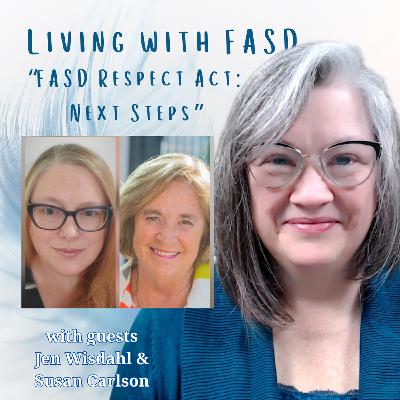
In this episode of Living with FASD, Patti talks with FASD United’s Jen Wisdahl and Susan Shepard Carlson about the recent signing of the FASD Respect Act into law, highlighting the journey of advocacy that led to this significant achievement. They emphasize the importance of community involvement, storytelling, and continued advocacy on both State and Federal levels to ensure the successful implementation of the Act. The conversation also touches on upcoming events, educational initiatives, and the need for ongoing support and engagement within the FASD community.To get involved, visit www.fasdunited.orgTo reach Patti, for FASD training or life coaching, visit https://calendly.com/kaspertrainingandcoaching/consultation to schedule a call, or visit her website at www.patriciakasper.com.To get a copy of Patti's book, Sip by Sip: Candid Conversations with Adults Living with FASD, visit books.by/yourfasdcoach or find it on Amazon. (Both are print on demand, but books.by has less overhead and pays its authors a few dollars more in royalties.)Chapters 00:00 Introduction to the FASD Respect Act03:01 The Journey to Legislative Success06:01 Community Advocacy and Engagement08:59 The Role of Stories in Advocacy12:03 Understanding the FASD Respect Act15:08 Next Steps for Implementation17:50 The Importance of Continued Advocacy21:01 Educational Initiatives and Community Involvement24:08 Building a Supportive Community26:47 Upcoming Conferences and Events30:00 The Power of Personal Stories33:08 Call to Action for Advocacy35:50 The Future of FASD Advocacy38:56 Conclusion and Gratitude
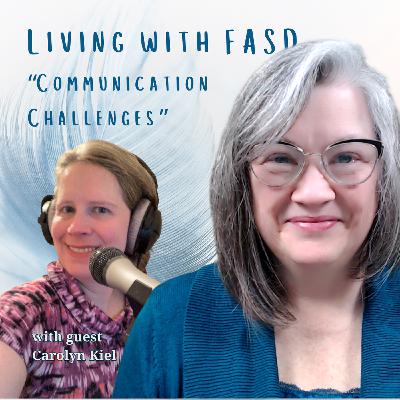
This conversation explores the complexities of communication challenges faced by individuals with neurodivergence, particularly focusing on FASD and autism. Host Patti Kasper and special guest Carolyn Kiel, host of the podcast Beyond 6 Seconds, discuss the importance of storytelling, the impact of sensory overload, and the need for understanding and support within the neurodivergent community. They emphasize the significance of recognizing diverse experiences and the necessity of inclusive conversations that involve those with lived experiences. The discussion also touches on the stigma surrounding prenatal alcohol exposure and the importance of self-advocacy and grace in navigating these challenges.TakeawaysStories are relational and bring emotional learning.Communication challenges vary widely across neurodivergence.Expressive language skills can mask comprehension deficits.Sensory overload can lead to communication breakdowns.Safe spaces are crucial for emotional regulation.Self-regulation strategies are essential for neurodivergent individuals.Understanding one's neurodivergence can lead to self-acceptance.Inclusive conversations are necessary for effective support.The stigma of prenatal alcohol exposure affects diagnosis.Support should be tailored to individual needs.To reach Patti Kasper, perhaps to suggest topics or guests, or to ask questions, or even just to say hello, email her at livingwithfasdpodcast@gmail.com .To reach Patti to explore FASD Life Coaching for yourself as an adult or as a parent of a little, or to arrange for professional development or community agency training on FASD, you can arrange for a consult at https://calendly.com/kaspertrainingandcoaching/consultationTo order a copy of Patti’s book, Sip by Sip: Candid Conversations with Adults Living with FASD, visit books.by/yourfasdcoach or Amazon. (Both are print on demand at a printer near you, but books.by offers its authors a few dollars more in royalties.)To listen (and subscribe) to Carolyn’s podcast, Beyond 6 Seconds, you can find it here: https://open.spotify.com/show/43W7RSYBMRsT4ktoFSHpau?si=77ec834a13c443a9You can also visit her website at www.beyond6seconds.net. Please remember to like, subscribe & share this podcast so that more people can discover it and learn about FASD.Chapters00:00 Introduction and Collaboration02:48 The Power of Storytelling04:01 Communication Challenges in Neurodivergence10:26 Expressive vs. Receptive Language Skills18:31 The Impact of Sensory Overload25:08 The Importance of Safe Spaces30:33 Finding Balance and Self-Regulation34:19 Understanding Neurodivergence39:22 The Stigma of Prenatal Alcohol Exposure46:30 The Need for Inclusive Conversations51:44 Supporting Neurodivergent Individuals56:55 Conclusion and Future Topics
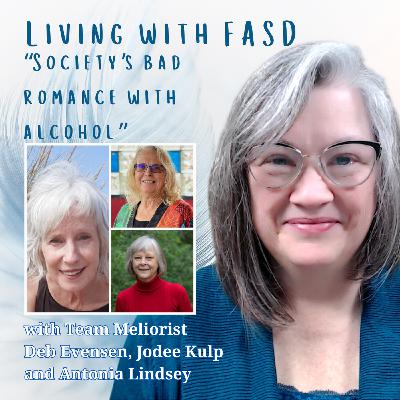
This conversation delves into the complexities surrounding Fetal Alcohol Spectrum Disorders (FASD) and the societal implications of alcohol consumption, particularly during pregnancy. The Meliorists discuss the stigma associated with alcohol use, the powerful lobbying of the alcohol industry, and the need for greater awareness and support for those affected by FASD. Personal stories highlight the challenges of sobriety and the importance of community support. The discussion emphasizes the need for open conversations about alcohol's impact on fetal development and the role of trauma in addiction. Ultimately, the speakers advocate for a cultural shift towards understanding and supporting individuals with FASD and their families.TakeawaysAlcohol is a neurotoxin that affects fetal development.The alcohol industry has a powerful influence on societal norms.Sobriety can be a challenging journey for many individuals.Support systems for pregnant women are often lacking.Community initiatives can raise awareness about FASD.Trauma plays a significant role in alcohol use and addiction.Cultural norms often normalize alcohol consumption in social settings.Education about fetal development is crucial for preventing FASD.Conversations about alcohol and its effects need to be more open.Embracing neurodiversity can lead to a more inclusive society. Jodee mentioned that all four of us have FASD books out. Here are the links:Deb Evensen: Thirteen Beams of Moonlight: Gentle Guidance for Families & Communities Living with FASD. https://a.co/d/fvdrZmUPatricia Kasper: Sip by Sip: Candid Conversations with Adults Living with FASD www.books.by/yourfasdcoachJodee Kulp: Embracing Zak: Community Compassion is a Powerful Force https://a.co/d/fvdrZmUAntonia Rathbun Lindsey: Parenting Your Porcupine: A Toolkit for Children with FASD, Other Drug Effects & Neurodiversity https://a.co/d/dBCjKJKIf you would like to reach Patti, you can email her at livingwithfasdpodcast@gmail.com. Visit her website at www.patriciakasper.com to learn more about her coaching and professional development training services, or visit ttps://calendly.com/kaspertrainingandcoaching/consultation to schedule a complimentary call.As always, please remember to like, subscribe & share this podcast, so that more people can discover it and learn more about Fetal Alcohol Spectrum Disorders.Chapters00:00 Introduction to FASD and Alcohol's Impact03:08 The Social Acceptance of Alcohol05:57 Personal Stories and Sobriety Challenges08:50 Support Systems for Pregnant Women11:45 Community Initiatives and Awareness15:05 The Role of Trauma in Alcohol Use17:59 Cultural Norms and Alcohol Consumption21:07 The Disconnect in Understanding Fetal Development24:10 The Importance of Conversations27:12 The Need for Education and Awareness30:09 The Power of Community Action32:55 Legacy and Future Generations35:53 Embracing Neurodiversity39:01 Conclusion and Future Discussions
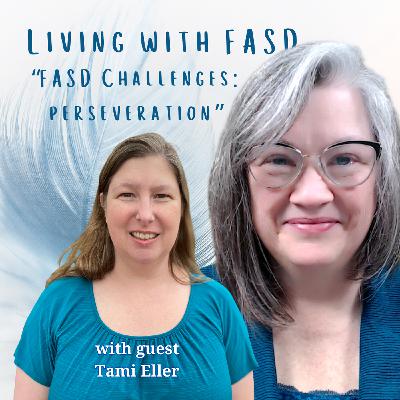
In this episode of Living with FASD, host Patti and guest Tami Eller discuss the complexities of living with Fetal Alcohol Spectrum Disorder (FASD), focusing on the concept of perseveration, which refers to the tendency to get stuck on certain thoughts or activities. They explore the impact of privilege, trauma, and misconceptions surrounding FASD, emphasizing the importance of caregiver support and emotional regulation. The conversation highlights strategies for managing perseveration, the significance of closure, and the need for radical acceptance in navigating the challenges of neurodiversity. Tami shares her personal experiences and insights as a clinician working with youth affected by FASD, advocating for understanding and support within families and communities.TakeawaysPerseveration is a common challenge for individuals with FASD.Closure is essential for individuals to move on from tasks.Privilege and trauma significantly impact outcomes for those with FASD.Misconceptions about FASD can lead to emotional distress.Caregivers play a crucial role in managing perseveration.Radical acceptance helps in coping with FASD challenges.Assertive communication is vital for expressing needs.Planning ahead can minimize instances of perseveration.Understanding neurodiversity is key to effective support.Emotional regulation is important for both caregivers and individuals.As always, please remember to like, share, and follow the Living with FASD podcast to help spread awareness and understanding.If you would like to reach Patti, you can email her at livingwithfasdpodcast@gmail.com. Visit her website at www.patriciakasper.com to learn more about her coaching and professional development training services, or visit ttps://calendly.com/kaspertrainingandcoaching/consultation to schedule a complimentary call.If you would like to pick up a copy of Patti’s book, Sip by Sip: Candid Conversations with Adults Living with FASD, visit www.books.by/yourfasdcoach or Amazon. (Both print on demand, but due to lower overhead costs, books.by is able to pay its authors a few more dollars in royalties.)Chapters00:00 Introduction to FASD and Guest Background03:11 Understanding Perseveration and Its Impact05:54 The Role of Privilege and Support in FASD08:51 The Misconceptions of FASD and Intelligence12:01 Navigating Emotional Responses and Expectations14:52 Perseveration: Challenges and Strategies17:56 The Importance of Closure in Perseveration20:59 Perseveration in Arguments and Family Dynamics24:00 Reframing Perseveration as a Strength26:52 Conclusion: Managing Perseveration for Positive Outcomes28:36 The Power of Tenacity and Acceptance30:01 Managing Mental Load in Caregiving32:51 Learning Through Repetition and Support33:42 Understanding Neurodiversity and Personal Experience40:11 Navigating ADHD and Autism in Neurodiversity45:23 Radical Acceptance and Self-Regulation in Caregiving48:24 Assertive Communication in Relationships
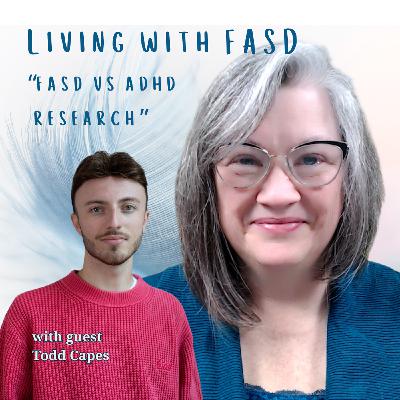
In this enlightening episode of Living with FASD, host Patti Kasper welcomes Todd Capes, a dedicated PhD student at at Birmingham City University in the UK who is passionately researching the differentiation between Fetal Alcohol Spectrum Disorders (FASD) and Attention Deficit Hyperactivity Disorder (ADHD). Todd shares his journey into the world of FASD, detailing his systematic review that sparked his interest and led him to pursue a PhD focused on improving differential diagnosis and identifying the differences in attention and decision-making between FASD and ADHD, using an experimental and computational approach.The conversation delves into the complexities surrounding the comorbidity of FASD and ADHD, exploring the nuances of diagnosis and the significance of understanding the overlap between these conditions. Todd highlights the challenges of recruiting participants for his research, particularly adults with FASD, and the importance of building a comprehensive understanding of the spectrum.Listeners will gain insights into Todd's innovative research methods, including attention and decision-making tasks designed to uncover the distinct cognitive profiles of individuals with FASD and ADHD. The discussion also touches on the implications of prenatal alcohol exposure, the role of executive functioning, and the critical need for tailored interventions that address the unique challenges faced by individuals on the spectrum.As Patti and Todd explore these vital topics, they emphasize the importance of advocacy, awareness, and informed care for individuals living with FASD. This episode is essential for parents, caregivers, educators, and anyone interested in the complexities of FASD and the potential for positive change through research and understanding.As always, please remember to like, share, and follow the Living with FASD podcast to help spread awareness and understanding.If you would like to reach Patti, you can email her at livingwithfasdpodcast@gmail.com. Visit her website at www.patriciakasper.com to learn more about her coaching and professional development training services.To learn more about Todd's research and how you can participate, go to todd.capes@mail.bcu.ac.uk#FASD #LivingWithFASDpodcast #ADHD #Research #Awareness #Advocacy #Support
In this episode, host Patti Kasper and guest Carl Young discuss the launch of Season Four of 'Living with FASD,' emphasizing the importance of humor in coping with life’s challenges. They explore the intersection of FASD with other neurodiverse conditions, the impact of trauma, and the challenges of understanding cause and effect in neurodiversity. The conversation also touches on health challenges, personal growth, the significance of education, and the need for a supportive community for those affected by FASD. They reflect on their experiences and the importance of open dialogue about these topics.TakeawaysHumor is essential for coping with health challenges.Understanding neurodiversity requires looking beyond FASD alone.Trauma significantly impacts individuals with FASD.Cause and effect can be difficult for neurodiverse individuals to grasp.FASD often coexists with other diagnoses like ADHD and autism.COVID-19 has affected awareness and understanding of FASD.Physical health issues are common among those with FASD.Personal growth often comes from understanding one's challenges.Education systems need to adapt to neurodiverse needs.Community support is crucial for families affected by FASD.Sound bites:"You have to keep your humor.""Kids are not inherently evil.""We need a broad blanket of support."Links:Carl Young’s links:www.embracinghopebook.comPatti’s links:www.patriciakasper.combooks.by/yourfasdcoach Please remember to like, subscribe and share this podcast so that more people can discover and learn about FASD.Chapters00:00 Introduction to Living with FASD01:44 The Journey of Seasons and Health04:14 Embracing Humor in Health Challenges07:06 Understanding Neurodiversity and FASD09:36 Impulse Control and Cause-Effect Relationships11:15 Misdiagnosis and Its Implications12:24 The Impact of COVID-19 on FASD Awareness15:05 Broadening the Neurodiverse Community17:13 The Physical Impact of FASD20:25 Reflections on Regrets and Growth22:00 Reframing Challenges and Personal Growth23:36 Navigating Education and Neurodiversity25:31 Understanding Neurodiversity: Challenges vs. Behaviors27:03 The Importance of Diagnosis and Lived Experience29:45 Parenting Neurodiverse Children: Lessons Learned32:55 The Need for Support Systems in Neurodiversity34:18 Identity and the Language of Neurodiversity34:46 Embracing Neurodiversity in Society
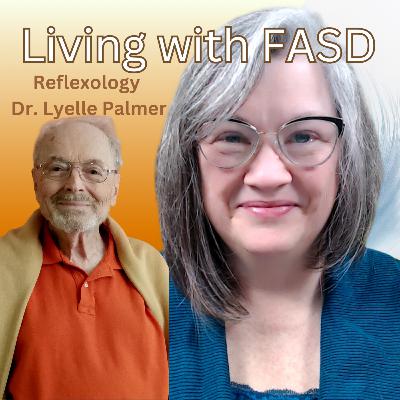
In this captivating episode of Living with FASD, host PattiKasper is joined by Dr. Lyelle Palmer, a leading researcher in the field of primitive reflexes and their neurological implications for individuals with Fetal Alcohol Spectrum Disorder (FASD). Together, they delve into theoften-overlooked significance of primitive reflexes in human development and their critical role in understanding and supporting those affected by FASD.Dr. Palmer shares his extensive knowledge on therelationship between primitive reflexes and neurological development, discussing how these reflexes can impact sensory processing, emotional regulation, and overall behavior. He emphasizes the importance of earlyintervention and stimulation to ensure proper inhibition of these reflexes, which can lead to improved outcomes for children and adults alike.The conversation explores various reflexes such as the Mororeflex and the asymmetrical tonic neck reflex (ATNR), detailing their effects on movement, balance, and sensory integration. Dr. Palmer provides practical strategies for parents and educators to help children manage their reflexes, including engaging in playful activities that promote vestibular stimulation and sensory awareness.Viewers will gain valuable insights into how understandingand addressing primitive reflexes can lead to better support for individuals with FASD, ultimately fostering a more compassionate and informed approach to care. This episode is essential for parents, caregivers, educators, and anyoneinterested in the complexities of FASD and the potential for growth and development through informed practices.As always, please remember to like, share, and follow theLiving with FASD podcast to help spread awareness and understanding.If you would like to reach Patti, you can email her atlivingwithfasdpodcast@gmail.com. Visit her website at www.patriciakasper.com to learn more about her coaching and professional development training services.Dr. Palmer’s insights provide a unique perspective on theintersection of reflexes and FASD, paving the way for future discussions and explorations in this critical area of research.#FASD #LivingWithFASDpodcast #PrimitiveReflexes#Neurodevelopment #Awareness #Support
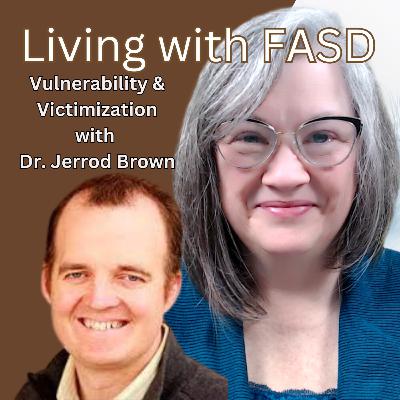
In this impactful episode of Living with FASD, host Patti Kasper reunites with Dr. Jerrod Brown to explore the critical issue of vulnerability and victimization among individuals with Fetal Alcohol Spectrum Disorder (FASD). They delve into the multifaceted factors that contribute to the heightened risks faced by this population, examining the interplay of environmental influences, attachment styles, and adverse childhood experiences (ACEs).Dr. Brown shares his extensive insights from years ofconsulting on FASD cases, emphasizing the importance of understanding the neurobiological impacts of prenatal alcohol exposure. The discussion highlights how executive function impairments, social cognition deficits, and emotional immaturity can lead to increased vulnerability in social situations and relationships.Viewers will learn about the implications of suggestibility and gullibility, which can make individuals with FASD more susceptible to manipulation and exploitation, particularly in the digital age. The episode also addresses the need for protective factors and supportive interventions to help mitigate these risks, including the importance of education and awareness for both individuals with FASD and their families.Join Patti and Dr. Brown as they unpack these vital topics,encouraging a deeper understanding of the complexities surrounding FASD and the urgent need for advocacy and informed care. This episode is essential for parents, caregivers, and anyone seeking to support individuals navigating the challenges of FASD.As always, please remember to like, share, and follow the Living with FASD podcast to help spread awareness and understanding.If you would like to reach Patti, you can email her atlivingwithfasdpodcast@gmail.com. Visit her website at www.patriciakasper.com to learn more about her coaching and professional development training services.Dr. Jerrod Brown’s work and insights can be found in hispublications, which delve deeper into these critical issues. Stay informed and engaged in the conversation surrounding FASD.Patti’s book, Sip by Sip: Candid Conversations with Adults Living with FASD can be found at Amazon as well as at books.by/yourfasdcoach .The book discussed in this episode, by Carl Young & Joel Sheagren, Embracing Hope: Innovative Strategies to Empower Parents Raising Neurodiverse Teens, is available on Amazon at https://a.co/d/925e1hs.#FASD #LivingWithFASDpodcast #Vulnerability #Victimization#Awareness #Advocacy #Support
In this compelling episode of Living with FASD, host PattiKasper engages with Dr. William Curran, a passionate advocate and researcher in the field of Fetal Alcohol Spectrum Disorder (FASD). Dr. Curran shares his unique journey into the world of FASD, revealing the pivotal moments that shaped his understanding of prenatal alcohol exposure and its profound impacts on child welfare.The conversation dives deep into the complexities ofdiagnosing and supporting children affected by FASD, emphasizing the need for a shift from a purely diagnostic approach to one that prioritizes functional assessments and individualized support. Dr. Curran introduces his innovativefive-step model, which aims to provide a practical framework for social workers and caregivers to better identify and meet the needs of children within the spectrum.Viewers will gain insights into the systemic challengesfaced by social workers and caregivers, as well as the importance of advocating for change within child welfare systems. Dr. Curran discusses the often-overlooked nuances of FASD, including the spectrum's varying severity, and the critical need for compassionate, informed care that recognizes the unique experiences of each child.As Patti and Dr. Curran navigate the intricacies of FASD,they highlight the importance of understanding the invisible challenges that many individuals face, urging listeners to become advocates for awareness and support in their communities. This episode is a must-listen for anyone seekingto deepen their understanding of FASD and the systemic changes needed to improve outcomes for affected families.As always, please remember to like, share, and follow theLiving with FASD podcast to help spread awareness and understanding.If you would like to reach Patti, you can email her atlivingwithfasdpodcast@gmail.com. Visit her website at www.patriciakasper.com to learn more about her coaching and professional development training services.Dr. Curran’s paper, Captioning Invisibility, is availablefor those interested in exploring the systemic issues surrounding FASD further. You can reach Dr. Curran at William.curran2@simmons.edu#FASD #LivingWithFASDpodcast #ChildWelfare#FunctionalAssessment #Advocacy #Awareness #Compassion
In this celebratory 100th episode of Living with FASD, host Patti Kasper is joined by her closest friends and fellow FASD advocates: Jodee Kulp, Deb Evenson, and Antonia Rathbun Lindsay. Together, they reflect on how their journeys with Fetal Alcohol Spectrum Disorder (FASD) have transformed their lives for the better. The conversation dives deep into personal experiences, sharing how understanding FASD has shaped their perspectives and enhanced their compassion for those affected by neurodiversity.The guests discuss the importance of observation overinterpretation, emphasizing how curiosity and empathy can foster better relationships and support systems for individuals with FASD. With humor and heartfelt anecdotes, they explore the lessons learned along the way, includingthe value of humility and the necessity of collaboration in advocacy efforts.This episode serves as a poignant reminder of the power of community in navigating the complexities of FASD. The group also teases an upcoming topic focused on the next generation and the importance of creating a brighter future for children affected by prenatal alcohol exposure.Join Patti and her friends as they celebrate this milestone and encourage listeners to continue advocating for awareness, understanding, and support within their communities. This episode is a must-listen for anyoneinvested in the FASD community and seeking inspiration from shared experiences.As always, please remember to like, share, and follow theLiving with FASD podcast to help spread awareness and understanding.If you would like to reach Patti, you can email her at livingwithfasdpodcast@gmail.com. Visit her website at www.patriciakasper.com to learn more about her coaching and professional development training services.Her book, Sip by Sip: Candid Conversations with Adults Living with FASD, is available worldwide at books.by/yourfasdcoach, Amazon and independent bookstores. Jodee's book, Embracing Zak, uses fiction to teach readersabout several forms of neurodiversity, including FASD. It has won numerous awards and is available at books.by/jodee-kulp, Amazon and independent bookstores. Antonia's book, Parenting Your Porcupine, is also a must-have resource for your bookshelf if you are a parent or professional working with neurodiverse youth. It is available at books.by/antonia-rathbun-lindsey. Deb’s book, 13 Beams of Moonlight, became available at Amazon and books.by in September 2025.#FASD #LivingWithFASDpodcast #Neurodiversity #Community #Awareness #Celebration
In this insightful episode of Living with FASD, host PattiKasper welcomes Kokeb McDonald, an experienced occupational therapist who specializes in the integration of primitive reflexes. Together, they delve into the overlooked role of primitive reflexes and their profound impact on behavior and learning in individuals with FASD.Kokeb shares her journey into occupational therapy and howher experiences with children struggling with developmental challenges sparked her curiosity about the neurological underpinnings of behavior. The discussion emphasizes the importance of understanding that many behaviors are reflexive rather than chosen, highlighting the need for a compassionate and informed approach to treatment.The conversation explores the intricacies of reflexintegration, the significance of movement in brain development, and how these factors can affect daily functioning. She discusses practical strategies fortherapists and parents to implement at home and in educational settings, emphasizing the importance of observation and individualized treatment plans.Viewers will gain valuable insights into the connectionbetween reflexes, emotional regulation, and social interactions, as well as the ongoing potential for neuroplasticity and growth, regardless of age. This episode serves as a powerful reminder of the importance of patience,understanding, and the pursuit of knowledge in supporting individuals living with FASD.Join Patti and Kokeb as they navigate the complexities ofFASD and encourage listeners to advocate for awareness and support within their communities. This episode is essential for parents, caregivers, educators, and both physical and occupational therapists, as well as anyone seeking to deepentheir understanding of FASD and its impact on lives.As always, please remember to like, share, and follow theLiving with FASD podcast to help spread awareness and understanding. Comments are always welcome too!If you would like to reach Patti, you can email her atlivingwithfasdpodcast@gmail.com. Visit her website at www.patriciakasper.com to learn more about her coaching and professional development training services.Kokeb’s work and resources can be explored further on herwebsite, https://integratingreflexes.com/ where you can find her books andtraining programs.#FASD #LivingWithFASDpodcast #OccupationalTherapy#PrimitiveReflexes #Neurodevelopment #Awareness #Compassion
In this thought-provoking episode of Living with FASD, hostPatti Kasper reunites with Dr. Jerrod Brown for an in-depth exploration of neuroplasticity and its implications for individuals with brain-based impairments, particularly those affected by Fetal Alcohol Spectrum Disorder (FASD). Together, they delve into the concept of neuroplasticity—our brain's remarkable ability to adapt and change based on experiences—and discuss its critical role in learning, memory, and recovery.Dr. Brown emphasizes that while prenatal alcohol exposureposes significant challenges to neuroplasticity, there are numerous strategies that can enhance brain function and well-being at any age. From engaging in physical activity and healthy eating to practicing mindfulness and gratitude,listeners will discover practical tips that can promote neuroplasticity and improve overall quality of life.Throughout the episode, Patti and Jerrod address commonmyths surrounding FASD, including the misconception that individuals can simply outgrow their challenges. They highlight the importance of early intervention and the ongoing potential for growth and learning, regardless of age. The conversation also touches on the impact of environmental factors such as air pollution and chronic stress on neuroplasticity, underscoring the need for holistic approaches to support those affected by FASD.Join Patti and Dr. Brown as they unpack the complexities ofneuroplasticity and share actionable insights that can empower individuals with FASD and their families. This episode is essential listening for anyone seeking to understand the power of the brain's adaptability and the steps we can take to foster resilience and growth.As always, please remember to like, share, and follow theLiving with FASD podcast to help spread awareness and understanding.If you would like to reach Patti, you can email her atlivingwithfasdpodcast@gmail.com. Visit her website at www.patriciakasper.com to learn more about her coaching and professional development training services.To get a copy of her book, Sip by Sip: Candid Conversationswith Adults Living with FASD, go to books.by/yourfasdcoach#FASD #Neuroplasticity #LivingWithFASD#BrainHealth #Resilience #Growth
In this engaging episode of Living with FASD, host Patti Kasper welcomes Barb Clark, a passionate advocate and expert in the field of Fetal Alcohol Spectrum Disorder (FASD) and adoption. The two discuss their shared experiences in social work, foster care, and the journey of training and coaching families affected by FASD.Barb reflects on her 15 years of professional experience alongside 26 years as an adoptive parent, emphasizing the importance of providing the right supports to families. She shares her personal journey of discovering FASD and how it has shaped her understanding of both her daughter and herself, ultimately leading to her own diagnosis. The conversation touches on the challenges faced by adoptive and foster families, the need for better training for professionals, and the critical role of compassion and understanding in supporting children with FASD.Listeners will gain insights into the common misconceptions surrounding FASD, the significance of recognizing neurodiversity, and the impact of early intervention and education. Barb also discusses her upcoming book, "Raising Kids and Teens with FASD," which aims to provide practical strategies for navigating the complexities of parenting children with neurodivergence.Join Patti and Barb as they explore the nuances of living with FASD and the power of shared experiences in fostering understanding and support within the community. This episode is a must-listen for parents, caregivers, and professionals seeking to deepen their knowledge and enhance their advocacy for individuals with FASD.If you would like to reach Patti, you can email her atlivingwithfasdpodcast@gmail.com. Visit her website at www.patriciakasper.com to learn more about her coaching and professional development training services. Patti’s book, Sip by Sip: Candid Conversations with Adults Living with FASD is available at books.by/yourfasdcoachBarb's book, "Raising Kids and Teens with FASD," is available for pre-sale now on Amazon and Barnes & Noble. Be sure to check it out!As always, please remember to like, share, and follow the Living with FASD podcast to help spread awareness and understanding.More important links: You've heard me talk about the ALC Changemakers fasdchangemakers@gmail.com. Their first two surveys have been published and have inspired numerous research projects. They have a new survey out and it is very important that as many adults living with FASD participate in this one as well. All ALC Changemaker surveys are 100% anonymous and your ISP address will be hidden. To participate, go here: https://brock.ca1.qualtrics.com/jfe/form/SV_3VQc769cKFvMDxs#FASD #FetalAlcoholSpectrumDisorder #Adoption #FosterCare #Neurodiversity #LivingWithFASD
In this enlightening episode of Living with FASD, host Patti Kasper engages in a thought-provoking conversation with Dr. Jeffrey Wozniak from the University of Minnesota. With a rich history in Fetal Alcohol Spectrum Disorder (FASD) research, Dr. Wozniak shares insights from his extensive experience in neuropsychology, focusing on the unique needs and strengths of individuals with FASD.The discussion delves into the groundbreaking research being conducted at the University, including the use of brain imaging to understand the impacts of prenatal alcohol exposure on brain development. Dr. Wozniak highlights the promising potential of interventions, such as cholinesupplementation, aimed at optimizing cognitive functions in young children with FASD, emphasizing the importance of early intervention during critical growth periods.Listeners will be captivated as they explore the innovative neuromodulation techniques being developed to stimulate cognitive functions in adolescents, providing a glimpse into the future of FASD treatment. Dr. Wozniak discusses the challenges of diagnosis, especially in adults, and the ongoingefforts to improve accessibility to diagnostic resources for this underserved population.This episode is a must-listen for anyone interested in theintersection of research, clinical practice, and advocacy within the FASD community. Patti and Dr. Wozniak's conversation sheds light on the importance of understanding the complexities of FASD and the need for continued research and education to support affected individuals and their families.To participate in University of Minnesota FASD Research, go here: mailto:jwozniak@umn.edu As always, please remember to like, share, and follow the Living with FASD podcast to help spread awareness and understanding.If you would like to reach Patti, you can email her atlivingwithfasdpodcast@gmail.com. Visit her website at www.patriciakasper.com to learn more about her coaching and professional development training services.Her book, Sip by Sip: Candid Conversations with Adults Living with FASD, is available worldwide at books.by/yourfasdcoach. #FASD #Neuropsychology #LivingWithFASD #Research #CholineSupplementation #Neuromodulation #Advocacy
In this enlightening episode of Living with FASD, host PattiKasper welcomes Dr. Janet Oliver, a developmental psychologist with a wealth of knowledge about the intricate workings of the human brain and its impact on Fetal Alcohol Spectrum Disorder (FASD). Together, they embark on a deep dive into the significance of primitive reflexes in human development and the profound effects of prenatal experiences on lifelong outcomes.Dr. Oliver shares her insights on how the early stages ofbrain development can shape an individual's abilities, highlighting the critical role of sensory and motor functions. She discusses the importance of understanding each person's unique journey within the spectrum of developmental differences, emphasizing the need for individualized approaches in supporting those affected by FASD.The conversation explores various topics, including theimplications of birth experiences, the connection between reflexes and emotional responses, and the challenges faced by individuals with FASD. Dr. Oliver also sheds light on how trauma and environmental factors can compound difficulties, ultimately affecting emotional regulation and socialinteractions.Listeners will gain valuable insights into the complexitiesof neurodevelopment and the potential for therapeutic interventions to improve outcomes for individuals living with FASD. This episode serves as a powerful reminder of the importance of compassion, understanding, and the recognition of each person's unique gifts and challenges.Join Patti and Dr. Oliver as they unravel the layers of FASDand encourage listeners to advocate for awareness and support within their communities. This episode is a must-listen for anyone seeking to deepen their understanding of FASD and the transformative power of informed care.As always, please remember to like, share, and follow theLiving with FASD podcast to help spread awareness and understanding.If you would like to reach Patti, you can email her atlivingwithfasdpodcast@gmail.com. Visit her website at www.patriciakasper.com to learn more about her coaching and professional development training services. Her book, Sip by Sip: Candid Conversations with AdultsLiving with FASD, is available worldwide at books.by/yourfasdcoach.Dr. Janet Oliver’s book, Inner Senses: Keys to ImprovingMovement, Attention, and Mood is available at https://a.co/d/aJqxC0e#FASD #LivingWithFASDpodcast #Neurodevelopment#PrimitiveReflexes #TraumaInformedCare #Awareness #Compassion
In this thought-provoking episode of Living with FASD, a continuation of last week’s episode, host Patti Kasper engages with Carl Young and Joel Sheagren, two passionate fathers dedicated to raising awareness about Fetal Alcohol Spectrum Disorder (FASD) and its complexities. Together, they explore the innovative use of mind mapping as a tool for understanding relationships and adaptive skills in children affected by FASD.The discussion delves into the challenges of navigating social situations and friendships, highlighting the importance of visual learning and structured interventions. Carl and Joel share personal anecdotes about their sons, emphasizing the significance of adaptive skills and the unique ways in which individuals with FASD process information. They addressthe misconceptions surrounding IQ and adaptive functioning, illustrating how these concepts impact daily living.This episode also touches on the intergenerational effectsof alcohol exposure, the stigma surrounding prenatal alcohol use, and the need for compassion and understanding. Carl and Joel candidly discuss their experiences with the medical community and the importance of advocating for accurate diagnoses, as well as the potential for future research into the comorbid conditions associated with FASD.Join Patti, Carl, and Joel as they share insights and strategies for supporting individuals with FASD, fostering a deeperunderstanding of the disorder, and encouraging a collaborative approach to care. This episode is a must-listen for parents, caregivers, and anyone seeking to learn more about the realities of living with FASD.As always, please remember to like, share, and follow the Living with FASD podcast to help spread awareness and understanding.If you would like to reach Patti, you can email her atlivingwithfasdpodcast@gmail.com. Visit her website at www.patriciakasper.com to learn more about her coaching and professional development training services.Her book, Sip by Sip: Candid Conversations with AdultsLiving with FASD is available worldwide at books.by/yourfasdcoach. Joel & Carl’s book, Embracing Hope: Innovative Strategies to Empower Parents Raising Neurodiverse Teens is available on Amazon.

Comments

Download from Google Play

Download from App Store
 United States