


 Claim Ownership
The Watch Floor with Sarah Adams
Subscribed: 1,769Played: 26,271
Subscribe

© Sarah Adams
Description
She hunted the world’s most dangerous terrorists. Now, former CIA Targeter Sarah Adams breaks down global news and emerging threats, helping everyday people stay informed. prepared, and ready.
103 Episodes
Reverse
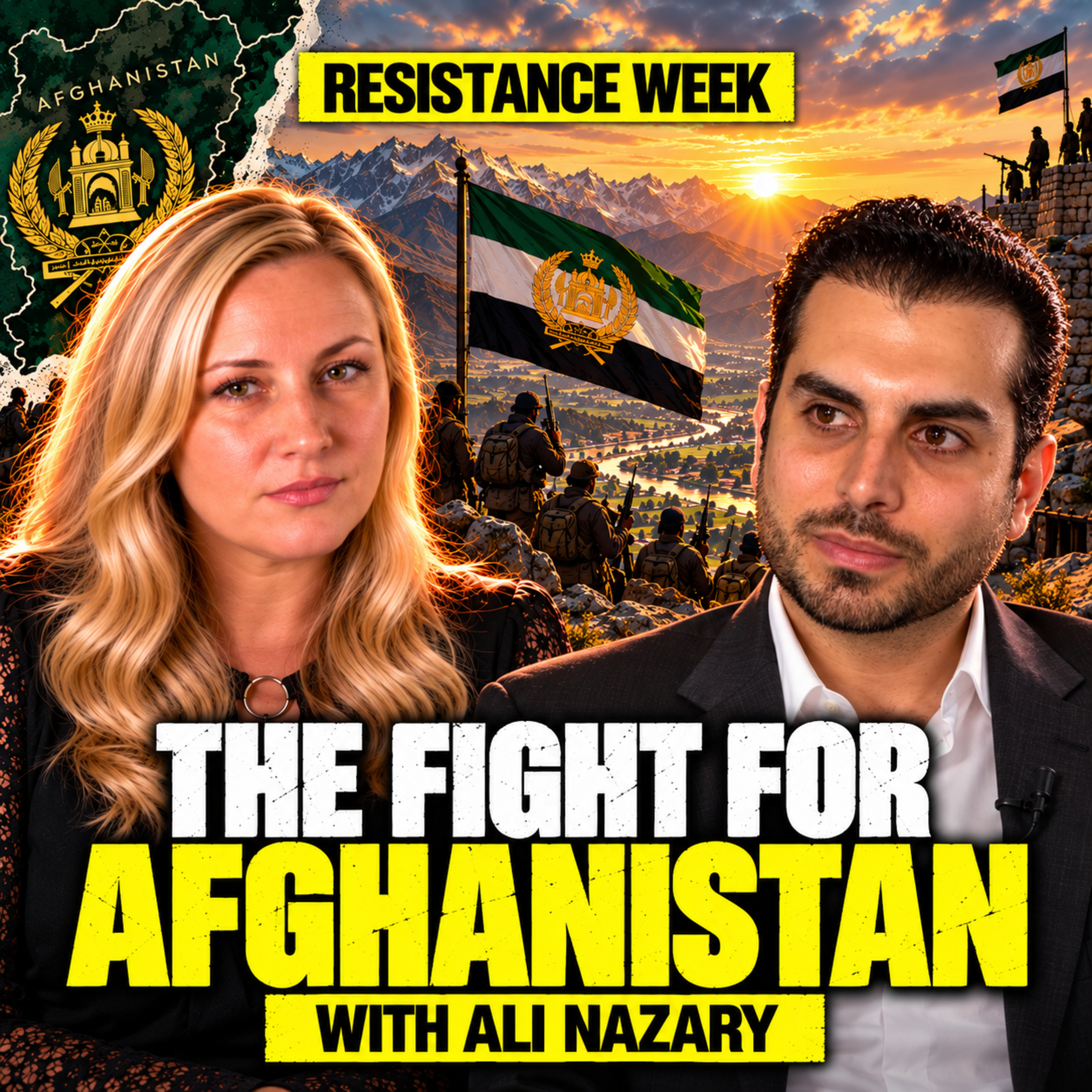
The Taliban may control Kabul, but the fight for Afghanistan is far from over.In this episode of The Watch Floor, I sit down with Ali Maisam Nazary, co-founder and Head of Foreign Relations for the National Resistance Front of Afghanistan (NRF), the resistance movement led by Ahmad Massoud, son of the legendary Afghan commander Ahmad Shah Massoud.We discuss how the National Resistance Front was established in Panjshir following the Taliban's return to power in 2021, the movement's continued resistance, and its efforts to build political legitimacy and international support.Our conversation goes well beyond the battlefield. We examine Afghanistan's growing importance as a sanctuary for terrorist organizations, including al-Qaeda, the dangers of relying on Taliban-provided intelligence, and why engaging with the Taliban presents serious challenges for the United States and its allies.Ali also discusses the relationships between terrorist organizations operating inside Afghanistan, the increasing sophistication of these networks, and the implications for international security. We address al-Qaeda's June 2024 call for supporters to travel to Afghanistan and prepare attacks against Western targets, as well as the importance of recognizing the threats developing under Taliban rule.Throughout the conversation, we return to a central question: What will it take for Afghanistan to have a future beyond the Taliban?This episode is part of Resistance Week, a special series highlighting Afghan voices, resistance movements, and the people working to secure a different future for their country.Connect with Ali Nazary and follow the National Resistance Front:Ali Nazary on LinkedIn:https://www.linkedin.com/in/alimaisamnazary/National Resistance Front on X:https://x.com/NRFafg

The Taliban may currently control Afghanistan, but the fight for the country's future is far from over.In this episode of Resistance Week, I sit down with Lieutenant General Sami Sadat, Chairman of the Afghanistan United Front (AUF), to discuss the ongoing resistance against the Taliban, the growing terrorist threat inside Afghanistan, and what the international community continues to get wrong about the situation on the ground.Sami provides an inside look at the Afghanistan United Front's military operations, including its August offensive involving approximately 100 operations and territorial gains against the Taliban. We discuss the resistance's strategy, its operational capabilities, and why the fight to reclaim Afghanistan is far from finished.We also examine the broader national security implications of Taliban-controlled Afghanistan, including the presence of senior Al-Qaeda Central leaders, concerns about preparations for another major terrorist attack, and the potential threat to the United States.Our conversation also explores China's surveillance relationship with the Taliban, India's reported financial support, and the complicated regional dynamics that continue to shape Afghanistan's future.This is an important conversation about a resistance movement that receives too little international attention, the terrorist organizations operating under Taliban rule, and why what happens in Afghanistan still matters to U.S. national security.Learn more about the Afghanistan United Front and follow its operations:Official website: auf.newsAUF on X: https://x.com/afgunitedfrontFollow LTG Sami Sadat:X: https://x.com/SayedSamiSadatRead Sami Sadat's book:https://a.co/d/06tYD8yg
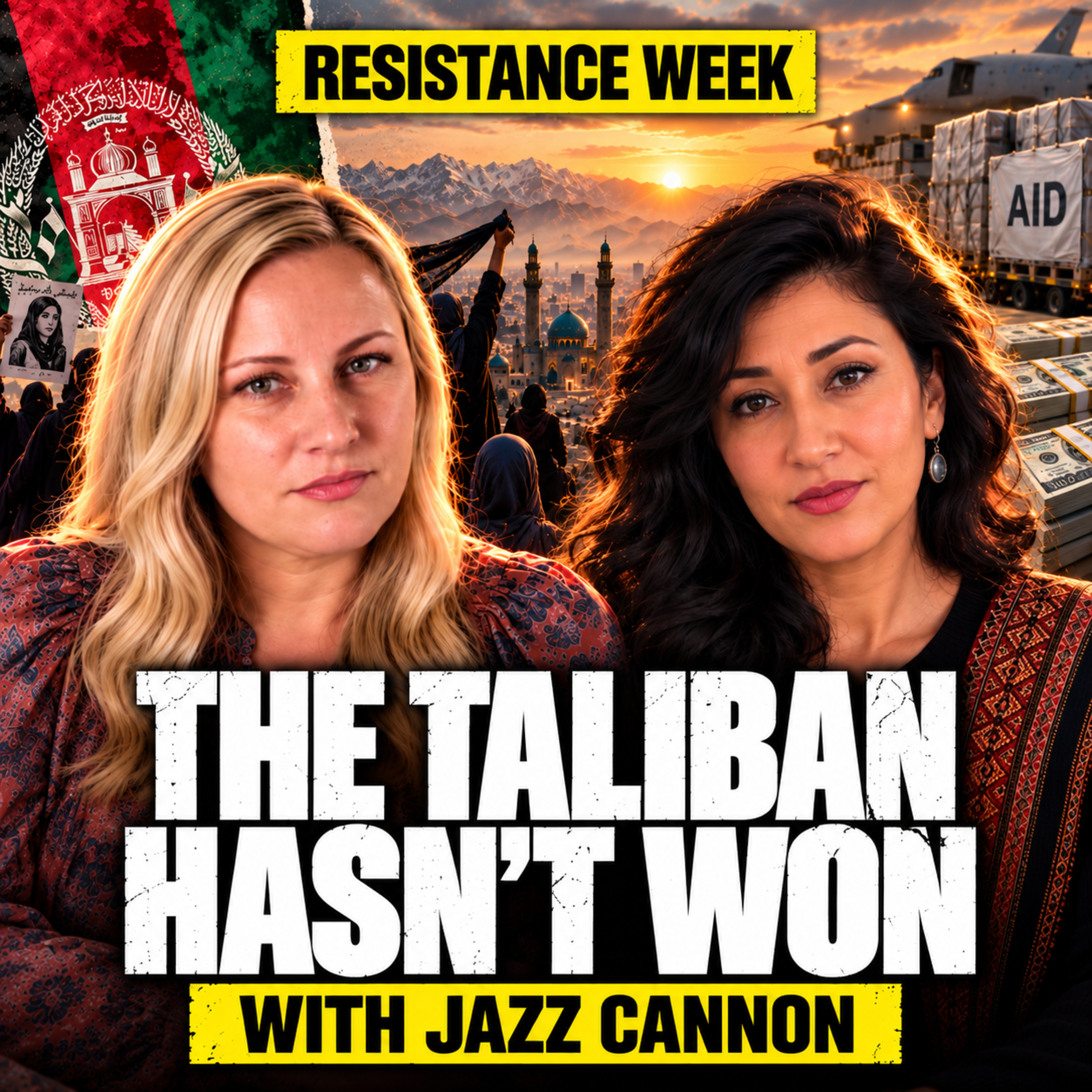
The Taliban controls Afghanistan, but that does not mean the Taliban has won.In the first episode of Resistance Week on The Watch Floor, Sarah Adams sits down with Afghan advocate Jazz Cannon to discuss the ongoing resistance against the Taliban, the international flow of money that has helped sustain the regime, and the Afghans who refuse to give up the fight for their country.Jazz shares her experiences growing up in Kabul, her work challenging the flow of cash to the Taliban, and the difficult realities facing Afghans who continue to resist Taliban rule. The conversation examines how international funding and assistance can strengthen the very regime the international community claims to oppose, and why disrupting those financial flows matters.They also discuss the resistance leaders and movements that continue to challenge the Taliban, the role of Afghan women in that struggle, and the difference between recognizing Afghanistan's harsh realities and accepting defeat.The central message is clear: The Taliban may control Afghanistan, but the resistance is not over.This episode launches Resistance Week, a special series on The Watch Floor featuring individuals working to challenge Taliban rule through advocacy, efforts to disrupt financial support, and resistance on the ground.Connect with Jazz Cannon:LinkedIn: https://www.linkedin.com/in/jazz-cannon-195364135/

What makes someone embrace violent extremism? What does it take to walk away from it? And how do we prevent the next generation from being recruited?In this episode of The Watch Floor, former CIA Targeting Officer Sarah Adams sits down with Mubin Shaikh, a former Islamist extremist who became an undercover counterterrorism operative and helped dismantle one of Canada's most significant domestic terrorist plots, the Toronto 18.Mubin takes us inside his extraordinary journey, from growing up between two very different worlds in Canada and traveling to Pakistan, where he encountered the Taliban, to embracing radical ideology and eventually rejecting it. He explains how he went from being part of extremist circles to working with the Canadian Security Intelligence Service (CSIS), infiltrating a terrorist network planning attacks on Canadian soil.But this conversation goes beyond his undercover work. We examine how radicalization happens, why young people are particularly vulnerable to extremist recruitment, how terrorist organizations exploit the internet, and what actually works when it comes to countering violent extremism.Today, Mubin works to prevent radicalization and help individuals leave extremist movements, including through his involvement with Parents for Peace, an organization providing families, communities, and professionals with the tools and support needed to recognize warning signs and intervene before violence occurs. This is a conversation about the realities of radicalization, the intelligence work required to stop terrorist attacks, and why prevention must be part of the counterterrorism mission.LEARN MORE AND SUPPORT THE MISSIONParents for Peace: https://www.parents4peace.org/Parents for Peace offers confidential support to families concerned about radicalization, along with intervention services, education, and training to help prevent violent extremism.READ MUBIN SHAIKH'S BOOKUndercover Jihadi: Inside the Toronto 18An account of his journey through radicalization, his undercover intelligence work, and the terrorist plot he helped disrupt.Amazon: https://www.amazon.com/dp/B00NMR9T46

Is Canada doing enough to confront the terrorist threat, and what has the West failed to learn from more than two decades of counterterrorism operations?This week on The Watch Floor, I’m joined by Phil Gurski, a 32-year veteran of Canada’s intelligence community, former analyst with the Canadian Security Intelligence Service (CSIS) and Communications Security Establishment (CSE), author, and host of Canadian Intelligence Eh!We discuss his newest book, 9/11: The Unfinished Battle, and why the threat from jihadist terrorism is far from over. Our conversation examines the terrorist threat facing Canada, the consequences of releasing convicted terrorists back into society, the role of social networks in radicalization, and how accusations of Islamophobia can complicate legitimate terrorism investigations.We also discuss the loss of experienced intelligence professionals, the consequences of Western counterterrorism policies, and why understanding how terrorist organizations recruit, operate, and adapt remains critical to preventing future attacks.Phil brings decades of intelligence experience and a Canadian perspective to a threat that extends well beyond Canada's borders.Learn More About Phil Gurski📖 Buy Phil's New Book: 9/11: The Unfinished Battle: Why Jihadi Terrorism Is Stronger, Wider, and Far From Overhttps://a.co/d/06MexgNF🎙️ Listen to Canadian Intelligence Eh!Spotify: https://open.spotify.com/show/4NTG9pHoct7Rtuhq0cXmsYApple Podcasts: https://podcasts.apple.com/ca/podcast/canadian-intelligence-eh/id1455756173Podcast Archive: https://borealisthreatandrisk.com/category/podcast/Connect with PhilWebsite: https://borealisthreatandrisk.com/X: https://twitter.com/borealissavesLinkedIn: https://www.linkedin.com/in/phil-gurski-8942468/#TheWatchFloor #PhilGurski #Counterterrorism #CanadianIntelligence #NationalSecurity #Terrorism

Comments

Download from Google Play

Download from App Store
 United States