DiscoverThe Confident Server: English for Restaurant Workers
The Confident Server: English for Restaurant Workers
Claim Ownership

The Confident Server: English for Restaurant Workers

Author: The Esl Room

Subscribed: 3Played: 61
Share

Description

The Confident Server is the essential English podcast for restaurant workers who want to sound professional, increase their tips, and advance their hospitality careers.

Each 12-minute episode delivers practical phrases, real server scripts, and confidence-building techniques you can use immediately. From handling difficult customers to mastering payment procedures, we cover the English skills that matter most on the floor.

Hosted by The ESL Room, this podcast transforms restaurant workers from uncertain to confident—one episode at a time.

Perfect for: Servers, waiters, bartenders, hosts, and anyone working in restaurants who wants to improve their English and earn more.

Want the complete system? Check out English for Waiters at https://learn.theeslroom.com/english-for-waiters —22 video lessons, pronunciation practice, and downloadable phrase guides.
22 Episodes
Reverse
The wrong words can lose a guest forever — even if the food was perfect. In this episode we cover 10 phrases that waiters use every day without realising the damage they cause, and give you the exact words to use instead. From "calm down" to "it's not my fault" to "are you still working on that?" — these are the phrases that make guests feel unheard, unwelcome, and unlikely to come back.The good news? Every single one is easy to fix once you know what to say instead.In this episode:Why small phrases create big impressions10 common phrases that damage guest relationshipsThe professional alternative for each oneHow the right words build trust and bring guests backWhy language matters as much as the food itselfResources mentioned:🍽️ Get the 60-page Waiter's English Phrase Guide — every phrase you need for restaurant service, instant download, just £2.99: https://www.etsy.com/listing/4452775338/the-waiters-english-phrase-guide-60📚 Ready to go further? The full English for Waiters course includes 22 video lessons with interactive practice — built specifically for restaurant staff at pre-intermediate level: https://theeslroom.comConnect with The ESL Room: Website: theeslroom.com Pinterest: pinterest.com/theeslroom
A guest is unhappy. They're speaking fast, they look frustrated, and you need to respond in English — right now. In this episode we cover exactly what to say in the most common complaint situations, including wrong orders, cold food, long waits, bill mistakes, and unhappy guests. You'll also learn the phrases that make complaints worse — and why staying calm is your most powerful tool.Whether you're working in a restaurant right now or preparing for your first job, these word-for-word scripts will help you feel confident and professional in any difficult situation.In this episode:Why complaints are actually an opportunityThe 3-step formula for every complaint situationWord-for-word scripts for 6 common complaintsPhrases you should never use with an unhappy guestHow to stay calm when a guest raises their voiceResources mentioned:🍽️ Get the 60-page Waiter's English Phrase Guide — every phrase you need for restaurant service, instant download, just £2.99: https://www.etsy.com/listing/4452775338/the-waiters-english-phrase-guide-60📚 Ready to go further? The full English for Waiters course includes 22 video lessons with interactive practice — built specifically for restaurant staff at pre-intermediate level: https://theeslroom.comConnect with The ESL Room: Website: theeslroom.com Pinterest: pinterest.com/theeslroom
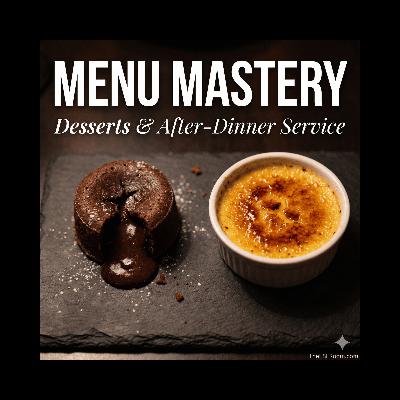
Welcome to Part 5 of the Menu Mastery Series from The ESL Room — the final episode!In this episode, we cover desserts and closing the meal. Learn how to describe sweets professionally, handle objections, and leave a lasting impression.You'll learn:→ The main desserts every server should recognise (lava cake, crème brûlée, tiramisu, and more)→ How to upgrade "it's chocolate cake" to professional descriptions that sell→ Responses to common objections like "I'm too full"This series is designed for pre-intermediate English learners (A2-B1) working in restaurants and hospitality. Simple language, practical phrases you can use tonight.Read the full guide: https://theeslroom.com/desserts-after-dinner-service-the-sweet-finish/You've completed the Menu Mastery Series! Ready to take your skills further? Join the English for Waiters course at learn.theeslroom.com/english-for-waitersTheESLRoom.com
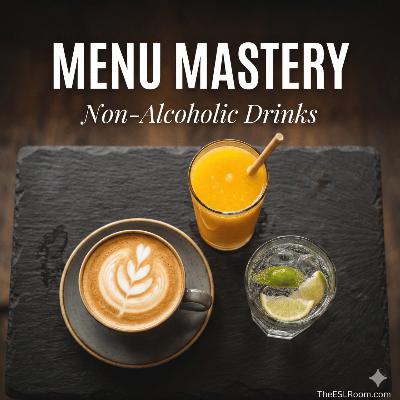
Welcome to Part 4 of the Menu Mastery Series from The ESL Room.In this episode, we cover non-alcoholic drinks — coffee, tea, soft drinks, juice, and water service. Learn the vocabulary and phrases to handle any beverage order.You'll learn:→ The difference between cappuccino, latte, and other coffee drinks→ Tea categories and how to describe them→ Professional phrases for taking drink orders and offering refillsThis series is designed for pre-intermediate English learners (A2-B1) working in restaurants and hospitality. Simple language, practical phrases you can use tonight.Read the full guide: https://theeslroom.com/non-alcoholic-drinks-coffee-tea-beverage-confidence/Ready to master every part of restaurant service? Join the English for Waiters course at learn.theeslroom.com/english-for-waitersTheESLRoom.com
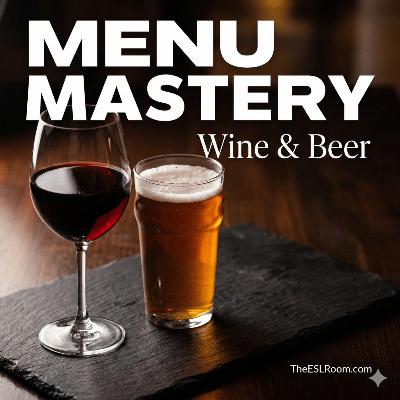
Welcome to Part 3 of the Menu Mastery Series from The ESL Room.In this episode, we demystify wine and beer service. No sommelier knowledge required — just the essentials every server needs to recommend drinks confidently.You'll learn:→ The 5 wine categories and the key difference between Chardonnay and Sauvignon Blanc→ Simple pairing rules that work every time→ The only thing you need to know about beer: ale vs lagerThis series is designed for pre-intermediate English learners (A2-B1) working in restaurants and hospitality. Simple language, practical phrases you can use tonight.Read the full guide: https://theeslroom.com/wine-beer-service-confident-beverage-recommendations/Ready to master every part of restaurant service? Join the English for Waiters course at learn.theeslroom.com/english-for-waitersTheESLRoom.com
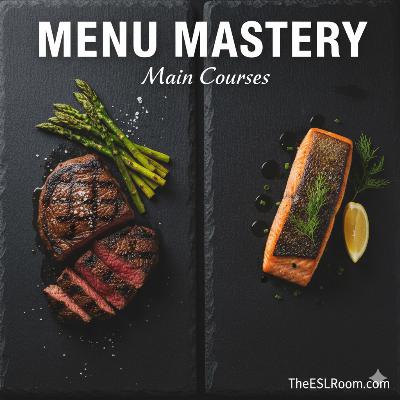
Welcome to Part 2 of the Menu Mastery Series from The ESL Room.In this episode, we tackle main courses — the heart of every meal. Learn how to confidently describe proteins, cooking methods, and side dishes to your customers.You'll learn:→ The main proteins every server should know (beef, chicken, fish, plant-based)→ Essential cooking methods and what they do to food (grilling, roasting, pan-searing, braising)→ How to handle the critical steak doneness questionThis series is designed for pre-intermediate English learners (A2-B1) working in restaurants and hospitality. Simple language, practical phrases you can use tonight.Read the full guide: https://theeslroom.com/main-courses-describing-proteins-sides-preparation/Ready to master every part of restaurant service? Join the English for Waiters course at learn.theeslroom.com/english-for-waitersTheESLRoom.com
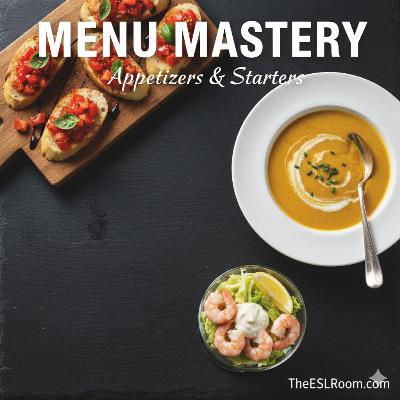
Welcome to Part 1 of the Menu Mastery Series from The ESL Room.In this episode, we break down appetizers and starters — the dishes that set the tone for every meal. Learn how to confidently describe soups, salads, bruschetta, prawns, and more to your customers.You'll learn:→ The main appetizer categories every server should know→ Professional phrases to describe starters (not just "it's a salad")→ How to answer common customer questions about portions and sharingThis series is designed for pre-intermediate English learners (A2-B1) working in restaurants and hospitality. Simple language, practical phrases you can use tonight.Ready to master every part of restaurant service? Join the English for Waiters course at https://learn.theeslroom.com/english-for-waitersFull Blog:https://theeslroom.com/appetizers-starters-how-to-describe-the-perfect-beginning/
"Can you provide three professional references?" The job application stares at you. You've worked in restaurants for years—but you've never actually asked anyone to be a reference. Now what?This comprehensive strategy guides restaurant workers through securing professional references and recommendation letters for job applications. Learn the distinction between these two credentials (references are mandatory, written letters are valuable bonuses), discover best practices for selecting credible contacts like direct managers or senior coworkers, and gain professional scripts for making requests.You'll master:The distinction: references (mandatory) vs. recommendation letters (career advancement bonuses)Selecting credible contacts: direct managers, senior coworkers, shift supervisorsProfessional scripts for making reference requestsSolutions for limited experience or work history gaps (character references, volunteer supervisors)Professional etiquette: notifying references before applications, thanking them after securing positionsWhy strong endorsements verify reliability and customer service skills in hospitalityHow to maintain reference relationships for long-term career growthStrong endorsements open doors. Build them strategically.Resources: 📖 Full guide with selection criteria and request scripts: https://theeslroom.com/professional-references-and-recommendation-letters/ 🎓 Complete course: https://learn.theeslroom.com/english-for-waitersCareer Growth Series | ~12 minutes
You've been working hard for two years. You train new servers. You handle the difficult tables. You're still making the same base wage as someone who started last month. It's time to ask—but you don't know how.This strategic framework guides restaurant servers through effectively negotiating for higher pay and professional advancement. Follow Elena's story as she documents her value, researches market standards, and selects optimal timing for her request. Learn why raises in the service industry are rarely automatic, requiring specific data preparation and professional scripts for face-to-face meetings.You'll master:Documenting your personal value with specific data and achievementsResearching market wage standards to support your requestSelecting the optimal timing (never during a rush, always scheduled)Professional scripts for the actual face-to-face meetingHandling various managerial responses with prepared alternativesAlternative solutions if direct wage increase is denied (better shifts, new titles, responsibilities)Overcoming fear of rejection through disciplined preparationRaises aren't automatic. Preparation earns fair compensation.Resources: 📖 Full framework with Elena's story and negotiation scripts: https://theeslroom.com/how-to-ask-for-a-raise-or-promotion-a-servers-guide/ 🎓 Complete course: https://learn.theeslroom.com/english-for-waitersCareer Growth Series | ~12 minutes
They're taking $20 from your tips every shift for "kitchen appreciation." Your manager says it's normal. It's not—it's wage theft, and it's illegal.This guide outlines the legal protections and workplace rights specifically available to restaurant industry employees. Learn to identify and address wage theft (unpaid overtime, illegal tip sharing, working off the clock), understand procedures for reporting sexual harassment and discrimination based on protected characteristics, and discover documentation techniques that provide evidence if legal disputes arise.You'll master:Identifying wage theft: unpaid overtime, illegal tip sharing, off-the-clock workReporting procedures for sexual harassment and discrimination (race, age, gender)Documentation strategies: shifts, hours, interactions, incidentsFederal protections that apply regardless of immigration status or English proficiencyGovernment agencies and legal resources for seeking justice and back payThe difference between legal workplace practices and exploitationHow to protect yourself while employed in the restaurant industryThese protections exist. Know your rights.Resources: 📖 Full guide with legal protections and reporting procedures: https://theeslroom.com/restaurant-worker-rights-workplace-problems-harassment-guide/ 🎓 Complete course: https://learn.theeslroom.com/english-for-waitersCareer Growth Series | ~12 minutes
Day one. The dining room feels like chaos. The POS system might as well be written in code. You're certain everyone can see you're lost—and you're right. The first 30 days will either break you or build you into a server the team trusts.This comprehensive framework guides new restaurant servers through their first month successfully. Learn the phased training timeline from initial observation and layout memorization to supervised practice and eventual independence. Master the POS system "golden rule" that prevents service disasters, and discover why your relationship with kitchen staff determines your survival.You'll master:The phased training timeline: observation → supervised practice → independencePOS system golden rule: report technical errors immediately (avoid disasters)Building respectful kitchen relationships for smooth workflowCommunication strategies for ESL employees handling language barriersLayout memorization techniques that prevent rookie mistakesWhy reliability and positive attitude matter more than speedThe critical first impressions that determine long-term career successYour first 30 days set your reputation. Navigate them right.Resources: 📖 Full framework with training timeline and communication strategies: https://theeslroom.com/your-first-30-days-as-a-server-how-to-succeed-in-your-new-restaurant-job/ 🎓 Complete course: https://learn.theeslroom.com/english-for-waitersCareer Growth Series | ~12 minutes
"Tell me about yourself." Your mind goes blank. You've served hundreds of tables, but this interview question freezes you completely.This comprehensive guide provides practical strategies for getting hired as a restaurant server, with particular focus on non-native English speakers. Learn why preparation and attitude matter more than extensive experience, as restaurant interviews follow highly predictable patterns you can master.You'll master:Specific templates for answering common interview questionsThe three-step method for explaining how you resolve customer conflictsProfessional attire guidelines that signal "hire me"Follow-up protocols that set you apart from other candidatesRed flags to watch for in potential employers (protect yourself)Why clear communication beats perfect experienceHow to transform interview anxiety into confidenceRestaurant interviews are predictable. Preparation is everything.Resources: 📖 Full guide with question templates and answer scripts: https://theeslroom.com/how-to-get-hired-server-interview-guide/ 🎓 Complete course: https://learn.theeslroom.com/english-for-waitersCareer Growth Series | ~12 minutes
You spilled wine on a guest's jacket. Your heart sinks. The next 60 seconds will either end your shift in shame—or prove you're a professional who turns disasters into displays of excellence.This episode provides a comprehensive guide to mastering service recovery when inevitable errors occur. Learn the L.A.S.T. method (Listen, Apologize, Solve, Thank)—a professional framework for handling any mistake. Discover how avoiding blame and taking full responsibility activates the service recovery paradox: guests who experience perfect recovery become more loyal than those who never had a problem.You'll master:The L.A.S.T. method: Listen, Apologize, Solve, Thank (in that exact order)How the service recovery paradox increases loyalty after mistakesTaking full responsibility without the blame gameResponse scripts for common errors (wrong orders, spills, delays)Prevention checklists that stop mistakes before they happenManager escalation protocols (when to get help vs. handle it yourself)Why sincere apology + swift solution = professional excellenceHuman error is unavoidable. How you manage the aftermath determines your reputation.Resources: 📖 Full guide with L.A.S.T. framework and response scripts: https://theeslroom.com/recovering-from-mistakes-restaurant-service-errors/ 🎓 Complete course: https://learn.theeslroom.com/english-for-waitersConfidence Workshop Series | ~12 minutes
The phone rings. Your heart races. You can handle face-to-face service perfectly, but answering without visual cues—just your voice and English skills—feels like stepping onto a stage unprepared.This episode provides a structured framework for mastering professional phone etiquette and reservation management. Learn the four-part greeting formula, follow the seven-step booking checklist (party size, dietary needs, contact info), and gain scripted responses for fully booked nights and difficult callers.You'll master:Four-part greeting formula for instant professionalismSeven-step reservation checklist preventing errorsWhy smiling while speaking changes your vocal toneReconfirming details without sounding uncertainHandling difficult situations: full bookings, rude callersVocal confidence without visual cuesReal call scenarios with scripted responses.Resources: 📖 Full guide with formula and checklist: https://theeslroom.com/phone-reservations-restaurant-english-booking-calls/ 🎓 Complete course: https://learn.theeslroom.com/english-for-waitersConfidence Workshop Series | ~12 minutes
"Your total is forty-two thirty-three." You say it perfectly. But the guest looks confused. The problem? You're using numbers like a textbook, not like a native speaker.This episode provides practical language strategies for navigating every financial interaction effectively. Master how native speakers say prices, learn vocabulary for payment methods and split checks, gain mental math shortcuts, and discover diplomatic phrases for declined cards and billing errors.You'll master:Natural price pronunciation: "fourteen fifty" not "fourteen point five zero"Payment vocabulary and split check clarityMental math for tips, tax, and splitsDiplomatic phrases for sensitive financial situationsAmerican tipping etiquette communicationFinancial transparency that increases tipsReal scenarios: pricing inquiries, declined cards, complex splits, billing errors.Resources: 📖 Full guide with vocabulary and math shortcuts: https://theeslroom.com/numbers-money-restaurant-english-bills-tips/ 🎓 Complete course: https://learn.theeslroom.com/english-for-waitersConfidence Workshop Series | ~12 minutes
You've mastered guest language. But the moment you turn to the kitchen, you need something completely different: direct, efficient coordination that keeps high-pressure shifts running smoothly.This episode provides a comprehensive framework for workplace English in restaurants—the behind-the-scenes language with managers, chefs, and coworkers. Learn essential industry terminology ("86," "in the weeds," "on the fly"), practical phrases for scheduling and kitchen coordination, and how active listening and professional brevity build team confidence.You'll master:The distinction between guest language (polished) and workplace language (efficient)Essential restaurant terminology and industry shorthandKitchen coordination without conflictProfessional scheduling requests and conflict resolutionTransitioning from language student to capable team playerReal scenarios in fast-paced kitchen environments.Resources: 📖 Full framework with terminology guide: https://theeslroom.com/peaking-to-managers-coworkers-restaurant-english/ 🎓 Complete course: https://learn.theeslroom.com/english-for-waitersConfidence Workshop Series | ~12 minutes
Same job. Same language. Completely different restaurants.Using casual language in a fine dining restaurant makes you sound unprofessional. Using formal language in a casual diner makes customers uncomfortable. The difference between these communication styles can be the difference between fitting in or standing out—for the wrong reasons.In this episode, we break down exactly when to use formal versus casual English in restaurants, and give you the complete phrase bank for both styles. You'll learn why "What can I get you?" works perfectly in a sports bar but fails in an upscale steakhouse, and discover how to read restaurant cues so you always match the expected communication level.You'll Learn:The three restaurant types and their expected communication styles (casual, mid-range, fine dining)Side-by-side phrase comparisons: "Hey guys!" vs "Good evening, welcome"How to read restaurant cues (menu prices, dress code, atmosphere) to determine the right styleWhy using the wrong style damages tips even when your service is perfectThe specific words that signal "formal" vs "casual" to English speakersHow to switch between styles when you work multiple restaurant typesRegional differences: American casual vs British formalCommon Mistakes Covered:Why "No problem!" sounds unprofessional in fine dining (say this instead)Using "you guys" in upscale restaurants (this kills your tip)The danger of being too formal in casual settings (customers feel uncomfortable)Why first-person language ("I'll get that for you") works everywhereHow mixing formal and casual in the same sentence confuses customersFollow side-by-side scenarios as we compare how the same situation (taking a drink order, presenting the check, handling a complaint) sounds in casual versus fine dining restaurants. You'll hear exactly which words change and why.Perfect for: Servers who work in different restaurant types, ESL workers learning natural English registers, and anyone who wants to sound appropriately professional for their restaurant level.Here's the key insight: Native English speakers don't think about formal vs casual—they feel it. This episode makes the invisible rules visible so you can match customer expectations naturally.Resources: 📖 Read the full blog post with 50+ formal and casual phrase comparisons: https://theeslroom.com/formal-vs-casual-restaurant-english/🎓 Master both communication styles and all restaurant English situations: Get the complete English for Waiters course at https://learn.theeslroom.com/english-for-waitersEpisode from: Confidence Workshop Series Duration: ~12 minutes
"Can we split this six ways?""Wait, she's paying for his meal but not mine.""I'll cover the appetizers, he's got the drinks, and we're splitting the mains."It's the end of the meal, you're slammed, and the payment chaos is about to cost you 15 minutes and probably your tip. Unless you know the system.In this episode, we reveal the professional payment management system that turns the most complicated check situations into smooth, error-free transactions. You'll learn why the best servers prevent payment confusion before it starts, discover the exact questions to ask when seating a table, and master the techniques that save time while increasing your tips.You'll Learn:The one question to ask when seating that prevents 90% of payment problemsThe seat numbering system that eliminates "Who had the salmon?" foreverHow to handle split checks without slowing down your serviceProfessional phrases for managing shared items (appetizers, bottles, desserts)The psychology of payment timing that increases tipsWhy presenting the check too early or too late costs you moneyHow to process separate cards efficiently without multiple tripsCommon Mistakes Covered:Why waiting until the end to ask about separate checks creates chaosThe danger of not writing down who ordered what (memory fails under pressure)How confusion about the bill destroys tips even when service was perfectWhy saying "The system can't split that" makes you look incompetentThe biggest mistake: not clarifying shared items before they're orderedFollow real scenarios as a professional server manages everything from a simple two-way split to a complex business dinner with seven people, multiple payment methods, and shared appetizers—all without confusion or delays.Perfect for: Servers who want to eliminate payment stress, speed up table turnover without rushing guests, and protect their tips when handling complex bills.Here's the reality: Payment is the last interaction customers have with you. Confusion here erases the memory of perfect service. Smooth checkout? They remember you as a professional and tip accordingly.Resources: 📖 Read the full blog post with all payment scripts: https://theeslroom.com/managing-payment-separate-checks-restaurant-server-guide/🎓 Master all payment situations and checkout procedures: Get the complete English for Waiters course at https://learn.theeslroom.com/english-for-waitersEpisode from: Deep Dive Series Duration: ~12 minutes
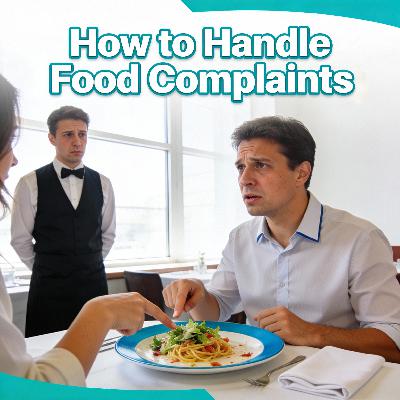
The steak is overcooked. The pasta is cold. The customer is upset. In the next 60 seconds, you'll either lose this table forever—or turn them into your most loyal guests.Here's the truth professional servers know: complaints aren't failures. They're opportunities. When handled correctly, a guest who complains becomes more loyal than one who never had a problem in the first place. This is the service recovery paradox—and it can transform your tip average.In this episode, we break down the proven three-step recovery system that turns food complaints into customer loyalty. You'll learn why your instinct to explain what went wrong actually makes things worse, discover the exact apology phrases that rebuild trust, and master the follow-up technique that guarantees they'll come back.You'll Learn:The three-step recovery system: Listen, Apologize, Solve (in that exact order)Why letting them finish complaining completely is crucial (even when you already know the solution)The "apologize for the experience" technique that works even when it's not your faultSpecific solution phrases that show ownership without making promises you can't keepThe 2-minute follow-up that most servers skip (this guarantees loyalty)How to communicate with the kitchen during recovery without throwing them under the busCommon Mistakes Covered:Why saying "That's the kitchen's fault" destroys your tip and your reputationThe danger of offering solutions before the customer finishes explainingHow defensive body language undermines even perfect wordsWhy asking "What do you want me to do?" makes you look incompetentThe biggest mistake: not following up after the replacement dish arrivesFollow a real scenario as a professional server handles an overcooked steak complaint—from the initial response through kitchen communication to the final follow-up that earns a generous tip despite the problem.Perfect for: Servers who want to turn mistakes into opportunities, protect their income when things go wrong, and build a reputation for exceptional service recovery.Here's the reality: Every restaurant has problems. The difference between average and exceptional servers isn't avoiding complaints—it's handling them so well that customers trust you more, not less.Resources: 📖 Read the full blog post with 50+ recovery phrases: https://theeslroom.com/handle-food-complaints-restaurant-server-script/🎓 Master all difficult customer situations and service recovery techniques: Get the complete English for Waiters course at https://learn.theeslroom.com/english-for-waitersEpisode from: Deep Dive Series Duration: ~12 minutes
Most servers think upselling means being pushy. They're wrong—and it's costing them hundreds of dollars in tips every month.The secret? Professional servers don't "sell." They guide customers to better choices. This subtle shift in approach transforms upselling from an uncomfortable pitch into a natural part of excellent service—and it can add $1000+ to your monthly income.In this episode, we reveal the psychology behind why certain phrases make customers say yes while others trigger resistance. You'll learn the exact words that position you as a trusted advisor rather than a salesperson, and discover why the best upselling happens before customers even look at the menu.You'll Learn:The "advisor mindset" that makes upselling feel natural (not pushy)Why saying "Would you like dessert?" kills your salesThe three perfect moments to upsell (most servers miss #2)Power phrases that increase dessert sales by 40%How to read customer cues so you never pressure the wrong tableThe psychology of menu language that triggers buying decisionsCommon Mistakes Covered:Why asking "anything else?" at the wrong time loses salesThe danger of listing options instead of making recommendationsHow uncertainty in your voice destroys trust and salesWhy servers who "don't want to be pushy" actually provide worse serviceFollow real scenarios as professional servers guide customers toward premium appetizers, wine pairings, and desserts—using natural language that feels helpful, not sales-y. You'll hear the exact timing, phrasing, and body language that separates high-earning servers from average ones.Perfect for: Servers who want to increase their income without feeling uncomfortable, build customer trust, and master the art of guiding (not selling).Think of it like this: A sommelier doesn't ask "Do you want wine?" They say, "I'd recommend pairing this with our Pinot Noir—it brings out the mushroom notes beautifully." Same technique, different product.Resources: 📖 Read the full blog post: https://theeslroom.com/upsell-restaurant-server-natural-techniques/🎓 Master all upselling techniques and increase your tips: Get the complete English for Waiters course at https://learn.theeslroom.com/english-for-waitersEpisode from: Deep Dive Series Duration: ~12 minutes
loading
Comments