


From Set To Sofa with Lulu
Subscribed: 0Played: 0
Subscribe

© Ray Falzon
Description
You remember the shows. You remember the faces. But what happened to the Stars who once lit up Australian television, the household names you admired, the scene-stealers you never forgot, and the brilliant performers who quietly slipped from view as the years went on? From Set to Sofa with Lulu is an audio-only podcast that brings them back for a proper yarn, up close and unhurried, with stories only they can tell.
Each episode is an intimate, one-on-one chat between Lulu and a veteran Star from the pioneering days of Australian TV and film. Relax and enjoy. À bientôt
Each episode is an intimate, one-on-one chat between Lulu and a veteran Star from the pioneering days of Australian TV and film. Relax and enjoy. À bientôt
9 Episodes
Reverse
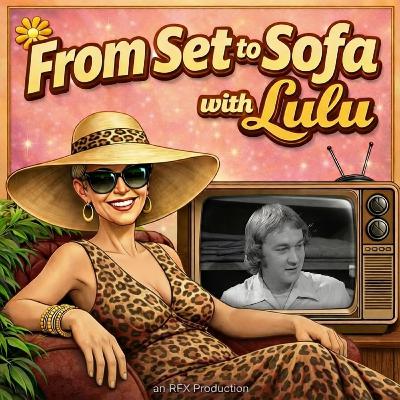
In this episode of From Set To Sofa, Lulu dives deep into the heart of the golden age of television to reconnect with a man who lived through 1,086 episodes of drama both on and off the screen, a true icon of the golden age of Australian television for a reunion four decades in the making. Behind the polished performances of one of the country’s most beloved long-running dramas lies a treasure trove of unfiltered secrets, on-set blunders, and encounters with future global legends.The conversation primarily focuses on King's extensive career in Australian television and theatre, most notably his seven-year tenure playing Dennis Jamison on the soap opera The Young Doctors. King reflects on his early beginnings in Tasmania, his transition to the Sydney entertainment scene, and his experiences working alongside industry legends like Gwen Plumb and Reg Grundy. But the secrets do not stop at the hospital doors. Beyond the glitz and the unfiltered blunders, this is a deeply personal conversation about the reality of raising a "tribe" of seven children on an actor's pay packet and the incredible resilience required to bounce back after a massive, life-altering health crisis. From discovering a future international pop princess in a local talent school to introducing Prime Ministers on stage, this episode offers an intimate look at a career that defines the very spirit of Australian entertainment. It is time to step behind the curtain and hear the stories that were never meant for the morning headlines. The chat concludes with King sharing his continued passion for community theatre and his upcoming directorial project on the Central Coast
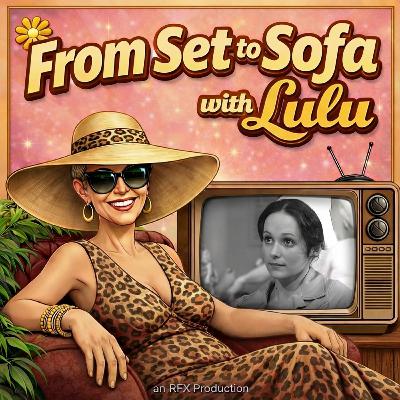
A shocking accident on the first day of shooting Mad Max. A biker gang closing in at a hair salon. Hidden tensions on a hit TV show. A world famous actor passed out on a couch after a night of pure chaos.In this explosive episode of From Set To Sofa, Lulu reunites with her longtime friend and fellow screen beauty Joanne Samuel for a candid, high spirited and often jaw dropping conversation about the golden years of Australian television and film.To audiences, they were two unforgettable stars of The Young Doctors, lighting up the screen as glamorous nurses in one of Australia’s most beloved dramas. Off screen, their friendship was forged in a very different world, one filled with wild parties, private confessions, backstage dramas and the kind of outrageous real life stories that rarely get told.Joanne opens up about the life changing phone call that led to Mad Max and the terrifying near fatal incident that almost ended the journey before it began. She shares the surreal experience of being trapped in an upscale salon while a real biker gang gathered around her, turning an ordinary day into something that felt genuinely menacing.Lulu and Joanne also lift the curtain on the hidden side of fame. There are surprising revelations about Mel Gibson and the unexpected bond he and Joanne still share. It is warm, funny and at times incredibly moving, showing the real loyalty that existed behind the glamour.They also revisit the truth behind the so called pioneer days of television, when studios leaked, tapes were erased, everybody worked at full speed and not everything was as happy behind the camera as it looked on screen. From secret tensions on successful productions to mystery tours filled with dangerous driving, handbrake turns and total mayhem, this episode captures an era when the industry was thrilling, unpredictable and completely unfiltered.Funny, revealing, nostalgic and packed with stories you will not hear anywhere else, this is more than a reunion. It is a front row seat to the real backstage world of Australian entertainment, told by two women who lived it.
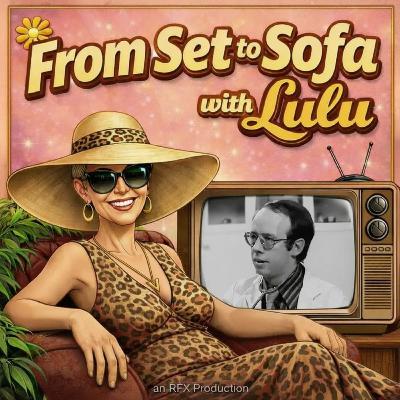
In this episode of From Set To Sofa with Lulu, Lulu welcomes a very special guest and a dear longtime friend, Tim Page. They first met on the set of The Young Doctors back in 1977, right in the middle of the show’s peak. Tim went on to become a true household name as Dr. Graham Steele, a regular from 1976 to 1982. So what does it feel like to be recognised everywhere, years before social media and PR teams smoothed the edges? Did strangers assume he was the doctor in real life? Did fans cross lines, follow him, or demand medical advice because they believed “Dr. Steele” was real?And then comes the part most people do not know. Tim is not just an actor. He is a multi-talented performer with a career that moved far beyond Aussie television. He wrote television scripts for The Young Doctors, The Restless Years and Neighbours. He toured, he sang, he directed, and he built a reputation in musical theatre that took him overseas. Highlights include two years in London in Andrew Lloyd Webber’s Aspects of Love, and a year in The Buddy Holly Musical. Lulu also revisits the unforgettable concert nights Tim created with his partner, Allan Royal, and the musical world he helped shape through teaching at the Central Coast Conservatorium of Music.Expect backstage stories, career turning points, the tough moments actors rarely admit to, and the advice Tim would give anyone dreaming of the stage or screen. Plus, there is a twist that still surprises people. If you love classic Aussie TV nostalgia, this episode delivers the fame, the fallout, the secrets, and the talent that made Tim Page unforgettable.
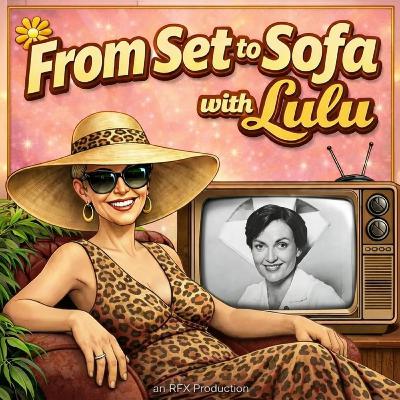
In this episode of From Set To Sofa with Lulu, Lulu takes listeners right back to the moment the industry stopped playing it safe. With Diana McLean she chats through the kind of career beginnings that sound almost impossible now: the early guest roles on Division 4 and Boney, the auditions, the advice that actually mattered, and that quiet (sometimes not-so-quiet) “fire in the belly” that either carries you through… or leaves you behind.Then the stories get even better. Diana talks about stepping into the cultural whirlwind of Number 96 as Dorothy Dunlop, including the famously awkward, very real question actors were asked back then: Would you take your clothes off? (Her answer, and how it was handled, is the kind of behind-the-scenes detail fans have been dying to hear.) From there, she reflects on the scale and pressure of Ben Hall as an ABC/BBC co-production, and how those big productions felt from the inside, not the glossy version, the real version. There’s also a chapter that surprises people: her time in England and Europe, living in France, and becoming fluent in French, because for Diana, acting was never just a job, it was a life she kept expanding.And of course, it wouldn’t be From Set To Sofa with Lulu without the golden-era TV moment everyone remembers. Diana returns to Australia and becomes Sister Vivienne Jeffries on The Young Doctors (1978–1982), a role that turns her into a household name. What does that actually feel like? She tells Lulu about being recognised everywhere, being stopped in the street, how neighbours and strangers treated her, and what happens when your face becomes “someone everyone knows.” She also shares what listeners really want: the funny moments, the slightly scandalous bits, and the honest realities of life on set—including whether she ever felt genuinely endangered, and the toughest challenge she faced across her career (and how she got through it).The conversation moves beyond television too, into the work that proves her range: theatre and film, including Glorious(and the delightfully bizarre skill of learning to sing off-key on purpose), along with the roles that demanded serious preparation and transformation. Diana also reflects on how the industry has changed, what she hopes audiences remember about her contribution, and the advice she’d give to actors coming up now, straight, practical, and earned the hard way.It’s warm, candid, and packed with insight, like sitting at the kitchen table with someone who doesn’t just remember the golden era… she helped make it.
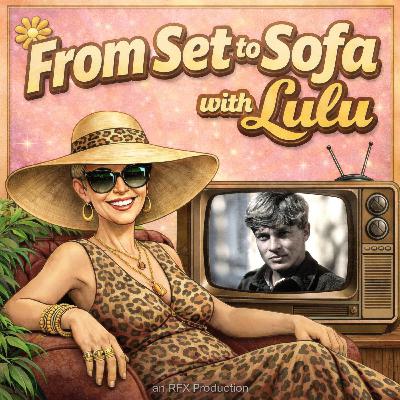
In this episode of From Set to Sofa with Lulu, Lulu sits down with one of Australian screen history’s most iconic leading men: Mark Lee.Catapulted to fame in the early ’80s, Mark became etched into the national memory through landmark performances, most famously as the young Anzac in Gallipoli, a role that defined an era and remains one of Australian cinema’s most powerful moments. But that was only the beginning.Audiences saw him transform again and again: a paraplegic Vietnam veteran, a dangerous presence in Number 96, complex characters across stage and screen, and later, commanding roles in series like A Place to Call Home, where he proved that maturity brings an entirely new kind of power.In this revealing conversation, Mark reflects on the highs and the head-scratchers, why Hollywood never came calling the way everyone expected, how low-budget productions demanded ingenuity (including creating his own on-screen bruises), and why the craft has always mattered more than the spotlight.Now deeply immersed in theatre, rehearsing Shakespeare, performing live music, and still saying yes to challenging work, Mark’s story is one of longevity, talent and quiet defiance of industry expectations.With Lulu’s trademark warmth, curiosity and insider understanding, this episode goes beyond the headlines to uncover the man behind the roles, the passion, the resilience and the career that never really stopped.If you remember when Australian actors didn’t just act... they left a mark ... this episode is essential listening.Some stars burn bright.Some disappear.And some… keep evolving.
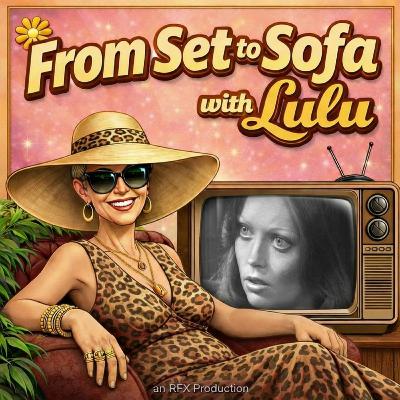
Lulu chats with Belinda Giblin, the golden-era standout who first came to prominence in the racy, headline-grabbing TV series The Box, and quickly became one of those faces Australian audiences never forgot. Cultured, self-driven, and raised by theatrical parents, Belinda trained in ballet, plays the piano, loves classical music, and carries a quiet steel that made even the most outrageous storylines feel believable.Fans still talk about the moment she stepped into one of the most infamous roles in Aussie TV history, replacing Rowena Wallace as “Pat The Rat,” and somehow making the character entirely her own. Then came reinvention after reinvention, including a striking return in a very different guise as Martha Stewart on Home and Away. But the real hook is what happened behind the scenes: a health scare, a strategic career pivot, and a bold move into producing that changed how casting saw her and what she could do next.This episode pulls back the curtain on a powerhouse stage career, fearless transformations, and near-misses that should have come with major awards. It also reveals the surprising ways Belinda kept working, evolving, and refusing to stand still. A conversation full of mystery, nostalgia, and the kind of resilience you rarely get to hear in someone’s own words.
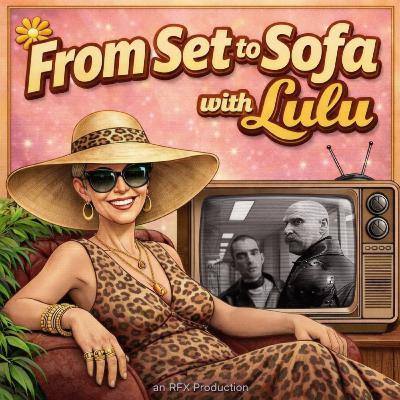
Settle in for a nostalgic, behind-the-scenes ride with legendary Australian actor Roger Ward, the instantly recognisable face whose career spans from the swinging sixties right through to today. From his unforgettable turn on Number 96, where he famously sprouted Shakespeare and even launched into rock and roll, to playing the menacing Fifi in Mad Max, Roger’s story goes far beyond what viewers saw on screen.With more than one hundred film and television credits, he also reveals a lesser-known side of his career that is genuinely surprising: his significant work as a writer and script editor, shaping stories from the inside out. Film fans will love the tales from Australia’s classic Ozploitation era, including the fearless commitment that saw him performing his own stunts. It is no wonder his reputation travelled well beyond Australia, earning him high-profile praise, including being called “a legend” by Quentin Tarantino.A warm, entertaining conversation packed with industry stories, early-career twists (including meeting Marlon Brando at just eighteen on Mutiny on the Bounty), and the craft and grit behind a lifetime in Australian entertainment.
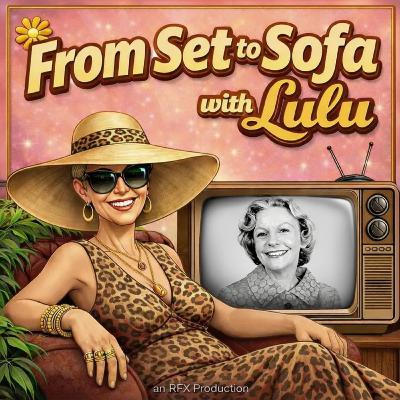
Best known as Edie “Mummy” McDonald from Number 96, Wendy became a mid-70s household name with a comic performance audiences still remember, yet that iconic role is only the most visible chapter of a career that helped shape Australian theatre and television from the ground up.Trained at Sydney’s Conservatorium and the Rathbone Academy, Wendy left for the UK when Australian theatre opportunities were scarce, cutting her teeth in repertory before returning in the early 1960s. She toured eight shows a week with J.C. Williamson across Australia and New Zealand, then built a formidable screen resume in staples like Homicide, Skippy and Boney, and even stepped into the light entertainment world as a panellist on Blankety Blanks.Off-screen, Wendy’s influence runs deeper. Awarded a Member of the Order of Australia and the JC Williamson Award for lifetime achievement, she also became a producer and founded Performing Lines, and she was a pioneer of Aboriginal theatre on Australian stages. From The Cake Man to Jack Davis’s trilogy (The Dreamers, No Sugar, Barungin) and beyond, her productions helped carry First Nations stories to major Australian venues and international audiences. This episode goes behind the laughter and the legacy, including the unexpected leap into producing, the sheer workload of balancing theatre with television fame, the nights that changed careers, and the advice she would give to actors trying to break through today.
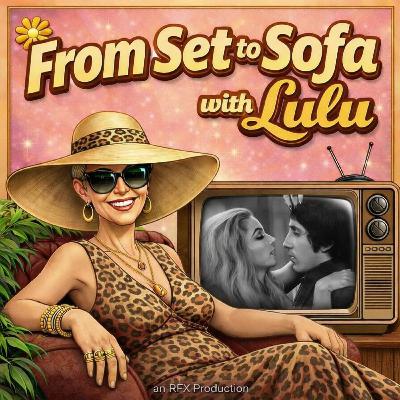
Hello and welcome to From Set to Sofa with Lulu — I’m Lulu.If you ever watched 70s Australian TV and thought, “How did they get away with that?” this is your backstage pass. Before PR teams, social media apologies, and careful messaging, Australian television went straight for the jugular — taboo topics, fearless performances, and storylines that had families arguing at the dinner table. The “golden era” wasn’t polite. It was provocative, chaotic, and completely unfiltered.In this pilot episode, Lulu (Louise Howitt) outlines what you can expect in “From Set To Sofa” podcast. Join Lulu for a relaxed, funny, thoughtful Aussie chat that feels like catching up over a cuppa, except your “old friends” are the legends who actually made the magic. You’ll hear what it was really like for actors, writers, directors and crew working flat out in very ordinary conditions to create extraordinary television.And for a naughty preview, we’re kicking off with a teaser montage of moments from guests like Wendy Blacklock, Roger Ward and Belinda Giblin, stories so outrageous you’ll wonder how they ever survived the shoot, let alone the broadcast.If you loved Sons and Daughters, The Box, Number 96, The Young Doctors and the classics that shaped Australian TV and Film, press play and come back with us to the sets where everything was bigger, bolder, and far less supervised.Subscribe, follow, and send in your questions about the actors, the shows, and the scenes you still remember. We’ll put your questions to future guests and give the audience a real voice on the sofa.
Comments


Download from Google Play

Download from App Store
 United States