DiscoverBuilt by People Leaders
Built by People Leaders
Claim Ownership

Built by People Leaders

Author: Daria Rudnik

Subscribed: 0Played: 0
Share

Description

Built by People Leaders is a podcast for HR, People, and L&D leaders navigating the pace, complexity, and uncertainty of growth-stage organizations — from scale-ups to fast-moving, ambitious companies across industries.


Hosted by Daria Rudnik — Team Architect, Executive Leadership Coach, and former Chief People Officer — the show explores how people leaders can navigate growth, complexity, and constant change while building cultures, capabilities, and leadership that truly drive business forward.


In each episode, Daria sits down with experienced in-house HR and People leaders who are building the people side of scale — from designing leadership development that keeps up with change, to earning trust at the executive table, to turning people strategy into business impact.


Daria brings a global perspective shaped by her work with clients across six continents, her time at Deloitte, and her leadership through global financial crises, wars, and the COVID-19 pandemic. She is the author of CLICKING: A Team Building Strategy for Overloaded Leaders and co-author of The AI Revolution: Thriving Within Civilization’s Next Big Disruption.


If you’re building and leading the People function inside a fast-moving company, this podcast gives you a seat at the table — where impact begins from within.

13 Episodes
Reverse
In this episode of the Build by People Leaders podcast, host Daria Rudnik speaks with Oksana Lukash, People & Culture executive and fractional Chief People Officer with over 25 years of experience helping high-growth companies scale sustainably. Oksana shares practical insights on what it really means for HR to understand the business, why culture must be treated as organizational infrastructure, and how leaders can adopt AI and growth strategies without turning their companies into copies of others. The conversation explores how people leaders can balance rapid growth, limited resources, and human-centered leadership in today’s evolving workplace.   Key Takeaways Understanding the business means understanding how value is created end-to-end. HR earns credibility when it speaks the operational language of the company—not external frameworks or trends. Culture cannot be owned by HR alone. Sustainable culture exists only when every employee takes responsibility for how work gets done. AI should create capacity, not just efficiency. The real opportunity of AI is freeing people to focus on collaboration, learning, and human connection. The biggest leadership mistake is copying successful companies. Organizations perform better when they design culture, benefits, and ways of working around their own reality—not someone else’s playbook.   Chapters 00:00 Introduction to Oksana Lukash 00:58 Oksana's Journey into HR 03:58 Challenges in Fast-Growing Companies 05:59 Understanding Business as an HR Leader 10:23 The Role of HR in Company Culture 12:51 The CEO's Role in Culture 16:20 AI's Impact on Workplace Dynamics 24:55 Rapid Fire Questions 28:37 Lessons on Authenticity and Individuality
In this episode of the Build by People Leaders podcast, host Daria Rudnik speaks with Dr. Mary C. Kelly, a retired U.S. Navy commander and executive leadership advisor. They explore how HR leaders can earn a seat at the executive table, lead organizational transformation, and leverage AI while keeping people at the center. Mary shares insights from her extensive leadership experience, emphasizing problem-solving, mentorship, and proactive involvement in both business and technology initiatives. The conversation highlights how HR directors are uniquely positioned to develop leaders, drive engagement, and even prepare for executive roles like CEO.   Key Takeaways - HR prevents problems before they escalate.Strategic HR is about creating solutions, not just managing issues. - Small gestures drive engagement. Simple recognition and personal connection can dramatically boost motivation and productivity. - HR leads the AI transformation. Technology is a tool—success comes from guiding people on how to use it effectively. - HR experience prepares you for the CEO role. Understanding people, processes, regulations, and budgets builds the foundation for strategic leadership.   LinkedIn - https://www.linkedin.com/in/drmarykelly www.ProductiveLeaders.com   Chapters   00:00 Introduction to HR Leadership in Tech 02:42 The Importance of HR at the Executive Table 06:08 Earning a Seat at the Table 09:05 Transforming HR from a Reactive to a Proactive Role 11:38 The Role of HR in Employee Engagement 14:44 AI's Impact on HR and Organizational Dynamics 17:36 Leading AI Transformation in Organizations 20:42 The Skills of an HR Director as a CEO 23:45 Rapid Fire Questions and Personal Insights
In this episode of the Build by People Leaders podcast, host Daria Rudnik speaks with Elena Krutova, a seasoned HR and operations leader with over 20 years of experience. Elena shares her journey from recruiter to Chief Operations Officer, highlighting the importance of human-centric leadership, integrity, and delivering tangible results. She discusses strategies for HR professionals to be true business partners, the challenges of leading transformations in both fast-growing and struggling organizations, and the role of AI as an efficiency-enhancing tool rather than a replacement for human connection. Elena also shares her advice for sustaining a successful career after 40, emphasizing persistence, confidence, and continuous learning. Takeaways HR earns a real seat at the table by delivering outcomes, not just “the right theory”. A sustainable career in fast-growing companies comes from clarity of purpose, strong values, and doing consistent “baby steps”. Moving from HR into broader operational leadership is possible when you understand how people work and can connect human, financial, legal, compliance, and process perspectives. The hardest transformations aren’t growth—they’re restoring health in struggling organizations, making fair but sometimes unpopular decisions with a “surgeon” mindset. AI should boost HR’s efficiency (policies, comms, materials) but never replace human connection. Linkedin - https://cy.linkedin.com/in/elenakrutova Company - www.voiso.com HR, leadership, business partner, AI in HR, career growth, organizational transformation, employee engagement, human resources, operations, workplace dynamics  
In this episode of Build by People Leaders, Daria Rudnik speaks with Dr. Shayna Cook, Chief People Officer at Dominion Payroll, about what it really takes to build modern organizations where people and performance thrive together. Shayna shares her nonlinear journey from science teacher to HR executive, why HR must think like a business owner, and how to move from “accidental organizations” to intentionally designed systems. She also walks through her practical AI transformation playbook — including governance, human oversight, and the three pillars guiding adoption — and tells the surprising story of how one employee built internal AI agents that saved the company hundreds of thousands of dollars.   A grounded, practical conversation for HR leaders navigating growth, AI, and real business impact.   Company website: www.dominionpayroll.com LinkedIn: https://www.linkedin.com/in/shaynacooke/   Takeaways • From science teacher to Chief People Officer — a nonlinear path that reshaped modern HR leadership. • Why HR must think like a business owner before advocating for people. • The 3-pillar AI playbook that turns transformation into measurable impact. • How building a culture of innovation unlocks unexpected employee growth and engagement. • Stop running “accidental organizations” — start designing systems where people and performance thrive.   Chapters 00:00 Introduction to HR and AI Transformation 04:50 Shayna's Nonlinear Career Path 09:54 The Role of HR in Organizational Systems 14:44 AI Integration in HR 19:57 Building a Culture of AI Engagement 24:38 Advice for HR Leaders 29:30 Unexpected Outcomes of AI Implementation
In this high-impact episode, executive coach Roshan Chander breaks down why leaders and executives get stuck in invisible decision loops that quietly limit growth, authority, and performance. Roshan explains how autopilot decision-making forms mental loops that affect leadership effectiveness, productivity, and long-term business strategy. He introduces the concept of a personal decision audit and shares practical steps leaders can take to identify patterns, build self-awareness, and move from reaction to intentional response. Through real client stories and clear frameworks, this conversation highlights how cutting decision loops can unlock clarity, confidence, and measurable business results. This episode is ideal for founders, executives, and professionals focused on leadership development, career growth, and better decision-making. Key Topics Covered: Decision-making patterns and mental loops Leadership self-awareness and personal audits Breaking autopilot behavior Executive coaching insights Productivity and performance improvement Strategic thinking and career growth Keywords: decision making, leadership, mental loops, self-awareness, personal audit, business strategy, executive coaching, productivity, decision patterns, career growth   Chapters: 00:00 Understanding Decision Loops 06:18 Identifying Personal Patterns 12:08 The Importance of Auditing Decisions 18:09 Breaking Free from Autopilot 20:27 Transformative Client Stories 22:24 Practical Steps to Cut Loops   #DecisionMaking #LeadershipDevelopment #ExecutiveCoaching #SelfAwareness #BusinessStrategy #Productivity #CareerGrowth #HighPerformance #LeadershipMindset
In this insightful episode, Dr. David Leitner explores a concept often overlooked in leadership conversations: followership. He challenges the traditional belief that leadership alone drives success and explains why followership is an active, intentional choice that plays an equally powerful role in organizational performance. Dr. Leitner breaks down the dynamic relationship between leaders and followers, emphasizing trust, mutual vision, and shared responsibility. He explains how strategic followership strengthens teamwork, improves organizational culture, and drives performance excellence. This conversation also addresses cultural biases that glorify leadership while undervaluing followership and highlights how choosing to be a follower can lead to personal fulfillment, professional growth, and long-term impact. This episode is essential listening for leaders, team members, managers, and anyone interested in personal development, servant leadership, and high-performing teams. Key Topics Covered: Leadership and followership dynamics Strategic followership in organizations Teamwork and organizational culture Mutual vision and trust building Servant leadership and energy management Personal development through followership Performance excellence and team effectiveness Keywords: leadership, followership, strategy, teamwork, organizational culture, personal development, servant leadership, energy management, mutual vision, performance excellence   Chapters: 00:00 Introduction to Leadership and Followership 05:05 The Dynamics of Leadership and Followership 10:07 Growing Followership in Organizations 15:01 The Importance of Followership 20:04 Cultural Perspectives on Leadership and Followership 24:54 Strategic Followership and Team Dynamics 29:57 Practical Applications of Followership 35:06 Personal Insights on Followership and Energy Management 40:07 Conclusion: The Choice of Followership   #LeadershipDevelopment #Followership #Teamwork #OrganizationalCulture #ServantLeadership #PersonalGrowth #PerformanceExcellence #StrategicLeadership #WorkplaceCulture
In this powerful episode, Pavel Kovsharov shares his inspiring business journey from a corporate executive to a successful entrepreneur in the family entertainment industry. Starting his first business at just 16, Pavel reveals how entrepreneurship became his life’s calling and what led him to leave corporate life after a pivotal vacation. Pavel dives deep into the realities of building and scaling a family entertainment business, navigating global challenges like the pandemic and war, and leading teams through uncertainty. He highlights the critical role of company culture, leadership principles, and adaptability in long-term business success. This conversation also explores international expansion, market analysis, brand reputation, and personal growth as essential pillars for sustainable entrepreneurship. Whether you are a founder, aspiring entrepreneur, or business leader, this episode offers practical insights on resilience, leadership, and building businesses that last. Key Topics Covered: Entrepreneurship and early business mindset Transition from corporate executive to entrepreneur Building and scaling a family entertainment business Overcoming business challenges and global crises Leadership principles and company culture International expansion and market adaptability Brand building and long-term personal growth Keywords: entrepreneurship, business journey, family entertainment, company culture, leadership principles, international expansion, overcoming challenges, personal growth, market analysis, adaptability Chapters: 00:00 Pavel’s Entrepreneurial Journey Begins 07:33 Building a Family Entertainment Empire 11:08 Overcoming Challenges in Business 15:56 Expanding Internationally 23:52 Creating a Positive Company Culture 30:26 Leadership Principles and Lessons 35:54 Adapting to Change in a Dynamic World   #Entrepreneurship #BusinessJourney #FamilyEntertainment #LeadershipDevelopment #CompanyCulture #InternationalBusiness #StartupLife #BusinessGrowth #PersonalDevelopment #FounderStories
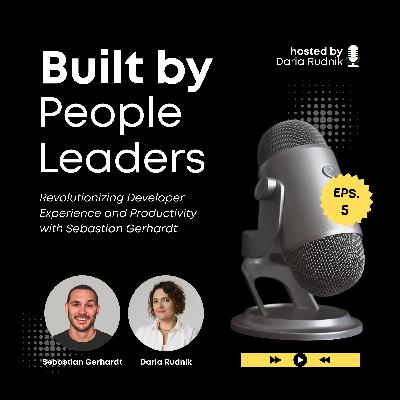
In this episode, Sebastian Gerhardt, founder of Flee, shares his entrepreneurial journey and deep insights into improving developer experience in modern software organizations. He explains why developer productivity cannot be measured by output alone and how organizational structure, team culture, and feedback systems play a critical role in engineering success. The conversation explores how CTOs and engineering leaders can identify friction points, foster open communication, and build high performing teams, especially in remote and distributed work environments. Sebastian Gerhardt also shares practical advice for adapting engineering management practices to the future of work. Key Topics Covered Developer experience and productivity in software teams Why output based metrics fail engineering teams Team culture and psychological safety Feedback systems and survey driven insights Organizational structure and engineering management Remote work and the future of software development LinkedIn: https://www.linkedin.com/in/sebastiangerhardt/ helloflea.com https://www.linkedin.com/company/helloflea #DeveloperExperience #EngineeringLeadership #CTO #SoftwareDevelopment #TeamCulture #RemoteWork #EngineeringManagement #Productivity #FutureOfWork
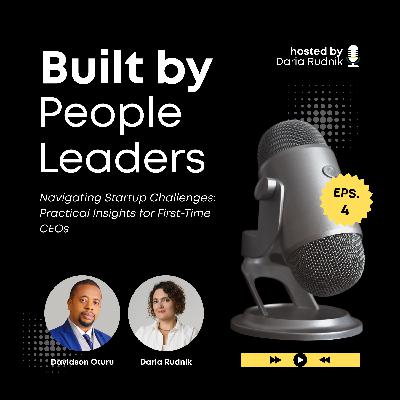
In this powerful episode, Davidson Oturu shares hard-earned insights from years of working with startups and first-time CEOs. He breaks down why having a great idea is not enough to run a successful business and highlights the most common mistakes new CEOs make in execution, operations, and financial management. David emphasizes the importance of understanding core business principles, building a leadership team with complementary skills, and defining company culture from day one. He also explores the critical relationship between CEOs and boards, the importance of aligning vision with stakeholder expectations, and why leadership must be treated as a continuous learning journey. This episode is essential listening for founders, first-time CEOs, and startup leaders aiming to build sustainable, high-performing companies. Key Topics Covered Common mistakes made by first-time CEOs Why ideas alone do not build successful businesses Business strategy and execution fundamentals Team building and leadership composition Company culture and long-term success CEO and board alignment Leadership development in startups LinkedIn: https://www.linkedin.com/in/davidsonoturu/ #StartupAdvice #FirstTimeCEO #LeadershipDevelopment #CompanyCulture #StartupSuccess #BusinessStrategy #VentureCapital #Entrepreneurship #FounderLeadership
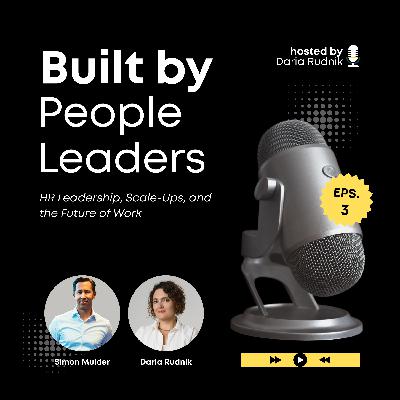
In this insightful episode, Simon Mulder shares his journey from software engineering to becoming a global HR leader. He explores how leadership styles evolve across large corporations and fast growing scale-ups, the real challenges behind mergers and acquisitions, and why many organizations struggle with integration and alignment. Simon Mulder also draws powerful parallels between parenting and leadership, emphasizing transparency, adaptability, and long-term thinking. From corporate culture to continuous learning and strategic decision-making, this conversation offers practical insights for leaders navigating the future of work. Key Topics Covered HR leadership and organizational development Corporate culture in scale-ups vs large enterprises Leadership styles across growth stages Mergers and acquisitions challenges Parenting principles applied to leadership Continuous learning and future-ready organizations LinkedIn: https://www.linkedin.com/in/simonmulder/?originalSubdomain=nl #HRLeadership #CorporateCulture #FutureOfWork #LeadershipDevelopment #ScaleUps #MergersAndAcquisitions #OrganizationalDevelopment #ContinuousLearning #StrategicLeadership #PeopleLeadership
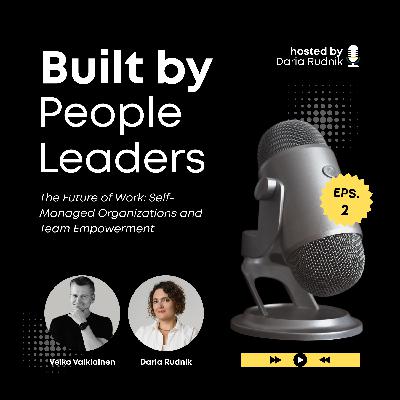
In this episode, Veiko Valkiainen explores the concept of self-managed organizations and how they are reshaping leadership, decision-making, and workplace culture. The conversation breaks down the principles of self-management, the role of Holacracy, and why clear role boundaries are critical for success. We dive deep into decentralized decision-making, team dynamics, and the challenges organizations face when shifting away from traditional hierarchies. Veiko also shares why autonomy and empowerment are becoming essential skills for the modern workforce and how organizations can adapt responsibly. This episode is a must-listen for leaders, founders, HR professionals, and anyone curious about organizational design and the future of work. Key Topics Covered   What self-managed organizations really mean How authority is distributed across roles The fundamentals of Holacracy Decision-making without traditional hierarchy Team alignment and resolving tensions Risks and challenges of self-management Empowerment, autonomy, and workplace culture Preparing organizations for the future of work Key Takeaways   Self-managed organizations distribute authority among role holders Clear role boundaries are essential for effective self-management Holacracy is a structured model for radical decentralization Decision-making happens at the role level, not the top Tensions are addressed through structured meetings Autonomy requires high ownership and accountability Empowerment is central to the future of work Resistance to change is a common challenge Meaningful contribution is replacing rigid job titles Strong team dynamics fuel collaboration and independence Chapters   00:00 Exploring Self-Managed Organizations 04:42 Understanding Self-Management 08:06 Practical Applications of Self-Management 11:28 Holacracy: A Model for Self-Management 19:45 Decision-Making in Self-Managed Organizations 25:19 Team Dynamics in Self-Management 32:46 Challenges and Risks of Self-Management 36:36 Preparing for the Future of Work   LinkedIn: https://www.linkedin.com/in/veiko-valkiainen/   #FutureOfWork #SelfManagement #Holacracy #LeadershipDevelopment #OrganizationalDesign #WorkplaceCulture #TeamEmpowerment #DecentralizedLeadership #ModernWorkplace #PeopleFirst
In this episode of Build by People Leaders, we’re talking about the seat at the table — and why it’s built, not given. For years, HR leaders have worked to be recognized as true business partners, not just support or administrative functions. While progress is happening, there’s still a critical gap — especially when it comes to AI. According to IBM’s 2025 CEO Report, only 1% of CEOs expect HR to support their company’s AI transformation. That number should stop us. AI is already reshaping how we work, how we lead, and how organizations build capability. If HR and People leaders are not at the core of this shift — preparing leaders, designing systems, and shaping new ways of working — then who is? This episode sets the tone for why Build by People Leaders exists: to elevate those internal leaders who are earning trust, building capability, and turning people strategy into business strategy. Because the seat at the table isn’t given. It’s built — by People Leaders.
Welcome to Build by People Leaders, a podcast brought to you by Aidra.AI, an AI coach for leaders in tech, and hosted by Darya Rudnik, team architect and executive leadership coach. This podcast is created for in-house HR leaders, people partners, founders, and executives who are building the people side of fast-growing organizations. On this show, you’ll hear real stories — not just frameworks — from internal leaders shaping culture, scaling leadership, and aligning people strategy with business impact. Our guests work in tech, fintech, SaaS, and other growth-focused sectors, sharing how they earn trust, drive change, and build teams that fuel performance. If you care about leading from within and shaping how organizations are built, you’ll feel at home here. This is Build by People Leaders.
Comments 
loading