


 Polyphonic Press - Classic Album Reviews
Polyphonic Press - Classic Album ReviewsSubscribed: 3Played: 100
Subscribe

© 2021-2026 Polyphonic Press. All rights reserved.
Description
1,000 essential albums. One random generator. Zero escape. Jeremy Boyd and Jon VanDyk take a deep dive into the records that shaped music history one randomly selected choice at a time. Whether it’s a 60s psychedelic masterpiece or a 90s alternative powerhouse, we break down the lore, drop 5 fast facts, and give you the tracks that actually matter so you can sound like the smartest person at the record store. New episodes every Tuesday.
125 Episodes
Reverse
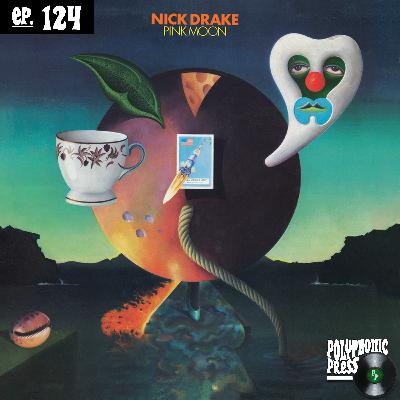
Recorded in just two midnight sessions with nothing but a guitar, a piano, and a single microphone, Nick Drake’s Pink Moon (1972) is a haunting departure from the lush orchestrations of his earlier work. It’s a record of absolute solitude—stripped of all artifice and reduced to its barest essentials. This week, the Random Album Generator finds the quietest masterpiece in the folk-rock canon.Inside This Episode:Side A Reaction: This record is famously short, so we’re moving quickly. If you’re listening with us, pause after track five, "Hazey Jane II." Jeremy and Jon react to the eerie intimacy of Drake's vocals and his incredible, intricate guitar work.5 Fast Facts: We uncover the mystery of how these tapes were delivered to the label, the "one-piano-overdub" rule, and how a car commercial 27 years later turned this forgotten record into a cult phenomenon.Side B & Final Thoughts: we finish the final six tracks and discuss the heavy silence that follows the closing notes. Is this an album of despair, or is there a hidden light in the minimalism?The Verdict & Standout Tracks: We pick our top 3 essential tracks. Does Pink Moon earn a permanent spot on the "Essential Vinyl" shelf?Join the Polyphonic Press Community:
Love collecting classic vinyl or have a definitive pressing of Stand! you want to talk about? Reach out and let us know!
Website | Join the community on Patreon | Contact
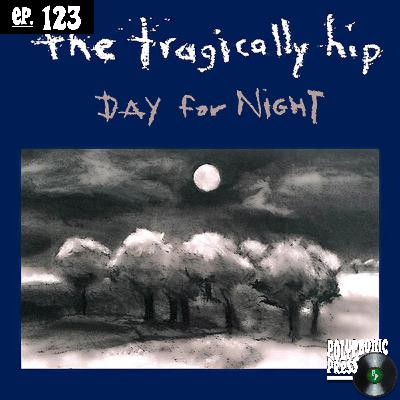
In 1994, The Tragically Hip were the biggest band in Canada, but instead of playing it safe after the massive success of Fully Completely, they went to New Orleans to get weird. The result was Day for Night—a dark, swampy, and deeply poetic record that traded stadium anthems for atmospheric tension. This week, the Random Album Generator dives into the shadows of Gord Downie’s most cryptic and compelling songwriting.Inside This Episode:Side A Reaction: We split this 14-track behemoth right down the middle. After the first seven tracks, Jeremy and Jon react to the "wall of sound" production and the immediate power of the opening tracks.5 Fast Facts: We uncover the lore behind the New Orleans recording sessions, the SNL performance that almost broke them in America, and the surprising cinematic inspiration behind the album title.Side B & Final Thoughts: We finish the record and discuss whether the Hip’s experimental shift paid off, or if the album's murky mix buries the melodies.The Verdict & Standout Tracks: Jeremy and Jon each select their 3 essential tracks from the record. Finally, we answer the big one: Would we listen to Day for Night again?Join the Polyphonic Press Community:
Love collecting classic vinyl or have a definitive pressing of Stand! you want to talk about? Reach out and let us know!
Website | Join the community on Patreon | Contact
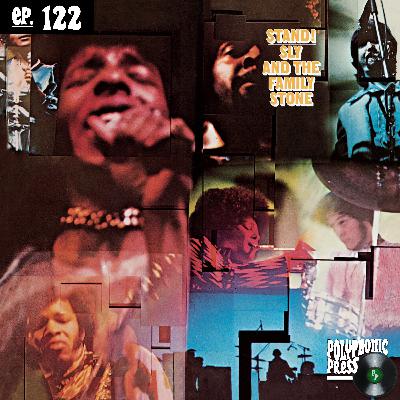
This week, the Random Album Generator serves up a monumental 1969 classic: Stand! by Sly and the Family Stone. This bold, joyful, and politically charged funk-soul album captured a moment when optimism and unrest were colliding in America. Blending infectious grooves, hard-hitting funk rhythms, and psychedelic touches, it’s a record meant to make you dance and think at the exact same time.Inside This Episode:Side A Reaction: After spinning the first half, Jeremy and Jon dive into their initial reactions. We discuss the pioneering use of slap bass, stacked vocals, and how the band locked into their revolutionary sound right out of the gate.5 Fast Facts: We take a detour to drop five interesting, behind-the-scenes facts about the recording sessions and the cultural impact of Stand! * Side B & Final Thoughts: How does the back half of the album hold up? We break down the communal spirit of the remaining tracks and give our overall final thoughts on Sly Stone’s radical vision.The Verdict & Standout Tracks: Jeremy and Jon each pick their top 3 essential tracks from the album. Finally, the big question: Is this a one-and-done listen, or is Stand! going into our permanent rotation?Join the Polyphonic Press Community:
Love collecting classic vinyl or have a definitive pressing of Stand! you want to talk about? Reach out and let us know!
Website | Join the community on Patreon | Contact
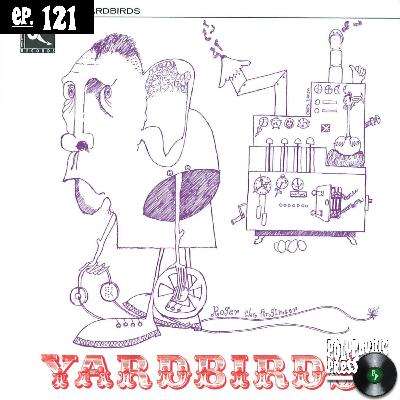
We are heading back to 1966 to explore Roger the Engineer, a seminal studio album by British rock legends The Yardbirds. Featuring the quirky cartoon cover art by Chris Dreja, this record marks a creative peak for the band, standing as their only UK studio album made up entirely of original material and showcasing a fearless blend of blues-rock roots and psychedelic experimentation.Inside This Episode:Side A Reaction: After the needle lifts on Side A, Jeremy and Jon react to the raw energy of the opening tracks. Expect some tangents on Jeff Beck’s innovative guitar effects and the band's driving rhythm section.5 Fast Facts: We break down five fascinating pieces of trivia surrounding the album, including the story behind the famous album title and artwork.Side B & Final Thoughts: We spin the second half and discuss the atmospheric, chant-like elements that close out the record. Did The Yardbirds successfully bridge the gap between blues and psych-rock?The Verdict & Standout Tracks: Jeremy and Jon reveal their top 3 tracks. Would we listen to Roger the Engineer again, or leave it in 1966?Join the Polyphonic Press Community:
Love collecting classic vinyl or have a definitive pressing of Stand! you want to talk about? Reach out and let us know!
Website | Join the community on Patreon | Contact
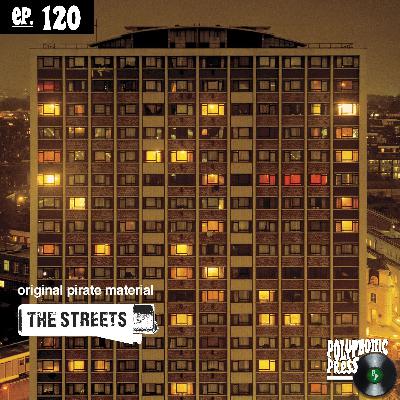
This week, we hit the turn of the millennium with Original Pirate Material, the groundbreaking 2002 debut from Mike Skinner's project, The Streets. Recorded largely at home in a Brixton room, it fuses elements of UK garage, electronic beats, and hip-hop rhythms into a style that wasn’t quite like anything else at the time.Inside This Episode:First Half Reaction: We pause at the midway point to discuss Mike Skinner’s conversational, candid vocal delivery and his incredibly vivid vignettes of UK working-class youth, club culture, and relationships.5 Fast Facts: We dive into the DIY production history and pull five interesting facts about how this bedroom project became a critical darling.Second Half & Final Thoughts: After finishing the album, Jeremy and Jon discuss how the back half cements the record's legacy and whether it still holds the same raw power today.The Verdict & Standout Tracks: We share our top 3 standout tracks and answer the ultimate question: Will we be pressing play on this album again?Join the Polyphonic Press Community:
Love collecting classic vinyl or have a definitive pressing of Stand! you want to talk about? Reach out and let us know!
Website | Join the community on Patreon | Contact
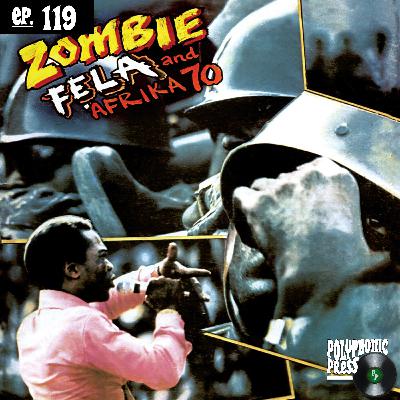
We tackle one of the most ferocious and politically confrontational albums in the history of African music: Fela Kuti & Africa 70’s Zombie (1976). Built on signature Afrobeat grooves—layered percussion, cycling bass lines, and stabbing horns—this album functions as both a hypnotic musical marathon and a blistering act of protest against the Nigerian military.Inside This Episode:Side A Reaction: Afrobeat requires patience, and after the massive opening tracks, Jeremy and Jon break down the absolute precision of the Africa 70 band and the biting satire of Fela’s lyrics.5 Fast Facts: We explore the intense, real-world fallout of this record, dropping five facts about its recording and the devastating raid on the Kalakuta Republic compound that followed.Side B & Final Thoughts: We let the rest of the album ride and discuss how repetition is used as a form of musical resistance.The Verdict & Standout Tracks: Jeremy and Jon each lock in their top 3 tracks from the record. Is this going into our regular listening rotation?Join the Polyphonic Press Community:
Love collecting classic vinyl or have a definitive pressing of Stand! you want to talk about? Reach out and let us know!
Website | Join the community on Patreon | Contact
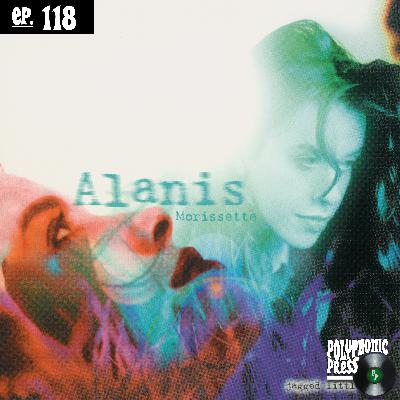
Released in 1995, Jagged Little Pill is the breakthrough third album by Canadian singer-songwriter Alanis Morissette, and one of the defining records of the 90s. Blending confessional songwriting with alternative rock, pop, and a sharp-edged emotional honesty, the album became a cultural earthquake that gave voice to complicated, messy emotions.Inside This Episode:First Half Reaction: Once the first half wraps, Jeremy and Jon discuss the sheer visceral impact of the opening tracks. We dive into the crunchy guitars, the unfiltered lyrics, and the brilliant production that made this a global phenomenon.5 Fast Facts: We uncover five interesting facts about the album's creation, from the recording sessions with Glen Ballard to its massive Grammy sweeps.Second Half & Final Thoughts: Does the back half of the album hold the same weight as the front-loaded hits? We give our final thoughts on its enduring legacy.The Verdict & Standout Tracks: It’s tough to choose, but Jeremy and Jon narrow down their top 3 standout tracks. Plus, our final verdict on whether this CD is staying in the stereo.Join the Polyphonic Press Community:
Love collecting classic vinyl or have a definitive pressing of Stand! you want to talk about? Reach out and let us know!
Website | Join the community on Patreon | Contact
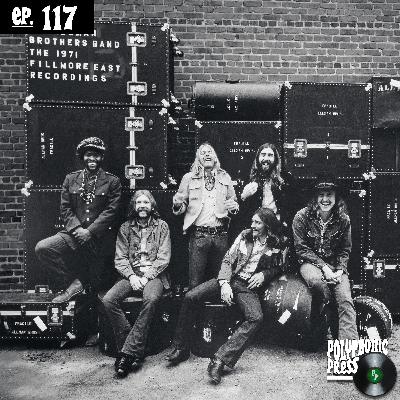
Is this the greatest live album ever recorded? This week, the Random Album Generator pulls a masterpiece of Southern rock and improvisational genius: At Fillmore East (1971). Captured over two nights in New York, this record showcases the incredible chemistry between Duane and Gregg Allman, Dickey Betts, and one of rock’s most powerhouse rhythm sections.Inside This Episode:Side A Reaction: After spinning the first side, Jeremy and Jon break down the dual-lead guitar magic and the jazz-inspired jamming that defines the opening tracks.5 Fast Facts: We dig into five legendary stories from the Fillmore East sessions, including the "telepathic" musical interplay that made these performances historic.Side B & Final Thoughts: We ride out the epic jams of the second half and discuss why this record remains the gold standard for live recording philosophy.The Verdict & Standout Tracks: Jeremy and Jon select their top 3 standout tracks. Does this live experience earn a permanent spot on our turntable?Join the Polyphonic Press Community:
Love collecting classic vinyl or have a definitive pressing of Stand! you want to talk about? Reach out and let us know!
Website | Join the community on Patreon | Contact
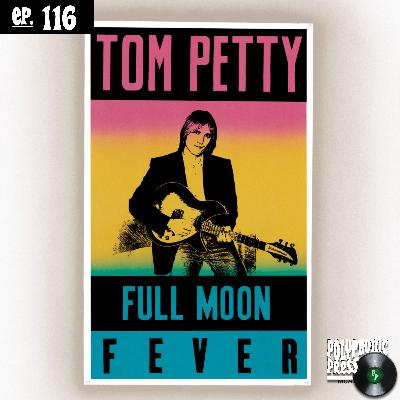
This week, we explore Tom Petty’s 1989 solo debut, Full Moon Fever. Despite being a "solo" project, it carries the DNA of the Heartbreakers and the polished, Beatlesque production of Jeff Lynne. It’s a record of breezy hooks, jangly power-pop, and California-sunlight charm that feels like it’s always existed.Inside This Episode:Side A Reaction: Once the first side wraps, Jeremy and Jon react to the effortless melodicism of Petty’s songwriting. We dive into the big-hearted optimism of the opening hits and that signature "chiming" guitar sound.5 Fast Facts: We reveal five fascinating facts about the album’s creation, including the surprising label rejections and the star-studded guest list.Side B & Final Thoughts: We spin the rest of the record and discuss Petty’s playful humor and contemplative melancholy in the later tracks.The Verdict & Standout Tracks: We pick our 3 essential tracks. Is Full Moon Fever a record we’d return to again and again?Join the Polyphonic Press Community:
Love collecting classic vinyl or have a definitive pressing of Stand! you want to talk about? Reach out and let us know!
Website | Join the community on Patreon | Contact
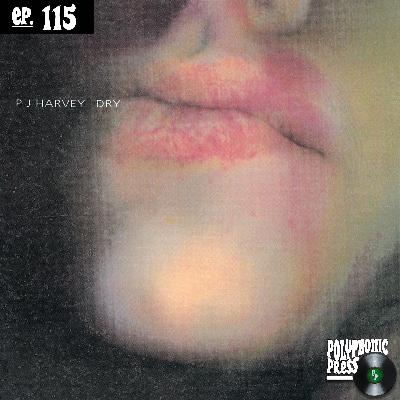
Dry (1992) is PJ Harvey’s fierce and arresting debut album—an explosive arrival that instantly set her apart from every other voice in early ’90s alternative rock. Recorded with her original trio (Rob Ellis and Steve Vaughan), the album is raw, unvarnished, and emotionally unfiltered, driven by jagged guitars, stark arrangements, and Harvey’s commanding, shape-shifting vocals.Thematically, Dry plunges into desire, bodily autonomy, vulnerability, and power, often flipping traditional gender roles on their head. Songs like “Dress” expose the expectations placed on women with biting wit, while “Sheela-Na-Gig” merges mythology and sexuality into something both confrontational and darkly humorous. Throughout the album, Harvey wields minimalism like a weapon—the production is rough, the edges deliberately frayed, making every lyric and every tremor in her voice hit with greater force.Despite (or because of) its grit, Dry sounds remarkably self-assured for a debut. It’s visceral, urgent, and unafraid of messy emotions, introducing PJ Harvey as an artist who wouldn’t just push boundaries—she would explode them. Over time, the album has come to be seen as one of the defining statements of ‘90s indie rock and a blueprint for countless artists who followed.
Join the Polyphonic Press Community:
Love collecting classic vinyl or have a definitive pressing of Stand! you want to talk about? Reach out and let us know!
Website | Join the community on Patreon | Contact
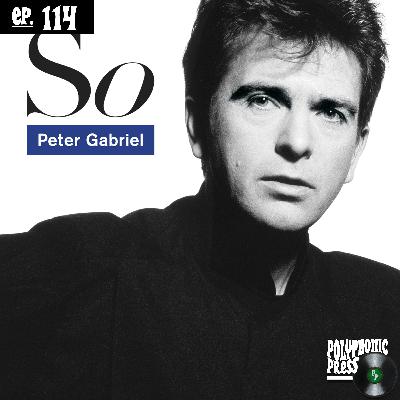
Peter Gabriel’s So is one of the most iconic art-pop albums of the 1980s, a record that blends emotional vulnerability, ambitious production, and global musical influences into something both personal and cinematic. After years of being known as the “enigmatic” former Genesis frontman—dabbling in experimental textures, avant-rock, and political themes—Gabriel pivoted toward a more accessible yet deeply crafted sound with So. The result was a creative crossroads where pop hooks met worldbeat rhythms, and cutting-edge studio techniques met soulful songwriting.At its heart, So is an album about connection—romantic, spiritual, and human. You can hear it in the yearning “In Your Eyes,” the playful and sensual “Sledgehammer,” the haunted introspection of “Red Rain,” and the grief-stricken storytelling of “Don’t Give Up,” his duet with Kate Bush. The album pairs emotional depth with sonic brilliance: meticulously layered percussion, innovative sampling, and a wide palette of instruments from horns to synthesizers to traditional African rhythms.So also marked Gabriel’s breakthrough into the mainstream, supported by visually groundbreaking music videos—especially “Sledgehammer,” which became a cultural phenomenon thanks to its stop-motion innovation. But the album remains far more than its singles. Its sequencing, flow, and emotional arc make it a cohesive, immersive listen that still feels fresh decades later.In short: So is a rare achievement—an art-rock album that became a pop classic without compromising its intelligence, experimentation, or emotional honesty. If you’re exploring the most enduring albums of the ’80s, this one is essential.
Join the Polyphonic Press Community:
Love collecting classic vinyl or have a definitive pressing of Stand! you want to talk about? Reach out and let us know!
Website | Join the community on Patreon | Contact
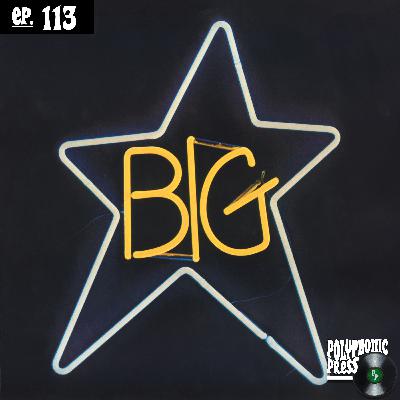
Released in 1972, #1 Record is the debut album by Big Star, a band from Memphis, Tennessee that blended British Invasion melodies with Southern soul and jangly guitar pop. Though it wasn’t a commercial success upon release, the album became one of the most influential records in rock history — laying the groundwork for what would later be called power pop.Led by Alex Chilton (formerly of The Box Tops) and Chris Bell, the album is full of shimmering harmonies, chiming guitars, and bittersweet lyrics about youth, love, and longing. Songs like “The Ballad of El Goodo”, “Thirteen”, and “When My Baby’s Beside Me” showcase the band’s knack for melody and emotional depth, while tracks such as “Feel” and “Don’t Lie to Me” add a raw rock edge.Despite glowing reviews, poor distribution from their label, Ardent Records (through Stax), meant #1 Record didn’t reach a wide audience at the time. However, its influence can be heard in countless bands that followed, including R.E.M., The Replacements, Teenage Fanclub, and Wilco. Today, it’s celebrated as a cornerstone of American pop-rock, a perfect mix of heartache and harmony that captures both the innocence and melancholy of early 1970s youth.
Join the Polyphonic Press Community:
Love collecting classic vinyl or have a definitive pressing of Stand! you want to talk about? Reach out and let us know!
Website | Join the community on Patreon | Contact
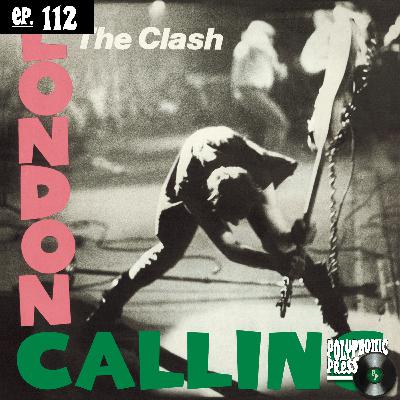
A bass-smashing cover. Nineteen tracks that refuse to sit still. And a city’s pulse pressed into vinyl. We spin The Clash’s London Calling and pull apart why this double album still feels urgent, generous, and wildly playable decades later. From the title track’s warning siren to the upbeat surprise of Train in Vain, we follow the thread that ties punk grit to ska bounce, reggae sway, and power-pop shine without losing the band’s core fire. We take you into late-70s Britain—recession, unrest, and a hungry band rehearsing in near squalor—where cross-pollination with Jamaican sound systems and club culture shaped the record’s muscle and movement. You’ll hear how sequencing keeps the double LP lean, why Lost in the Supermarket hits harder as life gets pricier, and how Clampdown proves that urgency and musicianship can coexist. We also unpack the Guy Stevens sessions that chased chaos for feel, the Elvis-referencing cover that nods at lineage while smashing through it, and the band’s decision to price a double album like a single to keep the music accessible. Along the way, we argue for favourite cuts—Brand New Cadillac, Spanish Bombs, Clampdown—track early hip-hop echoes in The Guns of Brixton, and explain how that unlisted closer became a signature. If you love music history, genre-blending, or records that meet the moment, this is a deep, spirited listen that makes the case for London Calling as more than a classic: it’s a living document of rebellion, craft, and community. Subscribe for more classic album dives, share with a friend who needs this record in their life, and leave a review to help other music fans find the show. What are your top three tracks from London Calling?What did you think of this album? Send us a text!Support the showWebsite Contact
Join the Polyphonic Press Community:
Love collecting classic vinyl or have a definitive pressing of Stand! you want to talk about? Reach out and let us know!
Website | Join the community on Patreon | Contact
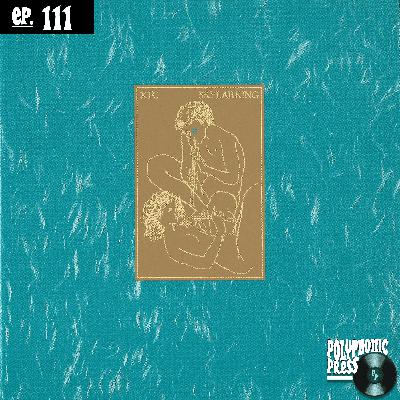
Released in 1986, Skylarking stands as one of XTC’s most celebrated and cohesive works—a shimmering, pastoral pop masterpiece that marries the band’s sharp songwriting with lush, orchestral production. Produced by Todd Rundgren, the album was conceived as a conceptual song cycle tracing the arc of an English summer’s day, paralleling the stages of life from youthful innocence to adult disillusionment and beyond.The music is a sun-dappled blend of baroque pop, psychedelia, and classic British songwriting, evoking the melodic sophistication of The Beatles, The Beach Boys, and The Kinks while remaining distinctly XTC in tone and wit. Songs like “Grass” and “Season Cycle” celebrate nature’s rhythms and sensuality, while “Dear God” (originally a B-side, later a U.S. hit) offers biting social commentary and existential questioning.Lyrically, frontman Andy Partridge and bassist Colin Moulding explore themes of love, faith, time, and the bittersweet beauty of everyday life. Rundgren’s layered arrangements give the album a continuous, almost cinematic flow—each track melting into the next like scenes in a pastoral dream.Over time, Skylarking has been reappraised as one of the finest British albums of the 1980s, and many fans regard it as XTC’s crowning achievement—a radiant and wistful meditation on life, nature, and the passage of time.What did you think of this album? Send us a text!Support the showWebsite Contact
Join the Polyphonic Press Community:
Love collecting classic vinyl or have a definitive pressing of Stand! you want to talk about? Reach out and let us know!
Website | Join the community on Patreon | Contact
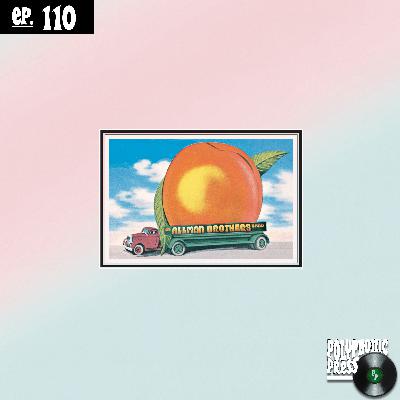
The Allman Brothers Band’s Eat a Peach (1972) is both a celebration of their fiery Southern rock sound and a poignant farewell to founding guitarist Duane Allman, who died in a motorcycle accident during its recording. The album is a hybrid of studio tracks, live performances, and unfinished sessions completed after Duane’s passing, making it both a tribute and a continuation of the band’s momentum.Musically, it captures the group at their creative peak: blending blues, rock, country, and jazz with extended improvisations. The live centerpiece, the 33-minute “Mountain Jam,” showcases the band’s jam-band ethos, while songs like “Melissa” and “Ain’t Wastin’ Time No More” reveal a more reflective, personal side in the wake of tragedy. Studio tracks such as “Blue Sky,” written and sung by Dickey Betts, bring a bright optimism that counterbalances the album’s sense of loss.The title, famously drawn from Duane’s offhand comment that “every time I’m in Georgia, I eat a peach for peace,” adds to the record’s bittersweet aura. Eat a Peach became both a commercial success and a symbolic turning point, solidifying the Allman Brothers as pioneers of Southern rock while memorializing the spirit of a fallen bandmate.What did you think of this album? Send us a text!Support the showWebsite Contact
Join the Polyphonic Press Community:
Love collecting classic vinyl or have a definitive pressing of Stand! you want to talk about? Reach out and let us know!
Website | Join the community on Patreon | Contact

Live Through This (1994) by Hole is a raw, emotionally charged album that captures the turbulent spirit of the 1990s alternative rock scene. Released just a week after the death of Kurt Cobain and only months before the tragic passing of bassist Kristen Pfaff, the record is both deeply personal and culturally resonant. Courtney Love’s fierce vocals cut through layers of punk aggression and melodic grunge, blending rage, vulnerability, and biting wit in equal measure.The album balances abrasive guitar riffs with surprisingly hook-laden choruses, offering anthems that swing between chaotic catharsis and melodic accessibility. Songs like “Miss World” and “Violet” tear into themes of identity, femininity, and self-destruction, while tracks such as “Doll Parts” expose raw longing and fragility. Its lyrics dissect beauty standards, fame, and the dark undercurrents of love and loss, giving the record a confrontational yet deeply human edge.Often hailed as Hole’s defining work, Live Through This stands as one of the most significant feminist statements in rock. It pushed grunge into more emotionally complex territory, resonating with listeners who saw themselves in Love’s unapologetic anger and aching vulnerability. Today, it’s remembered not just as Hole’s breakthrough but as a landmark alternative rock album of the 1990s.Listen to the album on Apple MusicListen to the album on SpotifyWhat did you think of this album? Send us a text!Support the showWebsite Contact
Join the Polyphonic Press Community:
Love collecting classic vinyl or have a definitive pressing of Stand! you want to talk about? Reach out and let us know!
Website | Join the community on Patreon | Contact
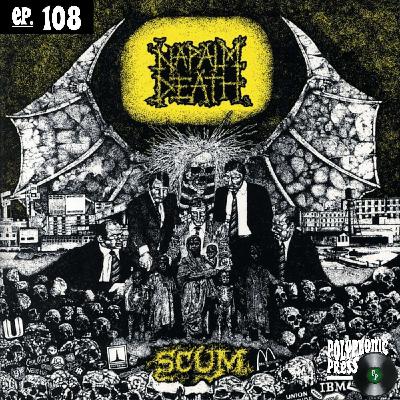
Scum by Napalm Death is one of the most important and influential extreme metal albums ever released. Put out in 1987 on Earache Records, it’s widely regarded as the birth point of grindcore—a genre that fused the speed and aggression of hardcore punk with the heaviness and brutality of death and thrash metal. The record is notorious for its breakneck pace, chaotic song structures, and vocals that veer between guttural growls and high-pitched screams.The album is split into two distinct halves, reflecting its unusual recording process. The first side was recorded in 1986 with one lineup, featuring Nik Bullen on bass and vocals, Justin Broadrick on guitar, and Mick Harris on drums. The second side was recorded in 1987 with a nearly completely different lineup—Lee Dorrian on vocals, Jim Whitely on bass, Bill Steer on guitar, and again Mick Harris on drums—cementing Napalm Death as more of a collective than a stable band at that time. Despite the lineup shift, both halves share a relentless energy and uncompromising approach to sound.Scum is also famous for its brevity and intensity: most songs clock in under two minutes, and the album’s most notorious track, “You Suffer,” runs just 1.316 seconds, earning it a Guinness World Record. Its raw production, politically charged lyrics, and uncompromising extremity made it an underground classic, inspiring countless metal and hardcore bands and shaping the blueprint for grindcore as a genre.Listen to the album on Apple MusicListen to the album on SpotifyWhat did you think of this album? Send us a text! Support the showWebsiteContact
Join the Polyphonic Press Community:
Love collecting classic vinyl or have a definitive pressing of Stand! you want to talk about? Reach out and let us know!
Website | Join the community on Patreon | Contact
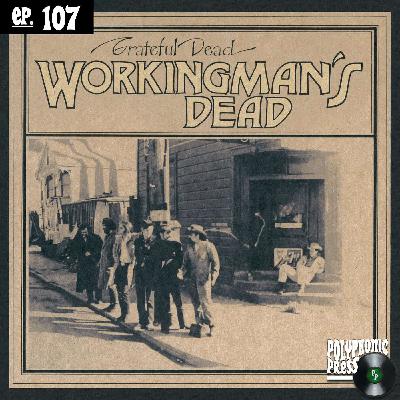
Workingman’s Dead (1970) is one of the Grateful Dead’s most celebrated and influential albums, marking a sharp turn from their earlier, more experimental psychedelic sound toward a rootsier, song-focused approach. Recorded quickly and on a tight budget after years of heavy touring and debt, the record draws heavily from folk, country, and Americana traditions. Its stripped-down arrangements, warm harmonies, and storytelling lyrics show the band’s deepening connection to American roots music and their desire to create something more accessible than their previous sprawling jams.The album features some of the Dead’s most enduring songs, including “Uncle John’s Band,” “Casey Jones,” “Dire Wolf,” and “High Time.” These tracks showcase the group’s evolving focus on vocal harmonies (inspired by contemporaries like Crosby, Stills & Nash) and narrative songwriting rooted in rural imagery, cautionary tales, and mythical Americana. The shift reflected both a practical need—simpler songs worked better on the road—and an artistic choice, capturing the spirit of early 1970s back-to-the-land culture.Critically, Workingman’s Dead was a turning point that brought the band new recognition and commercial success. It helped redefine their identity from a purely psychedelic San Francisco jam band into a cornerstone of Americana rock. Along with its companion album, American Beauty (released later the same year), it remains a fan favorite and a landmark in the fusion of rock with folk and country traditions.Listen to the album on Apple MusicListen to the album on SpotifyWhat did you think of this album? Send us a text! Support the showWebsiteContact
Join the Polyphonic Press Community:
Love collecting classic vinyl or have a definitive pressing of Stand! you want to talk about? Reach out and let us know!
Website | Join the community on Patreon | Contact
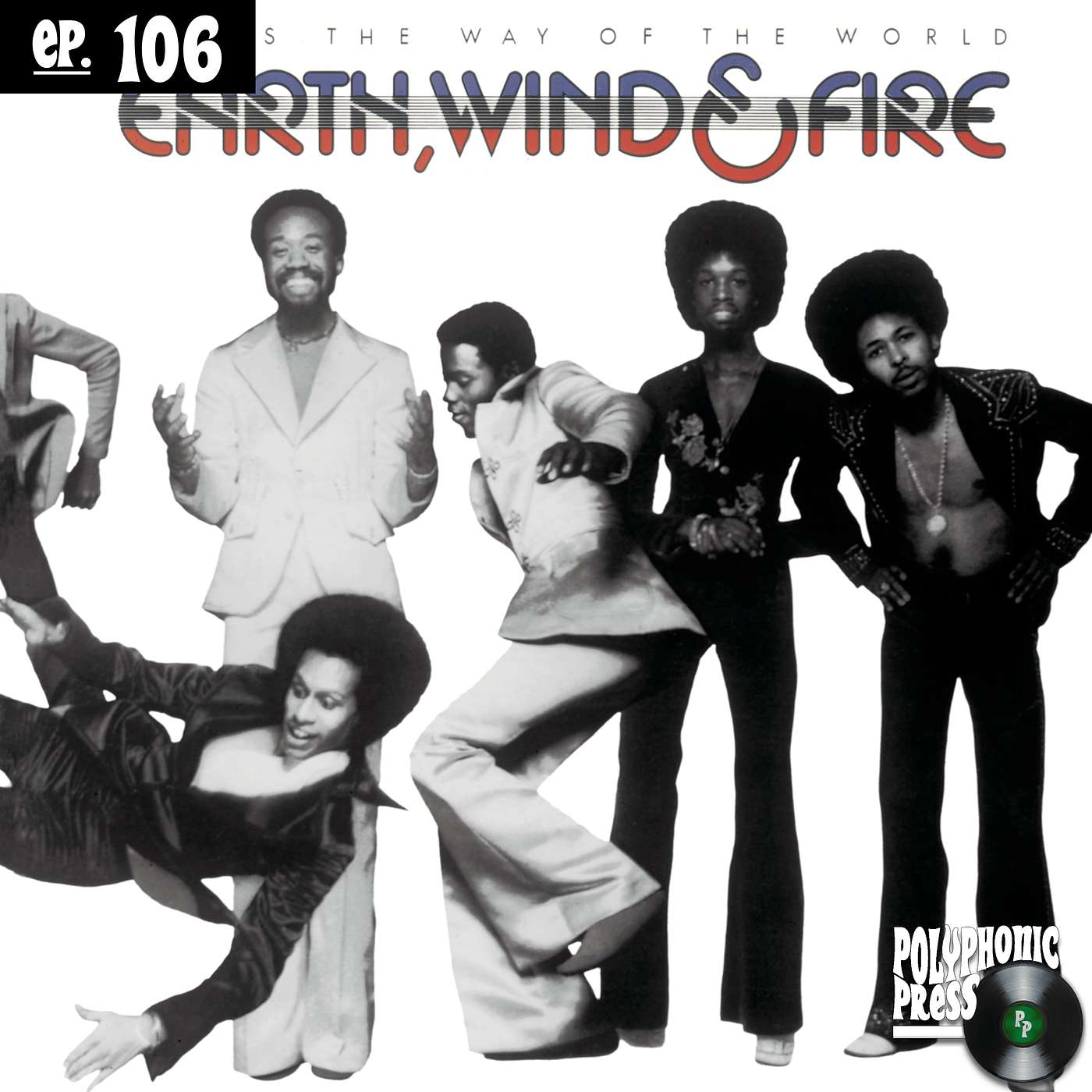
That’s the Way of the World (1975) is often considered Earth, Wind & Fire’s defining statement, blending soul, funk, jazz, and gospel into a sound that was both deeply spiritual and irresistibly danceable. Released at the height of the band’s creative powers, the album embodies the vision of Maurice White, who sought to create music that was uplifting, universal, and transcendent. With its mix of lush horn arrangements, intricate rhythms, and soaring vocals, the record stands as both a cultural touchstone of the 1970s and one of the most celebrated soul albums of all time.The album opens with its iconic title track, a slow-burning ballad filled with hope and wisdom, setting a tone of reflection and uplift that carries through the record. From there, the band moves into radiant, high-energy funk with tracks like Shining Star—a #1 hit that brought them mainstream success—while songs like Reasons showcase the group’s ability to balance groove with tenderness and emotional depth. Each track contributes to a greater whole, with messages of unity, love, and perseverance woven seamlessly into the music.Beyond its commercial success, That’s the Way of the World has endured because of its ability to inspire. It is as much a philosophical statement as it is an album, speaking to universal struggles and joys while delivering them through some of the most polished and innovative arrangements of its era. More than just a collection of songs, it represents Earth, Wind & Fire’s belief in music as a healing, guiding force—and remains one of the greatest achievements in the history of R&B and soul.Listen to the album on Apple MusicListen to the album on SpotifyWhat did you think of this album? Send us a text! Support the showWebsiteContact
Join the Polyphonic Press Community:
Love collecting classic vinyl or have a definitive pressing of Stand! you want to talk about? Reach out and let us know!
Website | Join the community on Patreon | Contact
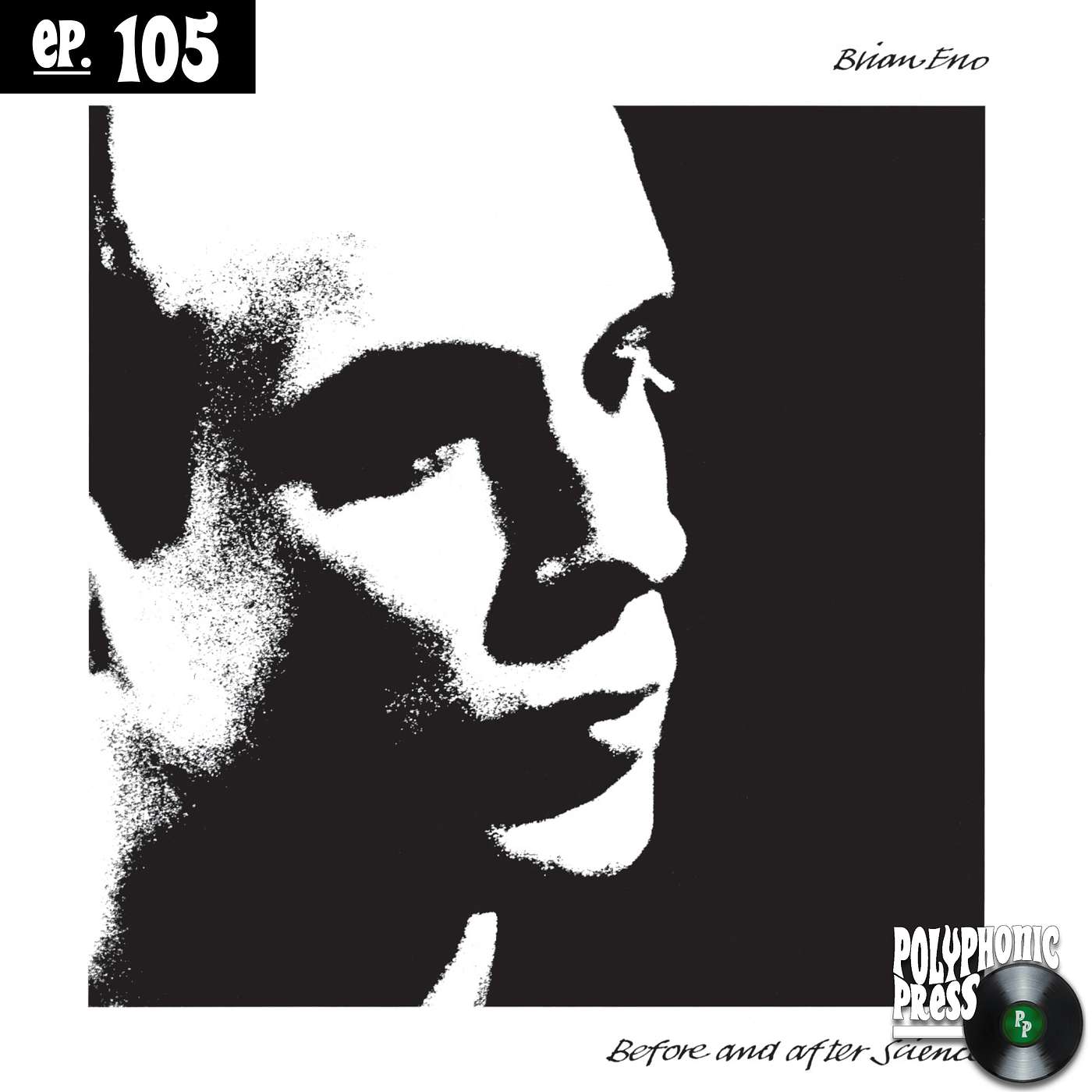
Before and After Science (1977) by Brian Eno is one of his most acclaimed solo albums, bridging his experimental rock sensibilities with the ambient style he would soon pioneer. The record is structured almost like two different worlds: the first half is energetic, angular, and rhythm-driven, while the second half drifts into ethereal, meditative territory.On the front side, tracks like “No One Receiving” and “King’s Lead Hat” showcase Eno’s playful, jagged approach to art-rock, brimming with quirky rhythms, fractured guitar lines, and off-kilter energy. These songs lean heavily on collaborations with musicians like Robert Fripp, Phil Collins, and members of Can, giving the music a restless, forward-driving feel.The latter half of the album shifts dramatically into stillness and spaciousness. Songs like “By This River” and “Spider and I” are hushed, delicate, and hauntingly beautiful, foreshadowing Eno’s deep dive into ambient music. The contrast creates a sense of movement from chaos to calm—an arc that mirrors the album’s title.Ultimately, Before and After Science stands as a transitional record in Eno’s career, marrying his pop and rock experiments with the serene atmospheres that would define his most influential work. It remains a fan favorite for its balance of accessibility, strangeness, and emotional resonance.Listen to the album on Apple MusicListen to the album on SpotifyWhat did you think of this album? Send us a text! Support the showWebsiteContact
Join the Polyphonic Press Community:
Love collecting classic vinyl or have a definitive pressing of Stand! you want to talk about? Reach out and let us know!
Website | Join the community on Patreon | Contact

Comments

Download from Google Play

Download from App Store
 United States