


 Claim Ownership
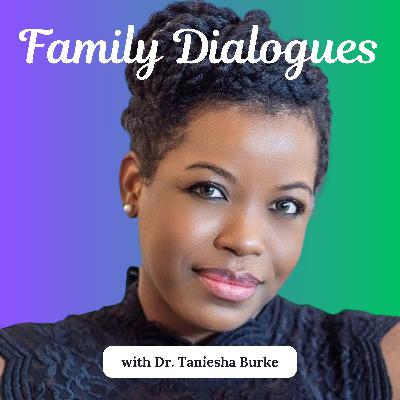
Family Dialogues
Subscribed: 0Played: 0
Subscribe

© 2026 Dr. Taniesha burke. All rights reserved. This podcast and its content, including audio, artwork, and show notes, are protected by copyright law. No part may be reproduced, distributed, or transmitted without prior written permission from the copyright holder.
Description
When love feels strained, kids are struggling, and your home feels divided, it’s easy to wonder if peace and joy are still possible. The Family Dialogues Podcast reminds you they are. Each episode is a guide back to connection, helping couples heal, parents unite, and families grow stronger together, even when life gets messy.
Listeners love this podcast because it starts where true change begins: with the partnership at the center of the home. Dr. Taniesha Burke helps parents rebuild love, trust, and teamwork so children can thrive in the security of a united family. You’ll gain proven, evidence-based strategies for nurturing emotional growth, fostering resilience in your kids, and creating a home that feels safe and joyful again.
As a research psychologist, parenting coach, and mother of three, Dr. Burke brings both academic expertise and lived experience to every conversation. Her background in family relations, child development, and spiritual life coaching, combined with insights from world-class guests, offers practical wisdom you can apply right away.
Whether you’re rekindling love, restoring peace, or building a stronger bond with your children, The Family Dialogues Podcast is your companion for raising families that stay connected, grounded, and full of joy no matter what challenges come your way.
9 Episodes
Reverse
Why do so many modern marriages struggle after children arrive, even when couples start with the best intentions? In this episode, Dr. Taniesha Burke sits down with psychologist and bestselling author Joshua Coleman, author of The Lazy Husband, to unpack one of the most common sources of marital resentment: unequal parenting and household labor.
Most couples say they want an egalitarian marriage, but after kids, many mothers feel overwhelmed, exhausted, and unsupported. Fathers may feel confused, criticized, or unappreciated. What’s really happening beneath the surface?
Dr. Coleman explains:
Why marital satisfaction drops after children (especially for wives)
The psychological shift from “me-centered” to “we-centered” marriage
How “maternal gatekeeping” can unintentionally push fathers away
The 3 marriage types: traditional, transitional, and egalitarian
Why appreciation motivates men more than criticism
The powerful 5:1 positive-to-negative ratio for long-term marital success
We also explore:
✔️ Why many fathers compare themselves to their own dads and why that standard no longer works
✔️ How unequal mental load impacts intimacy and sexual connection
✔️ The connection between housework equity and increased marital satisfaction
✔️ Practical bargaining strategies wives can use to create change without nagging
✔️ How to communicate needs without triggering defensiveness
✔️ Why daily appreciation is more powerful than you think
If you’ve ever felt like you’re raising another child instead of partnering with your spouse, this conversation will give you concrete tools for creating shared responsibility, emotional connection, and a healthier family system.
This episode is essential listening for parents seeking:
Marriage communication strategies
Fair division of household labor
Parenting partnership tools
Reducing resentment in marriage
Building a strong marriage after kids
Positive discipline homes with secure children
Because your marriage is the emotional engine of your family — and it’s never too late to shift the dynamic.
Recommended Resources:
The Lazy Husband
The Marriage Makeover
When Parents Hurt
Rules of Estrangement
Council on Contemporary Families
Dr. Coleman’s Substack: Family Troubles
Dr. Coleman’s website: https://www.drjoshuacoleman.com/
If this episode helped you rethink partnership, share it with another parent who needs it, and don’t forget to subscribe, rate, and review to help more families build healthier marriages.
For episode feedback: info@tanieshaburke.com
In today’s hyper-digital world, children are growing up immersed in screens and families are feeling the impact.
In this powerful episode, Dr. Taniesha Burke sits down with clinical psychologist and author Catherine Steiner-Adair to discuss how technology, smartphones, gaming, and social media are reshaping childhood and what parents can do to reconnect with their children.
Based on her bestselling book, The Big Disconnect, Catherine shares research-backed insights on screen addiction, emotional dysregulation, family values, AI companions, and how parents can protect their child’s mental health in the digital age.
If you've ever wondered:
Is my child addicted to screens?
How much screen time is too much?
Should I check my teenager’s phone?
Are devices affecting my child’s brain development?
How do I rebuild connection in my family?
This episode is for you.
🔎 In This Episode, We Discuss:
What “The Big Disconnect” really means for modern families
The neurological impact of gaming and social media on children’s brains
Why screen addiction mimics gambling addiction
Emotional dysregulation and tech withdrawal meltdowns
The rise in anxiety, depression, and body image issues linked to devices
Why family dinners are more powerful than parents realize
How to create a Responsible Use Agreement in your home
The importance of tech-free mornings, car rides, and bedtime routines
Should parents monitor their teen’s phone?
AI companions and the dangers of outsourcing parenting
How to raise confident, self-advocating children in a digital world
Why parenting today is an act of rebellion
💡 Key Takeaway
Children don’t need parents to be perfect; they need parents to be present.
Strong family connection, consistent boundaries, and clearly defined family values are protective factors against digital addiction, online exploitation, anxiety, and emotional isolation.
Parenting in the digital age requires courage, intentionality, and leadership.
📚 Recommended Resources
The Big Disconnect by Catherine Steiner-Adair
If this episode resonated with you, be sure to subscribe, leave a review, and share it with another parent navigating screen time and digital parenting challenges.
Your family connection is worth protecting.
After children, many couples quietly shift from lovers to logistical partners. The romance fades, exhaustion sets in, and intimacy feels like another task on the to-do list.
In this powerful episode, Dr. Taniesha Burke sits down with certified sex therapist Dr. Rebecca Howard Eudy, author of Parents in Love: A Guide to Great Sex After Kids, to explore how couples can reconnect emotionally and sexually without grand gestures or pressure.
We unpack why feeling like “roommates with children” is a normal and predictable phase of parenting, and how small, intentional daily choices can rebuild connection, safety, and desire over time.
In This Episode, We Discuss:
Why intimacy often declines after children and why it’s not a red flag
The difference between spontaneous desire vs. responsive desire (and why this matters for couples)
How exhaustion, mental load, and being “touched out” impact sexual connection
The pursuer-withdrawer cycle and how it erodes emotional intimacy
Why obligation sex can damage desire and what to do instead
How your nervous system (fight, flight, freeze, fawn) affects intimacy
Micro-moments that keep the emotional climate of your marriage warm
Rebuilding sexual connection after fertility struggles
Healing intimacy after traumatic birth experiences
Navigating desire differences during perimenopause and menopause
Reconnecting as parents of teens and empty nesters
Dr. Rebecca shares practical tools for rebuilding intimacy in marriage, including:
✔ Expanding your definition of sex
✔ Communicating with vulnerability using “I feel” statements
✔ Creating intentional transition time from parent mode to partner mode
✔ Prioritizing micro-moments of connection (hello kisses, deep hugs, intentional eye contact)
If you’ve ever wondered how to reignite romance after kids, restore emotional connection, or strengthen your marriage while parenting, this episode is for you.
Recommended Resources & Programs
Parents in Love: A Guide to Great Sex After Kids – Dr. Rebecca Howard Eudy
Secure Love – Julie Menanno
Dr. Rebecca Howard Eudy’s Website
Dr. Rebecca Howard Eudy on Instagram
If this episode resonated with you, subscribe, leave a review, and share it with another parent who may need encouragement in their marriage journey.
In a world where manners are fading, social skills are declining, and family connections feel harder than ever, could etiquette be the missing link to raising confident, respectful children?
In this powerful episode of the Family Dialogues Podcast, Dr. Taniesha Burke sits down with renowned etiquette expert Jackie Vernon Thompson to explore how manners, respect, and social protocols shape children’s confidence, communication skills, and long-term success.
Together, they discuss why etiquette is not about class, wealth, or being “old-fashioned,” but about self-worth, emotional intelligence, leadership, and strong family values. Jackie shares real-life insights from her global work with children, families, and professionals and explains how simple daily habits at home can transform sibling relationships, parent-child connection, and children’s readiness for the real world.
This episode covers:
Why etiquette and manners must start at home
How social skills impact confidence, academic success, and career opportunities
The hidden cost of screen time, blank stares, and poor communication
How family meals and device-free conversations build emotional safety
Dressing, hygiene, and non-verbal communication as forms of self-respect
Teaching children boundaries, gratitude, responsibility, and courtesy
Why etiquette is for every child, regardless of background
If you’re a parent, educator, or caregiver who wants to raise respectful, emotionally healthy, and socially confident children, this conversation is essential listening.
Programs & Resources Mentioned
From the Inside Out School of Etiquette
The Polished Society (Membership Program)
Etiquette Consultant Certification Program
Youth Empowerment Village (Summer Program)
Book: Transformative Etiquette by Jackie Vernon Thompson
Instagram - From the Inside Out School of Etiquette
Facebook - From the Inside Out School of Etiquette
TIK TOK - From the Inside Out School of Etiquette
LinkedIn - From the Inside Out School of Etiquette
For podcast feedback email: info@tanieshaburke.com
What really happens to a marriage after kids arrive?
In this episode of Family Dialogues, Dr. Taniesha Burke sits down with New York Times bestselling author and journalist Jancee Dunn to talk candidly about resentment, emotional labor, and rebuilding a partnership after children. Drawing from her book, How Not to Hate Your Husband After Kids, Jancee shares deeply relatable stories, research-backed insights, and practical tools to help couples move from simmering frustration back to teamwork, respect, and connection.
Together, they explore how unequal mental load, maternal gatekeeping, poor communication, and unspoken expectations quietly erode relationships and what actually helps couples repair after the early parenting years. From FBI conflict-resolution techniques to chore redistribution systems, this conversation offers realistic strategies for overwhelmed parents who still want their relationship to thrive.
In this episode, you’ll learn:
Why resentment often builds between partners after having children
How emotional labor and the mental load disproportionately affect mothers
The impact of micromanaging and “maternal gatekeeping” on fathers
Why children absorb parental conflict more than we realize
Practical communication scripts that reduce defensiveness and shutdown
FBI-backed techniques for de-escalating conflict during heated moments
How clarifying roles and household systems can reduce resentment
What gives hope to couples struggling in the early parenting years
This episode is a must-listen for parents navigating marriage after kids, co-parenting stress, emotional burnout, and relationship repair.
Recommended Books & Experts/Strategies
How Not to Hate Your Husband After Kids - Jancee Dunn
FBI Behavioral Change Stairway Model
Terry Real (Relational Life Therapy)
In this episode of The Family Dialogues Podcast, Dr. Burke sits down with Dr. Willard F. “Bill” Harley Jr., clinical psychologist, marriage counselor, and bestselling author of His Needs, Her Needs, to explore a question many parents wrestle with but rarely say out loud: Should marriage come before children and why does it matter so much?
Dr. Harley draws on over six decades of marriage research and counseling to explain how prioritizing romantic love between spouses creates emotional safety for children, strengthens family stability, and protects marriages from drifting into resentment, distance, or a “roommate” dynamic. He shares why neglecting a spouse’s emotional needs especially after children arrive is one of the biggest threats to long-term marital health.
This conversation dives deeply into Dr. Harley’s emotional needs framework, including why men and women often prioritize different needs, how affection creates the environment for intimacy, and why intimate conversation, recreational companionship, and consistent connection are essential to keeping love alive. Dr. Harley also addresses common parenting challenges, including newborns, toddlers, exhaustion, lack of childcare, and limited time and explains why 15 hours of undivided couple time per week can transform a marriage, even in the busiest seasons of parenting.
Parents will walk away with practical tools, mindset shifts, and reassurance that loving your spouse well is not selfish, but one of the greatest gifts you can give your children.
In this episode, we discuss:
Why prioritizing marriage benefits children emotionally and developmentally
The long-term impact of neglecting emotional needs after children arrive
Dr. Harley’s emotional needs model and why needs differ between spouses
Affection vs. sexual fulfillment: environment vs. event
Why intimate conversation is foundational for lasting love
Recreational companionship and staying connected through shared enjoyment
Balancing marriage, parenting young children, and exhaustion
Avoiding the “roommate marriage” trap
Why dating your spouse is essential at every stage of family life
Resources & Programs Mentioned
Dr. Willard F. Harley Jr.: Marriage Counselor & Clinical Psychologist
Book: His Needs, Her Needs – Dr. Willard F. Harley Jr.
Book: Love Busters – Dr. Willard F. Harley Jr.
Book: Five Steps to Romantic Love – Dr. Willard F. Harley Jr.
Marriage Builders Program – marriagebuilders.com
Marriage Builders Emotional Needs Questionnaire
Marriage Builders Coaching & Courses
Marriage Builders Radio Show / Podcast
Dating the One You Married (Marriage Builders resource)
In today's episode of The Family Dialogues Podcast, we explore what it really means to be a "good mother" in a culture that glorifies perfection and the idea of the supermom. Host Dr. Burke sits down with Kate Kripke, LCSW, perinatal mental health therapist and author of Reinventing Supermom, to unpack why high-achieving women are especially vulnerable to anxiety, overwhelm, and burnout in motherhood.
This powerful conversation explores the emotional transition from maiden to motherhood, the hidden costs of achievement-driven parenting, and how a parent's nervous system shapes a child's sense of safety and attachment. Kate explains why children "borrow" our nervous systems, how secure attachment is built, and why placing our emotional well-being on our child's behavior can be harmful—though often unintentional.
You'll learn practical, neuroscience-backed tools for emotional regulation, including Kate's 3 Cs framework (Curiosity, Compassion, Choice), which helps parents stay grounded during tantrums, emotional outbursts, and moments of overwhelm from toddlerhood through the teenage years. This episode also addresses cultural and generational beliefs about emotions, why feelings are not the problem, and how repairing ruptures in the parent-child relationship actually strengthens connection.
Whether you're a new mom, a high-achieving parent, or navigating emotional challenges with older children, this episode offers compassionate insight, actionable strategies, and reassurance that you don't have to lose yourself to be a loving, secure parent.
In this episode, we discuss:
Why high-achieving women struggle more with postpartum anxiety
The emotional cost of the "supermom" identity
Secure attachment and the concept of a safe emotional container
How parental anxiety impacts infant and child nervous systems
Why children's emotions are not misbehavior
The 3 Cs for regulating yourself during tantrums and conflict
Supporting emotional regulation from toddlerhood through adolescence
Letting go of perfection while strengthening connection
Resources & Recommendations
Kate Kripke, LCSW – Perinatal Mental Health Therapist
Book: Reinventing Supermom: Support, Encouragement, and Strategies for Mothers Who Feel Lost – Kate Kripke
Kate's Instagram: @katekripke
Kate's Podcast
Postpartum Support International (PSI)
What does it really take to raise teenagers who still talk to us, trust us, and stay connected even as they push for independence?
In this episode of the Family Dialogues Podcast, parenting expert Alyson Schafer joins the conversation to unpack one of the most challenging transitions for families: moving from parental control to parental influence during the teen years.
Alyson explains why adolescence begins much earlier than many parents expect, how brain development and neuroplasticity shape teenage behavior, and why conflict often increases just as teens are doing exactly what development requires of them. Drawing from Adlerian psychology and decades of counseling experience, she reframes teenage resistance not as defiance, but as preparation for adulthood.
You’ll hear practical guidance on:
The three stages of adolescence and what parents should expect at each stage
Why fear leads parents to overcontrol and how that erodes connection
The critical shift from being the “pilot” to becoming a trusted co-pilot in your teen’s life
How strong relationships, not punishment, protect teens from risky behavior
Why teens who feel emotionally connected to their parents are more likely to make safer choices
How to replace punishment with agreements, consequences, and family meetings
Concrete strategies for keeping communication open, even with withdrawn or resistant teens
How parents can rebuild trust and connection if the relationship already feels strained
This conversation is essential listening for parents of preteens and teenagers, caregivers navigating power struggles, and anyone who wants to raise emotionally resilient teens without losing the relationship that matters most.
Recommended Resources & Platforms Mentioned in This Episode
Parenting the Adlerian Way Podcast – Hosted by Alyson Schafer
Alyson Schafer’s Parenting Books (HarperCollins Canada)
Alyson Schafer Parenting Teens Facebook Group
Alyson's Instagram
Parent Education Classes (Adlerian / democratic parenting approach)
Family Meetings (as a structured parenting practice discussed in the episode)
Family life can feel overwhelming, meltdowns, tension in your relationship, emotional distance, and the constant question, “Am I failing at this?” But thriving homes are possible, even when things feel hard.
Hosted by Dr. Taniesha Burke, research psychologist, parenting coach, and mother of three boys, Family Dialogues Podcast tackles the real, unspoken challenges of parenting, marriage, intimacy after kids, shared responsibility, and raising confident, capable children.
Each episode brings:
Evidence-based family and child development insights
Conversations with leading psychologists and family experts
Practical tools you can use in everyday life
Support for couples, new parents, and caregivers navigating stress or advocating for children with special needs
Because happy, connected families don’t happen by accident. They happen through understanding, teamwork, and intentional dialogue.
The future is the family.
Subscribe now and start your family’s new chapter.
Comments

Download from Google Play

Download from App Store
 United States