



 Claim Ownership
Talking Indonesia
Subscribed: 3,123Played: 23,440
Subscribe

© All rights reserved
Description
In the Talking Indonesia podcast, Dr Jemma Purdey, Dr Jacqui Baker, Tito Ambyo and Dr Elisabeth Kramer present an extended interview each fortnight with experts on Indonesian politics, foreign policy, culture, language and more. Find all the Talking Indonesia podcasts and more at the Indonesia at Melbourne blog.
285 Episodes
Reverse
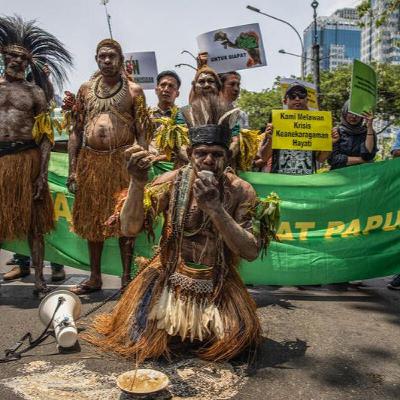
Rassela Malinda – Papua, development and politics from below
In his inauguration speech in October 2024 President Prabowo Subianto reiterated his campaign pledge to “achieve food security in the shortest possible time”. He was not the first Indonesian president to make such a declaration. For Jokowi’s administration too and now Prabowo’s, West Papua occupies a central place in its ambitions to achieve both food and energy security, with the rollout of massive sugarcane and palm oil plantations to meet increasing biofuel targets, as well as mega rice production.
These plans involve the clearing and development of hundreds of thousands of hectares of forests, the customary lands of the indigenous peoples of these regions. Resource extraction at such scale by the state and the corporations is backed by military force, often rendering the indigenous communities helpless to respond. But some are fighting back. So just what recourse do the customary owners of the forests of Papua have to resist and take a stand, in the face of such powerful forces?
In this week's episode Jemma chats with Rassela Malinda, a PhD candidate at the University of Melbourne who lived and worked with indigenous communities in Papua and whose research gives us rare insights into their struggles from below. She previously worked with the NGO Yayasan Pusaka Bentala Rakyat whose report she draws on in this podcast.
In 2026, the Talking Indonesia podcast is co-hosted by Dr Jemma Purdey from the Australia-Indonesia Centre, Dr Jacqui Baker from Murdoch University, Dr Elisabeth Kramer from the University of New South Wales, Tito Ambyo from RMIT and Dr Clara Siagian from University College, London.
Image 1: Indigenous activists protesting Merauke food estate project in front of Defence Ministry in Jakarta – October 16, 2024 (Photo by Afriadi Hikmal/Greenpeace)

Rural Java has changed enormously over the past half-century. Girls now finish school, women hold community leadership positions, and dual incomes have become the norm rather than the exception. And yet, many Javanese women will tell you they still cook every meal, manage the household, and show up visibly as devoted wives, on top of everything else.
It is this gap between what has changed and what has not that drives the research of Dr Linda Susilowati, a lecturer at Universitas Kristen Satya Wacana in Salatiga. Drawing on her doctoral fieldwork in Wonogiri, Central Java with over two hundred women, men, and community members across generations, Linda traces how gender roles have been renegotiated, and how cultural expectations have proven far more resilient than economic or infrastructural change alone.
In this episode, recorded in the spirit of International Women’s Day, Dr Clara Siagian chats with Linda about generational shifts in rural Javanese women’s lives, the enduring weight of kodrat (predetermined nature) and kewajiban (obligation), and how Julia Suryakusuma’s concept of State Ibuism appears in contemporary Indonesia.
In 2026, the Talking Indonesia podcast is co-hosted by Dr Clara Siagian from the University of College London, Dr Jacqui Baker from Murdoch University, Dr Elisabeth Kramer from the University of New South Wales, Dr Jemma Purdey from the Australia-Indonesia Centre, and Tito Ambyo from RMIT.
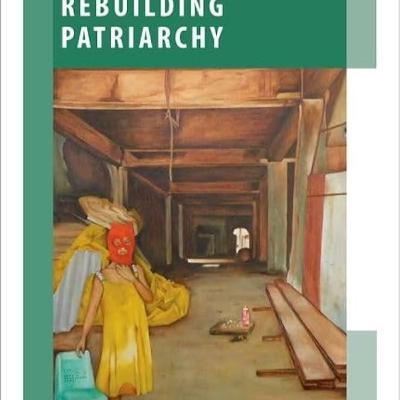
Timor Leste became independent from Indonesia in 2002, after 24 painful years of Indonesian occupation built on centuries of Portuguese colonisation. Both regimes were deeply violent and extractive, and as my guest today argues, drew Timorese society into different forms of a valorised armed masculinity that would have repercussions well after Timor’s independence.
It’s in this post-conflict context that Mel Johnston examines Timor’s gender interventions. Gender mainstreaming is a global set of strategies, interventions and approaches that seek to address the inequality of being a women in policy-making. These set of principals have particular traction in the region. Gender mainstreaming has been mandatory in Indonesia since 2000. In Timor Leste, gender mainstreaming is so important its crystallised in the actual constitution.
And yet, Mel went to East Timor to investigate women’s lives after independence, she found deep tensions between the goal of peace on one hand and gender equality on the other. Why would this be so? Did Timor’s independence transform the role of women in Timorese society? How did major gender reforms like microfinance and the law against domestic violence impact ordinary Timorese women? Today we will be talking about Mel Johnston’s prize winning book, Building Peace, Rebuilding Patriarchy

On January 2nd, 2026, Indonesia entered what officials are calling a "new era" of criminal justice. The country implemented a completely new Criminal code – KUHP - and a new Criminal Procedure Code—known as KUHAP—that changes what counts as a crime and how crimes are identified, investigated and punished.
The government says this marks a shift toward "restorative justice" that prioritizes rehabilitation over punishment. Officials describe it as "more humane, modern, and just". But civil society groups are sounding the alarm. They're calling the new law "draconian and illiberal"—and potentially worse than the system it replaces.
At the heart of the controversy: police can still arrest and detain people without a warrant and Amnesty International has identified 88 articles that could be used to silence critics and criminalize peaceful dissent.
So which is it? A historic reform that modernises the Indonesian justice, or a step backward that gives authorities concerning new powers? In this episode, we're speaking with a legal expert who's been following this law since its drafting.
Maidina Rahmawati has over 8 years of experience in criminal justice reform advocacy. She is a certified advocate/litigator and mediator, and currently serves as the Deputy Director of the Institute for Criminal Justice Reform (ICJR). Mai holds a Master of Laws from the University of New South Wales, specialising in Criminal Justice and Human Rights. She is newly appointed as a lecturer in Criminal Law and Human Rights at Atma Jaya University Jakarta and in Criminal Law in the undergraduate Criminology program at the University of Indonesia (UI).

As Indonesia grapples with increasingly frequent climate disasters—from the devastating floods in Sumatra and Aceh to prolonged droughts affecting food security—a new book is rejecting the usual solutions. No carbon credits. No waiting for the next Elon Musk. Instead, Bacaan Bumi asks: what if the answers lie in Indonesia's own revolutionary history, its constitutional foundations, and its diverse philosophical traditions?
Published by Yayasan Obor Pustaka Indonesia last year, Bacaan Bumi began as a monthly supplement for Inside Indonesia magazine—where, we should acknowledge, several Talking Indonesia hosts are also involved. (Yes, this is a slightly nepotistic episode, but we promise the ideas are worth it.) The supplement was initiated by Gerry van Klinken, a longtime Indonesia scholar and one of the board members of Inside Indonesia, and brought together 17 Indonesian academics, activists, and thinkers who argue that technology and market mechanisms alone won't save us. Instead, they propose something more radical: an eco-socialist manifesto rooted in Indonesian soil.
The book emerged from conversations sparked by a groundbreaking summer school on critical environmental history at Gadjah Mada University—Indonesia's first university program of its kind. The response has been striking: packed book launches across Java, students demanding more courses, and activists finding new language to connect Marxist commodity analysis with Javanese mysticism, Islamic green theology with feminist readings of adat traditions, and Sukarno's Marhaenism with 21st-century ecological citizenship.
The editors don't call it an academic collection. They call it a manifesto. In his introduction, Farabi Fakih writes that Indonesia's environmental movement in the 21st century is “the natural continuation of the Southern revolution imagined by Sukarno.” He explicitly rejects what he calls the “techno-magical narrative” of Silicon Valley billionaires and the “declensionist narrative” of inevitable doom—both of which, he argues, serve to disable collective action against capitalism.
But what does an environmental manifesto look like in the Indonesian context? How do you connect Marx's theory of metabolic rift to flood disasters in Sumatra? Why do young Indonesians find hope in pan-psychism and Kendeng mountain feminism? And what happens when you discover that Indonesia's 1945 constitution already contains ecological philosophy that's been largely forgotten?
In this episode, we had a conversation with two of Bacaan Bumi's key contributors: Farabi Fakih, who heads the Master's program in History at Gadjah Mada University where the critical environmental history curriculum was born, and Fathun Karib, a historical sociologist, postdoctoral fellow at the Asia Research Institute, and founding member of punk band Critical Death. Together they explore why genuine solutions must come from within Indonesia, why book tours revealed both hope and anxiety among younger generations, and how a 1960s Indonesian constitutional provision about the earth might offer more wisdom than all of Silicon Valley's promises combined.
In 2026, the Talking Indonesia podcast is co-hosted by Dr Jemma Purdey from the Australia-Indonesia Centre, Dr Elisabeth Kramer from the University of New South Wales, Tito Ambyo from RMIT, Dr Jacqui Baker from Murdoch University, and Clara Siagian from University College London.
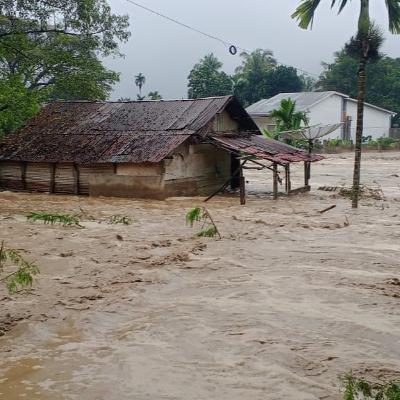
After the floods – Alfira O’Sullivan and Murtala
In late November last year, heavy rainfall brought by Cyclone Senyar saw massive floods and landslides hit large parts of West and North Sumatra and Aceh Province. The images captured on cell phones and quickly sent across the world showed horrifying scenes of villages swept away by raging rivers and mudslides; and astonishingly, tree logs coursing down hillsides, collecting everything in their wake. The cost of this disaster, six weeks later, is still being counted. The National Disaster Management Agency's official tally has around 1,200 people killed, with hundreds still missing and thousands more injured. Over 230,000 people remained displaced.
In the wake of the disaster, in a somewhat surprising shift in tone, government officials joined scientists and environmental experts in acknowledging that changes to these landscapes caused by large-scale deforestation and forest conversion were contributing factors to the disaster and must be addressed. Whilst this was welcomed, concrete policy is still to come, and aid has been slow to reach those in need with victims calling for more and faster assistance.
Over a month later, what is the situation in these affected areas? Just how huge is the scale of this disaster? And how are the people of Aceh coping with yet another massive natural disaster?
In this week's episode Jemma chats with Alfira O’Sullivan and Murtala, directors of Suara Indonesia Dance. Mur, originally from Banda Aceh, worked as a volunteer assisting in the wake of the 2002 tsunami. Together with friends and colleagues in Aceh, they are coordinating relief efforts in flood-stricken Aceh.
In 2026, the Talking Indonesia podcast is co-hosted by Dr Jemma Purdey from the Australia-Indonesia Centre, Dr Jacqui Baker from Murdoch University, Dr Elisabeth Kramer from the University of New South Wales, Tito Ambyo from RMIT and Dr Clara Siagian from University College London.
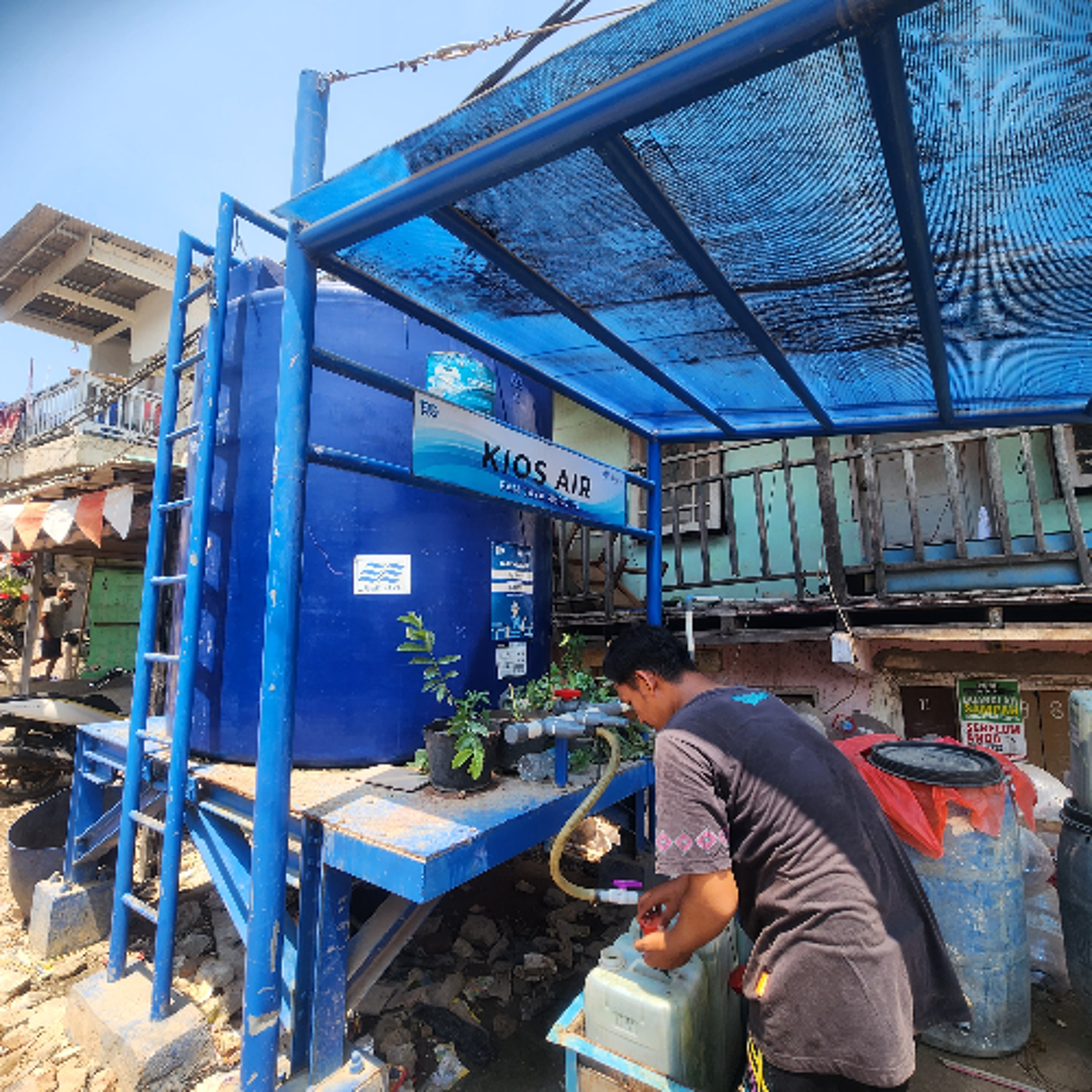
Jakarta is said to be in a water crisis. This is a familiar claim that has been repeated for years as parts of the city sink, groundwater is over-extracted, and access to clean water remains uneven. Yet what, precisely, is the crisis that Jakarta is facing?
In this episode of Talking Indonesia, I speak with Wahyu Astuti, a PhD candidate at the University of Sydney, whose research shows that Jakarta’s water crisis is not singular, but defined in multiple and competing ways. She traces how certain framings of the crisis are sidelined, while others are actively promoted, and asks how the state narrates the water problem amid pressures to move away from privatization.
Following UN-Habitat’s recent designation of Jakarta and the surrounding regions as the world’s largest city, with an estimated 42 million people across its metropolitan region, questions of how life is sustained at this scale become unavoidable. Water sits at the centre of these questions. This conversation unpacks the political and financial logics shaping water governance today, revealing how efforts to make water provision financially viable draw in different levels of government, new institutional arrangements, investment actors, and private businesses.
As Ayu’s research makes clear, the drive to build a water system that can “pay for itself” does not resolve Jakarta’s water crisis. Instead, it produces a governance system riddled with contradictions that shapes how the crisis is understood, and who ultimately bears its consequences.
In 2025, the Talking Indonesia podcast is co-hosted by Dr Elisabeth Kramer from the University of New South Wales, Dr Clara Siagian from University College London, Dr Jemma Purdey from the Australia-Indonesia Centre, Dr Tito Ambyo from RMIT, and Dr Jacqui Baker from Murdoch University.
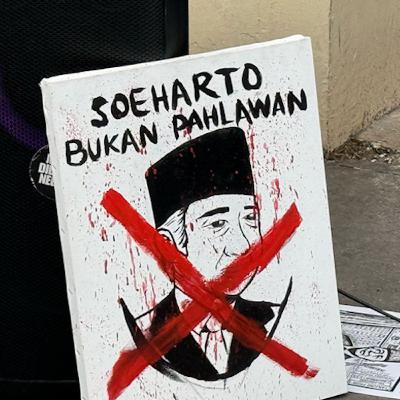
On 10 November 2025, Indonesia's President Prabowo Subianto made a controversial decision that reignited divisions in Indonesian society: he posthumously designated former President Suharto as a pahlawan nasional or a ‘national hero.’
Suharto seized power in 1965 during a period of violent upheaval and ruled Indonesia for over three decades until 1998, presiding over what he called the "New Order" regime. His rule brought rapid economic development, lifting millions out of poverty and transforming Indonesia into a regional power. But it was also marked by systematic human rights violations, including the mass killings of alleged communists in 1965-66, as well as brutal crackdowns in East Timor, Aceh, and West Papua. His regime was characterized by media censorship, restrictions on freedom, and widespread corruption.
The decision to honour Suharto came despite protests from over 500 civil society members, academics, and activists who argue the designation whitewashes history and betrays the victims of his regime. But defenders point to his role in Indonesia's economic transformation and his contributions during the independence era.
In this episode Elisabeth Kramer is joined by historian Dr. Ken Setiawan and Lailly Prihatiningtyas, a PhD student representing Sydney group Aliansi Gusar, to explore what this designation means for Indonesia's democracy, its memory politics, and its ongoing struggle with accountability for past atrocities. We also ask, how have young people reacted to this, and what does it mean to them?
Dr Setiawan has written a highly relevant article on historical revisionism under the Prabowo presidency, which you can find at https://indonesiaatmelbourne.unimelb.edu.au/of-heroes-and-villains-prabowos-playbook-for-power-and-historical-revisionism/.
Dr Ken Setiawan is a Senior Lecturer in Indonesian Studies and a Deputy Director (Diversity and Inclusion) at the Asia Institute, Faculty of Arts. She is also an Associate at the Centre for Indonesian Law, Islam and Society (CILIS) at the Melbourne Law School. Ken's research interests include globalisation and human rights, historical violence and transitional justice, as well as gender and civil society. She has widely published on the politics of human rights in Indonesia, and teaches in the areas of Indonesian Studies, including language, and Asian Studies, with a particular focus on politics and human rights.
Lailly Prihatiningtyas is a PhD candidate and research consultant at the Institute for Sustainable Futures, University of Technology Sydney. Her work focuses on the governance of just energy transitions, green jobs, and labour market institutions, especially in Southeast Asia. She has more than a decade of diverse professional experience in Indonesia, working with government, development organisations, the private sector, and NGOs. She is part of Aliansi GUSAR (Gerakan untuk Sydney Bersuara), a grassroots collective of Indonesian diasporas in Sydney concerned with justice and equality in Indonesia, and joins Talking Indonesia to share a civic engagement perspective on social justice, state accountability, and the impacts of political decisions on ordinary Indonesian citizens.

Cast your minds back to February 2024, in the campaign lull before Indonesians hit the ballot box, a documentary unceremoniously dropped on youtube.
Now, documentaries on electoral campaigning are legion, and generally they attract a pretty narrow audience.
By contrast, Dirty Vote, directed by acclaimed Indonesian investigative journalist, Dhandy Dwi Laksono, garnered 6.4 million eyeballs in the first 48 hours, over the week Dirty vote attracted half a million tweet on twitter, trending worldwide. Overall Dirty Vote had over 30 million viewers. So to say Dirty Vote went viral would be putting it mildly.
And yet Dirty Vote was anything but ephemeral.
In a large warehouse, against what was a essentially a giant power-point deck, three nationally renowned Constitutional lawyers, Bivitri Susanti, Feri Amsari and Zainal Arifin Mochtar systematically laid out the case for a critical double take on how key figures, principally then- President Jokowi, were using all the instruments of the state to ensure the 2024 national election would be won by his anointed successor, Prabowo Subianto. This included Bansos, or social welfare payments, the use of police to pressure and criminalise village heads and opposition figures, and of course, the Supreme Court decision’s overturning the election law to allow Jokowi’s son, Gibran Rakabuming Raka to run as VP.
Now that team is back, with their sequel Dirty Vote two, and they are here once again to methodically unpack the consolidation of the Prabowo regime.
My guest today is Dirty Vote presenter, Dr Zainal Arifin Mochtar, Professor at the faculty of Law at the Gadjah Mada University. Pak Zainal has been involved in the establishment and running of number of research centres, including Pukat Korupsi UGM, the Centre for Anti-Corruption Studies, Caksana Institute and the Administrative Law Society. He also serves on the board of the Partnership for Governance Reform and has won numerous awards over his career, including the Muhammad Yamin Constitution Award in 2016 and the Best Constitutional Law writer from the Constitutional Court in 2018.
You can find Dirty Vote 2 here: https://www.youtube.com/watch?v=895Cqij7i00
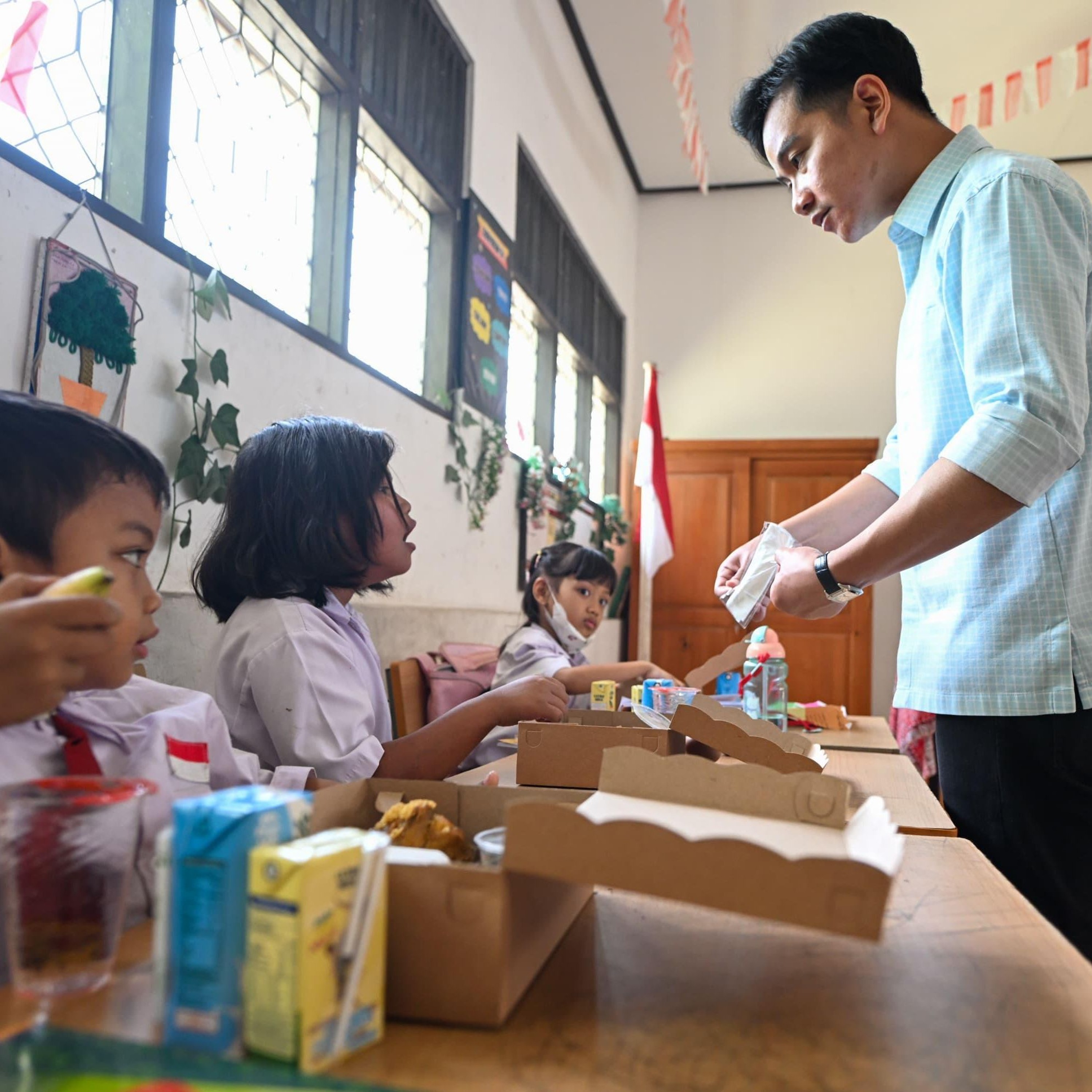
Irma Hidayana - Free Nutritious Meals Program by Talking Indonesia
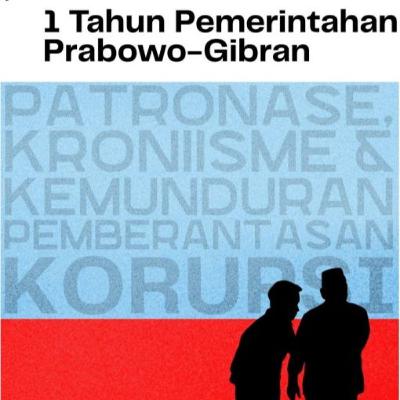
Corruption is always a hot topic in Indonesia, but where does the situation stand right now? In this episode, we talk to Egi Primayogha who is the advocacy coordinator for the NGO Indonesia Corruption Watch (ICW) about their assessment of the current government and their recent report entitled Catatan Kritis (or critical notes) on the first year of the Prabawo-Gibran government.
ICW was formed in 1998 and, unfortunately, their role in keeping the government accountable is as important as ever. The report highlights a number of areas of concern, many of course are not new in Indonesian politics. The impact of dynastic politics, patronage driving cabinet appointments and the lack of oversight that the parliament is having over government policies and activities are all mentioned as ongoing issues. The report also looks more closely at corruption and lack of accountability in the Free Healthy Meal Program, known as Makanan Bergizi Gratis or MBG, which has been in the news recently for large numbers of students being struck with food poisoning. All in all, the report is a reminder that democracy is tough road with many obstacles and civil society groups like ICW are crucial for keeping corruption and transparency in the spotlight.
Our guest today, Egi Primayogha is a member of Indonesia Corruption Watch with more than 10 years of experience leading investigations, research, and advocacy to promote transparency and accountability. His work focuses on state capture, politico-business corruption, and the intersection of governance and climate issues.
Image used with permission, Indonesia Corruption Watch.
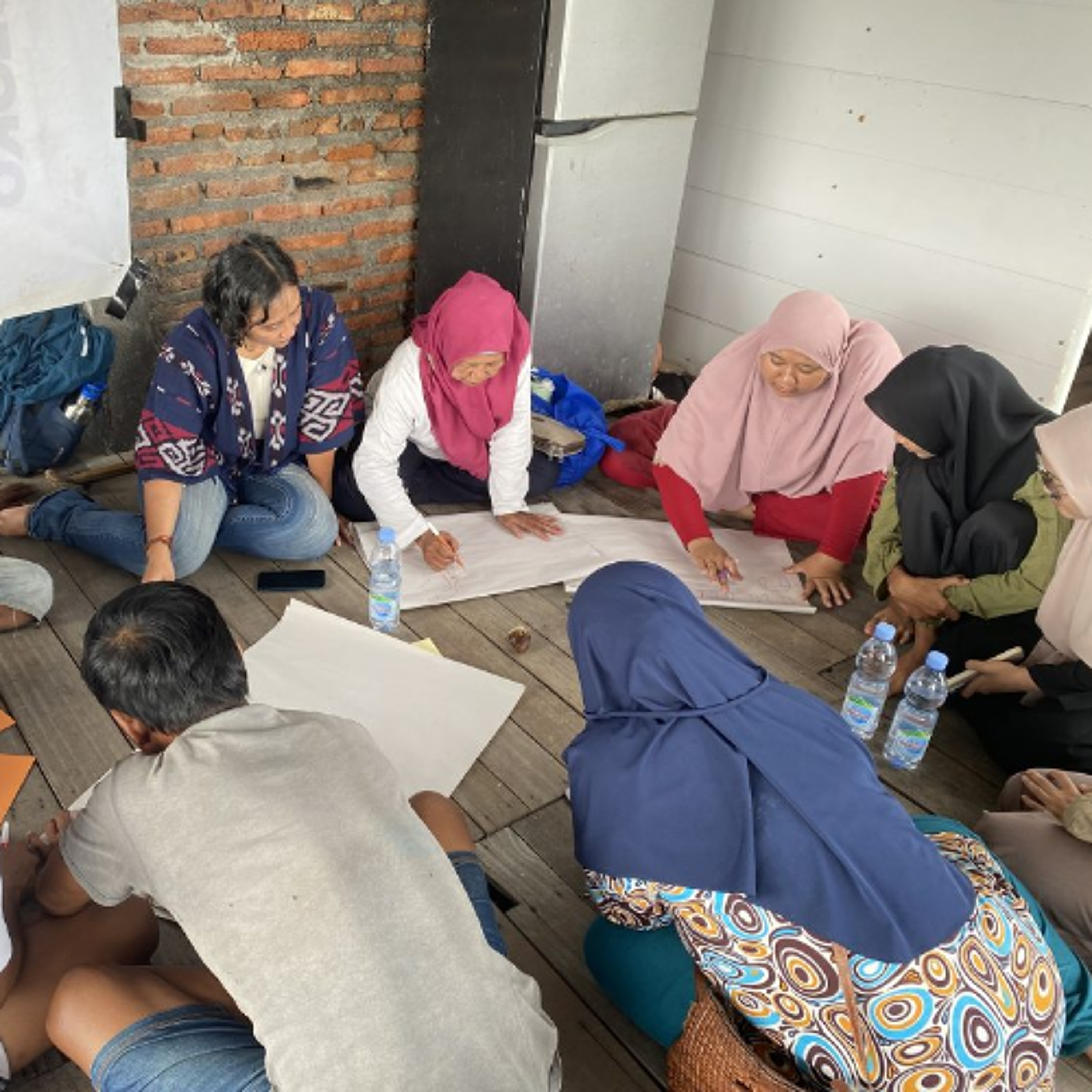
Dian Tri Irawaty - Kampung and Urban Advocacy by Talking Indonesia
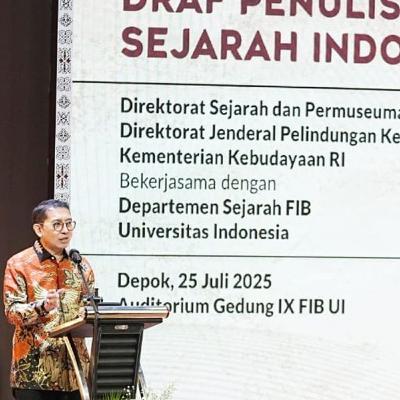
A ‘re’-writing history project - Grace Leksana
Shortly after taking up his position as the Minister for Culture and Education in the Prabowo government, Fadli Zon announced he was commissioning a reworking of the official Indonesian history textbook.
In early 2025, outlines of the project’s terms of reference started to trickle out, and historians, activists and survivors’ groups grew increasingly concerned. The new version, assembled without broad consultation, contained a raft of significant changes and glaring omissions, including human rights violations carried out by the New Order, and the roles of women at various stages in Indonesia’s pre- and post-independence past. Moreover, Minister Zon was determined to deliver the new book in time for the celebration of Indonesia’s 80th anniversary of independence on 17 August. That deadline has now passed but the project remains in progress.
What and who was behind this ‘rewriting’ history project? What were their motives? What ‘red flags’ most alarmed historians and others, and ultimately what can be done to resist and possibly reverse the course of this project?
In this week's episode Jemma chats with Grace Leksana an Assistant Professor in Indonesian history in the Cultural History section of Utrecht University. Grace is author of Memory culture of the anti Leftist violence in Indonesia: Embedded Remembering (Amsterdam University Press, 2023). She is a member of the Indonesian History Openness Alliance (AKSI).
In 2025, the Talking Indonesia podcast is co-hosted by Dr Jemma Purdey from the Australia-Indonesia Centre, Dr Jacqui Baker from Murdoch University, Dr Elisabeth Kramer from the University of New South Wales and Tito Ambyo from RMIT.
 1
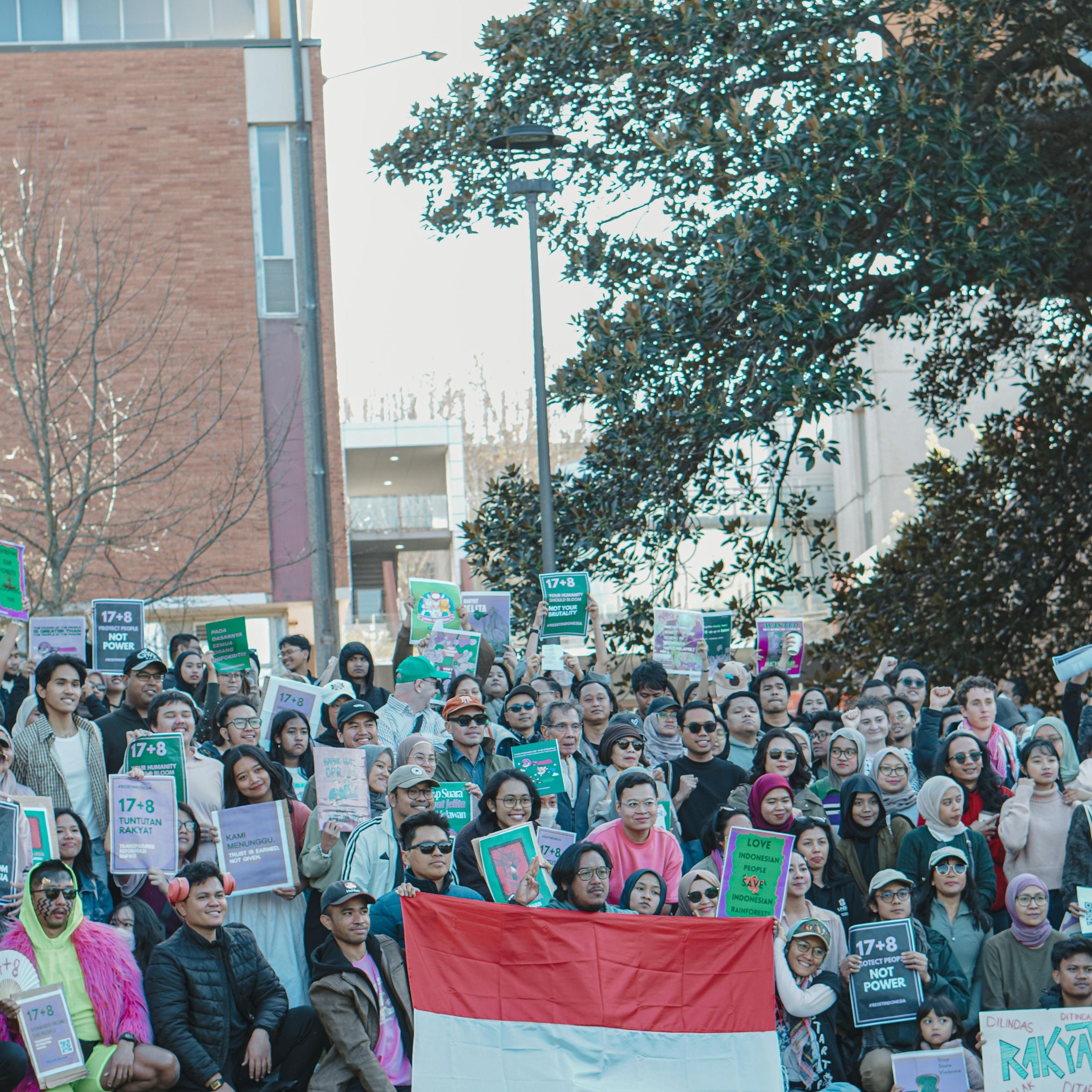
1On August 25 2025, protestors took to the streets in Jakarta outside the parliament to vocalise their loss of confidence in the current parliament. While the protests were triggered by a newly announced increase in parliamentarian housing allowances, the protests were about so much more. Underpinning it all was a general lack of confidence that Indonesian politicians care about, or were effectively responding to, the very real struggles of everyday Indonesians that they are supposed to be representing. These protests spread to other parts of the country and in some cases, turned deadly.
In today’s special episode, we turn to the thoughts and responses of Indonesians currently living overseas. Being away from home when such serious and concerning events are underway poses its own challenges, and today I want to find out more about how they are getting information, what they see as the key issues, and what can be done from abroad.
Elisabeth Kramer talks to Indonesian students currently studying at the University of Sydney, Australia--Mahesti Hasanah (PhD Candidate Political Economy), Benni Hasbiyalloh (PhD Candidate Government and International Relations) and Ifana Tungga (Masters Candidate Cultural Studies). They are some of the organisers behind Aliansi Gusar, a grassroots based organisation concerned with justice and equality in Indonesia. They share their thoughts and experiences regarding the current protests and organising around ongoing issues in Indonesia.
This podcast was recorded on 7 September 2025.
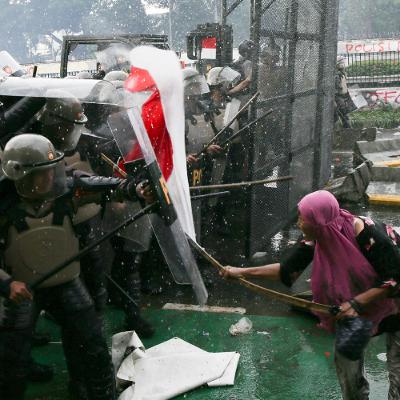
In late August, demonstrations against housing allowances for national parliamentarians escalated dramatically when a motorcycle delivery driver, Affan Kurniawan, caught up in the protests, was run over by a police tactical vehicle. His death, live-streamed, saw waves of protests in at least 47 Indonesian cities in a convulsion of genuine national rage and frustration.
Parliaments were set on fire in at least 4 cities, police stations were attacked, and the homes of prominent political figures were looted, including Finance Minister Sri Mulyani. Our social media feeds were awash with footage of angry protestors and police brutality. Ibu Ana, a housewife in Jakarta, caught the national mood when she was photographed in the rain in thongs and a pink headscarf, facing down a cordon of heavily armed police officers with the Indonesian flag on a bamboo pole. Who are these protestors? How did they mobilise so fast? What do they want and how will they achieve it?
Super fans of the podcast might remember Rebecca Meckelburg from a year ago when I interviewed her on agrarian change. Her view from Central Java, where she lives, complicates conventional pictures of a protest movement that spontaneously burst into view last week, originating in Jakarta and spreading out to the peripheries.
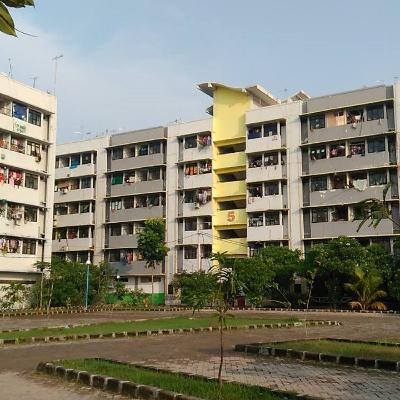
While Jakarta's eviction politics have often dominated headlines and grassroots campaigns, the experiences of those who have been relocated to rusunawa (social housing) complexes have remained largely invisible. Yet these families reveal how Indonesia's vision of urban modernity is being literally built into the architecture of everyday life, changing the ways people connect with each other and build their lives.
In this episode of Talking Indonesia, host Tito Ambyo explores these tensions with guest Dr Clara Siagian, whose ethnographic research uncovers how social housing design enforces specific values of respectability on the urban poor - from banning certain cooking methods to restructuring family life itself.
Clara Siagian did her PhD at the Australian National University and is senior researcher at the Center on Child Protection and Wellbeing at Universitas Indonesia as well as a postgraduate researcher at the University College London. Her research examines urban governance, childhood policy, and development through the perspectives of marginalised populations.
In 2025, the Talking Indonesia podcast is co-hosted by Tito Ambyo from RMIT, Dr Elisabeth Kramer from the University of New South Wales, Dr. Jacqui Baker from Murdoch University and Dr Jemma Purdey from the Australia-Indonesia Centre.

From the algorithms that curate your social media feed to the recommendation systems that influence what you buy, artificial intelligence is quietly reshaping every aspect of our daily lives. Yet most of us remain in the dark about how these powerful technologies are governed—and that's a problem we can't afford to ignore.
Artificial Intelligence (or AI) policy isn't just about tech regulation; it's about who gets to shape the future of work, privacy, and power in our increasingly digital world. The rules being written today will determine whether AI serves all of society or just a privileged few.
In this episode of Talking Indonesia, Dr Elisabeth Kramer dives into Indonesia's approach to AI governance, taking its cues from the private sector, with guest Diah Angendari.
Diah Angendari is a PhD Candidate at Leiden University and her dissertation examines the interplay between imaginaries, power, and interests in policymaking. She’s using the case study of AI in Indonesia to understand the factors that shape these policies. Prior to joining the PhD program, Diah was a lecturer in the Department of Communication Science at Gadjah Mada University.
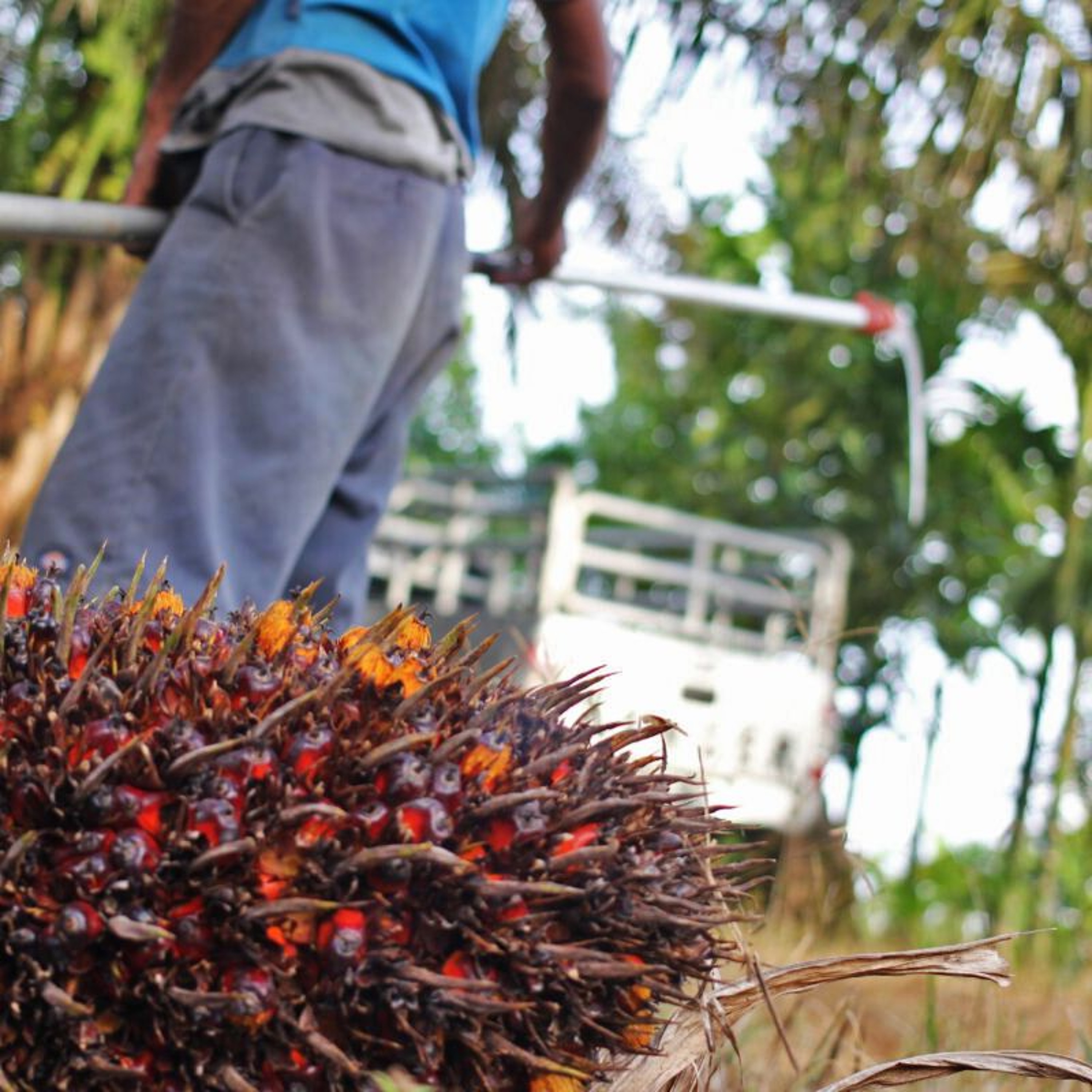
Palm oil contributes to up 4.5% to Indonesia’s GDP and unlike other commodities, the Indonesian government promotes palm oil as motor of rural development. This is because up to half of Indonesia’s palm oil production is generated by smallholders, farmers with 2-3 hectares of land, cultivating oil palm crops and selling the product for reliable market prices to corporate and state refineries.
But this model of national development is in crisis. Small holder palm oil plants are aging, yields are decreasing and company profits are becoming leaner. At the same time, major markets are putting pressure on Indonesia’s palm oil industry for its environmental impact, including rampant deforestation and biodiversity loss.
To address this crisis, the former Jokowi government embarked on an ambitious plan to help small holders replant their declining palm oil, this time in accordance with new standards of sustainability. But as my guest, Ara Simanjuntak, today reveals, the new government grants given to smallholders to help is creating new sources of precarity, anxiety and indebtedness that is fundamentally transforming the nature of rural development in Indonesia.
To bet the farm, the title of this episode, is an expression in English. It means to risk everything on an uncertain outcome. And this, argues Ara is akin to what Indonesia’s palm oil smallholders are being asked to do. To talk about these issues, I’m here with Atmaezer Hariara Simanjuntak, or Ara, PhD candidate in Anthropology from Northwestern University.
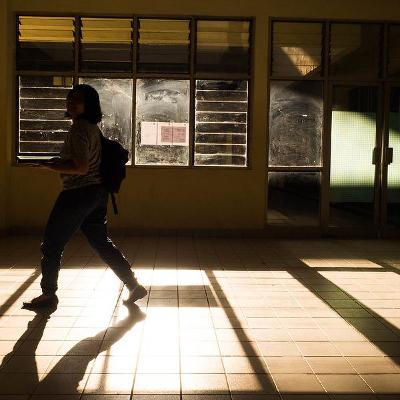
Nurwanto Nurwanto - School Violence and Bullying
In recent months Indonesians have grown increasingly concerned and indeed outraged following several reports of deadly violence involving children as young as elementary school age. In a case in Riau in May an eight-year-old boy died after complications due to a ruptured appendix, which his parents believe was the result of beatings he suffered at the hands of fellow students aged 11-13 years. Around the same time, a video when viral of a brawl involving 20 primary school aged children in Depok. In response, the Governor of West Java, Dedi Mulyadi, called for the students involved to be sent to military camps.
These recent cases have focused the country’s attention on what has been a critical issue for some time. In 2024 the Indonesian Child Protection Commission (KPAI) reported that cases of violence among school students had increased 32%, and a 2018 PISA survey showed that 41% of Indonesian students aged 15 years reported being bullied, nearly double the OECD average of 23%.
Across various levels of government and among stakeholders a range of regulations and taskforces have been established to tackle the issue, but they are falling short. What is school violence and bullying and why is it becoming more prevalent among young people? What are schools, parents and policymakers currently doing to tackle it, and what more needs to be done?
In this week's episode Jemma chats with Nurwanto, a lecturer education at Universitas Muhammadiyah Yogyakarta. His Phd thesis is titled 'Nurturing peace through education: advocating a pedagogy of love in urban schools in Yogyakarta, Indonesia', University of Western Sydney, 2023.
In 2025, the Talking Indonesia podcast is co-hosted by Dr Jemma Purdey from the Australia-Indonesia Centre, Dr Jacqui Baker from Murdoch University, Dr Elisabeth Kramer from the University of New South Wales and Tito Ambyo from RMIT.
Image: Flickr CC/lau rey
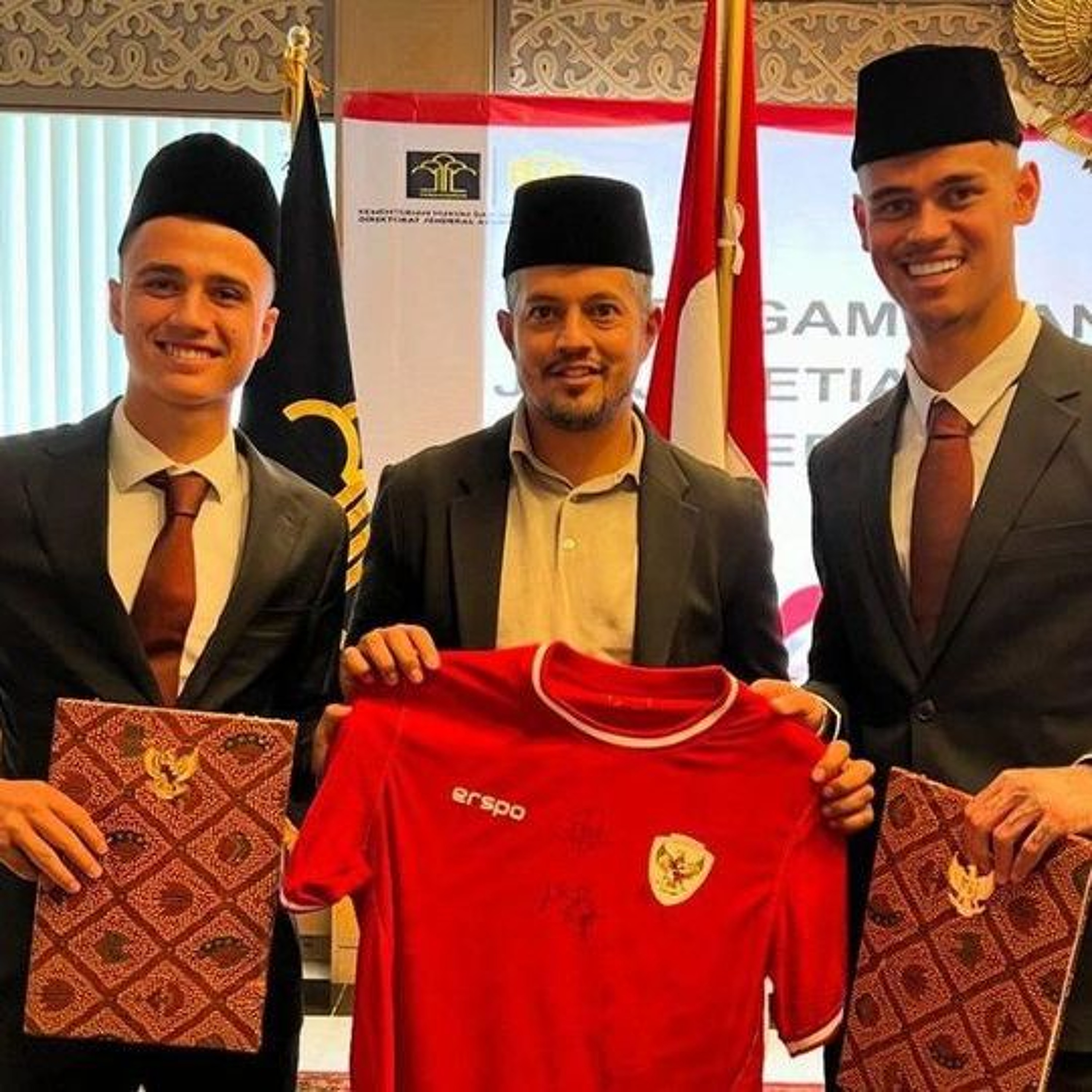
Justinus Lhaksana - Indonesian Football and the Road to the 2026 World Cup
In October 2022, the image of Indonesian football filling news bulletins around the world was one of tragedy and horror at the huge loss of life sparked by clashes between fans and security agents at a football match in Kanjuruhan, East Java. Less than three years later, this image is being replaced some by something quite different. In June this year, Indonesia did what no other Southeast Asian football team has done since the 1930s and proceeded to the fourth round of qualifying for the FIFA World Cup to be held in Canada, Mexico and the USA in 2026.
To get this far Indonesia beat both China and Bahrain at home after going down to Australia and Japan away in the third round of qualifying. Now, only two matches stand between this team becoming the first to represent the Republic of Indonesia at a FIFA World Cup. In 1938, it was the first Asian nation to go to a FIFA World Cup but was of course competing under the Dutch East Indies flag.
The success of the Indonesian national team or Timnas Garuda, so far is due to a well-orchestrated plan to bolster the team from without and make significant investment within.
Reeling from the Kanjuruhan tragedy and the international and domestic response to it, in February 2023, Joko Widodo appointed Erick Thohir, the Minister for State-Owned Enterprises in his government, as the new chairman of the Football Association of Indonesia (PSSI) with a mandate for the total reform of football, to tackle its myriad problems. For Thohir, a millionaire former owner of football teams in Europe, North America and Indonesia and with deep links in FIFA itself, this was also an opportunity to reshape Indonesian football from the top down.
The project to reform the national team had in fact started some years earlier under the then South Korean coach, Shin Tae-yong. At its core was the recruitment of players of Dutch descent who after naturalisation would qualify to play for Indonesia. Since 2020, at least 15 players in the men's team have been naturalised and very recently four Dutch women footballers of Indonesian descent were also naturalised and will play in the Indonesian squad. The next major milestone in this larger plan came in January this year, with the appointment of former Dutch superstar Patrick Kluivert as coach of Timnas. It is now his task to finish the job and get the Garudas to the World Cup.
Why undertake such a project of naturalization for the national teams? How have the fans responded to this influx of imported players? What is the state of Indonesia's domestic football league and down to the grassroots that has made it necessary in the first place? And what will it take for Indonesian football to overcome its challenges and finally take its place on the world stage?
In this week's episode Jemma chats with Justinus Lhaksana, a football commentator (https://www.youtube.com/@CoachJustinl28/videos) and former coach of the Indonesian national futsal team.
In 2025, the Talking Indonesia podcast is co-hosted by Dr Jemma Purdey from the Australia-Indonesia Centre, Dr Jacqui Baker from Murdoch University, Dr Elisabeth Kramer from the University of New South Wales and Tito Ambyo from RMIT.
Image: Image: Eliano Reijnders and Mees Hilgers receive their naturalisation certificates at the Indonesian Embassy in Brussels, 1 October 2024.


Download from Google Play

Download from App Store
 United States
selir69, daftar selir69, link selir69, selir, selir 69, selir6 9, situs selir, bandar selir, agen selir, situs selir69, bandar selir69, agen selir69, selir69 slot, selir69 login, selir69 link alternatif, selir slot https://avodartmed.com/
selir69, daftar selir69, link selir69, selir, selir 69, selir6 9, situs selir, bandar selir, agen selir, situs selir69, bandar selir69, agen selir69, selir69 slot, selir69 login, selir69 link alternatif, selir slot https://avodartmed.com/
A depth discussion of actual issues that occurred in Indonesia by competent sources. Sharp, critical, and reliable. I am, as an Indonesian, really enjoy this podcast. You will not find a talk show like this anywhere else.