


 Claim Ownership
History of the Caribbeans | Exploring Resilience and Culture
Subscribed: 26Played: 839
Subscribe

© 10X Pod Group
Description
Join Caribbean history experts Joe & Kevin as they uncover the #1 Caribbean History & Culture Podcast powerful stories, cultural legacies, and untold truths that shaped the region in History of the Caribbeans: Tales of Resilience and Culture — a podcast for listeners passionate about Caribbean history, heritage, and the enduring spirit of a people who’ve shaped the world.
517 Episodes
Reverse
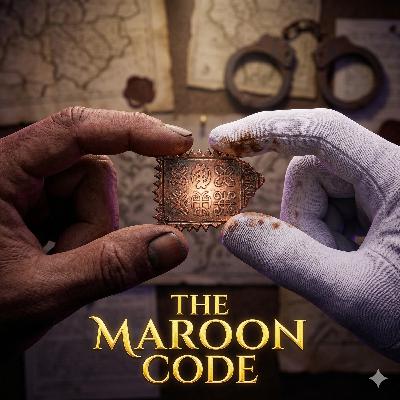
The British Empire had a secret they tried to bury in the limestone of the Blue Mountains. In this deep-dive documentary, we explore the true history of the Maroon Kingdoms—a sovereign nation that existed inside a colony. From the "Living Forest" tactics of Queen Nanny to the unexplained mystery of the Copper Plate, this is the history of the Caribbean they didn't teach you in school.
How did a band of rebels defeat the most powerful military force on Earth? We analyze the forensic evidence of the Maroon Wars (1720–1739), the strategic use of the abeng communication network, and the "Great Betrayal" of the 1738 Peace Treaty.
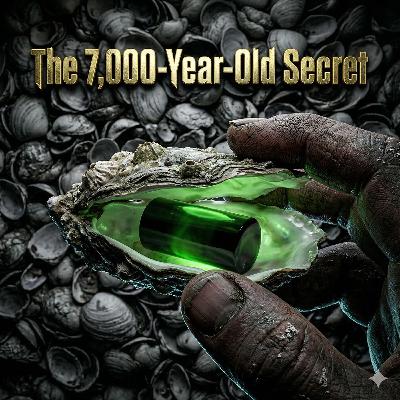
Seven thousand years ago, a woman was buried in the salt of Trinidad with an object that shouldn't exist. We’ve been told the history of the Caribbean began with "discovery," but the archaeological record tells a much darker, more sophisticated story. From the massive industrial shell-processing plants of Curacao to a 3,000-mile trade link with ancient Mexico, we are revealing the lost "Lithic Revolution" that shaped the archipelago long before the Arawak or the Spanish.
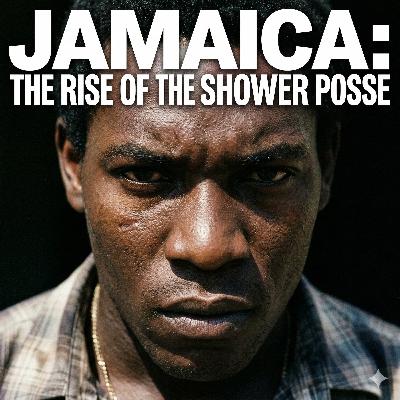
In this episode of THE HISTORY OF THE CARIBBEAN, we explore the intense and complex evolution of modern Jamaica from the turbulent nineteen eighties to the present day. We trace the structural shift from political tribalism to the rise of international organized crime, detailing how the power of the ballot was replaced by the influence of the "donmanship" system and the global reach of the Shower Posse. The narrative examines the grueling reality of the nineteen nineties economic liberalization, where the vibrant "One Love" branding of the tourism industry masked a deepening chasm of social inequality and the emergence of a sophisticated underground economy.
The documentary further investigates the digital transformation of survival through the lottery scamming phenomenon that gripped the two thousands, illustrating a new generation’s pursuit of agency in a globalized world. We conclude with a focused look at the twenty ten Tivoli Incursion, a pivotal moment of national reckoning that signaled the end of the untouchable don while leaving the island to grapple with the persistent shadows of its past. This is a story of continuity, resistance, and the incredible resilience of a people navigating the crossroads of systemic pressure and the relentless drive for survival.

The sound of the Caribbean in 2026 is no longer just a local heartbeat; it is the primary engine of global pop culture. This episode of THE HISTORY OF THE CARIBBEAN explores the high-stakes reckoning currently facing island creators as their traditional rhythms are digitized, harvested, and sold to the highest bidders in international markets. From the historic 2026 Grammy recognition of dancehall legends to the complex digital fracture where analog soul meets software precision, we examine how the shift from live instrumentation to laptop production is altering the DNA of our music. We dive deep into the "global graft" of the Dembow and Soca-Afrobeats explosion, questioning who truly profits when island culture becomes a universal utility for lifestyle brands and streaming algorithms.
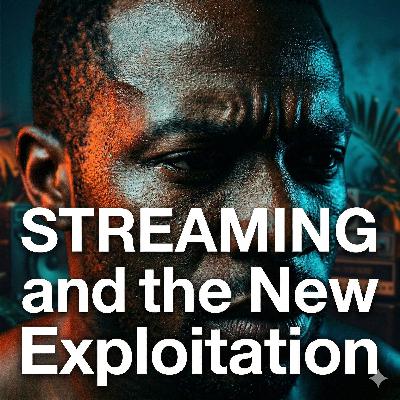
The digital age promised a revolution for Caribbean creators, but beneath the surface of global connectivity lies a new system of extraction. This episode of THE HISTORY OF THE CARIBBEAN investigates the transition from the physical power of the sound system to the invisible gatekeeping of the streaming algorithm. We trace the shift from the nineteen nineties era of tangible ownership—where vinyl and compact discs fueled local economies—to the modern "digital plantation" where artists are paid in fractions of a cent. From the vanishing revenues of the Trinidadian Road March to the high cost of data in Kingston and San Juan, we expose the mathematical trap that forces our most influential voices to struggle for basic survival while their rhythms generate billions for Silicon Valley boardrooms.
We explore how the flattening of our culture into generic "World Music" buckets serves as a form of digital segregation, stripping the revolutionary soul from reggae, soca, and dancehall to satisfy a global background vibe. This is a story of dispossession, but it is also one of resistance. As creators seek a modern form of marronage through independent distribution and a return to physical media, we ask the critical question: Can our culture survive if its creators cannot afford the rent? Join us as we examine the structural inequities of the modern music industry and the fight for digital independence in a world that loves the Caribbean sound but ignores the reality of its people.
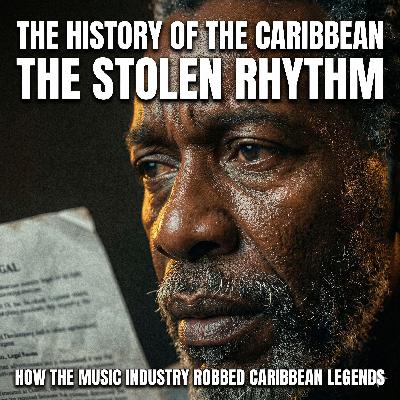
This documentary episode of THE HISTORY OF THE CARIBBEAN exposes the systemic exploitation within the music industry from the nineteen eighties to the present day. We trace the journey of the islands' most iconic sounds—from the raw, digital revolution of early dancehall in Kingston to the global pop charts of the twenty-first century—revealing how communal creativity was harvested by international interests. The narrative explores the transition from handshake agreements and "riddim" culture to predatory "three sixty" contracts and the modern era of micro-royalties. Through case studies of legendary artists who shaped global culture only to die in poverty, we examine the legal mechanisms and corporate maneuvers that allowed foreign entities to extract the wealth of Caribbean vibrations.

This deep-dive into the history of Caribbean music explores the hidden war between the state and the artists who defined a region. From the colonial-era radio bans in 1960s Jamaica to the modern surveillance of drill and trap artists, we examine how governments have systematically used censorship, police intimidation, and legal warfare to silence the voice of the streets. Discover the high-stakes stories of icons like Don Drummond, the attempted assassination of Bob Marley, and the banning of revolutionary rhythms in Grenada and Cuba. We reveal how "moral panic" and "national security" have long been used as tools to suppress the cultural identity of the urban poor and the Rastafari movement.

This documentary podcast episode of THE HISTORY OF THE CARIBBEAN investigates the deep-seated, systemic entanglement between the Caribbean music industry and the power structures of the street. Spanning from the early nineteen eighties to the present day, we explore how the decline of traditional political patronage in Jamaica and Trinidad gave rise to the "Dancehall Don"—local leaders who filled the vacuum left by the state to become the primary financiers of the arts. We trace the evolution of the recording studio from a place of creative refuge to an extension of the garrison office, where the price of a hit record was often a public declaration of factional loyalty.

This long-form documentary exploration of THE HISTORY OF THE CARIBBEAN dives into the grit and the silence behind the global stage of Caribbean music. While the world danced to the infectious rhythms of Ska, Rocksteady, Reggae, and eventually Dancehall and Reggaeton, a massive portion of the story remained hidden in the shadows of the recording studio. This episode examines the systemic marginalization of women and gender-nonconforming voices in a industry built on the pillars of liberation and revolution. From the international breakout of Millie Small with My Boy Lollipop in the nineteen sixties to the modern digital defiance of Ivy Queen and the new generation of independent artists, we trace a timeline of survival against a backdrop of hyper-masculinity and economic exploitation.
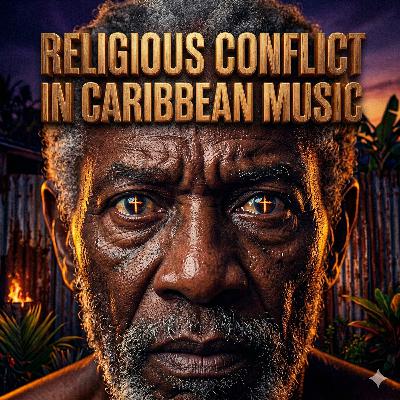
This episode of THE HISTORY OF THE CARIBBEAN investigates the high-stakes spiritual warfare played out through the music of Jamaica and Haiti from the nineteen sixties to the present day. We explore how the drum became a weapon of resistance against colonial structures, beginning with the rise of Rastafarian percussion in the gullies of Kingston and the seismic impact of Haile Selassie’s nineteen sixty six visit. The narrative tracks the evolution of the sound of the outcast, where every heartbeat of the Funde and Repeater drums served as a direct challenge to the state and the traditional church, resulting in a systematic attempt by the authorities to smash the instruments and silence the movement.

Discover the untold history of how Caribbean music transformed from a sanitized "island paradise" backdrop into a global force of resistance and identity. In this episode of THE HISTORY OF THE CARIBBEAN, we trace the sonic journey from the gritty nineteen seventy-two debut of The Harder They Come to the digital dominance of the twenty-twenties. Learn how roots reggae, calypso, and dancehall broke the lens of global media, moving beyond the "tropical caricatures" of the eighties and nineties to reclaim the narrative on the world stage. We explore the evolution of representation, the impact of the sound system culture on global pop, and the ongoing struggle for cultural ownership in the age of the algorithm.

In this episode of THE HISTORY OF THE CARIBBEAN, we explore the high-stakes era between nineteen seventy and nineteen ninety-nine when music became a battlefield for free speech across Jamaica and Trinidad. As governments in Kingston and Port of Spain realized the power of a three-minute track to expose corruption and mobilize the masses, they responded with heavy-handed censorship, radio bans, and the legislative weight of the Radio and Television Act. This documentary-style journey uncovers the secret history of the Frequency Killers at the Jamaica Broadcasting Corporation and the Calypso Censors who attempted to silence the social commentary of the tents, revealing a gritty reality where the state tried to sanitize our national identity by turning off the transmitter.
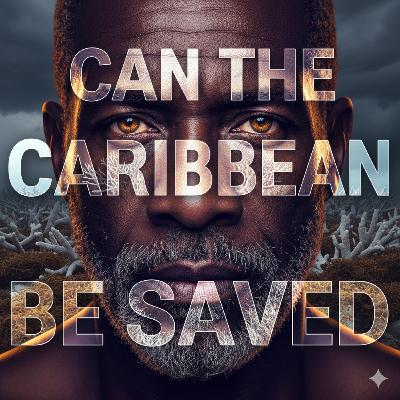
In this episode of THE HISTORY OF THE CARIBBEAN, we confront the most pressing threat to our archipelago’s survival: the escalating environmental crisis. Titled "Can the Caribbean Be Saved," this documentary explores the fragile reality of life on the front lines of climate change, from the ghostly bleaching of the Mesoamerican Reef to the brown tides of sargassum choking our shores. As the Caribbean Sea transforms into a pressurized heat sink, we examine how rising surface temperatures are redrawing our maps and turning the sea from a provider into an intruder. This is a grounded, gritty look at the biological and atmospheric audit facing our islands, moving beyond the postcard imagery to reveal the tense negotiation between a changing sun and a rising tide.

This episode of THE HISTORY OF THE CARIBBEAN explores the transformative power of sound through three pivotal moments where music bypassed political machinery to awaken a new collective consciousness. We begin in nineteen seventy eight at the National Stadium in Kingston, where Bob Marley used the pulse of Jamming to force a historic, physical reconciliation between warring political leaders Michael Manley and Edward Seaga. This chapter dissects how a single reggae melody served as a temporary ceasefire for a nation on the brink of civil war, proving that cultural identity could wield more authority than the state itself.
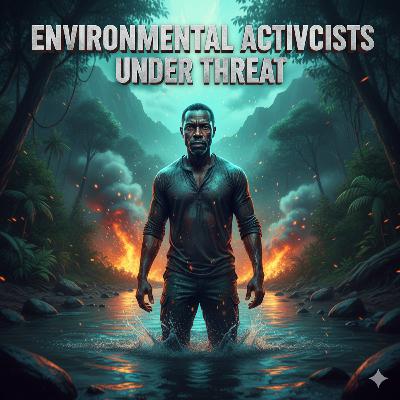
Our history is being cleared, sold, and silenced. In this episode of the history of the Caribbean, we examine the escalating crisis facing environmental activists from the nineteen nineties to the present day. We move beyond the postcard images of our islands to reveal the gritty reality of those standing on the front lines of conservation. From the sabotaged boats of marine biologists in the Greater Antilles to the disappearances of forest rangers in the Guiana Shield, the cost of protecting our land has never been higher. We investigate how international capital and local corruption have turned the defense of our mangroves and mountain ranges into a lethal occupation. This is a story of risk, where the people who love the land the most are the primary targets of those who want to strip it bare.
Gemini said
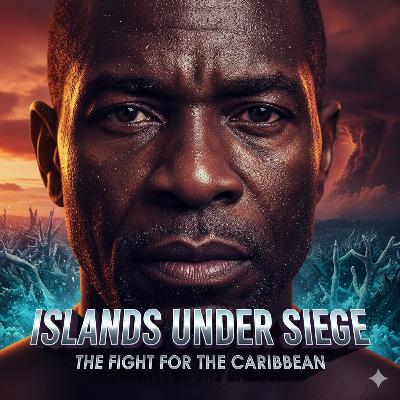
In the latest episode of THE HISTORY OF THE CARIBBEAN, we examine the existential threat of climate change and its immediate impact on island life from the two thousands to the present day. This documentary-style narrative moves beyond abstract statistics to the front lines of the crisis, beginning with the silent collapse of the Mesoamerican Reef and the devastating effects of coral bleaching on artisanal fishing communities. We explore how rising sea surface temperatures have transformed the Caribbean Basin from a source of life into a generator of "monster" storms, analyzing the rapid intensification of Hurricane Maria in Dominica and the catastrophic salination of water tables during Hurricane Dorian in the Bahamas.
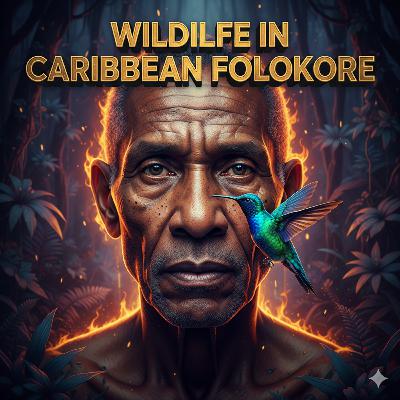
This long-form documentary exploration of THE HISTORY OF THE CARIBBEAN dives into the deep, spiritual connection between the islands' inhabitants and the wildlife that defines their landscape. We trace the lineage of Caribbean folklore from the Taino and Kalinago creation myths—where the Hummingbird was a warrior’s soul and the Manatee a sacred protector—to the survival of West African traditions through the trickster Anansi the Spider. The episode examines how the plantation system and colonial intervention reshaped the natural world, turning the forest into a site of Maroon resistance while introducing invasive species like the Mongoose that forever altered the ecological balance.
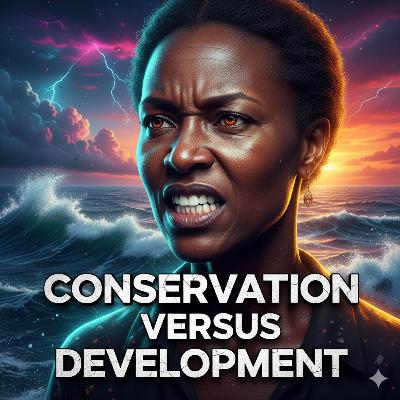
This episode of THE HISTORY OF THE CARIBBEAN investigates the high-stakes conflict between rapid economic development and the survival of our islands' natural ecosystems. Since the nineteen seventies, the Caribbean has undergone a radical transformation, pivoting from an agricultural past to a global tourism mandate that has reshaped our coastlines and our future. We examine the systematic dismantling of mangrove forests and the destruction of coral reefs—natural defense systems that were sacrificed to build the mega-resorts and all-inclusive enclaves that now dominate the shorelines of Jamaica, Barbados, and the Dominican Republic. This is not just a story of changing landscapes; it is an exploration of the environmental cost of progress and the privatization of our public resources.
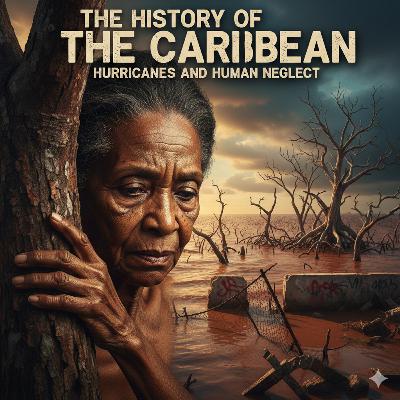
The Caribbean is often defined by its beauty, but behind the postcard views lies a century-long record of systemic abandonment. In this episode of The History of the Caribbean, we examine "Hurricanes and Human Neglect," a deep dive into how a hundred years of environmental mismanagement turned natural seasonal cycles into a recurring tragedy of survival. We trace the timeline from the early nineteen hundreds, when colonial logging stripped the islands of their ancient mahogany and cedar shields, to the modern era of concrete tourism that dismantled our coastal defenses. This isn't just a story of weather; it is a clinical look at how the extraction of natural resources for short-term profit left our islands vulnerable to the catastrophic force of the Atlantic storm belt.
We explore the devastating loss of endemic wildlife, from the near-extinction of the Imperial Parrot in Dominica to the silent death of our coral reef nurseries. As we move through the nineteen eighties and into the present day, we witness the strategic error of replacing life-sustaining mangroves with rigid sea walls that crumble under pressure. This documentary narrative challenges the "Act of God" narrative, placing the responsibility back on human systems that prioritized development over ecology. We discuss the aftermath of Category Five giants like Hurricane Maria and the long silence that follows when conservation is abandoned in the name of recovery. Join us as we uncover the true cost of neglect and the fragile state of our island homes in an era of rising seas and intensifying storms.
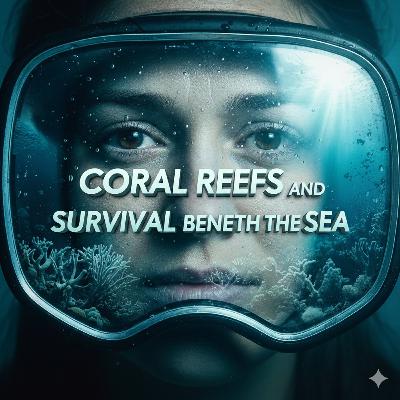
Coral Reefs and Survival Beneath the Sea explores the vulnerability of the Caribbean’s natural shield and its impact on our history. For over a century, the coral reefs of the Bahamas, Belize, and Jamaica have served as a vital living barrier against the Atlantic, but today that foundation is under unprecedented pressure. In this documentary episode, we examine how the transition from local artisanal fishing to global industrial demand began the slow erosion of our underwater ecosystems. We dive deep into the nineteen eighties Diadema die-off and the first mass bleaching events that signaled a shift from a resilient pantry to a fragile graveyard.
As part of our ongoing series on Caribbean history and environment, we highlight the consequences of climate change on coastal infrastructure and the communities that rely on the sea for survival. From the crumbling elkhorn forests of Jamaica to the successful conservation efforts on the Belize Barrier Reef, this story tracks the cost of environmental exploitation and the desperate race for recovery. We look at modern biorock technology and coral gardening as essential tools in our fight for sovereignty and land preservation. Understanding the history of our reefs is key to understanding the future of the islands, as we confront the reality of warming oceans and the essential need to protect our living shield.

Comments

Download from Google Play

Download from App Store
 United States