


 Claim Ownership
Shadow Archive - The True Spy Stories
Subscribed: 1Played: 17
Subscribe

© Atlas Global Media Lab
Description
Shadow Archive – The True Spy Stories
Enter the hidden world of espionage. Shadow Archive uncovers real covert missions, double agents, betrayals, and classified operations buried in the dark corners of history. From Cold War secrets to modern intelligence wars, each episode reveals the stories governments tried to erase. Step into the shadows and follow the truth wherever it leads.
Enter the hidden world of espionage. Shadow Archive uncovers real covert missions, double agents, betrayals, and classified operations buried in the dark corners of history. From Cold War secrets to modern intelligence wars, each episode reveals the stories governments tried to erase. Step into the shadows and follow the truth wherever it leads.
11 Episodes
Reverse
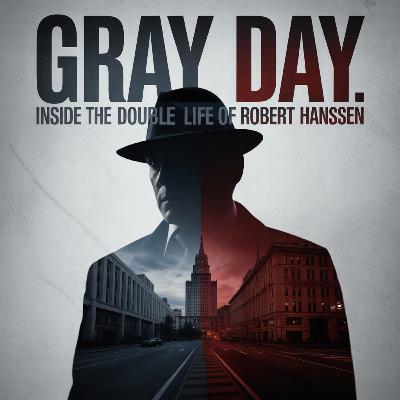
Dive into the haunting true story of Robert Hansen, the FBI insider who betrayed his country for over two decades. This masterclass in espionage unravels the chilling paradox of a devout family man and ruthless spy, exposing the fragile trust within the intelligence community. Witness how low-tech tradecraft, moral duplicity, and institutional blindness combined to create one of the most devastating intelligence failures in American history. A gripping exploration of loyalty, deception, and the shadows lurking behind the badge.
Step into the claustrophobic nerve center of Cold War paranoia on the fateful night of September 26, 1983—a moment when humanity teetered on the brink of nuclear apocalypse. Witness the extraordinary courage of Lieutenant Colonel Stanislav Petrov, an engineer thrust into a high-stakes decision that defied cold protocol and a flawed early-warning system. This gripping true story unveils how a single human intuition, amid a cascade of terrifying alarms and technological glitches, averted global catastrophe. More than history, it’s a profound meditation on the fragile balance between man and machine—an urgent reminder of the power of human judgement in an age racing toward automation.
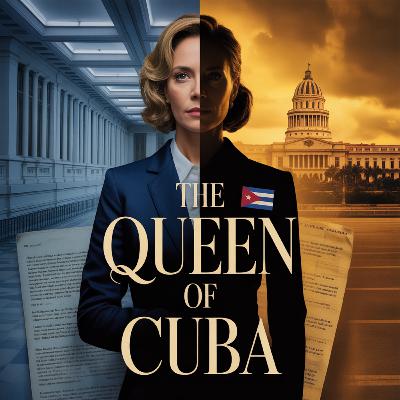
Step into the shadowy world of espionage as we unravel the astonishing true story of Ana Belén Montes, the “Queen of Cuba” and one of the most damaging spies in U.S. history. Set against the tense backdrop of post-9/11 America, this deep dive exposes how, while the nation focused on external threats, a masterful ideological double agent operated undetected within the Pentagon’s walls for 17 years. Discover the psychological forces that shaped her, the intricate tradecraft she employed—from memorizing classified secrets to secret communications via shortwave radio—and the devastating consequences of her betrayal, including lives lost and intelligence shattered. Through exclusive FBI files, expert analysis, and gripping narrative, this video challenges everything we think we know about loyalty, trust, and the invisible dangers that lurk inside the very institutions meant to protect us. Prepare to confront the unsettling truth about the spy who hid in plain sight.Show NotesUnsealed Indictment from DOJBooks:True Believer: Inside the Investigation and Capture of Ana Montes, Cuba’s Master SpyQueen of Cuba: An FBI Agent’s Insider Account of the Spy Who Evaded Detection for 17 Years
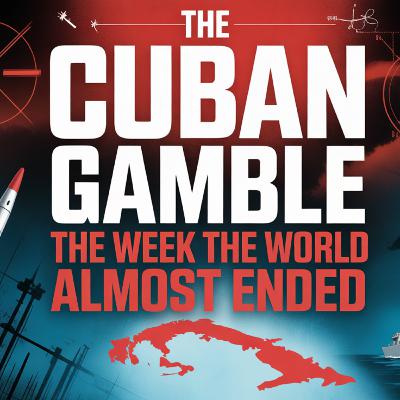
This episode of Shadow Archive offers an in-depth exploration of the Cuban Missile Crisis, focusing especially on the harrowing events of October 27, 1962—known as Black Saturday. It reveals the intense human and mechanical failures that nearly triggered nuclear war, such as the dire conditions aboard the Soviet submarine B-59, where a critical decision by officer Vasili Arkhipov prevented a nuclear torpedo launch. The video challenges the simplified textbook narrative of calm, controlled diplomacy by uncovering the chaos, miscommunication, and near-accidents that brought the world to the brink. It highlights the strategic motivations behind Khrushchev’s missile deployment in Cuba, the U.S. response involving the naval quarantine, and the high-stakes diplomacy mixed with terrifying close calls, including U-2 spy plane incidents and conflicting Soviet messages. Ultimately, the crisis underscored the fragile nature of control in nuclear standoffs, relying not only on leaders but on chance, human judgment, and restraint amid overwhelming pressure. The video concludes with reflections on how luck and the decisions of individuals like Arkhipov may have saved humanity from catastrophe.
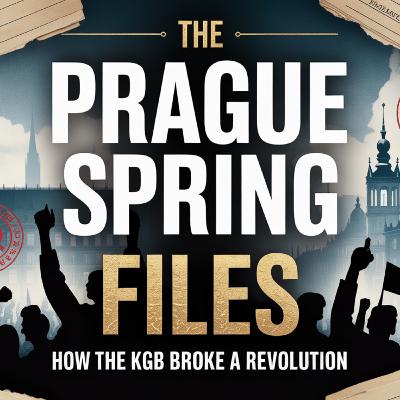
In this episode of Shadow Archive, the conversation delves into the intricate and often hidden narratives surrounding the 1968 invasion of Czechoslovakia, exploring the political climate, the rise of reformist leader Alexander Dubcek, and the covert operations orchestrated by the KGB. It highlights the paradox of military success leading to political failure, the vibrant resistance of the Czech people, and the long-term implications of the invasion on the region's political landscape.
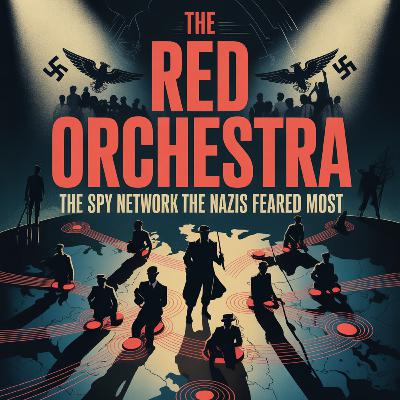
This conversation delves into the complex and often misunderstood narrative of the Red Orchestra, a network of resistance fighters during World War II. It explores the illusion of totalitarian control in Nazi Germany, the hidden conversations that revealed dissent, and the diverse backgrounds of those involved in the resistance. The discussion highlights key figures like Leopold Trepper and the Berlin group, their intelligence efforts, the tragic consequences of their actions, and the legacy of their resistance in the context of Cold War narratives.
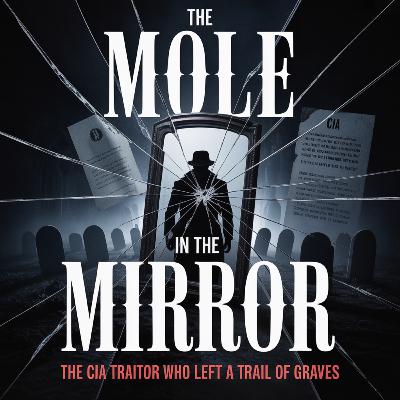
In this episode of Shadow Archive, the hosts unravel the case of Aldrich Ames — a CIA officer whose quiet mediocrity concealed a decade of catastrophic betrayal. From his 1994 arrest in a luxury Jaguar to the quiet unraveling of over 100 operations and the deaths of countless Western assets, the story is as much a portrait of institutional blindness as it is of personal corruption. The hosts probe how alcoholism, narcissism, and unchecked ego allowed Ames to hide in plain sight, and what his legacy truly cost — in lives, in trust, and in the uncomfortable question that lingers long after the episode ends: can any system fully guard against the vulnerabilities of the human soul?
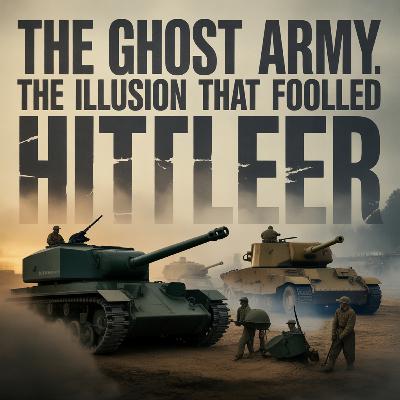
In this episode of Shadow Archive, we delve into the fascinating and often unbelievable story of the Ghost Army, a unit of deception during World War II. Comprised of artists, designers, and creative thinkers, this unique group was tasked with misleading the enemy through visual, sonic, and radio deception. Their operations included the use of inflatable tanks, sound effects, and even staged performances to create the illusion of a much larger force, ultimately saving thousands of lives by diverting enemy attention and fire. The episode explores their innovative tactics, the psychological warfare they employed, and the profound impact their experiences had on their post-war lives and careers in the arts.
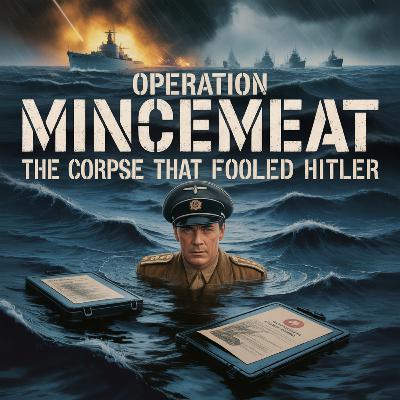
In this episode of Shadow Archive, we delve into the extraordinary tale of Operation Mincemeat, a pivotal intelligence operation during World War II that utilized deception to mislead the German military. The narrative unfolds with British intelligence's audacious plan to use a corpse, Major William Martin, to carry false documents that would convince the Germans that the Allies were planning to invade Greece instead of Sicily. This masterclass in psychological warfare not only reshaped the Mediterranean theater of the war but also demonstrated the power of human creativity in espionage. The episode explores the meticulous planning, the ethical dilemmas, and the sheer audacity behind this operation, revealing how a seemingly absurd idea turned into a strategic triumph.
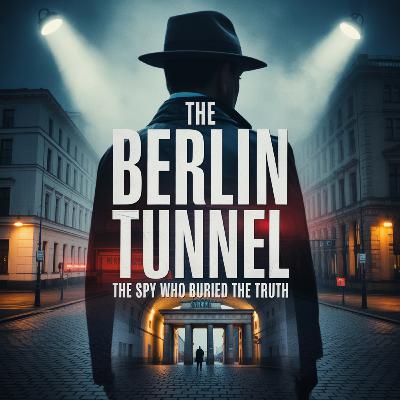
This conversation delves into Operation Gold, the audacious espionage plot during the Cold War, focusing on the Berlin Tunnel. It explores the strategic necessity behind the operation, the engineering marvel of the tunnel, the betrayal by George Blake, and the KGB's strategic decisions that allowed the operation to run for nearly a year. The discussion highlights the intelligence gathered, its impact on Western policy, and the lasting legacy of the operation.
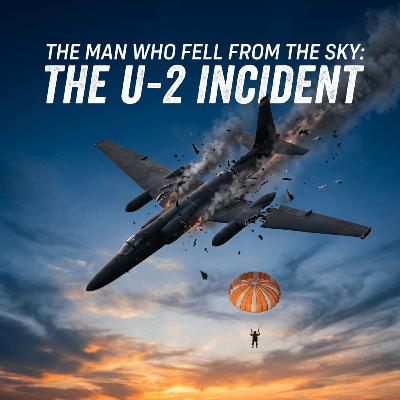
On May 1, 1960, a lone aircraft carved through the silence above the Soviet Union — flying so high, so far beyond reach, that its crew believed the sky itself was protection enough. It wasn't.Within minutes, the plane was falling. And the pilot drifting beneath a parachute wasn't descending into capture — he was descending into the most volatile political firestorm of the Cold War.This is the true story of Francis Gary Powers — the CIA's most trusted U‑2 pilot — whose shoot‑down over Sverdlovsk didn't just end a mission. It shattered a carefully maintained global illusion, tore the veil from America's most secret reconnaissance program, and detonated a diplomatic crisis that would derail a historic summit between Eisenhower and Khrushchev, two men who had come within reach of changing the course of history.One aircraft. One missile. One decision made at 70,000 feet — where the cold logic of physics, the calculations of spycraft, and the fragility of human judgment converged in a single, irreversible moment.This is espionage stripped to its rawest truth — not the polished myth of intelligence, but the hidden machinery that drives it, the men it consumes, and the world it quietly shapes from the shadows.If you've ever wanted to understand how secrets start wars, how one flight can move nations, and how the truth, once airborne, cannot be recalled — this is a story that will stay with you long after the final word.
Comments

Download from Google Play

Download from App Store
 United States