


 Claim Ownership
Christians Reading Classics
Subscribed: 41Played: 416
Subscribe

© 2025
Description
Christians Reading Classics is a podcast about classic books being read through a distinctly Christian lens. Hosted by author and classicist, Nadya Williams, Christians Reading Classics introduces—or should we say—re-introduces listeners to classic works that have inspired generations. Interviewing experts who know these books well, the hope is to inspire listeners and awaken their imagination to God's world through literary, theological, and even children's works that have stood the test of time.
Christians Reading Classics is a Mere Orthodoxy podcast.
Find out more at mereorthodoxy.com
Christians Reading Classics is a Mere Orthodoxy podcast.
Find out more at mereorthodoxy.com
27 Episodes
Reverse

Nadya Williams and David Kee discuss Ayn Rand's Atlas Shrugged — its origins, philosophy, and enduring relevance for American Christians. Kee, a business professor at Harding University who teaches the novel, traces Rand's objectivism, the tension between individualism and collectivism, and what a Christian engagement with her work requires. — Christians Reading Classics is a podcast from Mere Orthodoxy and is listener-supported. If you would like to support this work, become a Mere Orthodoxy Member today at http://mereorthodoxy.com/membership. Apply for Beeson Divinity School's Ph.D program by April 1 for Fall 2026 admission here: https://bit.ly/BeesonDivinityPhD — Chapters 00:00 - Introduction and Reading from Atlas Shrugged 01:10 - Guest Introduction: David Key 02:00 - David's Background: From Geneva to Entrepreneurship to Academia 08:10 - Defining a Classic 10:56 - How David First Encountered Atlas Shrugged 13:04 - Who Was Ayn Rand? 25:03 - Teaching Atlas Shrugged to Business Students 32:27 - Individualism, Collectivism, and the Christian Worldview 39:11 - The Mystery of John Galt 44:10 - Elevating the Entrepreneur 52:35 - Why Christians in America Should Read This Book 53:25 - What Classic David Wishes He Had Written
Jane Austen's most underrated novel is also her most serious. In this conversation, books editor Nadya Williams and essayist Beatrice Scudeler explore what Mansfield Park has to say about virtue, vocation, wealth, and the formation of character -- and why Fanny Price, the novel's quiet, overlooked heroine, may be Austen's most carefully drawn moral portrait. — Get the ebook Spiritual Formation for the Family at http://mereorthodoxy.com/family. Christians Reading Classics is a podcast from Mere Orthodoxy and is listener-supported. If you would like to support this work, become a Mere Orthodoxy Member today at http://mereorthodoxy.com/membership. Apply for Beeson Divinity School's Ph.D program by April 1 for Fall 2026 admission here: https://bit.ly/BeesonDivinityPhD — Chapters 00:03 -- Opening: Austen reads the opening lines of Mansfield Park; Nadya introduces the episode and season premise 01:48 -- Defining a classic: what makes a work speak across centuries without losing its rootedness in its own time 05:29 -- Why Mansfield Park for America's 250th: Austen, evangelical Christianity, and the values that crossed the Atlantic 08:48 -- The plot: Fanny Price, the Bertrams, and what happens when the Crawfords arrive from London 13:35 -- The problem of Fanny Price: why modern readers resist her, and why Lionel Trilling diagnosed the real issue in the 1960s 19:57 -- Fanny as a sympathetic character: what it means to be 10 years old, sent away from your family, and expected to be grateful 25:09 -- The absent adults: Sir Thomas, Lady Bertram, and the novel's indictment of parenting by principle without presence 27:09 -- Was Fanny autobiographical? The case for Jane Austen as observer, introvert, and moral compass 33:15 -- What money buys: education, time, space for contemplation -- and what it cannot buy 39:07 -- Marriage as formation: why Austen's vision of marriage is still revolutionary, and what we've lost by privatizing it 41:16 -- Why Mansfield Park may be Austen's best: constancy, prudence, and the virtue of being the quiet center that holds everything together 48:45 -- Closing question: what classic would Beatrice have written? Anne Bronte's The Tenant of Wildfell Hall

Nadya Williams and Sabrina Little explore Aristotle's Nicomachean Ethics — its account of virtue as habit, the teleological shape of a good life, and how athletics and daily practice form character. Little connects Aristotle to Aquinas, parenting, and her own work as an elite ultramarathoner and philosopher. — Christians Reading Classics is a podcast from Mere Orthodoxy and is listener-supported. If you would like to support this work, become a Mere Orthodoxy Member today at http://mereorthodoxy.com/membership. Apply for fall 2026 admission to Beeson Divinity School's MDiv (or M.Div., your choice) and be considered for a full-tuition scholarship.: https://bit.ly/OurRisenLord — Chapters 00:00 - Introduction 02:35 - What is a classic? 03:51 - Why the Nicomachean Ethics for American Christians? 07:19 - Aristotle's aims: eudaimonia and virtue 10:24 - The contemplative life vs. the practical life 13:38 - How college life trains students in virtue 18:13 - Advice for first-time readers of Aristotle 22:27 - The Examined Run: athletics and moral formation 28:29 - Teaching virtue to young children 32:03 - Would Aristotle recognize our struggles today? 34:57 - Aristotle and women 36:07 - What classic do you wish you had written?

Nadya Williams and Evie Solheim discuss Wuthering Heights, what makes it a gothic classic, why Emily Brontë's moral ambiguity still provokes, how the novel speaks to a generation starved for romance, and why the new film adaptation trades subtlety for TikTok-style spectacle. Also: Anna Karenina, Virginia Woolf, and Greta Gerwig's Narnia. — Get the Mere Orthodoxy ebook, Spiritual Formation for the Family, at http://mereorthodoxy.com/family Mere Fidelity is a podcast from Mere Orthodoxy and is listener-supported. If you would like to support this work, become a Mere Orthodoxy Member today at http://mereorthodoxy.com/membership. Get 30% of the Baker Book of the Month, R30 Key Moments in the History of Christianity: Inspiring True Stories from the Early Church Around the World, by going to: http://bakerbookhouse.com/pages/mere-fidelity Apply for Beeson Divinity School's Ph.D program by April 1 for Fall 2026 admission here: https://bit.ly/BeesonPhD — Chapters 00:11 – Opening reading from Wuthering Heights and intro to the Brontë sisters 01:54 – Welcome to Season 2 of Christians Reading Classics; introducing Evie Solheim 03:25 – What makes a classic? Timelessness, breaking the mold, and the canon 06:35 – Plot summary: key characters, places, and the structure of the novel 08:43 – The gothic genre: origins, elements, and its American descendants 10:22 – Southern Gothic: Flannery O'Connor, Faulkner, and True Detective 13:12 – How we first meet Cathy — and the unreliable narrators telling her story 16:28 – Advice for first-time readers: Emily Brontë's biography and creative world 19:43 – Virginia Woolf's essay on Wuthering Heights and what it means to write like that 22:56 – Why Wuthering Heights resonates with Americans today: romance, apps, and longing 27:21 – The new film adaptation: competing with TikTok, not other movies 31:43 – Comparing Wuthering Heights to Gone with the Wind: land, love, and star-crossed tropes 36:28 – Good cinematic adaptations: Greta Gerwig's Little Women vs. Emerald Fennell's Wuthering Heights 41:10 – Is Wuthering Heights amoral? Reading Heathcliff's fate through a biblical lens 47:29 – Closing question: the classic Evie wishes she had written — Anna Karenina
Nadya Williams and Obbie Tyler Todd explore Harriet Beecher Stowe's Uncle Tom's Cabin as part of season two's focus on classics American Christians should read for America's 250th. They discuss the Beecher family's influence, the Fugitive Slave Law as the book's impetus, Stowe's deeply scriptural approach to critiquing slavery, the Christ-likeness of Uncle Tom, and why the novel's theological vision — not merely its abolitionism — gave it such enduring power. — Get your copy of Mere Orthodoxy's ebook, Spiritual Formation for the Family, by going to http://mereorthodoxy.com/family Christians Reading Classics is a podcast from Mere Orthodoxy and is listener-supported. If you would like to support this work, become a Mere Orthodoxy Member today at http://mereorthodoxy.com/membership. Apply for fall 2026 admission to Beeson Divinity School's MDiv (or M.Div., your choice) and be considered for a full-tuition scholarship.: https://bit.ly/OurRisenLord — Chapters 00:00 Introduction to Uncle Tom's Cabin 02:21 Defining a Classic 06:57 The Importance of Uncle Tom's Cabin for Christians 12:06 The Beecher Family Legacy 20:45 Harriet Beecher Stowe's Impact on American Sentiment 27:43 Introducing Uncle Tom's Cabin to New Readers 29:59 Moral Complexity of Slavery 32:17 The Christian Perspective on Slavery 35:32 Character Development and Redemption 38:50 Contrasting Narratives of Slavery 46:01 Evangelical Reception of Uncle Tom's Cabin 50:45 International Reception and Impact

Nadya Williams and Katelyn Walls Shelton discuss Aldous Huxley's Brave New World — its haunting parallels to embryo selection, reproductive biotechnology, and pleasure-maximizing culture — and what Christians should make of a novel that reads less like dystopian fiction and more like this morning's news. - Christians Reading Classics is a podcast from Mere Orthodoxy and is listener-supported. If you would like to support this work, become a Mere Orthodoxy Member today at http://mereorthodoxy.com/membership. Apply for a full-tuition scholarship for Beeson Divinity School's M.Div program that begins Fall 2026 here: https://bit.ly/OurRisenLord - Chapters 00:00 — Introduction & what makes a classic 05:00 — Brave New World mirrors our world: embryo selection, Orchid, Gattaca 07:16 — Why Christians in America should read this book 14:19 — Plot overview: hatcheries, Bernard, Lenina, John the Savage 23:40 — Life in the World State: conditioning, sexuality, soma, death 35:40 — Huxley's own contradictions: Doors of Perception and his LSD death 39:17 — Current reproductive biotechnologies: embryo grading, gene editing, artificial wombs 49:43 — Closing: The Ones Who Walk Away from Omelas by Ursula Le Guin

Nadya Williams, Books Editor for Mere Orthodoxy, talks with Leah Libresco Sargeant, author of The Dignity of Dependence, about Henry Adams's The Education of Henry Adams—specifically the chapter "The Dynamo and the Virgin." They explore Adams's experience of the sublime at the 1900 Paris World Fair, his unresolved spiritual longings, what his Unitarian background reveals about American Christianity, and how Leah's work on embodiment and dependence offers a striking counterpoint to Adams's life of the mind. Plus: Leah's classic pick, Flatland. — Mere Fidelity is a podcast from Mere Orthodoxy and is listener-supported. If you would like to support this work, become a Mere Orthodoxy Member today at http://mereorthodoxy.com/membership. Get 30% of the Baker Book of the Month, 30 Key Moments In Church History: Inspiring True Stories from the Early Church Around the World by Mark W. Graham, by going to: http://bakerbookhouse.com/pages/mere-fidelity Apply for a full-tuition scholarship for Beeson Divinity School's M.Div program that begins Fall 2026 here: https://bit.ly/beesonscholarships Chapters 00:00 – Introduction & Background on Henry Adams 03:44 – Memoir as a Genre 06:27 – Why Read Adams for America's 250th 09:21 – The Dynamo and the Virgin Explained 13:18 – Adams's Faith and Spiritual Longings 20:34 – Technology, Awe, and False Worship 26:45 – Tips for First-Time Readers 28:24 – The Dignity of Dependence 37:31 – Classic You Wish You'd Written

Dr. Shilo Brooks joins Nadia Williams to explore Frederick Douglass's Narrative of the Life of Frederick Douglass (1845), examining how this 60-page masterwork remains profoundly relevant for understanding liberty, education, and authentic Christianity. Brooks illuminates how Douglass's self-taught literacy became an act of spiritual and intellectual liberation—proving that "education and slavery are incompatible." The conversation traces Douglass's journey from Maryland plantation to becoming America's greatest orator, while addressing his critique of slaveholding Christianity versus genuine faith and the enduring lessons on what liberal education requires for sustaining free citizenship. Chapters: 00:05 Opening: Douglass's Unknown Birthday 04:14 Why This Book Is a Classic 09:49 Target Audiences: Then and Now 13:47 Adjusting to Freedom 16:32 Teaching Himself to Read (Illegally) 19:51 Education and Slavery Are Incompatible 23:04 Convincing Students That Reading Changes Lives 27:36 The Cast of Characters: Slaveholders and Fellow Slaves 33:11 The Wrestling Match with Covey 37:15 Teaching Bible School to Fellow Slaves 40:18 How Did He Become Such a Beautiful Writer? 42:21 Douglass's Theology and Providence 45:48 Noble Ambition: Brooks's Forthcoming Book 50:25 Classic Books I Wish I'd Written
In this preview episode for Season 2 of Christians Reading Classics, host Nadya Williams sets the stage for an ambitious exploration of books that American Christians should read in honor of America's 250th birthday in 2026. Opening with Thomas Jefferson's 1771 letter to Robert Skipwith about building his Monticello library, Williams frames the season around a central question: What role do books play in forming the American Christian imagination? Jefferson argued that fiction and classical works are "useful" because they "fix us in the principles and practice of virtue"—exercising our moral dispositions like muscles until they become habits. This season examines how classic books—both American and those that shaped American thought—enrich our imagination while alleviating modern anxiety. As Williams puts it, "reading classic books really is the intellectual equivalent of touching grass." Upcoming episodes include: Frederick Douglass's Narrative with Dr. Shiloh Brooks Henry Adams's The Education of Henry Adams with Leah Libresco Sargent Aldous Huxley's Brave New World with Caitlin Walls Shelton Harriet Beecher Stowe's Uncle Tom's Cabin with Obie Tyler Todd Aristotle's Nicomachean Ethics with ultra-marathoner and virtue philosopher Sabrina B. Little (including discussion on teaching virtues to children) Key Themes How classic books form a "library of the mind" that shapes souls and affections The timeless, good, true, and beautiful qualities that define a classic How books grow with us, revealing new insights with each reading The relationship between reading and virtue formation About the Host Nadya Williams is Books Editor at Mere Orthodoxy and author of Christians Reading Classics (Zondervan Academic).
Nadya Williams explores the myth of Tantalus and its implications on the nature of success and temptation. She delves into how Tantalus' horrific actions reflect the seductive nature of victory and the potential consequences of testing divine powers. Nadya highlights the duality of success as both a reward and a burden, emphasizing the need for caution in the pursuit of greatness.
As we wrap up season 1 of Christians Reading Classics, Nadya reflects on the scandal of the Christian imagination and the role of reading classic books in forming a nourished imagination.
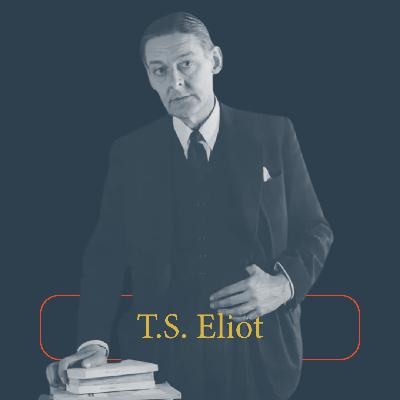
Nadya Williams and Eric Hutchinson delve into T.S. Eliot's poem 'The Hollow Men', exploring its themes, complexities, and the nature of classic literature. They discuss what defines a classic, the challenges of appreciating poetry today, and how to cultivate an appreciation for it. The conversation also touches on the role of poets in society and the importance of art and poetry in the human experience, concluding with reflections on the necessity of literature and the interconnectedness of past and present works. Chapters 00:00 Introduction to T.S. Eliot and The Hollow Men 03:09 Defining a Classic: What Makes Literature Timeless? 05:56 The Challenges of Appreciating Classics in Modern Times 09:03 Training Ourselves to Read and Appreciate Poetry 11:54 The Complexity of The Hollow Men: Analyzing the Poem 14:54 Imagery and Themes in The Hollow Men 17:51 Understanding the Spiritual Disease in The Hollow Men 21:01 The Role of Community in Appreciating Poetry 23:51 The Lasting Impact of T.S. Eliot's Work 33:32 Aeneas and the Underworld: Literary Connections 39:13 Intertextuality: Virgil, Dante, and Conrad 45:04 The Role of Tradition in Literature 49:51 The Poet's Purpose: Creation and Connection 57:51 The Necessity of Poetry in Human Experience
Nadya Williams and Dr. Leslie Baynes explore the works of C.S. Lewis, particularly focusing on 'The Great Divorce.' They discuss the definition of a classic, the significance of free will, and the themes of choice and divine grace in Lewis's writing. The conversation also touches on Lewis's influences, his relationships with women, and the timeless messages found in his works that resonate with modern readers. Additionally, Dr. Baynes shares insights about her upcoming book on Lewis and the Bible. Chapters 00:00 Introduction to C.S. Lewis and His Works 02:47 Defining a Classic: The Enduring Nature of Literature 05:51 The Impact of C.S. Lewis's Works on Readers 08:46 C.S. Lewis's Life and Influences During WWII 11:57 The Great Divorce: Themes and Symbolism 14:51 Understanding Theosis and Its Significance 17:34 The Role of Language and Beauty in Lewis's Writing 20:48 The Evolution of Lewis's Poetry and Literary Style 22:47 The Lasting Legacy of C.S. Lewis 31:24 Theosis and Divine Reality 34:08 The Vignettes of The Great Divorce 37:26 Free Will and Self-Reflection 42:11 Universalism vs. Predestination 44:23 Timeless Lessons from The Great Divorce 47:11 Exploring Lewis's New Book 56:05 Literary Influences and Personal Connections
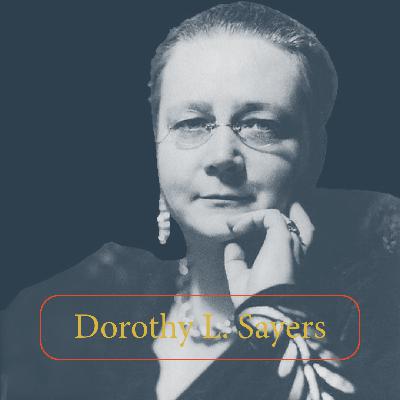
Nadya Williams and Carolyn Weber explore the literary significance of Dorothy L. Sayers' 'Gaudy Night', discussing its themes of women's roles in academia, the intersection of murder mysteries and theology, and the nature of what constitutes a classic. They look into Sayers' complex character, her contributions to literature, and the broader implications of her work in the context of 20th-century society. Chapters 00:00 The Literary Landscape of 1935 03:15 Defining a Classic 04:53 Dorothy L. Sayers: A Complex Figure 09:42 Murder Mysteries and Theology 11:42 Exploring Gaudy Night 19:12 Oxford as a Character 22:37 Women in Academia 30:07 The Pursuit of Meaningful Work 32:47 The Unusual Mystery of Gaudy Night 40:04 Reading Murder Mysteries as a Christian
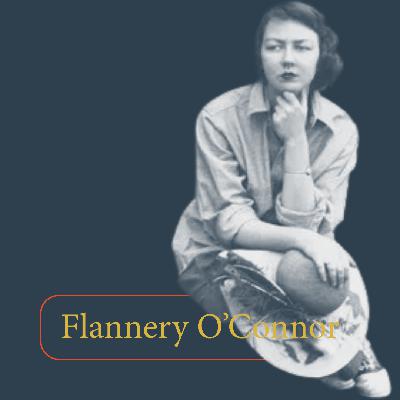
Nadya Williams and Jon Parrish Peede discuss the literary legacy of Flannery O'Connor, exploring her impact on American literature and the theological themes present in her work. They highlight the Southern Gothic genre, O'Connor's unique storytelling style, and the reader's engagement with her stories. It also touches on her reception over the years and personal reflections on her most significant works.
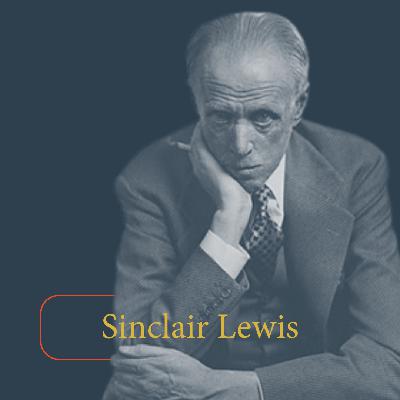
Nadya Williams and historian Daniel K. Williams examine Sinclair Lewis's 1935 novel "It Can't Happen Here," analyzing its treatment of democracy, authoritarianism, and religion's political role. Their discussion covers what qualifies a work as a literary classic, the historical circumstances surrounding Lewis's writing, and how his observations about democratic institutions' vulnerability and the manipulation of religious sentiment for political ends continue to resonate with contemporary American political debates and concerns about authoritarianism. Chapters 00:00 Introduction to Sinclair Lewis and His Work 02:54 Defining a Classic: What Makes Literature Enduring? 05:56 Sinclair Lewis: The Man Behind the Novels 11:44 Exploring the Themes of It Can't Happen Here 20:34 The Role of Religion in American Politics 28:29 Reflections on Mainstream America in the 1930s 31:56 The Spiritual Crisis Behind Authoritarianism 33:59 Literary Merits and Critiques of Sinclair Lewis 36:04 Public Reception and Political Context of the Novel 39:37 Huey Long and the Threat of Authoritarianism 43:00 Reading the Novel as Christians in 2025 47:06 The Attraction to Authoritarianism and Hyper Patriotism 50:20 Preserving Democracy: A Call for Self-Critical Patriotism 52:03I nfluential Classics and Historical Understanding
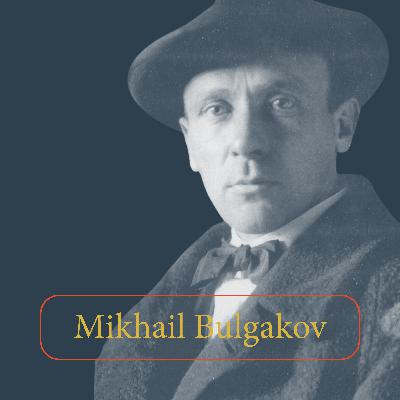
Nadya Williams and Vika Pichersky delve into Mikhail Bulgakov's 'Heart of a Dog,' exploring its themes, characters, and the critique of Soviet society. They discuss the nature of classics, the challenges of translation, and the moral questions raised by the transformation of a dog into a human. The conversation highlights the relevance of Bulgakov's work in contemporary discussions about humanity, morality, and the role of fiction in conveying complex truths. Chapters 00:00 Exploring the Context of Bulgakov's Work 02:37 Defining Literary Classics 05:34 Navigating Russian Literature in Translation 08:51 Understanding Heart of a Dog 11:38 Character Analysis and Themes in Heart of a Dog 17:34 The Role of Science and Morality 23:28 Bulgakov's Critique of Soviet Society 29:33 The Purpose of Fiction and Its Relevance Today Links Vika Pechersky, "Dostoevsky: Prophet and Radical Visionary for an Apocalyptic Future" Vika Pechersky, "What Dostoevsky Taught Me About Sending My Son to College" Vika Pechersky, "Dostoevsky and Euthanasia"
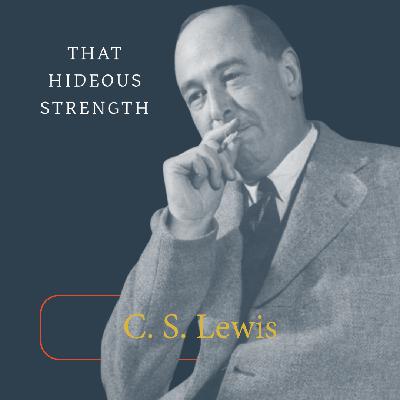
Nadya Williams discusses C.S. Lewis's novel 'That Hideous Strength' with experts Philip Bunn and Ronni Kurtz. They explore the themes of the book, its place in Lewis's Space Trilogy, and the significance of literary classics. The theological implications of Lewis's work, character analysis, the role of academia, and the ethical considerations surrounding technology are discussed as well. The conversation highlights the relevance of Lewis's ideas in today's context, particularly regarding the nature of humanity and the purpose of fiction. Chapters 00:00 Introduction to C.S. Lewis and 'That Hideous Strength' 02:55 Defining a Classic: What Makes Literature Timeless? 05:55 Exploring C.S. Lewis's Space Trilogy: Themes and Structure 09:01 Theological Underpinnings in 'That Hideous Strength' 11:52 Character Dynamics: Mark and Jane's Journey 15:09 Academic Settings and Their Critique in Lewis's Work 17:59 Technology and Education: A Modern Reflection 21:07 The Dangers of AI and Its Philosophical Implications 24:08 Corruption of Thought: The Impact of Misrepresentation 27:09 Philosophical Questions: The NICE and Its Convictions 28:45 Exploring the NICE Mentality 31:28 The Role of Finitude in Humanity 34:18 Ransom: The Unremarkable Hero 40:09 C.S. Lewis: A Reflection of His Character 42:31 Resonance of Lewis's Work Today 48:40 The Purpose of Fiction 55:13 Classic Literature Aspirations
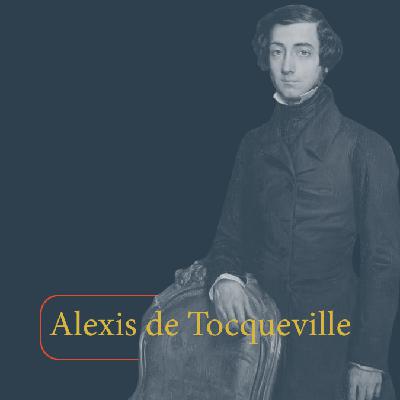
Nadia Williams speaks with church historian John Wilsey about Alexis de Tocqueville's "Democracy in America," marking its 190th anniversary. They explore what makes this political work a classic, Tocqueville's aristocratic background and surprising observations about American equality, religion's central role in preserving democratic freedom, and why American conservatives should appreciate his insights about the balance between individual liberty and community responsibility. Chapters 0:00 - What Makes a Classic 7:30 - Tocqueville's Aristocratic Background 23:17 - The Prison Reform Pretext 26:16 - Structure of Democracy in America 39:56 - Religion's Surprising Role in Democracy 55:24 - The Book's Reception Then and Now 57:53 - Why Conservatives Should Read Tocqueville 1:06:19 - Freedom Requires Responsibility 1:09:20 - The Book John Wishes He'd Written Links 1. John D. Wilsey's abridgment of Democracy in America 2. George Wilson Pierson, Tocqueville in America 3. Gustave de Beaumont, Marie, Or Slavery in the United States 4. Year-long Vital Remnants season on Democracy in America 5. Robert Tracy McKenzie, We the Fallen People 6. This podcast is based on this edition of Democracy in America--it is the Liberty Fund edition translated by James T. Schleifer and edited by Eduardo Nolla. 7. John D. Wilsey, Religious Freedom: A Conservative Primer
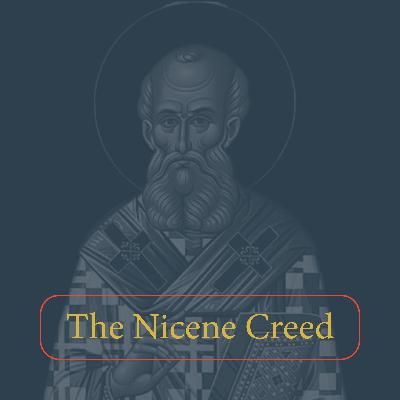
Nadya Williams talks with theologians Coleman Ford and Shawn Wilhite about the Nicene Creed, marking its 1700th anniversary. They explore what makes a theological work a "classic," the historical background of the Council of Nicaea, the meaning of key Christological terms, and how to "think Nicenely" in the Christian life. The discussion blends history, theology, and practical discipleship, showing how the Creed shapes Christian identity and worship. Chapters 00:04 – Introduction and Reading of the Nicene Creed 02:18 – Guests' Backgrounds and Book Collaboration 02:57 – What Makes a Theological Classic? 07:19 – Defining the Work of Theologians as "Doctors of the Soul" 17:18 – Historical Background of the Council of Nicaea 22:47 – Why the Debate over Christ's Relationship to the Father Mattered 28:21 – Constantine's Role and Political Context 32:23 – Structure of the Creed and Differences Between 325 and 381 Versions 38:25 – Christology in the Creed: Begottenness, Substance, and "Light from Light" 49:50 – Visual Imagery and Theological Language 54:32 – Thinking "Nicenely" and Why It Matters Today 01:00:18 – Writing Together as Friends 01:04:21 – Classics the Guests Wish They Had Written Links Coleman Ford and Shawn Wilhite, Nicaea for Today: Why an Ancient Creed (Still) Matters Coleman Ford and Shawn Wilhite, Ancient Wisdom for the Care of Souls

Comments

Download from Google Play

Download from App Store
 United States