


 Claim Ownership
Other Peoples Parenting
Subscribed: 1Played: 15
Subscribe

© Copyright 2026 Schuyler Hurwitz and Karen Quinn
Description
'Other People's Parenting' is hosted by mother daughter duo Karen Quinn (New York Times best selling author of The Ivy Chronicles , founder of early childhood education companies Habit Coach and Testing Mom) and Schuyler Hurwitz (amateur parent). They read contemporary, classic, and controversial parenting books and give you the gist with a sense of humor, so you can implement the methods or just be able to discuss them at school functions.
13 Episodes
Reverse
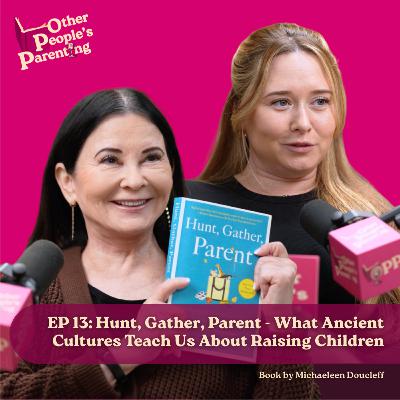
On this episode of 'Other People's Parenting' hosted by mother daughter duo Karen Quinn (New York Times best selling author of The Ivy Chronicles , founder of Habit Coach and Testing Mom) and Schuyler Hurwitz (amateur parent) -we discuss the insights in the book "Hunt Gather Parent" by Mickalene Duclef, Ph.D. The central idea is that contemporary Western parenting often overestimates children’s emotional capabilities while underestimating their physical abilities. This episode encourages an exploration of alternative parenting philosophies, particularly those observed in diverse cultures where children are raised with significantly less direct interference from adults, allowing them to develop autonomy and emotional intelligence. We consider the benefits of integrating communal activities into parenting, encouraging children to engage in responsibilities and chores that foster independence and confidence. Join us as we unpack these transformative ideas and reflect on their implications for our own parenting practices!In an analysis of 'Hunt Gather Parent' by Mickalene Duclef, Schuyler and Karen dissect the fundamental parenting principles outlined in the book. They emphasize the author's quest to understand why children in certain indigenous cultures exhibit qualities of cooperation, emotional control, and adaptability that seem diminished in Western societies. Through anecdotes and cultural observations, the book believes that children thrive in environments that promote independence and collaborative efforts. They advocate for the adoption of these principles in our own parenting, suggesting that a shift away from hyper-involvement and constant stimulation can lead to greater emotional resilience and self-sufficiency in children. They argue that the Western approach often overlooks the innate capabilities of children, placing undue burdens on parents to constantly guide and instruct. By sharing personal reflections on their parenting journeys, they illustrate the transformative potential of embracing a more communal and less prescriptive parenting style, ultimately encouraging listeners to consider the broader implications of their approaches to child-rearing.Takeaways:The podcast episode discusses the book 'Hunt Gather Parent', which explores global parenting practices.The authors highlight the importance of allowing children to develop autonomy within a supportive environment.Cultural differences in parenting strategies reveal that Western methods may sometimes hinder children's emotional growth.Implementing communal parenting practices can enhance children's confidence and their ability to contribute meaningfully to the family.The episode emphasizes the significance of modeling behavior for children to learn effectively from their surroundings.Overall, the discussion provides valuable insights for modern parents seeking to improve their parenting approaches.Links referenced in this episode:testingmom.comCompanies mentioned in this episode:Habit CoachTesting MomHunt Gather ParentMickalene Douclef, Ph.D.Study IslandMoby MaxBrain PopScholastic

On this episode of 'Other People's Parenting' hosted by mother daughter duo Karen Quinn (New York Times best selling author of The Ivy Chronicles , founder of Habit Coach and Testing Mom) and Schuyler Hurwitz (amateur parent) - we explore the concept of the Five Love Languages as they pertain to children, drawn from the book by Gary Chapman and Ross Campbell.We cover the various modes affection can be expressed— physical touch, words of affirmation, quality time, acts of service, and gifts—and how these can significantly impact a child's emotional well-being. We emphasize the necessity of recognizing and understanding a child's preferred love language in order to nurture their emotional development effectively. The discussion highlights the implications of ensuring that a child's "love tank" remains full, as this is crucial for fostering positive behavior and a healthy parent-child relationship.This episode of Other People's Parenting delves into the significant themes in the book 'The Five Love Languages of Children' authored by Gary Chapman and Ross Campbell. This book posits that understanding and addressing the distinctive love languages of children can profoundly influence their emotional development and behavior. The conversation is punctuated by reflections on the book's readability, its somewhat unscientific nature, and the subtle Christian undertones embedded within the narrative. As we dissect the five love languages—physical touch, words of affirmation, gifts, acts of service, and quality time—we emphasize that recognizing and nurturing a child's preferred love language is crucial for fostering a healthy parent-child relationship. They also explore the ramifications of neglecting this emotional currency, suggesting that an empty 'love tank' could lead to behavioral issues and emotional distress in children. Overall, the episode provides a compelling examination of how love languages inform parenting practices and contribute to the emotional well-being of children.Takeaways:The podcast episode emphasizes the importance of understanding and addressing children's unique love languages to foster emotional connections.The discussion highlights that keeping a child's love tank full is crucial for their emotional well-being and behavioral management.Listeners are encouraged to consider the five love languages when interacting with children, as it can positively affect their behavior.We mention that discipline should be approached with love and understanding, rather than punishment, to promote healthy emotional development.The episode suggests that parents should observe their child's behavior and responses to determine their preferred love language effectively.Finally, the conversation acknowledges the challenges faced by single parents and emphasizes the need for self-care to support their children's emotional health.Links referenced in this episode:testingmom.comCompanies mentioned in this episode:Habit CoachTesting MomGary ChapmanRoss CampbellTestingMom.com
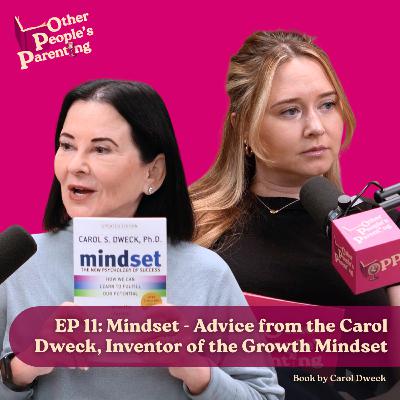
On this episode of 'Other People's Parenting' hosted by mother daughter duo Karen Quinn (New York Times best selling author of The Ivy Chronicles , founder of Habit Coach and Testing Mom) and Schuyler Hurwitz (amateur parent) -the discussion revolves around the profound implications of adopting a growth mindset, as articulated in Carol S. Dweck's acclaimed work, "Mindset."This concept asserts that the belief in your ability to cultivate skills and intelligence through effort and resilience can enhance not only academic performance but also personal development across various domains, including sports and relationships. As we delve into the nuances of this mindset, we explore the pivotal role that parental praise plays in shaping a child's motivation and self-perception. It's essential to recognize that fostering a growth mindset involves recognizing effort, strategies, and persistence rather than praising innate abilities.The author believes intelligence and abilities are not fixed traits but attributes that can be developed through dedication and hard work. We emphasize the necessity for parents to cultivate a growth mindset in their children, particularly in educational environments where the pressure to succeed can often lead to detrimental effects on self-esteem and motivation. They argue convincingly that by fostering an understanding of effort, strategy, and perseverance, parents can equip their children with the tools necessary for lifelong learning and adaptability in the face of adversity.Takeaways:The concept of a growth mindset emphasizes the belief that abilities can be developed through dedication and hard work.Praise that focuses on innate intelligence can undermine a child's motivation and willingness to face challenges.The importance of teaching children to embrace challenges, learn from mistakes, and appreciate effort is paramount for their development.Dr. Carol Dweck's research illustrates that children's attitudes towards failure significantly impacts their academic performance and resilience.Adopting a growth mindset can profoundly influence one's life, affecting personal relationships, education, and professional success.Parents should communicate with their children in ways that promote persistence, problem-solving, and a love for learning.Companies mentioned in this episode:New York TimesHabit CoachTesting MomCarol S. DweckMichael JordanJohn McEnroeThomas EdisonAlfred Binet
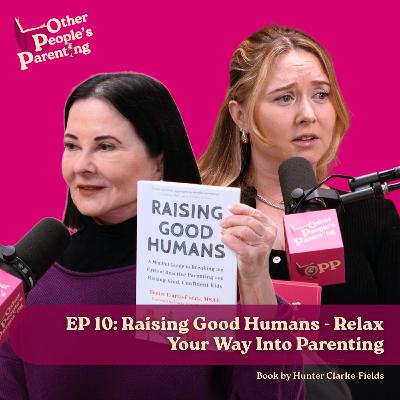
On this episode of 'Other People's Parenting' hosted by mother daughter duo Karen Quinn (New York Times best selling author of The Ivy Chronicles , founder of Habit Coach and Testing Mom) and Schuyler Hurwitz (amateur parent) -we delve into the themes of the book "Raising Good Humans" by Hunter Clark-Fields.We examine the significance of mindfulness and self-awareness in parenting, emphasizing how these principles can transform our interactions with our children. We discuss various parenting styles, highlighting the balance between authoritative guidance and empathetic support. We explore practical strategies for fostering emotional intelligence and resilience in our children, such as establishing healthy boundaries and encouraging independence. Ultimately, our discourse aims to equip listeners with the insights necessary to cultivate meaningful connections that foster the development of compassionate and responsible kids.Takeaways:This episode emphasizes the importance of mindfulness in parenting, enabling us to respond thoughtfully rather than react impulsively to our children's behaviors.The author of Raising Good Humans suggest that understanding our own upbringing can provide insights into our parenting styles and reactions in present situations.Mindful parents prioritize self-compassion and emotional awareness, fostering a nurturing environment where children feel safe to express their emotions.The discussion highlights the necessity of establishing healthy boundaries, allowing children to learn responsibility while also recognizing the parent's needs and feelings.Links referenced in this episode:habitcoach.comCompanies mentioned in this episode:Habit CoachTesting MomBergdorf'sChristian DiorSephoraHunter Clark Fields
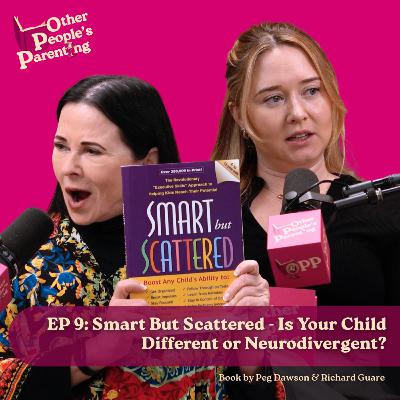
On this episode of 'Other People's Parenting' hosted by mother daughter duo Karen Quinn (New York Times best selling author of The Ivy Chronicles , founder of Habit Coach and Testing Mom) and Schuyler Hurwitz (amateur parent) -the conversation revolves around the exploration of the book "Smart But Scattered" by Peg Dawson and Richard Guare, which serves as a quintessential resource for parents navigating the complexities of raising children with ADHD and executive function challenges.We explain the significance of understanding executive functions and their developmental trajectory, emphasizing the necessity for parents to recognize the underlying reasons behind their children's behavioral challenges rather than resorting to punitive measures. Throughout our discussion, we provide strategies aimed at enhancing children's executive function skills, thereby equipping parents with the tools necessary to support their child's growth and emotional well-being. As we navigate the intricacies of this subject, we aim to illuminate the profound impact that informed parenting can have on shaping the future success of children confronted with executive function obstacles.We emphasize that executive function skills are not exclusively an issue for children diagnosed with ADHD but are integral to all children as they navigate their formative years. By dissecting various executive function skills and their manifestations, we strive to equip parents with actionable strategies to foster an environment conducive to their children’s success. The conversation also touches upon the significance of understanding the hereditary nature of ADHD and executive function issues, encouraging listeners to adopt a compassionate perspective towards themselves and their children. Ultimately, the episode serves as a guide for parents seeking to enhance their children's executive functioning skills while mitigating the challenges that accompany these developmental hurdles.Takeaways:The podcast emphasizes the importance of understanding executive function skills in children, particularly those with ADHD or related challenges.We discussed how parenting approaches should adapt to the unique needs of children struggling with organization and impulse control.The episode highlights the value of teaching children specific skills rather than relying on punitive measures when they struggle with tasks.We explored practical strategies for parents to implement, such as creating routines and offering choices to support children's development.Companies mentioned in this episode:Habit CoachTesting MomSmart But ScatteredPeg DawsonRichard GuareLinks referenced in this episode:habitcoach.com
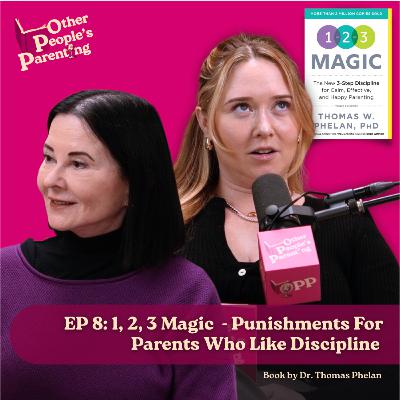
On this episode of 'Other People's Parenting' hosted by mother daughter duo Karen Quinn (New York Times best selling author of The Ivy Chronicles , founder of Habit Coach and Testing Mom) and Schuyler Hurwitz (amateur parent) - we delve into Thomas Bellen's book "One, Two, Three Magic," which presents a discipline method centered around a counting system to manage children's behavior. We discuss the mechanics of the method, highlighting its reliance on counting as a punitive measure, which we find problematic - particularly its failure to provide children with adequate understanding of their actions and the reasons behind discipline. This method may not be suitable for fostering meaningful parent-child relationships, and we share our perspectives on more effective parenting strategies.The core of our discussion revolves around the author's proposition of a counting method designed to discipline children by assigning numerical values to inappropriate behaviors. We believe that this method leads to confusion and anxiety among children, who may struggle to comprehend the rationale behind their parent's disciplinary actions. We believe in a more nuanced approach to parenting, one that fosters open communication and emotional understanding, rather than a reliance on strict behavioral limitations.Takeaways:The podcast emphasizes the importance of consistency in implementing parenting techniques to ensure effective discipline.We express skepticism regarding the effectiveness of the counting method for disciplining children, finding it potentially confusing.We highlight the need for children to understand the reasons behind their parents' disciplinary actions rather than merely responding to counts.The discussion raises concerns about the emotional impact of isolation as a punishment method, advocating for more compassionate approaches to discipline.Companies mentioned in this episode:Habit CoachTesting MomOne, Two, Three MagicThomas Bellen, PhD
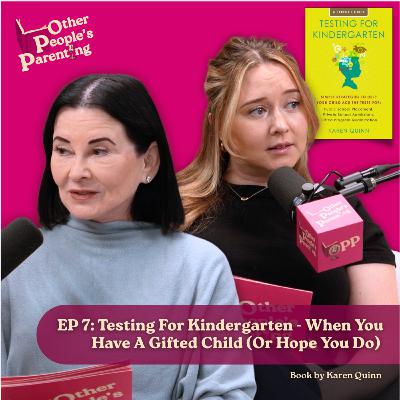
On this episode of 'Other People's Parenting' hosted by mother daughter duo Karen Quinn (New York Times best selling author of The Ivy Chronicles , founder of Habit Coach and Testing Mom) and Schuyler Hurwitz (amateur parent) - we discuss the tenets of early childhood education, with a particular emphasis on the formative years leading up to kindergarten.Our exploration centers around the book "Testing for Kindergarten," authored by our very own Karen Quinn, which poses the idea that the initial five years of a child's life are critical for their cognitive and emotional development. Throughout our conversation, we dissect the strategies that parents can employ to foster their children's readiness not only for academic assessments but for life itself. We delve into the nuances of cognitive growth, emphasizing the interplay between playful learning and structured guidance, illustrating how everyday activities can be transformed into powerful educational opportunities. This book aims to equip parents with actionable insights that will ultimately empower them to support their children's learning journeys with confidence and effectiveness.The episode centers around a comprehensive review of Karen Quinn's book, "Testing for Kindergarten," offering a blend of personal narrative and educational insight. Schuyler and her mother discuss the book's premise, which initially seems focused on formal testing for kindergarten but ultimately reveals itself to be a broader guide on early childhood development. Karen emphasizes that the core message of the book revolves around preparing children for school in a holistic manner, encompassing vital life skills and cognitive development from birth through age five. As the episode progresses, Karen shares her personal anecdotes about her own parenting journey, highlighting the trials and successes she faced while ensuring her children received the best educational opportunities. They explore the importance of various cognitive skills, such as language acquisition, problem-solving abilities, and emotional intelligence, which are essential for children as they transition into formal education. Schuyler and Karen reflect on the methods parents can employ to create enriching experiences for their children, from interactive play to language-rich conversations, that will cultivate a love of learning and curiosity. The episode presents a heartfelt and informative perspective on the intersection of parenting and education. Schuyler and Karen encourage listeners to embrace the journey of early childhood education with enthusiasm and intentionality, reinforcing that nurturing a child's innate curiosity and providing them with the right tools will empower them to succeed not only in school but in life as well. This episode serves as a valuable resource for parents navigating the complexities of early childhood education, reminding them of the lasting benefits of active participation in their child's developmental milestones.Companies mentioned in this episode:Habit CoachTesting MomLinks referenced in this episode:testingmom.comTakeaways:The podcast episode focuses on the importance of early childhood development and how parents can prepare their children for school success in a holistic manner.Listeners are encouraged to engage with their children through language-rich interactions to enhance cognitive and language skills, which significantly impacts their IQ.The discussion emphasizes the value of recognizing and nurturing a child's individual interests and passions to foster their confidence and growth.Listeners are informed that the book 'Testing for Kindergarten' offers practical advice on preparing children for various educational assessments and provides engaging activities to support learning.We share personal anecdotes highlighting the unique challenges and triumphs they experienced during their parenting journeys, illustrating the importance of parental advocacy.The episode underscores the significance of understanding cognitive development milestones and how parents can aid their children's learning during the crucial early years.Links referenced in this episode:testingmom.comCompanies mentioned in this episode:Habit CoachTesting Mom

On this episode of 'Other People's Parenting' hosted by mother daughter duo Karen Quinn (New York Times best selling author of The Ivy Chronicles , founder of Habit Coach and Testing Mom) and Schuyler Hurwitz (amateur parent) -we delve into the intricacies of parenting as we review the book accompanying the popular television series, Nanny911.The pivotal idea is that a child's behavior is a reflection of parental consistency and structure. We discuss the strategies presented in the book, emphasizing the necessity for parents to establish clear rules and consequences. We explore the recurring theme of the "default parent," often the mother, who bears the brunt of child-rearing responsibilities, thus highlighting the essential need for shared parental commitment. Ultimately, we compare the book's insights with our personal experiences, concluding that while the book offers valuable principles, the practical demonstration of these concepts through the television series proves to be considerably more accessible and impactful.We underscore the importance of parental involvement, consistency, and communication, advocating for the establishment of clear household rules that foster a stable environment for children. This segment serves as both a critique and a thematic exploration of contemporary parenting philosophies, reinforcing the necessity of active engagement from both parents in raising children.Takeaways:The podcast emphasizes the importance of parental involvement, particularly in nurturing a child's behavior and development.A recurring theme discussed is the need for parents to establish clear, consistent rules and boundaries within the household.The discussion highlights how calm and direct communication can significantly improve interactions between parents and their children.An essential takeaway is that discipline, when combined with love, fosters a harmonious family environment and promotes healthy child development.Companies mentioned in this episode:Habit CoachTesting MomNanny911HGTVStudy IslandMoby Max BrainPop ScholasticLinks referenced in this episode:testingmom.comstudyisland.commobymax.combrainpop.comscholastic.comThe podcast explores the book "Nanny911". The hosts, Schuyler Hurwitz and Karen Quinn, provide a critical examination of the book, juxtaposing it with their experiences and observations from the accompanying television show. The conversation highlights that while the book offers valuable insights into effective parenting strategies, its presentation lacks a structured flow, making it challenging for readers to find actionable advice.Key themes include the dynamics between parents, especially the typical roles of mothers and fathers in child-rearing, and the necessity for consistent parenting techniques. The hosts emphasize the importance of establishing household rules, effective communication, and the modeling of desired behaviors to foster a nurturing environment for children. They also touch upon the challenges of maintaining discipline while ensuring that love and support are at the forefront of parenting, ultimately arguing for a balanced approach that incorporates structure, affection, and mutual respect within the family unit.They identify recurring patterns of parental involvement—or lack thereof—particularly noting how mothers often shoulder the majority of responsibility. The hosts advocate for a proactive approach to parenting, suggesting that clarity in rules and consequences can significantly impact children's behavior. They emphasize that discipline should not come at the expense of emotional connection, and parents must actively engage with their children to foster understanding and compliance. The episode concludes with a call to action for parents to reflect on their own practices and consider how adopting strategies from the book might enhance their family dynamics.The episode deftly navigates the complexities of modern parenting, arguing that while the book presents practical solutions for common challenges, it is encumbered by its disorganized structure. Skylar and Karen highlight the value of routines, the importance of respectful communication, and the need for parents to take ownership of their children's upbringing. They assert that effective parenting is a blend of empathy and authority, stressing that children thrive in environments where they feel secure and understood. The hosts provide a balanced view, acknowledging the difficulties parents face while advocating for a mindful approach to raising well-adjusted children.

On this episode of 'Other People's Parenting' hosted by mother daughter duo Karen Quinn (New York Times best selling author of The Ivy Chronicles , founder of Habit Coach and Testing Mom) and Schuyler Hurwitz (amateur parent) - we cover Lenore Skenazy's influential work, "Free Range Kids," which presents a parenting philosophy that encourages independence in children.We delve into the author's critique of contemporary parenting fears, particularly the pervasive "worst first thinking" that often leads parents to overprotect their kids. Throughout the discussion, we reflect on the societal shift towards helicopter parenting and the implications it has for children's development. Schuyler shares her own experiences of navigating independence as a child, alongside Karens insights as an advocate for a more liberated approach to parenting. Ultimately, they emphasize the importance of allowing children to explore and learn from their surroundings, thereby fostering resilience and self-reliance.The conversation presented in this episode revolves around Lenore Skenazy's seminal work, 'Free Range Kids.' Skenazy's thesis posits that the pervasive culture of overprotectiveness undermines children's capacity to navigate the world autonomously. This episode serves as a compelling exploration of the balance between safeguarding children and allowing them the freedom to explore their surroundings, ultimately advocating for a more liberated approach to parenting that fosters competency and confidence in the next generation.Takeaways:In this episode, we elucidate the core tenets of Lenore Skenazy's philosophy on parenting, emphasizing the necessity of granting children greater autonomy in their daily lives.We explore the concept of 'worst first thinking', a psychological phenomenon that often leads parents to overestimate potential dangers their children might face.Skenazy advocates for the importance of allowing children to experience manageable risks, which fosters independence and resilience as they grow into adulthood.The podcast touches upon the contrasting parenting styles between generations, highlighting how societal perceptions of child safety have evolved dramatically over the years.Links referenced in this episode:lenoreskanazy.comhabitcoach.comtestingmom.comworldsworstmom.comletgrow.organxiousgeneration.comyoutube.comCompanies mentioned in this episode:Habit CoachTesting MomLenore SkanaziLet Grow ProjectJohn WalshAdam WalshJonathan HaidtAnxious Generation

On this episode of 'Other People's Parenting' hosted by mother daughter duo Karen Quinn (New York Times best selling author of The Ivy Chronicles , founder of Habit Coach and Testing Mom) and Schuyler Hurwitz (amateur parent) - we discuss "The Grown-Up's Guide to Teenage Humans" by Josh Shipp, a book about the complexities of parenting during the tumultuous teenage years.We dive into the challenges faced by both parents and adolescents, emphasizing the necessity for open communication and understanding. We explore ideas like the importance of establishing supportive relationships in a teenager's life, fostering resilience and growth. We address various traps that parents may fall into, including the comfort, approval, control, and performance traps, which can hinder effective parenting. We advocate for intentional engagement and the cultivation of trust, asserting that these approaches can significantly enhance the parent-teen dynamic and contribute to a more harmonious household. The episode underscores the critical role of parental involvement and the emotional complexities that accompany the transition from childhood to adulthood, as well as the importance of maintaining open lines of communication even when teenagers exhibit a desire for independence.Takeaways:The book 'The Grown Up's Guide to Teenage Humans' by Josh Shipp offers valuable insights into understanding the complexities of adolescence.It emphasizes the importance of parental presence and meaningful communication during the tumultuous teenage years.The podcast discusses the necessity for parents to adopt a coaching mindset rather than a controlling one as their children enter adolescence.Common challenges faced by teenagers, such as peer pressure and identity crises, are explored with practical strategies for parents to address them.The episode highlights the significance of building trust with teenagers to foster open communication about difficult topics.It also covers the critical role of supportive adults in a teenager's life, akin to the 'Rodney' concept introduced in the discussion.Links referenced in this episode:habitcoach.comCompanies mentioned in this episode:Habit CoachTesting MomGrown Up's Guide to Teenage HumansJosh ShippYMCANational Institute for the PsychotherapiesJung InstituteTerry Knickerbocker Studio
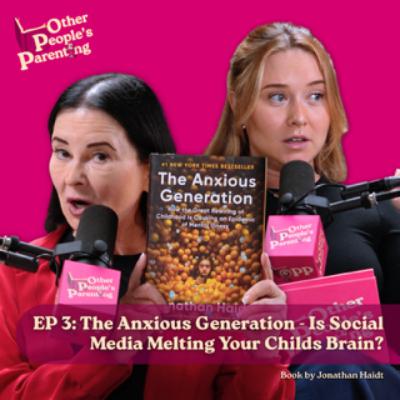
On this episode of 'Other People's Parenting' hosted by mother daughter duo Karen Quinn (New York Times best selling author of The Ivy Chronicles , founder of Habit Coach and Testing Mom) and Schuyler Hurwitz (amateur parent) - we cover Jonathan Haidts popular and controversial book about the dangers of social media on the developing brain.The focus of this episode is "The Anxious Generation," which highlights the alarming rise in mental health issues among Gen Z. We explain the author's argument that this demographic's heightened anxiety can be attributed to two primary factors: the overprotectiveness of parents and the pervasive influence of smartphones that tether children to digital interactions, inhibiting their engagement in play-based childhood experiences. Throughout our discussion, we reflect on the detrimental impact of constant connectivity and social media on children's development, particularly in relation to their attention spans and emotional well-being. We explore practical recommendations for parents seeking to mitigate these challenges by fostering healthier environments for their children. We emphasize the necessity of encouraging real-world interactions and the cultivation of resilience in a rapidly evolving technological landscape.Outline:The Anxious GenerationOverview – 4 partsHow childhood has changed and mental illness (depression, anxiety, self-harm) has risen because of 2 trends –Over-protection in the real world – kids used to play freely after school/weekends – learned to socialize, problem solve, make friendsUnder-protection in the virtual worldThe harms that have resulted from new phone-based childhoods (beginning in 1990) – kids getting smart phones with access to the internet, constant notifications, social media, online video gamingWhat to do to reverse the damageHow to work together to fix the problemPart 2 – the decline of play-based childhoodsIn-person play is critical to childhood development – without it, children will be socially, cognitively, emotionally impaired – need free play with kids of many ages where there is some physical risk teaches children to look after themselves, handle emotions, take turns, resolve conflicts, socialize. (“Play based childhood”)As language develops in the first 5 years of life, cultural/social learning develops at ages 9 – 15 and this learning window closes at puberty.If they get a smartphone at 10-11, they’re getting socialized into Instagram, tik tok, games instead of through real life friendships and experiences. They learn what’s desired / how to talk, behave, emote by posts that get the most likes/influencers – they have online social lives, not real life.Parental trends have changed – enormous safety focus – parents now try to raise kids who are protected from frustration, negative emotions, consequences. They’re not allowed to play outdoors, do things on their own – so they don’t develop competence, self-control, frustration tolerance, self-management. Kids are told the world is dangerous, there are predators, they’re raised to be fragile.Puberty is a critical time in brain development which is necessary to lock down into early adult mode. Kids need some stress at this time, which is traditionally gotten through play/interaction with other kids. If we are too worried about their safety, they miss these experiences. Schools and parents try to ban activities that have any risk of physical/emotional harm.They need these in-person experiences and stressors.We’ve interfered with kids’ growth by blocking them from risky in-person play (no in-real world community/mentors) while giving them access to smart phones where they’re fed digital experiences designed to maximize clicks and ad revenue designed to be consumed alone in their room. Smart phones push out non-phone-based experiences which is what kids need most at puberty.The Great Rewiring Harms Caused – pulled kids out of real-world communities / families and created a new kind of online childhoodBefore the iphone, we could limit screen time – still time for play and face-to-face conversation/interaction. After iphone / internet connectedness/ apps – these held kids attention instead. Algorithms and “like” and “retweet” buttons kept kids online almost continuously. Teens are on screens more than 7 hours/day.Harms – 1) Social deprivation – friendships moved to online, not real life – kids who spend more time on social media suffer more depression, anxiety, other disorders than kids who spend time with in-person groups playing sports/religious communities – even when kids are with other kids, they respond to cell phone notifications 2) Sleep deprivation – studies show kids using cell phones have greater sleep disturbance and shorter sleep time (depression, anxiety, cognitive deficits, poor learning, lower grades, more accidents), 3) attention fragmentation – average teen gets 11 notifications per hour making it hard to maintain attention, stay on task, think – one study showed just having a cell phone in your pocket even when not using it damages your ablility to focus and think, (especially bad for kids with ADHD but all kids are in prime time for EF brain development) 4) addiction –“ Likes “ and “views” in social media are dopamine hits to brain, leaving kids wanting more, creating an addiction cycle.Girls are hurt more by social media (girls are more affected by visual and social comparison and perfectionism, girls will become aggressive by harming other girls’ reputations, they are affected by other girls’ emotions shared online, makes them easier prey for stalking, takes them away from in-person friendships) (causes more anxiety depression, self-harm)Boys are hurt more by gaming. Less in-person play and risk-taking – boys retreated into the gaming world. Their social life moved online. Access to porn is hard to resist. They have more social interactions with online gamers, but fewer real life interactions – they became lonelier.The great rewiring has pulled people downward – made us more judgmental, less likely to bond with people in our lives, limited our ability to experience awe in nature. Phone based life/ social media keeps the focus on self-preservation, branding, social standingWhat can be done? Government / tech companies – 1) govt. raise the age of internet adulthood – ability to open your own social media account– to 16 (it’s 13 now); 2) companies must develop better age verification techniques; 3) govt. change laws to correct overprotection in the real world so parents can let kids play on their own without fear of arrest; 4) govt. encourage schools to give more recess with free playSchools should 1) ban cell phones completely during the day, 2) offer longer recesses and more unstructured play at school, 3) improve playgrounds so they’re more designed for imaginative play (adventure playgrounds with loose parts); more shop classes and vocational training to re-engage boys in school.Parents can 1) give kids less (but better) on-screen experiences – some screen experiences are okay (online video visits, educational programming); 2) give younger kids more (and better) experience in the real world – let kids out of your sight, encourage sleepovers and stay out of them, encourage kids to walk to school in groups, after school free play, camping, sleepaway camp with no devices,...
On this episode of 'Other People's Parenting' hosted by mother daughter duo Karen Quinn (New York Times best selling author of The Ivy Chronicles , founder of Habit Coach and Testing Mom) and Schuyler Hurwitz (amateur parent) - we learn how the French teach their kids to enjoy, appreciate, and be adventurous about food!The primary focus of this podcast episode revolves around the examination of "French Kids Eat Everything," a parenting book authored by Karen Le Billon, which explains the French methods in instilling healthy eating habits in children from a young age. We delve into the cultural contrasts between French and North American approaches to food, particularly noting how French children are encouraged to embrace a varied diet without the fussiness commonly observed among their American counterparts. The discussion highlights the significance of structured meal times and the philosophical ideas that govern the French relationship with food, emphasizing the importance of teaching children to appreciate nourishment rather than using it as an emotional crutch. Throughout the episode, we share personal anecdotes and reflections on parenting practices, illustrating the challenges and triumphs experienced while attempting to foster healthier eating habits. Ultimately, we advocate for the principles outlined in the book as valuable insights for any parent seeking to cultivate a positive relationship between their children and food.12:20 The comedian who said this was Ronnie Cheng.26:20 The story about kids pecking food off the floor happened in this book- not Bringing Up Bèbè.Takeaways:In the podcast episode, we explore the principles outlined in the book 'French Kids Eat Everything,' which emphasizes teaching children to embrace a diverse range of food from an early age.The author discusses the contrasting approaches between American and French parenting regarding food, highlighting the belief that exposure to different foods fosters healthier eating habits.Central to the discussion is the idea that French children are encouraged to accept new foods through repeated exposure, often requiring as many as fifteen attempts before acceptance.The podcast delves into the cultural significance of meal times in France, where eating is regarded as a ceremonial event, fostering a deeper appreciation for food and social interaction.Listeners learn that French parents typically maintain structured meal times, which helps children develop a healthy relationship with food, reducing impulsive eating behaviors.The episode concludes with a recommendation for parents to adopt some of these French principles to cultivate healthier eating habits in their own children, emphasizing the importance of variety and exposure.Links referenced in this episode:testingmom.comCompanies mentioned in this episode:Habit CoachTesting MomKaren Le BillonFrench Kids Eat EverythingJessica SeinfeldBringing Up Bebe
On the pilot episode of 'Other People's Parenting' hosted by mother daughter duo Karen Quinn (New York Times best selling author of The Ivy Chronicles , founder of Habit Coach and Testing Mom) and Schuyler Hurwitz (amateur parent) - you can learn how to raise a chic, civilized and cosmopolitan bébé a la a Parisian!Show Notes:12:24 'The ten thousand hour rule' is a reference to the Malcolm Gladwell book 'Outliers'.26:43 *Correction : This story is actually told in the book 'French Kids Eat Everything'.40:00 This book was published in 2012.
Comments

Download from Google Play

Download from App Store
 United States