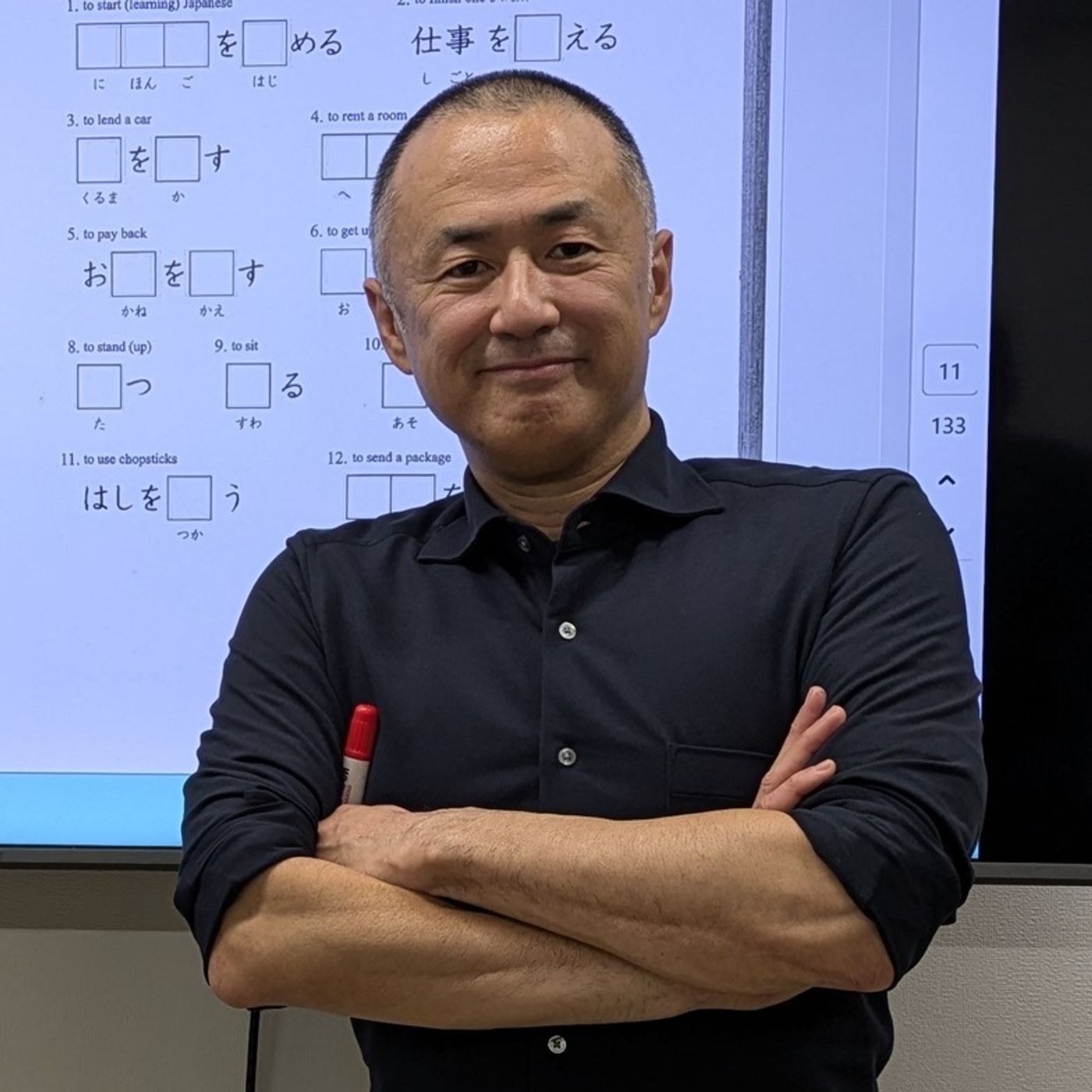
DiscoverJapanese teacher Shishoh & his students 日语老师示承和他的学生们
Japanese teacher Shishoh & his students 日语老师示承和他的学生们
Claim Ownership

Japanese teacher Shishoh & his students 日语老师示承和他的学生们

Author: Shishoh Shinoda

Subscribed: 0Played: 0
Share

Description

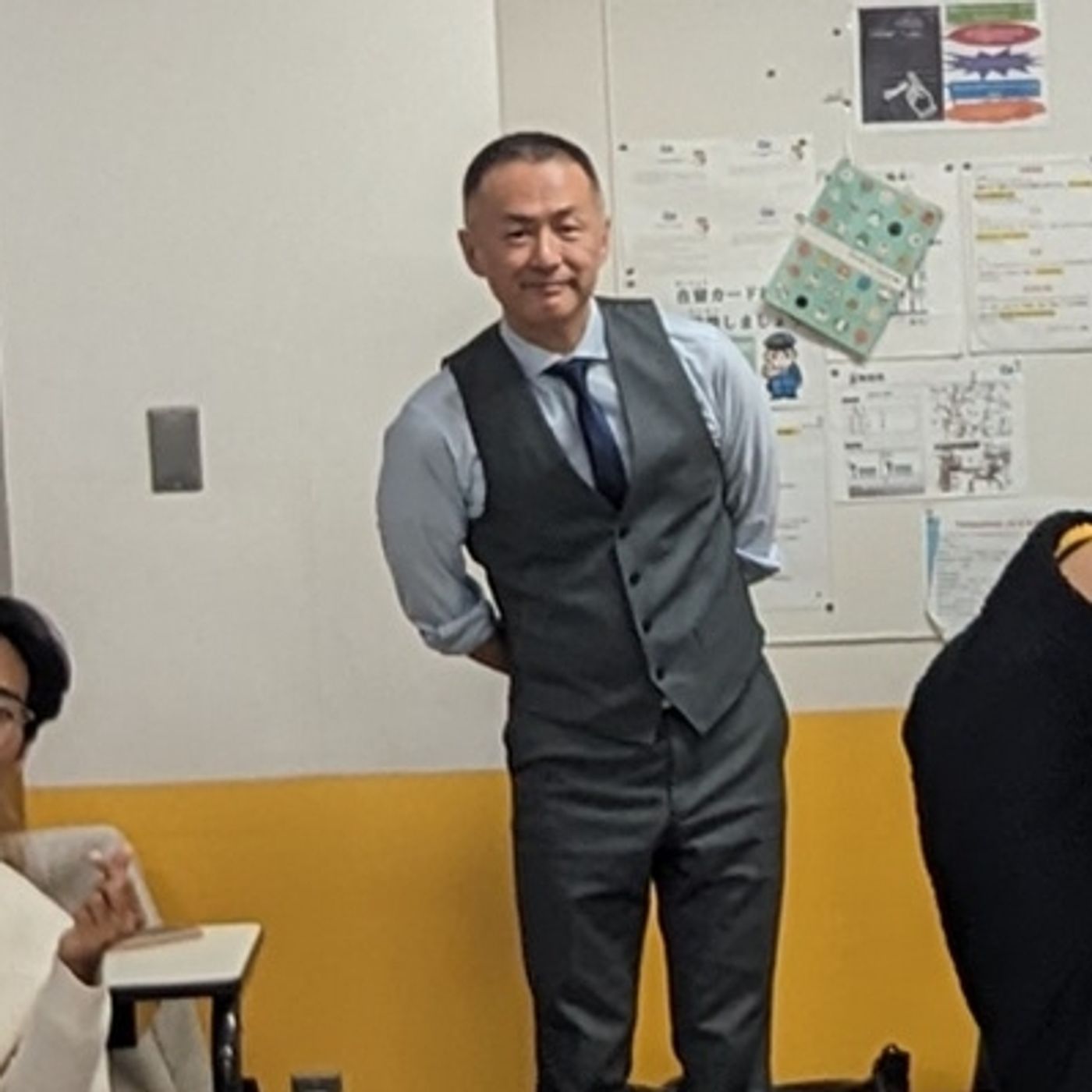
Welcome to “Japanese Teacher Shinoda Shishoh and His Students.”
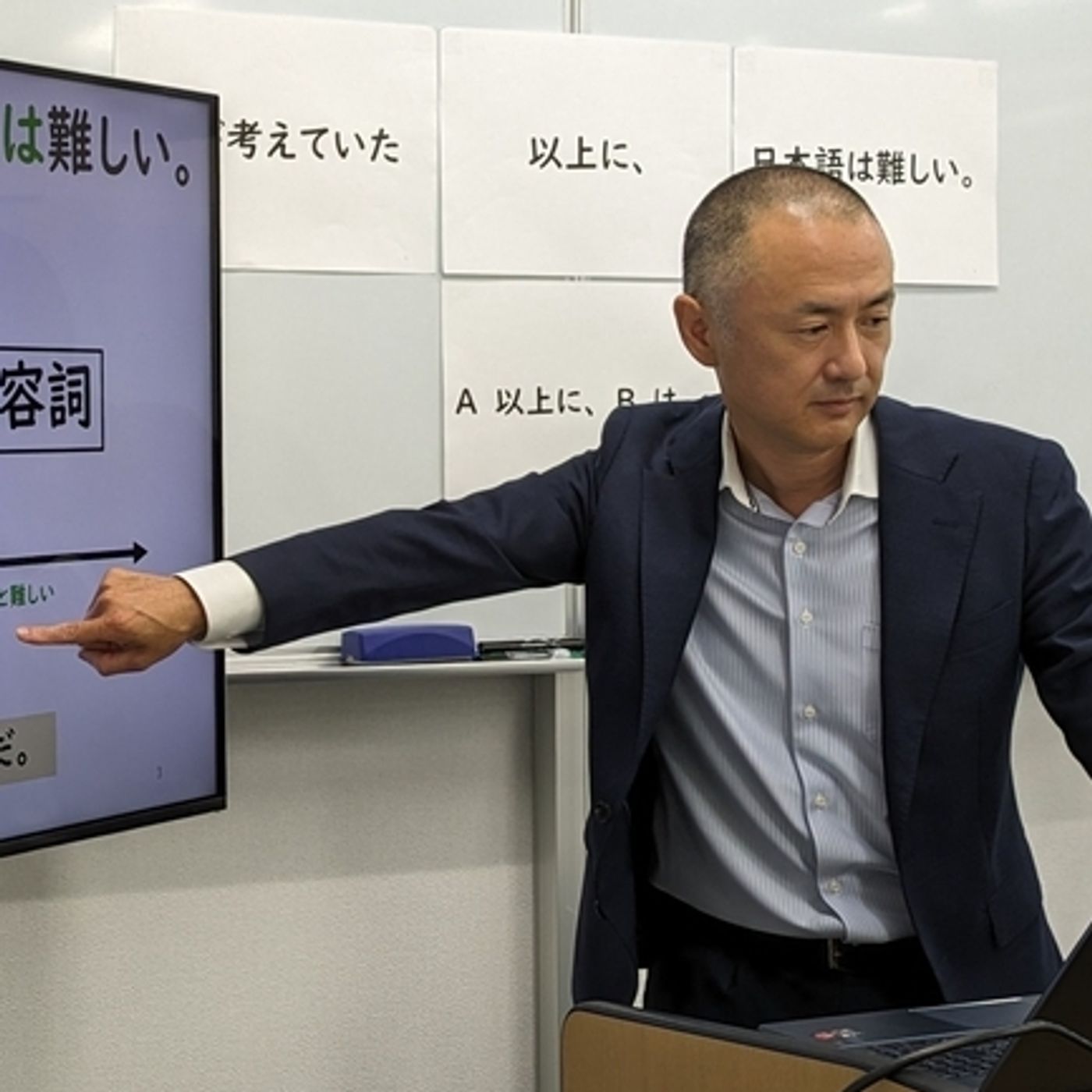
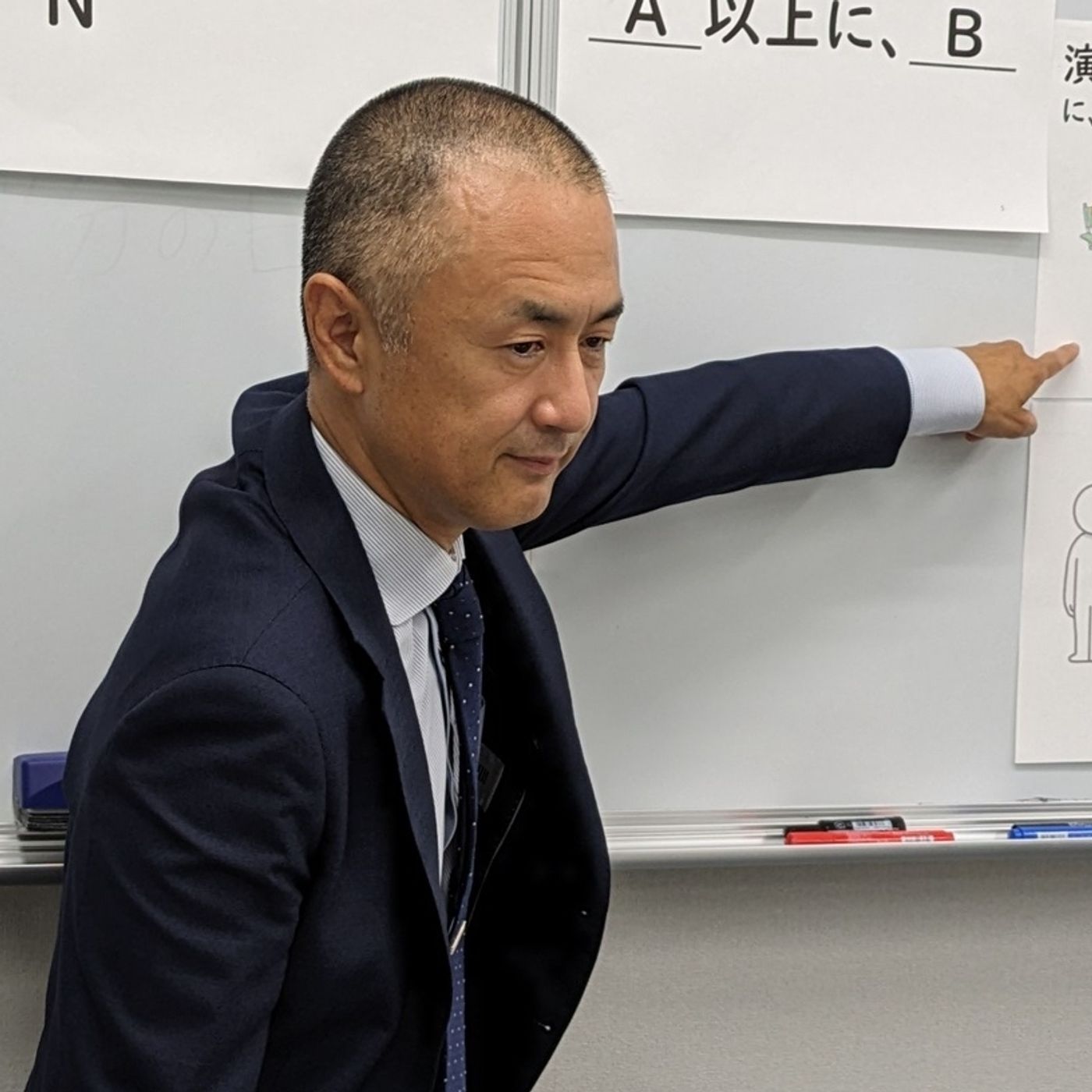
This podcast brings you real Japanese, not textbook phrases. Shinoda is a unique teacher—logical, sharp, and surprisingly humorous. He turns grammar into practical tools and everyday conversations into powerful learning moments.

Each episode features honest dialogues with students from around the world. You will hear their mistakes, progress, and breakthroughs, along with clear explanations and useful tips you can apply immediately. Topics include daily conversation, business Japanese, job interviews, and study strategies.

Shinoda is also an entrepreneur and creative thinker who approaches language like a problem to be solved. He pushes for accuracy but always with encouragement and wit. If you want Japanese that works in real life, beyond JLPT and memorized patterns, this podcast is for you.
Come for the language—stay for Shinoda’s humor and the voices of his students.https://motiview.app


欢迎收听播客 《日本语老师篠田示承与他的学生们》
这是一档聚焦“真实日语”的节目,而不是只教课本表达。篠田示承是一位逻辑清晰、风格独特又充满幽默感的老师。他善于把语法变成实用工具,把对话变成高效练习,让学习既有深度又有趣味。

每一集都会出现来自世界各地的学生。你能听到他们的错误、进步和顿悟,也能听到篠田老师当场拆解问题:发音、搭配、语感与礼貌层级。节目内容涵盖日常会话、商务日语、面试表达以及实用学习方法,提供大量可以直接模仿的句型与技巧。

篠田不仅是老师,也是创业者和思考者。他教学严格却富有鼓励,总能把复杂问题讲得简单明了。如果你想学会“能用得上的日语”,而不只是通过考试,这个频道非常适合你。
为日语而来,为篠田的个性与学生们真实的声音而留下。

https://motiview.app

42 Episodes
Reverse
The conversation covers a culinary exchange between Australia and Tokyo, including a discussion about ramen and cooking experiences. It also delves into travel experiences, specifically exploring the city of Hakata. The exchange of culinary knowledge and travel experiences forms the core of the conversation.TakeawaysCulinary exchangeTravel experiencesChapters00:00 Culinary Exchange in Australia and Tokyo
The conversation begins with an introduction and discussion about university acceptance. It then moves on to the topic of university entrance exams, followed by a discussion on language proficiency and its role in the application process. The conversation concludes with a focus on the guest's interest in finance.TakeawaysGlobal Business ProgramLanguage ProficiencyInterest in FinanceChapters00:00 Introduction and University Acceptance
The conversation begins with an introduction and discussion about a career transition. It then moves on to the topic of interview preparation for a new job opportunity.TakeawaysCareer transitionInterview preparationChapters00:00 Introduction and Career Transition
The conversation begins with an introduction and discussion of work schedules, followed by a conversation about the absence of sunrise in Europe.TakeawaysTime differenceSunrise in EuropeChapters00:00 Introduction and Work Schedule
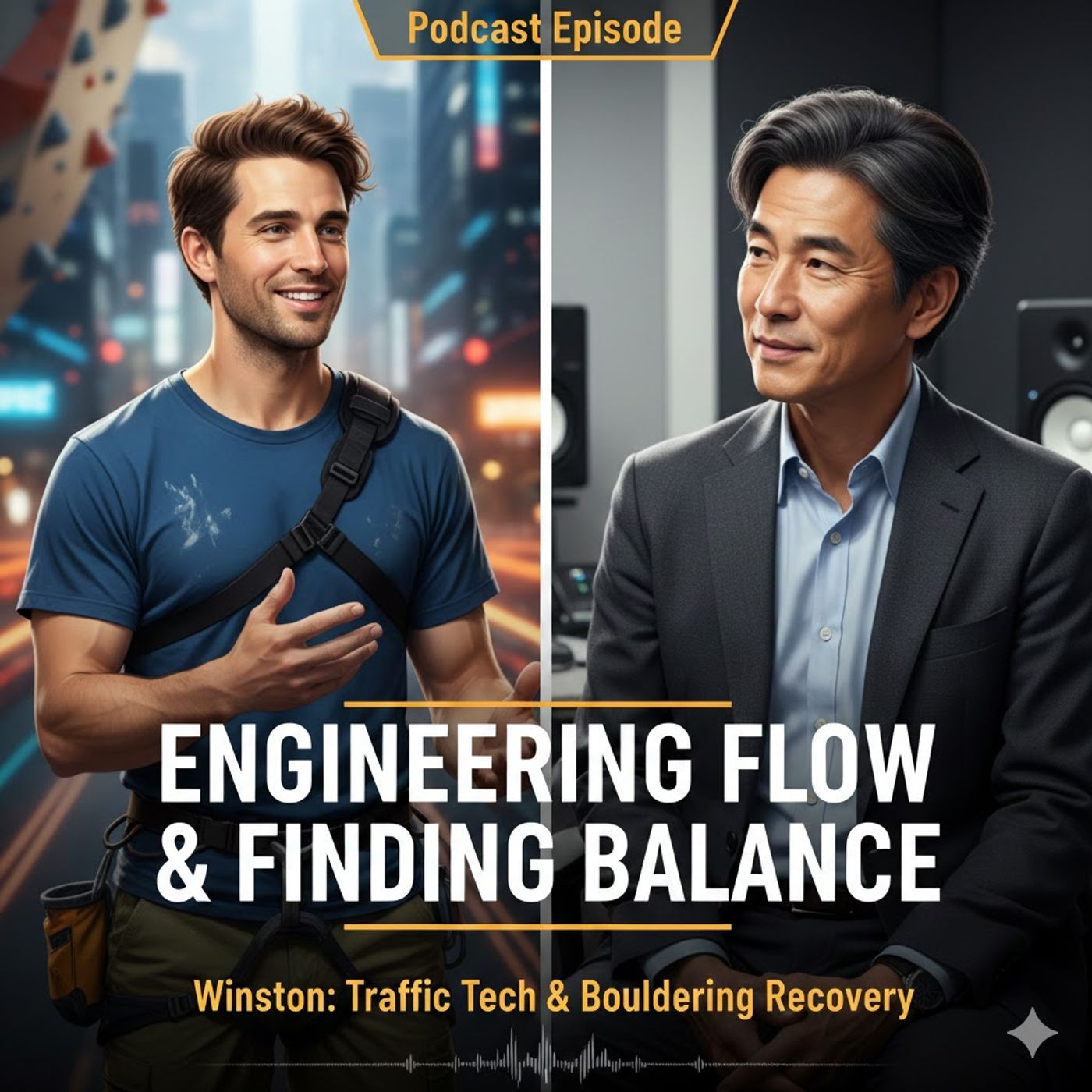
joined by Winston, a systems engineer from Australia, to discuss the fascinating intersection of infrastructure technology and personal physical wellness.Winston shares insights into his recent professional project: developing an advanced system designed to regulate and optimize urban traffic flow. We dive into the complexities of managing real-world data to reduce congestion and improve city living.Beyond the screen, Winston is an avid bouldering enthusiast. However, after a recent hiatus, a return to the climbing wall resulted in a shoulder injury, sparking a conversation about the physical demands of the sport and the importance of listening to one's body. As he recovers, Winston is shifting his focus toward low-impact recovery, planning to trade the climbing chalk for the swimming pool. Join us as we explore his journey through technical challenges and his new path toward fitness and rehabilitation.*Español* En este episodio, nos acompaña Winston, un ingeniero de sistemas australiano, para conversar sobre la fascinante intersección entre la tecnología de infraestructura y el bienestar físico personal. Winston comparte detalles sobre su reciente proyecto profesional: el desarrollo de un sistema avanzado diseñado para regular y optimizar el flujo del tráfico urbano. Analizamos las complejidades de gestionar datos en tiempo real para reducir la congestión y mejorar la vida en las ciudades.Fuera de la oficina, Winston es un entusiasta de la escalada en bloque (bouldering). Sin embargo, tras un breve descanso, su regreso a las paredes de escalada le provocó una lesión en el hombro, lo que dio lugar a una charla sobre las exigencias físicas de este deporte y la importancia de escuchar al propio cuerpo. Mientras se recupera, Winston está enfocando su rutina hacia actividades de bajo impacto, planeando cambiar el magnesio de escalada por la piscina. Acompáñenos a explorar su trayectoria a través de los desafíos técnicos y su nuevo camino hacia la salud y la rehabilitación.*中国語 (简体中文)* 在本期节目中,我们邀请到了来自澳大利亚的系统工程师 Winston,共同探讨基础设施技术与个人健康之间的奇妙交汇。Winston 分享了他最近的职业项目:开发一套旨在调节和优化城市交通流量的先进系统。我们深入探讨了如何利用现实数据缓解交通拥堵并改善城市生活的复杂性。在工作之余,Winston 是一位攀岩(抱石)爱好者。然而,在久违地重返攀岩墙后,他不慎弄伤了肩膀,这引发了我们关于运动强度以及倾听身体信号重要性的讨论。在康复期间,Winston 正将重心转向低冲击力的运动,计划将攀岩粉换成游泳池。欢迎收听本期节目,了解他在技术挑战中的探索,以及他通往健身与康复的新路径。
The conversation covers the guest's interest in Japan, career journey, influence of anime and manga, travel experience, challenges of obtaining a working holiday visa, and a comparison of living in Tokyo and Osaka. The guest's cultural influence on career choices and the impact of anime and manga on foreign interest in Japan are key takeaways. The conversation covers the speaker's work experience in Japan, transition to job hunting, and the use of recruitment agencies. It also delves into interview preparation and experience, as well as advice for job seekers.TakeawaysCultural Influence on Career ChoicesImpact of Anime and Manga on Foreign Interest in Japan Job hunting in JapanInterview preparationUsing recruitment agenciesChapters00:00 Comparison of Living in Tokyo and Osaka20:57 Using Recruitment Agencies28:35 Advice for Job SeekersThis episode tells a powerful and honest story about perseverance, adaptability, and courage in a foreign country. Shishoh Shinoda sits down with Gaille, a French man who successfully found a full-time job in Japan after starting his journey on a Working Holiday visa.Gaille came to Japan from France with hope, curiosity, and uncertainty. He chose Osaka as his home and immediately began working to support himself. While many people imagine life in Japan as exciting and glamorous, the reality can be far more demanding—especially when job hunting in a second language. Gaille worked two customer-service jobs at the same time: one in a restaurant in Osaka, and another at teamLab in Kyoto, a world-famous digital art space. These jobs required constant communication with Japanese customers, teamwork with Japanese staff, and the mental strength to keep smiling even on exhausting days.While working long hours, Gaille never gave up on his goal of finding a professional job in Japan. He studied Japanese seriously, learned how Japanese companies think, rewrote his resume again and again, and attended interviews with determination. Rejections came—but he didn’t stop.Eventually, his efforts paid off. Gaille was accepted by one of the largest electronics manufacturers in Japan, a company known worldwide. For Shishoh, who supported and guided him through language learning and interview practice, this success was deeply moving. This episode is not just about getting a job—it’s about resilience, trust, and believing in yourself when the odds feel overwhelming.If you are dreaming of working in Japan, or if you are struggling in a foreign country, this conversation will give you realistic insight, motivation, and hope.----------------------------------------🎧 DESCRIPCIÓN DEL PODCAST (ESPAÑOLEste episodio presenta una historia real e inspiradora sobre perseverancia, adaptación y valentía en el extranjero. Shishoh Shinoda conversa con Gaille, un hombre francés que logró encontrar empleo en Japón después de comenzar su camino con una visa de Working Holiday.Gaille llegó a Japón desde Francia sin garantías, solo con determinación y ganas de aprender. Decidió vivir en Osaka y empezó trabajando para mantenerse económicamente. Mientras muchas personas imaginan Japón como un lugar fácil y fascinante, la realidad puede ser dura, especialmente cuando se busca trabajo en otro idioma.----------------------------------------🎧 播客说明本期播客讲述的是一个真实而感人的故事,关于坚持、适应以及在异国他乡不断挑战自我的勇气。篠田师匠与来自法国的盖尔(Gaille)展开对谈,分享他如何从打工度假签证起步,最终成功在日本找到正式工作的经历。
The conversation covers the guest's background, education, career path, work experience, challenges in the Japanese medical industry, and advice for foreigners moving to Japan. It also delves into the guest's current job, the use of medical devices and AI in healthcare, and the perception of Japan from an international perspective. The conversation concludes with a discussion on personal hobbies and health.TakeawaysInsights into the challenges of working in the Japanese medical industryAdvice for foreigners moving to JapanChapters00:00 Introduction and Background05:06 Challenges in the Japanese Medical Industry11:26 Perception of Japan from an International Perspective16:37 Personal Hobbies and Health
joined by Winston, a systems engineer from Australia, to discuss the fascinating intersection of infrastructure technology and personal physical wellness. Winston shares insights into his recent professional project: developing an advanced system designed to regulate and optimize urban traffic flow. We dive into the complexities of managing real-world data to reduce congestion and improve city living.Beyond the screen, Winston is an avid bouldering enthusiast. However, after a recent hiatus, a return to the climbing wall resulted in a shoulder injury, sparking a conversation about the physical demands of the sport and the importance of listening to one's body. As he recovers, Winston is shifting his focus toward low-impact recovery, planning to trade the climbing chalk for the swimming pool. Join us as we explore his journey through technical challenges and his new path toward fitness and rehabilitation.Español En este episodio, nos acompaña Winston, un ingeniero de sistemas australiano, para conversar sobre la fascinante intersección entre la tecnología de infraestructura y el bienestar físico personal. Winston comparte detalles sobre su reciente proyecto profesional: el desarrollo de un sistema avanzado diseñado para regular y optimizar el flujo del tráfico urbano. Analizamos las complejidades de gestionar datos en tiempo real para reducir la congestión y mejorar la vida en las ciudades.Fuera de la oficina, Winston es un entusiasta de la escalada en bloque (bouldering). Sin embargo, tras un breve descanso, su regreso a las paredes de escalada le provocó una lesión en el hombro, lo que dio lugar a una charla sobre las exigencias físicas de este deporte y la importancia de escuchar al propio cuerpo. Mientras se recupera, Winston está enfocando su rutina hacia actividades de bajo impacto, planeando cambiar el magnesio de escalada por la piscina. Acompáñenos a explorar su trayectoria a través de los desafíos técnicos y su nuevo camino hacia la salud y la rehabilitación.中国語 (简体中文) 在本期节目中,我们邀请到了来自澳大利亚的系统工程师 Winston,共同探讨基础设施技术与个人健康之间的奇妙交汇。Winston 分享了他最近的职业项目:开发一套旨在调节和优化城市交通流量的先进系统。我们深入探讨了如何利用现实数据缓解交通拥堵并改善城市生活的复杂性。在工作之余,Winston 是一位攀岩(抱石)爱好者。然而,在久违地重返攀岩墙后,他不慎弄伤了肩膀,这引发了我们关于运动强度以及倾听身体信号重要性的讨论。在康复期间,Winston 正将重心转向低冲击力的运动,计划将攀岩粉换成游泳池。欢迎收听本期节目,了解他在技术挑战中的探索,以及他通往健身与康复的新路径。
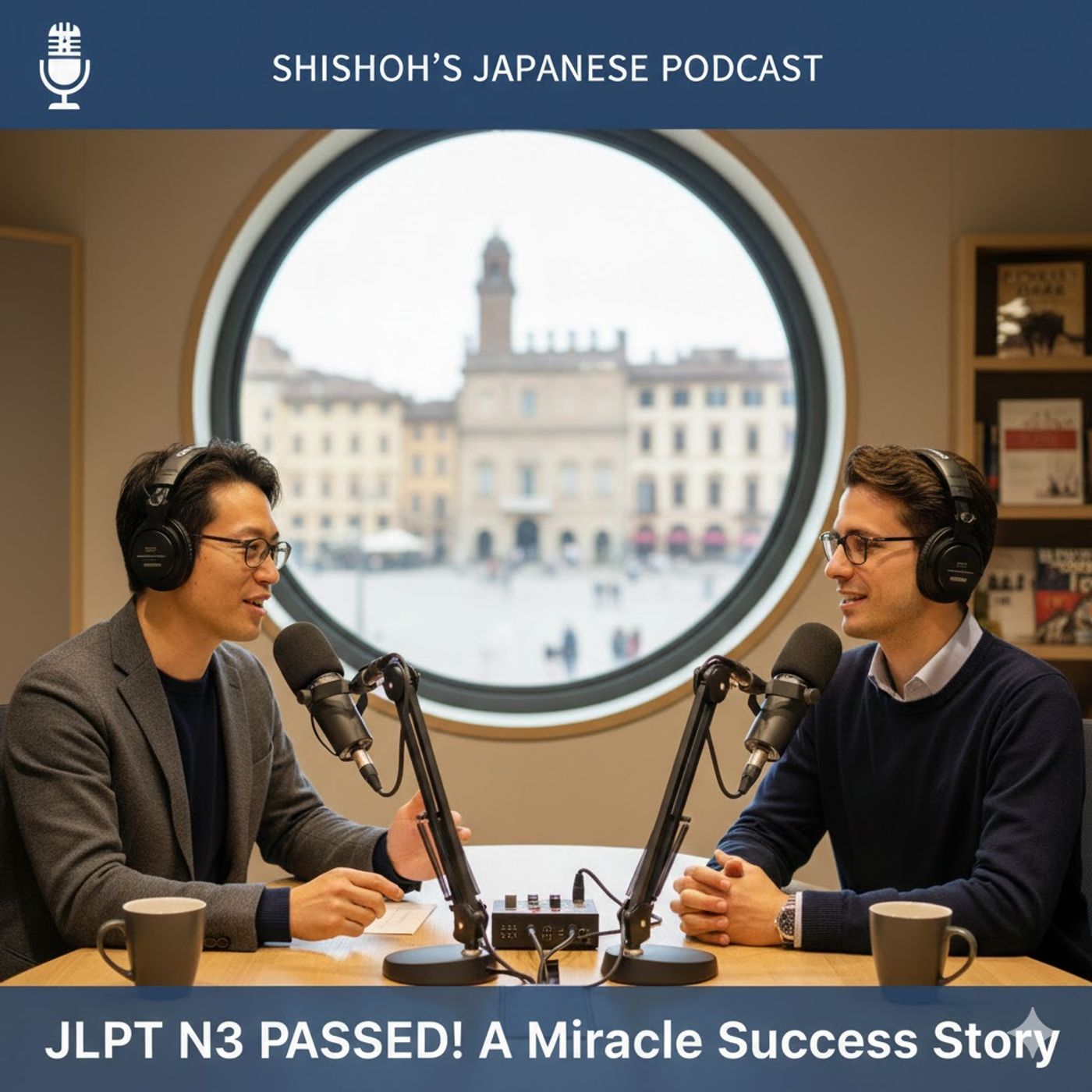
In this heartwarming episode, Shishoh Shinoda sits down with Valentin from Italy to celebrate a truly unexpected milestone: passing the JLPT N3!Despite a stressful self-assessment after the exam that led him to believe he had failed, the official results brought a wonderful surprise. We dive into the emotional rollercoaster of waiting for the scores, the specific challenges Valentin faced during his studies, and the sheer joy of achieving a goal that seemed out of reach.Whether you are currently struggling with your Japanese studies or waiting for your own exam results, Valentin’s journey is a powerful reminder that hard work often pays off in ways we don't expect. Join us for an inspiring conversation filled with laughter, relief, and practical insights into the N3 journey. Congratulations, Valentin!🇬🇧 English (approx. 1000 characters)Valentin’s success story is nothing short of remarkable.After moving from Luxembourg to Italy, he decided to challenge himself by learning Japanese seriously. His goal was the JLPT N3 exam—a level that many learners underestimate, but which actually requires solid grammar, vocabulary, reading comprehension, and listening skills.What makes this achievement truly impressive is the time frame. Valentin passed JLPT N3 after studying Japanese for only one year. Even more striking is the fact that he himself had very little confidence before the exam. He often said, “I don’t think I’m ready,” or “Maybe I should wait another year.”But instead of giving up, we studied side by side. Lesson by lesson, mistake by mistake, we analyzed his weak points, rebuilt his foundation, and turned anxiety into concrete strategies. This was not a one-sided teaching process—it was teamwork.When the result came, his joy exploded. All the doubts vanished in an instant, replaced by pride, relief, and pure happiness. His success proves that with the right guidance, consistency, and mutual trust, even ambitious goals can be achieved in a surprisingly short time.Valentin’s journey shows that Japanese is not about talent—it is about commitment, structure, and believing in the process.🇨🇳 中文(约1000字)瓦伦丁从卢森堡移居到意大利后,决定认真挑战日语学习,并把目标定在了JLPT N3。很多人低估了N3的难度,但实际上,它要求学习者在语法、词汇、阅读和听力方面都具备扎实的基础。真正令人惊叹的是,他学习日语仅仅一年就通过了N3考试。更重要的是,在考试前,瓦伦丁本人并没有自信。他反复说:“我觉得还没准备好”“也许明年再考比较稳妥。”但我们没有选择退缩,而是并肩前行。我们一起分析错误、拆解弱点、重新构建学习方法,把焦虑转化为可执行的策略。这并不是单方面的教学,而是真正的“二人三脚”。当合格结果公布的那一刻,他的喜悦彻底爆发。所有的不安和怀疑,在一瞬间化为自豪、安心与纯粹的快乐。他的成功证明了:学习日语并不是天赋的比拼,而是方法、持续性,以及在正确引导下对过程的信任。瓦伦丁的经历告诉我们,只要方向正确、努力持续,短时间内取得突破是完全可能的。🇮🇹 Italiano (circa 1000 caratteri)La storia di Valentin è davvero straordinaria.Dopo essersi trasferito dal Lussemburgo all’Italia, ha deciso di affrontare seriamente lo studio della lingua giapponese, ponendosi come obiettivo il JLPT N3. Un livello spesso sottovalutato, ma che in realtà richiede una solida comprensione di grammatica, vocabolario, lettura e ascolto.Ciò che rende questo risultato eccezionale è il tempo: Valentin ha superato il JLPT N3 dopo solo un anno di studio.
The conversation begins with an introduction and discussion about the guest's work as a video editor. It then transitions to a conversation about the guest's new apartment and noise issues. The guest also talks about creating new words and their experience with language models like GPT-3.TakeawaysVideo editingOnline workCreating new words📝 YouTube Description(English)In this podcast episode, Japanese teacher Shishoh Shinoda sits down for an honest and relaxed conversation with a Ukrainian woman, exploring her everyday life beyond headlines and stereotypes.They talk about her work and professional background, what she enjoys doing in her free time, and how her hobbies reflect her personality and values. The conversation then naturally moves into a very human topic: neighbor troubles. From cultural misunderstandings to small conflicts that arise in daily life, she shares real experiences that many listeners around the world can relate to.This episode is not an interview in a strict sense, nor a formal language lesson. It is a genuine dialogue between two people from different cultures, built on curiosity, respect, and humor. The discussion flows freely, touching on how cultural backgrounds shape communication styles, personal boundaries, and expectations in everyday situations.Perfect for listeners interested in:Cross-cultural conversationsUkrainian perspectives on daily lifeReal, unscripted podcast dialogueLanguage learning through natural conversationJapanese teacher–student style discussions with depth and warmthWhether you are learning Japanese, interested in Ukraine, or simply enjoy thoughtful conversations about life, work, and relationships, this episode offers a calm and engaging listening experience.🎧 Sit back, listen, and enjoy a real conversation across cultures.
Shishoh-sensei sits down with Neo, a sharp and endlessly curious man from Israel who has just conquered one of the most intimidating language exams in the world: JLPT N1. But don’t expect a dry, textbook-style “study tips” lecture. This is a lively, humorous, and surprisingly human conversation.Neo talks candidly about his journey—how he got lost in kanji forests, survived endless listening sections, and occasionally wondered whether Japanese was actually invented to test human patience. Shishoh-sensei, with his trademark wit and calm confidence, responds with stories, jokes, and brutally honest advice that only a seasoned Japanese teacher can deliver.What makes this conversation special is the contrast: Neo’s analytical, slightly overthinking mindset meets Shishoh’s relaxed, almost philosophical approach to language learning. They laugh about mistakes, argue playfully about the “right” way to study, and agree on one thing—passing N1 is not about being perfect, but about understanding how Japanese thinks.This episode is packed with practical insights, motivational moments, and plenty of laughter. Whether you are aiming for JLPT N1 or just enjoy hearing two smart people joke about serious learning, this conversation will leave you inspired—and smiling.🇪🇸 Introducción en EspañolEn este episodio, el maestro Shishoh conversa con Neo, un hombre israelí inteligente y curioso que acaba de lograr una hazaña impresionante: aprobar el JLPT N1, uno de los exámenes de japonés más difíciles del mundo. Pero no se trata de una charla rígida ni académica. Es una conversación llena de humor, ironía y reflexiones muy humanas.Neo comparte su experiencia real: la confusión con los kanji, el sufrimiento en la comprensión auditiva y esos momentos existenciales en los que uno se pregunta por qué decidió aprender japonés. Frente a esto, Shishoh-sensei responde con bromas, ejemplos inesperados y consejos directos, fruto de años de enseñanza.La química entre ambos es clave. El enfoque lógico y analítico de Neo choca —en el buen sentido— con la filosofía relajada del maestro, creando un diálogo dinámico y entretenido. Entre risas, llegan a una conclusión clara: aprobar el N1 no es memorizarlo todo, sino entender la mentalidad del idioma japonés.Una charla útil, motivadora y muy divertida para estudiantes serios… que no se toman demasiado en serio.在这一期节目中,日本语教师“师匠老师”与来自以色列的Neo展开了一场轻松又充满智慧的对谈。Neo刚刚通过了被称为“日语学习终极关卡”的 JLPT N1,但这次对话并不是严肃的学习报告,而是一场幽默感十足的杂谈。Neo坦率地分享了自己的学习经历:被汉字折磨、听力考试时大脑一片空白,以及无数次怀疑人生的瞬间。师匠老师则用他特有的冷静与幽默回应,把“学习方法”讲得像人生哲学一样自然。两人的对话充满反差:Neo理性、认真、略带完美主义,而师匠老师则显得从容、洒脱,甚至有点“随性”。正是在这种碰撞中,听众能听到最真实的N1合格秘诀——不是死记硬背,而是理解日语的思维方式。这是一场既有干货、又让人忍不住发笑的对谈。不论你是否准备N1,都能从中获得启发与动力。JLPT N1, Japanese language learning, JLPT study tips, how to pass JLPT N1, Japanese exam preparation, language learning podcast, Japanese conversation, studying Japanese abroad, Israeli Japanese learner, Shishoh sensei, advanced Japanese, kanji study, listening practice, motivation for language learners, funny language learning stories, bilingual life, serious study funny talk, Japanese mindset, learning strategies, language exam success
The conversation covers topics related to favorite foods and fruits, as well as engaging with AI for knowledge and conversation.TakeawaysFavorite foods and fruitsEngaging with AI for knowledge and conversationIn this delightful and unexpectedly philosophical conversation, Shishoh-sensei sits down with Rabbi, a Chinese IT engineer who is currently working in Japan while skillfully wielding AI as his daily tool of survival. What begins as a light chat about favorite foods and fruits soon turns into a humorous cultural exchange that feels both casual and oddly profound.Rabbi, with the calm logic of an engineer and the curiosity of a foodie, explains how his tastes have evolved since coming to Japan. He talks about the shock of discovering how seriously Japan treats food—where even a simple apple seems to carry a backstory, a philosophy, and possibly a moral lesson. Shishoh-sensei, ever playful and sharp-tongued, counters with witty observations about how engineers analyze food the same way they analyze code: optimizing flavor, efficiency, and emotional output.The two laugh over misunderstandings—why some fruits are treated like luxury items, why certain foods feel “too perfect,” and how AI might someday recommend the ideal fruit based on mood, weather, and existential anxiety. Beneath the jokes, the conversation gently reveals how food becomes a bridge between cultures, professions, and ways of thinking. It’s a warm, clever dialogue where laughter does most of the teaching.🇪🇸 EspañolEn esta conversación divertida y sorprendentemente profunda, el maestro Shishoh charla con Rabbi, un ingeniero informático chino que trabaja en Japón utilizando la inteligencia artificial como parte esencial de su vida diaria. Lo que comienza como una simple charla sobre comidas y frutas favoritas rápidamente se convierte en un intercambio cultural lleno de humor e ingenio.Rabbi explica cómo su relación con la comida ha cambiado desde que llegó a Japón. Le llama la atención cómo incluso una fruta común puede ser tratada casi como una obra de arte. Shishoh-sensei responde con bromas afiladas, comparando la forma en que los ingenieros piensan sobre la comida con la manera en que optimizan algoritmos: todo debe tener sentido, equilibrio y propósito.Entre risas, hablan de frutas carísimas, sabores “demasiado perfectos” y la posibilidad de que algún día la IA recomiende la fruta ideal según el estado de ánimo. Más allá de las bromas, la charla muestra cómo la comida une culturas, generaciones y formas de pensar. Es una conversación ligera, inteligente y muy humana.🇨🇳在这场轻松又充满智慧的对话中,日本语老师师匠先生与在日本工作的中国IT工程师拉比先生展开了一次妙趣横生的交流。拉比是一位善于运用AI技术的工程师,而这次他们聊的却不是代码,而是食物和水果。拉比分享了自己来到日本后饮食观念的变化。他惊讶地发现,在日本,连水果都仿佛有“身份”和“哲学”,价格高得让人忍不住思考人生。师匠先生则用幽默的方式调侃工程师看待食物的方式——就像分析程序一样,讲究效率、结构和最终体验。两人一边笑谈昂贵的水果,一边畅想未来AI是否能根据心情、天气甚至人生阶段推荐最合适的水果。在欢笑背后,这段对话自然地展现了饮食如何成为文化交流的桥梁,也让人感受到不同背景的人之间真诚而温暖的连接。Japanese language podcast, cultural conversation, Chinese engineer in Japan, AI engineer life, food and culture, favorite foods, favorite fruits, cross cultural humor, learning Japanese
The conversation begins with a celebration of success and the use of AI for language learning. It then transitions to a discussion about preparation for university entrance exams, highlighting the importance of language study and future plans.TakeawaysLanguage learning with AIPreparation for university entrance🎙️ Podcast Introduction (English)Today’s episode features an inspiring and deeply human conversation between Shishoh Shinoda, a Japanese language teacher known for his sharp insight and warm humor, and Mac, his student from Australia, who has just achieved a major milestone: passing the JLPT N2.Rather than focusing only on textbooks or grammar tricks, this episode explores the real secrets behind Mac’s success. How did he stay consistent? What moments almost made him quit? And how did Shinoda-sensei guide him through doubt, plateaus, and frustration—not just as a teacher, but as a mentor?The conversation unfolds naturally, with Mac honestly reflecting on his learning habits, daily routines, and the psychological shifts that helped him move from “studying Japanese” to living with Japanese. Shinoda-sensei responds with thoughtful commentary, breaking down why certain methods worked, and why mindset matters just as much as vocabulary lists.This episode is not only for JLPT learners. It speaks to anyone pursuing a long-term goal, reminding us that progress is rarely linear, and that success often comes quietly—after patience, repetition, and trust in the process.Calm, reflective, and quietly motivating, this dialogue captures the joy of genuine achievement and the bond between teacher and student forged through perseverance.🎙️ Descripción del Podcast (Español)El episodio de hoy presenta una conversación sincera e inspiradora entre Shishoh Shinoda, profesor de japonés reconocido por su profundidad intelectual y su humor sereno, y Mac, su alumno australiano, quien acaba de lograr un gran objetivo: aprobar el JLPT N2.En lugar de limitarse a técnicas de estudio o consejos superficiales, la charla se adentra en los verdaderos factores que llevaron al éxito de Mac. ¿Cómo mantuvo la constancia? ¿Qué dificultades emocionales enfrentó? ¿Y de qué manera Shinoda-sensei lo acompañó, no solo como docente, sino como guía?Mac comparte con honestidad su rutina diaria, sus errores, sus dudas y los cambios mentales que marcaron la diferencia en su aprendizaje. Shinoda-sensei analiza estas experiencias con claridad, explicando por qué ciertos enfoques funcionan y cómo la actitud influye profundamente en los resultados.Este episodio no es solo para quienes preparan el JLPT. Es una conversación universal sobre disciplina, paciencia y crecimiento personal. Una prueba de que el éxito no siempre es ruidoso, sino el resultado silencioso de la perseverancia.Una charla tranquila, reflexiva y profundamente motivadora.🎙️ 播客介绍(中文)本期播客是一段温暖而富有深度的对话,由日本语教师篠田师匠(Shishoh Shinoda)与他的澳大利亚学生Mac共同展开。今天,Mac 刚刚成功通过了 JLPT N2 考试,这是他长期努力的成果。这期节目并不是简单地分享学习技巧,而是深入探讨了“成功背后的真正原因”。Mac 坦诚地讲述了自己的学习节奏、心理挣扎,以及几次差点想要放弃的时刻。师匠则以冷静而睿智的视角,分析哪些方法真正奏效,以及为什么“学习态度”往往比学习方法更重要。对话中没有夸张的说教,只有真实的经验交流。Mac 从“学日语的人”,逐渐变成了“用日语生活的人”。这种转变,正是他通过 N2 的关键。
The conversation covers topics related to favorite foods, cultural experiences through sports, and the influence of sports on cultural references. It delves into the personal preferences of the speakers and their experiences with sports and cultural activities.TakeawaysFavorite sports and activitiesCultural experiences through sportsChapters00:00 Favorite Foods and Cultural Preferences
The conversation covers topics related to favorite foods, cultural experiences through sports, and the influence of sports on cultural references. It delves into the personal preferences of the speakers and their experiences with sports and cultural activities.https://motiview.appTakeawaysFavorite sports and activitiesCultural experiences through sportsChapters00:00 Favorite Foods and Cultural Preferences
🎙️ What happens when a Japanese language master with a deep love for food sits down with a brilliant Chinese female professor to talk about tempura and karaage?You get a conversation that starts with crispy batter and juicy fried chicken—and slowly unfolds into a rich, humorous, and surprisingly profound exploration of culture, memory, identity, and the meaning of everyday life.In this unique podcast episode, Shishoh Shinoda, a veteran Japanese teacher known for his sharp insights and warm humor, welcomes Weichang, a Chinese professor with an exceptional academic background and a genuine curiosity about Japanese culture. Their meeting place is not a lecture hall or a conference room, but the delicious and familiar world of Japanese fried food.At first glance, tempura and karaage may seem like simple comfort foods. But as the conversation deepens, these dishes become powerful symbols. Tempura, with its delicate technique and emphasis on lightness, opens the door to discussions about precision, tradition, and aesthetic balance in Japanese culture. Karaage, bold, juicy, and deeply satisfying, leads to reflections on everyday life, popular culture, and the kind of food that brings people together regardless of background.What makes this episode truly special is the chemistry between the two speakers. Shishoh brings stories from his life as an educator, entrepreneur, and food shop owner, while Weichang adds the perspective of a Chinese intellectual who has observed Japan both from the outside and from within academic circles. Their dialogue moves effortlessly between laughter and serious thought—sometimes within the same sentence.Listeners will hear:Why food is often the fastest way to understand a cultureHow tempura and karaage reflect different philosophies of cooking and livingPersonal memories connected to taste, smell, and shared mealsCultural differences and surprising similarities between Japan and ChinaAnd why “simple food” is never really simpleThis is not a food review podcast. It’s a human conversation, grounded in everyday experiences but enriched by deep knowledge and mutual respect. The discussion feels like sitting at a table with two fascinating people, listening as the topic naturally drifts from food to education, from culture to personal values, and back again.For learners of Japanese culture, lovers of food, or anyone interested in thoughtful cross-cultural dialogue, this episode offers something rare: a sense of warmth, intelligence, and authenticity. No scripts. No pretension. Just real conversation—crispy on the outside, rich on the inside.Whether you’re a fan of tempura, a karaage enthusiast, or simply someone who enjoys meaningful conversations that start with food and end with insight, this episode will leave you hungry—in the best possible way.Press play, relax, and enjoy a conversation where fried food becomes a bridge between cultures.
The conversation covers a range of topics including weather comparison between Australia and Japan, the occupation and interests of the speakers, programming of traffic signals, and food preferences. The dialogue provides insights into the cultural and lifestyle differences between the two speakers.TakeawaysWeather comparisonOccupation and interestsFood preferencesChapters00:00 Weather Comparison08:01 Traffic Signal Programming🎙️ EnglishIn this podcast episode, Shishoh, a Japanese language teacher known for his sharp insights and warm humor, sits down with Winston, an Australian living in Melbourne. Their conversation flows naturally through topics that reveal both the city and the person behind it.Winston talks about Melbourne’s famously changeable climate — how one day can bring sunshine, wind, and rain all within a few hours — and how this unique weather shapes daily life, mindset, and even humor. The discussion then turns to Winston’s personal interests: the sports he loves, the way Australians relate to physical activity, and how sports culture in Melbourne differs from that in other cities around the world.Beyond sports, Winston shares his hobbies and reading habits, introducing books that have influenced his thinking and values. Through these stories, listeners gain a deeper understanding of Australian culture, not as stereotypes, but as lived experience.This episode is not an interview in the formal sense, but a relaxed, intelligent conversation between teacher and learner, friend and friend. It offers language learners, travelers, and curious minds a vivid glimpse into life in Melbourne — and into the thoughts of a thoughtful Australian who enjoys reflecting on culture, climate, and the small details of everyday life.🎙️ 中文宣传文在这一期播客中,日本语教师师匠先生与居住在墨尔本的澳大利亚人温斯顿展开了一场轻松而富有深度的对话。话题从墨尔本独特多变的气候开始,自然地延伸到城市生活方式与个人兴趣。温斯顿生动地描述了墨尔本“一天四季”的天气特点,以及这种气候如何影响当地人的生活节奏、思维方式,甚至幽默感。随后,两人聊到了他热爱的运动,探讨了澳大利亚的体育文化,以及体育在个人生活和社会关系中所扮演的重要角色。除了运动,温斯顿还分享了自己的兴趣爱好和喜欢的书籍,谈到阅读如何塑造他的价值观与世界观。这些内容让听众看到一个真实而立体的澳大利亚人形象,而不是停留在表面的文化印象。这期播客并非正式采访,而是一场自然流畅、充满思考的交流。对于语言学习者、对海外生活感兴趣的人,或是单纯喜欢跨文化对话的听众来说,这一期节目将带来关于墨尔本、关于澳大利亚人日常思考方式的真实视角。🎙️ In questo episodio del podcast, Shishoh, insegnante di giapponese noto per la sua capacità di stimolare conversazioni profonde e spontanee, dialoga con Winston, un australiano che vive a Melbourne. Il loro scambio è rilassato, intelligente e ricco di sfumature culturali.Winston racconta il clima particolare di Melbourne, famoso per i suoi cambiamenti improvvisi, e spiega come questo influisca sulla vita quotidiana e sul modo di pensare delle persone. La conversazione prosegue poi sui suoi interessi personali: gli sport che ama, il ruolo dello sport nella società australiana e le differenze culturali rispetto ad altri Paesi.Non manca un momento dedicato ai libri e alla lettura. Winston parla dei testi che lo hanno colpito maggiormente e di come la lettura abbia contribuito a formare il suo punto di vista sul mondo. Attraverso queste
Bridging Worlds Through Words: The Literary and Ambitious Journey of Neo and Shinoda ShishoIntroduction: An Unlikely Duo Bound by LanguageIn the vast landscape of podcasts covering language learning and cross-cultural experiences, few offer a dynamic as compelling and specific as the new series hosted by Shinoda Shisho and Neo. This podcast is not merely a series of Japanese lessons; it is an ongoing dialogue between a dedicated mentor and an exceptionally ambitious student, chronicling a journey that spans continents, literary genres, and future business dreams.The hosts bring vastly different backgrounds to the microphone. On one side is Shinoda Shisho ("Shisho" meaning "master" or "teacher" in Japanese), a seasoned Japanese language instructor with a deep appreciation for the nuances of his native tongue. On the other side is Neo, a driven young man hailing from Israel, whose passion for Japan extends far beyond the superficial. Together, they create a space that explores the immense challenges of mastering a second language to an artistic level, and the concrete plans necessary to build a life in a new country.The Literary Connection: Beyond Textbook JapaneseThe heartbeat of this podcast lies in Neo’s extraordinary relationship with the Japanese language. He is not studying Japanese simply to navigate daily life as a tourist; he is studying it to inhabit it creatively.A central theme of their discussions is their shared love for profound literature. Neo is an avid admirer of Keigo Higashino, one of Japan’s most celebrated mystery authors. Specifically, Neo holds Higashino’s masterpiece, The Devotion of Suspect X (容疑者Xの献身), in the highest regard.For an Israeli learner of Japanese, deeply appreciating such a complex work—renowned for its intricate psychological plotting, themes of ultimate sacrifice, and mathematical logic—is a significant achievement. In the podcast, Shinoda Shisho and Neo dissect why this book resonates so powerfully with Neo, using it as a springboard to discuss advanced vocabulary, subtle cultural concepts, and the dark beauty of Higashino’s storytelling.The Ultimate Challenge: Writing the Japanese NovelHowever, Neo is not content with just consuming Japanese literature; he is determined to contribute to it. Perhaps the most fascinating aspect of the podcast is the documentation of Neo’s current project: writing his own original novel, entirely in Japanese.This is a Herculean task for a non-native speaker. The podcast offers listeners a "behind-the-scenes" look at this creative struggle. Shinoda Shisho acts not only as a language teacher but as an editor and literary mentor, guiding Neo through the labyrinthine complexities of Japanese grammar, narrative structure, and emotional expression. They openly discuss the hurdles Neo faces in translating his thoughts into authentic Japanese prose, making the podcast an invaluable resource for advanced language learners who dream of creative expression.The Blueprint for the Future: Economics and International TradeWhile literature fuels Neo’s artistic soul, he possesses an equally strong pragmatic side. The podcast also serves as a platform to discuss his concrete, ambitious blueprint for his future in Japan.Neo’s eyes are firmly set on moving to Japan. His academic goal is to gain admission to a Japanese university to major in economics. He views understanding the financial and economic backbone of the country as essential to his long-term integration and success.But the university degree is just a stepping stone. Neo reveals his ultimate career ambition in the podcast: to establish his own trading company after graduation. He envisions a future where he can leverage his multi-cultural background—connecting Israel, Japan, and the wider world through commerce
🎙️In this episode of the podcast, Japanese language teacher Shishoh Shinoda sits down for a deep and thought-provoking conversation with Weiqian, a passionate Chinese researcher specializing in environmental issues. What begins as a friendly dialogue soon develops into a rich exploration of one of the most urgent challenges facing our world today: air pollution and the removal of environmental contaminants.This is not a dry academic lecture. Nor is it a shallow discussion filled with buzzwords. Instead, this episode offers listeners something rare and valuable: a genuine cross-cultural conversation in which knowledge, lived experience, and curiosity meet.Weiqian brings to the table her strong background in environmental research, particularly in the areas of air quality, atmospheric pollution, and pollution control technologies. She explains complex topics—such as particulate matter, industrial emissions, and pollutant filtration—in a way that is both accurate and accessible. Even listeners without a scientific background will find themselves following along with interest, gaining a clearer understanding of how air pollution actually works and why it is so difficult to control.Shishoh, on the other hand, plays the role of the thoughtful interviewer. As a Japanese language teacher who has spent years speaking with students from all over the world, he knows how to ask the kinds of questions that invite deeper thinking. He challenges assumptions, asks for clarification, and occasionally steps back to reflect on the broader human and social implications of environmental problems. His perspective keeps the conversation grounded, relatable, and surprisingly personal.One of the most compelling aspects of this episode is how it connects global environmental issues with individual responsibility and social systems. Air pollution is not discussed as an abstract concept, but as something that affects real people, real cities, and real lives. Weiqian shares insights into how pollution impacts daily life in different regions, how government policy and industrial behavior shape air quality, and why technological solutions alone are not enough without social awareness and political will.The discussion also dives into the science of pollution removal. From advanced filtration systems to innovative chemical and physical processes used to capture harmful substances, Weiqian explains what is currently possible—and what still remains out of reach. Listeners will come away with a clearer picture of both the promise and the limitations of modern environmental technology.At the same time, the conversation never loses its human warmth. There are moments of laughter, curiosity, and mutual respect. Shishoh and Weiqian do not always immediately agree, but that is precisely what makes the dialogue engaging. Their exchange models something increasingly rare in today’s world: intelligent disagreement paired with genuine listening.Another unique feature of this podcast episode is its multilingual and multicultural background. Although the discussion is conducted in a shared language, the perspectives come from different educational systems, cultural histories, and social realities. This gives the conversation a depth that cannot be achieved in a purely domestic or monolingual context. Environmental problems do not respect national borders, and this episode reflects that truth beautifully.Listeners who are interested in environmental science, sustainability, global policy, or cross-cultural dialogue will find this episode especially rewarding. But even those who simply enjoy thoughtful conversation between intelligent and curious people will be drawn in. This is an episode that invites you not only to learn, but to think—and perhaps to rethink your own assumptions about pollution.
A Deep and Thought-Provoking Conversation: Shishoh Sensei Talks with Valentin from ItalyIn this special episode of the podcast, Shishoh Sensei welcomes Valentin, a highly intelligent and ambitious student from Italy who dreams of becoming a diplomat at the Ministry of Foreign Affairs. What unfolds is not a casual chat, but a rich and intellectually stimulating dialogue that crosses borders, disciplines, and generations.Valentin is not only a student with a clear career goal; he is a sharp political thinker with a deep interest in international relations, diplomacy, and global power dynamics. His understanding of world politics, European affairs, and Japan’s position on the global stage is remarkable, especially for someone still in the academic phase of his life. From the very beginning of the conversation, it becomes clear that this episode is designed for listeners who enjoy serious ideas, structured thinking, and meaningful discussion.Shishoh Sensei, known for his ability to guide conversations with both rigor and warmth, skillfully draws out Valentin’s perspectives. Rather than lecturing, the two engage in a genuine exchange of ideas. They discuss what it truly means to become a diplomat—not as a title, but as a lifelong commitment to negotiation, responsibility, and ethical judgment. Valentin speaks candidly about why he chose this path, what inspired him to aim for the Ministry of Foreign Affairs, and how he prepares himself intellectually and mentally for such a demanding career.The conversation naturally expands into broader political themes. They touch on international diplomacy, the role of nation-states in a rapidly changing world, and how young people today perceive global responsibility. Valentin offers insights shaped by his European background, while Shishoh Sensei provides a Japanese perspective grounded in experience, history, and cultural nuance. This contrast does not create conflict; instead, it enriches the discussion, revealing how different political cultures can complement one another.One of the most compelling aspects of this episode is its clarity. Complex political ideas are not simplified into slogans, nor are they hidden behind jargon. Instead, they are carefully unpacked through dialogue. Listeners who are interested in politics, international relations, or public service will find themselves nodding along, reflecting, and occasionally pausing the episode just to think.Language learners will also find great value here. The conversation demonstrates how intellectual discussion can be conducted calmly, respectfully, and logically. It is a powerful example of how language is used not just to communicate information, but to shape arguments, express uncertainty, and build mutual understanding. This makes the episode especially valuable for advanced learners of Japanese and English who aspire to discuss serious topics at a high level.What makes this episode truly stand out is its tone. Despite the seriousness of the subject matter, the atmosphere remains open and human. Shishoh Sensei’s thoughtful questions create space for Valentin to speak freely, while Valentin’s sincerity and discipline give weight to every answer. There is no performance here—only honest thinking, careful listening, and intellectual curiosity.This podcast episode is highly recommended for listeners who are interested in global politics, diplomacy, academic ambition, and cross-cultural dialogue. It is also ideal for young people who are considering careers in public service or international organizations and want to understand what that path really entails.In a world where political discussion is often reduced to noise and polarization, this conversation offers something rare: depth, balance, and respect. Shishoh Sensei and Valentin remind us that serious conversation still matters
loading
Comments