


 Claim Ownership
Everyday Emergency
Subscribed: 948Played: 9,335
Subscribe

© All rights reserved
Description
Welcome to Everyday Emergency, a podcast by Médecins Sans Frontières / Doctors Without Borders (MSF).
We bring you true stories and expert insight from people on the frontline of humanitarian events. From the conflicts that hit the headlines to underreported crises, we’ll be talking to our medical, logistical and humanitarian staff about working to save lives in some of the world's most challenging places.
If you would like to support our life-saving medical work around the world, please visit msf.org.uk to make a donation or get involved.
Hosted on Acast. See acast.com/privacy for more information.
77 Episodes
Reverse
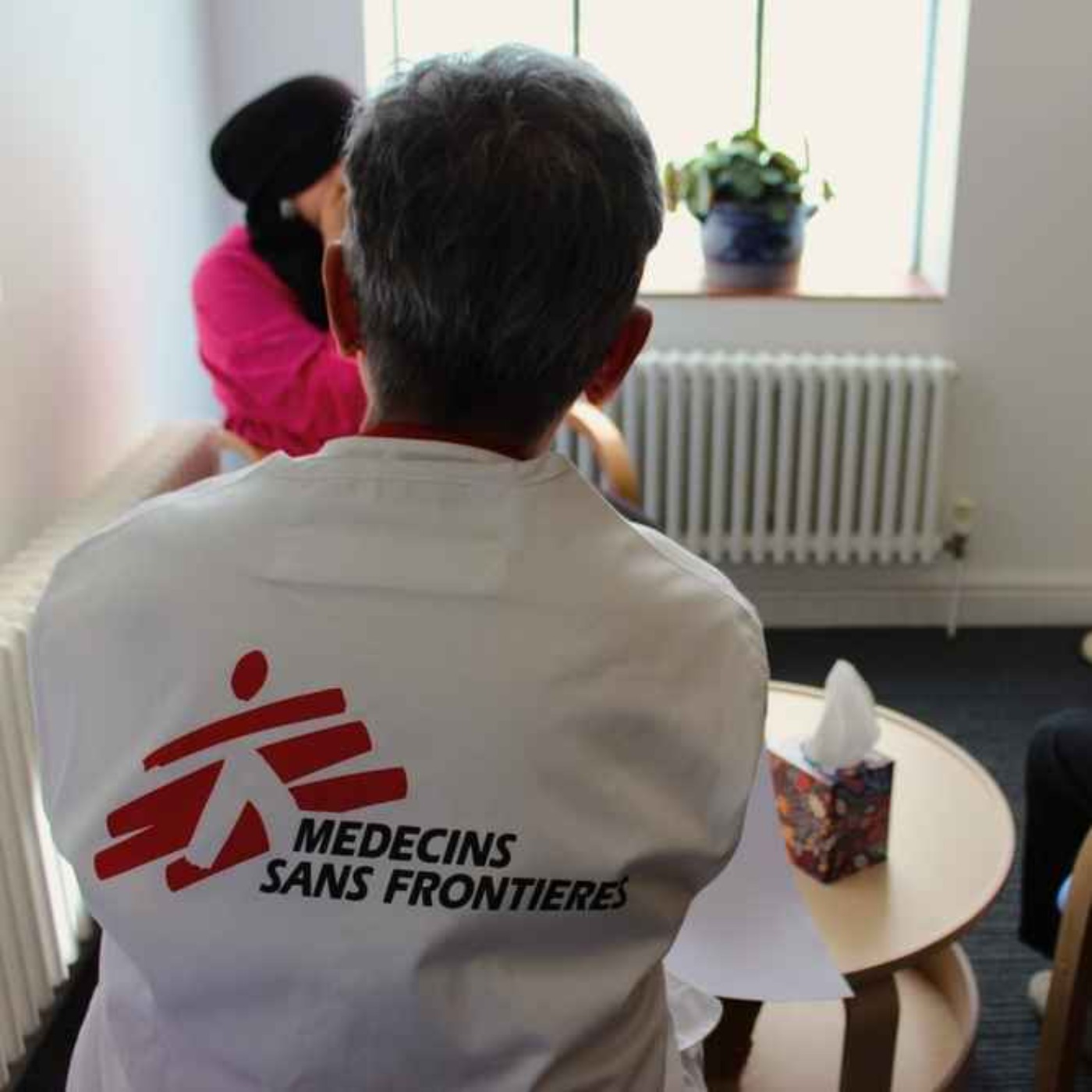
The word healing can mean different things.Around the world, MSF teams are caring for people caught in conflict zones, escaping violence, or trying to rebuild their lives after being forced to flee. However, the wounds that many carry with them are not always physical, and they are rarely simple. Mental health conditions like post-traumatic stress disorder (PTSD) can affect every aspect of a person's life. But recovery can take time and is rarely possible whilst a person is still living with uncertainty and fear.This means that, for many refugees and people seeking asylum, healing might just seem impossible.For today's episode of Everyday Emergency, we're joined by members of an MSF team who are treating PTSD in people who have sought refuge in the UK, around the city of Birmingham.To find out more about MSF or to make a donation, please visit msf.org.uk---Presented by Amber DowellEdited by Sandy McKeeSeries producer: Mark LankesterPhoto: MSFNote: Due to the current rise of anti-refugee sentiment in the UK and incidents of our staff being harassed, we've changed the names of the team members we've interviewed for this episode. Hosted on Acast. See acast.com/privacy for more information.

The current outbreak of Ebola disease in the Democratic Republic of the Congo (DRC) has become the third largest on record. It is also the fastest-growing.As of 26 July 2026, more than 3,200 cases have been confirmed, of which 1,400 people have lost their lives.Médecins Sans Frontières / Doctors Without Borders (MSF) teams have been on the ground since the early stages of the outbreak, working in partnership with local communities and the Congolese health authorities to treat critically ill patients and help contain the disease itself.But what is it like to be part of the team on the frontline of this humanitarian emergency?Dr Johnny Falconer is a medical doctor, currently completing his mandatory isolation after working in Ituri province, one of the areas hardest hit by the outbreak. He joined us from Kinshasa, capital of the DRC, to share his experience.To find out more about MSF or to make a donation, please visit msf.org.uk---Presented by Amber DowellEdited by Sandy McKeeSeries producer: Mark LankesterPhoto: Julien Dewarichet / MSF Hosted on Acast. See acast.com/privacy for more information.

Right now, Médecins Sans Frontières / Doctors Without Borders (MSF) teams are working to provide life-saving care in crises around the world. But what about the lives that can’t be saved? Ciara Flood is an MSF nurse with a special interest in palliative care. She joins us today to talk about reducing suffering, crossing cultures, and putting patients first.To find out more about MSF or to make a donation, please visit msf.org.uk---Presented by Amber DowellEdited by Sandy McKeeAssociate producer: Kate LeeSeries producer: Mark LankesterPhoto: Victor Oriema, MSF supported MOH palliative care nurse checks the vitals of Monica Anyango Onduko, a patient in palliative care during a home-based care visit. MSF and MoH teams in Homa Bay currently manage 39 patients in home-based palliative care.Copyright: Lucy Makori/MSF Hosted on Acast. See acast.com/privacy for more information.
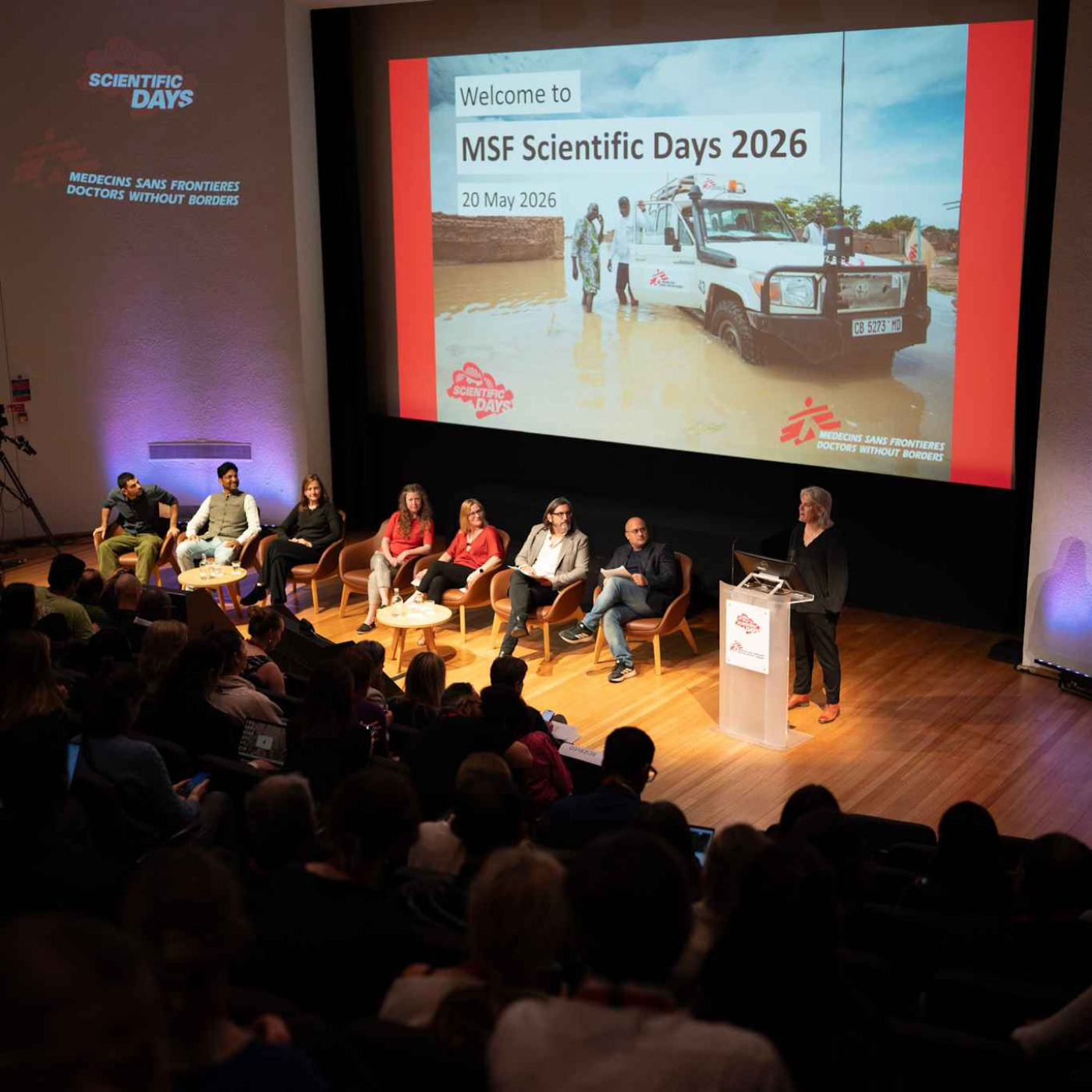
Every May in London, Médecins Sans Frontières / Doctors Without Borders (MSF) hosts Scientific Days, an annual innovation conference.The event brings together medical and humanitarian experts from around the world to share the research they have been doing into the conditions and crises that they face every day.In this episode of Everyday Emergency, we spoke to three specialists about their research and how it could help patients.From a game-changing antivenom to new tools in malaria prevention and the science of documenting traumatic injuries in Gaza, this is a behind-the-scenes look at life-saving innovation.Speakers:Matt ColdironAlan de Lima PereiraJenna HoytSohaib SafiPresented by Amber DowellEdited by Sandy McKeeAssociate producer: Kate LeeSeries producer: Mark LankesterPhoto: Toks Adeola Hosted on Acast. See acast.com/privacy for more information.

April marked a sobering milestone: the three-year anniversary of the ongoing war in Sudan. The scale of the crisis has become enormous, with 33 million people now in need of humanitarian aid – more than the entire population of Australia. From the very first moments of the crisis, MSF teams have been responding, from running clinics in displacement camps to providing emergency surgery for people caught in the crossfire. Today, we’re joined by Dr Oliver Yerby, an emergency medicine specialist who has recently returned from an MSF assignment in Darfur, a region which has seen some of the worst consequences of the war. ---Presented by Amber DowellEdited by Sandy McKeeAssociate producer: Kate LeeSeries producer: Mark LankesterPhoto: Cindy Gonzalez/MSF - Mustafa Omer Idriss, Sudanese doctor and MSF Medical Activities Manager, examines a child in Tawila Hospital. Hosted on Acast. See acast.com/privacy for more information.

Comments

Download from Google Play

Download from App Store
 United States