


 Claim Ownership
The Operations Science Podcast
Subscribed: 0Played: 3
Subscribe

© Copyright 2025 | All Rights Reserved
Description
The Operations Science Podcast: Authentic Leadership Stories from Operations and Project LeadersWelcome to The Operations Science Podcast, the premier destination for authentic, in-depth conversations with operations and project leaders who share real-life stories of their career triumphs, setbacks, and the invaluable insights gained along the way. Hosted with a passion for uncovering the strategies and mental frameworks that drive success, this podcast is a must-listen for executives, managers, and aspiring leaders in industries such as general manufacturing, medical devices, aerospace, maintenance, repair, and overhaul (MRO) companies, and diagnostic labs. With a focus on leadership, operational excellence, and continuous improvement, each episode delivers actionable takeaways to help you navigate the complexities of modern business landscapes.What to Expect from The Operations Science PodcastOur guests include C-level executives, VPs of operations and supply chain, directors, manage...
19 Episodes
Reverse
Global supply chains don’t fail all at once. They bend, stretch, and quietly test every assumption you’ve made about planning, inventory, and timing.
In this conversation on the Operation Science Podcast, Vitoria Vellani shares what it actually looks like to manage demand planning and import operations in Brazil—where long lead times, currency swings, port congestion, and seasonal demand collide.
From importing luggage across three continents to balancing forecast accuracy with real-world uncertainty, this episode digs into the decisions supply chain teams rarely get credit for, but everyone feels when they go wrong.
You’ll hear practical insights on:
Planning for volatility instead of pretending it doesn’t exist
Why inventory accuracy is non-negotiable
How communication across sales, operations, and logistics keeps the system moving
Where AI helps — and where human judgment still matters most
No theory. Just how global operations actually work when conditions change faster than your forecast.
Key Discussion Points
00:00 – Setting the context: operations under real-world constraints
01:30 – Importing into Brazil: lead times, currency, and global exposure
04:20 – Moving from medical devices to consumer goods
06:10 – Managing disruption: containers, congestion, and freight volatility
09:20 – Forecasting, safety stock, and seasonal pressure
12:40 – Combining historical data with sales insight
15:00 – Inventory accuracy and why errors quietly destroy plans
18:30 – Where demand planning breaks down — and how to strengthen it
21:20 – Using AI in forecasting without over-trusting the output
25:20 – Working across cultures in global supply chains
29:00 – KPIs that actually reflect supply chain health
33:20 – Career lessons, mentorship, and building confidence over time
37:00 – Final reflections and takeaways
If this conversation resonated with you:
👍 Like the episode
🔔 Subscribe for more real conversations about operations
💬 Share your biggest takeaway in the comments
🔗 Send this to someone dealing with planning, inventory, or supply chain volatility right now
#SupplyChain #DemandPlanning #Operations #Logistics #InventoryManagement #Forecasting #GlobalTrade #OperationsScience

When a deeply entrenched operating habit jeopardizes $14–15B in revenue, you don’t get a second chance to get it right.
This conversation with former Intel manufacturing leader Zane Rakes reveals how a shift in perspective—powered by Operation Science—transformed one of the most complex production environments on earth: semiconductor manufacturing.
From “bear traps” of runaway WIP to a trim, predictable factory capable of cutting cycle time by ~80%, Zane breaks down the real story of transforming Intel’s Fab 23—from chaos, firefighting, and hidden variability… to clarity, stability, and breakthrough performance.
If you work in semiconductor, operations, lean, high‑mix manufacturing, maintenance, or executive leadership, this deep‑dive is a masterclass in how systems actually behave—and what it takes to fix them.
00:00 – 01:00 • Setting the stage: how a single operating habit put billions at risk
01:00 – 03:00 • Introducing guest Zane Rakes & his semiconductor background
03:00 – 06:00 • Early Intel years, operations vs. equipment management
06:00 – 08:00 • First exposure to Factory Physics (Operation Science)
08:00 – 10:30 • “Bear traps,” variability, and the hidden cost of firefighting
10:30 – 12:00 • The Fab 23 turnaround begins: outdated MES & massive WIP problems
12:00 – 14:00 • Why schedules looked better on paper than in reality
14:00 – 16:00 • Taking over as Manufacturing Manager
16:00 – 18:30 • How Intel traditionally measured success: wafer starts vs. true output
18:30 – 21:00 • The case for WIP control—and the uphill battle convincing planning
21:00 – 23:30 • Using Little’s Law to expose the gap between goals and physics
23:30 – 26:30 • What direct observation revealed (including “embarrassing” discoveries)
26:30 – 29:00 • Fixing the send‑ahead process: from 3–6 hours to under 1 hour
29:00 – 32:00 • Transitioning from a “fat fab” to a “trim fab”
32:00 – 34:30 • The politics of starts moderation & gaining executive buy‑in
34:30 – 36:30 • Building the Starts Protocol (the engine of the turnaround)
36:30 – 38:30 • The unexpected win: yield improvements from lower WIP
38:30 – 40:00 • Achieving consistent ~21–22 day cycle times (down from ~110 days)
40:00 – 43:30 • Defining ideal state using scientific principles—not benchmarks
43:30 – 47:00 • Why variability—not tools—is the true enemy
47:00 – 49:30 • Using WIP as a proxy for system health
49:30 – 51:00 • Managing severe capacity loss on critical tools
51:00 – 56:00 • Zane's personal journey: upbringing, military career, and joining Intel
56:00 – end • Closing thoughts and timeless lessons for any production system
Key Takeaways:
Why high WIP hides problems and destroys performance?
How to transition from firefighting to physics‑driven operations?
Why semiconductor fabs (and most production systems) run slower than their tools suggest?
How small changes in variability create massive changes in throughput and cycle time?
The organizational realities of shifting from starts‑driven to flow‑driven thinking
The critical connection between inventory, yield, stability, and cost
If this conversation reshaped how you think about operations, help amplify the message:
Show your support:
👍 Give this video a like to help it reach more ops leaders
🔔 Subscribe for more real, unfiltered conversations on what truly drives performance
💬 Drop a comment: What’s the biggest “bear trap” you’ve faced in your own operations?
🔗 Share this episode with someone who needs to rethink how their system really works
#OperationsScience #FactoryPhysics #SemiconductorManufacturing #OperationalExcellence #LeanManufacturing #ContinuousImprovement #ManufacturingLeadership #CycleTimeReduction #SystemsThinking #HighTechManufacturing #Intel #ManufacturingTransformation #WIPControl #VariabilityReduction #ProcessEngineering
Managing global medical device projects is no small feat—especially when teams span multiple time zones and cultures. In this episode of the Operations Science Podcast, host Ed Pound interviews Diana Dimitrova, Senior Project Manager, who shares her proven strategies for leading complex programs that bring life-changing drug delivery devices to market.
Discover how Diana:
✅ Coordinates cross-functional teams across Denmark, China, India, Europe, and the U.S.
✅ Builds trust and bridges cultural differences for high-performing teams
✅ Implements risk management and standardized processes to avoid costly delays
✅ Leverages AI and digital twins to accelerate development and reduce costs
✅ Balances speed, cost, scope, and patient safety without compromising quality
Key Topics Covered:
Global project management in the medical device industry
Cross-cultural collaboration and communication best practices
Risk management and resource planning for large-scale programs
AI and digital transformation in product development
Leadership insights: facilitation vs. top-down decision-making
Connect with Us:
🌐 Learn more at opscience.org
📌 Subscribe for more episodes on operational excellence
👍 Like, comment, and share if you found this helpful!
#OperationsScience #MedicalDevices #ProjectManagement #Leadership #AI #GlobalTeams #RiskManagement #OperationalExcellence
In this episode of the Operations Science Podcast, host Ed Pound speaks with Ricardo Monge, a seasoned program manager specializing in medical device manufacturing. Ricardo shares his experiences orchestrating complex, multimillion-dollar project transfers across borders—merging technical rigor with human influence.
You’ll learn:
✔ How to balance strategic timelines with tactical operations
✔ Best practices for managing scope creep and regulatory compliance
✔ The role of AI as a supportive tool in project management
✔ Why effective communication and cultural sensitivity matter
Timestamps:
00:00 Introduction to the Operations Science Podcast
00:48 Meet Our Guest: Ricardo Monge
02:32 Ricardo's Role and Project Management Insights
04:57 Challenges and Best Practices in Project Transfers
23:47 The Role of AI in Project Management
26:58 Regulatory and Compliance Considerations
30:40 Effective Communication and Cultural Sensitivity
33:52 Personal Insights: Ricardo's Background and Interests
38:04 Conclusion and Final Thoughts
#MedicalDevices #ProjectManagement #AIinBusiness #GlobalOperations #Leadership #Manufacturing #RiskManagement #PodcastEpisode #Innovation #OperationsScience
In this episode of the Operations Science Podcast, host Edward Pound sits down with Oscar Sroor, a global operations leader based in Bordeaux, France, to explore what it really takes to achieve sustainable operational excellence.
With experience spanning manufacturing, medical devices, FMCG, and global supply chains, Oscar shares his journey from classic lean initiatives to leading large-scale business transformations. The conversation goes beyond tools and frameworks, focusing on structured thinking, scientific discipline, cultural adaptation, and systems-level improvement.
Key topics include:
Why lean tools alone aren’t enough
How to standardize and improve tender processes
Scaling capacity without burning out teams
Optimizing distribution networks and ERP systems
Measuring cultural maturity in continuous improvement
The evolving role of AI, Industry 4.0, and Industry 5.0
Leading transformation across diverse European cultures
This episode is essential listening for operations leaders, continuous improvement professionals, transformation leaders, and executives who want to move beyond surface-level optimization and build systems that truly perform.
Timestamps -
00:00 Trailer
00:47 Meet Our Guest: Oscar Sroor
01:31 Oscar's Continuous Improvement Journey
02:30 Explaining Operational Roles and Challenges
04:13 Transforming Business Processes
06:55 Standardizing Tender Processes
09:50 Measuring and Improving Tender Responses
15:31 Doubling Factory Capacity
17:37 Optimizing Distribution Networks
20:30 ERP Systems and Operational Decisions
27:16 Trainer Development and Kaizen Facilitation
28:41 Measuring Cultural Maturity in Lean Practices
29:39 Challenges in Training Facilitators
32:15 Communication and Cultural Adaptation in Europe
36:35 AI and Industry 4.0
41:58 Oscar Sroor's Journey and Influences
45:16 Balancing Work and Family Life
47:44 Podcast Conclusion and Call to Action
#OperationsScience #OperationalExcellence #ContinuousImprovement #BusinessTransformation #LeanThinking #ProcessImprovement
In this episode of the Operations Science Podcast, host Ed Pound sits down with Stefano Relli, an international leader in continuous improvement at a global precision optical lens manufacturer.
Together, they break down the real-world challenges of running a make-to-order, high-variability production system and how balancing a push-pull system can transform flow, efficiency, and customer responsiveness.
Stefano shares how his multicultural leadership journey shaped his approach to operational excellence, people alignment, and driving change in high-precision environments.
From understanding the complexity of lens manufacturing to managing production capacity, optimizing equipment efficiency, and engaging both frontline teams and senior leadership, this episode dives deep into what it takes to run operations at scale.
Perfect for professionals in manufacturing, operations, Lean systems, continuous improvement, and supply chain, this conversation delivers practical insights backed by global experience.
Topics Covered:
Handling high-mix, make-to-order challenges
Implementing push-pull systems
Cultural intelligence in leadership
Aligning KPIs with operational goals
Managing variability and production capacity
Engaging teams in continuous improvement
The human side of operational transformation
Stefano’s personal passion for road cycling
Timestamps -
00:00 Introduction to the Operations Science Podcast
00:49 Meet Stefano Relli: A Leader in Optical Lens Manufacturing
01:57 Stefano's Multicultural Journey and Its Impact on Leadership
08:24 Challenges of Make-to-Order Systems in Lens Manufacturing
12:46 Understanding the Lens Manufacturing Process
19:44 Implementing Push-Pull Systems for Operational Excellence
25:53 Ensuring Equipment Efficiency
26:42 Managing Production Capacity
28:31 Engaging Leadership in Continuous Improvement
34:20 Aligning People and Processes
35:26 Personal Journey and Influences
41:34 The Joy of Road Cycling
43:46 Conclusion and Final Thoughts
#OperationsScience
#ManufacturingExcellence
#ContinuousImprovement
#OpticalLensManufacturing
#LeanManufacturing
#MakeToOrder
#PushPullSystem
#OperationalExcellence
#SupplyChain
#LeadershipInManufacturing
In this episode of The Operations Science Podcast, host Edward Pound sits down with Santiago Camacho, a global supply chain leader with over two decades of experience in manufacturing and operations. Currently spearheading the setup of a new Greenfield site in Portugal for Coloplast, Santiago shares a candid look at the realities of modern supply chain leadership.
From balancing demand forecasts and managing production capacity to integrating AI into planning systems, Santiago explores how technology and people intersect in shaping the future of operations. He also reflects on leadership lessons, cross-cultural experiences, and how resilience and adaptability define successful supply chain transformation.
Whether you’re an operations professional, manufacturing leader, or curious about the human side of global logistics, this episode delivers grounded insights and actionable takeaways.
Timestamps:
00:00 Introduction to the Operations Science Podcast
00:49 Meet Santiago Camacho: A Supply Chain Expert
02:03 Challenges in Modern Supply Chain Management
03:50 AI's Impact on Entry-Level Jobs
07:13 Building a New Greenfield Site in Portugal
14:50 Postponement Strategy in Supply Chain
17:12 Leadership Lessons from Santiago Camacho
21:23 Balancing Demand Forecasts and Capacity
28:52 Global Supply Chain Planning at Coloplast
34:57 Personal Insights: Santiago Camacho's Journey
39:56 Conclusion and Final Thoughts
#SupplyChain #OperationsScience #Leadership #Manufacturing #Coloplast #AIinOperations #GlobalSupplyChain #OperationsExcellence #GreenfieldProject #Logistics #SupplyChainInnovation #BusinessStrategy #IndustrialLeadership #SantiagoCamacho #EdPound #Podcast #OperationalExcellence
In this episode of Operation Science, host Ed Pound sits down with Silindile Sitole, a leader in supply chain and operations who ensures millions of lenses travel seamlessly from Asia to Africa.
From navigating time zone gaps and language barriers to optimizing freight methods and managing over 50,000 SKUs, Silindile shares her journey of resilience, precision, and leadership in one of Africa’s most complex supply networks.
You’ll hear how her team adapted to port strikes, switched from air to sea freight for cost efficiency, and used data-driven systems like Microsoft D365 MRP to balance inventory across continents.
Silindile also opens up about mentoring new teams, aligning production with capacity, and her thoughts on the future role of AI in supply chain operations.
Whether you’re a manufacturing professional, operations leader, or just fascinated by how global logistics keep the world moving, this episode delivers deep operational insights and leadership lessons you can apply today.
🎧 Listen now to explore how great operations leaders turn complexity into clarity.
Timestamps -
00:00 Introduction by Ed Pound
01:05 Meet Silindile Sitole: Managing global lens supply chains
03:10 Challenges in working with Asian suppliers and time zones
06:40 Switching from air freight to sea freight: Why and how
10:15 Handling port strikes and emergency air shipments
13:05 Communication and customer management during backorders
16:30 Inside the polycarbonate lens production process
20:00 Role of data and MRP in managing 50,000 SKUs
24:40 Expanding operations to Mauritius
28:20 Training new teams and overcoming system differences
32:00 Key KPIs and weekly reporting for operational excellence
37:25 Managing capacity and forecasting with production teams
42:10 Collaboration between finance and supply chain teams
45:20 Thoughts on AI and the future of supply chain automation
49:15 Regulatory challenges, tariffs, and exporting to Africa
53:00 Lessons in leadership, trust, and operational agility
55:30 Closing thoughts: The future of efficiency in operations
#OperationScience #SupplyChainLeadership #LogisticsPodcast #ManufacturingExcellence #OperationsManagement #SupplyChainAfrica #IndustrialInnovation #OperationalExcellence #AIinOperations #ManufacturingPodcast #BusinessOperations #LeadershipInAction #SupplyChainInsights #LensManufacturing #EdPoundPodcast #OperationsStrategy
In this episode of the Operations Science Podcast, host Edward Pound sits down with logistics veteran Juan Maldonado from Karl Storz, a global leader in medical device manufacturing. With over 25 years in the field, Juan takes us through the evolution of logistics, from paper-based processes to data-driven operations powered by technology and automation.
They dive into the challenges of balancing customization vs. standardization, implementing new systems, and designing adaptable warehouse layouts. Juan emphasizes the role of employee engagement, inventory accuracy, and operational discipline in sustaining efficiency during growth.
Drawing from his experience at Toyota, Juan also shares lessons on continuous improvement, simplicity in operations, and the importance of Gemba. Whether you’re in logistics, supply chain management, or operations leadership, this conversation offers practical strategies and timeless principles to keep processes efficient, resilient, and people-focused.
Timestamps -
00:00 Introduction to the Operations Science Podcast
00:49 Meet Juan Maldonado: Logistics Expert
02:02 Evolution of the Logistics Industry
03:08 Balancing Customization and Standardization
06:29 Importance of Gemba and Employee Engagement
10:34 Key Performance Indicators (KPIs) in Logistics
14:13 Managing Efficiency During Growth
16:14 Warehouse Layout and Adaptability
21:22 Technology and Automation in Warehousing
23:15 Inventory Accuracy and Final Thoughts
24:13 Evolution of Inventory Management
24:46 Daily Cycle Counts and System Integration
27:20 Best Practices for External Warehouses
31:22 Operational Discipline in Companies
33:16 Lessons from Working at Toyota
37:22 Personal Background and Career Journey
42:44 Conclusion and Podcast Wrap-Up
#Logistics #SupplyChain #WarehouseManagement #Automation #InventoryAccuracy #ContinuousImprovement #OperationsExcellence #ToyotaWay #EmployeeEngagement #Gemba #LogisticsPodcast #SupplyChainPodcast #OperationalDiscipline #LogisticsInnovation
Welcome to the Operations Science Podcast! In this episode, host Ed Pound welcomes Lisa Elles, a trailblazer in the shipbuilding and ship repair industry. With over 30 years of experience, Lisa discusses the challenges and triumphs of the maritime sector, shedding light on the Lean Shipbuilding model and its transformative impact.
From the historical significance of Liberty ships to the potential of AI in ship design, this episode delves into the complexities and innovations driving the industry forward. Tune in to explore leadership secrets and operational excellence that could revolutionize your approach to operations.
00:00 Introduction to the Operations Science Podcast
00:49 Meet Lisa Elles: Transforming the Shipbuilding Industry
02:25 Challenges and Innovations in Shipbuilding
04:57 Historical Insights: The Liberty Ships
08:14 The Decline and Future of US Shipbuilding
11:36 Lean Shipbuilding Model: Principles and Applications
18:10 Impact of Lean Shipbuilding on the Industry
30:55 The Role of AI in Ship Design and Production
35:32 Lisa Elles: Personal Journey and Professional Insights
41:28 Conclusion and Final Thoughts
In this episode of the Operations Science Podcast, host Ed Pound interviews Sanjay Huprikar, Chief Global Officer of the Global Electronics Association. They delve into the complexities of global trade policies, tariffs, and their impact on electronics manufacturers. Sanjay shares insights into the evolution of the association, its expanded focus on advocacy, training, and industry standards, and the importance of supply chain resilience. They also discuss the growing influence of AI in manufacturing and the importance of lifelong learning and mentorship in the industry. The episode concludes with personal anecdotes from Sanjay's career and his passion for music, baseball, and world travel.
00:00 Introduction to the Operations Science Podcast
00:49 Meet Sanjay Hooper Car: A Leader in Electronics Manufacturing
01:50 Global Trade Policies and Their Impact on Electronics Manufacturing
05:21 Challenges Facing the Electronics Industry
13:13 The Evolution of the Global Electronics Association
20:07 Training and Upskilling in Electronics Manufacturing
22:49 Upskilling in Engineering: Opportunities and Challenges
24:10 The Excitement of Soldering Competitions
28:04 AI's Impact on the Electronics Industry
30:16 Advocacy and Industry Leadership
32:52 Personal Journey and Early Career
37:15 Hobbies and Personal Interests
38:43 Conclusion and Final Thoughts
In this episode of the Operations Science Podcast, host Ed Pound interviews Mark Gray, a thought leader in continuous improvement and lean thinking. Mark shares insights from his extensive experience across industries, the importance of learning from mistakes, and the role of leadership in fostering a culture of psychological safety. Learn about the integration of lean principles with statistical process control, the impact of motivational interviewing, and how AI could revolutionize improvement work. The conversation also delves into Mark's personal journey and early influences that shaped his career.
00:00 Introduction to the Operations Science Podcast
00:56 Meet Our Esteemed Guest: Mark Gray
02:29 Mark Gray's Journey to Thought Leadership
05:36 The Inspiration Behind 'The Mistakes That Make Us'
08:59 Balancing Process and Innovation Mistakes
15:09 Creating Psychological Safety in the Workplace
17:58 Mark Gray's Favorite Mistakes
28:01 The Power of Saying It Out Loud
29:50 Switching Topics: Northwestern and Factory Physics
32:43 Applying Operation Science in Healthcare
34:11 Challenges in Healthcare Operations
40:20 Integrating Lean and Other Methodologies
44:53 The Role of AI in Improvement Work
48:56 Personal Background and Influences
52:26 Conclusion and Final Thoughts
In this episode of the Operations Science Podcast, host Ed Pound engages in a deep conversation with Brian Kendig, a seasoned leader in manufacturing transformations currently at Ford Motor Company. Brian shares insights from his extensive career in various industries, including manufacturing, medical devices, aerospace, and more. They discuss pivotal topics such as key lessons in driving transformation, the importance of culture and continuous improvement, effective planning processes, and the intersections of lean, Six Sigma, and theory of constraints. Brian also touches on the evolving landscape of artificial intelligence in operations and reflects on his personal journey and influences that shaped his career. This episode offers valuable takeaways for anyone involved in operations and leadership.
Key Topics:
- Operational transformation
- Culture and leadership
- Continuous improvement
- Planning and execution
-Lean philosophy
- Variability management
-Watermelon metrics
- SIOP (Sales, Inventory & Operations Planning)
- Communication cadence
- Performance visibility
- Problem diagnosis
- Goal setting
- AI in manufacturing
- Modern perception of manufacturing
- Human-centered transformation
- Avoiding tool-based tribalism
- Immortal organizations
Chapters:
00:00 Introduction to the Operation Science Podcast
01:19 Meet Brian Kenig: Transformational Leader at Ford
02:20 Key Lessons in Leading Transformations
03:52 The Importance of Culture in Operations
05:06 Balancing Tradition and Innovation
07:03 The Reality of Modern Manufacturing
13:23 The Role of Lean and Continuous Improvement
21:00 Planning and Execution in Operations
25:50 Understanding Organizational Cadence
26:20 The Role of Frontline Leaders
26:54 Communication and Problem Solving
27:24 Assessing Organizational Health
29:38 Identifying and Addressing Problems
33:25 The Impact of Artificial Intelligence
39:51 The Value of Talent in Organizations
42:42 Learning from Mistakes
44:55 Personal Journey and Career Advice
48:32 Conclusion and Final Thoughts
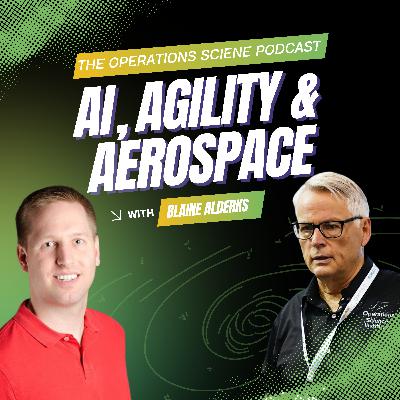
In this insightful episode of the Operations Science Podcast, we’re joined by Blaine Alderks, Head of Product Development at Windings, to explore the evolving world of high-performance electromechanical systems. Blaine shares lessons from over a decade in aerospace and defense, highlighting how agile product development, effective capacity planning, and cross-functional collaboration have transformed workflows at Windings.
We also dive deep into AI’s emerging role in engineering, how to manage rework and “tribal knowledge,” and the cultural nuances of engineering acquisitions. Whether you're a leader, engineer, or operations strategist, this conversation is packed with real-world takeaways on building reliable, mission-critical solutions while embracing change.
Key Topics :
- Fail Fast Culture in Product Development
- Knowledge Transfer Post-Acquisition
- AI in Engineering Workflows (Opportunities and Risks)
- Capacity and Lead Time Planning Using Operations Science
- Rework, Escapes, and Process Mapping
- The Shift from Stage Gates to Milestone-Based Planning
- Engineering Empathy and Leadership
- Blaine’s Personal Journey in Aerospace and Leadership
- Integrating Manufacturing Feedback into Product Development
- Managing Virtual Work-in-Process and Commitment Reliability
Chapters:
00:00 Introduction of Blaine Alderks from Windings
03:40 The Rise of Agile Product Development
09:20 Impacts of M&A on Engineering Teams
14:10 AI in Product Design
22:00 Working with Legacy Systems & Drawings
26:30 Capacity Planning & Lead Time Management
33:00 From Theory to Forecasting
37:30 Rework & Escape Tracking
42:10 Integrating Manufacturing Early
47:50 Milestones vs. Stage Gates
52:10 WIP Management & Virtual Queues
56:00 Weekly Planning & Commitment Reliability
1:00:30 Blaine’s Journey to Engineering
1:07:00 Leading with Empathy
1:11:00 Life Outside Work
1:14:00 Final Thoughts & Reflections
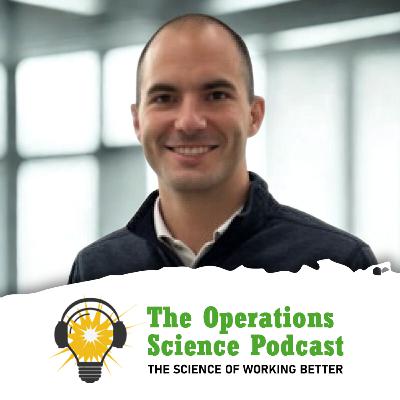
Join Ed Pound as he sits down with Frankie Swindell, Operations Manager at Flexon (Ingersoll Rand), for an in-depth conversation about managing operations in the critical medical device manufacturing sector. Discover how a seasoned operations leader navigates global supply chains, tariff challenges, and the transition from private equity to public company ownership.
Tune in inside:
Tariff impact strategies, supply chain resilience, private equity to public transition, operations excellence frameworks, capacity management, inventory optimization, cross-functional leadership, coaching methodologies, AI implementation
Take away:
Build supply chain resilience through dual-site operations and redundant capacity strategies
Understand operational differences between private equity and public company ownership models
Establish effective standard work frameworks while maintaining employee autonomy
Master cross-functional communication by learning to speak different departmental languages
Implement coaching-based leadership approaches that develop people rather than manage processes
Balance capacity utilization with variability management to optimize customer service
Create positive constraints to maximize productivity and work-life integration
Navigate complex customer relationships and supply chain partnerships
Chapters:
00:00 Introduction - The Hidden Heroes of Medical Device Manufacturing
01:26 Current Tariff Challenges and Global Operations Strategy
08:09 Private Equity to Public Company Transition Impact
17:01 Operations Excellence and Standard Work Frameworks
26:20 Chess and Wrestling Coaching Influence on Leadership
35:04 Cross-Functional Communication and Finance Partnership
42:10 Customer Relations and Supply Chain Integration
48:16 Artificial Intelligence in Manufacturing Operations
52:03 Personal Background and Entrepreneurial Journey
1:02:15 Family Life Lessons Applied to Operations Management
Quote of the show:
"Great coaches ask the questions to enable a good athlete or a good employee to solve their own problems"
Flexon manufactures critical rubber and silicone components found in brain shunts, pacemakers, and other life-saving medical devices. Under Frankie's leadership, the company manages operations across two sites with 190 employees, generating approximately 40 million dollars annually. His unique background combines ten years of manufacturing experience with competitive chess and wrestling coaching, bringing a distinctive perspective to operations management.
The conversation explores how global events like COVID-19 and tariff policies have shaped manufacturing strategies. Frankie shares insights on building resilient supply chains through geographic diversification and redundant capacity planning. The discussion reveals how operational excellence creates systems that adapt and thrive under uncertainty.
Listeners will gain practical insights into operations science principles in high-stakes medical device manufacturing, where precision directly impacts patient outcomes. The episode demonstrates how concepts like Theory of Constraints translate into real-world decisions affecting both performance and life-saving treatments.
Subscribe to The Operations Science Podcast for more insights from industry leaders applying scientific principles to solve operational challenges. Like this episode if you found value in Frankie's perspective on leadership and operations management.
#operationsmanagement #medicaldevicemanufacturing #supplychainresilience #leadershipcoaching #operationsscience #manufacturingexcellence #processimprovement #capacitymanagement #inventoryoptimization #crossfunctionalleadership #AIinmanufacturing #tariffstrategy #flexon #ingersollrand
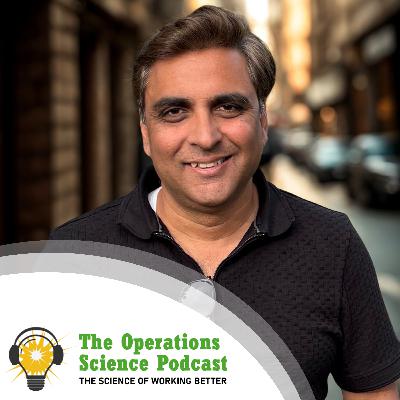
In this episode of The Operations Science Podcast, your host Ed Pound welcomes Rahul Teotia, a seasoned executive with vast global experience in leading supply chain and operations functions across various industries. Rahul shares his invaluable insights on building high-performing teams, navigating digital transformations, and simplifying complex processes to achieve significant impacts. This conversation is packed with actionable advice for any leader looking to drive operational excellence in a global context.
Tune in inside to learn about:
Building high-performing international teams.
The importance of listening and servant leadership.
Effective change management strategies.
The role of AI and automation in modern operations.
Simplifying complex processes for major impact.
Navigating cross-cultural challenges in global business.
Maintaining work-life balance in a demanding career.
Takeaways:
When stepping into a new leadership role, the first couple of months should be dedicated to listening to understand the company's strategy, culture, and business pain points before implementing changes.
Building trust with a new team is crucial; this can be fostered by meeting people face-to-face, involving them in decision-making, and appreciating their existing knowledge and contributions.
Successful change management hinges on identifying the "why" behind the change, structuring a dedicated team to lead the initiative, and managing stakeholders' expectations through clear and consistent communication.
Technology and automation should be implemented to make people more effective and enable strategic decision-making, not just to replace them. It's vital to understand the process you want to improve before applying a technological solution.
Simplifying processes, such as centralizing purchasing for multiple sites, can lead to significant improvements in material availability and efficiency, even with complex legacy systems.
Living and working in different countries provides invaluable experience in managing cross-cultural relationships and adapting to new environments, a key skill for global leaders.
Chapters:
00:00 - Intro
02:05 - Best Practices for Forming High-Performing Teams
05:04 - Balancing Leadership Styles to Establish Trust
08:00 - The Impact of Cross-Cultural Experience
10:10 - Biggest Challenges in Supply Chain and Operations Leadership
12:34 - The Critical Role of Planning in Operations
16:02 - Evaluating the Trade-offs of Automation
19:15 - Simplifying Complex Processes for Major Impact
25:25 - Mastering the Art of Change Management
31:02 - Understanding Flow, Variability, and Capacity
33:05 - Opportunities and Challenges of AI in Operations
39:39 - Favorite Mistakes and Leadership Lessons
45:55 - Early Life and Path to Operations Leadership
49:31 - Maintaining Work-Life Balance
55:21 - Outro
Quote of the show:
"If you are working too late in the night, that means either you're not being productive and smart in what you do, or you have too much on your plate."
Hashtags:
#OperationsScience #SupplyChain #Leadership #GlobalOperations #RahulTeotia #OperationalExcellence #ChangeManagement #TeamBuilding #DigitalTransformation #AIinBusiness #ProcessImprovement #LeanManufacturing #Podcast
For more on Thermo Fisher Scientific see
https://corporate.thermofisher.com/us/en/index/newsroom/Our-stories.html
If you enjoyed this episode, please subscribe, leave a review, and share it with your colleagues! Join the conversation and learn more at Opscience.org.
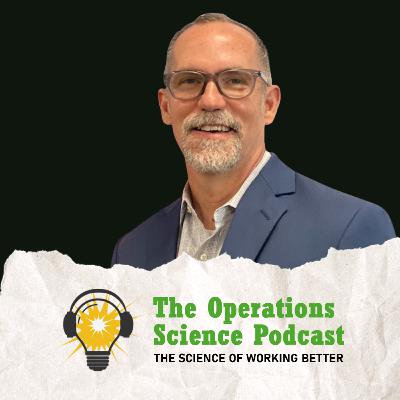
In this episode of the Operations Science Podcast, host Ed sits down with Mike McBride, the leader of Delta Tech Ops, Delta Air Lines’ maintenance, repair, and overhaul powerhouse. Together, they explore the monumental operational challenges faced during and after the COVID-19 pandemic, including grounding and maintaining a fleet of over 900 aircraft, navigating supply chain chaos, and rebuilding a workforce after significant attrition. Mike shares insights on how Delta Tech Ops not only stabilized its operations but transformed into an industry leader in efficiency and innovation.
The discussion delves into the practical application of operational science and continuous improvement throughout the organization, from rethinking training approaches to leveraging artificial intelligence for predictive maintenance and inventory forecasting. Hear real stories about team reinvention, shop-floor problem-solving, and why a strong foundation in operational science helped Delta Tech Ops become two to four times faster than competitors in engine turnaround time.
This episode is a compelling story of resilience, reinvention, and the science behind superb, sustained performance in airline operations. Whether you’re a professional in aviation, operations, or just fascinated by how big organizations adapt to seismic change, you’ll come away with valuable lessons and fresh perspectives.
Key Topics:
•Overcoming operational and supply chain chaos in post-pandemic aviation
•Workforce transformation: Training and integrating a new generation of technicians
•Rethinking shop-floor processes and stabilizing engine repair operations
•The power of operational science in building a common language and framework for improvement
•How AI-driven forecasting revolutionizes inventory management and reliability
•Insights on leadership, problem-solving, and building a resilient team
Tune in for an episode packed with real-world strategies and expert insights from the frontlines of airline operations!
chapters
Introduction & Guest Welcome
Navigating COVID-19: Initial Challenges
Workforce Reductions and Recovery
Parking and Maintaining Aircraft During the Pandemic
Rehiring and Training After COVID
Overcoming Supply Chain and Turn Time Issues
Stabilizing Operations Amid Chaos
Building a New Training and Production Model
Forecasting and AI-Driven Improvements
Reestablishing Continuous Improvement Culture
Operations Science Training at Delta Tech Ops
Measurable Results in Turnaround Time
The Impact of Operations Science on Problem Solving
AI and Data in Maintenance Operations
Mike McBride’s Career Path and Reflections
Closing Remarks and Takeaways
Quote of the show
from ground level experience to executive leadership, from wrench turning to wide body strategy, this is a story of resilience, reinvention and the science behind superb sustained operations performance
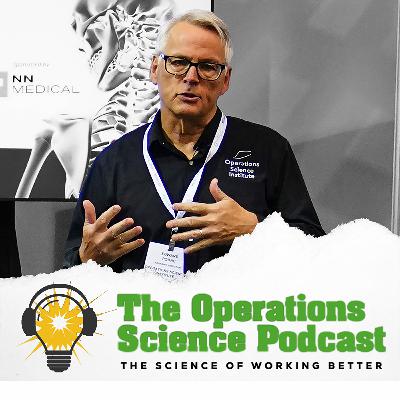
Welcome to the premiere episode of the Operations Science Podcast, where we dive into the art and science of operational excellence to help you transform the way you work! Hosted by industry veteran Ed Pound, this episode unveils the power of Operations Science—a first-principles approach to boosting efficiency, productivity, and success across all industries, from manufacturing and healthcare to aerospace, software development, and beyond. Whether you're a nurse juggling patient overload, a project manager battling deadlines, or a plant manager tackling excess inventory, this podcast is your guide to mastering operations with practical, science-backed strategies.
In this episode, Ed introduces the vision behind Operations Science, explaining how it cuts through the confusion of competing methodologies like Lean, Six Sigma, and Theory of Constraints. Learn how to apply fundamental laws of capacity, inventory, time, and variability to streamline processes and achieve exceptional results. We explore real-world challenges, like Delta Tech Ops’ post-COVID recovery, where Operations Science provided a framework to stabilize and rebuild their production system. Ed also shares his entrepreneurial journey, from oil rig construction to pioneering Operations Science, offering insights into leadership, resilience, and innovation.
Expect captivating stories of triumphs and failures from C-suite executives, plant managers, continuous improvement leaders, and project managers across diverse sectors. Discover actionable tips to enhance your operations, reduce chaos, and empower your team—no matter your role or industry. From healthcare to software development, Operations Science reveals universal principles that drive success.
Join us weekly for inspiring conversations with industry trailblazers who share their experiences, best practices, and lessons learned. Subscribe now to the Operations Science Podcast on YouTube, Spotify, or Apple Podcasts, and don’t miss out on transforming your operations. Visit opscience.org to connect with the Operations Science Institute, share your insights, and join a community dedicated to operational excellence. Rate, review, and share this episode to help others discover the science of better work!
Takeaways
Operations Science Defined: Operations Science is a first-principles approach to improving work effectiveness and efficiency across all industries, not just manufacturing. It focuses on fundamental laws of capacity, inventory, time, and variability to streamline processes.
Universal Applicability: The principles of Operations Science apply to diverse sectors, including healthcare (e.g., nurses managing patient loads), project management (e.g., handling delays), software development, aerospace, and construction, addressing both physical and knowledge-based work processes.
Cutting Through Confusion: Unlike competing methodologies like Lean, Six Sigma, or Theory of Constraints, Operations Science starts from basic scientific relationships, clarifying how to enhance existing continuous improvement efforts without replacing them.
Practical Solutions for Real Challenges: The podcast emphasizes actionable strategies for operational issues, such as stabilizing production systems post-crisis (e.g., Delta Tech Ops’ recovery after COVID) by providing a common framework for training and execution.
Learning from Success and Failure: The show will feature guests from various industries (C-suite executives, plant managers, continuous improvement leaders) sharing both triumphs and failures to provide valuable lessons for listeners.
Quote of the show
Operations Science is about how people can be more effective and more efficient in the work they do.
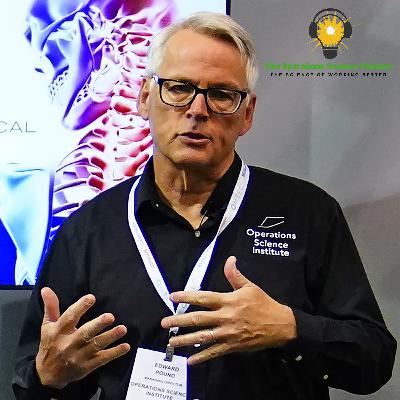
The Operations Science Podcast: Authentic Leadership Stories from Operations and Project Leaders
Welcome to The Operations Science Podcast, the premier destination for authentic, in-depth conversations with operations and project leaders who share real-life stories of their career triumphs, setbacks, and the invaluable insights gained along the way. Hosted with a passion for uncovering the strategies and mental frameworks that drive success, this podcast is a must-listen for executives, managers, and aspiring leaders in industries such as general manufacturing, medical devices, aerospace, maintenance, repair, and overhaul (MRO) companies, and diagnostic labs. With a focus on leadership, operational excellence, and continuous improvement, each episode delivers actionable takeaways to help you navigate the complexities of modern business landscapes.
What to Expect from The Operations Science Podcast
Our guests include C-level executives, VPs of operations and supply chain, directors, managers, and thought leaders from trade associations, industry groups, and standards organizations. These seasoned professionals bring a wealth of experience in leadership, decision-making, and execution, offering unique perspectives on operational challenges like rapid change, uncertainty, innovation, evolving workforce expectations, talent development, and organizational culture. Whether you're a forward-thinking executive or a continuous improvement enthusiast, this podcast provides a platform to learn from the best in the field.
Each episode dives deep into the personal journeys of high-performance leaders, exploring their successes, failures, and comebacks. From building high-performance teams to driving strategic transformation and maintaining clarity under pressure, our guests share the mental tools, frameworks, and strategies that have enabled them to lead with confidence, resilience, and foresight. This isn’t just another business podcast—it’s a forum for high-level executives to openly discuss the real challenges of operational management and the mental fitness required to thrive at the top.
Why Listen to The Operations Science Podcast?
Authentic Storytelling: Hear real-life stories from operations and project leaders who have navigated the highs and lows of leadership in dynamic industries.
Actionable Insights: Gain practical strategies for overcoming operational challenges, fostering innovation, and building resilient teams.
Diverse Perspectives: Learn from a wide range of guests, including C-suite executives, industry group leaders, and continuous improvement experts.
Inspiration for Growth: Discover how top leaders adapt to change, inspire their teams, and make high-stakes decisions with clarity and confidence.
Industry-Specific Focus: Explore winning practices and leading trends in general manufacturing, medical devices, aerospace, MRO, and diagnostic labs.
Who Should Listen?This podcast is designed for:
C-level executives and VPs of operations/supply chain seeking to sharpen their leadership skills
Directors and managers in operations, project management, or continuous improvement roles
Professionals in general manufacturing, medical devices, aerospace, MRO, and diagnostic labs
Aspiring leaders looking to learn from the experiences of seasoned executives
Members of trade associations, industry groups, and standards organizations interested in industry trends and winning practices
How to Listen
The Operations Science Podcast is available on major platforms, including YouTube, Spotify, Apple Podcasts, and more. Subscribe today to get notified about new episodes and gain access to a growing library of leadership insights. Follow us on LinkedIn and other social media platforms for daily short-form video clips that deliver quick, actionable tips from our guests.
Comments


Download from Google Play

Download from App Store
 United States