


 Claim Ownership
Films Change Lives
Subscribed: 0Played: 0
Subscribe

© Elsie Walker
Description
I believe that many films can change our lives for the better. I interview scholars about the films that have had a lasting impact on who they are and what they believe cinema can do in real-world ways.
filmschangelives.substack.com
filmschangelives.substack.com
7 Episodes
Reverse
This podcast reflects my love of cinema and hearing about the films that have changed other people’s lives for the long term. While I’m an established scholar, editor, and author who loves sharing my own love of cinema, I’ve come to realize that it’s the dialogues with others that teach me the most. This is a public episode. If you would like to discuss this with other subscribers or get access to bonus episodes, visit filmschangelives.substack.com
We discuss:The dearth of nuanced representations of deaf people on film, and CODA as an important new exampleASL in cinema: pitfalls and opportunities for relaying physicalized expressivityMusic as self-expression in relation to coming-of-age and personal growth across generationsPerfectly imperfect parenting Leftist emphases on community-minded, localized solidarityThe value of generative quietA film that inspires amateur music-making Connecting music with togetherness in CODA This is a public episode. If you would like to discuss this with other subscribers or get access to bonus episodes, visit filmschangelives.substack.com
We talk aboutThe deceptively simple plot of The Quiet GirlExquisitely nuanced visual and sonic details of life within itThe distinctively Irish vision and mindset of the filmThe Irish language being featured (unusually for a globally successful release)Sharing the film experience with loved ones who will understandThe difference between realizing and verbalizing what is to be understood in this very subtle filmThe significance of subtexts throughout the filmPainful suppressed truths of dysfunctional family life and potential domestic abuseMusic relaying consciousnessStephen Rennicks’ compositional styleSubtleties of sound effects and Foley artistrySonically being in the worldUnspoken but full loveSmall but crucial acts of kindness This is a public episode. If you would like to discuss this with other subscribers or get access to bonus episodes, visit filmschangelives.substack.com
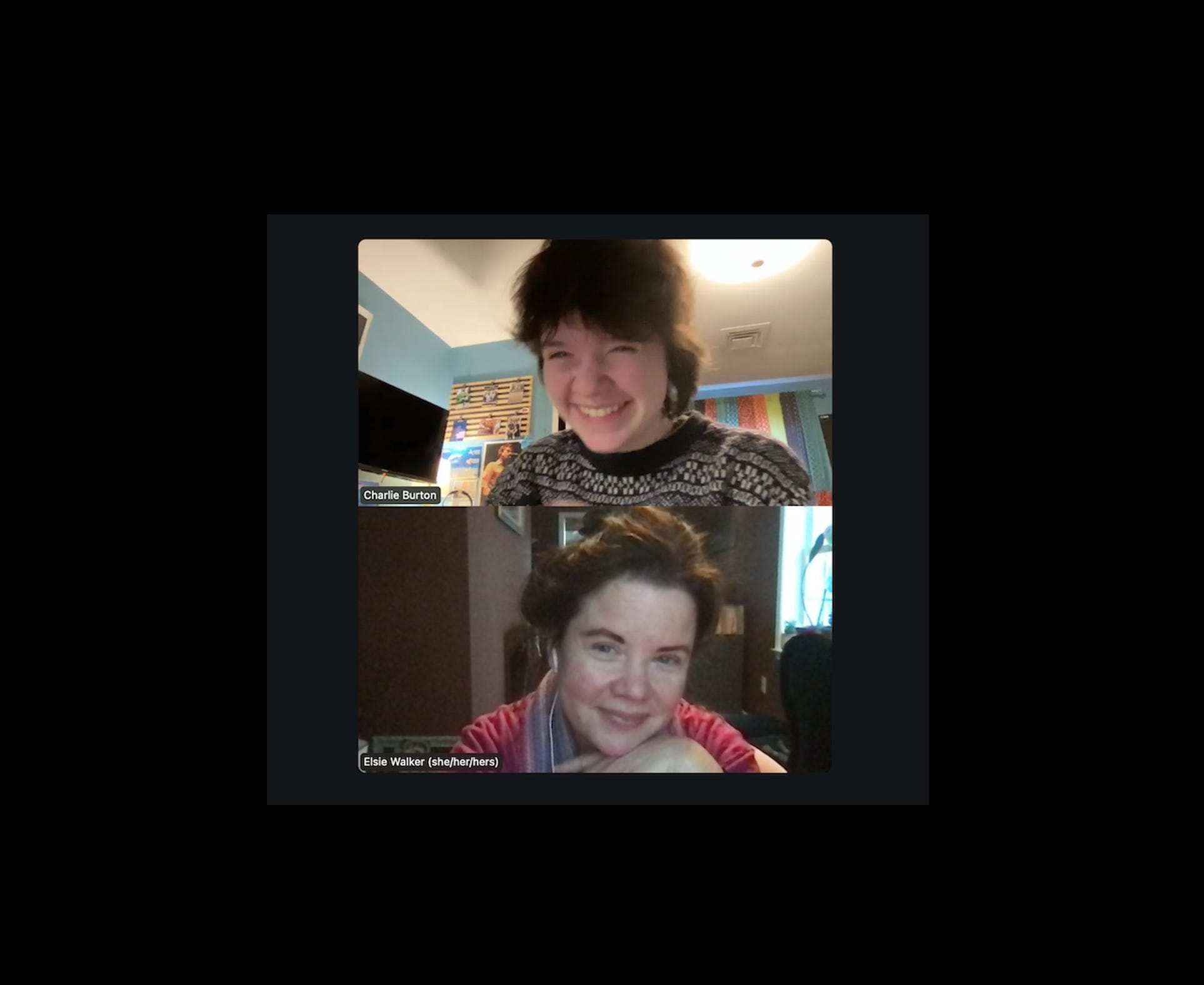
Please forgive the relatively low-grade quality of this pilot episode. We recorded it at home via Zoom, which felt right because of the personal subject matter. It was a cold, snowy, winter day, and the film uplifted us. We discussed:Processing the film together, in real time, while it was still freshBeing virtually “seen” by the filmQueer isolationQueer children and their parentsMulti-generational politics of queernessTranscending time and deathCommunication with the deceasedHope beyond tragic ends This is a public episode. If you would like to discuss this with other subscribers or get access to bonus episodes, visit filmschangelives.substack.com
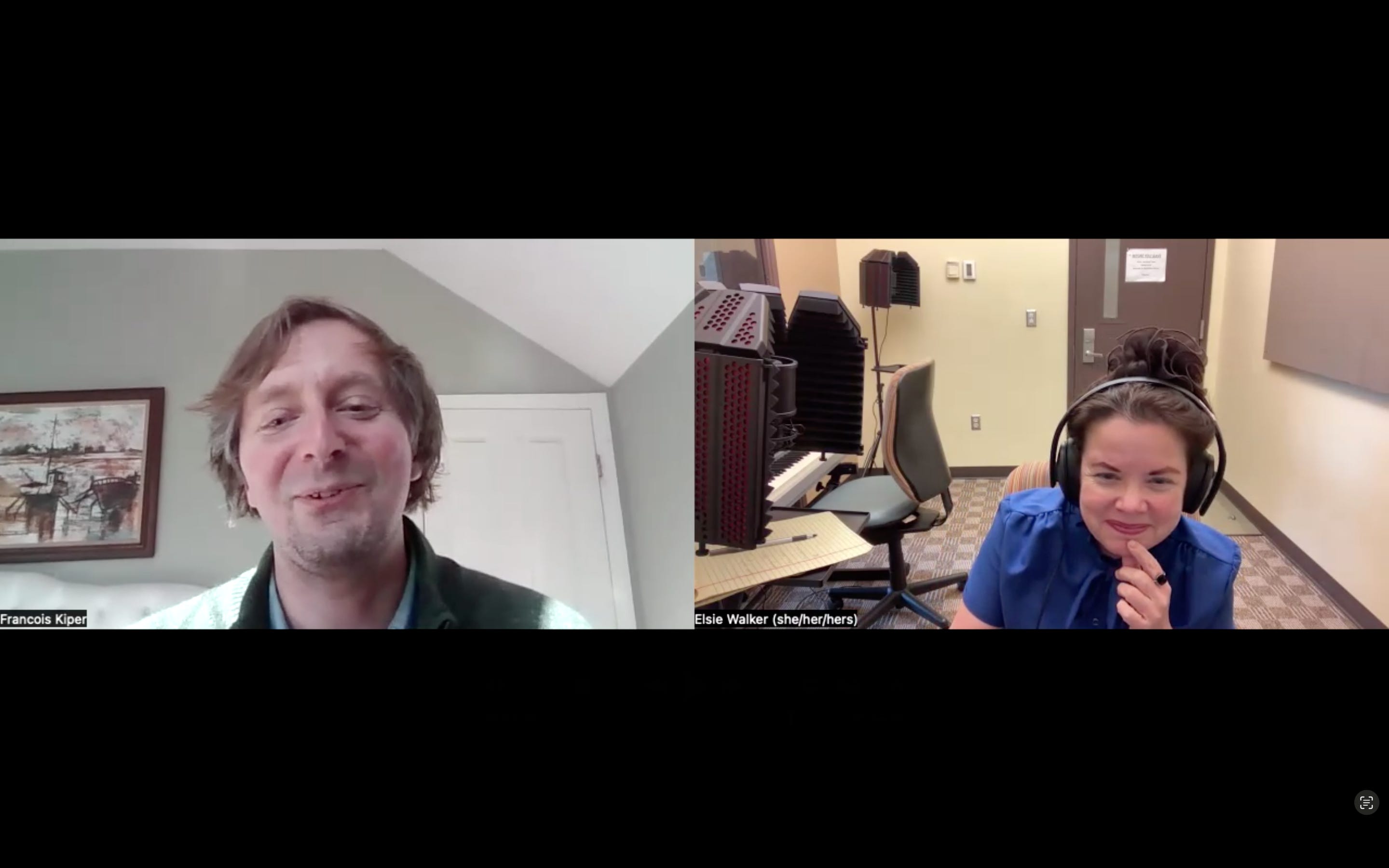
We discuss:Algeria’s War of IndependenceWillful forgetting and the obligation to remember colonial historyThe reality of France's (post)colonial impactPersonal and collective guilt and intentional amnesiaInter-generational traumaThemes of personal, national, and multi-national guiltThe obligation to confront the harms of history, even when they implicate one’s own familyThe massacre of French Algerians on October 17, 1961, led by Maurice PaponThe reality of France, and especially Paris, as a divided placeMaurice Bénichou’s performance in relation to the star power of Daniel Auteuil and Juliette BinocheHow we individually and collectively respond to the painful ripples of historyW. H. Auden’s poem, “Musée des Beaux Arts” This is a public episode. If you would like to discuss this with other subscribers or get access to bonus episodes, visit filmschangelives.substack.com
We discuss:A children’s film for adultsFamily and friendshipGriefNon-linear timeMaximalist fiction in contrast with this minimalist filmFather/child dynamicsMother/grandmother/daughter dynamicsThe non-existence of objective timeThe value of subjective timeCarlo Rovelli’s work on time from a scientific POVHanna Meretoja’s “The Ethics of Storytelling”Freud’s fort-da game, and the reality of a child needing to “let go” of the parentInhabiting the space of the filmObjects that speakSharing the film with loved ones This is a public episode. If you would like to discuss this with other subscribers or get access to bonus episodes, visit filmschangelives.substack.com
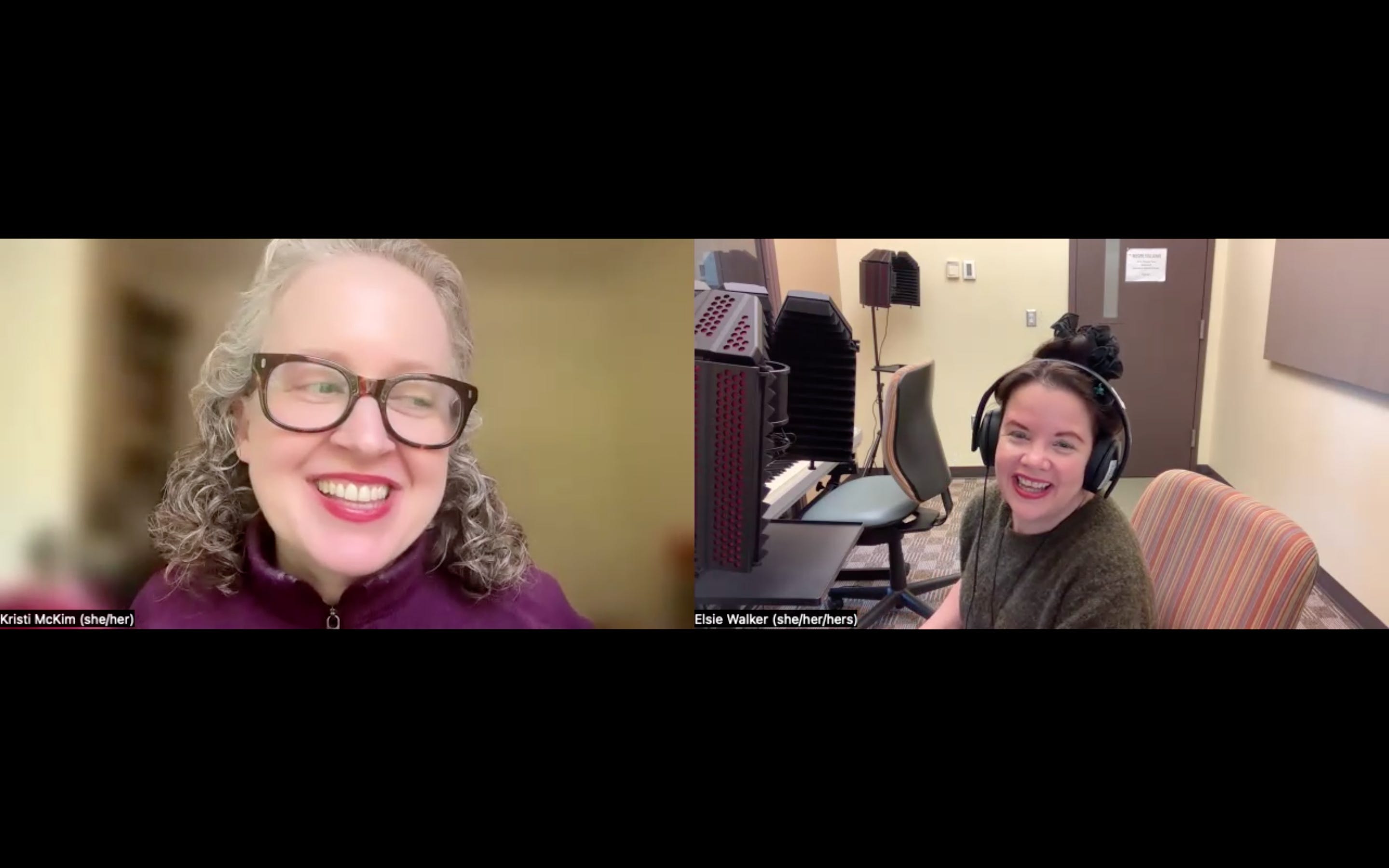
We discuss:Greta Gerwig’s distinct directorial approachAuthentically representing teenage life and beingSocial class in AmericaEmotional realnessMeaningful ellipsesPhil Lowrie and “Crash Into Me” as a “crystal song”Stand-out performances by Saoirse Ronan Laurie MetcalfMaternal melodramaSuppressed emotional truths and poignant subtexts of life at high schoolSisterhood beyond the family This is a public episode. If you would like to discuss this with other subscribers or get access to bonus episodes, visit filmschangelives.substack.com
Comments

Download from Google Play

Download from App Store
 United States