


 Claim Ownership
Medfoundation Into The Well
Subscribed: 0Played: 0
Subscribe

All right reserved ©
Description
My name is Jay Lisker, I am a Cardiologist, still board certified in Internal Medicine and I have a busy office practice where I serve as Medical Director of Northwell Health Physician Partners, Cardiology at Great Neck. My role as a Clinical Assistant Professor of Cardiology at the Zucker School of Medicine at Hoftsra/Northwell affords me the opportunity to teach third year medical students in their continuity clinical rotation.
"Into the Well" is a Podcast dedicated to answering questions and providing information to you, our General Internal Medicine colleagues. You, are our our front-line physicians and it is our duty to supply you with the knowledge and expertise that you will need as you encounter a vast array of people with medical concerns and concerning symptoms. Patients expected you have familiarity with all of the possible conditions that would explain their symptoms or laboratory anomalies. That's where we can help.;
"Into the Well" is a Podcast dedicated to answering questions and providing information to you, our General Internal Medicine colleagues. You, are our our front-line physicians and it is our duty to supply you with the knowledge and expertise that you will need as you encounter a vast array of people with medical concerns and concerning symptoms. Patients expected you have familiarity with all of the possible conditions that would explain their symptoms or laboratory anomalies. That's where we can help.;
22 Episodes
Reverse

My name is Jay Lisker, I am a Cardiologist, still board certified in Internal Medicine and I have a busy office practice where I serve as Medical Director of Northwell Health Physician Partners, Cardiology at Great Neck. My role as a Clinical Assistant Professor of Cardiology at the Zucker School of Medicine at Hoftsra/Northwell affords me the opportunity to teach third year medical students in their continuity clinical rotation. "Into the Well" is a Podcast dedicated to answering questions and providing information to you, our General Internal Medicine colleagues. You, are our our front-line physicians and it is our duty to supply you with the knowledge and expertise that you will need as you encounter a vast array of people with medical concerns and concerning symptoms. Patients expected you have familiarity with all of the possible conditions that would explain their symptoms or laboratory anomalies. That's where we can help.;

The Health Benefits of Proper Nutrition By Aldo Alleva, MD
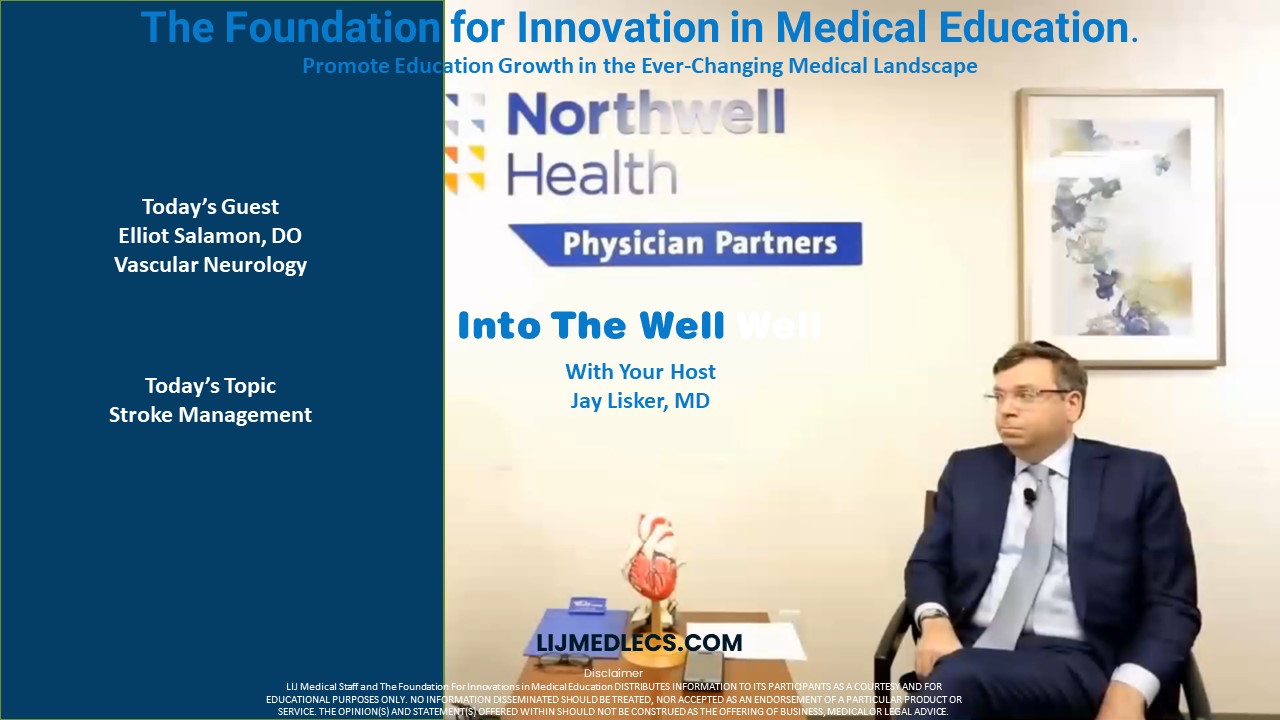
Your host Jay Lisker, MD Cardilogist and Guest Elliot Salamon, DO Vascular Neurology My name is Jay Lisker, I am a Cardiologist, still board certified in Internal Medicine and I have a busy office practice where I serve as Medical Director of Northwell Health Physician Partners, Cardiology at Great Neck. My role as a Clinical Assistant Professor of Cardiology at the Zucker School of Medicine at Hoftsra/Northwell affords me the opportunity to teach third year medical students in their continuity clinical rotation. "Into the Well" is a Podcast dedicated to answering questions and providing information to you, our General Internal Medicine colleagues. You, are our our front-line physicians and it is our duty to supply you with the knowledge and expertise that you will need as you encounter a vast array of people with medical concerns and concerning symptoms. Patients expected you have familiarity with all of the possible conditions that would explain their symptoms or laboratory anomalies. That's where we can help.;

ASPIRIN THERAPY Your host Jay Lisker, MD Cardilogist and Guest David L Stern, MD Cardiologist My name is Jay Lisker, I am a Cardiologist, still board certified in Internal Medicine and I have a busy office practice where I serve as Medical Director of Northwell Health Physician Partners, Cardiology at Great Neck. My role as a Clinical Assistant Professor of Cardiology at the Zucker School of Medicine at Hoftsra/Northwell affords me the opportunity to teach third year medical students in their continuity clinical rotation. "Into the Well" is a Podcast dedicated to answering questions and providing information to you, our General Internal Medicine colleagues. You, are our our front-line physicians and it is our duty to supply you with the knowledge and expertise that you will need as you encounter a vast array of people with medical concerns and concerning symptoms. Patients expected you have familiarity with all of the possible conditions that would explain their symptoms or laboratory anomalies. That's where we can help.;
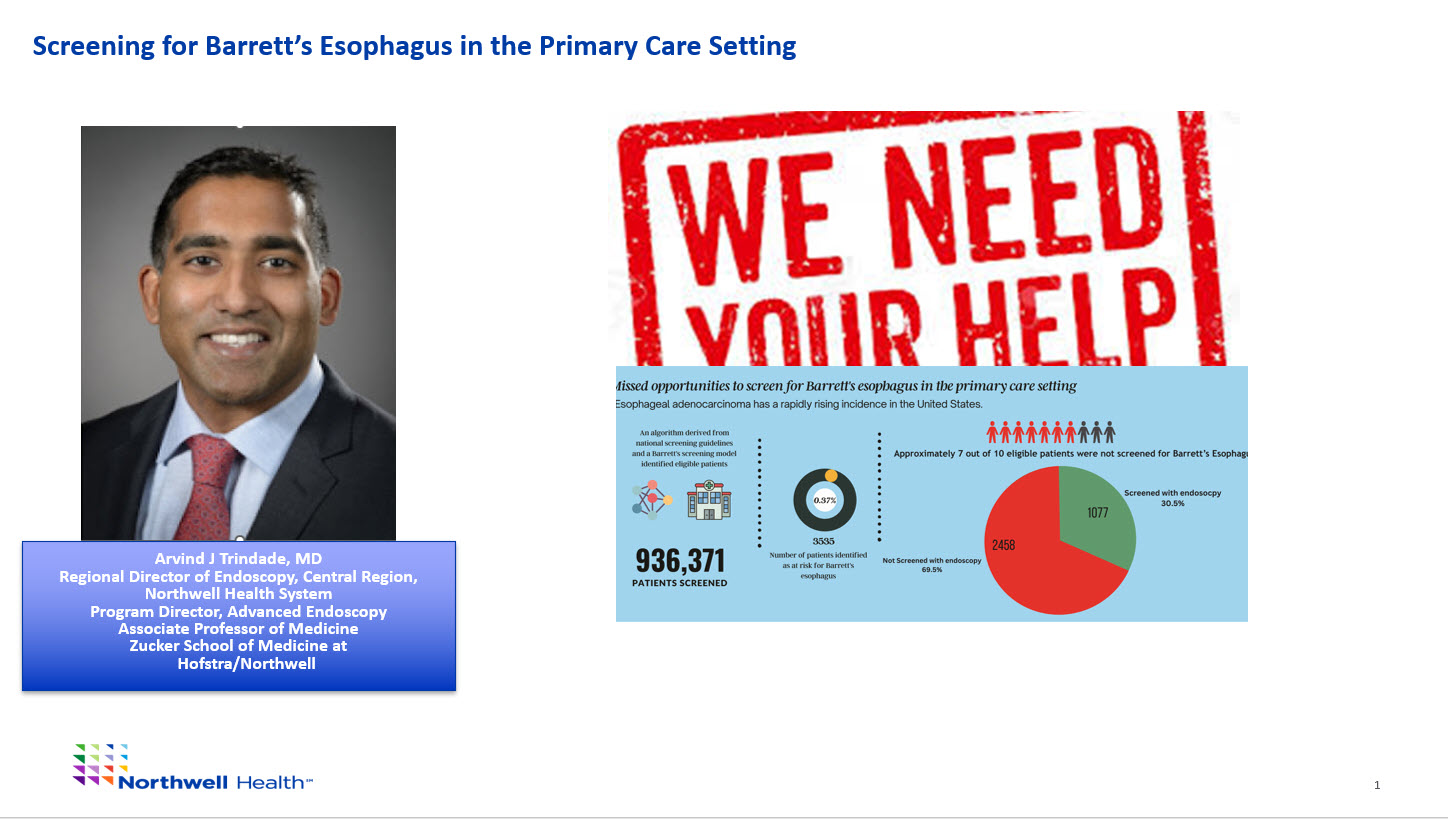
Barrett's esophagus is a condition in which the cells lining the esophagus change and become abnormal, increasing the risk of developing esophageal cancer. It is commonly seen in patients with chronic gastroesophageal reflux disease (GERD). In the primary care setting, there are several steps that can be taken to manage Barrett's esophagus and reduce the risk of cancer development. Screen patients with GERD: Patients with chronic GERD should be screened for Barrett's esophagus. This can be done using an upper endoscopy with biopsy. Manage GERD symptoms: Patients with GERD should be treated with lifestyle modifications such as weight loss, avoiding trigger foods, and elevating the head of the bed. Medications such as proton pump inhibitors (PPIs) can also be prescribed to reduce acid reflux. Monitor for dysplasia: Patients with Barrett's esophagus should be monitored for dysplasia, which is a pre-cancerous change in the cells of the esophagus. This can be done with regular endoscopies and biopsies. Refer to a specialist: Patients with high-grade dysplasia or other concerning findings on endoscopy should be referred to a gastroenterologist or other specialist for further evaluation and management. Educate patients: Patients with Barrett's esophagus should be educated about their condition and the importance of regular monitoring. They should also be informed about lifestyle modifications and medication management for GERD. In summary, primary care providers play an important role in the management of Barrett's esophagus. Screening, management of GERD symptoms, monitoring for dysplasia, referral to a specialist when necessary, and patient education are all key components of care.
Pancreatic cysts are fluid-filled sacs that can form in the pancreas. They are relatively common, with estimates suggesting that up to 13% of the population may have pancreatic cysts. While most pancreatic cysts are benign, some can be precursors to pancreatic cancer. As a result, managing pancreatic cysts is an important part of primary care. The first step in managing pancreatic cysts is to determine their type. There are several types of pancreatic cysts, including serous cystic neoplasms, mucinous cystic neoplasms, intraductal papillary mucinous neoplasms, and solid pseudopapillary neoplasms. Each type of cyst has different characteristics and requires different management strategies. Initial evaluation of a pancreatic cyst often involves a detailed medical history and physical exam, along with imaging studies such as ultrasound, computed tomography (CT), or magnetic resonance imaging (MRI). If the cyst appears suspicious or has concerning features on imaging, referral to a gastroenterologist or pancreatic specialist may be necessary for further evaluation and management. In general, small, asymptomatic pancreatic cysts that appear benign on imaging may simply require periodic monitoring with imaging studies. Larger or symptomatic cysts, or those with concerning features, may require further evaluation, such as endoscopic ultrasound (EUS) with fine-needle aspiration (FNA) or biopsy. In summary, managing pancreatic cysts in the primary care setting involves identifying the type of cyst, assessing its characteristics, and determining the appropriate management strategy based on the individual patient's situation. Referral to a specialist may be necessary in some cases.
SGLT2 inhibitors are a class of oral medications used to treat type 2 diabetes by lowering blood glucose levels. They work by inhibiting the reabsorption of glucose in the kidneys, allowing excess glucose to be excreted in the urine.

Not your everyday lecture on Hypertension (Hypertension 2030) We are excited to invite you to an online presentation by Dr. Howard Kerpen who presents an advanced outlook on the future of hypertension management, focusing on groundbreaking treatments designed to address the global crisis of uncontrolled high blood pressure. He emphasizes that current clinical outcomes remain poor, with rising mortality rates and a high prevalence of resistant hypertension that standard medications fail to resolve. The discussion highlights several cutting-edge pharmacological advancements, including gene-silencing therapies like Zilbesiran and selective aldosterone synthase inhibitors such as Baxdrostat.

Female Urinary Incontinence Stress incontinence: Leakage with effort or pressure such as coughing, laughing, sneezing, lifting, or exercise. Urgency incontinence: Sudden, compelling urge to urinate that is hard to delay, often causing leakage on the way to the toilet. Mixed incontinence: Combination of stress and urgency symptoms, very common in women. This session will delve into the latest diagnostic and treatment strategies for this prevalent condition. Samir Derisavifard, MD

This presentation is focus on cutting-edge approaches in the realm of prostate cancer detection, with a particular emphasis on the transformative transperineal approach to biopsy. This presentation offers a unique opportunity to stay abreast of the latest research findings and clinical applications in the management of Prostate cancer.
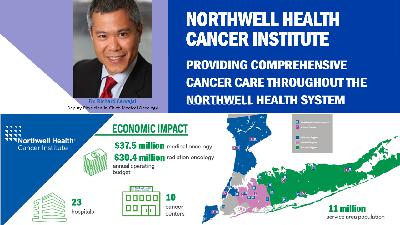
Northwell Health Cancer Institute Providing comprehensive cancer care throughout the Northwell Health System

This session will focus on the latest insights into coronary calcium scoring, its clinical applications, Key Discussion Points: The role of coronary calcium scoring in cardiovascular risk stratification. How CTA technology enhances precision in diagnosing coronary artery disease. Practical applications of calcium scoring in guiding treatment decisions. Case studies highlighting the use of coronary calcium scoring in clinical practice
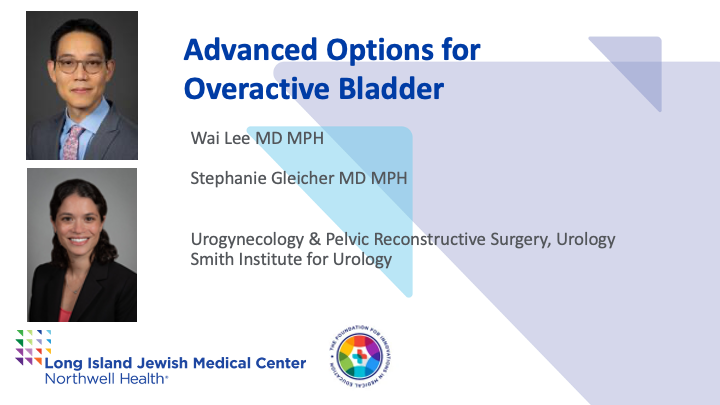
Advanced Options for Overactive Bladder We are excited to invite you to an online presentation on Advanced Options for Overactive Bladder, led by Wai Lee, MD, MPH, and Stephanie Gleicher, MD, MPH.This session will delve into the latest diagnostic and treatment strategies for this prevalent condition, offering evidence-based insights to enhance your clinical practice. Dr. Wai Lee and Dr. Stephanie Gleicher will provide an overview of: Overview of overactive bladder: Challenges and patient impact. Advanced diagnostic strategies and tools. Innovations in pharmacologic, non-pharmacologic, and procedural treatments.

Doctor Shaheer Ahmad Khan will present Overview of Immune Checkpoint Inhibitors and their mechanism of action. Current clinical applications and efficacy of these therapies in various cancers. Managing immune-related adverse events: Best practices and guidelines.
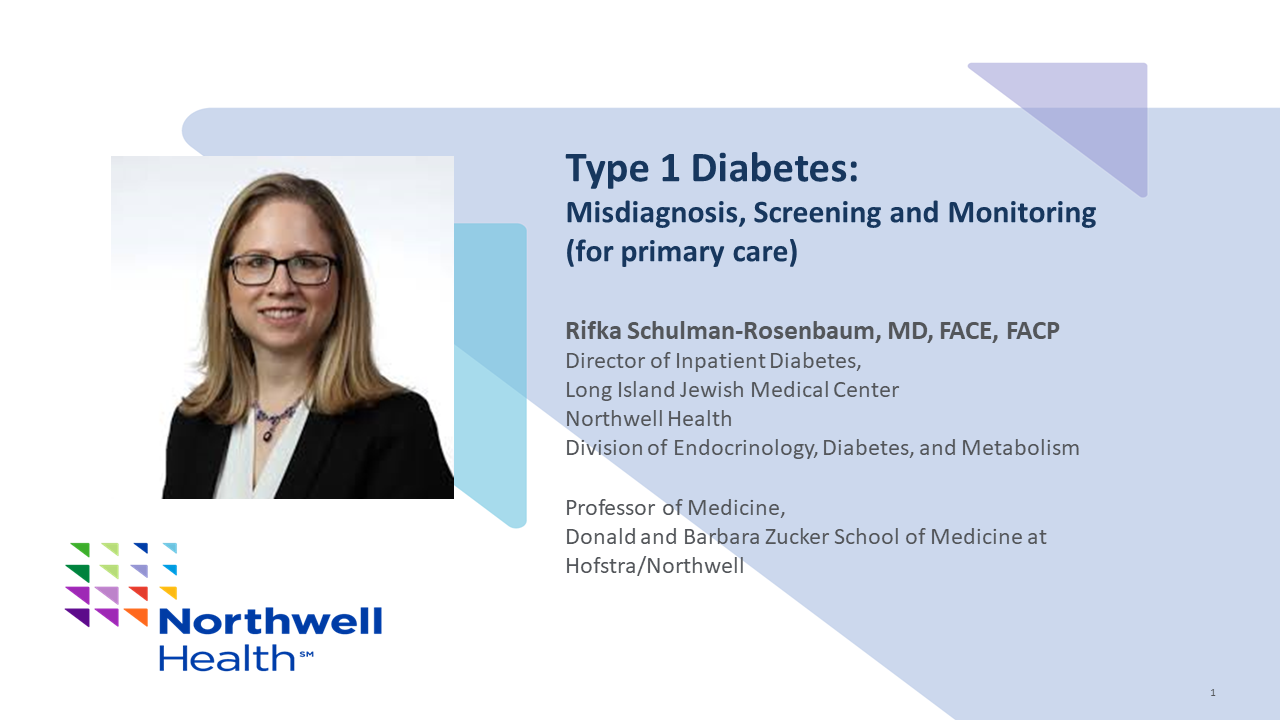
Dr. Rifka Schulman Rosenbaum will provide an overview of current challenges in treating Type 1 Diabetes as well as an exploration of innovative therapies and emerging treatments.
We are excited to invite you to an online presentation on Genetic Therapies for Sickle Cell Disease, presented by Jonathan Davi Fish, MD Pediatric Hematology Oncology. This session will delve into the latest diagnostic and treatment strategies for this condition. Dr. Fish will provide: A brief primer on sickle cell disease Gene therapy techniques Gene therapy in practice Jonathan Davi Fish, MD Pediatric Hematology Oncology.

This session will focus on the latest insights into coronary calcium scoring, its clinical applications, Key Discussion Points: The role of coronary calcium scoring in cardiovascular risk stratification. How CTA technology enhances precision in diagnosing coronary artery disease. Practical applications of calcium scoring in guiding treatment decisions. Case studies highlighting the use of coronary calcium scoring in clinical practice


Amyloid The video podcast is an interview with cardiologist David L Stern, MD, who shares his expertise on Amyloid and discusses the latest research, treatments, and management strategies for patients with Amyloidosis.

Dr. Howard Kerpen will provide an overview of: Mechanism of action of antisense oligonucleotides. Current therapeutic applications in genetic, neurological, and rare diseases. Challenges in development and strategies to overcome them.

Comments

Download from Google Play

Download from App Store
 United States