DiscoverThe Interface
The Interface
Claim Ownership

The Interface

Author: BBC

Subscribed: 29,522Played: 74,854
Share

Description

What happens when technology collides with real life?

Hosted by BBC technology journalist Thomas Germain and social media expert Professor Jessica Maddox, The Interface dives into the stories, trends, apps, gadgets, algorithms and internet obsessions shaping how we live, work, think and connect.

From AI and influencers to memes, data leaks, cybersecurity and the weirdest corners of the web, The Interface explores what happens when technology collides with real life. Cutting through the hype, the hosts unpack the platforms, products and online phenomena that increasingly shape our choices, our culture and our sense of self - whether we like it or not!

Sharp, insightful and often very funny, The Interface examines our relationship with technology in all its messy, brilliant, absurd and world-changing glory. Along the way, it tackles one of the biggest questions of our age: what kind of future are the likes of Elon Musk, Chat GPT and all the other Silicon Valley giants building, and does anyone really want to live there?

22 Episodes
Reverse
The Interface returns for season two with a new co-host. BBC technology columnist Thomas Germain is joined by Jessica Maddox, a University of Georgia professor who studies memes and internet culture, to break down the tech stories that actually matter in your day-to-day life.Is AI going to kill us all? After high-profile tech workers warned of an AI apocalypse, Tom and Jess look at where the industry's "P(doom)" numbers come from and why some experts say they're based on vibes rather than science. They weigh warnings from Anthropic safety advisor Evan Hubiger, against computer scientist Yann LeCun's view that the risk is close to zero, and ask why AI companies are calling for regulation just before the US midterms.Meta's Muse AI agent: what happens when you give an AI agent access to your inbox? Tom sets up Muse, Meta's new personal AI agent, and hands over 20 years of emails and his calendar. It can negotiate bills and buy things on your behalf, but what does it mean for privacy and the very future of the internet? Tom and Jess discuss the flaws found in the days after launch, and looks at what Meta says it is doing to protect users' data.In response to this discussion, a Meta spokesperson told us that Muse is “designed to be safe, secure and private – with built-in protections and user controls that put people in charge of how they use it." They added that safety and security was a "huge priority" and that Muse had been tested extensively and any identified vulnerabilities had been fixed. Meta says Muse is designed to respect the interests of websites it uses. The company also says users have complete control over what information and services Muse has access to, and the AI cannot access your messages without explicit permission. According to Meta, it delayed the release of Muse for months for additional privacy and security checks.Microdramas: the 90-second shows taking over TikTok. Jess explains why vertical video series like Office Girl and Bound to My Hot Rival, with their mafia heirs, billionaire bosses and cliffhangers, are reshaping Hollywood. Jess and Tom disucuss how the pay-per-episode model works, and what the boom in AI-generated "slop" means for actors. Drawing on media theorist Marshall McLuhan and psychologist Gloria Mark's research, they ask what our shrinking attention spans say about how we watch.The Interface is your weekly guide to the tech rewiring your week and your world. Hosted by journalist Thomas Germain and “professor of the internet” Jessica Maddox, each episode unpacks, week by week, how technology is shaping all our futures. No jargon. Just two sharp voices debating the stories that matter - whether they shook a government, broke the internet, or quietly tipped the balance of power.New episodes drop every Wednesday on BBC Sounds in the UK. Outside the UK, find us on BBC.com or wherever you get your podcasts, or watch the video version on YouTube (search “The Interface podcast”). To get in touch with the team: [email protected] Interface is a BBC Studios production. Producer: Becca Bryers Executive Editor: Philip Sellars
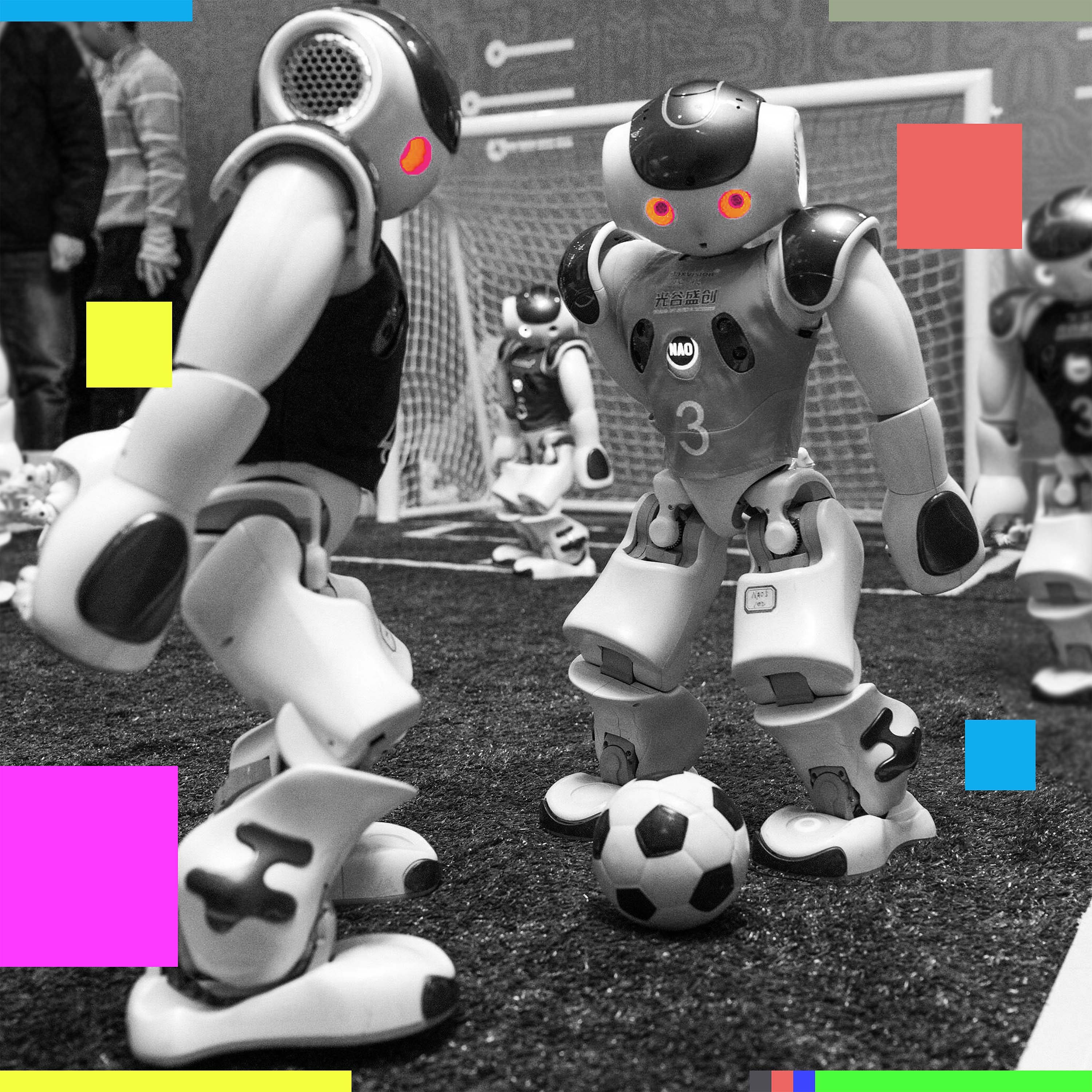
This week on The Interface: is World Cup tech taking the human magic out of football?For our season finale before the summer break, Karen, Thomas and Nicky start with the World Cup - and ask what happens when football becomes a showcase for ever more technology. This year’s tournament has brought referee body cameras, faster semi-automated offside decisions, and more AI-powered match analysis for teams and broadcasters, all in the name of accuracy, transparency and engagement. But as the game gets ever more engineered, there’s a bigger question underneath it: do these tools improve the sport, or do they slowly sand away some of the human error, chaos and competitive tension that made it thrilling in the first place?Also this week: the infinite workweek. AI was supposed to take tasks off our plates — but in practice, it may be doing the opposite. Microsoft’s research on the“infinite workday” warned that work is already bleeding into mornings, nights and weekends, and that AI could make that worse if companies simply speed up broken workflows instead of redesigning them. And as more people work alongside AI agents, some describe a strange new role: not freed by automation, but stuck supervising it — an always-on form of “AI babysitting” in which the machine keeps working, and you’re never fully off duty.And because this is the last episode of season one, Thomas, Karen and Nicky also look back on their favourite moments from season one, dip into the listener mailbag, and revisit some of the stories we’ve followed over the past 20 weeks - before The Interface heads off for a summer (screen) break.The Interface is your weekly guide to the tech rewiring your week and your world. Hosted by journalists Karen Hao, Thomas Germain and Nicky Woolf, each episode unpacks, week by week, how technology is shaping all our futures. No guests. No jargon. Just three sharp voices debating the stories that matter — whether they shook a government, broke the internet, or quietly tipped the balance of power.New episodes drop every Thursday on BBC Sounds in the UK. Outside the UK, find us on BBC.com or wherever you get your podcasts, or watch the video version on YouTube (search“The Interface podcast”). To get in touch with the team: [email protected] The Interface is a BBC Studios production. Producer: Natalia Rodriguez Ford Executive Editor: Philip Sellars
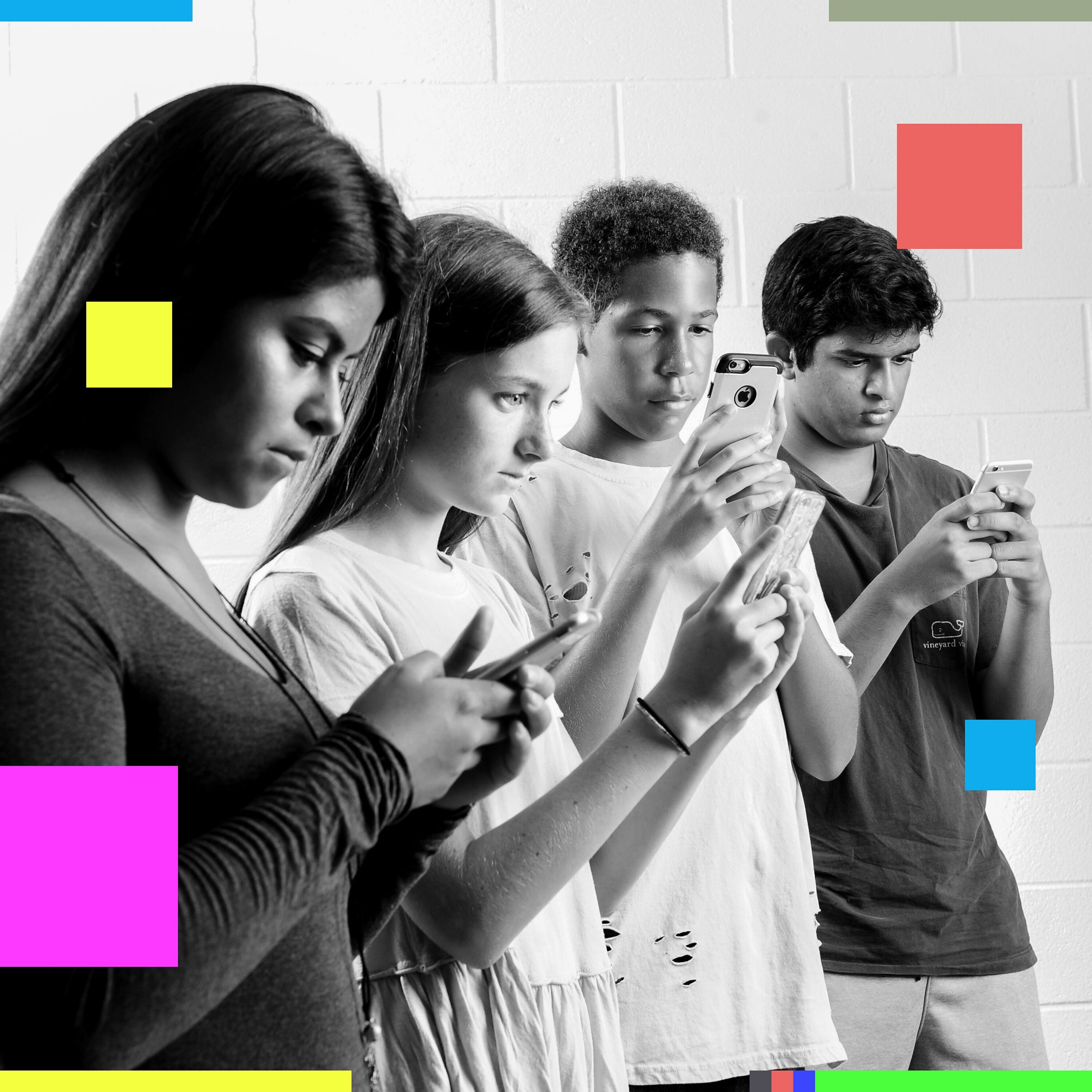
This week on The Interface: the UK’s under-16s social media ban - is America next?The UK is preparing to go further than almost any other country on children and social media: under-16s will be blocked from platforms including TikTok, Instagram, Snapchat, YouTube, Facebook and X, while messaging apps like WhatsApp and Signal are expected to be excluded. Ministers are also considering overnight curfews and limits on infinite scroll for under-18s, with implementation targeted for spring 2027.Karen, Tom and Nicky ask the obvious question: will it work? Australia’s early results suggest enforcement is hard: the Molly Rose Foundation found 61% of 12–15-year-olds who had used restricted platforms still had access to at least one account, and 70% of those still using banned sites said it was easy to get around the rules. That raises a bigger issue too: if this all depends on age verification, does everyone end up having to prove their age just to use the internet? And with 64% of US voters already saying they support a ban for under-16s, is Britain about to start a trend?Also this week: why are AI companies getting involved in fusion energy?Fusion has been hyped for decades as near-limitless clean power - but it remains hugely difficult, expensive and years away from broad commercial use. So why are AI firms suddenly interested? Because data centres need vast amounts of electricity, and fast. Sam Altman-backed Helion has just raised another $465 million and is trying to build its first plant for Microsoft by 2028, while other fusion firms are pitching themselves as the answer to AI’s energy appetite. Karen and Nicky ask whether fusion is a realistic answer to the data-centre crunch — or just the latest shiny idea being pulled into the AI boom. And finally: could Siri’s new AI update change how we use our phones forever?At WWDC 2026, Apple unveiled a rebuilt Siri AI with deeper access to your messages, emails, photos and apps, plus broader “world knowledge” and more natural conversations. Apple is pitching it as a much more capable assistant — one that could make AI feel normal for people who’ve never really used it before.But not everyone gets the same Siri. Some of the most advanced on-device features are limited to Apple’s newest hardware, including iPhone 17 Pro, and users have to join a waitlist even in beta. Tom asks the big question: if Siri finally works the way Apple has long promised, could that genuinely change how we use our phones — or is this still another catch-up move in the AI race?The Interface is your weekly guide to the tech rewiring your week and your world. Hosted by journalists Karen Hao, Thomas Germain and Nicky Woolf, each episode unpacks, week by week, how technology is shaping all our futures. No guests. No jargon. Just three sharp voices debating the stories that matter — whether they shook a government, broke the internet, or quietly tipped the balance of power.New episodes drop every Thursday on BBC Sounds in the UK. Outside the UK, find us on BBC.com or wherever you get your podcasts, or watch the video version on YouTube (search “The Interface podcast”).To get in touch with the team: [email protected] The Interface is a BBC Studios production. Producer: Natalia Rodriguez Ford Executive Editor: Philip Sellars
Why is AI burying my CV?

Why is AI burying my CV?

2026-06-1140:372

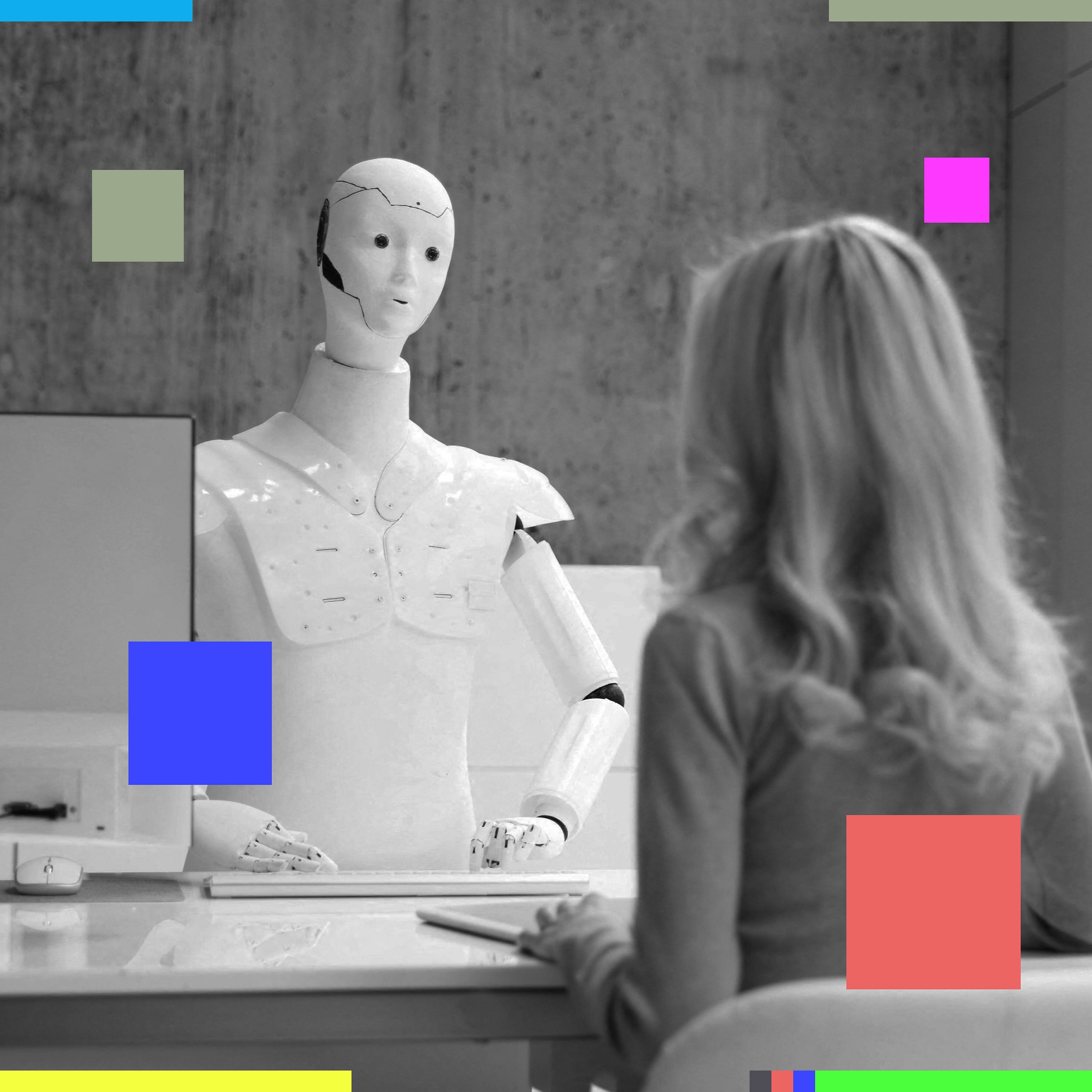
This week on The Interface: is AI quietly sending your CV to the graveyard?Karen starts with the growing role of AI in hiring and why it may be far more powerful, and more worrying, than most jobseekers realise. Automated hiring systems are now used across large parts of the labour market, and Stanford researchers say a handful of dominant models are creating an “algorithmic monoculture”, where the same software can shape outcomes across multiple employers. Their recent study of more than 4 million job applications found repeated racial disparities in AI‑based screening, raising the stakes for anyone applying into a market where software may judge you before a human ever does. We look at how these systems scan CVs, how candidates are trying to game them, and what happens when tools designed to “streamline” recruitment start quietly deciding who never even gets a chance.Also this week: Thomas asks whether slow messaging might actually be better for us than instant messaging. After trying Roost — an app that sends messages at deliberately different speeds, from snail mail to carrier pigeon — he steps back to ask how we got so used to the pressure of instant replies in the first place. Messaging once felt novel; now it is the default form of contact, with Americans sending billions of texts a day and younger users often preferring texts to calls. But that speed comes with emotional costs: reply anxiety, relationship strain, and a culture in which silence itself can feel loaded. Tom asks whether slower communication might feel frustrating at first but ultimately more humane.And Nicky looks at Silicon Valley’s latest genre experiment: tech CEOs turning themselves into entertainment. With Founders Fund launching MAFIA the GAME - a game show featuring Sam Altman, Palmer Luckey, Bryan Johnson and other tech luminaries - the people building the future increasingly seem to want control not just of products, but of the story around them. Nicky asks what this says about a culture where power depends not just on having the best technology, but on telling the best myth about yourself.The Interface is your weekly guide to the tech rewiring your week and your world. Hosted by journalists Thomas Germain, Nicky Woolf, and Karen Hao, each episode unpacks, week by week, how technology is shaping all our futures. No jargon. Just three sharp voices debating the stories that matter — whether they shook a government, broke the internet, or quietly tipped the balance of power.New episodes drop every Thursday on BBC Sounds in the UK. Outside the UK, find us on BBC.com or wherever you get your podcasts, or watch the video version on YouTube (search “The Interface podcast”).To get in touch with the team: [email protected] Interface is a BBC Studios production. Producer: Natalia Rodriguez Ford Executive Editor: Philip Sellars
This week on The Interface: the horrifying world of the TikTok Farlands.Tom and Nicky head deep into the TikTok Farlands - the semi‑mythical place you supposedly reach if you scroll too far, too late, until your feed stops looking normal and starts serving up surreal, eerie and deeply unhinged videos. The name comes from Minecraft’s Far Lands, the glitched edge of the map where the world used to break apart, and TikTok users have borrowed it to describe the “end of the algorithm”: a strange zone of distorted edits, ominous warnings, weirdcore imagery and recurring figures like the now‑iconic fat bee playing the violin. TikTok’s Farlands have become a shorthand for what happens when doomscrolling tips into digital folklore.But the Farlands aren’t just a joke. Tom and Nicky ask what this trend says about internet culture now. In a platform ecosystem dominated by polish, branding and optimisation, the Farlands feel like the return of an older internet: raw, surreal, handmade and proudly bizarre. At the same time, the meme also works as a critique of doomscrolling itself — turning algorithmic exhaustion into shared mythology, and making people newly conscious of how deep into the feed they’ve wandered.So this week, we ask: is the TikTok Farlands a genuine return of weird, creative internet culture — or just another algorithmic genre?Also this week: Karen looks at how AI detection tools may be changing the way we all write. As detectors spread through schools, publishing and professional life, students, teachers and writers are increasingly shaping their prose around what software might flag - dropping stylistic quirks, sanding off rhythm, and checking their own work in advance for fear of a false accusation. Researchers say the central problem is not just whether detectors catch AI, but how they balance false positives and false negatives in high‑stakes settings. And with a growing parallel market of “humanizer” tools promising to make AI text sound more human - and pass detection - the result may be an arms race that leaves everyone writing in a flatter, safer and more paranoid style.The Interface is your weekly guide to the tech rewiring your week and your world. Hosted by journalists Thomas Germain, Nicky Woolf, and Karen Hao, each episode unpacks, week by week, how technology is shaping all our futures. No guests. No jargon. Just three sharp voices debating the stories that matter - whether they shook a government, broke the internet, or quietly tipped the balance of power.New episodes drop every Thursday on BBC Sounds in the UK. Outside the UK, find us on BBC.com or wherever you get your podcasts, or watch the video version on YouTube (search “The Interface podcast”).To get in touch with the team: [email protected] The Interface is a BBC Studios production. Producer: Natalia Rodriguez Ford Executive Editor: Philip Sellars
loading
Comments