


 Claim Ownership
Agbioscience
Subscribed: 33Played: 808
Subscribe

© 2026 AgriNovus Indiana
Description
This weekly podcast dives into agbioscience, where agriculture, life sciences and cutting-edge technology converge. Agbioscience is an in-depth conversation with leaders and entrepreneurs across food, animal health, plant science and agtech. This one-of-a-kind podcast offers updates on the latest advancements and future trends from those at the forefront of agbioscience innovation.
415 Episodes
Reverse
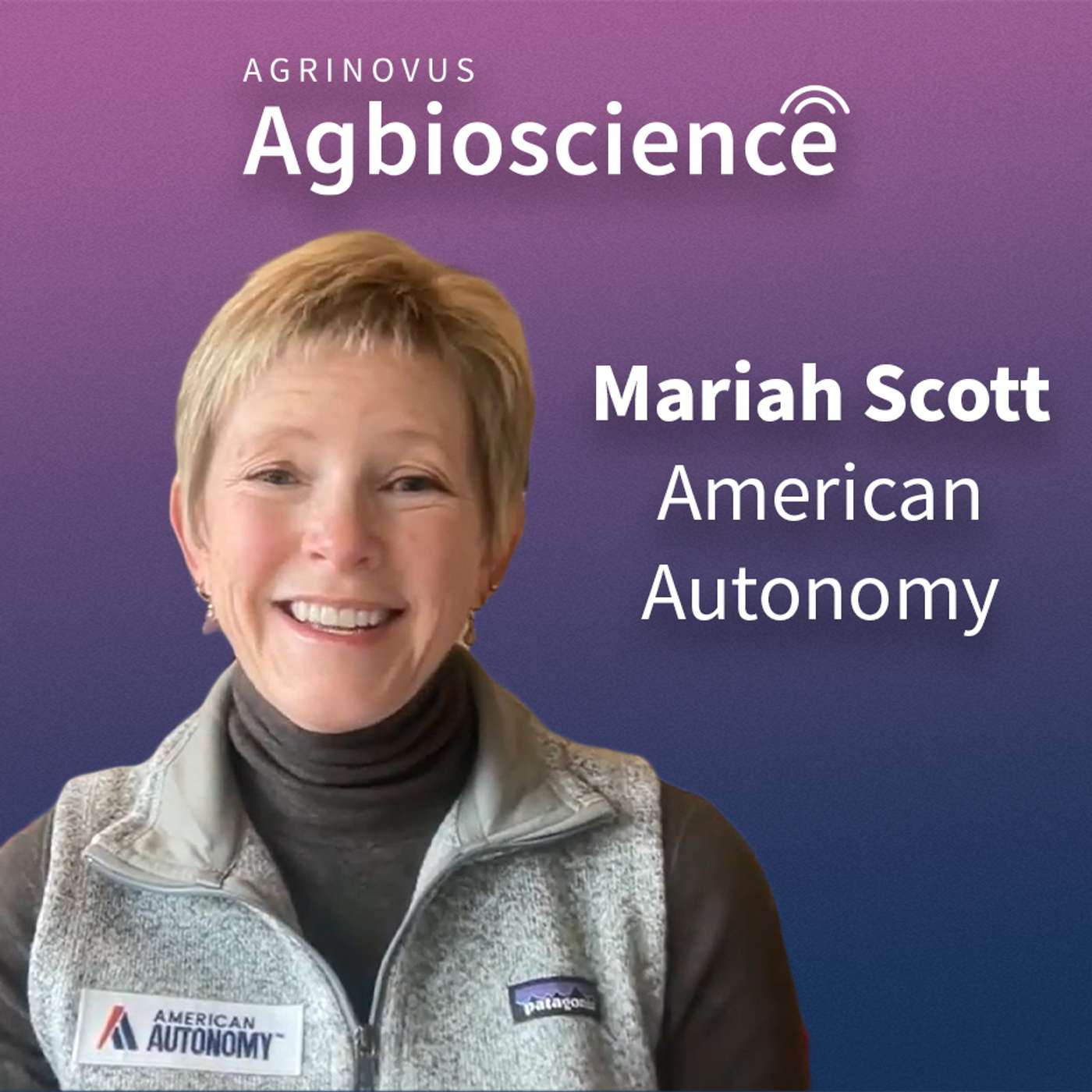
From tightening margins to shifts in the regulatory landscape, growers face a series of headwinds that challenge the success of their operations every year. One constant? Data on the farm. This week, American Autonomy CEO Mariah Scott joins us to talk data as a differentiator and unlocking access in a new American market for drones. Highlights include: The work American Autonomy is leading to bring drone software to dealers and farmers that sets their businesses apart AcreConnect as the company’s first software platform designed to assist during the spray season, the gaps in the market that led to its creation and how it enables farmer success What’s happening with drones in the current market landscape and how Mariah sees the future changing Regulatory shifts and their impact on technological adoption on farms right now How American Autonomy defines success in this environment and how this evolution in the industry has created new opportunities Leveraging farmer relationships to refine and improve technologies; and the farmer’s role in defining the future of innovation in this space What innovations Mariah sees playing the biggest role in drone imagery and spraying in the future — from AI to automation, sensing technologies and regulatory advancements — and how might they reshape both farm operations and the broader agtech landscape Momentum for the American Autonomy team over the last year and how that’s enabled them to grow and scale in new ways Integrations as a critical driver for the American Autonomy team’s success and how partnerships have created high-quality tech adoption in the field Mariah’s non-traditional ag background and how that’s positioned her to lead in the space thus far How she sees talent evolving and reshaping the agbioscience industry over the next decade What’s ahead for the American Autonomy team in 2026
Our March recap is here and it's a busy one! Highlights include: The launch of AgriNovus research and 2026 Velocity. Apply to participate in this year's cohort here: https://agrinovusindiana.com/velocity/Indiana's announcement of a $1B investment in agriculture and bioscience to position the state as a global leader in One Health innovationCICP's launch of the Catalyst Scholars fund focused on advanced chemistry talent, research and commercialization in IndianaCal-Maine Foods' acquisition of Creighton BrothersCorteva Catalysts's investment in gene editing company TropicJoin us for Quadrant on 5/13 in Indianapolis! Register here: https://agrinovusindiana.com/quadrant/
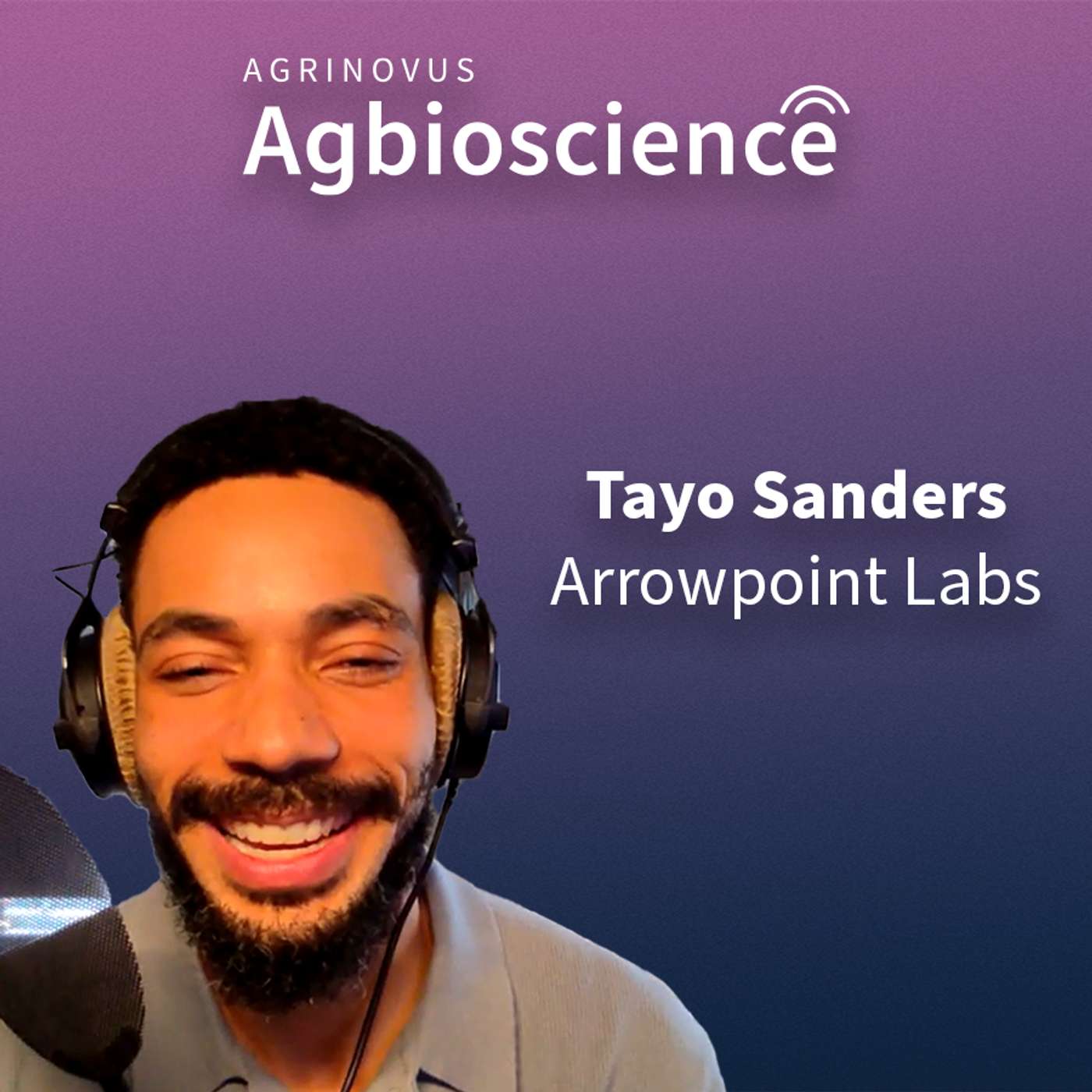
AgriNovus will release new research today identifying critical challenges ripe for innovation that will serve as the foundation for the 2026 Velocity Accelerator, a six-month program that awards entrepreneurs three separate $25,000 cash prizes for their technology solutions in bioinnovation, farmer-focused innovation and food is health. Joining us on the podcast is Tayo Sanders from Arrowpoint Labs, authors of the study that shape the foundation for this year’s accelerator. Are you interested in participating in this year's Velocity? Ten teams will be accepted for each track, so space is limited! Apply to participate today: https://agrinovusindiana.com/velocity/ Highlights include: Tayo’s work at Arrowpoint Labs and who they serve through insights and research The report that his team did for AgriNovus tied to 2026 Velocity, its findings and how it shaped this year’s challenge statements Indiana’s “right to win” across the agricultural value chain, the state’s strongest advantage right now and biggest opportunities to grow A theme in the report that emerges – bridging the gap in innovation among farmer-focused innovation, bioinnovation and food is health Engaging with local, state and national stakeholders to gain insights for this study and how their input provided support or opposition to what had been gathered as existing research The challenges that exist within the food is health space and gaps they identified in the report that could serve as opportunities for startups to innovate for in this year’s accelerator Priorities that were shaped through insights and research on a growing bioeconomy and how entrepreneurs can tackle the challenge being presented in that track for Velocity The value of connecting innovators at the farmgate to create new technologies that impact ROI and help develop new companies that can grow and scale through a program like Velocity What excites Tayo the most about this report and its potential to inform and inspire new innovation
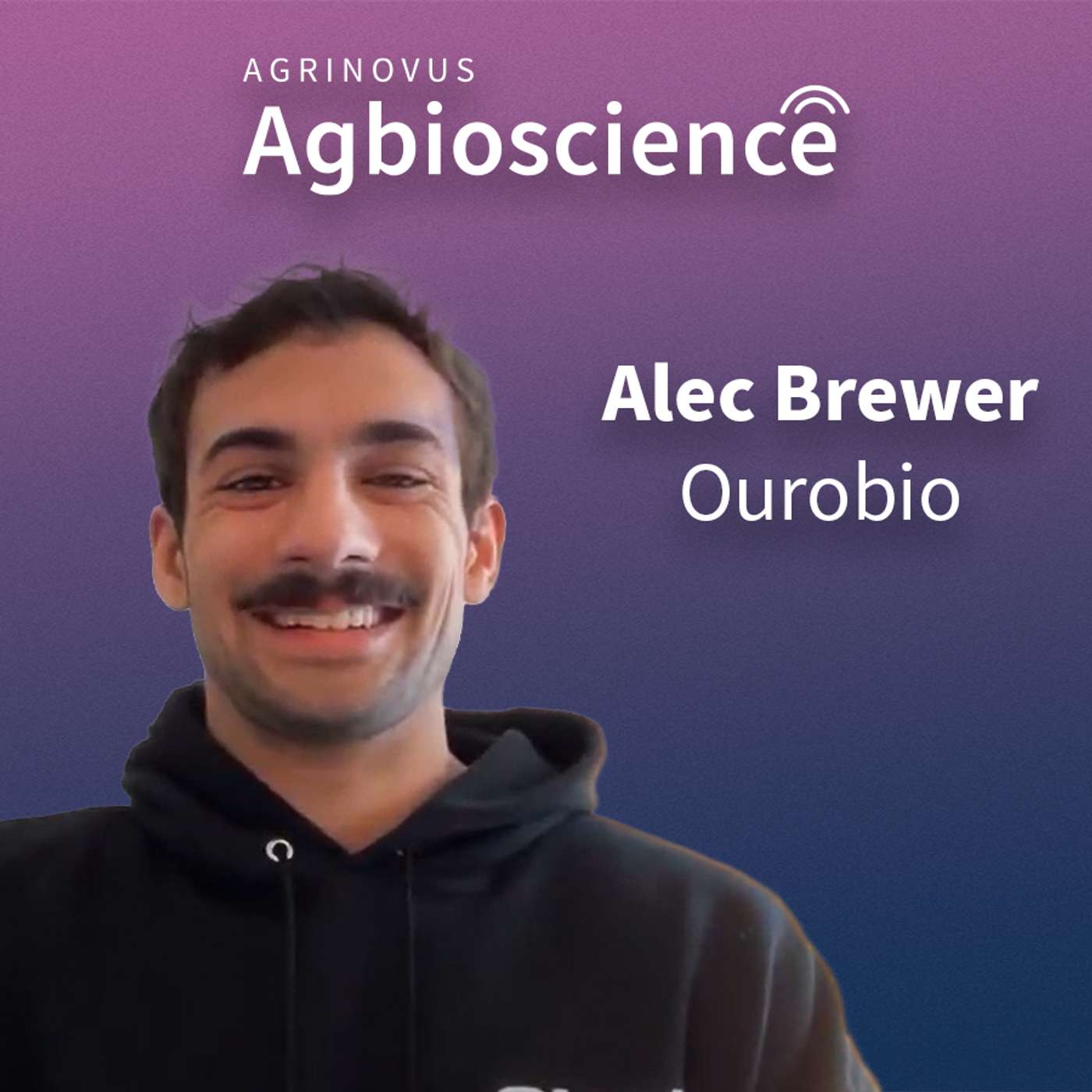
The demand for biobased materials is growing on a global scale, with no signals of that pace slowing any time soon. One startup has leveraged the power of synthetic biology to turn industrial byproducts into biomaterials. This week, Ourobio CEO Alec Brewer joins us to talk the company’s founding, contributing to a circular economy and their innovation process – end-to-end. Highlights include: The company’s origin story out of the University of Virginia and how it has evolved Ourobio’s innovation process, end-to-end, that produces bio-based materials Pivoting as an entrepreneur and knowing when they needed to tilt their business model to capture and offer value The Ourobio differentiation, which includes safety, color of pigmentation of polymer and affordability Alec’s perspective on the regulatory environment, what needs to be defined and how this conversation should evolve as this market continues to grow Biggest headwinds Ourobio has faced as a startup and how they’ve navigated their challenges in the early stage Feedback from companies that are moving to more bio-based materials Where Alec sees the biggest opportunity for bioinnovation reshape traditional industries in the coming decade Tools and technologies that have had the greatest impact on accelerating innovation for Ourobio’s scale and precision How partnerships and collaboration have paved the way for Alec and the Ourobio team’s entrepreneurial success What success looks like at this stage for the company and what’s ahead for Ourobio that has Alec most excited

From seed selection to input purchases and beyond, farmers are responsible for a litany of data points that require decisions on their operations each season. Having tools to enable confident, informed decisions isn’t just a “nice to have” in modern production agriculture, it’s imperative. We are joined by Beck’s Hybrids’ Jim Schwartz, Director of Research, Agronomy and Practical Farm Research, to talk about the launch of their new platform – SeedIQ – its capabilities and the dealer, and farmer, mindset heading into a growing season. Highlights include: What PFR (Practical Farm Research) does to help farmers grow their operations and how it’s different than other research projects within companies Conversations with growers heading into the planting season; what those entail, how they are preparing and their sentiment given the current headwinds being faced The power of certainty being tied to decision-making and how Jim has seen expectations shift over the years when it comes to seed performance, agronomic support and digital tools The balance of innovation adoption and risk management “Innovation that matters” and what that means to the Beck’s team, their definition of innovation and its implications beyond ROI Launching SeedIQ, what the platform does and how it better serves dealers and farmers The gaps Jim and the team identified that led them to develop the SeedIQ platform Dealer and grower response to the launch of the tool heading into a growing season What’s ahead for Beck’s this planting season that has Jim excited

The future of the agbioscience workforce will look different than it does today – as it does than it did ten years ago. At the heart of its change and evolution are college students and young professionals pursuing new fields of studying, from business to biology, and asking themselves one critical question: how do I apply what I’m learning today to my future in the working world? This week we are joined by AgriNovus’ Career Success Manager, Karis Witte, to dive into the organization’s career exploration platform, Field Atlas, exposing young talent to the agbioscience industry and connecting their hearts and minds to a future that matters. Highlights include: The story of Field Atlas and who it aims to serve Biggest headwinds agbioscience companies are facing when it comes to finding talent and buildling a workforce of the future Who Field Atlas is designed for and what makes it different than other talent programs and platforms The brand’s growth into experiential programming and how exposure has created a new dimension of industry recruitment for agbioscience companies Field Atlas as a brand “for students, by students” that is enabled by a network of campus Ambassadors The feedback Karis gets about the impact of Field Atlas – from students, colleges, universities and companies The Company Tours available to students and how that program has created new impact on students with no prior background in agbioscience Launching the Agbioscience Mentorship Program (AMP) and creating new, meaningful connection for late college students and young professionals that are looking to advance their careers How Karis sees Field Atlas evolving as it grows in the coming years What’s ahead in 2026
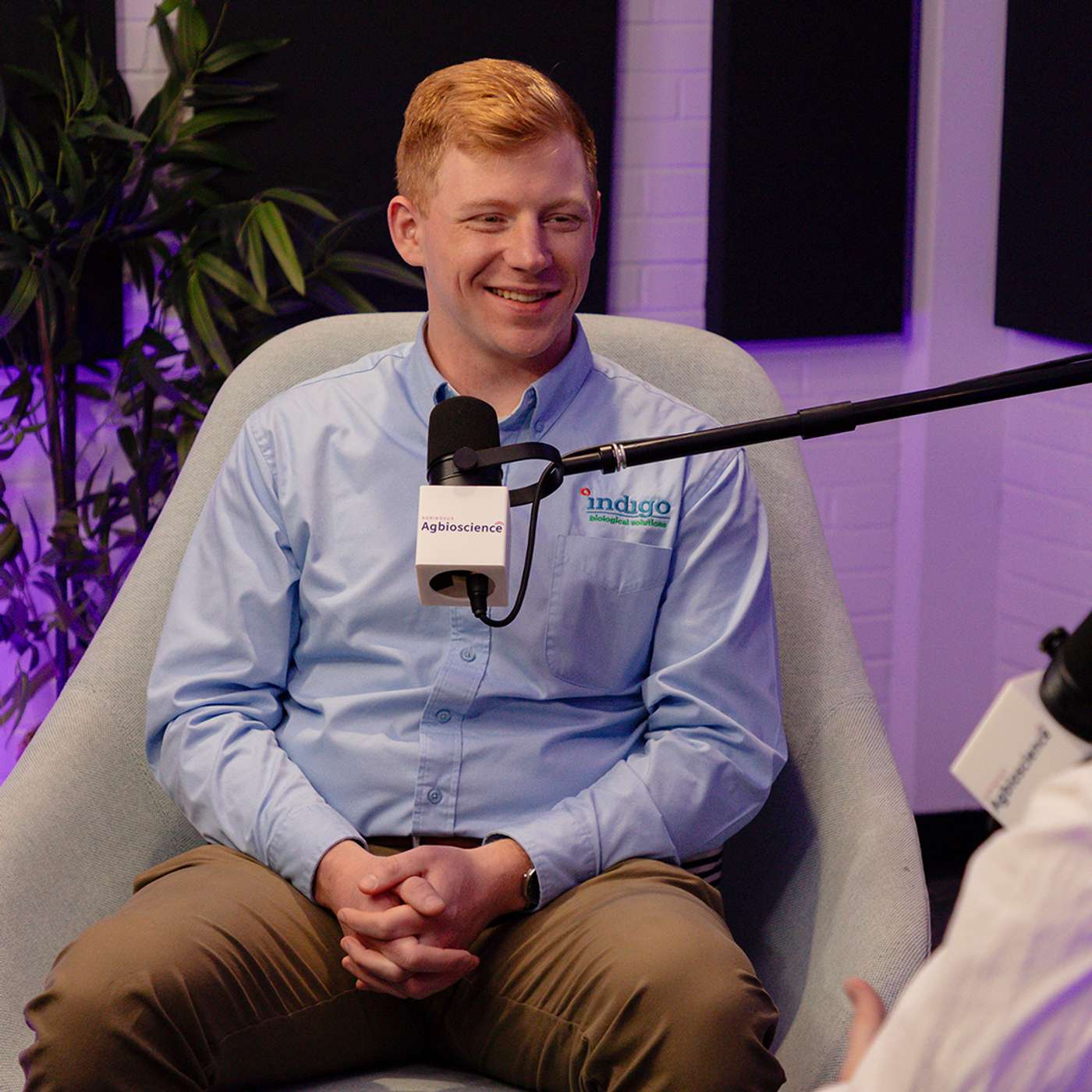
For farmers looking ahead to a fresh growing season, decisions for their operations require clarity and a certainty around impact and ROI – from inputs to innovation adoption. This week, we are joined by PJ Smith, Senior Global Product Manager at Indigo Ag, to get into soil health’s impact on our food system; and how strengthening agriculture today helps reduce risk and protect food security for the future. Highlights include: The work Indigo Ag is leading and problems their team solves through innovation Conversations with farmers right now as they look ahead to the growing season, their concerns and how they are making decisions based on their needs Indigo Ag’s unique intersection of ag, sustainability and data Balancing opportunities that data can provide with a hesitant mindset that can sometimes linger around a farmer’s data, technology adoption or participation in emerging technologies Benchmarks and measures of success the Indigo Ag team has in front of them over the next 3-5 years Indigo Ag’s launch of Nemora to fight soybean cyst nematode, the leading cause of soybean loss in the U.S How in-field experience with farmers shapes R&D priorities for Indigo Ag PJ’s thoughts on their biggest room for growth Farmers as a part of the solution to climate and sustainability challenges over the next decade and where he sees shifts and changes coming in the market What’s ahead for Indigo Ag in 2026
There is an increasing desire from consumers to better understand food’s overall impact on their health; however, there haven’t always been the proper tools – until now. This week, we are joined by FoodHealth Company’s CEO and co-founder, Sam Citro-Alexander, to talk about the launch of their consumer and brand facing tech-platform, FoodHealth Score, which rates products and suggests smarter swaps in real-time as you shop. We also get into leveraging innovation to better connect the value chain and empowering consumers and food brands alike to make better informed decisions based on data. Want to try out FoodHealth Score for yourself? Download the Chrome extension for free here! Highlights include: What FoodHealth Company does and who they aim to serve through technology Gaps in the market that Sam identified that led to her endeavoring this new startup and systems change How FoodHealth Co. Works across the food system to drive better health outcomes – from consumers to food brands alike Sam’s launch of their flagship product, FoodHealth Score, and what the feedback has looked like across the value chain Retailers and brands using data to better inform purchasing and formulation decisions How FoodHealth Co. Is thinking about impact measured through their platform What food is health means to Sam and her team The role she sees farmers playing in the FoodHealth Score and the opportunity to better align food production and health The company’s $7.5M Series A funding round from 2025 and how it’s enabled them to grow and scale How Sam views partnerships and collaboration as a necessary tool to the growth of FoodHealth Company Where she believes they’ve just started to scratch the surface on their full potential when it comes to FoodHealth Score What’s ahead for the company with the launch of FoodHealth Score in 2026
From sweeteners and starches to sustainable packaging, the bioeconomy is on the move. At the helm is Primient, a leading producer of food and industrial ingredients made from plant-based, renewable sources – corn being its primary feedstock. Today we are joined by CEO Jim Stutelberg to talk about the $4 trillion global bioeconomy and the rapid innovative trajectory shaping its future. Highlights include: The Primient story and who they aim to serve through innovation How Jim has seen the bioinnovation market evolve and what the competitive landscape looks like for bioinnovators like Primient today The collective headwinds facing the industry Primient’s market differentiation Consumer behaviors influencing company priorities and how they set the tone for R&D and product pipelines The critical role of corn and other feedstocks in the work Primient does and how Jim sees that relationship evolving over the next decade Acquiring Primient Covation and what integrating them into their portfolio will enable their team to do The power of partnerships for the Primient team, how they approach collaboration and what it means to their business Jim’s approach to the business of people, his belief in team culture and how he sees building a talent pipeline for the future What Jim believes to be Primient’s biggest areas of untapped potential What’s ahead for Primient in 2026
The USDA estimates that 30-40% of the U.S. food supply is lost each year, a massive addition to landfills and negative contributor to environmental health. What if that waste stream was handled differently and innovated into dependable feed ingredients for farmers? This week, CEO of Nutrition 101 Rick Shipley, joins the podcast to talk upcycling feed, servicing the entire value chain and flying under the agbioscience radar. Highlights include: How Nutrition 101 leverages food waste management to serve the entire food value chain What conversations look like with producers in this era and how their team is positioned to help drive on-farm impact in a time of unique challenges for their operations Nutrition 101’s relationship with processors on the other end and how they create opportunities for growth, sustainability and more Rick’s tenure as CEO (8 months) and how he sees the company as a differentiator in the agbioscience industry The company’s roots originating on the farm and how that translates to solving problems and generating better feedback to shape priorities for the future What success looks like for the Nutrition 101 team when it comes to working with producers and processors alike How Nutrition 101 focuses on solutions that are practical, effective and easy to implement – and why that’s so critical The company’s acquisition of Value Feeds in 2025 and what it will enable them to do on their growth trajectory Rick’s belief in the company’s greatest untapped potential to date How Rick sees the industry leveraging tech, automation and other innovations to grow a young base of talent interested in focusing on animal nutrition and agriculture Nutrition 101’s impact growing over the next decade as the role of the farmer evolves What’s ahead for the company in 2026
January's recap episode with Christy Wright, CEO of AgriNovus, and Libby Fritz, VP of AgriNovus, includes: Corteva and bp's 50:50 joint venture, Etlas, and its plans to advance production of biofuels made from crops.Elanco's $400 million investment in U.S. manufacturing, R&D and workforce. Listen to Jeff Simmons on Fox Business here.Primient's 100% acquisition of Primient Covation to advance their competitiveness in the bioeconomy.POET's $203 million investment in their Indiana location with plans to double production and nearly double workforce.Gripp winning honors from the ASABE for advancing agtech innovation.The bioeconomy is on the move this month! Get our Bioinnovation Playlist on YouTube. Click .Gripp was a former winner of AgriNovus' Velocity accelerator, which is set to kick off soon. Learn more about the program here.AgriNovus' Quadrant is back on March 11! Get details and register here.
From partnerships and acquisitions to considerable growth in 2025, Traction Ag has had an incredible story to tell as innovators and entrepreneurs. Woven in the fabric of that story, though, is how that growth came to be: direct farmer relationships, focused on creating solutions that will ultimately drive their yield. This week, we are joined by Traction Ag’s COO, Hannah Parsons, to talk fintech for the farmer, making the barrier to entry accessible and what’s ahead for the company. Highlights include: Traction Ag’s tech stack and how the platform functions to specifically serve farming operators What their team is hearing from customers right now as they navigate challenges in financial management and decision making Gaps in a farming operation’s data that can create inefficiencies and how Traction Ag is designed to integrate for more streamlined impact How farmers respond to a platform like this, barriers to tech adoption and their biggest questions about how it can help their operations Strategic partnerships and integrations with FS and Keystone Cooperative and how they better serve the farmer The acquisition of PcMars and what it added to the company’s tech stack Hannah’s perspective on Traction Ag’s biggest untapped opportunities for growth What’s ahead for the company in 2026
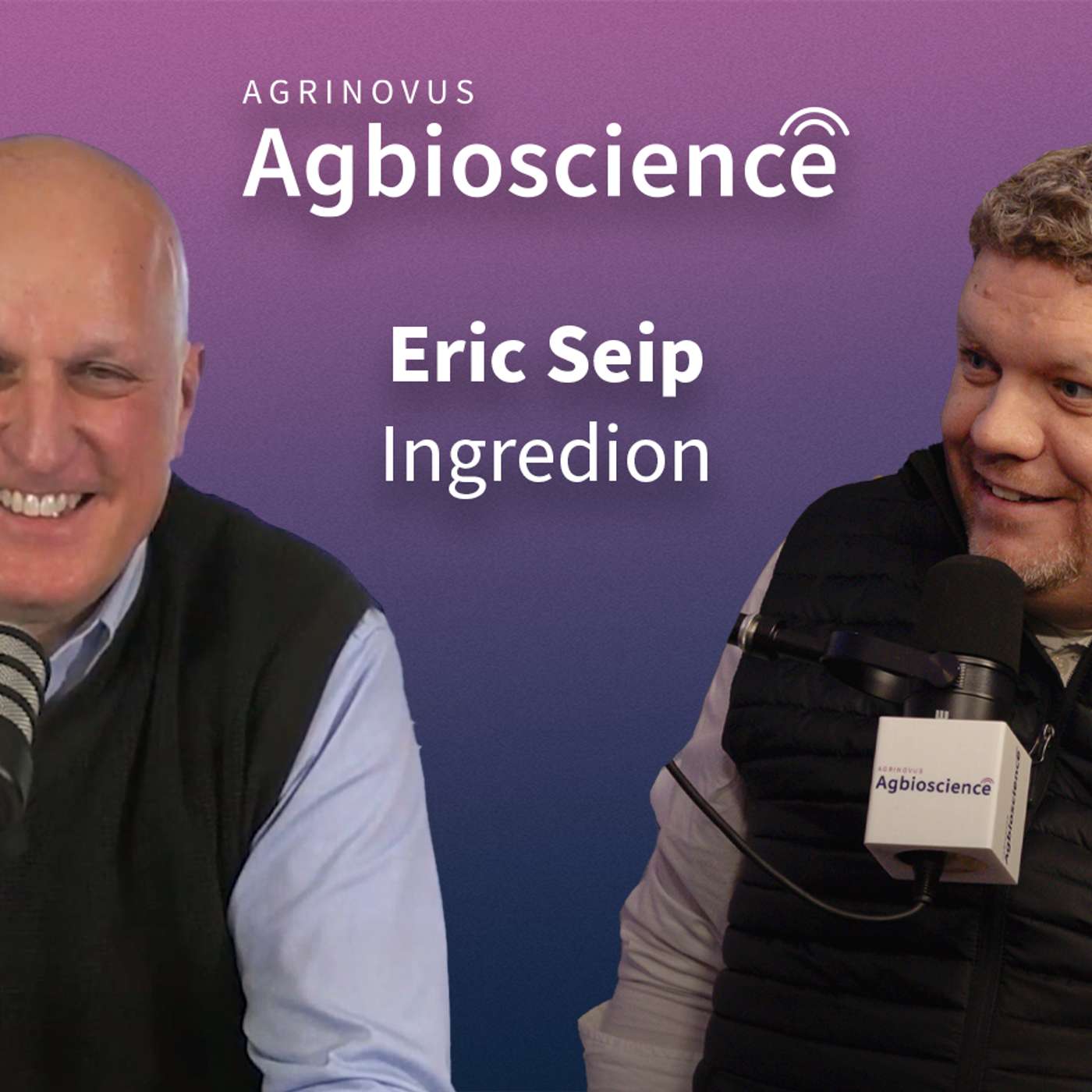
For more than 100 years, Ingredion has been providing the world ingredient solutions. From sweeteners to starches, that type of innovation has to be grounded in a consumer-forward attitude and understand what comes next in the food industry – all around the world. Today we are joined by Eric Seip, SVP of Global Operations and Chief Supply Chain Officer at Ingredion, to explore global ingredients in more than 120 countries across 60 diverse sectors and how they stay on the cutting edge of providing innovative solutions. Highlights include: What Ingredion does and who they aim to serve through innovation Common gaps and challenges emerging for customers across their food and beverage portfolio How Eric sees Ingredion helping to advance Food is Health Consumer preferences shifting and how those translate into operational and R&D priorities Ingredion’s recent $100 million investment in its Indianapolis facility, what it entails, the capabilities it adds and why now What this upgrade to the Indianapolis locate will differentiate from their competitors or others in the space What technologies Eric believes have the biggest potential to transform how Ingredion innovates in the future The food value chain, texture and challenges that have risen in recent years – and how Ingredion has found themselves adapting through headwinds to build resilience Ingredion’s perspective on partnerships and how they’re used to drive outcomes forward The relationship with the farmer and what that means to the Ingredion innovation portfolio Biggest challenges and opportunities facing the food ingredients industry What has Eric most excited for Ingredion in the future
So much can happen in a year – transformative change can happen in 70. From applied research to precision fermentation, United Animal Health has continued to accelerate innovation and growth of its portfolio on behalf of producers over their seven decades of business. This week, we are joined by COO Trent Torrance to cover it all – joint ventures, animal nutrition, food is health, artificial intelligence and beyond. Highlights include: United Animal Health’s pursuit to grow and serve a broader range of agriculture and food production Some unique challenges and emerging issues that they’re trying to get ahead of on behalf of producers The state of discussion with producers United Animal Health works with and how they feel about the year ahead How their investment in applied research has defined and differentiated them as a company Trent’s thoughts on the biggest opportunities for transformational change in food production The critical intersection of animal and human health – and United Animal Health’s role in that space What seventy years of business and longevity can bring to a company, Trent’s thoughts on the future of United Animal Health and their biggest untapped potential to date How artificial intelligence (AI) is playing an additive role to the work they’re doing United Animal Health’s focus on joint ventures and striking balance between internal validation and seeking collaboration without outside partners What’s ahead for United Animal Health in 2026
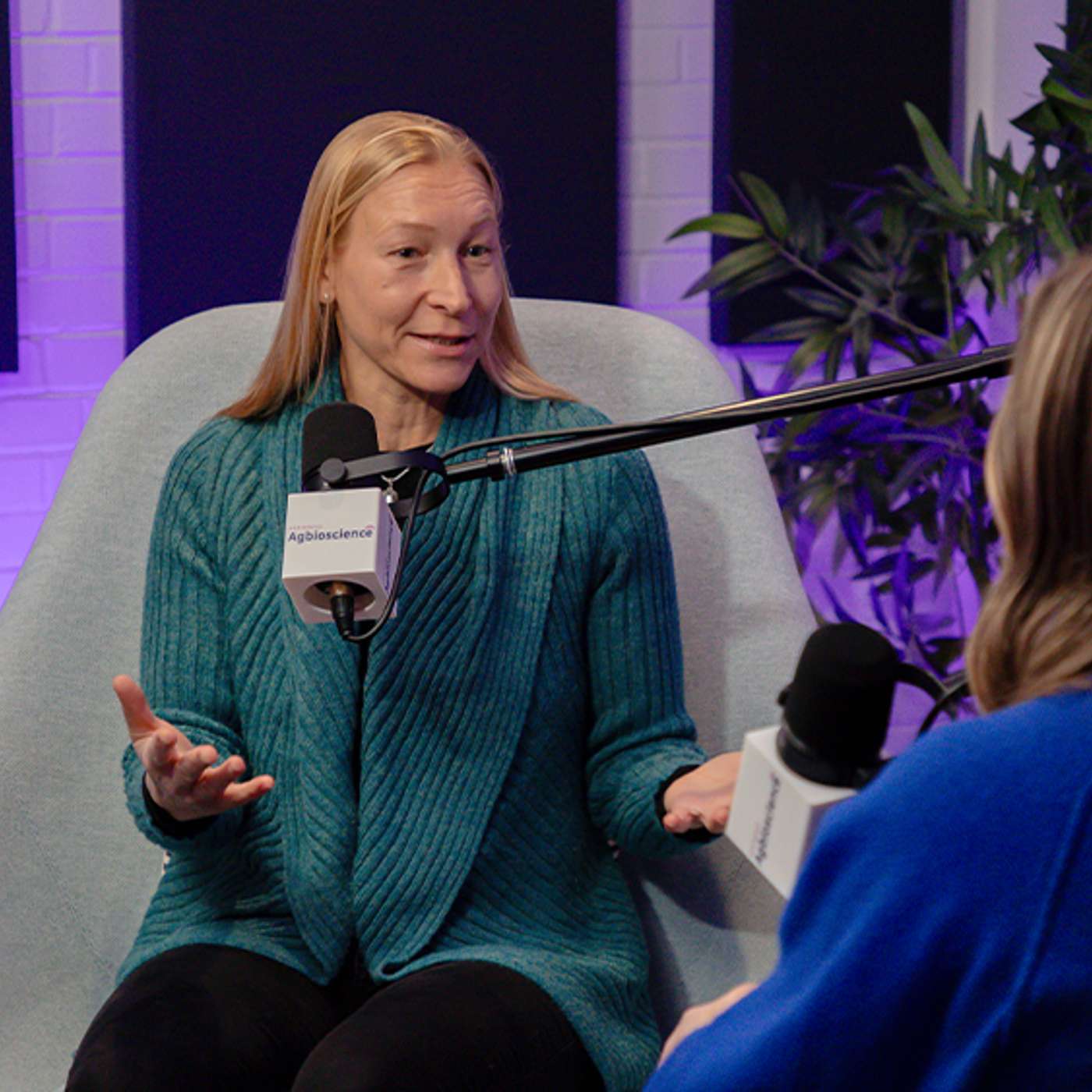
From gene editing to food is health and consumer education to bioinnovation, we’ve had no shortage of amazing conversations on the podcast this year. This episode is a celebration of some of your favorite guests combined into one ultimate audio experience. And let’s face it, you have the holiday windshield time for this podcast. Don’t you? Featuring the following guests: Wendy Srnic, Corteva Agriscience Jay Hulbert, Ag Alumni Seed (Retired) Ronda Hamm, Conner Prairie’s Food, Farm and Energy Experience Mike Jacob, TerraForce Mark Warner, Liberation Bioindustries Ed Fish, Bay State Milling Sarah Glaven, Princeton University’s Andlinger Center Aaron Schacht, BiomEdit Christy Wright, AgriNovus We can’t wait to bring you even more fantastic Agbioscience content in 2026! Season 9 starts January 12.
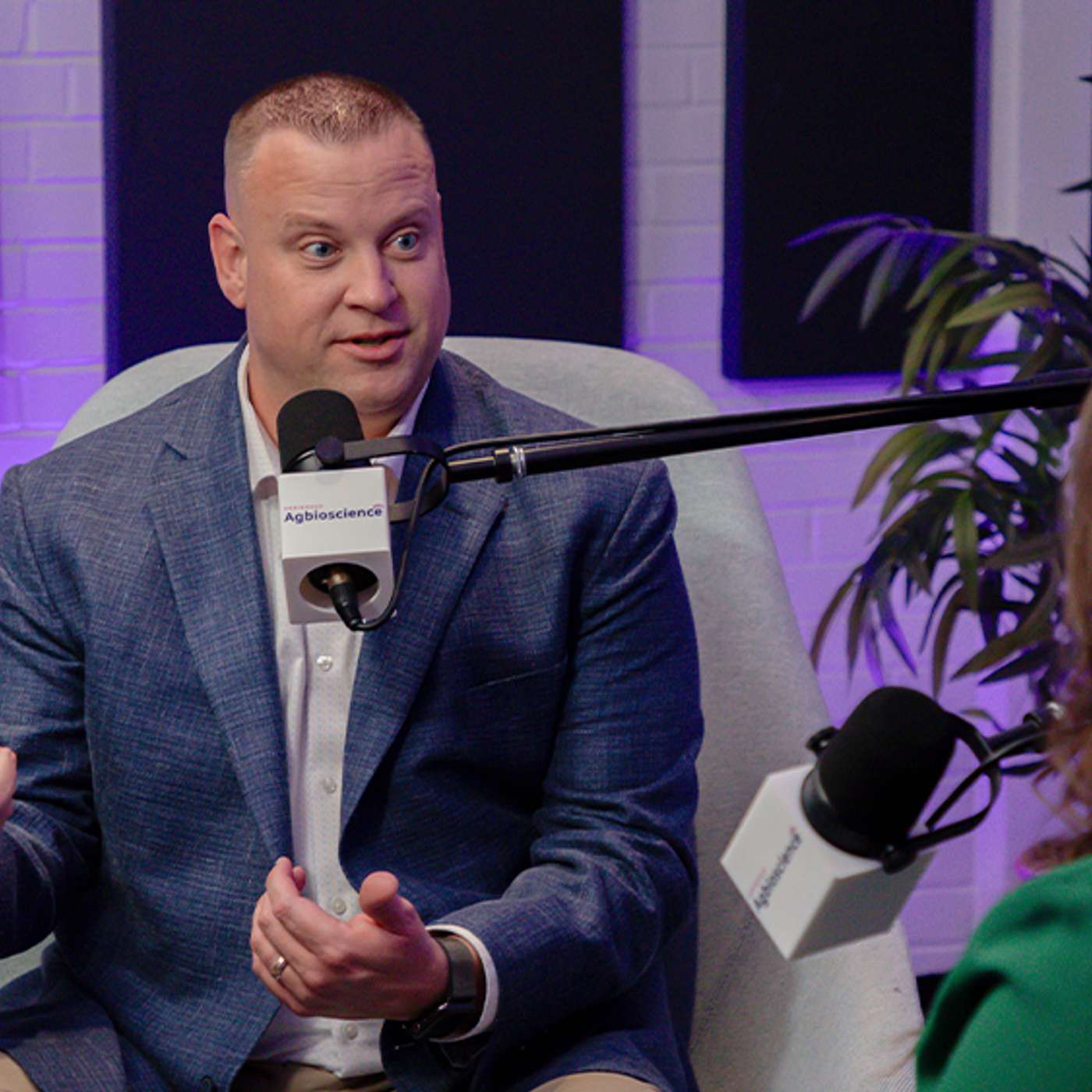
When it comes to crop inputs, farmers are looking for more than a salesman in the field – they need an advisor. One partner that can help shape decision making that keeps them profitable, efficient and sustainable all while driving yield to make their operations successful. It’s a tall order and one this week’s guest loves to welcome as a challenge. Danny Carmony, Central Indiana GM for Nutrien Ag Solutions, joins AgriNovus’ VP Libby Fritz to talk consistency, serving in that advisory role over multiple generations and what innovations have him most excited for the future of the industry. We get into: The work Nutrien Ag Solutions does to serve farmers and the outlook of growers over the last 12 months What Danny sees ahead for 2026 and recommendations they are making to their customers The relationship of Nutrien Ag Solutions with its parent company and its unique advantage Alternatives for nitrogen fertilizer, new forms of nitrogen or emerging innovations that enable the farmer to be more efficient Generational farming operations and the difference in selling across multiple generations of operators who have different schools of thought on ROI Biologicals past, present and future in agbiosience innovation Global geopolitical pressures factoring into supply and demand for farmers Using the power of partnerships, leverage Nutrien Ag Solutions’ reach, while also tapping into locally to create maximum value for customers The criticality of sourcing talent in areas that are serving rural customers – and Danny’s passion for bringing people from outside the industry into agbioscience What’s ahead for Nutrien Ag Solutions that has him excited in 2026

It is rare air to get two fantastic leaders in the same room for the podcast, but today we are joined by our very own. CICP’s CEO, Melina Kennedy, hosts our newly named AgriNovus President and CEO, Christy Wright, to talk service, food as the next frontier of health and her vision for what lies ahead for Indiana’s agbioscience economy.
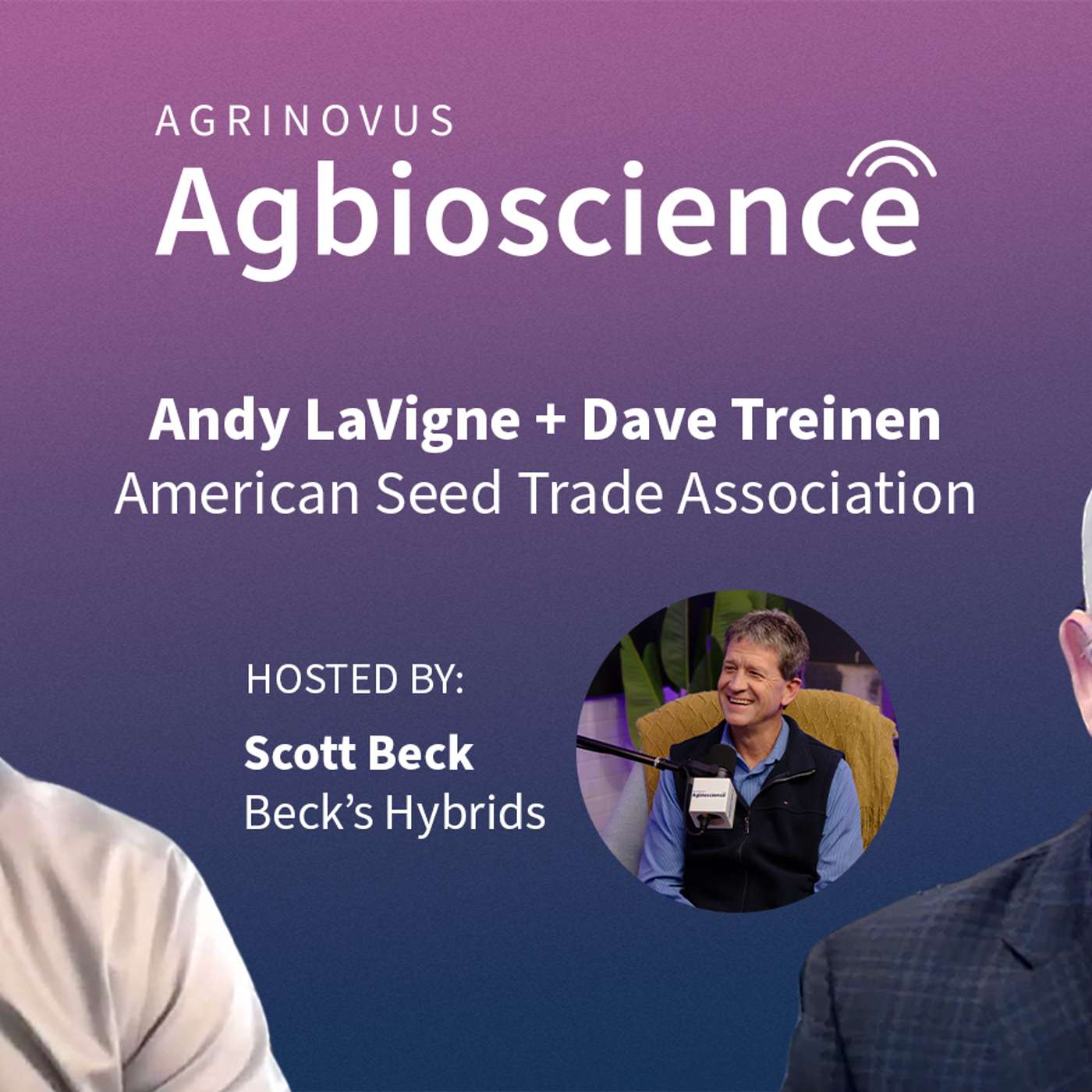
From domestic and global policy to the speed of innovation, the American Seed Trade Association (ASTA) works on behalf of the industry to promote research, development and movement of quality seed to meet the world’s demand for food, feed, fiber and beyond. This week, Beck’s Hybrids’ President, Scott Beck, hosts ASTA CEO, Andy LaVigne, and organization Chair, Dave Treinen, to talk about the organization’s pursuit to better connect innovation to consumers, new markets, policymakers and more. We get into: ASTA as one of the world’s oldest trade organizations and who they aim to serve Where seed production finds itself in the mix of current challenges facing production agriculture and what is unique to them The biggest regulatory discussions shaping the industry, both domestically and internationally How domestic policy impacts the industry’s ability to do business internationally The accelerated trend of food is health, the seed innovator’s role and how ASTA is tackling this with its partners across the value chain How ASTA works to connect seed innovation to the consumer’s understanding of food production Where ASTA sees the biggest opportunities to advance technologies through partnerships and collaborations Big areas of focus for 2026 The call to action for seed distributors and innovators that want a seat at the table with ASTA, but don’t know how to get started

From market volatility to high input costs and beyond, farmers have faced a series of unique challenges -- and farm management is something they need and want to get a good grasp on for their operations. Looking ahead to 2026, we are joined by Dwight Raab, Advisor to Farm Business Farm Management, to examine the balance between innovation adoption and financial management. We get into: A high-level perspective on the work FBFM does to serve Midwest farmers through data-driven decisions What the year has looked like for their farmers and how that’s informed their decision making for 2026 Tax policies that are changing and how the One Big Beautiful Bill is transforming the way people should be thinking about their farming operations Out of the farmers who have operations that are doing well – what are they doing differently than others? FBFM’s comprehensive farm level financial data and how those models have helped guide their decision-making processes Balancing the adoption of new innovation between the realities of economic pressures for farming operations and what efficiencies could come from technologies coming on farm The importance of financial literacy as farming operations switch hands over the next ten years The one piece of advice Dwight would offer heading into 2026

Comments

Download from Google Play

Download from App Store
 United States