DiscoverKenny Dentons" There Ain't No Rules In Rock n Roll" Stories From My 45 Years in The Music Industry.
Kenny Dentons" There Ain't No Rules In Rock n Roll"  Stories From My 45 Years in The Music Industry.
Claim Ownership

Kenny Dentons" There Ain't No Rules In Rock n Roll" Stories From My 45 Years in The Music Industry.

Author: Kenny Denton

Subscribed: 0Played: 0
Share

Description

For over 40 years I had the privilege to work with some of the most amazing, talented, crazy and often deluded people in the world of music and movies. I've spent endless hours stationed behind the mixing desk, orchestrating the recording and production processes for a diverse spectrum of artistes. From the remarkably gifted to those whose creative spark may have flickered less brightly, I've navigated them all. It began in 1969, at Pye Studios in London, where I was fortunate to learn the art of recording from some of the most acclaimed engineers of the time. I subsequently moved on to De Lane Lea Studios, an expansive state-of-the-art facility acclaimed as the world's largest purpose-built studio. Both Pye and DLL functioned as my educational institutions for mastering the intricacies of sound recording. Significantly, they also served as platforms for me to immerse myself in the realm of record production and song writing, where I gleaned insights from the luminaries who frequented the recording studio and consistently topped the charts.

Throughout the years, I've regaled friends and family with countless anecdotes from this captivating journey. As moments turned into memories, the notion to preserve these tales began to crystallise, prompting a profound appreciation for the intricacies of the human mind. It's a marvel that commences its workings long before one's birth and doesn’t stop until the moment one sits down to write a Podcast or book.

Compiling an accurate timeline of my narratives became achievable through consulting my diaries. Spanning from 1971 to 2009, I consistently maintained these journals, not out of any historical intent, but merely to log the sessions I worked on and the overtime hours I accrued. Unexpectedly, they have emerged as indispensable references, furnishing precise dates and contextual details to my various escapades. Reflecting on my experience within this captivating industry, I've arrived at a simple realisation: You may have been in the business for 5 minutes or for 20 years, you could be very gifted or have no talent at all but to achieve success you must remember one crucial thing.

There Ain't No Rules in Rock ‘n’ Roll.

Within these podcasts you will discover, 1) Which major record company executive warned me of Jimi Hendrix's impending death just three weeks before his died. 2) Learn how Bill Haley intervened to save Chuck Berry's life. 3) Find out how I ended up sharing a pint of beer in a pub with a grizzly bear who sold 250,000 singles without ever charting. 4) Uncover the story of the singing waiter who defied the odds to become one of the biggest artists in history. 5) Find out how I ended up sharing a pint of beer in a pub with a grizzly bear who sold 250,000 singles without ever charting. 6) Explore how John Lennon and Yoko Ono played a role in naming the band Hot Chocolate. 7) Experience the challenges of producing an album with the legendary guitarist Peter Green. 8) Read about the unexpected encounter I had with movie star James Garner, who unknowingly bought me breakfast when I was a teenager. 9) Discover the truth behind Mungo Jerry's hit single "In The Summertime." 10) Learn why Bing Crosby made a heartwarming phone call that touched many lives. 11) Find out what Fred Astaire's mother thought of his singing voice. 12) Explore the remarkable story of the hit songwriter, journalist, and spy catcher who executed an incredible sting operation inspired by the movie "The Sting." 13) Delve into my close friendship with Tony Newley and the true identity of Anthony Newley. 14) My crazy adventure in Louisiana's Cajun country, where I believe I came across Snow White’s and Dopey’s offspring. 15) How I found out that you can always tell a Texan BUT! You can’t tell him much. 16) And much more.
47 Episodes
Reverse
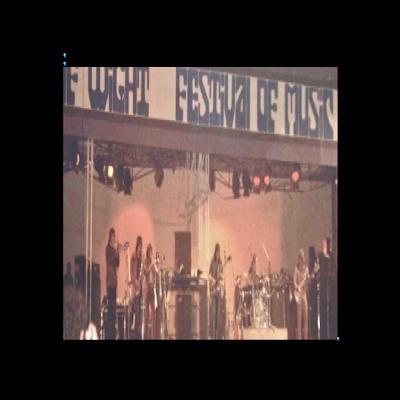
The Deep Dice recently contains excerpts from Kenny Denton’s memoir, which recounts his experiences working at the legendary 1970 Isle of Wight Festival. Denton highlights the contrasting performances of Kris Kristofferson, who faced a difficult and hostile audience, and John Sebastian, who captivated the massive crowd with a charismatic three-hour set. The narrative describes the festival as a historic turning point in music, though its immense scale led promoter Ron Foulk to label the event an uncontrollable "monster". Beyond the stage, Denton shares personal anecdotes of Kristofferson’s humility while helping the crew change a flat tyre in the mud. The source concludes with a harrowing account of the exhausted crew nearly crashing their vehicle during the journey home after days of sleepless labour.
This Deep Dive from Kenny Denton’s memoir recounts a chaotic attempt to record the band Chicago at the 1970 Isle of Wight Festival. Tensions rose within the mobile recording truck as conflicting instructions from the band's own production team created a disorderly and ego-driven environment. The situation escalated into total pandemonium when the recording equipment suddenly lost power, plunging the crew into darkness mid-performance. While the visiting engineers panicked, the local staff eventually discovered that the failure was caused by a dislodged power plug. Although technical operations eventually resumed, the author notes that the hostile atmosphere persisted for the remainder of the concert. Over-preparation by the American team ultimately proved no match for a simple, accidental physical mishap.
The Oxygen of Music: Masters of the Songwriting CraftThis Deep Dice provides a comprehensive look at the prolific songwriters who served as the creative engine of the music industry during the mid-20th century. By exploring the unique compositional techniques of various artists, the author demonstrates that there is no singular formula for crafting a legendary hit. Iconic figures such as Chuck Berry and Roy Orbison are highlighted for their roles in breaking structural norms and defining the sound of rock and roll. The narrative further celebrates the commercial success of masters like Carole King and Barry Mason, whose work dominated global charts through both solo efforts and collaborations. Through a blend of historical analysis and personal anecdotes, the source illustrates how these individuals translated human emotion into timeless melodies and poetic lyrics. Ultimately, the passage serves as a tribute to the diverse artistic voices that shaped the evolution of modern popular music. Many More Stories in My Book “There Ain’t No Rule In Rock ’n’ Roll" Available From Amazon Books
“There Ain’t No Rules in Rock ‘n’ Roll”This Deep Dive serves as the introductory chapter to a memoir titled "There Ain't No Rules in Rock 'n' Roll," written by a veteran music producer and engineer. The author reflects on a forty-year career that began in 1969 at prestigious London locations like Pye and De Lane Lea Studios. He describes how his personal diaries provided a factual foundation for his professional anecdotes involving legendary and eccentric artists. The narrative traces his lifelong passion for sound, beginning with a childhood fascination with his brother's phonograph and early experiences working at a South London record stall. Ultimately, the author portrays his book as a new creative challenge intended to document the evolution of the music industry through a humorous and personal lens.The Full Story In From Kenny Denton's Memoir "There Ain’t No Rules In Rock n Roll." Available From Amazon Books
Recording Rio Medina: The Doug Sahm SessionsThis Deep Dive account provides a behind-the-scenes look at the recording of the Sir Douglas Quintet’s album, Rio Medina, as remembered by producer Kenny Denton. The narrative begins with a comical travel mishap in San Antonio involving a manipulative taxi driver and the clever intervention of keyboardist Augie Meyers. Denton details the unpredictable studio environment shaped by Doug Sahm’s frequent drug use, lack of punctuality, and habit of improvising hits on a whim. The text also explores Sahm’s broader career, including a high-budget collaboration with Bob Dylan and Jerry Wexler at Atlantic Records that ended in professional frustration. Ultimately, the source serves as a colourful memoir illustrating the chaotic but brilliant nature of a Texas music legend.. The Full Story In From Kenny Denton's Memoir "There Ain’t No Rules In Rock n Roll." Available Frome Amazon Books
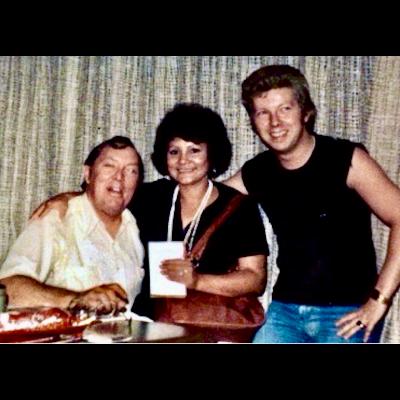
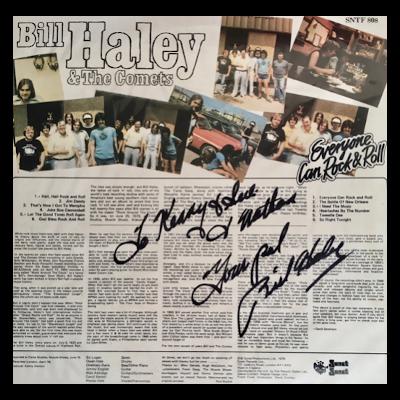
Behind the Comets: The Legacy of Bill Haley This Deep Dive review provides a personal retrospective on the final years of rock and roll pioneer Bill Haley, as told by his collaborator Kenny Denton. The narrative documents the production of Haley’s last album and highlights the musician’s sincere character through anecdotes about his support for Elvis Presley and his courageous protection of Chuck Berry from racial violence. It also explores the professional challenges Haley faced, including financial disputes with label owners and tensions regarding album credits with his backing band. Beyond the business of music, the author details a warm journey through Nashville’s industry circles and his developing friendship with the singer. Ultimately, the source serves as a rebuttal to rumours of Haley’s mental decline, instead portraying him as a dignified and influential figure who remained sharp until his passing.
This Deep Dive review provides a fascinating look into the career milestones and final recording sessions of rock 'n' roll pioneer Bill Haley. It highlights his historic achievements, such as selling over 150 million records and being the first major American star of the genre to tour Europe. The memoir focuses heavily on the production of his last album, "Everyone Can Rock and Roll," documenting the sessions held in both London and Alabama. Producer Kenny Denton recounts his personal experiences working with the legend, correcting misconceptions about Haley's temperament while praising his professionalism and charm. The narrative captures a specific moment in music history, featuring technical studio details, interactions with talented session musicians, and poignant reunions with former colleagues. Ultimately, the source serves as an intimate tribute to Haley's enduring influence and character during the twilight of his life. The Full Story In My Book There Ain’t No Rules In Rock n Roll Available From Amazon Books.
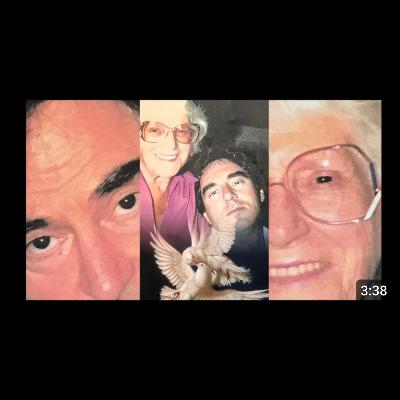
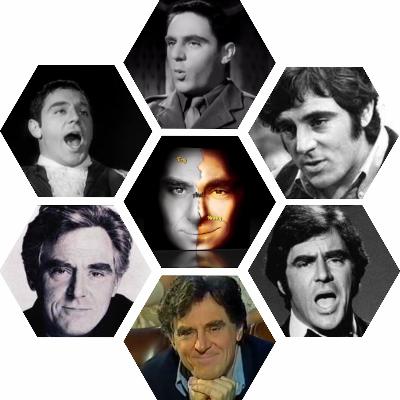
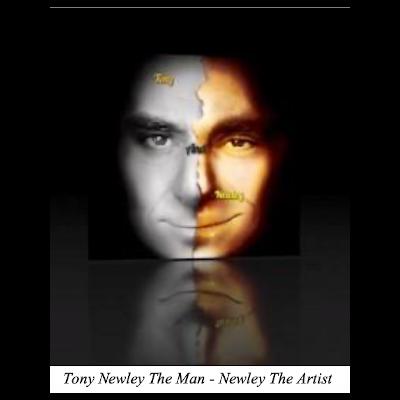
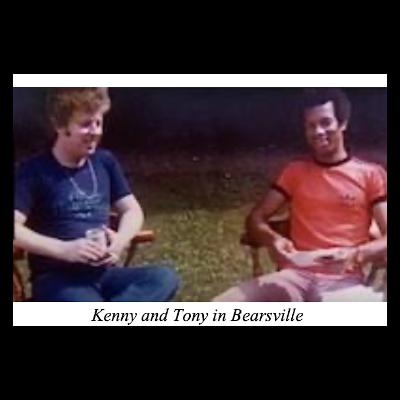
This Deep Dive Review is from the memoirThere Ain’t No Rules In Rock n Roll by Kenny Denton, which provides an intimate look into the personal lives of entertainer Anthony Newley, his mother Grace, and his partner Gina Fratini. The narrative captures the vibrant spirit of Grace, affectionately known as "the Duchess", whose humour and Cockney charm remained constant until her death at age ninety-nine. Denton recounts significant final moments, such as a surreal dinner at a fish and chip shop and the emotional toll of Newley’s battle with renal cancer. The text highlights the deep bonds between the author’s family and the Newley’s, detailing how they supported Grace following her son's passing in 1999. Furthermore, it explores Newley’s complex artistic identity and his late-life reconciliation with Gina, a renowned fashion designer who became his dedicated carer. Ultimately, the sources serve as a poignant tribute to a unique family and the enduring friendships that spanned their final years.There Ain’t No Rules In Rock n Roll by Kenny Denton, Available From Amazon Books.
Anthony Newley Part Two. This Deep Dive provides an intimate biographical overview of the multi-talented entertainer Anthony Newley, as recounted through the personal recollections of his friend Kenny Denton. The narrative highlights Newley's emotional nature and his complex personal life, including his marriage to Dareth Rich and their unsettling experiences living in a notorious Hollywood mansion. It also illustrates his artistic legacy, detailing his professional friction with Rex Harrison during the filming of Dr Dolittle and his ambivalent feelings toward celebrity impersonators. Newley is depicted as a somewhat cloistered figure who remained humble and deeply connected to his mother, even while commanding standing ovations from industry luminaries. Finally, the account captures the poignancy of his later years, documenting his final triumphant live performances and the physical decline that overshadowed his concluding stage roles.The Full Story in Kenny Denton's memoir There Ain’t No Rules In Rock n Roll Available From Aamzon Books.
Anthony Newley: The Multifaceted Life of a Global Icon.This Deep Dive review provides a comprehensive overview of the prolific career and personal life of Anthony Newley, a versatile British entertainer who excelled as an actor, songwriter, and director. It highlights his immense influence on the arts, noting his role as the Artful Dodger and his Songwriters Hall of Fame induction alongside collaborator Leslie Bricusse. The author, Kenny Denton, shares intimate anecdotes regarding their professional partnership, including the technical challenges of recording Newley’s later albums. These stories reveal Newley’s complex personality, illustrating his distinct separation between his private self and his public "artiste" persona. Ultimately, the source serves as a heartfelt tribute to a man whose creative legacy reached from Broadway stages to iconic James Bond themes.More Anthony Newley stories in Kenny Denton's memoir "There Ain’t No Rules In Rock n Roll." Available from Amazon Books
This account details a chaotic and extravagant recording session led by the acclaimed songwriter Jimmy Webb at De Lane Lea Studios during the mid-1970s. Despite Webb’s immense talent, the production was plagued by technical hurdles, including an unfinished mixing console and a replacement engineering team struggling with an unconventional orchestral setup. The environment devolved into a hedonistic party filled with celebrities and onlookers, which severely hindered the professional focus of the 130 musicians and choir present. Efforts to record were further stifled by an incompetent supervisor and a lack of acoustic separation, resulting in a wall of noise rather than a polished track. Ultimately, the incredibly expensive session yielded only two usable recordings, both of which were eventually discarded as unusable. This narrative serves as a vivid illustration of the industry excess and ego-driven waste that characterised high-budget music production during that era.From Kenny Denton's memoir There Ain’t No Rules In Rock n Roll. Available from Amazon Books
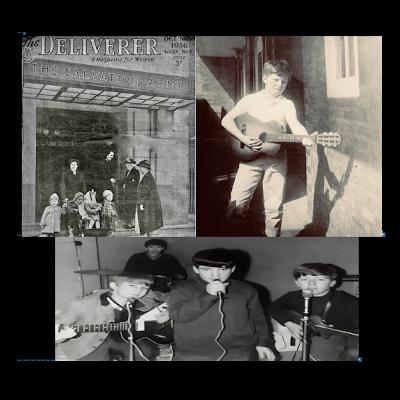
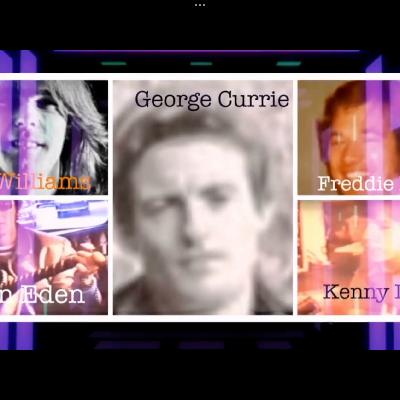
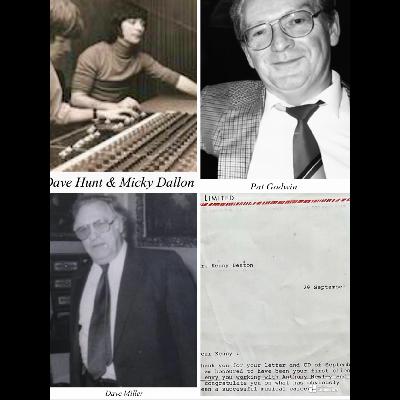
Kenny Denton’s early days at Pye Studios were shaped by a unique scheme called the Saturday Special—cheap weekend sessions created by studio manager Pat Godwin. It gave young engineers like John “Peanut” Smyth the chance to record full bands, while struggling musicians could cut demos.Through Peanut, Kenny’s band recorded for free during studio downtime—mysteriously logged as “Stoner Music.” The lineup even featured Cliff Williams who went on to join AC/DC and George Curry who in a few years would be a founder of the Band Darts. They cut two standout tracks, “Louise” and “I Will Solve It Drinking,” convinced a record deal was within reach.Things took a turn when Kenny met ambitious songwriters Dave Meyers and John Worsley. Impressed, they quickly offered to manage the band, landing them a publishing deal and pulling them into London’s buzzing music scene—especially the Giaconda Café, where future stars gathered.Meyers had big dreams—and one wild plan: win Eurovision. Against all expectations, their song “Jack in the Box,” sung by Elaine Paige, won the UK selection and placed fourth in the Eurovision Song Contest 1971.But the dream unravelled just as quickly. Meyers secretly gambled the band’s advance money on a Muhammad Ali fight—and lost. Trust was broken, and the band eventually walked away.Meanwhile, singer Les Charles—once struggling for a break—reinvented himself as Billy Ocean. His hit “Love Really Hurts Without You” launched a career that would sell over 30 million records.Years later, Kenny ran into him again and joked about the four shillings he’d once loaned him—bringing the whole story full circle.A tale of near-misses, big risks, and the strange twists of the music industry—where success can be just one song, or one bad decision, away.
In this memoir excerpt, music producer Kenny Denton recounts his formative years at the legendary PYE studios, highlighting the influence of his mentor, Dave Hunt. He describes the rigorous technical training required to master analogue tape editing, a skill involving the precise cutting and splicing of magnetic reels. Denton reflects on the high-pressure environment of the control room, where even simple tasks were complicated by the presence of high-profile clients. A pivotal moment in his career occurred when he worked with a young Tim Rice on the iconic musical Jesus Christ Superstar. Despite a nervous and bloody first attempt at editing for the lyricist, the experience ultimately solidified Denton's professional confidence and led to a lifelong mutual respect between the two men. This narrative captures the technical precision and personal resilience necessary to succeed in the mid-century British music industry.Many More Stories In My Memoir There Ain’t No Rules In Rock n Roll. Kenny Denton.
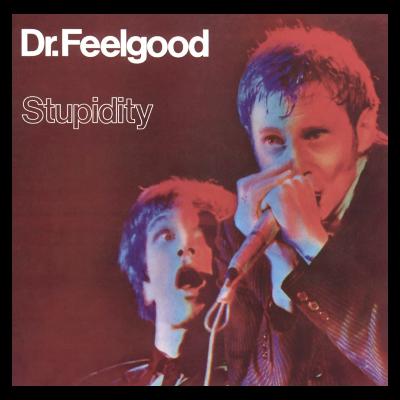
This Deep Dive recounts a famous recording error during the production of Dr Feelgood's chart-topping live album, Stupidity. The narrative details how renowned producer and engineer Vic Maile mistakenly recorded a prominent hi-hat microphone across all drum tracks, leading him to fear the project was ruined. Despite Maile's immense technical background with legendary acts like Led Zeppelin and The Who, he remained convinced that this oversight would damage his professional reputation. However, the author explains that the album eventually reached number one in the UK, with critics ironically praising the very percussive clarity Maile had tried to fix. Ultimately, the source highlights the unpredictable nature of the music industry, where a perceived technical failure became a celebrated feature of a classic rock record. Many more stories in The Memoir There Ain’t No Rules In Rock n Roll by Kenny Denton.
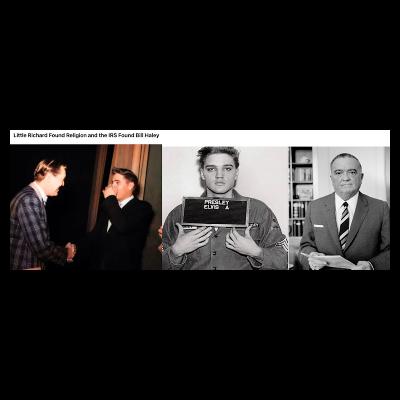
This Deep Dive examines how J. Edgar Hoover and the FBI actively worked to dismantle the rock 'n' roll movement during the 1950s. The author suggests that the government viewed the era's youthful rebellion and search for identity as a significant social threat that required suppression. By highlighting the legal troubles, scandals, and personal tragedies that sidelined icons like Elvis Presley and Chuck Berry, the text illustrates a systematic decline of the genre's original stars. This vacuum allowed for the rise of wholesome, manufactured artists who were more palatable to the established authorities. Ultimately, the source links these early efforts to contain countercultural shifts to the eventual creation of more aggressive domestic surveillance programmes.
This Deep Dive details the founding and evolution of Hot Chocolate, specifically highlighting the contributions of its co-founder Tony Wilson. After relocating from Trinidad to London, Wilson and his bandmates famously secured a meeting with John Lennon and Yoko Ono, who helped name the group and released their first single on Apple Records. The narrative describes their transition to the RAK label under producer Micky Most, whose commercial focus led to massive success but also caused internal creative friction. While the band achieved global fame with hits like "You Sexy Thing," Wilson eventually departed to pursue a solo career due to artistic differences regarding the group's musical direction. The account concludes by noting the band's enduring legacy and the financial arrangements required to continue using their iconic name after the original line-up fractured.
This collection of anecdotes from Kenny Denton’s memoir offers a humorous, behind-the-scenes look at the British music industry over several decades. The text features legendary figures such as Barry Gibb, Little Richard, and Roy Orbison, highlighting the eccentricities and quick wit of famous performers. It also shines a light on the tireless work of session musicians like drummer Clem Cattini and the technical challenges faced by producers and engineers. From recording studio mishaps to bizarre interactions with advertising agencies, these stories capture the unpredictable nature of life in the limelight. Ultimately, the source serves as a tribute to the charismatic personalities and enduring friendships formed within the world of rock and roll.
Sir Thomas Hicks OBE AKA Tommy Steele The full story in Kenny Denton's memoir "There Ain't No Rules In Rock n Roll" Thomas Hicks, professionally recognised as Tommy Steele, was an English entertainer celebrated as Britain's inaugural teenage heartthrob and pioneer of rock 'n' roll. Born in Bermondsey, London, he was the child of Thomas Walter Hicks and Elizabeth Ellen Bennett, who were married in Bermondsey in 1933. Tommy Steele came to prominence when a freelance photographer named John Kennedy spotted his potential as Britain's answer to Elvis Presley. In just six weeks, Steele ascended to top billing in numerous variety shows. Following his discovery at the 2i’s Coffee Bar, he swiftly delivered a string of chart topping singles, including, “Rock with the Caveman” and “Singing the Blues”. During his early career, he released his first three singles at a rapid pace with a new one hitting the shelves every three weeks. As the 1950s and 1960s witnessed a surge in homegrown musical talent, Steele transitioned to a successful career in stage and film musicals, leaving his pop-idol persona behind. On the West End stage, he took on the lead role of Hans Christian Andersen. In the world of cinema, he reprised his stage role, from both London and Broadway, in Half a Sixpence and assumed character roles in The Happiest Millionaire, although some critics felt his on-screen persona was somewhat overpowering. In Finian’s Rainbow, what is likely his most recognised film performance,During the early 1970s, Tommy happened to own a modest West London recording studio known as Recorded Sound, located just minutes away from Pye Studios on Bryanston Street. In my quest for an encounter with him, I often dropped by to visit a friend who worked there and to enjoy a cup of coffee, all in the hope that fate would eventually bring me face to face with Tommy in his studio. I longed for the chance to meet the man I had once aspired to be like. Sadly, two years passed without so much as a glimpse of the elusive Mr. Steele, let alone the opportunity for a handshake. In the early 70s I was working at De Lane Lea in Wembley when, as luck would have it, a two-day weekend booking materialised to record the music for a Tommy Steele TV special. I immediately went after securing the job as engineer. Unfortunately, the television company adhered to stringent union regulations that dictated only their own engineers could handle the recording sessions. Despite not having any work obligations that particular weekend, I made a conscious decision to linger around the studio's restaurant, hoping for an opportunity to cross paths with Tommy Steele himself. But much to my disappointment he never made an appearance during those sessions. It was during the 90s that fate would bring me into contact with Tommy's daughter, Emma Steele. She booked a session at my studio, KD's, to record a couple of tracks. At the time our son Nathan was working alongside me and due to their similar ages, he and Emma quickly formed a close friendship. The full story in Kenny Denton's memoir "There Ain't No Rules In Rock n Roll"
While attending a lunchtime gig in a market square with my artist Toby and his band, in a small town just outside Lafayette Louisiana, my wife Sue and I decided to pop into a small bar while the band set up. As we stepped inside we found it was like many small bars in Louisiana – both dark and uninviting. Whilst I sensed my way to the bar in order to buy a couple of beers, Sue chose a small table close to the front door, perhaps considering we may need to make a hasty exit at some point. Not long after, the door creaked open, and in walked a man, although he wasn’t carrying a banjo he looked like he could have stepped straight off the set of Deliverance. The room seemed to tense as he scanned the bar, his eyes locking on ours almost instantly. Instead of heading to the bar, he came to our table with a deliberate, unsettling calm. Without saying a word, he leaned in until his face was just inches from mine, his breath hot and stale, and stared straight into my eyes. The silence was excruciating, every second dragging like an eternity. My pulse quickened, and I could feel Sue tensing beside me. Two or three minutes passed. though it felt like hours, before he finally straightened up, his expression unreadable, and wandered off to the bar as if nothing had happened. I felt a lot more comfortable few minutes later, when Toby’s weightlifting brother Balo, entered the bar. I told him about my unsettling encounter, hoping for some reassurance. “Don’t worry about it,” he grinned, “He probably thought you were kin.” Only in Louisiana could borderline terror be written off as a family reunion. In the studio, I sat next to the engineer at the recording desk, where the music was turned up so high that the phone on the right of the engineer could have rung like a fire alarm, and we still wouldn’t have heard it. Instead, the red light on top of the handset would flash, like a huge “hello, pay attention to me!” signal. Without fail, a couple of times a day, I’d see the light flashing and shout, “The phone’s ringing!” The engineer, undeterred by the volume that shook the room, would yell back, “What’s that now?” I’d raise my voice even louder and repeat, “The phone’s ringing” whilst pointing my finger towards the phone and once again, he’d respond with, “What’s that now?” This went on and on like a tennis ralley that would have earned us a standing ovation at Wimbledon. Finally, he’d begrudgingly lowered the volume, with me still shouting, “The phone’s ringing!” To my great relief he’d pick up the receiver, delivering a dramatic “JD’s, studio.” After a moment, he glanced at me, with a glazed look shaking his head. “Nope, no one there. Strange, that happens all the time.” I really wouldn’t have bothered with these daily battles, but the call could have been for me and may have been important. One day Lester, a friend of the engineer, popped in to say hello. After some small talk, the engineer asked Lester, “What’ve you been up to?” Lester looking somewhat bewildered by the question eventually replied, “Been doing a lot of fishing.” The engineer raised an eyebrow. “What’s biting?” Lester shrugged, “Nothing, haven’t caught a thing in three weeks.” “What bait are y’all using?” The engineer asked. “Stopped using bait,” Lester replied, like he was revealing the secret to life itself. “How long ago did y’all stop using bait?” “Hmm… about three weeks ago.” Listening to the two of them was like witnessing Laurel and Hardy on an acid trip. I figured this was the sort of guy that took a fishing pole to Sea World During these sessions, I had the pleasure of being accompanied by my good friend and all round musical wizard, Danny Saxon. Danny was in his mid-twenties, a good-looking guy with shoulder-length blonde hair, he looked like he’d just stepped out of a Californian beach more @ kennydenton.com
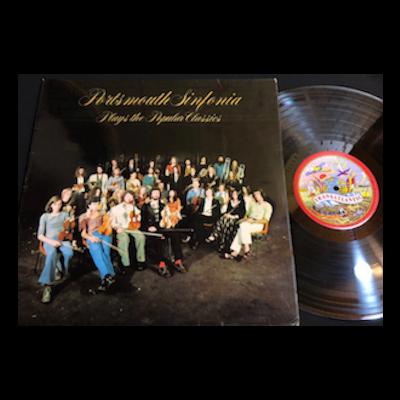
In the 1970s a group of students from the Portsmouth School of Art decided to start a rather unconventional orchestra named the Portsmouth Sinfonia. Their foundational concept was refreshingly inclusive: the Sinfonia welcomed virtually anyone who wished to participate regardless of talent or experience. Inevitably, it drew individuals with minimal musical background and, intriguingly, musicians that chose to embrace instruments completely foreign to them. As one might imagine, this eclectic blend of members resulted in an ensemble with a distinctly idiosyncratic character. Initially conceived as a one-time, tongue-in-cheek performance art project, the orchestra remarkably evolved into a cultural sensation over the subsequent decade, including memorable concerts, the release of LPs, the creation of a film and even a chart-topping single. Eventually their public performances came to an end in 1979, marking the conclusion of an era for this remarkable musical phenomenon. In 1974, I was introduced to the album titled The Portsmouth Sinfonia Plays the Popular Classics. This particular album held a special place in my music collection, as it was produced by none other than Brian Eno, who also happened to be one of the clarinet players within the ensemble. It remains one of the most comically entertaining albums I've ever had the pleasure of listening to. Surprisingly, this album proved to be incredibly versatile and valuable in certain social situations. It had the remarkable ability to elicit laughter when shared with friends, serving as a delightful source of amusement. Additionally, it came in handy for discreetly encouraging guests who had overstayed their welcome to make their exit gracefully. Furthermore, for those times when you felt a need to test the patience of your neighbours or perhaps engage in a bit of playful provocation, The Portsmouth Sinfonia Plays the Popular Classics unquestionably emerged as the perfect auditory choice. In the late 70s I was in the studio booking office at Wembley, when I overheard the secretary Miriam on the phone, she was taking a booking for a jingle on behalf of a maker of a famous box of chocolates. By now I had a real dislike for working on jingles, I was about to beat a hasty retreat from the office, when I heard Miriam confirm to the client the details of the session. “... so, Studio One 7 ‘til 10. Artist, The Portsmouth Sinfonia.” I turned around before she had finished the word Sinfonia and much to Miriam’s surprise, who knew how much I disliked these mini-TV nightmares, told her, “I’ll do that one please, please.” A few days later, with the studio set and ready, about 50 members of the orchestra arrived. Once seated, they started to run through the music they intended to record. I was desperately trying not to laugh too loud as I set about getting a recording level. The music we were tasked with recording was astonishingly brief, lasting only a minute. Achieving the right balance took a few run-throughs. By the time we reached the third attempt, the director turned to me with a hint of impatience and inquired, “How long is this going to take?” The Full Story & Many More Are In My Memoir "There Ain't No Rules In Rock n Roll" Available Form Amazon in Paperback and Kindle.
loading
Comments 
loading