


 Claim Ownership
AuDHD IRL
Subscribed: 1Played: 7
Subscribe

© Bri Thomas
Description
AuDHD IRL is a podcast about what it really looks like to be autistic + ADHD, beyond the hot takes and productivity hacks. Each episode feels like a cuppa with someone a few steps ahead on the journey (who’s tripped over it a few times). We talk honestly about it all, with laughter, tasteful swearing, and lots of self-compassion. This isn’t about fixing yourself. It’s about understanding your brain, finding language for your experience, and feeling less alone while you figure things out in real life. Come as you are. Stay as long as you like.
From Ngunnawal and Ngambri lands/knowledge/love.
From Ngunnawal and Ngambri lands/knowledge/love.
17 Episodes
Reverse
Content Warning:Discussion of burnout and overwhelmExperiences of feeling misunderstood or “not fitting”Academic and school-related stressPerfectionism and pressure around potentialMental health challenges (including anxiety and low self-worth)If these are prickly for you today, go have a cuppa instead!Summary:In this episode, Bri sits down with Caitlin to explore multi-exceptionality — the experience of being both gifted and multiply disabled (aka AuDHD).Together, they unpack the complexity of having strengths and challenges that can mask each other. High intelligence, strong verbal skills, or creativity can often hide support needs, while struggles with executive functioning, emotional regulation, or sensory experiences can be misunderstood as a lack of effort or inconsistency.The conversation explores how many twice-exceptional individuals grow up feeling “out of sync” — excelling in some areas while quietly struggling in others — and how this can impact identity, self-worth, and access to support.Bri and Caitlin also challenge the idea that capability equals coping, highlighting the invisible effort it can take to keep up, mask difficulties, and meet expectations.At its core, this episode is about recognising and validating the full picture — and creating space for both strengths and support needs to exist at the same time.Takeaways:You can be gifted and still need support. Strengths don’t cancel out challenges — both can exist at the same time.Capability ≠ coping. Just because someone is achieving or performing well doesn’t mean it feels easy or sustainable.Twice exceptionality can be invisible. Strengths can mask difficulties, and difficulties can mask strengths — leading to missed or delayed understanding.“Inconsistency” often has an explanation. Fluctuating performance is not a character flaw — it reflects underlying differences in processing, energy, and support needs.The pressure of “potential” can be heavy. Being seen as capable or “bright” can create unrealistic expectations and internalised pressure.Many multi-exceptional individuals feel out of sync. Being ahead in some areas and behind in others can lead to confusion, frustration, and disconnection from peers.Masking can come at a cost. Trying to maintain a capable or “put together” image can contribute to burnout and identity confusion.Support should be based on need, not visibility. You don’t have to struggle more obviously to deserve help.Understanding changes everything. Having language for your experience can shift self-blame into self-compassion.You are allowed to be both. Both capable and struggling. Both strong and needing support.You can find Caitlin on Instagram at @cathartic.collaborations, at her website www.catharticcollaborations.com.au, and listen to her podcast Divergent Dialogues.
Content Warning:Burnout and chronic exhaustionWorkplace stress and misalignmentPeople-pleasing and self-sacrificeParenting stress (including early childhood challenges)Internal pressure, overwhelm, and productivity strugglesSummary: In this episode, Bri sits down with Adina to explore what it really looks like to build a life and business that actually fits an AuDHD brain, not one shaped by neurotypical expectations.Adina shares her journey from speech pathology private practice owner to burnout, and the pivotal moment where everything “collided”, forcing her to completely rethink how she worked, led, and lived. Through that process, she began deeply examining her needs, energy, and capacity, realising that the “expected” path (growing a team, scaling a business, pushing through) wasn’t sustainable for her neurotype. Instead, she rebuilt a business model centred around autonomy, flexibility, and alignment. The conversation explores the tension between internal drives (like urgency, hyperfocus, and overwork) and the need for rest, boundaries, and self-compassion. It also highlights how tools like AI can act as accessible supports for decision-making, boundary-setting, and reducing cognitive load.At its core, this episode is about letting go of “shoulds” and moving toward small, intentional steps that honour your actual brain and capacity.Takeaways:You don’t have to follow the “expected” path. The traditional progression (grow, scale, lead a team) isn’t right for everyone, especially for many neurodivergent brains. Burnout can be a turning point, not just a breaking point. Moments where everything “collides” can create space to rebuild something more aligned. Self-examination is the foundation of an aligned life. Regularly asking “what actually works for me?” is what allows meaningful change — not guessing or copying others.Autonomy isn’t a luxury, it’s often a need. Many AuDHDers thrive when they can control environment, schedule, communication, and workflow.Internal demands can be louder than external ones. ADHD urgency + autistic deep focus can create intense internal pressure, even without external deadlines. You don’t need to do everything at once. Small, iterative changes are often safer and more sustainable than “all or nothing” leaps.AI can be an accessibility tool — not a replacement for thinking. It can help with decision-making, scripting boundaries, and reducing overwhelm, while you stay in control. People-pleasing and self-advocacy can coexist. You can care about others and still set boundaries that honour your needs.Time-for-money work can be limiting (and exhausting). Diversifying income (even slightly) can create more flexibility, capacity, and sustainability.Creativity and joy matter, even without productivity. Doing things just because they feel good (not because they’re useful or profitable) is regulating and necessary.The goal isn’t perfection, it’s alignment. You don’t need a perfect system, just one that fits you better over time.“Little steps toward something that fits you better” is the work. Sustainable change happens through small, ongoing adjustments, not overnight transformation. Adina can be found on Instagram at @differently.aligned (Business Coaching) and @play.learn.chat (Therapy focus).
Content Warning:Burnout and shutdownMasking and identity confusionPeople-pleasing and self-sacrificeDiscussion of childhood experiences and labelsSocial pressure, fitting in, and internalised expectationsGo gently if these topics are dysregulating for you. Summary:In this episode, Bri sits down with Laetitia Andrac to explore AuDHD through the lens of parts, identity, and the roles we develop to survive and succeed.Laetitia shares her journey from high-achieving strategy consultant to burnout, and how discovering her daughter’s neurodivergence led to her own late diagnosis. Together, they unpack how growing up without the “right” label often leads to collecting harmful ones instead: shaping identity through external expectations rather than self-understanding. The conversation dives deeply into parts work, from Internal Family Systems to psychodrama, exploring how certain parts (like the “get shit done” achiever or the selfless leader) are highly rewarded, while others (like the need for silence, rest, or deep interests) are pushed to the back of the bus. Laetitia introduces a powerful analogy:👉 AuDHD as your operating system, and your parts as apps.The episode ultimately invites listeners to move away from “fixing” themselves and toward building relationships with all parts, even (and especially) the ones that have been hidden, dismissed, or shamed.Takeaways:If you don’t get the right label, you collect the wrong ones. Growing up without understanding your neurotype can lead to harmful identity narratives and reduced self-worth. Some parts are rewarded, others are rejected. Productivity, selflessness, and high achievement are often praised, while rest, quiet, and deep internal worlds are dismissed.The “get shit done” part can come at a cost. Capable parts often dominate until burnout forces other needs to the surface. People-pleasing is often relational intelligence, not a flaw. Being attuned to others can be valued socially, but can lead to self-abandonment when it becomes the dominant role.Masking can disconnect you from who you are. Many AuDHDers develop a strong “masking part” that performs externally while internal distress goes unseen. Burnout can reconnect you with lost parts. Experiences like shutdown or burnout can bring forward parts that were previously ignored, like the need for stillness, silence, or non-productivity.Special interests are often dismissed, but deeply protective. They bring joy, meaning, and regulation, yet are frequently minimised because they don’t align with social norms. AuDHD is the operating system, and parts are the apps. Your neurotype is your wiring, but your parts (roles, adaptations, identities) are layered on top and can be understood and reshaped.You don’t need to delete parts; you need relationships with them. Trying to “get rid of” parts doesn’t create change; it creates disconnection. Healing comes from understanding their role and intention.Befriending your parts is an act of rebellion. In a world that prioritises performance and conformity, choosing authenticity and internal connection is powerful and countercultural. You can find Laetitia on Instagram at @understanding.zoe and on the web at www.understandingzoe.com.
Content Warning:Discussion of trauma (including “little t” developmental trauma)People-pleasing, masking, and burnoutEmotional overwhelm and RSDGender expectations and systemic pressuresBrief mention of distressing childhood experiencesSummary: In this deeply validating and expansive conversation, Bri sits down with Em from NeuroWild (an autistic ADHD speech pathologist, illustrator, and advocate) to explore what it really means to grow up, parent, and exist in a neuronormative world.Together, they unpack the hidden costs of being the “easy,” “good,” or “pleasing" child, and how patterns like people-pleasing, perfectionism, and masking follow many AuDHDers into adulthood.Em shares the realities behind NeuroWild, from creative bursts and burnout cycles, to raising neurodivergent kids in a way that centres safety, autonomy, and connection over compliance.The episode challenges common therapeutic ideas (like “big vs small problems”), questions the push for independence, and reframes emotional intensity as something meaningful, not something to suppress.At its core, this is a conversation about unlearning: unlearning “shoulds,” unlearning sameness, and learning to build lives, and families, grounded in safety, authenticity, and the long game.Takeaways:You’re not “too much”, your environment might be too mismatched. Emotional intensity isn’t a flaw. It’s information.“Big reactions” aren’t the problem. Trying to suppress them for convenience often causes more harm than good.People-pleasing is learned, not inherent. Many AuDHDers were rewarded for being “easy,” and are now unlearning it.We need to stop teaching compliance and start teaching safety. Kids (and adults) thrive when they feel safe, not when they’re forced to perform.Independence isn’t the ultimate goal, connection is. Interdependence is human. Needing support is not failure.We’re playing the long game. The goal isn’t a “well-behaved child”, it’s a safe, self-aware adult.Not everything deserves a “yes”. It’s okay to leave, cancel, or opt out, even if you’ve paid, planned, or committed.Start asking: “whose expectation is that?”. A lot of what we chase isn’t ours, it’s inherited from systems that don’t fit us.You can find Em on instagram at @neurowild_, on facebook as NeuroWild, and online at www.neurowild.com.au.
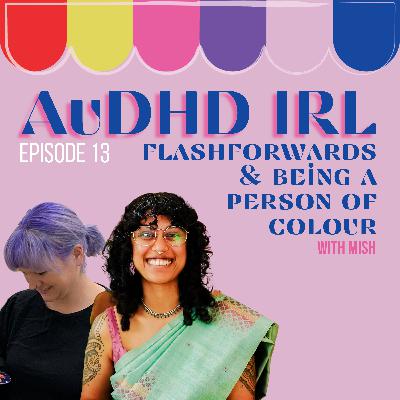
Content Warning: This episode contains discussions of...Trauma and systemic oppressionRacism, colonisation, and minority stressMisdiagnosis (including BPD) and mental health stigmaBrief mention of self-concept distressPlease take care while listening and pause if needed.Summary: In this deeply thoughtful and expansive conversation, Bri sits down with Mish - a non-binary, neurodivergent, South Indian mental health social worker - to explore what it really means to live as an AuDHD person at the intersection of culture, identity, and systems.Together, they unpack the concept of flash forwards - a lesser-discussed but powerful experience of anticipatory dread - and how AuDHDers may vividly “pre-live” the future in ways that feel intensely real.Mish shares their lived experience of being misdiagnosed with BPD, the impact of stigma, and the relief and rage that can come with finding more accurate, affirming frameworks.The conversation expands into how neurodivergence is always filtered through culture, and how people of the global majority experience compounding layers of minority stress, masking, and misinterpretation.They explore:Why safety is not universal, but can be “safe enough”How identity shapes both trauma and healingThe role of flash forwards in burnout, anxiety, and survivalAnd what it means to move toward your “favourite self”, rather than your “best” or “most productive” selfThis episode is an invitation to stay curious, to listen deeply, and to rethink what we’ve been taught about both neurodivergence and healing.Takeaways:Flash forwards are real and valid. Not just “overthinking”. They can feel like vividly living a feared future, with full-body responses.Your brain is trying to protect you. Flash forwards are often your system attempting to anticipate and prevent harm.The “where self” matters. Reorienting to where you are (not just what you feel) can help anchor you in the present.Neurodivergence is shaped by culture. It is never experienced in isolation. Race, gender, queerness, and systems all shape how it shows up and how it’s perceived.Minority stress compounds everything. Being neurodivergent and part of marginalised communities amplifies burnout, masking, and anticipatory anxiety.Same traits, different judgments. Behaviour seen as “leadership” in some may be labelled “too much” or “intimidating” in others.Masking is not the enemy. It can be a survival tool. The goal isn’t always to unmask, but to have choice.“Safe enough” is the goal. Healing doesn’t require perfect safety, just moments where your system can soften.Find your “favourite self”. Not your most productive, healed, or optimised self, just the version of you that feels most like you.The greatest privilege is not having to know. And the invitation is to choose curiosity anyway.Mish can be found via email at mishma@niram.com.au and on Insta at @neuroqueer.emdrtherapist.
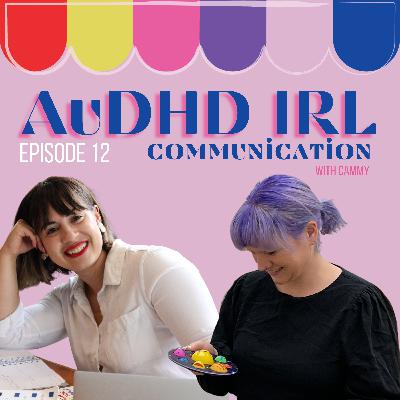
Content Warning - This episode includes discussion of:Experiences of being misunderstood, shamed, or corrected for communication differencesNeurodivergent masking and social challengesWorkplace and school-based communication difficultiesPlease take care while listening and pause if needed.Summary: In this episode, Bri sits down with AuDHD speech pathologist Cammy to explore the nuanced, often overlooked world of communication preferences in AuDHDers. Together, they unpack how communication is far more than just “talking and understanding”, it includes how we tell stories, ask for help, process language, use tone, and navigate relationships.Cammy shares insights from both her lived experience and clinical work, highlighting how many AuDHDers have been misunderstood or even shamed for the way they communicate. The conversation dives into directness, sensitivity, scripting, and the push-pull of AuDHD traits, while emphasising that communication is dynamic, relational, and deeply personal.They also explore the importance of self-awareness, collaboration, and accommodations, from communication profiles to visual supports, and how both neurodivergent people and their environments share responsibility in creating understanding.Ultimately, this episode is an invitation to move away from “fixing” communication, and toward honouring, understanding, and supporting it. Key Takeaways:Communication is more than speech. It includes storytelling style, tone, pacing, literal vs non-literal language, help-seeking, and more. There is no “right” way to communicate. Differences are neutral. What matters is understanding and supporting them, not correcting them. Directness and sensitivity can co-exist. Many AuDHD people are both direct and deeply sensitive, which can create relational tension that needs open conversation. Relationships are the foundation. Communication works best when there is reciprocity, repair, and ongoing dialogue about what works for each person. Scripting is a valid and helpful tool. It can act as a starting point - “copy, paste, then personalise” - rather than something rigid or inauthentic. Self-awareness comes first. Clinicians (and everyone!) need to understand their own communication preferences before supporting others. Accommodations support authentic communication. Tools like communication profiles, visual supports, and environmental adjustments help people communicate the way they want to. AuDHDers shouldn’t carry all the load. Communication is a shared responsibility. Environments, clinicians, teachers, and peers all play a role. If in doubt… ask. The most powerful (and often underused) tool: ask the person about their communication preferences.You can get in touch with Cammy via email at cammy@letstalksp.com.au and over Instagram at @lets.talkneurodiversity.
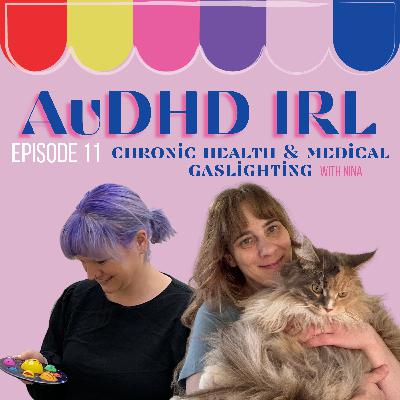
Content Warning: This episode discusses chronic illness, medical gaslighting, healthcare discrimination, trauma within healthcare systems, and brief references to medical neglect and historical misogyny in medicine. Listener discretion is advised.Summary: In this episode of AuDHD IRL, Bri sits down with provisional psychologist Nina Buchborn, who shares her lived experience of AuDHD alongside chronic, invisible illnesses. Nina’s thesis explored medical gaslighting in the healthcare experiences of neurodivergent women with chronic pain, and this conversation dives into the deeply personal and systemic issues behind that research. Together, Bri and Nina unpack the complex intersection between autism, ADHD, connective tissue disorders, dysautonomia, MCAS, chronic pain, fatigue, and more, and why so many people who are autistic and/or ADHD experience multiple health conditions at once. They discuss how these conditions are frequently misunderstood or dismissed in healthcare settings, particularly for women and gender-diverse people.Nina shares stories from her own life and research participants about the impact of medical gaslighting, the emotional toll of being repeatedly dismissed by doctors, and the hidden reality of living with invisible illness. The conversation also explores the concept of masking on steroids, where Autistic people and ADHDers' masking overlaps with the pressure to appear well despite chronic illness.Alongside the challenges, this episode also offers practical insights into self-advocacy in healthcare, navigating complex medical systems, and learning to trust your own body and experiences.Takeaways:1. Autism/ADHD and chronic illness often overlap.Emerging research suggests a strong connection between autism/ADHD and conditions such as connective tissue disorders, dysautonomia (including POTS), MCAS, and chronic pain. These links are increasingly recognised but still poorly understood in mainstream medicine.2. Medical gaslighting is a systemic issue.Many people, particularly women and autistic/ADHD individuals, report their symptoms being dismissed as anxiety, stress, or exaggeration. This can delay diagnosis for years or decades.3. Invisible illness creates layers of masking.People with chronic conditions often feel pressure to appear “well” in social and medical settings. For autistic/ADHD individuals, this can mean masking both their neurodivergence and their physical illness at the same time.4. Chronic illness often involves grief.Losing access to activities, work, social life, and identity can bring significant grief. Validating this emotional experience is an important part of both psychological care and personal healing.5. Self-advocacy in healthcare matters.Navigating the healthcare system can be exhausting, but asking questions, seeking second opinions, bringing support people to appointments, and requesting documentation can help patients advocate for themselves.6. Trust your body.If something feels wrong, it deserves attention. Nina encourages listeners to trust their own bodily experiences and keep searching for answers and support.7. Kindness toward yourself is essential.Living with chronic illness means adjusting expectations and recognising limits. Self-compassion is a crucial part of navigating health challenges.

Summary: Dive into a lively conversation about how AuDHD, identity, and self-expression intertwine through hair, fashion, and everyday choices. Charlotte (a hairdresser) and Bri explore how embracing our differences can foster confidence, control, and community. They discuss how being proud of our differences and showing it on the outside can signal safety to others. They also discuss parenting AuDHDers who want to experiment with their looks, how experimenting with looks can be regulating, and how being in control of something like your hairstyle can help with transitions and change. Charlotte also shares what it's like to give someone their first ever haircut, and gives advice to those who are nervous to get a cut.Takeaways: AuDHD and Self-Expression: Embracing your AuDHD identity can significantly influence personal style and self-image, allowing individuals to express their identity authentically.Dopamine Dressing: This concept highlights the joy and confidence that come from wearing clothes that stimulate positive emotions.Creating Safe Spaces: It's crucial to provide environments where AuDHD individuals, especially children and teens, can express themselves freely and feel understood.Practical Accommodations: Offering tailored experiences, such as sensory-friendly haircuts, can make a significant difference for autistic or ADHD clients.Autonomy and Identity: Encouraging autonomy in style choices helps reinforce a sense of control and self-acceptance, fostering a positive self-image.You can find Charlotte on Instagram at @charlotte_thehairstylist, or through @brushnbroom.
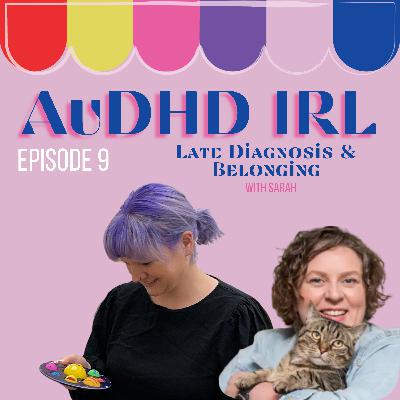
Content Warning:This episode discusses topics related to being AuDHD, late diagnosis, and societal stigma. There is mention of suicidality and trauma, which may be sensitive for some listeners. Go gently. Summary: In this episode, we explore the transformative power of understanding our neurotype, and cultivating genuine belonging, both personally and socially. Sarah Eagle, a passionate advocate and late-diagnosed AuDHDer herself, shares her journey, mental models, and practical steps towards building inclusive communities where all brains can thrive. She is fabulous, and you will love her!Takeaways:The transformative power of late diagnosis: understanding oneself and fostering self-compassionMoving beyond deficit models to a belonging-focused framework based on relationshipsThe importance of rupture and repair skills in society for authentic connectionHow societal beliefs from moral failing to justice and belonging models impact stigmaPractical strategies for individual regulation and sensory lifestyle medicine to prevent burnoutThe role of gentle advocacy: creating demand for inclusive environments without burnoutThe significance of neurokin communities in cultivating a sense of belongingSteps for systems change: policies, community awareness, and relational skillsEmbracing the grief and anger as natural parts of the diagnosis journeyUtilising mental health models that prioritise enrichment, community, and self-literacyYou can find Sarah on Instagram at @neurodivergent_joydiving_sarah.
Content warning: mention of suicidality, parental burnout, trauma and stress. Listen with care.Summary: In this heartfelt episode, Hollie-Ann shares her experience as an AuDHD mother navigating diagnosis, parenting, advocacy, and self-care with host Bri Thomas. Hollie-Ann's story highlights the importance of community, self-awareness, and embracing strengths on the parenting journey. She is honest about the tough stuff, and encouraging exactly where it's needed. This episode addresses societal taboos, intersectionality, parenting strategies, and community building within neurodivergent and queer spaces. It offers actionable insights for parents, caregivers, and advocates aiming to foster understanding and self-compassion.Takeaways:The impact of being AuDHD on identity and parenthoodBuilding community and advocating for neurodivergent familiesThe challenges of parenting with additional support needs and navigating systemsStrategies for self-care, energy management, and co-regulationAddressing societal taboos: ableism, loneliness, and mental health in parentingThe importance of parenting to strengths and modelling regulationRecognising and honouring fluctuating capacities and micro-moments of self-careYou can find Hollie-Ann on Instagram at @neuroinclusiveeducation.
Content warning: Don't listen to this one with the kids in the back seat... and discern whether it's going to be safe for your nervous system to hear Lil and Bri talk about relationships, sex, intimacy and pleasure at this time. Keywords: ADHD, autism, AuDHD, relationships, intimacy, neurodivergent, sex education, communication, sensory experiences, self-acceptanceSummary: In this engaging conversation, Bri Thomas and Lil explore the themes of authenticity, neurodivergence, and intimacy. Lil shares their personal journey with ADHD and autism, discussing how these experiences shape their understanding of relationships and sexual intimacy. The discussion delves into the importance of communication, the impact of sensory experiences, and the need to challenge societal norms surrounding sex. Lil emphasizes the significance of self-discovery and pleasure, advocating for a more open dialogue about sexuality to reduce shame and foster connection.Takeaways:AuDHDers often have unique experiences in intimacy.Communication is essential for understanding needs in relationships.Sensory experiences can greatly impact sexual intimacy.Breaking societal taboos around sex is necessary.Self-discovery is crucial for understanding personal pleasure.Shame around sexuality can hinder personal growth and connection.Creating supportive systems in relationships can alleviate stress.Pleasure is a birthright!You can find Lil on Instagram at @neurokinnection.
Overview: In this engaging conversation, Jess, a registered psychologist, shares her journey of discovering her autism and ADHD. She discusses her early career experiences, the importance of lived experience in psychology, and the challenges of masking in social situations. Jess emphasises the push-pull dynamic between autism and ADHD, exploring how it affects her daily life and interactions. The conversation highlights the significance of self-advocacy, understanding one's own needs, and the importance of going with the tussle in your own brain.Takeaways:Understanding one's neurodivergent identity can lead to greater self-acceptance.Masking is a common coping mechanism for AuDHDers.The push-pull dynamic between autism and ADHD can be exhausting.Self-advocacy is crucial in navigating social situations.Community support enhances well-being for neurodivergent individuals.Recognising bodily cues can help manage overwhelm.It's important to lean into one's thoughts and feelings.Working with the tug of war rather than fighting it leads to better outcomes.You can find Jess on instagram at @pinkzebra.psychology
Keywords (Please consider this when listening to this podcast; make sure you're in an okay place to hear these topics): Food, AuDHD, eating disorders, ARFID, OCD, trauma, safety, nutrition, sensory processing, mental health.Overview: In this conversation, Margo White and Bri Thomas explore the intricate relationship between food, AuDHD, and safety. Margo shares her personal journey with eating disorders and how her experiences shape her professional practice as a nutritionist. They discuss the complexities of ARFID, the impact of trauma on eating, and the intersection of OCD and food. The importance of predictability and self-compassion in navigating these challenges is emphasised, along with the need for support and accommodations to foster happier relationships with food.Takeaways:Food is a significant part of our lives and eating is deeply sensory.ARFID presents differently in each individual, and there is no "one look".Safety and predictability are crucial for AuDHD individuals.Trauma can significantly impact one's relationship with food, and is remembered in the body.Self-compassion is essential in navigating food challenges.Understanding the intersection of OCD and ARFID is important.Support and accommodations can help improve eating experiences.Margo can be found on Instagram at @margo_wholebodynutrition.
In this conversation, Bri and Rosie (from Uniquely Wired) explore the themes of perfectionism and rejection sensitivity, particularly in the context of being AuDHD. Rosie shares her personal experiences as an autistic ADHDer and how these influence her life and work. They discuss the pressures of perfectionism, the emotional costs associated with it, and practical strategies for managing these experiences. The conversation emphasises the importance of self-compassion, understanding one's inner child, and the value of community support in navigating these challenges.You can find Rosie on instagram at @rosie.uniquelywired.Takeaways:Perfectionism can lead to self-inflicted pressure and disappointment.Rejection sensitivity often accompanies perfectionism, creating a cycle of anxiety.It's important to recognise and validate one's feelings about grades and achievements.Self-compassion is crucial in managing perfectionism and RSD.Creating a rubric that includes personal values can help alleviate pressure.Celebrating small wins and progress is essential for mental well-being.Having supportive people around can help identify perfectionistic tendencies.Exploring the origins of perfectionism can provide insight and healing.It's okay to feel disappointed about unmet expectations; those feelings are valid.Being gentle with oneself is a necessary part of the journey.
In this enlightening conversation, Chloe, an AuDHD psychologist, shares her insights on the intersection of anxiety and having an autistic + ADHD brain. The discussion explores the impact of sensory experiences on anxiety, the importance of understanding interoception, and the role socialising and communication have on our everyday anxiety. Chloe emphasises the need for compassion towards oneself and others in navigating the complexities of AuDHD-related anxiety.Chloe can be found on instagram at @chloehulse.psychology. Takeaways:Anxiety can be a common experience for those who are AuDHD - not just a separate anxiety diagnosis, but the daily, ongoing experience of anxiety. Understanding the difference between autistic anxiety and anxiety disorders is helpful.Sensory experiences can significantly impact anxiety levels.Interoception plays a key role in recognising internal body cues, and is related to our feeling anxious.Missing information can heighten anxiety in uncertain situations.Information processing challenges can lead to anxiety in academic settings.Social situations can be particularly anxiety-provoking for AuDHD individuals.Structured social interactions can alleviate some anxiety (we give an example of our Christmas party)Compassion for oneself and others is essential in managing anxiety.
In this deep, real and silly interview between Bri and her wife Beth, Beth helps Bri uncover some truths about her experience with masking, burnout, small talk and more. They chat AuDHD origin stories and coming out as AuDHD (which for Bri was her second coming out). Bri loved being interviewed by someone who knew her so well, and the laughter is off the chain. You'll feel like you're in the room with them.
Listen here for a little tasty taste of what's to come in this podcast. I (Bri Thomas, Clinical Psychologist, AuDHDer, Autism Researcher, dog-and-earring-obsessed-person) will briefly introduce myself, and invite you to help in the creation of this podcast, as it's just a wee baby. Less than a 5 minute listen, play it while you're starting 4 tasks and forgetting 6 things.
Comments

Download from Google Play

Download from App Store
 United States