


 Claim Ownership
PreserveCast
Subscribed: 66Played: 1,859
Subscribe

© 2026 Preservation Maryland
Description
PreserveCast is where the past and present meet to discuss how history impacts today – and tomorrow. Hosted by Nicholas Redding of Preservation Maryland.
308 Episodes
Reverse
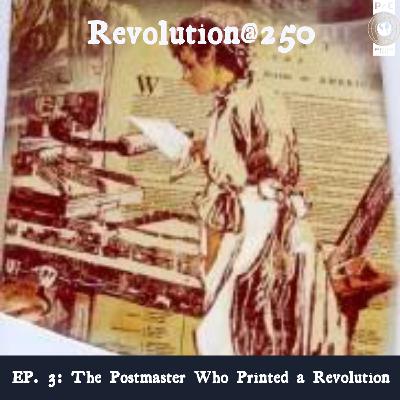
Mary Katharine Goddard, known for her role as one of the first women to run a newspaper in American history, was appointed as the postmaster of Baltimore in 1775. This dual role placed her at the heart of communication during a time of great upheaval and transformation. Her contributions as a printer not only included the printing of newspapers but also vital documents like the Declaration of Independence. Through her work, she helped facilitate public discourse and community engagement, underscoring her importance in the early American landscape.
Today we're joined by Tim Altenhof, a Berlin-based architect, teacher, and author, currently serving as a senior scientist in architectural theory at the University of Innsbruck. He is the author of Breathing Space: The Architecture of Pneumatic Beings (New York: Zone Books, 2026), which we explore together in this episode.
Join us as we explore the innovative use of geocaching and GeoTours in heritage tourism with Emily Huebner from the Heart of the Civil War Heritage Area. Discover how these tools engage visitors, promote regional history, and support preservation efforts, especially around the 250th anniversary of the United States. Learn more: https://heartofthecivilwar.org/explore/250th-geotour/
We are talking with Elicia Garske, a 2022 recipient of the Harrison Goodall Fellowship. Elicia shares her project, a summer program to connect skilled preservation contractors with young adults interested in learning more about this line of work. Join us to hear how her project unfolded and what lessons she learned along the way. Applications for this year's fellowship are due March 16th. Learn more at https://historictrades.org/goodall/
Today we're joined by Bruno Carvalho, Chair of the Program of History and Literature professor at Harvard University, where he teaches courses on cities. He is the author of The Invention of the Future: A History of Cities in the Modern World on the history of urbanization—from Lisbon to New York, Paris to Rio de Janeiro, and Buenos Aires to Lagos and Porous City: A Cultural History of Rio de Janeiro.
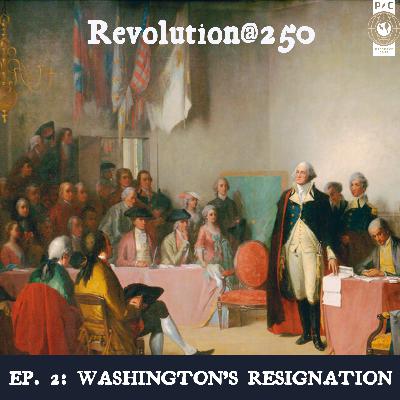
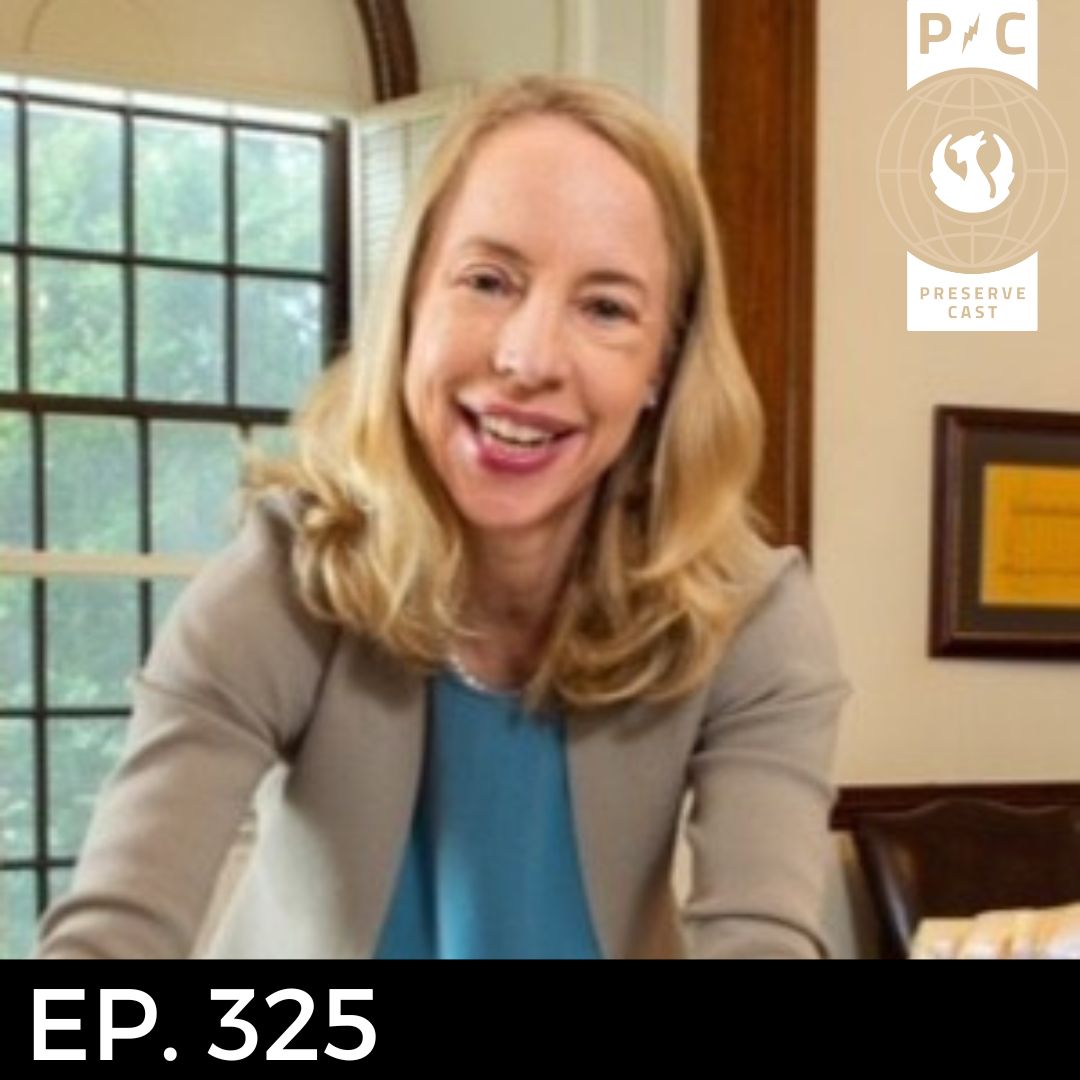
Today we’re traveling back to December 23rd, 1783, to the Maryland State House in Annapolis, a quiet moment that spoke louder than any battle: General George Washington’s resignation of his military commission.It’s easy to remember Washington as the victorious commander of the Continental Army, but what he did after the war was just as revolutionary. When he handed back his commission to Congress, he voluntarily gave up power, something almost unheard of in the 18th century, especially for a man who could have ruled as a king.In today’s episode, we’ll unpack why that decision was so significant — how it set a precedent for civilian control of the military, influenced the founding of the Republic, and helped define the very idea of American leadership. We’ll also look at what this moment meant for Washington himself — and for a nation still learning what it meant to be free.Our guest is Dr. Lindsay Chervinsky, a presidential historian and the Executive Director of the George Washington Presidential Library. She’s the author of the award-winning book The Cabinet: George Washington and the Creation of an American Institution, which explores how Washington built the presidency and set lasting precedents for executive power. Her work has appeared in outlets like The Washington Post, TIME, and The Wall Street Journal, and she’s a frequent commentator on how early American leadership continues to shape our politics today.Her insight into Washington’s character, decision-making, and vision for the new republic makes her the perfect person to help us understand the deeper meaning behind that quiet yet revolutionary moment in Annapolis, when the most powerful man in America chose to give up power.
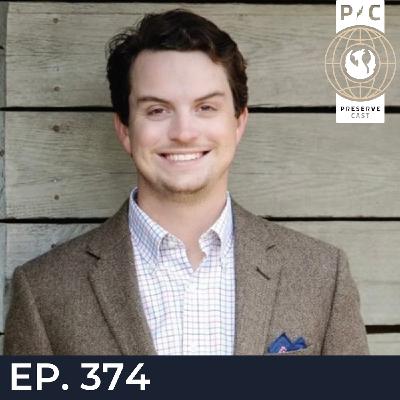
Today we're talking with the president and CEO of the Historic Savannah Foundation, Collier Neeley about his path to preservation and the work of the Historic Savannah Foundation, a legacy organization when it comes to preservation here in the United States.
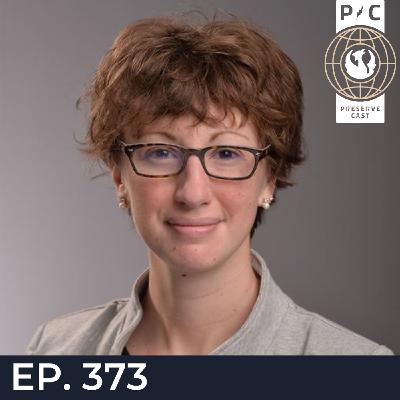
You are once again listening to PreserveCast. Today I'm joined by archaeologist, professor, and a great friend, Dr. Kat Sterner, an assistant professor of anthropology at Towson University and the director of the Baltimore Community Archaeology Lab. This episode covers community archaeology and its impact.
Welcome to Revolution@250, a special production of PreserveCast, in partnership with Preservation Maryland and the Maryland Center for History and Culture. Our hosts are Katie Caljean, President and CEO of the Maryland Center for History and Culture and Nicholas Redding, host of PreserveCast and President and CEO of Preservation Maryland.
In 1818, 42 years after the shot heard around the world cracked across a Massachusetts field, John Adams was asked to reflect on the meaning and impact of the American Revolution. In this brief letter, Adams explained that,
The American Revolution was not a common Event. Its Effects and Consequences have already been over a great part of the globe. And when and where are they to cease?
But what do we mean by the American Revolution? Do we mean the American War? The Revolution was effected before the war commenced. The Revolution was in the Minds and Hearts of the People.
Revolutionary thought and thinking did not end with the Treaty of Paris, nor did it begin at Lexington and Concord. In this special podcast series, we’ll explore the revolutionary ideas that were catalyzed and accelerated by the self-evident idea that all men are created equal and what bold and new thinking that declaration has forged.
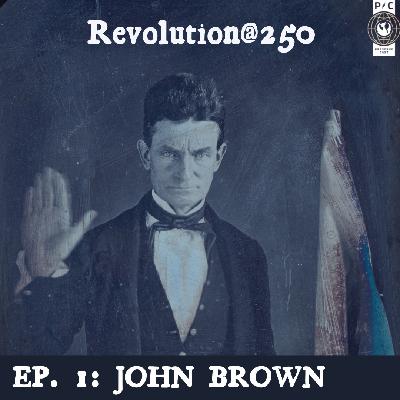
In our first episode we discuss abolitionist John Brown with historian Dennis Frye.
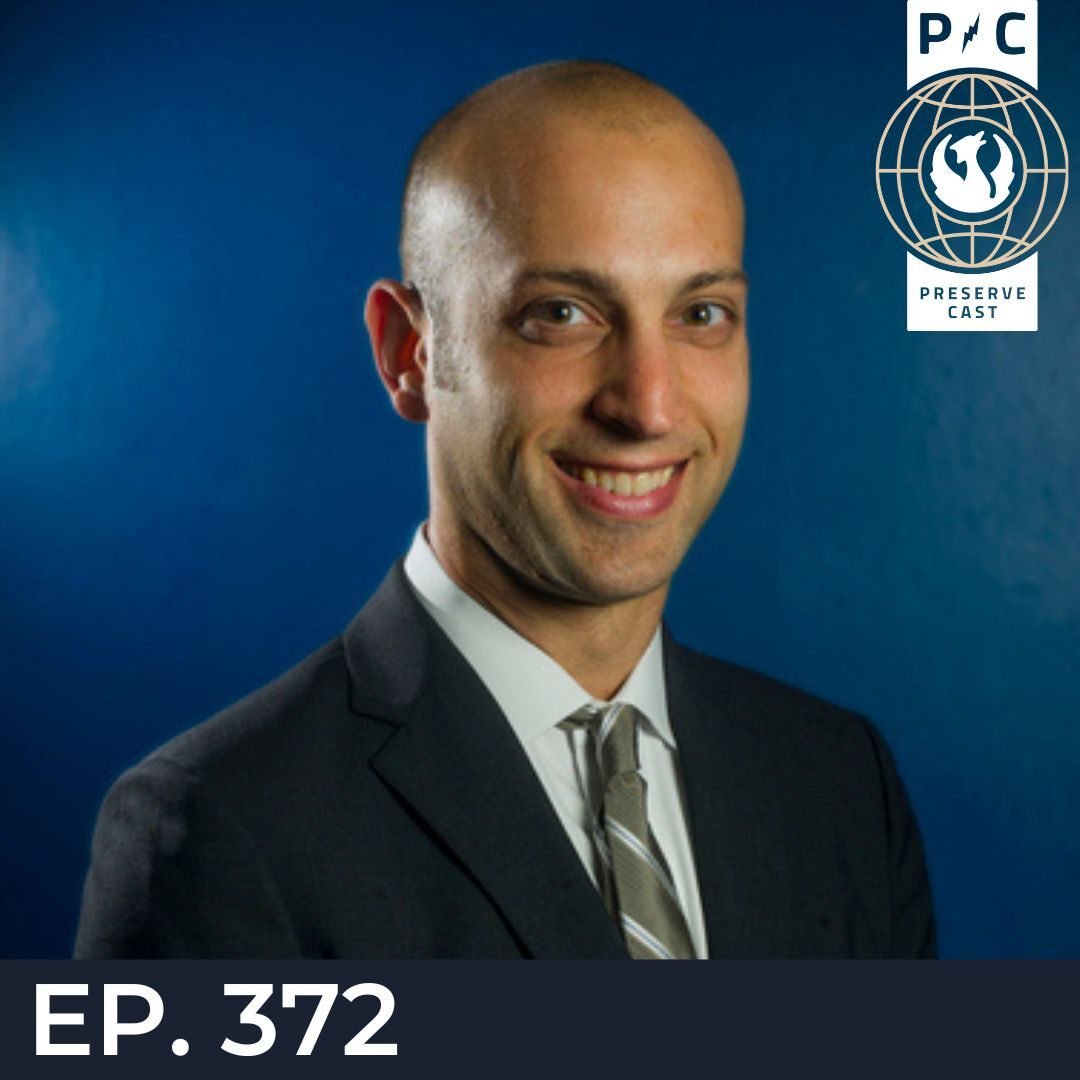
Today we talk with Benjamin Takis, founding attorney of Takis Nonprofit Law, a Washington, D.C.–based firm serving nonprofit organizations in tax, governance, employment law, and business transactions. Ben explains why strong legal foundations and smart governance are critical for nonprofits — especially those stewarding historic places. As co-founder of Sustainability Education 4 Nonprofits and a frequent national speaker on nonprofit law, Ben brings practical guidance to help organizations stay compliant, resilient, and focused on their mission.
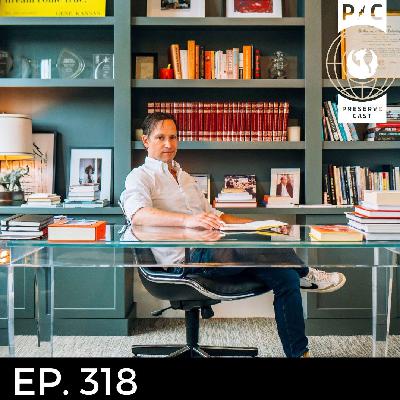
Gene Kansas, an award-winning cultural developer, preservationist, and social entrepreneur, joins us to discuss his book Civil Sights (UGA Press, 2025), which examines the Sweet Auburn Historic District in Atlanta, the birthplace of Dr. Martin Luther King Jr.
Sweet Auburn was a hub of Black commerce, community, and civil rights activism that helped shape Dr. King’s early life. As the district declined after the 1960s, preservation efforts emerged to protect its history, including MLK’s childhood home, culminating in its designation as a National Historic Landmark in 1976 and ensuring this powerful civil rights landscape endures.
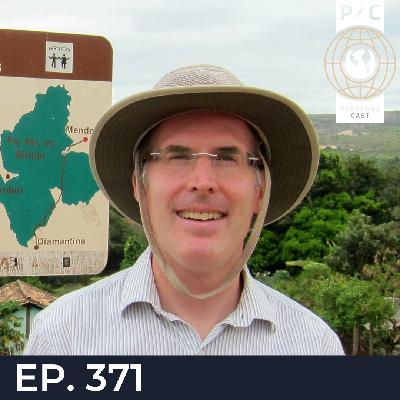
Dr. Jeremy C. Wells is an award-winning historic preservation scholar, teacher, author, consultant, and musician. He is an expert in US-based and international historic preservation theory, practice, and public policy; social science applications in historic preservation; community-based preservation/conservation and urban planning; and higher education teaching and administration. His latest book, Managing the Magic of Old Places: Crafting Public Policies for Human-Centered Historic Preservation was released by the University of Tennessee Press in October 2025. More here: https://utpress.org/title/managing-the-magic-of-old-places/
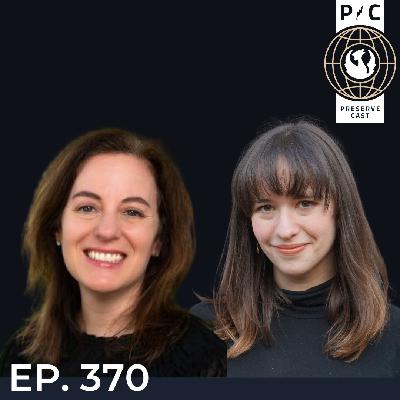
New year's greetings from PreserveCast! Today we're talking with Lori Beth Finkelstein and Michelle Fitzgerald from Johns Hopkins museums about Homewood Museum’s recently opened If Homewood’s Walls Could Talk: A History of an American House.
Lori is the Philip Franklin Wagley Director & Curator of Johns Hopkins University’s Evergreen Museum & Library and Director of Homewood Museum. Michelle is the Curator of Collections at Johns Hopkins University Museums, which is comprised of the university’s two historic houses, Homewood Museum and Evergreen Museum & Library. She has curated several exhibitions at Hopkins, including the new Homewood exhibit.
10, 9, 8, 7, 6, 5, 4, 3, 2, 1...HAPPY NEW YEAR!
As we await 2026 we're talking with Dr. Alexis McCrossen, an author and Professor of History at Southern Methodist University, who is now working on book about the history of New Year’s observances in the United States, tentatively titled, Time’s Touchstone: New Year’s in American Life. She is also the author of Holy Day, Holiday: The American Sunday (Cornell University Press, 2000) and Marking Modern Times: Clocks, Watches and Other Timekeepers in American Life (University of Chicago Press, 2013).
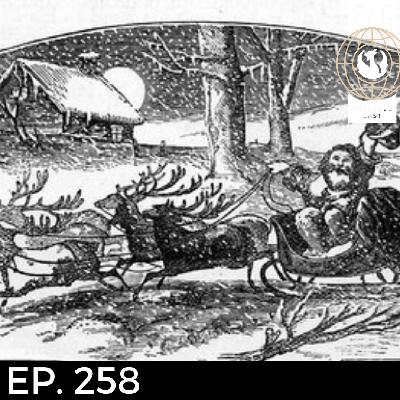
On the last Monday before Christmas Day, the PreserveCast team brings you a special release on the history of Santa Claus. You know Dasher and Dancer and Prancer and Vixen . . . but what about the jolly old elf holding the reins? St. Nicholas, Old St. Nick, Sinterklaas, or simply Santa Claus. He’s gone by many names – but where does this rich and seemingly timeless tradition come from? On this special edition of PreserveCast, we’re headed down a winding reindeer path to uncover the rich history of Santa Claus and how he came to define the modern celebration of Christmas.
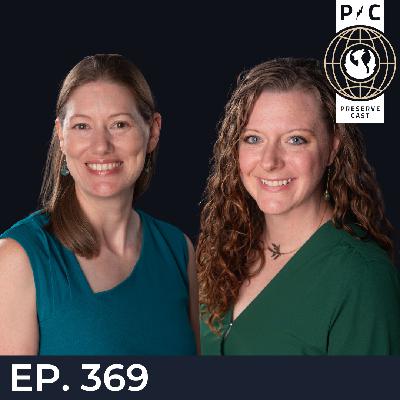
Julia Berg and Sarah Mason are veteran Maryland public school educators and co-founders of Digging Deeper Educational Consulting, established in 2024. With nearly 30 years of combined classroom experience, they have taught middle school social studies, developed curriculum for elementary and middle grades, and led professional development at the school, district, state, and national levels. Their expertise centers on helping educators navigate difficult classroom conversations around hard history, including the Holocaust and race-based slavery, through evidence-based inquiry. As contributors to Gibbs Smith Education’s textbook series aligned with Maryland’s newly revised 6th and 7th Grade Social Studies Standards, Julia and Sarah are recognized as middle school social studies standards experts and champions of culturally responsive instruction.
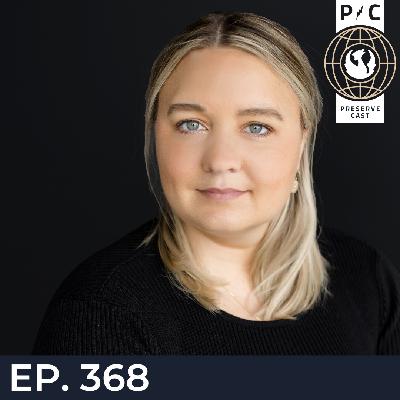
Today we're joined by Dr. Paige Figanbaum, executive director of Nevada Preservation Foundation (NPF), to discuss Nevada's landscape, the "Endangered Sites” list, and the preservation of the Howard Hughes House.
Prior to her current role at NPF, she served as lead historian and program manager for the organization’s Home + History Las Vegas festivals, where she researched, curated, and developed a range of walking tours, bus tours, and educational events throughout Southern Nevada. Paige continues her advocacy, collaborating with organizations statewide to preserve Nevada’s cultural heritage.
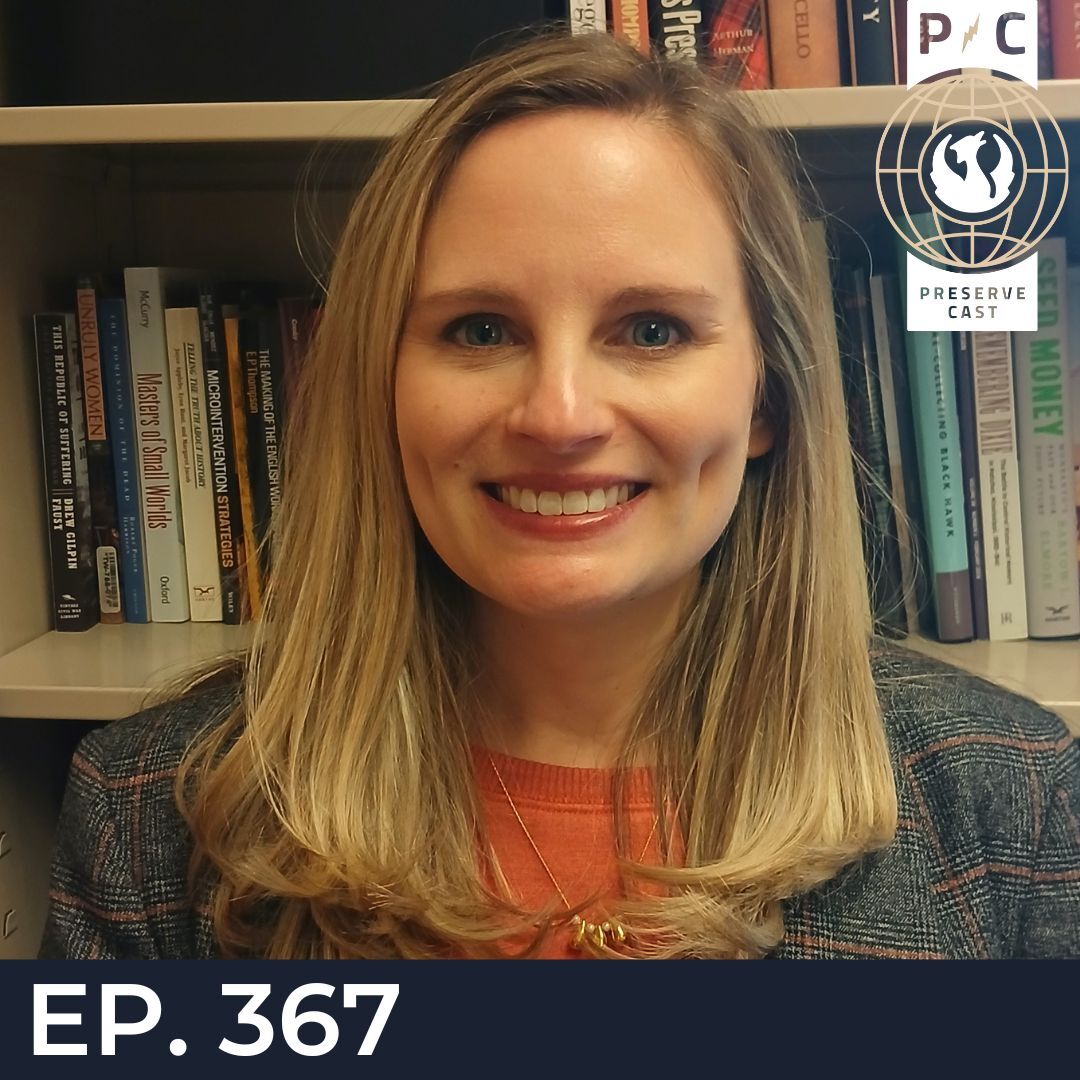
Today we're joined by Dr. Stephanie Gray, discussing how the New Deal shaped history through politically driven commemoration and her new book, Restoring America: Historic Preservation and the New Deal.
Dr. Gray earned her B.A. in History from Mount Holyoke College and both M.A. in Public History and Ph.D. in U.S. History from the University of South Carolina. Stephanie specializes in public history, historic preservation, and twentieth century U.S. cultural history. At Duquesne, she teaches undergraduate and graduate courses in both traditional and public history, which contribute to the Department's new Public History undergraduate certificate.
As a public historian, Stephanie has worked for the James A. Garfield National Historic Site (a National Park Service unit), the South Carolina State Historic Preservation Office, and the National Trust for Historic Preservation's Main Street America program. Her interest in old buildings and cultural landscapes inform her research and teaching on the built environment.
To purchase: https://www.umasspress.com/9781625348975/restoring-america/
Are you starting to get into the holiday spirit? In this episode, we’re joined by Pamela McColl—award-winning author, publisher, and historian of Christmas tradition. Since the 1990s, McColl has worked through her own publishing company to bring books of social and historical significance to readers.
Her latest work, Wondrous Mrs. Claus: A Literary and Pictorial Review of the Christmas Character, delves deeply into the origins, evolution, and cultural impact of Santa’s better half. Join us as we explore the rich history and enduring magic of Mrs. Claus. To purchase: https://politics-prose.com/book/9781927979389?srsltid=AfmBOop2v7gn2gvOqINiEaWn2LhVOzt00mZT7273pF40S2mwqxvziIGI
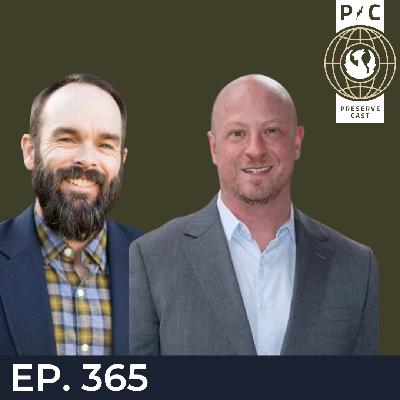
Today we're joined by Benjamin Prosky and Will Hamilton of the Richard Hampton Jenrette Foundation to discuss the organization's latest report on the State of American Historic Preservation Education, calling for rebranding, resilience, and workforce growth. More here: https://www.jenrette.org/archive/preservationeducationreport

Comments

Download from Google Play

Download from App Store
 United States