


 Claim Ownership
Tales under the cat tree: Conversations on Imagination, Tech & Human Adventure
Subscribed: 44Played: 243
Subscribe

© Duleepa Wijayawardhana
Description
From the interactive masterpieces of video games to the turning points of history and the thrills of real-world exploration, our reality is defined by the stories we tell.
Tales under the cat tree is a weekly exploration of the architecture of imagination. Hosted by tech leader and lifelong geek Duleepa Wijayawardhana, we dive into the mechanics of world-building. Whether that building happens in the code of software, on the tabletop of a roleplaying game, in the pages of literary fiction, or halfway up a mountain, every guest brings a new perspective.
Join us for deep, eclectic conversations with creators, adventurers, and thinkers as we dissect the narratives that shape our culture and our future. Because ultimately, words create the worlds we live in.
Read more and find full transcripts at https://tales.dups.ca
Tales under the cat tree is a weekly exploration of the architecture of imagination. Hosted by tech leader and lifelong geek Duleepa Wijayawardhana, we dive into the mechanics of world-building. Whether that building happens in the code of software, on the tabletop of a roleplaying game, in the pages of literary fiction, or halfway up a mountain, every guest brings a new perspective.
Join us for deep, eclectic conversations with creators, adventurers, and thinkers as we dissect the narratives that shape our culture and our future. Because ultimately, words create the worlds we live in.
Read more and find full transcripts at https://tales.dups.ca
48 Episodes
Reverse
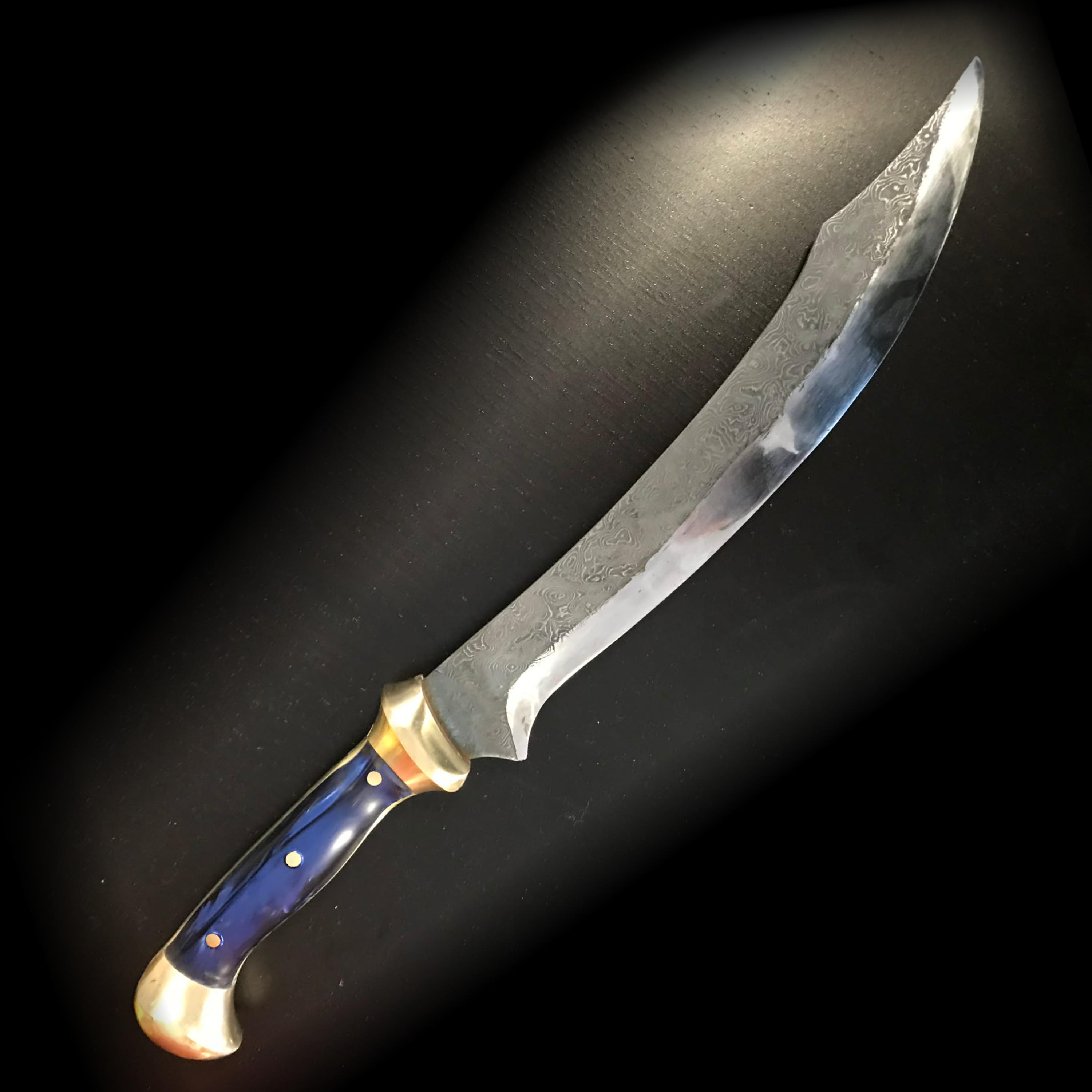
From ancient times to today, gods and humans have hammered red-hot metal into shapes of weapons and crafts of beauty. In Ancient Greek mythology, Hephaestus and in fantasy, beings such as Sauron forge the ultimate weapons in the insane heat at the heart of volcanoes. Without human blacksmiths, who were the technologists of their day, we would not have the tooling and the world-building that have brought us to today. However, in our present day we take machined metalworking for granted. We don't think twice about stainless steel knives in our kitchens. What were once luxury goods can now be bought for pennies in thrift stores.Today I am talking with Trent Oster. Trent and I worked together at BioWare, where he was a founding member, as well as Project Director and Producer when I was helping with Neverwinter Nights. These days, he is the CEO of Beamdog. Aside from its own intellectual property such as Mythforce, Beamdog has been instrumental in bringing Dungeons & Dragons games such as Baldur's Gate, Planescape: Torment, and even Neverwinter Nights back as enhanced editions that run on modern computers.But today, Trent and I will not be talking about video games. Many of us in the tech industry have hobbies which we take to extremes of all kinds. Mine include writing and photography, but Trent's is on a scale of power hammers, steel, and red-hot chemistry. This is a dense discussion on smithing, knifemaking, and the wonders of metallurgy.In the show notes, I've added pictures of the knives he has produced that we talk about. I've also included a video of Trent's power hammer, the machine that he affectionately calls "Thumpy".Visit the show notes at for pictures and videoTales under the cat treel: Episode 48
This is part 4 of my series on BioWare. In this episode, I'm lucky to have Dave Chan talking about sound design and more. Dave started working at BioWare before me on games such as MDK2, Baldur's Gate and Baldur's Gate 2. We overlapped on games such as Neverwinter Nights, Star Wars Knights of the Old Republic and Jade Empire.Dave has had a long career in video games, for a full list please check out his profile on Moby Games.Episode HighlightsFrom IT to Audio Director: Dave shares how a chance encounter with BioWare co-founder Greg Zeschuk at a computer store led him from IT to doing placeholder sound effects for MDK2. Dave eventually became a full-time audio designer.Scrappy Studio Days: Listen in for a hilarious late-night outtake from MDK2 involving a monkey, a blow-dryer, and K-Y Jelly. Dave also reflects about the sheer passion of BioWare fans .Behind the Sounds:Star Wars: Knights of the Old Republic: Dave reveals that none of the sound effects were actually taken directly from the films; they were all meticulously reproduced in-house or by contractors like Paul Gorman.Lost Outtakes: Dave laments losing unreleased, hilarious outtakes of the iconic character Minsc (and his giant miniature space hamster, Boo) from Baldur’s Gate.Lost in Translation: A funny anecdote about how the French localization of Baldur’s Gate combat sounds ended up sounding a bit too much like a porn film.The Philosophy of Sound: Dave explains his approach to audio, such as crafting the desolate, isolated atmosphere for The Long Dark. He also breaks down why user interface (UI) sounds are actually the hardest to design: they must be noticeable, unique, and critically, not annoying after thousands of clicks.Mentions & LinksGreg Zeschuk: BioWare co-CEO and founder.Trent Oster: Beamdog CEO and next week’s guest!Ben Burtt: Legendary film sound designer who crafted iconic Star Wars audio.Episode 27: BioWare Stories Part 1 - Craig MillerEpisode 28: BioWare Stories Part 2 - Craig MillerEpisode 29: BioWare Stories Part 3 - Georg Zoeller and Emmanuel Lusinchi
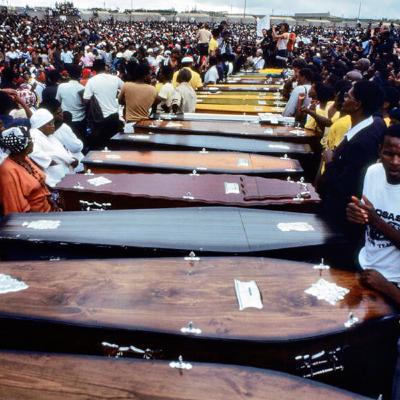
March 21 is designated by the United Nations as the International Day for the Elimination of Racial Discrimination. In South Africa, it is Human Rights Day. On March 21, 1960 police opened fire into a crowd of protestors at Sharpeville in South Africa. This event would start the process of the African National Congress (ANC) and the Pan-African Congress (PAC) being outlawed, Nelson Mandela being jailed, and the start of direct resistance against the South African Apartheid regime.The events of Sharpeville happened to be part of my master's thesis when I was studying under Dr. Christopher Youé at Memorial University. As a person of colour, and often a minority wherever I have chosen to live, race and racism is a topic that fascinates me, but also scares me to bring up.Today on the podcast, I have my good friend and former professor, Dr. Erwin Warkentin, on the show for exactly that conversation. We are two very different people from opposite sides of the world with very different backgrounds. So have a listen to our conversation about race, racism, Apartheid, and indeed, the Sharpeville Massacre.Further ReadingRead and learn more about the Sharpeville MassacreA YouTube playlist of music from the movement against Apartheid Anti-Apartheid Legacy: Centre of Memory and LearningOne of my favourite anti-Apartheid songs is Asimbonanga by the late great Johnny Clegg and Savuka. Here's a famous video of Nelson Mandela joining Savuka on stage.https://www.youtube.com/watch?v=BGS7SpI7obY

Between 2003 and 2009 my friends and I used to host something called the St. Patrick’s Day Drunk Dial Contest. What was the St. Patrick’s Day Drunk Dial you ask? At its heart, it was a simple attempt to connect friends from university in Newfoundland and who were now spread throughout Canada and the world.St. Patrick’s Day, which is the national day of Ireland, is also celebrated around the world wherever Irish immigrants settled. In Newfoundland, it’s a rare public holiday as winter blows its last. It was a day friends would gather at the pub. When I left Newfoundland and the shamrocks went up in all the bars no matter where I was living, I longed to hear the voices of my friends.Initially I had asked friends to phone me when they were out, night or day, on St. Patrick’s Day. Later someone gave my phone number out to strangers and the calls I received got weirder and even more fun. Each year the tradition grew until in 2009 when we decided to go big with an advert on Time Square and more.So this is the story of the St. Patrick’s Day Drunk Dial Contest along with the calls of many of the winners.I hope you have have great St. Patrick’s Day, no matter your nationality, but especially to all my friends in Ireland and those of Irish descent.Show Notes and HighlightsInterview with Niall Brown including the fallout from the Global TV news spot.Watch the Global TV news spot from Montreal, 2009The Times Square ad and pictures of the 2008 Montreal St. Patrick’s Day parade.God Save the Queen, Instrumental by the Band of the Grenadier Guards, 1952 from the Wikimedia Commons
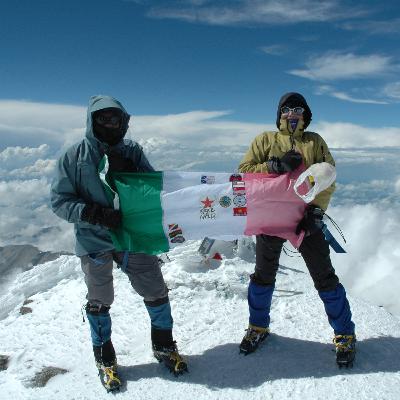
Why do humans purposefully subject themselves to freezing winds, exhausting altitudes, and perilous drops? In the first of our mountaineering series, host Dups opens with an autobiographical story from Indian Ridge in the Canadian Rockies. Then, Dups is joined by two long-time friends and climbing partners, Mike Mannion and Keli Ryan, to discuss the philosophy, humour, and hazards of modern mountain trekking. From the ethical dilemmas of summiting Mount Everest to being circled by vultures on Kilimanjaro, this episode explores the irresistible pull of the peaks.Show HighlightsIndian Ridge: Dups shares a personal story of a solo summit attempt in the Canadian Rockies.The Philosophy of Climbing and the lure of Everest: Mike Mannion breaks down how his love for hiking and indoor climbing evolved into global mountaineering. Mike and Dups discuss the ethical issues of putting people at risk for a tourist summit.Kilimanjaro, the Barafu scale, and freezing on Elbrus: Keli Ryan shares her memories of tackling Kilimanjaro. Keli recounts the reality of altitude sickness, and other stories from Kilimanjaro. She contrasts that with the cold of Elbrus and lessons for lifeAbout the GuestsMike Mannion: A seasoned trekker who has climbed alongside Dups in the Rockies, Mount Kinabalu in Borneo, and Kilimanjaro in Tanzania.Keli Ryan: A long-time friend of Dups who joined the team for the ascent of Kilimanjaro and tackled the freezing, technical climb of Mount Elbrus in Russia.Mentions & ResourcesScrambles in the Canadian Rockies by Alan Kane
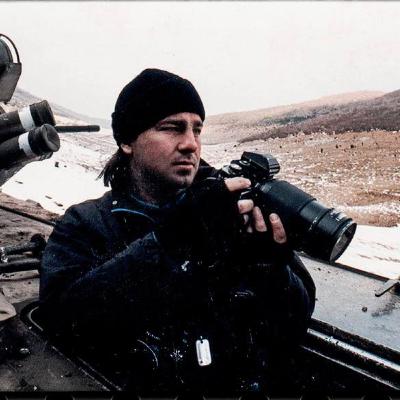
We walk through life as one among a multitude, but what happens when you are tasked with standing in the eye of historical storms? In this episode, we explore what it truly means to bear witness to the darkest and sometimes, most profound, moments of the human experience.Award-winning photojournalist Greg Locke joins the show to share his incredible journey spanning forty years of covering crime, business, politics, and war. From the surreal, celebratory chaos of the Berlin Wall coming down , to the savage heartbreak of the Bosnian War, Greg takes us behind the lens of the stories that shaped our modern world. He opens up about the moral weight of photographing grief , the absurdity of navigating lawless borders , and why we cannot simply turn away and ask, "Who cares?"In This Episode, We Discuss:The Accidental Photojournalist: How serendipity and a restless desire to explore the world launched Greg's forty-year career.The Party at the End of the World: Arriving in Berlin the exact night the gates opened in 1989, and capturing the chaotic, history-making street parties.Greg's "Lost Years" in the Balkans: Navigating the brutal civil war in Sarajevo.The Philosophy of Bearing Witness: Why we must document human misery so the world doesn't forget.Close Calls and Absurd Realities: Surviving a terrifying encounter at a burning checkpoint in Sarajevo , and how Greg bribed a guard to get into Zaire.The Exodus: The story behind one of Greg's most powerful photographsAbout Our Guest: Greg Locke is a veteran photojournalist with four decades of experience covering international affairs, conflict, and politics. His work has been featured in major publications including the Globe and Mail, Toronto Sun, Reuters, and Time Magazine and won numerous awards. He has spent extensive time documenting crises around the world from Africa to the Americas, and was the first photographer to be awarded the CAJ/CIDA fellowship for journalism in the area of foreign affairs and international development by the Canadian Association of Journalists and the Canadian International Development Agency.Learn more about Greg Locke at https://greglocke.com
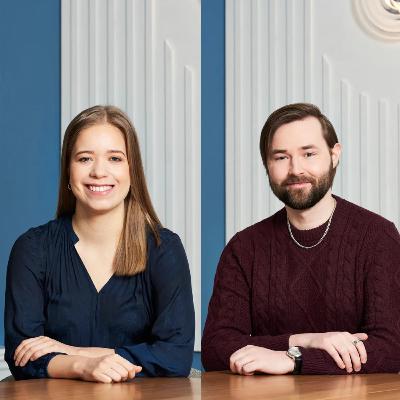
Nine months ago, I asked if engineers were really adopting AI in larger companies. Today, that question is irrelevant. We have moved past chatbots and “vibe coding” into the era of agentic engineering.In this sequel to Episode 2, I explore how my own identity as a developer is being restructured—from writing syntax to managing autonomous fleets of agents that plan, code, and test on their own. I’m also joined by Tony Nysten and Mirva Laatunen from OpenOcean to discuss why this shift is dismantling traditional organizational silos and changing what it means to be a “software team.”(00:00) Intro: A sequel to Episode 2(00:37) The death of the traditional developer identity(02:00) What is “Agentic Engineering”?(03:15) Why the “Product Trio” (PM, Design, Eng) is broken(06:41) Dismantling silos and the new organizational blueprint(09:50) 5 steps to survival: From flat orgs to “vibe” hiring(13:32) Interview: Tony Nysten & Mirva Laatunen (OpenOcean)(16:00) The unit economics of AI vs. human labor(18:20) How VC roles are being disrupted by AI agents(23:04) OutroKey TakeawaysThe New Developer Identity: Coding is now less about syntax and more about reviewing plans and obsessing over outcomes. If you entered this industry just to write code, the problem has shifted.Agentic Workflows: We aren’t just using ChatGPT/Gemini; we are managing agents that argue with each other to plan, code, and test independently.Organizational Panic: Traditional structures like microservices and agile teams were built for human limitations. Agents expose the bureaucracy in these old systems.Hiring for “Vibe”: As technical barriers lower, the most valuable engineers are those with high creativity, business understanding, and communication skills—not just LeetCode proficiency.Links & ResourcesOriginal Article: Why are we building software development teams like it’s 2020?Reference: Episode 2: How deeply are engineers adopting AI in larger software teams?Reference: Episode 16: MySQL, MariaDB, and AI – A conversation with Kaj ArnöTalk: Brandon Sanderson: The hidden cost of AIFirm: OpenOcean VCCastHost and Producer: Duleepa “Dups” WijayawardhanaGuests: Tony Nysten & Mirva Laatunen
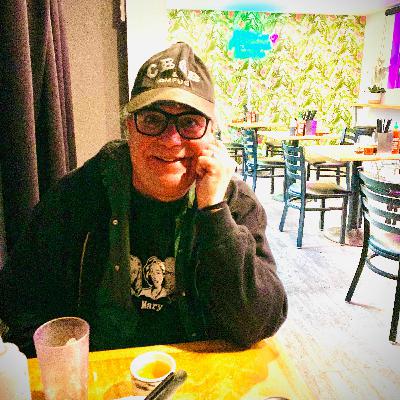
Grab a kettle of tea and dive into the isolated, vibrant, and "too radical" world of the St. John’s punk scene. In this episode, Dups and old-time punk musician Johnny Nolan reunite to spin tracks and tell stories from a time when you couldn’t throw a stone in downtown St. John’s without hitting a live gig.Inside the EpisodeIsland Isolation: How being stuck on a rock in the Atlantic forced a tight-knit community to pick up instruments and create their own "cultural smorgasbord".The Venues: A look back at the all-ages shows at the LSPU Hall and the legendary Peace A-chord festival—which was eventually shut down for being a bit too loud for municipal politics.CHMR Roots: Dups and Johnny reminisce about their days behind the mic at St. John's alternative campus radio station.Featured Tracklist"Newfie Rastaman" by Da Slyme A "fabulous" track from the band that started it all and released Canada's first double punk album."No Protest" by Hardliner A "peace punk" anti-military anthem about a young Newfoundlander with no alternatives."Evil Drunks" by Dog Meat BBQ A fun song that serves as the ultimate reminder of university drinking days.All songs played by permission of the artist.You can reach Johnny @ https://substack.com/@johnnydafink
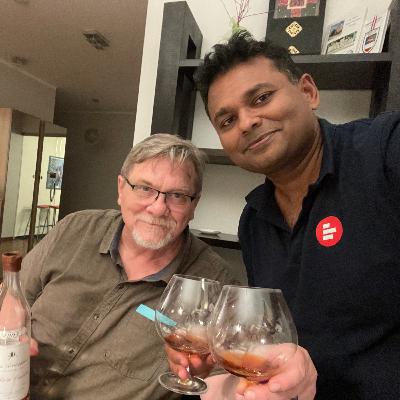
In this episode, Duleepa Wijayawardhana | Tech Leader & Storyteller turns the tables on his former professor, Dr. Erwin Warkentin. What starts as a literary critique of a "raw" first-draft short story evolves into a profound conversation about memory, aging, and the terror of the first-person perspective.Erwin shares a story about a teenage boy, a school dance in -30°C Winnipeg weather, and a memorial scholarship that triggers a realization that his world is shrinking. But the central tension of the episode isn't the plot—it's the pronoun. Why did Erwin write a deeply personal story in the third person? They discuss the "Sin of I," the Mennonite concept of Hochmut (pride), and whether hiding behind "He" protects the writer or cheats the readerNote: The short story discussed in this episode is not included in the text or audio. As discussed, the idea of the story—and how narrative voice changes it—is more important than the draft itself.Key Topics Discussed:The "Sin" of Autobiography: How Erwin’s Mennonite upbringing and the concept of Hochmut make writing "I" feel like an act of arrogance.The Shrinking World: Exploring the theme of aging, where the cast of characters in one's life slowly disappears, leaving only memories behind.The "Sauerkraut" Method: Erwin’s unique way of explaining burying a draft "in the ground" for months to let it ferment before revisiting it.Literary Forms: A look at the epistolary novel (letter form) and the influence of Goethe’s The Sorrows of Young Werther on personal correspondence.Winnipeg Nostalgia: A trip down memory lane featuring CKRC radio, "Hunky Bill’s" pierogi makers, and the mystery of dating girls hidden under layers of nylon and fur.Memorable Quotes:"You can build me a rocket to take me to Mars or anywhere else in this universe, but without literature, would I want to make the trip?" — Dr. Erwin Warkentin (quoting a former student)"I realized that of the people that I was close to growing up, I am literally the only one left.Mentioned in this Episode:Die Leiden des jungen Werthers (The Sorrows of Young Werther) by Johann Wolfgang von Goethe"If" by Bread (Song)Hunky Bill (Winnipeg Icon)About the Guest:Dr. Erwin Warkentin is a former professor of German and Communication Studies at Memorial University, currently living in Berlin. He is a writer, a scholar of German literature, and—for this episode—a brave soul willing to have his first draft critiqued on air.
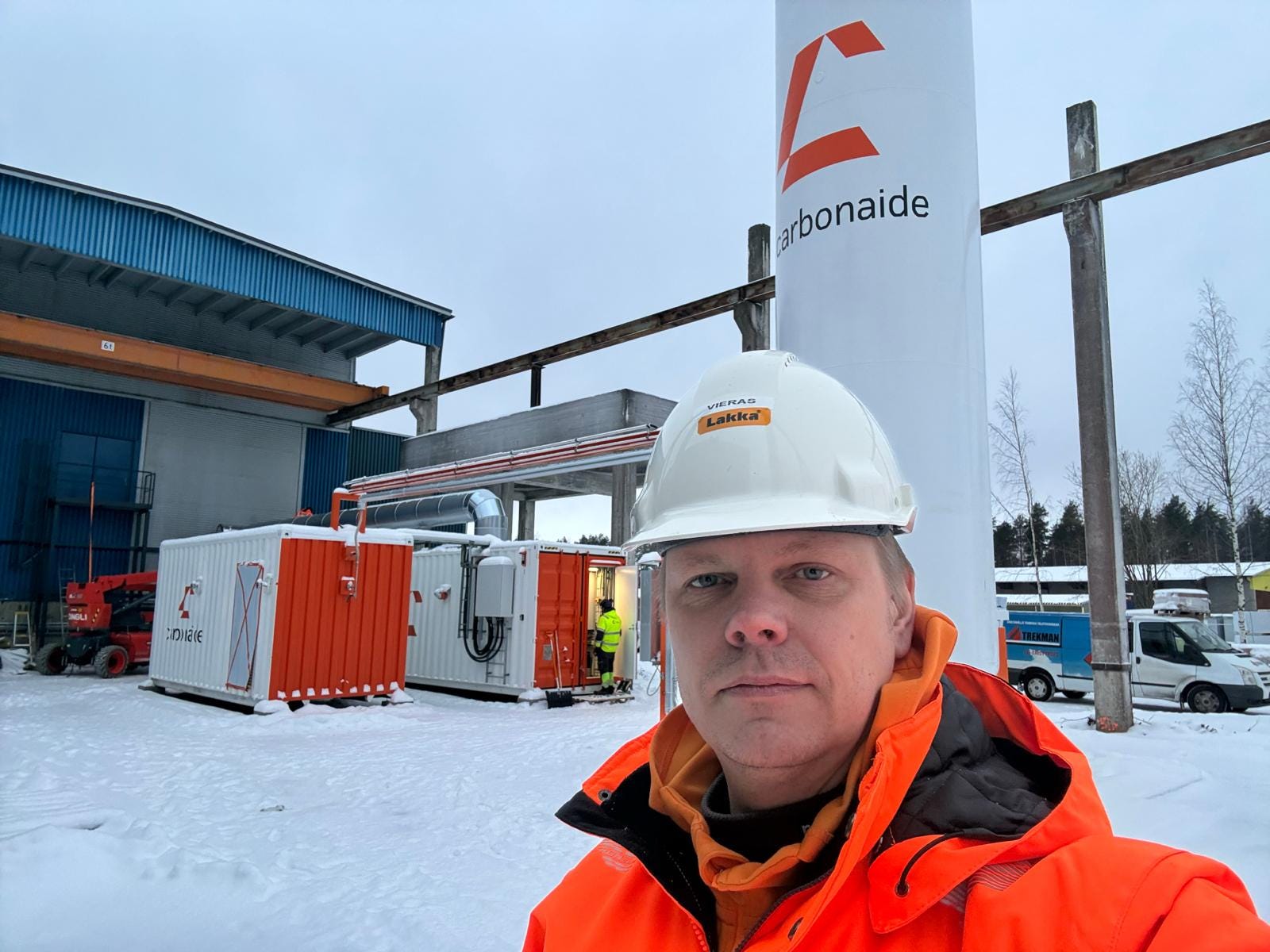
Every day we wake up and go about our business. Life changes—mostly imperceptibly, incrementally, crawling season after season. We accept new streets, new buses, and new buildings as normal. What once was a field of flowers is now a parking lot, to paraphrase the famous song by Joni Mitchell, and before long, you might never know a field existed.However, something happens when you visit a place over a very long period—like dots on a slow-moving ticker tape, you see the change as flashes. A decades-long timelapse. This is the case for me with my visits to the country of my birth, Sri Lanka. Every few years for 45 years, I have experienced the inexorable change wrought by globalization, industrialization, and urbanization. I can stand on a road in a metropolis and remember the field. I can saunter down my parents’ once-sleepy 1970s suburban laneway to bask in the shadow of a 20-story high-rise.In Canada, I visited the Athabasca Glacier for the first time in July 2002. The glacier reaches the Icefields Parkway in Jasper National Park, one of the tongues of the Columbia Icefield. My last visit was 20 years later, in July 2022; the glacier had retreated so far that you had to walk 20 minutes from where I had seen it in 2002.When it comes to our environment, in my lifetime I have observed three truths.Firstly, humans change their environment. We are a species of terraformers. We have been doing this since we gathered in groups however many epochs ago. To ask us not to explore, to socialize, to make our environment better for our own survival is akin to asking us as a species to concede defeat.Secondly, our environment has changed at our hands so massively, how can we not expect the knock-on effects to have an impact—like that butterfly causing a hurricane?Thirdly, nature is far more resilient than the would-be terraformers. In 2019, I stood at the center of Chernobyl: nature had grown back; trees were exulting in the lack of humans. It is not the world we should be frightened for; it is ourselves. We make it sound as if by becoming a green society we are doing it for the planet. The truth is always: we are doing it to save our children, nature will survive and come back as weird and even more wonderful without us.Unfortunately, the first truth has shown me that if we are to address the second and third truths, the biggest movers need to be our governments and industry. We can all do our part, for sure, but the biggest gains lie in more sustainable ways to change how we build out our environment, produce energy, and of course, travel, so that we can indeed circle the globe and be one human family.The human story is one of technological advance, from the wheel to flight. We’ve made our world smaller, our minds bigger, and our hearts wider.It is with that optimism that I know we can, and must, solve our challenges. It is why I am very happy when I see startups like the one my friend and former Supermetrics colleague, Kurre Stålberg, is a part of: Carbonaide.In This EpisodeIn this conversation, Kurre takes us inside the industrial world of concrete curing—a sector responsible for a staggering 8% of global CO2 emissions. We discuss how Carbonaide is trapping carbon dioxide into concrete making the concrete “harder, faster, cheaper, and greener”.We also dive into the reality of the “wild west” carbon credit markets, where only a fraction of sold credits are actually delivered , and Kurre shares his unique experience as a software engineer using an “army” of AI agents to build industrial platforms almost single-handedly.Topics Covered:* The 8% Problem: Why cement production is so carbon-intensive.* The Solution: How Carbonaide primes concrete to “vacuum” up CO2, curing blocks in hours instead of days.* The Carbon Market Reality: The difference between buying “futures” and buying actual sequestered carbon.* AI as a Force Multiplier: How Kurre shifted from “developer” to “project manager” of AI agents to scale his output.Links & Resources:* Carbonaide: https://carbonaide.com* Recommended Listening: If you want to listen to an amazing story about one of the biggest concrete jungles ever, I can recommend 99% Invisible’s episode “A River Runs Through Los Angeles”This is a public episode. If you would like to discuss this with other subscribers or get access to bonus episodes, visit tales.dups.ca49u2Ca2s0jcIuaNxwdPK
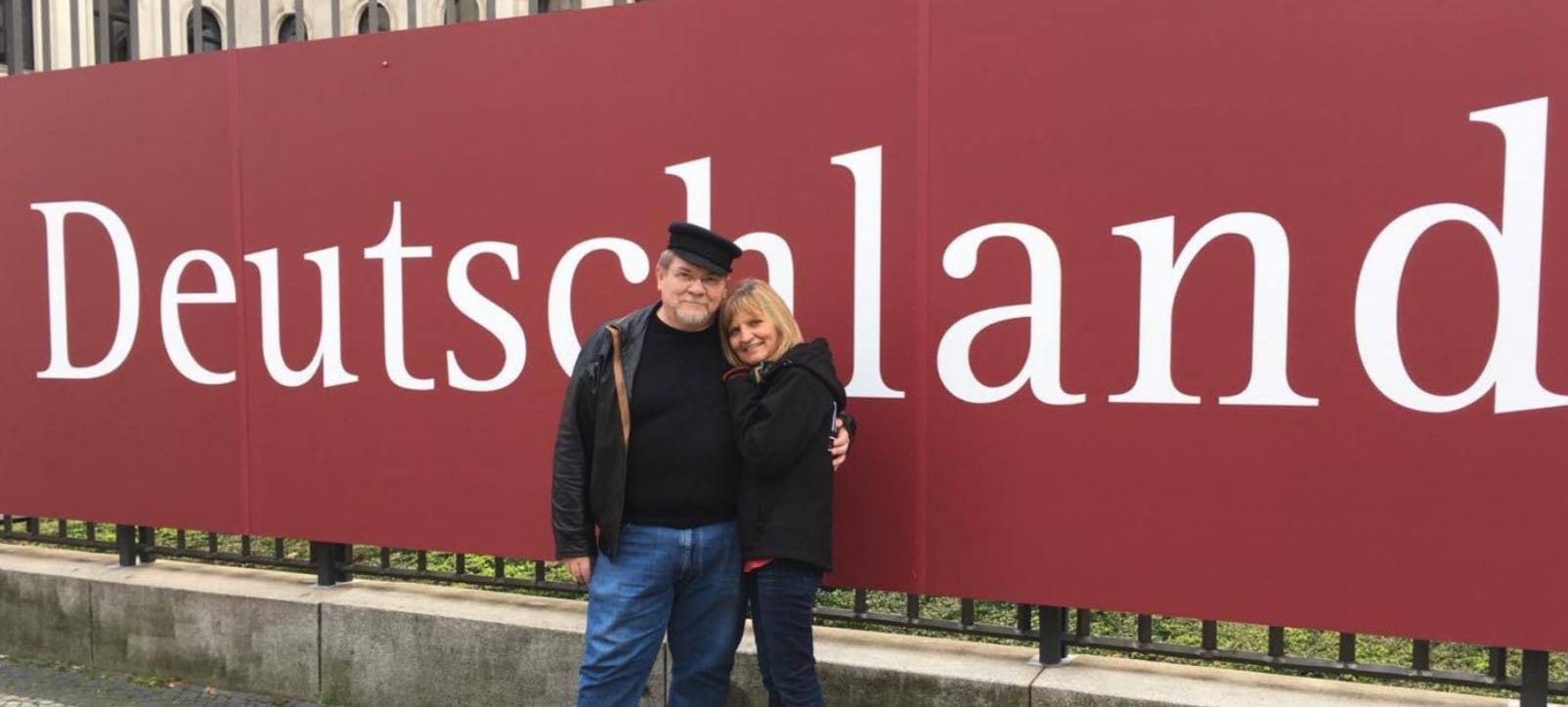
Have you noticed that you sometimes sound different or use different words when you talk to your parents? Or maybe you slip into specific expressions with people from the town you left behind so long ago? When I was in Newfoundland a few months ago, Sylvia Warkentin introduced me to the term “Cultural code-switching.” This was a term I hadn’t heard before, but it turns out it’s something I’ve been doing my whole life.The definition of cultural code-switching is the act of consciously or unconsciously adjusting behaviour, language, and mannerisms to align with the norms of a different cultural context. To me, this makes sense. I’ve often described myself as a chameleon but I had never put a name to the mechanism.In this episode, we go beyond the definition. We explore whether we code-switch to survive, to take advantage, or simply to show respect. Do we change because we want to, or because we have to?Coincidentally, Sylvia and her husband Erwin were about to depart Newfoundland, where they had been living for decades, to return to Germany. And even more coincidentally, I would be seeing them there shortly after. So, this conversation takes place across two distinct sides of the Atlantic Ocean.Part 1 starts in Torbay, Newfoundland, on the eastern edge of Canada. While watching a winter storm roll in over the craggy coastline, we discuss the theory of the “Third Culture” and the complicated relationship we have with the concept of “home”.Part 2 picks up a month later in Berlin, Germany. After an unseasonably cold winter day, we sat down to see if the theory held up against reality. We discuss how the switches flipped the moment Sylvia landed—from the silence of a German grocery line to the “fighting dirty” required to navigate a new culture.Join us as we explore how we are all, in the end, just an amalgam of everything we experience. This is a public episode. If you would like to discuss this with other subscribers or get access to bonus episodes, visit tales.dups.ca
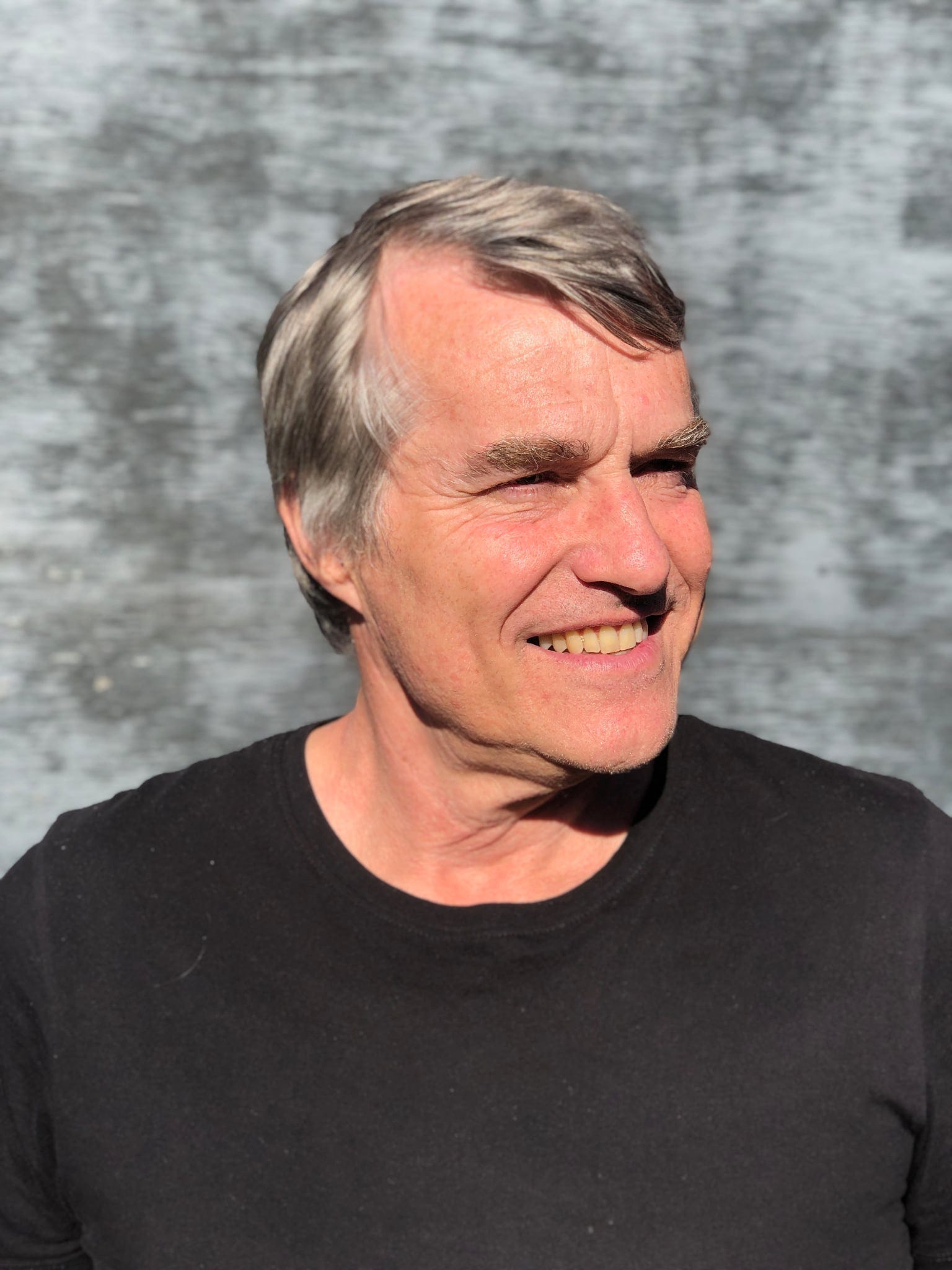
On this episode, I feature the works of Erik Granström, a Swedish author and roleplaying game writer. We delve into fantasy, fantasy writing and the worlds he has created and their relation to our reality. Also featured is music by Svavelvinter which features the vocals of Christian Älvestam. You can listen to the music on Apple Music and Spotify:The roleplaying games we chat about include * Dragonbane* The Forbidden Lands* SvavelvinterYou can find lyrics to Vanderland, the song featured in the podcast at Erik’s blog.You can find out more about Erik at Erik’s blog as well.Thank you for listening! Subscribe for more roleplaying, fiction, and stories!Related episodes This is a public episode. If you would like to discuss this with other subscribers or get access to bonus episodes, visit tales.dups.ca

Sometimes the process of stringing words together starts to click and you find that you have written a story: Dragons fly off the pages burning hobbits, characters say the darndest things, and you wonder why you accidentally killed the lead. Sometimes, when it clicks really well, like it did for my friend and author, Seamus Heffernan, you end up with a novel. In his case, it resulted in the crime novel Napalm Hearts and its sequel Ten Grand. So today, I’m delighted to have Seamus with me to talk about writing and the creative process.Here is what I wrote about his first novel:In Napalm Hearts, a bored, recently divorced detective, Thaddeus Grayle, takes on the case of the missing wife of London socialite and political hopeful Andrew Claymore. Since I want to make sure I don’t give away anything of the story, I want to focus on Seamus’ ability to bring alive a wide cast of characters set in modern-day London. Jumping from a name on paper to your imagination, this cast comes alive with very simple swishes and flicks of written strokes, a style reminiscent of a gleeful swashbuckler.There’s Charlie, Thaddeus’ temp and secretary, the photographer and associate Ruddick, the bartenders, the bad dudes, the daughter, the ex-wife, the affair, the clientele. Clocking in at 158 pages, that’s frankly a rather tall order for character exposition. The style is accessible, modern, using conversation as the storytelling medium. It is fast, quick, but dangerous if you cannot give each character a voice that resonates in your head as being the individual from which it originates. It’s an ability that I admire in authors like Nick Hornby and it’s an important part of bringing the characters of Napalm Hearts alive; not to mention some very slick and well-imagined prose to sink your teeth into.As a screenwriter, Seamus’ work has earned him entry to the 2022 Stowe Story Lab and the 2022 Willamette Writers FilmLabTV. His short fiction has appeared in The Raspberry and Louden Singletree, and his story “With Special Guests” was a 2018 Screencraft semi-finalist. This is a public episode. If you would like to discuss this with other subscribers or get access to bonus episodes, visit tales.dups.ca
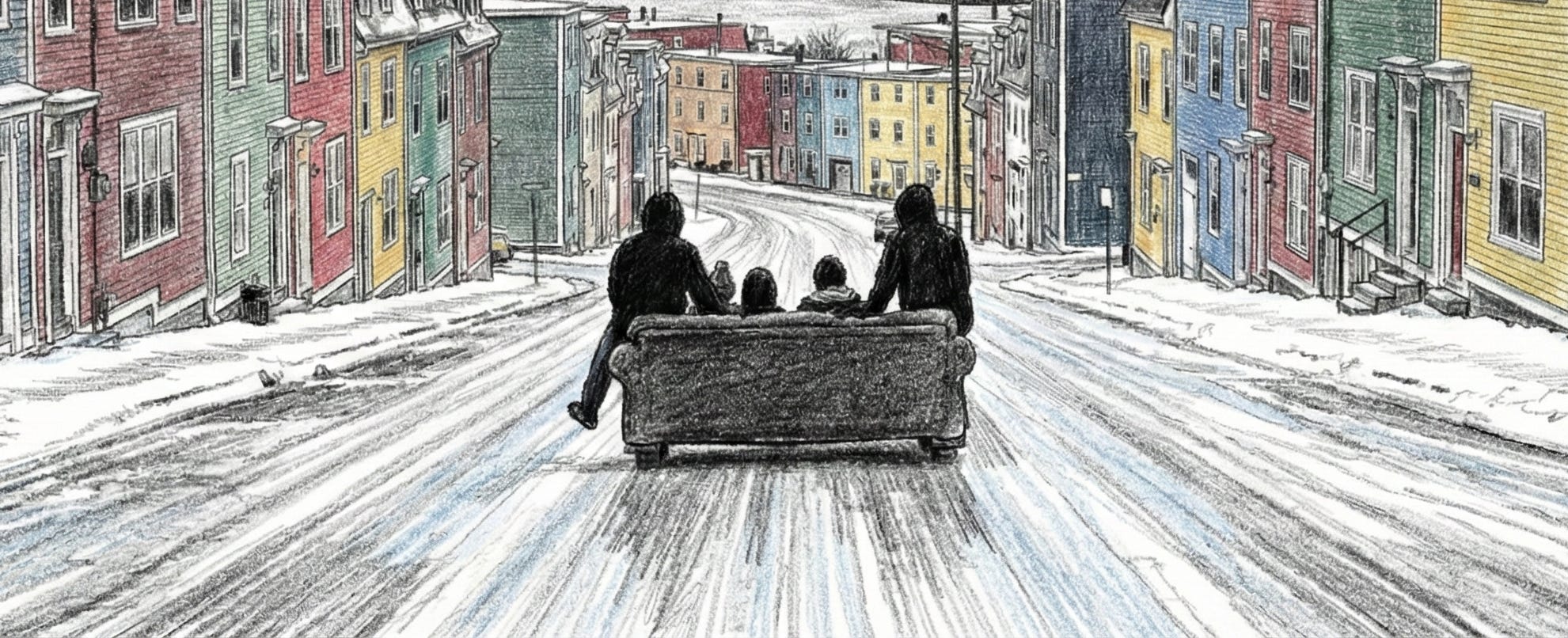
There’s been a mystery I’ve been trying to solve for thirty years. What happened on New Year’s Eve 1994 at the house on Long’s Hill? Did a couch actually catch fire and hit a house? Were the police called? Did the story make it onto Canadian national radio, and what happened to that couch anyway?Over the years, the story of the Long’s Hill couch slide has become legend amongst my friends and even amongst those who don’t know us. It’s a story that has grown and changed in the telling. So, I went to some of the original people, including people who had heard the story from others at the time.Thank you very much to Marc Dyke, Aaron McKim, Andrew Smith, and Mike Mannion. I hope no one is doing literal couch surfing this New Year and that you all have a brilliant year ahead.I will be back on January 12 on a regular Monday schedule with the podcast. It’s been fun doing a couple of offbeat episodes. In the coming year, I’m looking forward to treating you to some amazing interviews, some great new stories—both fiction and non-fiction—and to delving deeper into the stories that make us human. Until then, be safe and give your pets a cuddle. If you enjoyed this or any other episode, please help me grow my listenership by subscribing or sharing.The image was generated by Gemini. This is a public episode. If you would like to discuss this with other subscribers or get access to bonus episodes, visit tales.dups.ca
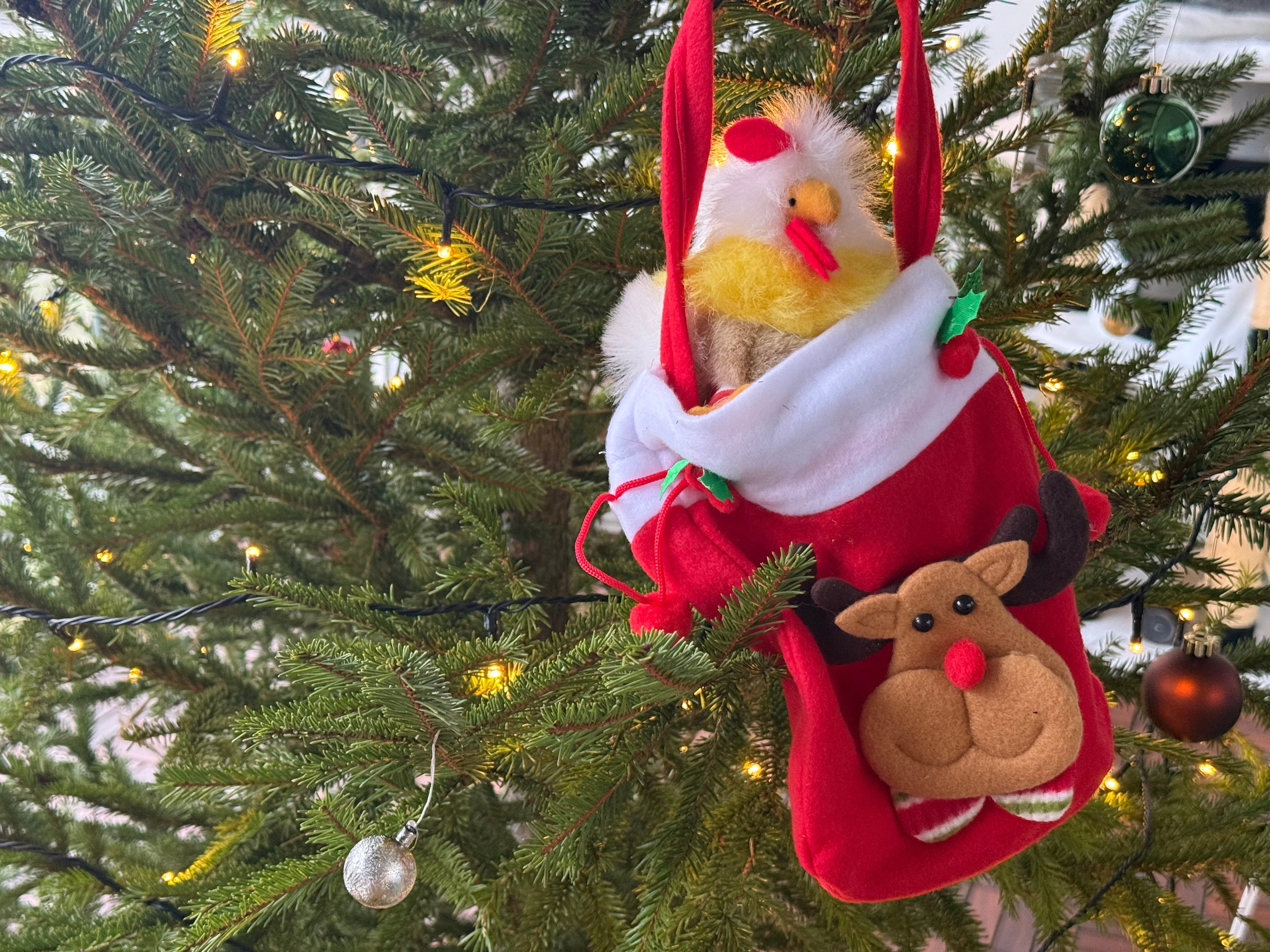
Whether you are hiding frozen cherries in couch cushions or singing at the top of your lungs there’s so many ways we make ourselves comfortable. I love this time of year even if it means long nights and cold temperatures here in the northern latitudes. Regardless of how religious you are I love the idea that there’s a season where we acknowledge the value of the people in our life with gifts and food. Give the gift that keeps on giving and share this episode. It would mean a lot to me!On today’s episode we have the following folks:Friends from St. John’s, Newfoundland: Marc and Angie, Andrew Smith, Andrew Draskoy, Aaron, Rohith, and ColetteFriends from HeyOrca: Jesse, Steph, JP, Steve, Peter, Joe, and FarhanFriends from OpenOcean: Tony, Toby, Raoul, Ralf, Patrik, and MirvaThis entire episode is the brainchild of my fabulous partner Suvi. To all my friends and family: I wish you a very Merry Christmas/Happy Holidays, no matter where you are and what you celebrate. Thank you for being with me on 34 episodes of Tales under the cat tree. I didn’t think I would make it all the way to a special Christmas episode. I hope you have enjoyed the episodes I have done. If you have, please take the time to subscribe, or better yet, please share the episode so I can grow my listenership. I will return with a special New Year’s day episode and will be back to whatever is “normal” for this podcast on January 12.Today’s episode featured the following pieces of music either in the public domain or under the Creative Commons license. No changes have been made to the compositions or performances beyond mixing in the podcast.* "Christmas Prelude" performed by the Concert Band of the United States Air Force Band of Mid-America — License: Public Domain* "It Came Upon the Midnight Clear" (for jazz piano) performed by the Diplomats of the United States Air Force Band — License: Public Domain* El Noi de la Mare, a Catalan folk song on guitar. — License: Creative Commons* Heinrich Lichner: Fantasia of Silent Night, Holy Night — License: Creative Commons 2.0* Christmas music for Orchestra and choir MaxNegro — License: Creative CommonsAll other music composed and performed by Duleepa Wijayawardhana. This is a public episode. If you would like to discuss this with other subscribers or get access to bonus episodes, visit tales.dups.ca
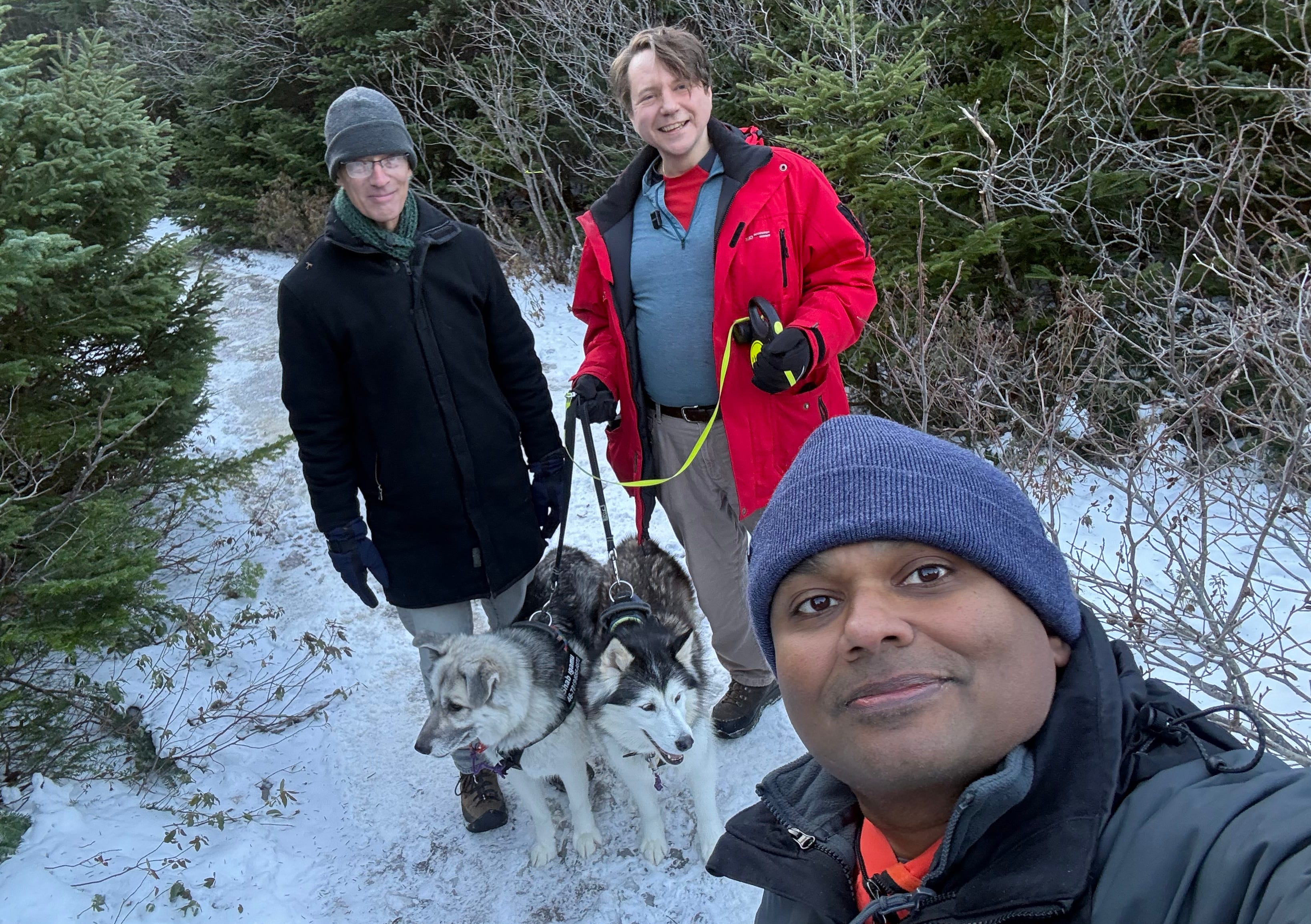
When sun rays crown thy pine clad hills, And summer spreads her hand, When silvern voices tune thy rills, We love thee, smiling land. When spreads thy cloak of shimmering white, At winter’s stern command, Thro’ shortened day, and starlit night, We love thee, frozen land. When blinding storm gusts fret thy shore, And wild waves lash thy strand, Thro’ spindrift swirl, and tempest roar, We love thee windswept land. As loved our fathers, so we love, Where once they stood, we stand; Their prayer we raise to Heaven above, God guard thee, NewfoundlandThose are the verses to “Ode to Newfoundland,” composed by Sir Cavendish Boyle, without the refrains as would be commonly sung. It was the national anthem of the Dominion of Newfoundland and these days is the official provincial anthem of the province of Newfoundland and Labrador.Newfoundland is the world’s 16th largest island; it is located far to the east in Canada and makes up one part of the now Canadian province of Newfoundland and Labrador. Newfoundland was the first British colony in the Americas, and it is also where the Vikings, with Leif Erikson, landed when they first came to North America. You can visit the archeological dig at L’Anse aux Meadows on the west coast of the island.The reason for its historical prominence in European times came from the large stocks of cod fish that inhabited the Grand Banks off the coast, though the island had long been home to the now-extinct Beothuk peoples prior to any European settlement. It is a rugged and windswept island with amazing vistas when the weather allows.And that is often the problem.Had I been one day early in my most recent December trip to the island, I would not have made it, as gale-force winds had cancelled flights. This can happen in December. I arrived to an island of snow and ice, a little unusual in early December, but then these days and on this island, you never know what Mother Nature will throw at you.So it was that I found myself on a hike with my good friends Dr. Aaron McKim and Andrew Draskoy in the White Hills near St. John’s with Aaron’s two huskies. Our group has been doing “winter” hikes for decades. We used to call them Arctic Picnics, and our group we had dubbed the “Royal Anarcho-Geographic Society of Newfoundland” or RAGSN. The members of RAGSN number a multitude and these days live around the world. But today it was just Aaron, Andrew, and me on a short winter hike. The ground was icy but the day bright and a little windy, as you might hear from the audio.Listen to the episode for some great stories and history about Newfoundland and Labrador, hiking, and more.If you like this podcast episode and want to listen to more, please take the time to subscribe! This is a public episode. If you would like to discuss this with other subscribers or get access to bonus episodes, visit tales.dups.ca
I met a traveller from an antique land
Who said: “Two vast and trunkless legs of stone
Stand in the desert . . . Near them, on the sand,
Half sunk, a shattered visage lies, whose frown,
And wrinkled lip, and sneer of cold command,
Tell that its sculptor well those passions read
Which yet survive, stamped on these lifeless things,
The hand that mocked them, and the heart that fed:
And on the pedestal these words appear:
‘My name is Ozymandias, king of kings:
Look on my works, ye Mighty, and despair!’
Nothing beside remains. Round the decay
Of that colossal wreck, boundless and bare
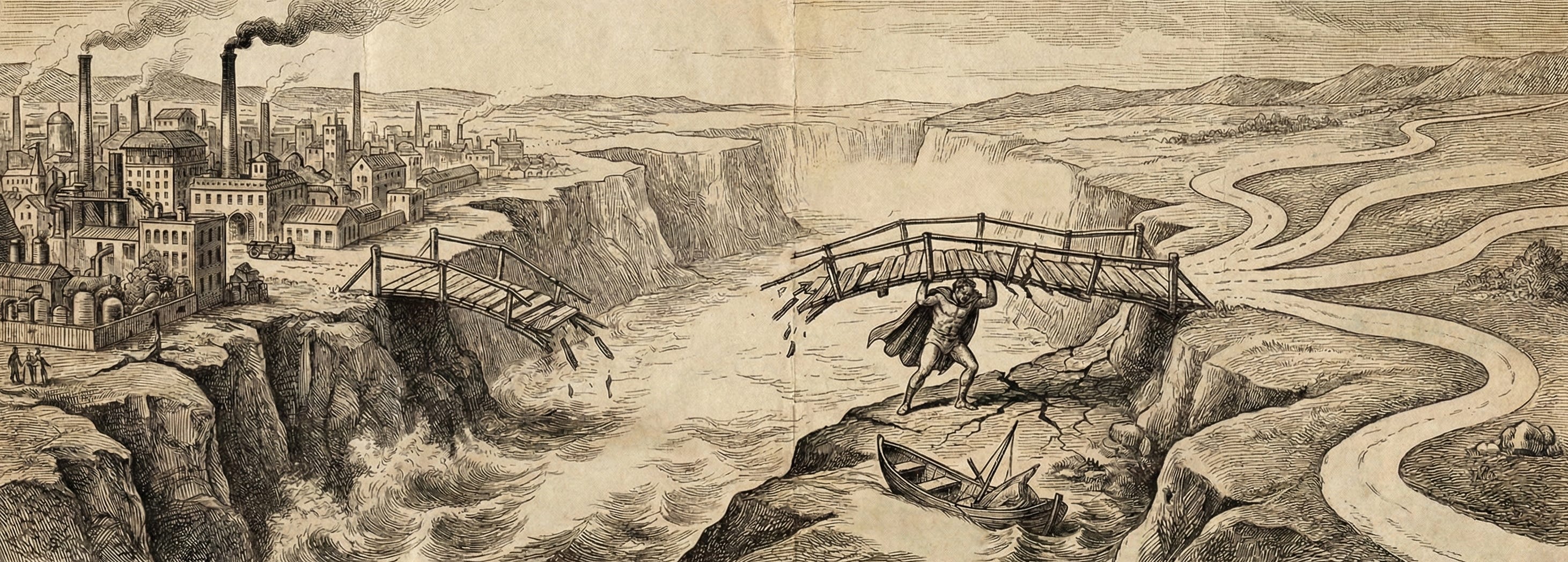
The lone and level sands stretch far away.”This is the poem Ozymandias by the great Percy Bysshe Shelley.In this episode of Tales Under the Cat Tree, I want to explore the human egos that build our cities, kingdoms, and companies. I read “Ozymandias” when I was eleven years old. The image of the broken civilizations that thought themselves eternal and invincible has stuck with me ever since. We humans think our worlds can never die, that our present continues to the future with ever-increasing greatness, and that we, as individuals, are fully in control.The reality is far different. So first, I will share an original short story that was inspired by “Ozymandias” called “Look Upon Our Works and Despair,” followed by a piece on “How to Become the Company MVP.” You might ask: is there really a connection between all these? Well, I will leave you to ponder that thought.This episode was again done while on the go. This time from St. John’s, Newfoundland. Thank you to Marc and Angie for putting up with my shenanigans. This is a public episode. If you would like to discuss this with other subscribers or get access to bonus episodes, visit tales.dups.ca
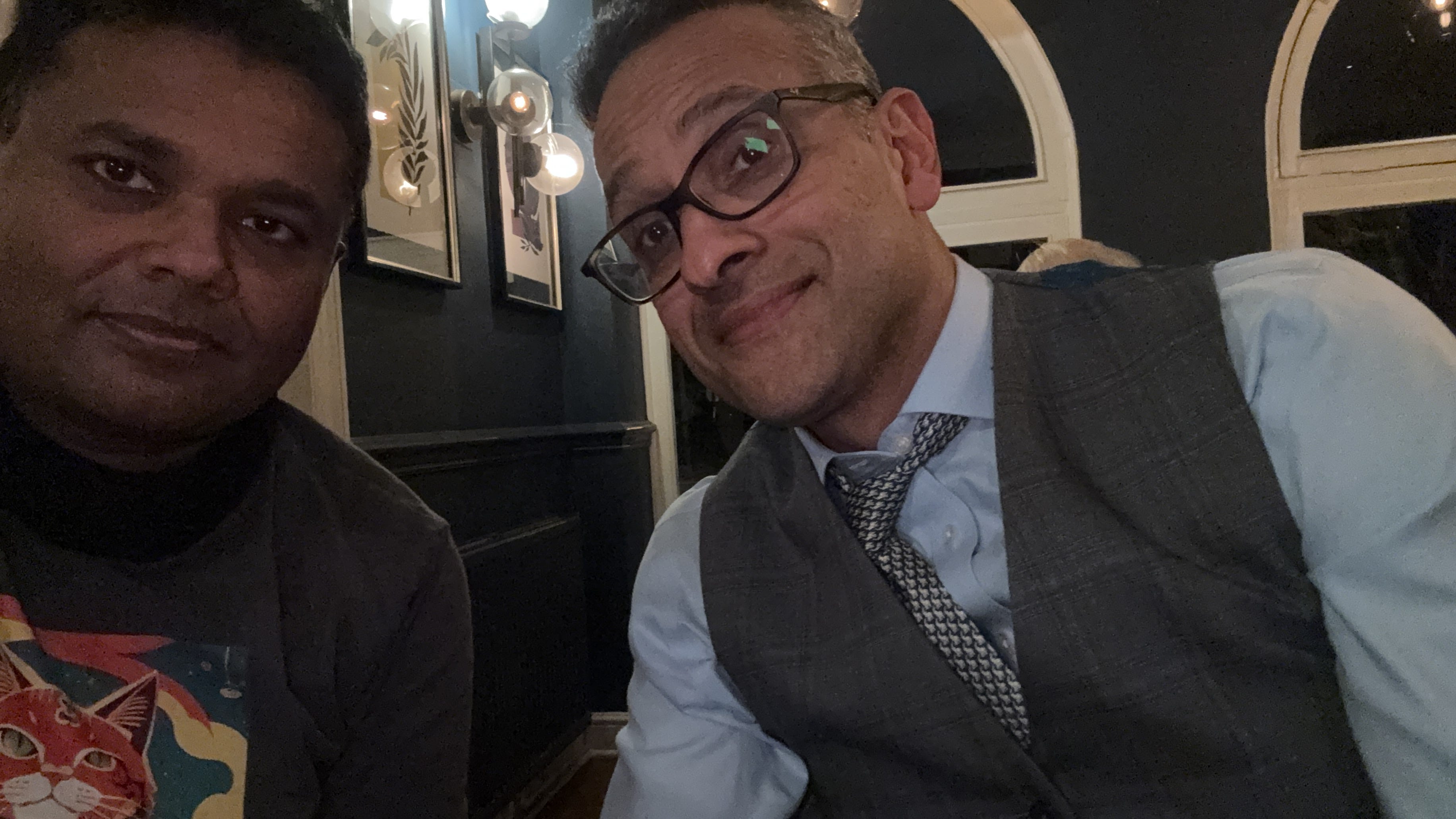
Recently, I was cleaning an attic full of memories, cards, and letters. Amongst the items were letters that my friends, and even one teacher, had written to me right after I finished my A-Level exams at South Island School in Hong Kong in 1992. One of those letters was from Tushar Salukhe, with whom I went to school. Tushar and my other “brother from another mother,” Sung, have been my lifelong friends, and of the two, Tushar has known me the longest. It was he who coined the nickname “Dups” that I go by.Subscribe for free for new episodes and support my work!Since I was visiting London, where Tush lives, I thought it would be good to have a conversation about the 1980s Hong Kong that we witnessed growing up there. If there was ever a “golden era” for Hong Kong, I am sure it would have been the 1980s. Wealth and affluence abounded; the economy was growing, boasting one of the busiest airports in the world and serving as a center of global trade. This was pre-handover Hong Kong, a bustling, vibrant mix of the West and the East.What follows is my conversation with Dr. Tushar Salukhe about growing up in Hong Kong, succeeded by an essay that I wrote right after our 25th high school anniversary in Hong Kong in 2017. I’ve included some old photos I dug up here.Come and wander the crowded streets of one of the most amazing cities at the height of its power and glory in the 1980s, through the eyes of two teenagers. This is a public episode. If you would like to discuss this with other subscribers or get access to bonus episodes, visit tales.dups.ca
I’ve talked about my fabulous writing group, “The Chapter Chasers,” in previous episodes. Many of the stories I feature or am submitting to various journals and competitions have been workshopped by the group. Our group is incredibly international, spanning the continents of North America, Europe and Asia, and with it is a diversity you would not be able to build had you tried intentionally. This writing group began in Gail Anderson’s Flash Fiction course at Oxford and continues 18 months later.Today, I am happy to have Lisa Mathew on the podcast with me to talk about the editing process. If you’ve been listening to the last few episodes about BioWare, you might have noticed I keep mentioning all the people who it takes to put a creative work in front of you. In fact, this very podcast goes through multiple edits, different listens, and opinions before you ever get to hear it. The same is true when it comes to fiction. Your story is often only as good as the editor or editors who contribute to it.Today, I will read a short story in its final form. In the show notes, I have a link to the story along with the edits that Lisa provided. You can immediately see the difference. But first, let me read you the story in the final edited form. The story is called “Climbing.” You can see screens of the edits that Lisa made.More about flash fiction:Please support this podcast by subscribing! This is a public episode. If you would like to discuss this with other subscribers or get access to bonus episodes, visit tales.dups.ca
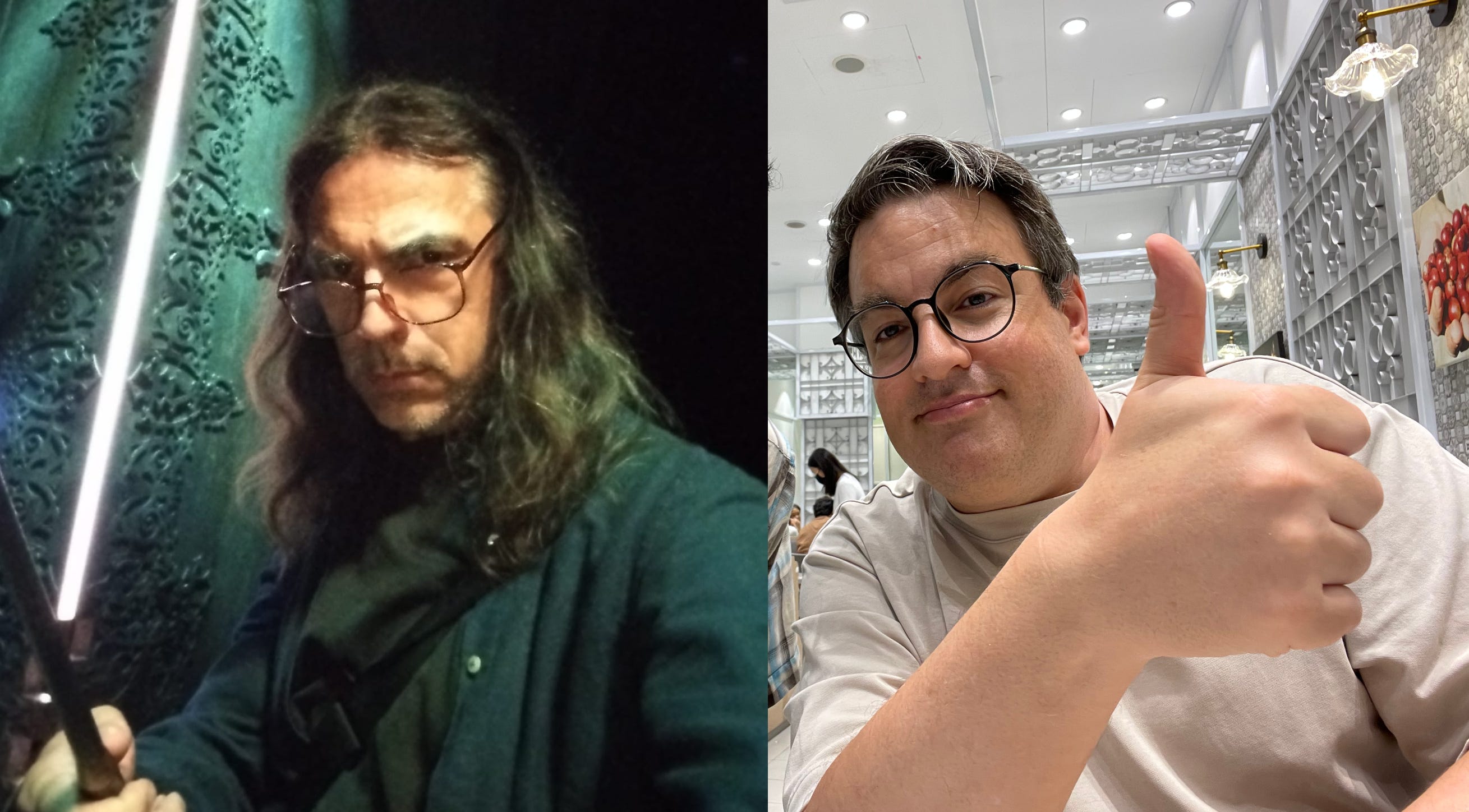
This episode is part 3 of my short series on BioWare. In this episode we interview Georg Zoeller and Emmanuel Lusinchi who were designers and more on Neverwinter Nights (Hordes of the Underdark), Dragon Age, Mass Effect, Jade Empire, and Star Wars: The Old Republic for BioWare. Both Georg and Emmanuel went on to work together at Ubisoft and Meta. Like Craig Miller and I, they’ve been working together in various companies for over 20 years.This episode is full of stories about why dragons were not originally a part of DragonAge, how The Old Republic ended up with speeder bike mounts, how the Asari came to be in Mass Effect and more. Georg and Emmanuel also touch on the massive changes in the games industry these days and even Larian and BG3. We also delve into our strange paths into BioWare and the gaming industry. For those that love BioWare games, or games in general, this is a great oral history by two industry veterans.Please do listen to Parts 1 and 2 and do subscribe to get more BioWare interviews in the future!I would like to always thank everyone we ever worked with at BioWare.Here are some photos that Georg rescued! This is a public episode. If you would like to discuss this with other subscribers or get access to bonus episodes, visit tales.dups.ca

Comments

Download from Google Play

Download from App Store
 United States