


 Claim Ownership
The Academic Minute
Subscribed: 1,084Played: 15,418
Subscribe

© Academic Minute
Description
1021 Episodes
Reverse

On Cornell Engineering Week: Dividing up a bundle of items fairly can be very tricky, especially for families.Paul Gölz, assistant professor of operations research and information engineering, looks to mathematics for help.Paul Gölz is an assistant professor at Cornell University. He studies the algorithms and mathematics of democracy and fairness, and how these fields can inform AI development.Picture three siblings dividing an inheritance. One is fond of a piece of art, the others could both use the car, everyone wants the dining table, … and suddenly they’re fighting over how to split the goods. Whether you’re splitting an estate or Halloween candy, mathematics can help by making precise when a division is “fair” and by creating procedures that find one.Ideally, we’d like a division that is envy-free, which means that no sibling prefers another sibling’s bundle of items over their own. But perfect envy-freeness isn’t always possible—say if everyone wants the car.So, researchers in the area of fair division developed a more flexible standard of fairness, which allows for some envy, but only a small amount: your envy for another’s bundle should disappear if you could remove just one item from it. This axiom works well because it’s always achievable when dividing items across individuals.But here is a twist: what if the siblings have spouses? A division that seems fair to the siblings could still leave a spouse thinking their household got shortchanged, based on how the spouse values the items. Can we divide them so that the siblings and their spouses find the allocation fair?For two couples, we prove that the answer is yes; such a division always exists. But add another couple, and sometimes no division will satisfy everyone. That’s the bad news.The good news? We developed an algorithm that works for any number of couples, which guarantees a different fairness axiom called proportionality: every person feels that their group received at least their fair share of the total value, give or take a few items. This algorithm offers a mathematically fair way to divide goods among households or other groups of people—and hopefully to avoid an argument.Read More:Fair Division Among Couples and Small Groups This is a public episode. If you would like to discuss this with other subscribers or get access to bonus episodes, visit academicminute.substack.com

On Cornell Engineering Week: What can the natural world tell us about computers? Hunter Adams, assistant teaching professor of electrical and computer engineering, examines what we can learn from nature.Hunter Adams is an assistant teaching professor at Cornell University’s School of Electrical and Computer Engineering. As a former Cornell student with degrees in physics and aerospace engineering, he worked in the Laboratory for Elementary Particle Physics before joining the Space Systems Design Studio where he managed a team of engineers constructing a spacecraft called Violet. As a faculty member, Adams enjoys working with students and collaborating with researchers in a range of disciplines, including plant sciences, veterinary science, electrical engineering, ornithology, and computer science.Let me ask you a deceptively difficult question: What is a computer?We can all point to examples of computers. Things like laptops, cell phones, slide rules, and calculators. But what is the property that all these items share which makes them computers? Are there other objects, objects that we don’t typically think of as “computers,” which share this property?Here’s a definition: a computer is anything which usefully transforms one quantity into another quantity. All of the engineered systems that I’ve just listed share this property, but so do many natural systems that we don’t typically think of as computers!We could point to lots of examples. Want to find the shortest path through a complicated environment? No need to build a computer or write a program, just re- create that environment around an ant colony and allow them to find the path for you! Want to classify objects moving through a forest? The woodland creatures react in different ways to different sorts of intrusions. Use the birds, bees, and megafauna as a giant neural net that performs classification by way of their unique responses to cars, people, drones, or whatever else.These and other natural systems are modeled by equations, and the goal of many scientists is to find these equations. But any system that can be modeled by an equation can also be used as a special-purpose computer for solving that equation! Natural computing does not use math to model nature, it uses nature to do math, and to store and process data!The supercomputers of the future will not be constructed at the cost of nature, but will include nature. In addition to giving us access to lots more compute, this has the potential to guarantee nature’s preservation. As soon as healthy forests generate more dollars than lumber, we won’t need fences around our forests. The economic value of the forest, and of all other natural systems, may lay in its ability to process, store, and move data.Maybe, we can save the planet by turning it into a computer. This is a public episode. If you would like to discuss this with other subscribers or get access to bonus episodes, visit academicminute.substack.com
On Cornell Engineering Week: There are still mysteries to uncover about the bones in our body. Eve Donnelly, associate professor of materials science and engineering, looks into some to find out.Eve Donnelly is an associate professor in the Department of Materials Science and Engineering at Cornell University, where her research focuses on the microscopic structure and composition of connective tissues, especially bone, determine their strength, resilience, and susceptibility to fracture. Her work focuses on how the organic and inorganic components of bone interact to create its mechanical properties, and how those interactions change in disease. The long-term goal of her research is to integrate materials science with orthopedic medicine to uncover the mechanisms behind pathologic fractures.We tend to think we’ve got bones all figured out. They hold us up, protect our organs, and – as we have learned from a young age – they get stronger with calcium, vitamin D, and exercise. But there is still a lot we don’t understand about what makes bones truly strong and healthy.Take Type 2 diabetes, for example. People with this condition tend to have denser bones than average. One would think that would make them less likely to break. Yet, paradoxically, people with diabetes are more likely to have fractures.In my lab, we study why. It turns out that having more bone isn’t the same as having better bone. Healthy bone is a natural composite, part mineral for strength, part collagen for flexibility. In diabetes, excess sugar in the bloodstream can stick to the collagen and form unwanted crosslinks that make the tissue more brittle.We used high-resolution imaging and other techniques to look deep inside diabetic bone and found that it has more of the harmful crosslinks and less renewal of old bone by the bone cells, which could allow it to develop tiny cracks that build up over time. So even when the bone looks fine on a density scan, it’s more fragile than it seems.This research helps explain why current diagnostic tools, which focus mainly on bone density, can fail to predict fracture risk in people with diabetes. By uncovering how sugar compounds alter bone material, we can work toward better screening methods, and therapies that promote bone quality, not just density.Bones may look simple on the surface, but they’re remarkable, living materials that hold mysteries we’re only beginning to unravel. And each new discovery brings us closer to understanding how to keep our bones healthy and resilient for a lifetime. This is a public episode. If you would like to discuss this with other subscribers or get access to bonus episodes, visit academicminute.substack.com

On Cornell Engineering Week: A solution to heating our homes more efficiently may be right under our feet. Chloe Arson, professor of Earth and Atmospheric Sciences, digs down to explore.Chloé Arson is a professor in the Department of Earth and Atmospheric Sciences at Cornell University with expertise is damage and healing rock mechanics, micro-macro modeling of porous media, and computational geomechanics. Her research group develops numerical tools to assess the performance and environmental impacts of underground storage and rock fracturing, explain the formation of soil by rock weathering, and design sustainable bio-inspired geotechnical systems. Arson’s latest line of research investigates the use of artificial intelligence to optimize subsurface exploration and enhance multi-scale geomechanical models.You may be familiar with homes being conditioned by geothermal energy, using shallow heat pumps that circulate pipes a few hundred feet underground to warm buildings in winter and cool them in summer. But that’s just scratching the surface.Deeper underground, the Earth gets hotter – a steady rise called the geothermal gradient. Those higher temperatures open up new possibilities for supplying heat to multiple buildings or even industrial facilities – things shallow geothermal systems can’t do. That’s where deep geothermal systems come in. Heat is harvested by drilling kilometers down and circulating fluid through fractures in the hot rock. When the subsurface is not permeable enough to circulate the fluid, it is possible to build an Enhanced Geothermal System, or EGS for short. “Enhanced” means that the rock is stimulated to open or create fractures prior to operations. The EGS technology makes it possible to harvest heat nearly anywhere.In Utah and Nevada, two-mile-deep enhanced geothermal systems have produced electricity. In the eastern U.S., the rocks are about three times less hot at similar depth, which is not economically practical for power generation, but is ideal for heating buildings directly. Cornell University recently drilled a two-mile-deep borehole to assess the feasibility of EGS for direct heat production, but many challenges to deploying this type of system still exist.The economic potential for direct heat-generating enhanced geothermal systems is on the order of 320 gigawatt-thermal units in the United States, enough to heat about 45 million households. Clean, renewable heat is beneath our feet. The challenge now is to build the infrastructure.Read More:Earth Source Heat - Cornell University This is a public episode. If you would like to discuss this with other subscribers or get access to bonus episodes, visit academicminute.substack.com

On Cornell Engineering Week: We still have much to unravel about menopause. Nozomi Nishimura, associate professor of biomedical engineering, says science can help.Nozomi Nishimura is an associate professor in the Meinig School of Biomedical Engineering at Cornell University and director of the Menopause Health Engineering initiative, which aims to unravel the science of menopause. Her research expands the use of in vivo imaging techniques to study a variety of disorders including Alzheimer’s disease, cardiac disease and cancer metastasis. Her lab’s strategy is to develop novel tools to image the contribution of multiple physiological systems to diseases, including multiphoton microscopy to image cell dynamics and femtosecond laser ablation and quantitative analysis to dissect function in living systems.Despite decades of biomedical progress, we still don’t fully understand what happens in the body during menopause, or how its hormonal changes cascade through biological systems like the brain, heart, bones, and metabolic network. The result is that billions of people will experience symptoms and health risks that science can describe, but not yet predict or prevent.That’s because menopause isn’t a single switch that flips. It’s a systems-level process. As estrogen levels fall, the effects ripple across nearly every organ, influencing metabolism, inflammation, cognition, and even the mechanical properties of tissue. Osteoporosis, for example, is one potential outcome related to menopause, and is tied not only to bone health, but muscle and metabolic health. It also plays a significant role in breast cancer risk and progression.Understanding intertwined problems like menopause and multi-organ diseases requires integrative, cross-disciplinary science. The Menopause Health Engineering initiative is bringing together experts from engineering, medicine, and life sciences to create computational models, imaging tools, and “body-on-a-chip” platforms that will reveal how menopause reshapes the body over time.The research initiative aims to inspire a broader movement: to treat menopause not as a medical afterthought, but as a rich, untapped domain for discovery. By elevating menopause research to a national scientific priority, we could transform not just women’s health, but our understanding of human resilience and longevity itself. Menopause isn’t the end of biology – it’s a key to unlocking it. This is a public episode. If you would like to discuss this with other subscribers or get access to bonus episodes, visit academicminute.substack.com

What does the fairy tale of the princess and the pea have to teach us about our cells? Amit Pathak, professor of mechanical engineer and materials science at Washington University in St. Louis, feels the way through the research.Amit Pathak is a Professor of Mechanical Engineering & Materials Science at Washington University in St. Louis. His research focuses on mechanobiology, exploring how cells sense and respond to mechanical properties of their environment, with applications in cancer metastasis, wound healing, and tissue engineering.While diseases are traditionally defined by genetic alterations in cells, our bodies undergo mechanical changes as well. In my lab, we study mechanobiology, which asks: how do cells respond to the physical world around them?Over the last two decades, scientists have learned that cells aren’t just passive blobs. They actually sense the stiffness of the surfaces they stick to. This sensing—called mechanotransduction—guides how cells move, grow, and even turn into diseased versions of themselves.In a recent study, we found something surprising. Groups of epithelial cells—the kind that line your organs—can feel through layers of fibrous collagen up to 100 microns deep. It’s a bit like the fairy tale of the princess and the pea. She could feel a tiny pea under a pile of mattresses. In real life, it’s like the difference between sleeping on a mattress on the floor versus one on a bed frame—you feel the support differently. The epithelial cell clusters in our experiments did something similar: they push and pull on their surroundings to “feel” what’s beneath. Depending on the stiffness of their distant layers, which could be soft tissue, a hard tumor, or bone in the body, cells change how they move. This is an emergent property of cell collectives, because single cells can only sense a few microns deep. Based on this work, we suspect there may be specific regulatory proteins that help cells sense distant, disease-like environments—ones we may have overlooked. This kind of long-distance sensing could reveal new targets for cancer therapy.That’s the core mission of my lab: to understand whether and how cells can sense distant environments—ones they’ve encountered before, or ones they’re moving toward. If true, this could mean that mechanical memory shapes how cancer spreads or how healthy cells respond to nearby tumors.Read More:[PNAS] - Emergent depth-mechanosensing of epithelial collectives regulates cell clustering and dispersal on layered matricesCellular Mechanobiology Laboratory This is a public episode. If you would like to discuss this with other subscribers or get access to bonus episodes, visit academicminute.substack.com

On this Student Spotlight: How rich and poor navigated Industrial Manchester may be different from what was previously thought.Emily Chung, PhD candidate at the University of Cambridge, looks through records to shed more light on the history.Emily is a PhD Candidate at the University of Cambridge, in the Cambridge Group for the History of Population and Social Structure. She holds a Bachelor’s of Architecture from Cal Poly San Luis Obispo and a master’s in Economic and Social History from Cambridge. Her doctoral research studies residential segregation and urban reform in 19th century Manchester, using census microdata alongside cartographic and qualitative primary sources to reconstruct experiences of life in the industrial city. Her recent paper, published in The Historical Journal, explores questions of proximity and segregation in 1840s Manchester.Few cities were affected by the Industrial Revolution as quickly and dramatically as Manchester, which went from little more than a village in 1750 to the third largest city in Britain a century later. By the 1840s, the pressures of this growth was reflected in widespread overcrowding, disease, and severe social fragmentation. The image that has survived of industrial Manchester is one where rich and poor rarely, if ever, interacted and it has been assumed that this was the cause of residential segregation, keeping different classes to separate parts of the city. Looking more closely at census data from 1851, however, my research reveals the opposite was true: not only did doctors, engineers, and lawyers live in the same neighbourhoods as the poorest factory labourers, but they even shared the same buildings! Reviewing qualitative primary sources from this period, written by social investigators and observers like Friedrich Engels, Leon Faucher and James Kay-Shuttleworth, I find different explanations for mechanisms of segregation. Here, differences in daily and weekly routines associated with work, consumer practices, and approaches to leisure meant that individuals of very different classes rarely occupied the same spaces, and when they did, it was often at different times. Long industrial workdays, for example, were such that by the time middle-class shopkeepers, teachers, and accountants hit the streets, working-class labourers were long tucked away in factories. Throughout the week, the middle classes and domestics visited markets and grocers for freshly delivered produce, but the poor were forced to wait for their wages to be disbursed on Saturday evenings, by which point only the worst products were left and the wealthier long gone. Even on Sundays, the universal day off, classes self-segregated with the rich attending church and the poor gathering in pubs. Understanding the nuances of segregation remains of key importance today as many cities still struggle with the issue, and the case of Manchester shows that housing is but one of many factors which shape inequality and exclusion in urban space.Read More:[Cambridge Core] - Proximity and Segregation in Industrial Manchester This is a public episode. If you would like to discuss this with other subscribers or get access to bonus episodes, visit academicminute.substack.com

How can we drive down real estate prices across the country?John Hatfield, Century Club Professor of Finance at the McCombs School of Business at the University of Texas at Austin, looks into one possible avenue.John Hatfield’s work in matching theory has facilitated the design of many real-world mechanisms, including FCC spectrum auctions, kidney paired donation, and the redesign of the U.S. Army’s branching mechanisms for assigning cadets. Hatfield also works at the intersection of the theory of industrial organization and the field of law and economics, which has advanced our understanding of anticompetitive practices in real estate agency and other markets.In October 2023, a Missouri jury found that the National Association of Realtors and large real estate brokerages such as RE/MAX and Keller Williams “knowingly and voluntarily” worked together to keep real estate commissions high, resulting in a billion-dollar verdict. In the United States, real estate commissions comprise 5 to 6 percent of the purchase price of a home; in other countries, such as England, they only comprise one-and-a-half to two percent.In the U.S., real estate commissions for both the buyer’s and the seller’s agents are typically paid by the seller. The seller, upon listing the house for sale, offers a “cooperating commission” to the buyer agent representing the purchaser of the home.Our work shows that this has led to “steering.” Buyer agents steer clients to see homes offering higher commissions for the buyer agent, not necessarily the best homes for the buyer. This induces most sellers to all offer the same commission to buyers’ agents — 3 percent here in Austin. Sellers who offer a lower rate can expect less interest from homebuyers, as evidenced by fewer views on web portals such as Redfin. Their homes can then take 15 to 30 percent longer to sell and are more likely to not sell at all — a substantial risk for many families, who cannot afford to move until their old home is sold.Sellers thus feel compelled to offer high cooperating commissions to buyer agents to ensure that their home is seen by buyers — three quarters or more of sellers do this in the areas we study. And this keeps real estate commissions artificially high, costing a typical home seller thousands of dollars. And it leads to some sellers not moving at all, passing up on better opportunities for themselves and their families.The Department of Justice has suggested that we “decouple” the amount a buyer’s agent is paid from any decision by the seller. Instead, a buyer would negotiate directly with his agent over the agent’s compensation. Under that system, buyer agents would no longer have any reason to steer their clients.Unfortunately, the current settlement does not decouple buyer agent compensation and so far does not seem to be lowering agent commissions. Promoting real competition between agents in this market would drive down the cost of buying and selling a home and benefit consumers across America.Read More:[Iowa] - Et Tu, Agent? Commission-Based Steering in Residential Real EstateSYSTEMATIC NATIONAL EVIDENCE OF STEERING BY REAL ESTATE AGENTS[Wiley Online Library] - Collusion in Brokered Markets This is a public episode. If you would like to discuss this with other subscribers or get access to bonus episodes, visit academicminute.substack.com
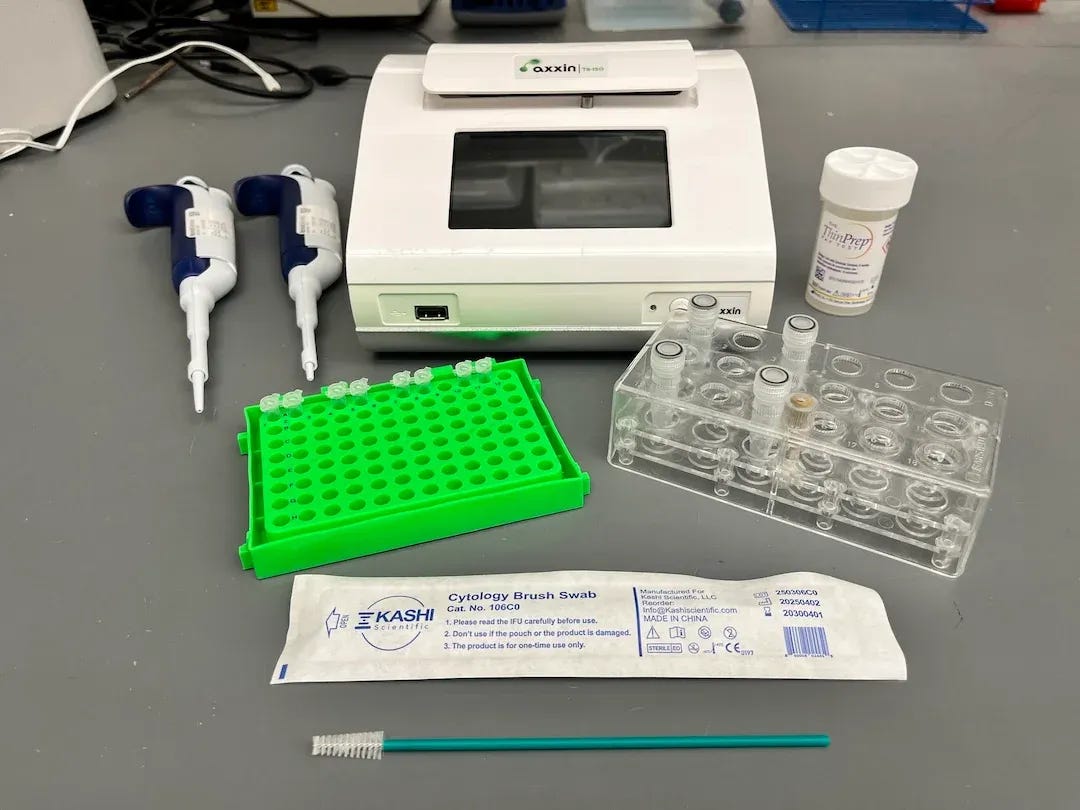
How can we transform cervical cancer screening for the better?Rebecca Richards-Kortum, Malcolm Gillis university professor, professor of bioengineering and co-director of Rice360 Institute for Global Health Technologies, says it could only take an hour.Rebecca Richards-Kortum is a biomedical engineer guided by the belief that all people deserve access to lifesaving technologies. She is known for improving access to lifesaving health technologies that address cancer, premature birth, sickle cell disease, and malaria. Technologies from her lab have been deployed to over 45 countries, providing a lifesaving impact to millions. Her lab’s current research includes developing systems for improving tumor removal accuracy, slide-free pathology, AI-assisted microendoscopy for early cancer detection, and HPV DNA nucleic acid test for cervical cancer screening.Richards-Kortum is the Rice University Malcolm Gillis University Professor of Bioengineering, Co-Director of the Rice360 Institute for Global Health Technologies, and Co-Chair of NEST360. Richards-Kortum was recognized as a MacArthur Foundation Fellow for her research in developing point-of-care devices for low-resource settings. She is one of five eminent U.S. scientists selected to serve the U.S. Department of State as a U.S. Science Envoy for Health Security. In 2023, Richards-Kortum was awarded the IEEE Medal for Innovations in Healthcare Technology.Cervical cancer is one of the most preventable diseases in the world, yet it still claims more than 350,000 women’s lives every year. Most of those deaths occur in low- and middle-income countries, where access to regular screening is limited.We wanted to change that. Our team, which includes researchers from Rice University, the University of Texas MD Anderson Cancer Center, and partners in Mozambique, set out to develop a simple, affordable test for human papillomavirus, or HPV, the virus responsible for nearly all cases of cervical cancer.What we created is a one-hour, low-cost HPV test that doesn’t require a specialized laboratory. That means women can be screened and treated during the same clinic visit—something global health experts say could save countless lives.Here’s how it works. The test uses a method called loop-mediated isothermal amplification, or LAMP, to detect HPV DNA. It runs at a single temperature and doesn’t need the complicated DNA extraction step most other tests require. A swab sample is added to the test solution, incubated for about 45 minutes in a portable heater, and then read by fluorescence.Our test detects three of the most dangerous HPV types—16, 18, and 45—which together cause about 75% of all cervical cancers. It costs less than $8 per test and can run on a battery-powered device, making it ideal for clinics without reliable electricity.In clinical trials, the test matched lab results 100% of the time in Houston and 93% in Mozambique.We’re now working to expand the test to cover more HPV types and to make it even easier to use in the field. Our goal is simple: a complete, field-ready kit that helps every woman, everywhere, access fast, accurate screening—and moves us closer to eliminating cervical cancer for good.Read More:[Rice] - New one-hour, low-cost HPV test could transform cervical cancer screening in Africa and beyond[Nature] - One-hour extraction-free loop-mediated isothermal amplification HPV DNA assay for point-of-care testing in Maputo, Mozambique This is a public episode. If you would like to discuss this with other subscribers or get access to bonus episodes, visit academicminute.substack.com
Economics is everywhere, including art.Alexandra Nica, director of the undergraduate program and professor of instruction in the department of economics at the Tippie College of Business at the University of Iowa, takes a closer look.Alexandra Nica is director of the undergraduate program and professor of instruction in the Department of Economics at the University of Iowa Tippie College of Business. She earned her MA and PhD from the University of Iowa and her BA from the University of Transylvania in Romania.Did Jackson Pollock ever think much about economics? Probably not, but economics students think about Jackson Pollock.I teach the intermediate macroeconomics class at Tippie and not long ago I noticed that my students struggled to give concise analysis of graphs and data because they were unable to visualize what they looked like. I realized they needed to learn to slow down and look closer at details to help them make more sense of the whole.I also knew that art was one tool I could use to help them. As a concert pianist myself, I know how art helps with visualization because art rewards those who looks closely at the details. So I brought my students to the university’s renowned Stanley Museum of Art, where docents helped them dive deep into some of the works in our extensive collection.They closely examined paintings by Joan Miro and Katja Farin. They looked at sculpture from Elizabeth Catlett and pieces from the museum’s extensive collection of African art. They began to see things they didn’t expect and realized that close looking is as effective in finding meaning in one of Pollock’s abstract expressionist masterpieces as in a chart tracking US GDP.The experience showed the value of creativity in moving past a basic reading and providing concise summaries, especially when looking at graphs. Students learned they can tease out meaning from economic data using an artist’s tools to see that things aren’t always as simple as they seem. As a result, they now write clearer paragraphs with better in-depth analysis than before, even when the graphs are more complicated. This will be important for their careers, when their bosses will expect a concise, three-sentence summary of what a visual says and what it actually means. This is a public episode. If you would like to discuss this with other subscribers or get access to bonus episodes, visit academicminute.substack.com

Quitting smoking is good for you, no matter when in life it happens.Mikaela Bloomberg, senior research fellow in social epidemiology and social statistics at the department of epidemiology and public health at the institute of epidemiology and health care at University College London, explores why.Mikaela Bloomberg is a Senior Research Fellow in Social Epidemiology and Social Statistics at University College London’s Department of Epidemiology and Public Health. She is part of the English Longitudinal Study of Ageing research team, where her work examines how social and behavioural pathways contribute to inequalities in health and wellbeing in later life. Her research integrates lifecourse perspectives with longitudinal population data to understand how socioeconomic circumstances and behavioural patterns shape cognitive ageing, dementia risk, and other ageing-related outcomes.The harmful effects of smoking are well known. Smoking damages heart and lung health and is also linked to poorer cognitive outcomes: people who smoke tend to show faster decline in cognitive abilities such as memory and thinking skills and are more likely to develop dementia.However, research suggests that some of smoking’s health harms are reversible—not only for heart and lung health, but also for the brain. For example, people who quit smoking earlier in life have dementia risks and later-life cognitive abilities similar to those who never smoked.What has been less clear is whether quitting later on can still make a difference once cognitive decline has already begun. Age-related cognitive decline typically accelerates from around age 65, so by that stage, many assume their cognitive trajectory is already set. We wanted to know whether quitting could still slow that decline.To find out, we analysed data from over 9000 adults aged 40 and older across 12 countries, tracking their performance on cognitive tests over 18 years. We matched people who quit smoking with continuing smokers based on their age, sex, education level, and cognitive abilities before quitting. We examined cognitive trajectories in the years before and after quitting and compared these with the matched control group. Before quitting, both groups declined at a similar rate. But in the years after, those who quit experienced 20%-50% slower cognitive decline than those who continued to smoke. This was true whether they quit in midlife or later.These findings matter because many long-term smokers believe there’s no point in quitting after decades of smoking. Our results suggest that when it comes to maintaining cognitive health, it is never too late to quit.Read More:[The Lancet] - Cognitive decline before and after mid-to-late-life smoking cessation: a longitudinal analysis of prospective cohort studies from 12 countries This is a public episode. If you would like to discuss this with other subscribers or get access to bonus episodes, visit academicminute.substack.com

Juvenile birds may lean on siblings more than parents to learn to solve a puzzle. Sonja Wild, postdoctoral researcher at the University of California, Davis, explores why.Sonja Wild is a postdoctoral researcher at the University of California Davis. Her research aims to uncover the mechanisms underlying behavioral plasticity in free-ranging social animals. She is particularly interested in underlying cognitive processes — such as social learning phenomena and individual decision-making processes — and the fitness outcomes of behavioral variation at the individual level. Her research across different animal species from dolphins over songbirds to ground squirrels has sparked far-reaching interest beyond the scientific community.Learning from others is one of the most efficient ways to obtain new skills or information. In animals — including us humans — this process called ‘social learning’ is especially important for young individuals who have to learn essential survival skills right after birth. In many species, parents play a key role in this process. Offspring copy what their parents do, a form of ‘cultural inheritance’ that leads to behaviors being passed down within families through generations. But what happens in species where parents do not stick around for very long?That’s what we set out to explore in the great tit, a small songbird whose young reach independence from their parents after just a few weeks. We presented juvenile birds with foraging puzzles that could be opened by sliding a door either to the left or to the right. Through automated tracking, we recorded if and when each bird learned to solve the puzzle. Young birds whose parents knew how to solve the task were much more likely to learn it themselves, which points to cultural inheritance. But having a closer look at the learning pathways, a different story emerged. The first juvenile to learn in each family often learned not from its parents, but mostly from unrelated adults. And once one sibling learned to solve, all other siblings tended to copy the already knowledgeable sibling rather than their parents. Our study provides a contrast to the strict trans-generational cultures where transmission mainly occurs from parents to offspring and gives insights into the more variable learning pathways via siblings and non-parental adults in species with limited parental care and multiple offspring.[PLOS Biology] - Siblings and nonparental adults provide alternative pathways to cultural inheritance in juvenile great tits This is a public episode. If you would like to discuss this with other subscribers or get access to bonus episodes, visit academicminute.substack.com

Do men and women experience asthma differently?Shannon Kay, assistant professor at the Yale School of Medicine, determines how to make care more personalized.Shannon Kay was born in Long Island and raised in New York City. She received her B.S. and M.S. in Chemical Engineering from Manhattan College, and completed medical school at Stony Brook University School of Medicine. She then completed internship, residency, and Chief residency in Internal Medicine at the University of Michigan in Ann Arbor before coming to Yale as a Pulmonary and Critical Care fellow in 2019.Asthma is the most prevalent respiratory disease in the world, and it is caused by inflammation in the lungs related to an individual’s genetics and their environment. There are clear differences in the way asthma affects males and females across the lifespan. For example, asthma is more common and more likely to be triggered by allergies in young boys compared to girls. After puberty, asthma becomes more prevalent in females, who are more likely to experience asthma throughout adulthood. Females report changes in their asthma symptoms corresponding with their menstrual cycle, pregnancy, menopause, and taking medications like hormonal contraceptives or hormone replacement therapy. This suggests a hormonal influence on lung inflammation. Importantly, females are more likely to have severe asthma that is less responsive to our current therapies.In this study, we set out to explore the way asthma affects males and females differently by looking at gene expression levels in blood and respiratory samples. Gene expression is a measurement of which genes from our DNA are being used to make proteins, which gives us a clue about the biology happening in our bodies. We combined studies from across the world to maximize our analysis. Ultimately, we found differences in the expression of 61 genes between males and females with asthma. The expression level of these genes in blood samples correlated with important features including patient-reported symptoms, lung function measurements, and markers of inflammation. Our findings suggest that these changes in gene expression may contribute to sex differences in asthma.We hope to build on this work by studying hormonal effects in the lungs, evaluating differences in response to newer asthma medications called biologics, and exploring the intersection between asthma and other conditions like obesity. Ultimately, we hope to contribute to more personalized medical care for all patients with asthma.Read More:[ATS Journals] - Sex-biased Gene Expression Underlies Immune Dysfunction in Asthma This is a public episode. If you would like to discuss this with other subscribers or get access to bonus episodes, visit academicminute.substack.com

Hepatitis C infection can be dangerous for mothers and babies, so how do we treat it? Madeline McCrary, assistant professor of medicine at Washington University in St. Louis, determines one option.Leah Madeline McCrary is an Assistant Professor in the Division of Infectious Diseases at WashU Medicine. She specializes in infectious complications of substance use, including Hepatitis C and Serratia endocarditis, and works to expand access to treatment for people who use drugs, pregnant individuals, and rural populations. She is currently collaborating to integrate infectious disease care into perinatal substance use programs to improve Hepatitis C treatment during and after pregnancy.Hepatitis C is a viral infection that can damage the liver and, if untreated, lead to cirrhosis, cancer, or even death. Many people are first diagnosed during pregnancy. The stakes are high—not only for mothers, but also for babies: the virus can be passed from mother to child, with a transmission rate of about 1 in 10.Unfortunately, treatment often never begins. Insurance may end, follow-up gets missed, or the demands of the postpartum period make clinic visits difficult. As a result, some women return for a second or third pregnancy still infected, despite the availability of a highly effective cure.But curing hepatitis C protects more than just one person. It prevents long-term complications, reduces household transmission, and lowers the risk of passing the virus to future children.To address this gap, we partnered across maternal–fetal medicine and infectious diseases to pilot a new approach. Instead of referring mothers to outpatient clinics, we offered hepatitis C treatment at the bedside before hospital discharge. We also used streamlined referrals and telehealth, building on earlier work.We reviewed records from 149 women diagnosed with hepatitis C during pregnancy. Those who began treatment in the hospital were about twice as likely to complete therapy and be cured, compared to those referred to outpatient care. More than half in the outpatient group never even attended their first appointment.Treating hepatitis C before discharge helps reduce loss to follow-up, increases cure rates, and protects long-term health. And the impact goes beyond the individual—by curing the infection, we protect families and future pregnancies.This success was possible through collaboration across specialties. With new guidelines supporting treatment during pregnancy, the goal ahead is clear: cure should be the norm, not the exception.Read More:[WashU Medicine] - Innovative approach helps new mothers get hepatitis C treatment This is a public episode. If you would like to discuss this with other subscribers or get access to bonus episodes, visit academicminute.substack.com

On this Student Spotlight: Can you become addicted to ultra-processed foods?Lucy Loch, doctoral candidate in the department of psychology at the University of Michigan, examines whether this is the case.Lucy Loch is a doctoral candidate in the Department of Psychology at the University of Michigan, where she is mentored by Dr. Ashley Gearhardt and Dr. Julie Lumeng. Her research focuses on the life course development of addictive-like eating, examining how early experiences and exposure to ultra-processed foods influence appetite, self-regulation, and risk for later life health outcomes. Supported by the National Science Foundation Graduate Research Fellowship, Lucy bridges developmental and addiction science to uncover why certain foods and life experiences may make some individuals more susceptible to overeating. Her work has appeared in journals including Addiction, Current Obesity Reports, and Physiology & Behavior.Ultra-processed foods are industrially made products that often contain high levels of refined carbohydrates, added fats, and other ingredients designed to make them especially tasty and rewarding. Over the past few decades, these foods have become a major part of the American diet. Research shows that some people experience addictive-like responses to ultra-processed foods, including intense cravings and difficulty controlling their intake.This study examined how common ultra-processed food addiction, is among older adults in the United States, and how it relates to health and social well-being. Data was analyzed from more than two thousand adults between the ages of fifty and eighty who participated in a nationally representative survey. Participants completed a validated questionnaire that applies the diagnostic criteria for substance use disorders such as, cravings, loss of control, and continued use despite negative effects, to food ultra-processed food consumption. Older adults in this study also reported on their physical health, mental health, and feelings of social isolation.The findings showed that about one in eight older adults met the criteria for ultra-processed food addiction. Rates were higher among women than men, and highest among women aged fifty to sixty-four, where roughly one in five met the diagnostic criteria for ultra-processed food addiction. Additionally, ultra-processed food addiction was strongly linked to poorer health outcomes. Those who described themselves as overweight, or in worse physical or mental health, were significantly more likely to meet criteria for UPFA. People who reported feeling socially isolated were also at increased risk.These results suggest that ultra-processed food addiction is an overlooked issue among older adults, especially women who were in a developmentally vulnerable period when these foods became widespread in the American food supply in the 1970s and 1980s. This study highlights important connections between addictive eating behaviors, physical and mental health, and social well-being, offering new insights for understanding nutrition and aging.Read More:[Wiley] - Ultra-processed food addiction in a nationally representative sample of older adults in the USA This is a public episode. If you would like to discuss this with other subscribers or get access to bonus episodes, visit academicminute.substack.com

Eating ultra-processed foods may hinder brain health during aging.Benjamin Katz, associate professor of human development and family science at Virginia Tech, examines this relationship.Ben Katz, Ph.D., is an Associate Professor within the Department of Human Development and Family Science and the Director of the Cognitive Aging and Translational Science Laboratory at Virginia Tech. His research focuses on the development of executive function throughout the lifespan. Executive function refers to a broad set of cognitive skills, including working memory, inhibitory control, and cognitive flexibility, that are closely linked to our abilities to learn, reason, think and decide. He is particularly interested in how experience and intervention, ranging from cognitive training to non-invasive brain stimulation to lifestyle behaviors, like diet and exercise, might be used to modulate these processes, to help a range of individuals including older adults concerned about Alzheimer’s disease, or children and emerging adults in academic settings. He uses a wide range of methodologies, including multi-level analytic approaches and fMRI neuroimaging , in the context of this work.Ultra-processed foods, which includes sugar-sweetened sodas, packaged deli meats, and ready-made snacks, have been closely linked to poorer physical health. Recent research has also connected consumption of ultra-processed foods to issues with brain health during aging. But the industrial processing involved in creating different foods varies widely. For example, while sugar-sweetened beverages might include artificial flavorings, a packaged deli-meat may be more likely to include high levels of sodium to extend shelf-life. In my lab, two of our graduate students, Elayna Seago and Maria Rego, worked with me and my colleague Brenda Davy to better understand how specific ultra-processed foods might be related to someone’s chance of developing dementia. We examined seven years of data from several thousands US older adults who completed a survey called the Health and Retirement Study, which includes information about diet and cognition. We found that only some ultra-processed foods were associated with a heightened risk of developing cognitive impairment, which can include issues with memory and attention. On average, each additional daily serving of sugar-sweetened beverages, like sodas, was linked to a 6% higher chance of developing cognitive impairment by the end of the study. And each additional daily serving of ultra-processed animal products, like packaged deli meats, was linked to a 17% higher risk of developing cognitive impairment. We didn’t identify increased risk from other ultra-processed foods, like dairy items or savory snacks. Next, we’re hoping to better understand which aspects of these foods might be linked to worse brain health, as well as what specific neural mechanisms might be impacted. Our results show how important it is to consider these foods individually – a whole grain bread may have higher levels of processing but still be healthy overall. Each ultra-processed food is ultra-processed in different ways – with very different risks.Read More:[Science Direct] - Differential association of ultraprocessed food categories with risk of developing cognitive impairment in middle-aged and older adults in a longitudinal panel study This is a public episode. If you would like to discuss this with other subscribers or get access to bonus episodes, visit academicminute.substack.com

If customer service is already excellent in a sector, how can a hotel differentiate itself from competitors? Rin Yoon, assistant professor of marketing at the University of Iowa, determines this.Rin Yoon is assistant professor of marketing at the Tippie College of Business, University of Iowa. She studies consumer psychology at the moment of transaction, with the goal of helping organizations design more effective incentives and payment environments. She holds a Ph.D. in Marketing from the Johnson Graduate School of Management at Cornell University, a B.A. in Communication Studies, with a minor in Statistics, from UCLA, and an M.S. in Marketing from Korea University Business School.When you hear the word, ‘hotel’, maybe you think of the soft robe, the Egyptian cotton sheets, the body wash bottles that somehow smell out of this world.The hospitality industry, after all, is built on customer satisfaction. It’s hard to find any sector more obsessed with keeping customers happy. But here’s the catch: when every hotel already offers great service, satisfaction stops being a competitive advantage.So what else makes guests become loyal to a hotel and write those five-star reviews?Our research suggests it’s psychological ownership — that subtle feeling that a space is mine, even if it’s only for one night.We analyzed thousands of TripAdvisor hotel reviews, ran a field study at a hotel, and simulated various check-in experiences, and found this -- guests who felt a greater sense of ownership of their rooms, were more likely to put more time and effort into endorsing the hotel, took better care of the space, and were more likely to remain loyal to the brand.So our message to anyone in a market where satisfaction is no longer a differentiator but simply the floor is this: we can boost loyalty by making customers feel the product truly belongs to them. The best part? Psychological ownership is low-cost, easy to implement, and surprisingly powerful. For hotels trying to stand out in a sea of excellent service, turning “the room” into “my room” may just be the next big competitive edge. This is a public episode. If you would like to discuss this with other subscribers or get access to bonus episodes, visit academicminute.substack.com

If you need to persuade someone, maybe let AI do the talking.Vered Shwartz, assistant professor of computer science at the University of British Columbia, explores why this might be.Vered Shwartz is an Assistant Professor of Computer Science at the University of British Columbia, a CIFAR AI Chair at the Vector Institute, and the author of “Lost in Automatic Translation: Navigating Life in English in the Age of Language Technologies”. Her research interests focus on natural language processing, with the fundamental goal of building models capable of human-level understanding of natural language. She is currently working on testing and improving the capabilities of large language models and vision and language models, developing culturally-competent AI, and responsible NLP applications in sensitive domains (e.g., legal, medical). Before joining UBC, she was a postdoctoral researcher at the Allen Institute for AI (AI2) and the Paul G. Allen School of Computer Science & Engineering at the University of Washington. Prior to that, she did her PhD (2019) in Computer Science at Bar-Ilan University.Who is more persuasive, AI chatbots or humans? It turns out, AI. In a recent study, we recruited people to role play a person considering a lifestyle change such as becoming vegan or attending grad school. Half of the participants were paired with a human who was tasked with persuading them to make a particular decision, and the other half was paired with GPT-4, a popular AI large language model or LLM. People were not only more easily persuaded by GPT-4, but also perceived it as more empathetic. Analyzing the conversations, we found several reasons. First, GPT-4 has access to vast knowledge from training on text from the web. Crucially, it’s also able to access that knowledge quickly and generate long responses. While the human participants were allowed to use Google, they were slower at the task. The result is that GPT-4 generated not only multiple arguments in favor of the decision but also concrete logistical support – for example recommending brands of meat substitutes – which proved very effective. This speed also allowed GPT-4 to add “niceties” such as greetings and validation which likely made people feel seen and further helped persuade them. Finally, GPT-4’s choice of words made it seem more authoritative, further increasing its persuasiveness. Because of their authoritative style, we typically assume that LLMs “know what they are talking about”, although they often “hallucinate” facts. As more people turn to LLMs for advice, this perception could lead to adverse effects. Recently, a person was hospitalized after taking sodium bromide based on advice from ChatGPT for reducing table salt consumption.As individuals, it’s more important than ever to get basic AI education and develop critical thinking. LLMs are a very useful tool, but not a perfect one, and we must ensure we’re all aware of their risks and limitations.Read More:The 3rd Workshop on Social Influence in Conversations This is a public episode. If you would like to discuss this with other subscribers or get access to bonus episodes, visit academicminute.substack.com

Trusting financial advisors is key to the best outcomes, but what determines the most trustworthy financial advisors? Jesse Ellis, Alan T. Dickson distinguished professor of finance at North Carolina State University, looks at their beginnings.Jesse Ellis is the Alan T. Dickson Distinguished Professor of Finance at North Carolina State University’s Poole College of Management. His research explores financial advisor behavior, institutional investing, and the cultural and psychological foundations of financial decision-making. His work has been published in leading academic journals, including The Review of Financial Studies, Journal of Financial Economics, and Management Science.Financial advisors manage trillions of dollars and help families make their biggest financial decisions. But here’s the catch: financial products are complex, and most people lack the expertise to know whether they’re getting good advice. Economists call this a credence good: clients have to trust the expert because they can’t easily evaluate the service.So what keeps advisors from exploiting that trust? Regulation and market incentives help, but they’re not enough: about one in thirteen financial advisors has a record of misconduct. When monitoring is hard, personal ethics do a lot of the heavy lifting.Where do those ethics come from? People form core moral beliefs during adolescence, absorbing norms from the culture around them. We asked whether advisors’ professional conduct is shaped by the ethical climate of their childhood hometowns.We tracked more than 86,000 financial advisors from their childhood addresses into their adult careers. Using regional data on political corruption, corporate fraud, and other ethical violations, we built a misbehavior index capturing each area’s ethical climate. Does growing up in a place with higher tolerance for rule-breaking predict misconduct decades later?Yes—by a lot. Advisors raised in Staten Island show misconduct rates around 16 percent; those from Omaha just over 2 percent. Even after advisors move across the country, childhood hometown culture predicts misconduct more strongly than their current location’s culture. The pattern appears even within the same branch office—comparing advisors working at the same firm in the same location, those raised in higher-misbehavior areas are more likely to misbehave than their coworkers.The takeaway: monitoring and reputation help, but ethical behavior in finance also reflects the moral standards we internalize growing up—what Adam Smith called the impartial spectator that guides us when no one is watching.Read More:[Oxford Academic] - Childhood Exposure to Misbehavior and the Culture of Financial Misconduct This is a public episode. If you would like to discuss this with other subscribers or get access to bonus episodes, visit academicminute.substack.com

Would you rather finish second or third in a competition? Andrea Luangrath, associate professor of marketing in the Tippie College of Business at the University of Iowa, says the answer may be surprising for athletes. Andrea Luangrath is an Associate Professor and the Director of Graduate Studies in Marketing in the Tippie College of Business […] This is a public episode. If you would like to discuss this with other subscribers or get access to bonus episodes, visit academicminute.substack.com


Download from Google Play

Download from App Store
 United States
Men who take oxytocin tend to have only one woman, so it is better for men to be injected for high fidelity.😀😁
ow tnx for sharing the main idea of what is depression :)
wow I had no idea how important the humanities is !!!
Excellent👌
tnx a lot. I enjoyed it ♥️