


 Claim Ownership
Crisis in Perception
Subscribed: 2Played: 6
Subscribe

© Crisis in Perception
Description
Crisis in Perception is a long-form educational podcast examining how we misunderstand the world around us. Using books as entry points, each episode explores history, psychology, economics, science, and power structures to reveal how systems actually work—and why our perceptions so often fail. Clear, evidence-based, and non-tribal.
Crisis in Perception uses AI-assisted tools for narration and synthesis in service of long-form educational analysis.
Crisis in Perception uses AI-assisted tools for narration and synthesis in service of long-form educational analysis.
714 Episodes
Reverse

Welcome to Crisis in Perception, where we examine the systems shaping our world.This episode explores The Shining One: A Guide to Celtic Mythology by Philip Freeman as a systems-level analysis of how mythic obligation, kingship, and sacred speech influence behavior, belief, and institutional outcomes.By focusing on incentive architecture rather than personalities or plot, the episode shows why these systems persist — and how they connect to larger legal, political, and cultural structures.📺 Watch on YouTube:👉 https://youtu.be/hOtJHNmDOW4❤️ Support on Patreon:👉 https://www.patreon.com/posts/celtic-mythology-153295098?utm_medium=clipboard_copy&utm_source=copyLink&utm_campaign=postshare_creator&utm_content=join_linkAuthor SupportIf these ideas resonate, consider reading the work yourself or borrowing it from your local library. Supporting authors and libraries helps keep critical inquiry accessible.Call to ActionIf you value systems-level analysis like this, please like, subscribe, and comment with books or topics you’d like us to explore next.AI Use DisclosureThis content was created using AI-assisted tools for research synthesis, structuring, and narration support. All analysis, framing, and editorial decisions are guided by human judgment as part of the Crisis in Perception project.

Welcome to Crisis in Perception, where we examine the systems shaping our world.This episode explores History of Britain & Ireland by DK as a systems-level analysis of how institutional evolution and imperial expansion influence behavior, belief, and outcomes.By focusing on incentive architecture rather than personalities or events, the episode shows why these systems persist — and how they connect to larger economic, political, and cultural structures.📺 Watch on YouTube:👉 https://youtu.be/O1wUqQ_rnkU❤️ Support on Patreon:👉 https://www.patreon.com/posts/history-of-guide-153293808?utm_medium=clipboard_copy&utm_source=copyLink&utm_campaign=postshare_creator&utm_content=join_linkAuthor SupportIf these ideas resonate, consider reading the work yourself or borrowing it from your local library. Supporting authors and libraries helps keep critical inquiry accessible.Call to ActionIf you value systems-level analysis like this, please like, subscribe, and comment with books or topics you’d like us to explore next.AI Use DisclosureThis content was created using AI-assisted tools for research synthesis, structuring, and narration support. All analysis, framing, and editorial decisions are guided by human judgment as part of the Crisis in Perception project.
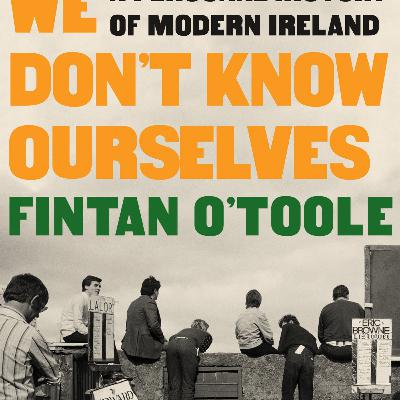
Welcome to Crisis in Perception, where we examine the systems shaping our world.This episode explores We Don't Know Ourselves: A Personal History of Modern Ireland by Fintan O’Toole as a systems-level analysis of how emigration, institutional control, and economic dependency influence behavior, belief, and institutional outcomes.By focusing on incentive architecture rather than personalities or events, the episode shows why these systems persist — and how they connect to larger economic, political, and cultural structures.📺 Watch on YouTube:👉 https://youtu.be/BZ6-EvTPmeg❤️ Support on Patreon:👉 https://www.patreon.com/posts/we-dont-know-of-153291301?utm_medium=clipboard_copy&utm_source=copyLink&utm_campaign=postshare_creator&utm_content=join_linkAuthor SupportIf these ideas resonate, consider reading the work yourself or borrowing it from your local library. Supporting authors and libraries helps keep critical inquiry accessible.Call to ActionIf you value systems-level analysis like this, please like, subscribe, and comment with books or topics you’d like us to explore next.AI Use DisclosureThis content was created using AI-assisted tools for research synthesis, structuring, and narration support. All analysis, framing, and editorial decisions are guided by human judgment as part of the Crisis in Perception project.

Welcome to Crisis in Perception, where we examine the systems shaping our world.This episode explores Irish History For Dummies by Mike Cronin as a systems-level analysis of how cultural assimilation and imperial control structures influence behavior, belief, and institutional outcomes.By focusing on incentive architecture rather than personalities or events, the episode shows why these systems persist — and how they connect to larger economic, political, and cultural structures.📺 Watch on YouTube:👉 https://youtu.be/OBtWH5T_Pf4❤️ Support on Patreon:👉 https://www.patreon.com/posts/irish-history-be-153288404?utm_medium=clipboard_copy&utm_source=copyLink&utm_campaign=postshare_creator&utm_content=join_linkAuthor SupportIf these ideas resonate, consider reading the work yourself or borrowing it from your local library. Supporting authors and libraries helps keep critical inquiry accessible.Call to ActionIf you value systems-level analysis like this, please like, subscribe, and comment with books or topics you’d like us to explore next.AI Use DisclosureThis content was created using AI-assisted tools for research synthesis, structuring, and narration support. All analysis, framing, and editorial decisions are guided by human judgment as part of the Crisis in Perception project.
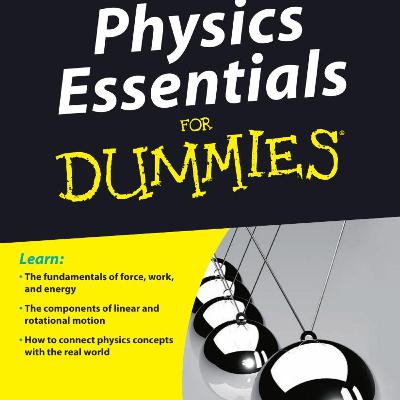
Welcome to Crisis in Perception, where we examine the systems shaping our world.This episode explores Physics Essentials For Dummies by Steven Holzner, PhD as a systems-level analysis of how physical laws govern motion, energy, and interaction.By focusing on conservation, force dynamics, and feedback loops, the episode shows why these systems persist — and how they connect to larger technological and natural structures.📺 Watch on YouTube:👉 https://youtu.be/QRxJ9e04U1g❤️ Support on Patreon:👉 https://www.patreon.com/posts/physics-for-why-153280714?utm_medium=clipboard_copy&utm_source=copyLink&utm_campaign=postshare_creator&utm_content=join_linkAuthor SupportIf these ideas resonate, consider reading the work yourself or borrowing it from your local library. Supporting authors and libraries helps keep critical inquiry accessible.Call to ActionIf you value systems-level analysis like this, please like, subscribe, and comment with books or topics you’d like us to explore next.AI Use DisclosureThis content was created using AI-assisted tools for research synthesis, structuring, and narration support. All analysis, framing, and editorial decisions are guided by human judgment as part of the Crisis in Perception project.

Welcome to Crisis in Perception, where we examine the systems shaping our world.This episode explores Empire of Illusion by Chris Hedges as a systems-level analysis of how spectacle-driven media influences behavior, belief, and institutional outcomes.By focusing on incentive architecture rather than personalities or events, the episode shows why these systems persist — and how they connect to larger economic, political, and cultural structures.📺 Watch on YouTube:👉 https://youtu.be/kblY4Aalsl8❤️ Support on Patreon:👉 https://www.patreon.com/posts/empire-of-end-of-153279552?utm_medium=clipboard_copy&utm_source=copyLink&utm_campaign=postshare_creator&utm_content=join_linkAuthor SupportIf these ideas resonate, consider reading the work yourself or borrowing it from your local library. Supporting authors and libraries helps keep critical inquiry accessible.Call to ActionIf you value systems-level analysis like this, please like, subscribe, and comment with books or topics you’d like us to explore next.AI Use DisclosureThis content was created using AI-assisted tools for research synthesis, structuring, and narration support. All analysis, framing, and editorial decisions are guided by human judgment as part of the Crisis in Perception project.
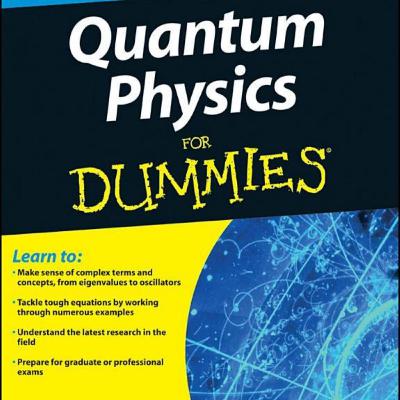
Welcome to Crisis in Perception, where we examine the systems shaping our world.This episode explores Solving Quantum Problems in Three Dimensions as a systems-level analysis of how probabilistic quantum structures influence behavior, belief, and institutional outcomes.By focusing on incentive architecture rather than personalities or events, the episode shows why these systems persist — and how they connect to larger economic, political, and cultural structures.📺 Watch on YouTube:👉 https://youtu.be/lsXQ-2gVPFE❤️ Support on Patreon:👉 https://www.patreon.com/posts/quantum-physics-153244227?utm_medium=clipboard_copy&utm_source=copyLink&utm_campaign=postshare_creator&utm_content=join_linkAuthor SupportIf these ideas resonate, consider reading the work yourself or borrowing it from your local library. Supporting authors and libraries helps keep critical inquiry accessible.Call to ActionIf you value systems-level analysis like this, please like, subscribe, and comment with books or topics you’d like us to explore next.AI Use DisclosureThis content was created using AI-assisted tools for research synthesis, structuring, and narration support. All analysis, framing, and editorial decisions are guided by human judgment as part of the Crisis in Perception project.
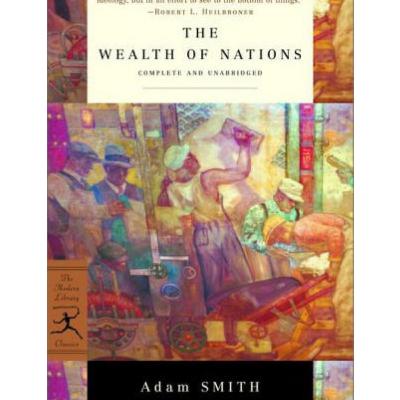
Welcome to Crisis in Perception, where we examine the systems shaping our world.This episode explores The Wealth of Nations: Division of Labour and Market Exchange by Adam Smith as a systems-level analysis of how market exchange and specialization influence economic behavior, productivity, and institutional outcomes.By focusing on incentive architecture rather than personalities or events, the episode shows why decentralized market systems persist — and how they connect to broader political, financial, and institutional structures.📺 Watch on YouTube:👉 https://youtu.be/UuL36Z0zQ6Q❤️ Support on Patreon:👉 https://www.patreon.com/posts/wealth-of-of-and-153242527?utm_medium=clipboard_copy&utm_source=copyLink&utm_campaign=postshare_creator&utm_content=join_linkAuthor SupportIf these ideas resonate, consider reading the work yourself or borrowing it from your local library. Supporting authors and libraries helps keep critical inquiry accessible.Call to ActionIf you value systems-level analysis like this, please like, subscribe, and comment with books or topics you’d like us to explore next.AI Use DisclosureThis content was created using AI-assisted tools for research synthesis, structuring, and narration support. All analysis, framing, and editorial decisions are guided by human judgment as part of the Crisis in Perception project.

Welcome to Crisis in Perception, where we examine the systems shaping our world.This episode explores Vegetable Gardening For Dummies by Charlie Nardozzi as a systems-level analysis of how biological food systems influence perception, environmental impact, and economic resilience.By focusing on incentive architecture rather than personalities or events, the episode shows why food production systems behave the way they do — and how they connect to broader ecological, economic, and cultural structures.📺 Watch on YouTube:👉 https://youtu.be/rsWC8Ka9c9A❤️ Support on Patreon:👉 https://www.patreon.com/posts/vegetable-for-153241040?utm_medium=clipboard_copy&utm_source=copyLink&utm_campaign=postshare_creator&utm_content=join_linkAuthor SupportIf these ideas resonate, consider reading the work yourself or borrowing it from your local library. Supporting authors and libraries helps keep critical inquiry accessible.Call to ActionIf you value systems-level analysis like this, please like, subscribe, and comment with books or topics you’d like us to explore next.AI Use DisclosureThis content was created using AI-assisted tools for research synthesis, structuring, and narration support. All analysis, framing, and editorial decisions are guided by human judgment as part of the Crisis in Perception project.

Welcome to Crisis in Perception, where we examine the systems shaping our world.This episode explores Nutrition For Dummies, 7th Edition by Carol Ann Rinzler as a systems-level analysis of how human metabolism interacts with modern food production and marketing systems.By focusing on incentive architecture rather than individual dietary choices, the episode reveals why modern nutrition outcomes often emerge from structural interactions between biology, culture, and industry.📺 Watch on YouTube:👉 https://youtu.be/YvoyPSo2maw❤️ Support on Patreon:👉 https://www.patreon.com/posts/nutrition-for-153207930?utm_medium=clipboard_copy&utm_source=copyLink&utm_campaign=postshare_creator&utm_content=join_linkAuthor SupportIf these ideas resonate, consider reading the work yourself or borrowing it from your local library. Supporting authors and libraries helps keep critical inquiry accessible.Call to ActionIf you value systems-level analysis like this, please like, subscribe, and comment with books or topics you’d like us to explore next.AI Use DisclosureThis content was created using AI-assisted tools for research synthesis, structuring, and narration support. All analysis, framing, and editorial decisions are guided by human judgment as part of the Crisis in Perception project.

Welcome to Crisis in Perception, where we examine the systems shaping our world.This episode explores Anthropology For Dummies: A Guide to the Human Species by Cameron M. Smith and Evan T. Davies as a systems-level analysis of how cultural adaptation influences behavior, belief, and institutional outcomes.By focusing on incentive architecture rather than personalities or events, the episode shows why these systems persist — and how they connect to larger economic, political, and cultural structures.📺 Watch on YouTube:👉 https://youtu.be/VbttL7ofH7I❤️ Support on Patreon:👉 https://www.patreon.com/posts/anthropology-for-153207111?utm_medium=clipboard_copy&utm_source=copyLink&utm_campaign=postshare_creator&utm_content=join_linkAuthor SupportIf these ideas resonate, consider reading the work yourself or borrowing it from your local library. Supporting authors and libraries helps keep critical inquiry accessible.Call to ActionIf you value systems-level analysis like this, please like, subscribe, and comment with books or topics you’d like us to explore next.AI Use DisclosureThis content was created using AI-assisted tools for research synthesis, structuring, and narration support. All analysis, framing, and editorial decisions are guided by human judgment as part of the Crisis in Perception project.

Welcome to Crisis in Perception, where we examine the systems shaping our world.This episode explores Sociology For Dummies by Jay Gabler as a systems-level analysis of how cultural norms, institutional structures, and social networks influence belief, behavior, and opportunity.By examining society as an interconnected system of incentives and constraints, the episode reveals how patterns that appear personal are often generated by deeper structural forces — and why those systems persist across generations.📺 Watch on YouTube:👉 https://youtu.be/jAhJmu_Sqms❤️ Support on Patreon:👉 https://www.patreon.com/posts/sociology-for-153203919?utm_medium=clipboard_copy&utm_source=copyLink&utm_campaign=postshare_creator&utm_content=join_linkAuthor SupportIf these ideas resonate, consider reading the work yourself or borrowing it from your local library. Supporting authors and libraries helps keep critical inquiry accessible.Call to ActionIf you value systems-level analysis like this, please like, subscribe, and comment with books or topics you’d like us to explore next.AI Use DisclosureThis content was created using AI-assisted tools for research synthesis, structuring, and narration support. All analysis, framing, and editorial decisions are guided by human judgment as part of the Crisis in Perception project.

Welcome to Crisis in Perception, where we examine the systems shaping our world.This episode explores All About History: Book of Archaeology (1st Edition, 2023) by the All About History Editors as a systems-level analysis of how archaeological science reconstructs human history.By examining excavation methods, scientific dating, technological tools, and institutional incentives, the episode explains why archaeology evolved from treasure hunting into a collaborative scientific system that reveals the structures of ancient civilizations.📺 Watch on YouTube:👉 https://youtu.be/hnfeaTL_rCM❤️ Support on Patreon:👉 https://www.patreon.com/posts/all-about-book-153202458?utm_medium=clipboard_copy&utm_source=copyLink&utm_campaign=postshare_creator&utm_content=join_linkAuthor SupportIf these ideas resonate, consider reading the work yourself or borrowing it from your local library. Supporting authors and libraries helps keep critical inquiry accessible.Call to ActionIf you value systems-level analysis like this, please like, subscribe, and comment with books or topics you’d like us to explore next.AI Use DisclosureThis content was created using AI-assisted tools for research synthesis, structuring, and narration support. All analysis, framing, and editorial decisions are guided by human judgment as part of the Crisis in Perception project.

Welcome to Crisis in Perception, where we examine the systems shaping our world.This episode explores The Billion Dollar Spy by David E. Hoffman as a systems-level analysis of how Cold War intelligence structure influenced behavior, belief, and institutional outcomes.By focusing on incentive architecture rather than personalities or spy mythology, the episode shows why these systems persisted — and how they connected to larger military, bureaucratic, technological, and political structures.📺 Watch on YouTube:👉 https://youtu.be/UvwrcS2OyLw❤️ Support on Patreon:👉 https://www.patreon.com/posts/billion-dollar-153198591?utm_medium=clipboard_copy&utm_source=copyLink&utm_campaign=postshare_creator&utm_content=join_linkAuthor SupportIf these ideas resonate, consider reading the work yourself or borrowing it from your local library. Supporting authors and libraries helps keep critical inquiry accessible.Call to ActionIf you value systems-level analysis like this, please like, subscribe, and comment with books or topics you’d like us to explore next.AI Use DisclosureThis content was created using AI-assisted tools for research synthesis, structuring, and narration support. All analysis, framing, and editorial decisions are guided by human judgment as part of the Crisis in Perception project.
Welcome to Crisis in Perception, where we examine the systems shaping our world.This episode explores An Introduction to Entomology by William Kirby and William Spence as a systems-level analysis of how insect ecological regulation influences behavior, belief, and institutional outcomes.By focusing on incentive architecture rather than personalities or events, the episode shows why these biological systems persist — and how they connect to larger economic, agricultural, and ecological structures.📺 Watch on YouTube:👉 https://youtu.be/FYkEvFTEBPo❤️ Support on Patreon:👉 https://www.patreon.com/posts/introduction-to-153197314?utm_medium=clipboard_copy&utm_source=copyLink&utm_campaign=postshare_creator&utm_content=join_linkAuthor SupportIf these ideas resonate, consider reading the work yourself or borrowing it from your local library. Supporting authors and libraries helps keep critical inquiry accessible.Call to ActionIf you value systems-level analysis like this, please like, subscribe, and comment with books or topics you’d like us to explore next.AI Use DisclosureThis content was created using AI-assisted tools for research synthesis, structuring, and narration support. All analysis, framing, and editorial decisions are guided by human judgment as part of the Crisis in Perception project.

Welcome to Crisis in Perception, where we examine the systems shaping our world.This episode explores I Contain Multitudes: The Microbes Within Us and a Grander View of Life by Ed Yong as a systems-level analysis of how microbial ecosystems influence biology, health, and evolution.By focusing on incentive architecture rather than personalities or events, the episode shows why host–microbe partnerships persist — and how they connect to larger ecological and evolutionary systems.📺 Watch on YouTube:👉 https://youtu.be/coJsI-cyeZs❤️ Support on Patreon:👉 https://www.patreon.com/posts/i-contain-within-153195796?utm_medium=clipboard_copy&utm_source=copyLink&utm_campaign=postshare_creator&utm_content=join_linkAuthor SupportIf these ideas resonate, consider reading the work yourself or borrowing it from your local library. Supporting authors and libraries helps keep critical inquiry accessible.Call to ActionIf you value systems-level analysis like this, please like, subscribe, and comment with books or topics you’d like us to explore next.AI Use DisclosureThis content was created using AI-assisted tools for research synthesis, structuring, and narration support. All analysis, framing, and editorial decisions are guided by human judgment as part of the Crisis in Perception project.
Welcome to Crisis in Perception, where we examine the systems shaping our world.This episode explores Why Evolution Is True by Jerry A. Coyne as a systems-level analysis of how evolutionary biology influences belief, interpretation of nature, and cultural conflict around scientific knowledge.By focusing on incentive architecture rather than personalities or events, the episode shows why these systems persist — and how they connect to larger economic, political, and cultural structures.📺 Watch on YouTube:👉 https://youtu.be/IuqfvqBNOLM❤️ Support on Patreon:👉 https://www.patreon.com/posts/why-evolution-is-153156863?utm_medium=clipboard_copy&utm_source=copyLink&utm_campaign=postshare_creator&utm_content=join_linkAuthor SupportIf these ideas resonate, consider reading the work yourself or borrowing it from your local library. Supporting authors and libraries helps keep critical inquiry accessible.Call to ActionIf you value systems-level analysis like this, please like, subscribe, and comment with books or topics you’d like us to explore next.AI Use DisclosureThis content was created using AI-assisted tools for research synthesis, structuring, and narration support. All analysis, framing, and editorial decisions are guided by human judgment as part of the Crisis in Perception project.

Welcome to Crisis in Perception, where we examine the systems shaping our world.This episode explores Geology For Dummies, 2nd Edition by Alecia M. Spooner as a systems-level analysis of how Earth’s geological systems influence behavior, belief, and institutional outcomes.By focusing on incentive architecture rather than personalities or events, the episode shows why these systems persist — and how they connect to larger economic, political, and cultural structures.📺 Watch on YouTube:👉 https://youtu.be/Sa5aesrl7LA❤️ Support on Patreon:👉 https://www.patreon.com/posts/geology-for-2nd-153156472?utm_medium=clipboard_copy&utm_source=copyLink&utm_campaign=postshare_creator&utm_content=join_linkAuthor SupportIf these ideas resonate, consider reading the work yourself or borrowing it from your local library. Supporting authors and libraries helps keep critical inquiry accessible.Call to ActionIf you value systems-level analysis like this, please like, subscribe, and comment with books or topics you’d like us to explore next.AI Use DisclosureThis content was created using AI-assisted tools for research synthesis, structuring, and narration support. All analysis, framing, and editorial decisions are guided by human judgment as part of the Crisis in Perception project.

Welcome to Crisis in Perception, where we examine the systems shaping our world.This episode explores The Mask of Masculinity by Lewis Howes as a systems-level analysis of how cultural expectations surrounding masculinity influence behavior, belief, and institutional outcomes.By focusing on incentive architecture rather than personalities or events, the episode shows why these systems persist — and how they connect to larger economic, political, and cultural structures.📺 Watch on YouTube:👉 https://youtu.be/o_b_ZnLseN4❤️ Support on Patreon:👉 https://www.patreon.com/posts/mask-of-how-men-153123756?utm_medium=clipboard_copy&utm_source=copyLink&utm_campaign=postshare_creator&utm_content=join_linkAuthor SupportIf these ideas resonate, consider reading the work yourself or borrowing it from your local library. Supporting authors and libraries helps keep critical inquiry accessible.Call to ActionIf you value systems-level analysis like this, please like, subscribe, and comment with books or topics you’d like us to explore next.AI Use DisclosureThis content was created using AI-assisted tools for research synthesis, structuring, and narration support. All analysis, framing, and editorial decisions are guided by human judgment as part of the Crisis in Perception project.

Welcome to Crisis in Perception, where we examine the systems shaping our world.This episode explores The New Manhood: A Guide to the New Masculinity by Steve Biddulph as a systems-level analysis of how modern economic and cultural systems reshaped masculinity and disrupted the traditional transmission of male mentorship.By focusing on incentive architecture rather than personalities or social debates, the episode shows how industrial labor structures, family dynamics, and cultural expectations combined to produce predictable patterns in male identity across generations.📺 Watch on YouTube:👉 https://youtu.be/zM-0JV5uEMI❤️ Support on Patreon:👉 https://www.patreon.com/posts/new-manhood-to-153123076?utm_medium=clipboard_copy&utm_source=copyLink&utm_campaign=postshare_creator&utm_content=join_linkAuthor SupportIf these ideas resonate, consider reading the work yourself or borrowing it from your local library. Supporting authors and libraries helps keep critical inquiry accessible.Call to ActionIf you value systems-level analysis like this, please like, subscribe, and comment with books or topics you’d like us to explore next.AI Use DisclosureThis content was created using AI-assisted tools for research synthesis, structuring, and narration support. All analysis, framing, and editorial decisions are guided by human judgment as part of the Crisis in Perception project.

Comments

Download from Google Play

Download from App Store
 United States