


 Claim Ownership
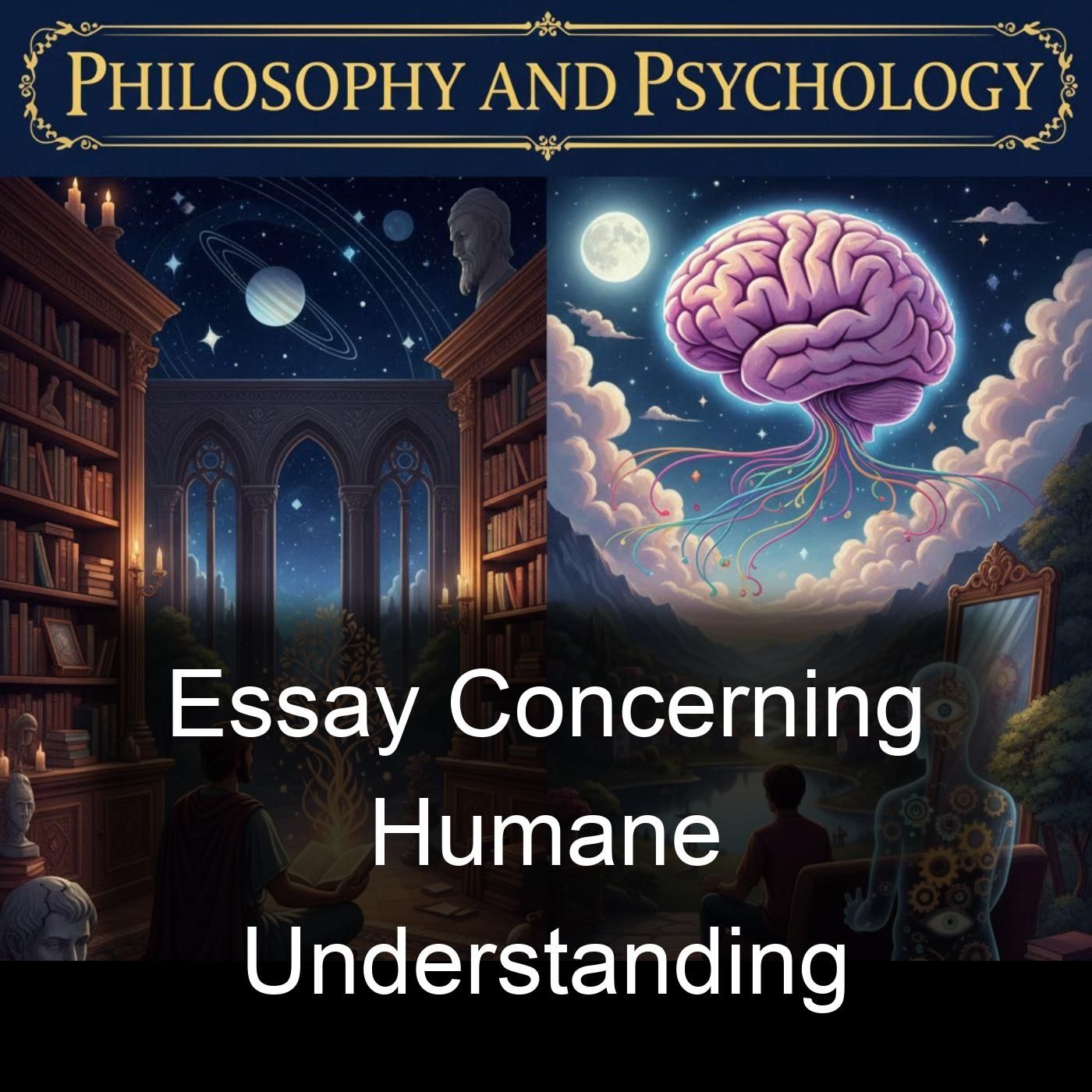
Essay Concerning Humane Understanding
Subscribed: 0Played: 0
Subscribe

© Copyright Politics, Philosophy, Religion
Description
Dive into John Lockes profound exploration of human understanding, where he tackles the intriguing question What gives rise to ideas in our minds? In the first book, Locke boldly challenges the concept of innate ideas, engaging with rationalist claims that are often taken as universal truths. The second book delves deeper into the mechanisms of sensation, reflection, perception, and retention, unveiling how these elements contribute to the formation of simple ideas. Locke then illustrates how various modes, substances, and relationships among simple ideas culminate in the creation of complex ideas, such as space, time, and infinity. He concludes with a discussion on mixed modes, highlighting how diverse simple ideas combine to form complex concepts like identity, diversity, cause, and effect. (Summary by bala) Prooflistening for this project was meticulously performed by bala and Rapunzelina.
41 Episodes
Reverse
Dive into John Lockes profound exploration of human understanding, where he tackles the intriguing question What gives rise to ideas in our minds? In the first book, Locke boldly challenges the concept of innate ideas, engaging with rationalist claims that are often taken as universal truths. The second book delves deeper into the mechanisms of sensation, reflection, perception, and retention, unveiling how these elements contribute to the formation of simple ideas. Locke then illustrates how various modes, substances, and relationships among simple ideas culminate in the creation of complex ideas, such as space, time, and infinity. He concludes with a discussion on mixed modes, highlighting how diverse simple ideas combine to form complex concepts like identity, diversity, cause, and effect. (Summary by bala) Prooflistening for this project was meticulously performed by bala and Rapunzelina.
Dive into John Lockes profound exploration of human understanding, where he tackles the intriguing question What gives rise to ideas in our minds? In the first book, Locke boldly challenges the concept of innate ideas, engaging with rationalist claims that are often taken as universal truths. The second book delves deeper into the mechanisms of sensation, reflection, perception, and retention, unveiling how these elements contribute to the formation of simple ideas. Locke then illustrates how various modes, substances, and relationships among simple ideas culminate in the creation of complex ideas, such as space, time, and infinity. He concludes with a discussion on mixed modes, highlighting how diverse simple ideas combine to form complex concepts like identity, diversity, cause, and effect. (Summary by bala) Prooflistening for this project was meticulously performed by bala and Rapunzelina.
Dive into John Lockes profound exploration of human understanding, where he tackles the intriguing question What gives rise to ideas in our minds? In the first book, Locke boldly challenges the concept of innate ideas, engaging with rationalist claims that are often taken as universal truths. The second book delves deeper into the mechanisms of sensation, reflection, perception, and retention, unveiling how these elements contribute to the formation of simple ideas. Locke then illustrates how various modes, substances, and relationships among simple ideas culminate in the creation of complex ideas, such as space, time, and infinity. He concludes with a discussion on mixed modes, highlighting how diverse simple ideas combine to form complex concepts like identity, diversity, cause, and effect. (Summary by bala) Prooflistening for this project was meticulously performed by bala and Rapunzelina.
Dive into John Lockes profound exploration of human understanding, where he tackles the intriguing question What gives rise to ideas in our minds? In the first book, Locke boldly challenges the concept of innate ideas, engaging with rationalist claims that are often taken as universal truths. The second book delves deeper into the mechanisms of sensation, reflection, perception, and retention, unveiling how these elements contribute to the formation of simple ideas. Locke then illustrates how various modes, substances, and relationships among simple ideas culminate in the creation of complex ideas, such as space, time, and infinity. He concludes with a discussion on mixed modes, highlighting how diverse simple ideas combine to form complex concepts like identity, diversity, cause, and effect. (Summary by bala) Prooflistening for this project was meticulously performed by bala and Rapunzelina.
Dive into John Lockes profound exploration of human understanding, where he tackles the intriguing question What gives rise to ideas in our minds? In the first book, Locke boldly challenges the concept of innate ideas, engaging with rationalist claims that are often taken as universal truths. The second book delves deeper into the mechanisms of sensation, reflection, perception, and retention, unveiling how these elements contribute to the formation of simple ideas. Locke then illustrates how various modes, substances, and relationships among simple ideas culminate in the creation of complex ideas, such as space, time, and infinity. He concludes with a discussion on mixed modes, highlighting how diverse simple ideas combine to form complex concepts like identity, diversity, cause, and effect. (Summary by bala) Prooflistening for this project was meticulously performed by bala and Rapunzelina.
Dive into John Lockes profound exploration of human understanding, where he tackles the intriguing question What gives rise to ideas in our minds? In the first book, Locke boldly challenges the concept of innate ideas, engaging with rationalist claims that are often taken as universal truths. The second book delves deeper into the mechanisms of sensation, reflection, perception, and retention, unveiling how these elements contribute to the formation of simple ideas. Locke then illustrates how various modes, substances, and relationships among simple ideas culminate in the creation of complex ideas, such as space, time, and infinity. He concludes with a discussion on mixed modes, highlighting how diverse simple ideas combine to form complex concepts like identity, diversity, cause, and effect. (Summary by bala) Prooflistening for this project was meticulously performed by bala and Rapunzelina.
Dive into John Lockes profound exploration of human understanding, where he tackles the intriguing question What gives rise to ideas in our minds? In the first book, Locke boldly challenges the concept of innate ideas, engaging with rationalist claims that are often taken as universal truths. The second book delves deeper into the mechanisms of sensation, reflection, perception, and retention, unveiling how these elements contribute to the formation of simple ideas. Locke then illustrates how various modes, substances, and relationships among simple ideas culminate in the creation of complex ideas, such as space, time, and infinity. He concludes with a discussion on mixed modes, highlighting how diverse simple ideas combine to form complex concepts like identity, diversity, cause, and effect. (Summary by bala) Prooflistening for this project was meticulously performed by bala and Rapunzelina.
Dive into John Lockes profound exploration of human understanding, where he tackles the intriguing question What gives rise to ideas in our minds? In the first book, Locke boldly challenges the concept of innate ideas, engaging with rationalist claims that are often taken as universal truths. The second book delves deeper into the mechanisms of sensation, reflection, perception, and retention, unveiling how these elements contribute to the formation of simple ideas. Locke then illustrates how various modes, substances, and relationships among simple ideas culminate in the creation of complex ideas, such as space, time, and infinity. He concludes with a discussion on mixed modes, highlighting how diverse simple ideas combine to form complex concepts like identity, diversity, cause, and effect. (Summary by bala) Prooflistening for this project was meticulously performed by bala and Rapunzelina.
Dive into John Lockes profound exploration of human understanding, where he tackles the intriguing question What gives rise to ideas in our minds? In the first book, Locke boldly challenges the concept of innate ideas, engaging with rationalist claims that are often taken as universal truths. The second book delves deeper into the mechanisms of sensation, reflection, perception, and retention, unveiling how these elements contribute to the formation of simple ideas. Locke then illustrates how various modes, substances, and relationships among simple ideas culminate in the creation of complex ideas, such as space, time, and infinity. He concludes with a discussion on mixed modes, highlighting how diverse simple ideas combine to form complex concepts like identity, diversity, cause, and effect. (Summary by bala) Prooflistening for this project was meticulously performed by bala and Rapunzelina.
Dive into John Lockes profound exploration of human understanding, where he tackles the intriguing question What gives rise to ideas in our minds? In the first book, Locke boldly challenges the concept of innate ideas, engaging with rationalist claims that are often taken as universal truths. The second book delves deeper into the mechanisms of sensation, reflection, perception, and retention, unveiling how these elements contribute to the formation of simple ideas. Locke then illustrates how various modes, substances, and relationships among simple ideas culminate in the creation of complex ideas, such as space, time, and infinity. He concludes with a discussion on mixed modes, highlighting how diverse simple ideas combine to form complex concepts like identity, diversity, cause, and effect. (Summary by bala) Prooflistening for this project was meticulously performed by bala and Rapunzelina.
Dive into John Lockes profound exploration of human understanding, where he tackles the intriguing question What gives rise to ideas in our minds? In the first book, Locke boldly challenges the concept of innate ideas, engaging with rationalist claims that are often taken as universal truths. The second book delves deeper into the mechanisms of sensation, reflection, perception, and retention, unveiling how these elements contribute to the formation of simple ideas. Locke then illustrates how various modes, substances, and relationships among simple ideas culminate in the creation of complex ideas, such as space, time, and infinity. He concludes with a discussion on mixed modes, highlighting how diverse simple ideas combine to form complex concepts like identity, diversity, cause, and effect. (Summary by bala) Prooflistening for this project was meticulously performed by bala and Rapunzelina.
Dive into John Lockes profound exploration of human understanding, where he tackles the intriguing question What gives rise to ideas in our minds? In the first book, Locke boldly challenges the concept of innate ideas, engaging with rationalist claims that are often taken as universal truths. The second book delves deeper into the mechanisms of sensation, reflection, perception, and retention, unveiling how these elements contribute to the formation of simple ideas. Locke then illustrates how various modes, substances, and relationships among simple ideas culminate in the creation of complex ideas, such as space, time, and infinity. He concludes with a discussion on mixed modes, highlighting how diverse simple ideas combine to form complex concepts like identity, diversity, cause, and effect. (Summary by bala) Prooflistening for this project was meticulously performed by bala and Rapunzelina.
Dive into John Lockes profound exploration of human understanding, where he tackles the intriguing question What gives rise to ideas in our minds? In the first book, Locke boldly challenges the concept of innate ideas, engaging with rationalist claims that are often taken as universal truths. The second book delves deeper into the mechanisms of sensation, reflection, perception, and retention, unveiling how these elements contribute to the formation of simple ideas. Locke then illustrates how various modes, substances, and relationships among simple ideas culminate in the creation of complex ideas, such as space, time, and infinity. He concludes with a discussion on mixed modes, highlighting how diverse simple ideas combine to form complex concepts like identity, diversity, cause, and effect. (Summary by bala) Prooflistening for this project was meticulously performed by bala and Rapunzelina.
Dive into John Lockes profound exploration of human understanding, where he tackles the intriguing question What gives rise to ideas in our minds? In the first book, Locke boldly challenges the concept of innate ideas, engaging with rationalist claims that are often taken as universal truths. The second book delves deeper into the mechanisms of sensation, reflection, perception, and retention, unveiling how these elements contribute to the formation of simple ideas. Locke then illustrates how various modes, substances, and relationships among simple ideas culminate in the creation of complex ideas, such as space, time, and infinity. He concludes with a discussion on mixed modes, highlighting how diverse simple ideas combine to form complex concepts like identity, diversity, cause, and effect. (Summary by bala) Prooflistening for this project was meticulously performed by bala and Rapunzelina.
Dive into John Lockes profound exploration of human understanding, where he tackles the intriguing question What gives rise to ideas in our minds? In the first book, Locke boldly challenges the concept of innate ideas, engaging with rationalist claims that are often taken as universal truths. The second book delves deeper into the mechanisms of sensation, reflection, perception, and retention, unveiling how these elements contribute to the formation of simple ideas. Locke then illustrates how various modes, substances, and relationships among simple ideas culminate in the creation of complex ideas, such as space, time, and infinity. He concludes with a discussion on mixed modes, highlighting how diverse simple ideas combine to form complex concepts like identity, diversity, cause, and effect. (Summary by bala) Prooflistening for this project was meticulously performed by bala and Rapunzelina.
Dive into John Lockes profound exploration of human understanding, where he tackles the intriguing question What gives rise to ideas in our minds? In the first book, Locke boldly challenges the concept of innate ideas, engaging with rationalist claims that are often taken as universal truths. The second book delves deeper into the mechanisms of sensation, reflection, perception, and retention, unveiling how these elements contribute to the formation of simple ideas. Locke then illustrates how various modes, substances, and relationships among simple ideas culminate in the creation of complex ideas, such as space, time, and infinity. He concludes with a discussion on mixed modes, highlighting how diverse simple ideas combine to form complex concepts like identity, diversity, cause, and effect. (Summary by bala) Prooflistening for this project was meticulously performed by bala and Rapunzelina.
Dive into John Lockes profound exploration of human understanding, where he tackles the intriguing question What gives rise to ideas in our minds? In the first book, Locke boldly challenges the concept of innate ideas, engaging with rationalist claims that are often taken as universal truths. The second book delves deeper into the mechanisms of sensation, reflection, perception, and retention, unveiling how these elements contribute to the formation of simple ideas. Locke then illustrates how various modes, substances, and relationships among simple ideas culminate in the creation of complex ideas, such as space, time, and infinity. He concludes with a discussion on mixed modes, highlighting how diverse simple ideas combine to form complex concepts like identity, diversity, cause, and effect. (Summary by bala) Prooflistening for this project was meticulously performed by bala and Rapunzelina.
Dive into John Lockes profound exploration of human understanding, where he tackles the intriguing question What gives rise to ideas in our minds? In the first book, Locke boldly challenges the concept of innate ideas, engaging with rationalist claims that are often taken as universal truths. The second book delves deeper into the mechanisms of sensation, reflection, perception, and retention, unveiling how these elements contribute to the formation of simple ideas. Locke then illustrates how various modes, substances, and relationships among simple ideas culminate in the creation of complex ideas, such as space, time, and infinity. He concludes with a discussion on mixed modes, highlighting how diverse simple ideas combine to form complex concepts like identity, diversity, cause, and effect. (Summary by bala) Prooflistening for this project was meticulously performed by bala and Rapunzelina.
Dive into John Lockes profound exploration of human understanding, where he tackles the intriguing question What gives rise to ideas in our minds? In the first book, Locke boldly challenges the concept of innate ideas, engaging with rationalist claims that are often taken as universal truths. The second book delves deeper into the mechanisms of sensation, reflection, perception, and retention, unveiling how these elements contribute to the formation of simple ideas. Locke then illustrates how various modes, substances, and relationships among simple ideas culminate in the creation of complex ideas, such as space, time, and infinity. He concludes with a discussion on mixed modes, highlighting how diverse simple ideas combine to form complex concepts like identity, diversity, cause, and effect. (Summary by bala) Prooflistening for this project was meticulously performed by bala and Rapunzelina.
Dive into John Lockes profound exploration of human understanding, where he tackles the intriguing question What gives rise to ideas in our minds? In the first book, Locke boldly challenges the concept of innate ideas, engaging with rationalist claims that are often taken as universal truths. The second book delves deeper into the mechanisms of sensation, reflection, perception, and retention, unveiling how these elements contribute to the formation of simple ideas. Locke then illustrates how various modes, substances, and relationships among simple ideas culminate in the creation of complex ideas, such as space, time, and infinity. He concludes with a discussion on mixed modes, highlighting how diverse simple ideas combine to form complex concepts like identity, diversity, cause, and effect. (Summary by bala) Prooflistening for this project was meticulously performed by bala and Rapunzelina.

Comments

Download from Google Play

Download from App Store
 United States