


 Claim Ownership
The Other 22 Hours
Subscribed: 28Played: 1,115
Subscribe

© 2023-26 The 0ther 22 Hours Podcast
Description
An exploration of the creative life, lived in the in-between.
A sanctuary for the creative spirit in a results-obsessed world.
Moving beyond the highlight reel, hosts and working musicians Aaron Shafer-Haiss and Michaela Anne facilitate intimate, artist-to-artist conversations with renowned musicians, authors, visual artists and actors about the grit required to sustain a life in the arts. From navigating doubt to finding stillness, this is the reality of the work. Unfiltered.
171 Episodes
Reverse

Dan Wilson’s songs have shaped our collective cultural landscape, from Semisonic’s enduring anthem "Closing Time" to multi-Grammy-winning collaborations like Adele’s "Someone Like You," The Chicks' "Not Ready to Make Nice," and landmark works with Jon Batiste, Taylor Swift, and Chris Stapleton. Yet behind four decades of catalog mastery lies a quiet, rigorous inner examination of what it means to build an artistic life.
In this spacious conversation, Dan reflects on stepping off the tour bus during the height of rock success to care for his medically fragile newborn daughter, the radical freedom of striking the word "should" entirely from one's creative vocabulary, and why Dan spent the entire ascent of a global number-one single terrified instead of celebrating.

Between late-night TV appearances and relentless album sprints, how does a working artist remain anchored in their own life? This week, we sit down with Nick Carpenter (Medium Build), whose catalog of raw, empathetic storytelling has earned him critical acclaim, tours with Mumford and Sons and Tyler Childers, and fans likes of Elton John, John Mayer, and boygenius. We discuss the exhausting trap of algorithmic omnipresence, the Jungian necessity of integrating our shadows rather than suppressing them, and the profound wisdom passed to him by Ben Kweller on honoring the muse. It is a generous, disarming exploration into stepping off the treadmill of validation and reclaiming art as an act of service rather than a product.

What does it mean to witness ourselves transform? Singer-songwriter and bluegrass powerhouse Lindsay Lou, a frequent collaborator with artists like Billy Strings, Molly Tuttle, and Sierra Hull, as well as a member of the Sweet Water Warblers and a festival staple in her own right, joins us to explore the tender, high-stakes choreography of modern artist-parenthood.
Celebrating her landmark all-women project, Bluegrass Women, Lindsay reflects on giving historical weight to the women who shaped roots music. She also gives unvarnished clarity about postpartum identity, surviving festival chaos with a 15-month-old strapped to her chest on stage, and the quiet revelation that comes when we stop trying to compartmentalize who we are. This episode is a deep dive into creative endurance, presence, and why artists pursuing their craft is a gift to their family rather than a subtraction.
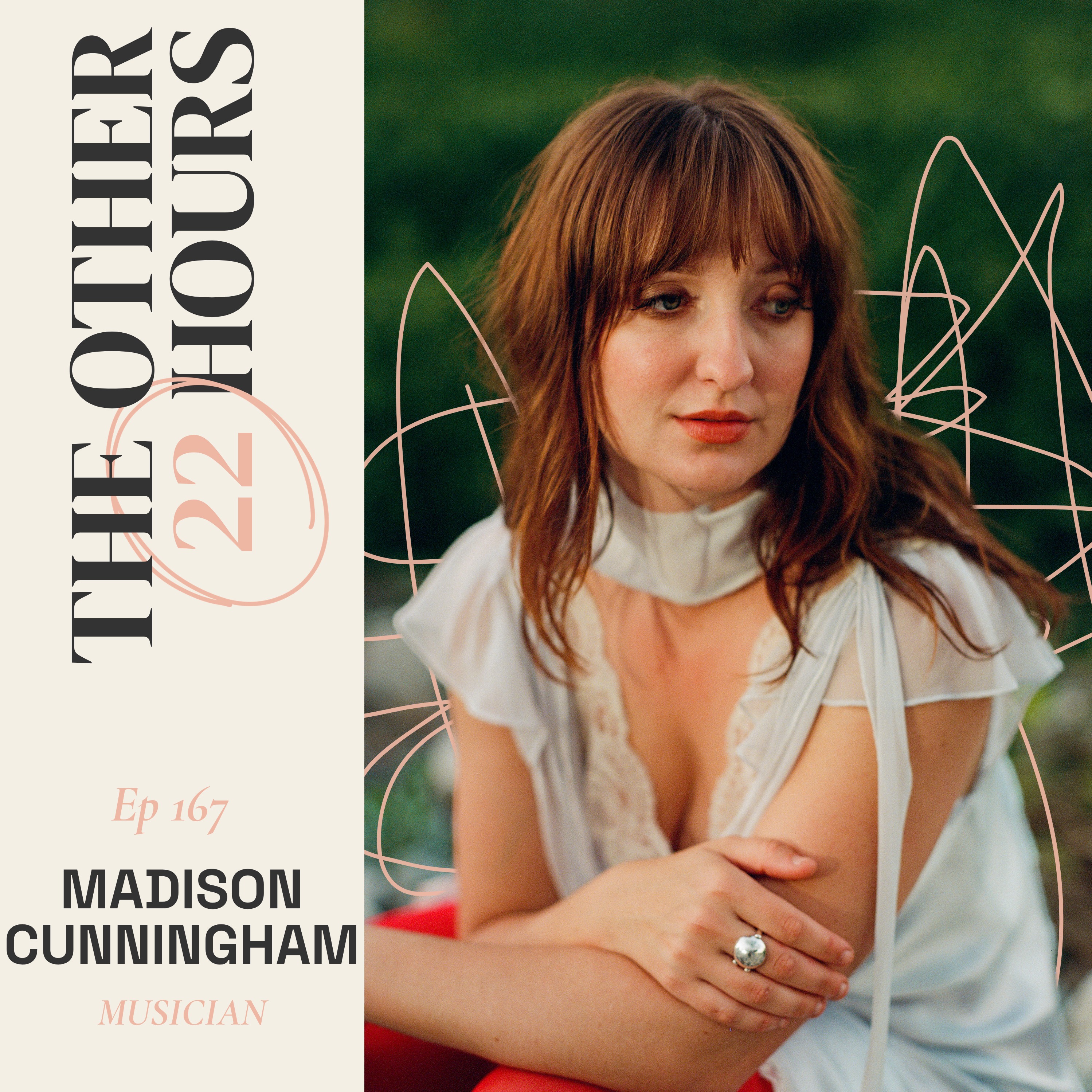
In a culture that demands creative output be loud, continuous, and universally relatable, what does it mean to plant your flag in the quiet, specific, and unpolished? Grammy-winning artist and guitarist Madison Cunningham joins us with raw generosity, examining the dissonance between holding music’s highest honors and sitting with everyday feelings of failure. Across an intimate hour, we delve into the discipline of ignoring both praise and venom, how teaching unlocked her own creative permission, and Mary Oliver’s timeless directive to never hesitate when leaning into what gives us joy.
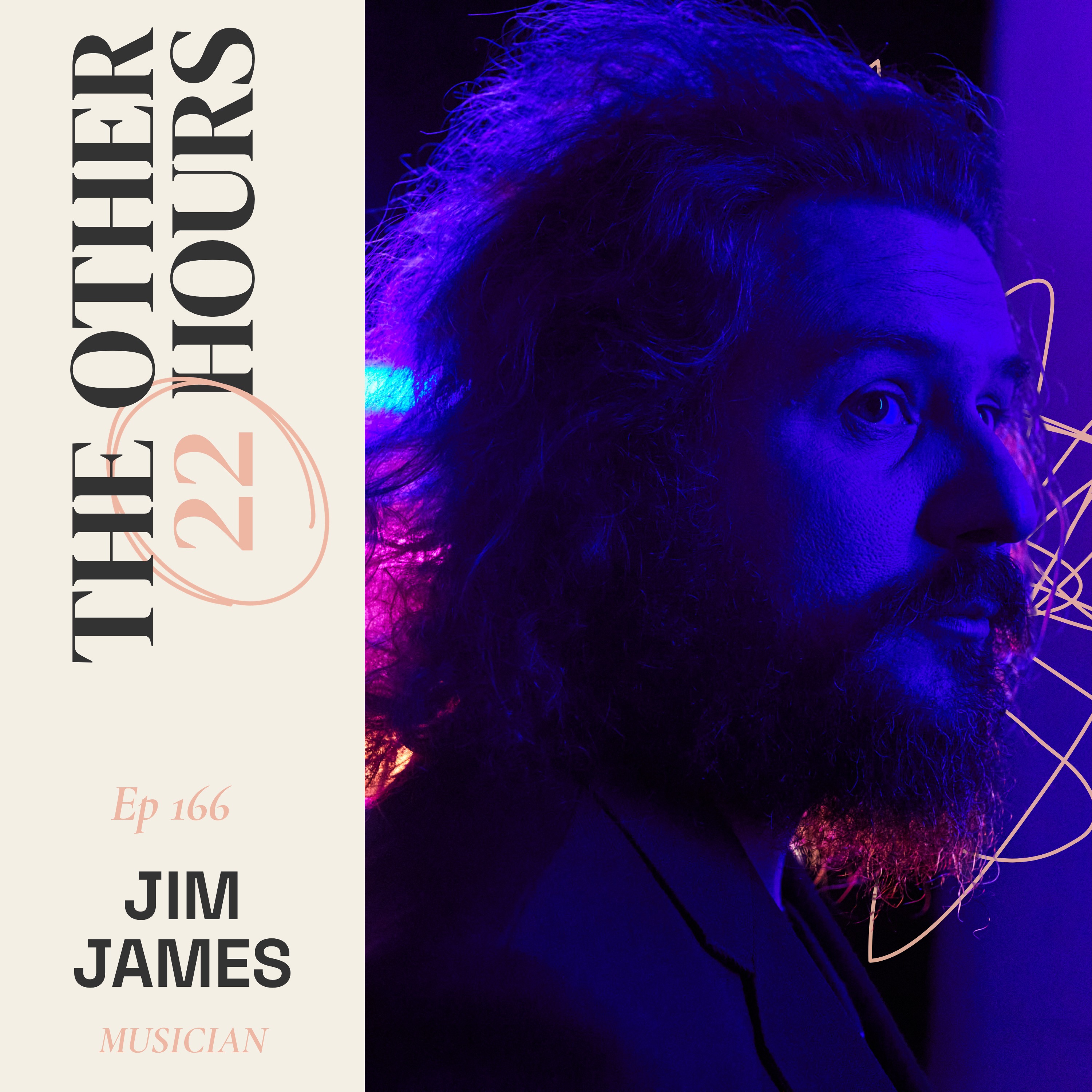
As the frontman of Grammy-nominated rock band My Morning Jacket, Jim James has spent decades at the center of new alternative. His long list of achievements includes a solo catalog of five studio albums, recording as part of the supergroup Monsters of Folk, and producing artists such as Ray LaMontagne, S.G. Goodman and Basia Bulat. Yet, beneath these accomplishments was an exhausting cycle of perfectionism and self-loathing fueled by the quiet fear that rest equals irrelevance. In this tender and expansive conversation, Jim explores what happened when he stopped trying to outrun his own shadow. He reflects on four years of sobriety, the transformative nature of EMDR and parts work therapy, learning to dance with his creative muse rather than whip the workhorse, and why reclaiming true creative vitality starts by making peace with the human being inside.

Comments

Download from Google Play

Download from App Store
 United States