


 Claim Ownership
Menopause, Meltdowns & Magic - Two AuDHD, midlife mums. Two countries. Too many tabs open.
Subscribed: 3Played: 6
Subscribe

© Tanya Valentin and Emma Gilmour
Description
Join Tanya Valentin (NZ neuro-affirming family coach) and Emma Gilmour (AUS alcohol-free & neurodivergent women’s coach) for honest, heart-led chats about being late-diagnosed AuDHD, perimenopausal, parenting teens in burnout, and trying not to lose ourselves (again).
We cover masking, menopause, motherhood, identity, friendship, grief, and the messy magic of raising neurodivergent kids.
This is a podcast for every mum who’s ever felt like she’s doing it wrong, too much, or not enough.
Expect laughter, raw honesty, a little swearing, and a whole lot of validation.
We cover masking, menopause, motherhood, identity, friendship, grief, and the messy magic of raising neurodivergent kids.
This is a podcast for every mum who’s ever felt like she’s doing it wrong, too much, or not enough.
Expect laughter, raw honesty, a little swearing, and a whole lot of validation.
5 Episodes
Reverse
In this honest and layered conversation, we explore the often-unquestioned world of self-help, personal development, and “growth” culture, and gently ask:What happens when the very tools meant to help us… actually harm us?Drawing from our own lived experiences as coaches, parents, and neurodivergent women, we unpack the complexity of healing spaces that can feel both transformative and unsafe at the same time.This episode invites you to step out of rigid self-improvement narratives and into something softer, more human, and more attuned.The hidden harm in some personal development spacesHow power dynamics and lack of consent can show up in “growth” environmentsWhy neurodivergent and trauma-affected individuals may be especially vulnerableThe pressure of “always improving” and how it disconnects us from our humanityThe impact of productivity culture on parents, especially those supporting children in burnoutWhy common self-help language (like resilience, self-sabotage, and inner critic) can be harmfulReframing behaviours as nervous system responses, not personal failingsThe difference between co-regulation and codependencyHow cultural conditioning shapes our relationship with rest, worth, and safetyThe importance of holding multiple truths — compassion for our past and space for our own experienceIf you are a neurodivergent person or a parent of a neurodivergent child or a child in burnout, this conversation may land deeply.So much of what we’ve been taught about success, behaviour, and growth doesn’t account for nervous systems, trauma, or capacity.And when we try to apply those frameworks to our children (and ourselves), it can create shame, fear, and disconnection.You are not doing it wrong.You are navigating something complex — with the tools you were given.If something in this episode didn’t sit right… or felt uncomfortable…or quietly resonated…You are allowed to trust that.You don’t need to override yourself to grow.You don’t need to push through something that doesn’t feel safe.There is another way.Podcast: Meltdowns, Menopause and MagicHosts: Tanya Valentin & Emma GilmourIf you are a parent of a child or teen in burnout needing support, join Tanya's Parent Community: From Burnout to BalanceIf you are a woman questioning your relationship with alcohol, join Emma's Be The Lighthouse Membership
In this episode, Tanya and Emma gently unpack a recent and controversial article by Uta Frith, which has stirred deep conversation within the neurodivergent community.Together, we explore what happens when lived experience is questioned…When progress feels like it’s being pushed backwards…And when already-marginalised voices—especially late-diagnosed women—are dismissed once again.This is not just a conversation about autism.It’s a conversation about power, voice, identity, and what it means to trust ourselves in a world that often asks us not to.What We Explore in This Episode:The Impact of Narrow Definitions of AutismHow early diagnostic frameworks shaped our current understandingWhy expanding the lens of autism mattersThe harm that can come when the spectrum is described as “too broad”What masking actually is (and why it exists)How masking connects to burnout, especially in children and parentsWhy dismissing masking invalidates lived experience—and delays supportThe concerning timing of these narratives alongside funding cutsHow public discourse can influence access to supportWhy this conversation is bigger than one articleThe reality behind diagnosis (it’s not a “trend”)Misdiagnosis, internalised shame, and years of confusionThe deep relief and self-understanding that can come with diagnosisMoving from self-blame to self-understandingHow diagnosis can support compassion, not limitationThe ripple effect this has on parenting, relationships, and identityThe emotional weight of being dismissed (again)The intersection of gender, disability, and systemic biasWhy this moment feels activating for so manyWe acknowledge that this conversation may feel tender, especially if you’ve experienced dismissal, misdiagnosis, or long periods of not being seen.You are invited to:Pause if you need toCome back when you feel resourcedTend to yourself with care and compassionYou are not alone in this.TranscriptNext Episode:Next week, Tanya and Emma explore how productivity culture and the self-help industry can add to burnout and cause real harm to neurodivergent humans.Podcast: Meltdowns, Menopause and MagicHosts: Tanya Valentin & Emma GilmourIf you are a parent of a child or teen in burnout needing support, join Tanya's Parent Community: From Burnout to BalanceIf you are a woman questioning your relationship with alcohol, join Emma's Be The Lighthouse Membership
In this episode, Tanya Valentin and Emma Gilmour explore the conversation currently unfolding in the wellness and neuroscience communities around polyvagal theory and recent critiques of the model.Polyvagal theory, originally proposed by Stephen Porges, has become a widely used framework in therapy, coaching, and neurodivergent spaces for understanding how the nervous system responds to safety and threat. Recently, a critique led by researcher Paul Grossman and colleagues sparked headlines suggesting that aspects of the theory may be incorrect or overstated.Rather than jumping into polarised takes, Tanya and Emma slow the conversation down.Together they explore what the debate actually means, what parts of the science are well supported, and why the framework has still been profoundly helpful for many people — especially those navigating trauma, burnout, and neurodivergent experiences.Most importantly, they reflect on the deeper question: How do we hold scientific nuance while still honouring lived experience?• What polyvagal theory is and why it became so influential• Why the recent critique of the theory has caused so much debate• What parts of the theory are still well supported by evidence• Why nervous system frameworks have helped many people move away from shame-based behaviour models• How understanding safety responses can transform parenting and self-compassion• Why regulation does not mean being calm all the time• The difference between burnout, shutdown, and depression• Why lived experience must remain central when interpreting psychological theories• The importance of small moments of safety rather than forcing “perfect” self-careShare your thoughts or your own “magic moment” from the week in the comments or on social media.If you enjoyed this episode, please follow, rate, and share the podcast so more parents navigating burnout, neurodivergence, and midlife transitions can find this community.Download TranscriptNext Episode:Next week, Tanya and Emma explore the debate sparked by a recent article questioning the autism spectrum model and what it might mean for autistic and AuDHD communities.Podcast: Meltdowns, Menopause and MagicHosts: Tanya Valentin & Emma GilmourIf you are a parent of a child or teen in burnout needing support, join Tanya's Parent Community: From Burnout to BalanceIf you are a woman questioning your relationship with alcohol, join Emma's Be The Lighthouse Membership
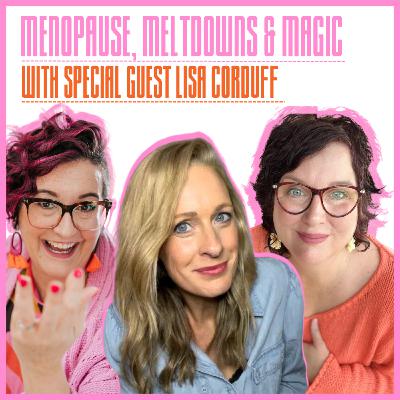
In this very first episode of Meltdowns, Menopause and Magic, Tanya and Emma sit down with author, coach and long-time entrepreneur Lisa Corduff for a deeply honest conversation about midlife, neurodivergence, grief, identity, and the pressure to live life “the right way.”Emma shares the story of how joining one of Lisa's programs years ago helped Emma shift from shame and perfectionism into a different relationship with time, productivity and self-acceptance. From there, the conversation unfolds into something many women will recognise: the tension between societal expectations and the reality of living with an ADHD or neurodivergent brain. Together they explore:Why the pressure to be productive can push women toward burnoutLearning to trust your instincts instead of external “rules” for successThe grief, identity shifts and self-questioning that often come in midlifeHow neurodivergent women often build businesses and lives differentlyWhy rest, novelty and fun can be powerful strategies for momentumThe freedom that comes from letting go of perfection and doing things your own wayLisa also reflects on navigating grief after losing her husband, the long road back to energy and creativity, and how she’s rebuilding momentum in her life in a way that honours her brain, her family and her capacity.This episode is full of laughter, honesty and those moments of recognition that remind us we’re not alone.✨ At the end of the conversation, Tanya, Emma and Lisa share their recent “magic moments” — small glimpses of joy that help anchor us in the midst of complex lives.If you’ve ever felt like you’re doing life differently… or wondered if maybe the rules were never written for you in the first place — this conversation will feel like sitting at the kitchen table with friends who truly get it.Download TranscriptFind out more about Lisa's Second Wind Program.Find out more about Emma's Lighthouse Membership Find out more about Tanya's From Burnout to Balance Membership
Welcome to Menopause, Meltdowns and Magic.In this first episode, Emma Gilmour and Tanya Valentin introduce themselves and share what this podcast is really about — the conversations we’re having, the stories we’re telling, and what you can expect from this space.If you are a midlife mother raising a neurodivergent child, there’s a strong chance you’ll feel right at home here.You’re so welcome.
Comments

Download from Google Play

Download from App Store
 United States