


 Claim Ownership
Safeguarding In Focus
Subscribed: 1Played: 0
Subscribe

Description
Keeping children and young people safe and protecting their wellbeing is at the heart of our approach to universal safeguarding. On Safeguarding in Focus, a podcast from CPOMS Systems, you'll hear from thought leaders and practitioners in honest and insightful discussions covering all aspects of child protection, mental health and welfare.
2 Episodes
Reverse
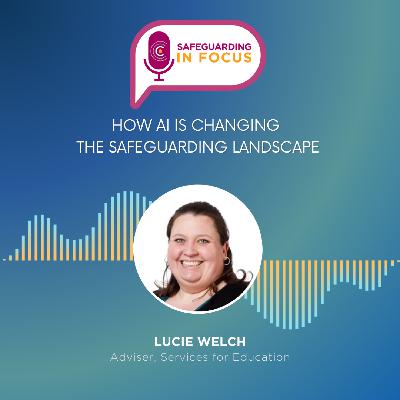
This episode of “Safeguarding in Focus,” hosted by Sam Eustace, features Lucie Welch, an expert in primary education and safeguarding from Services for Education. The discussion centers on how AI is transforming the safeguarding landscape in schools, exploring both the risks and opportunities presented by this rapidly evolving technology.Key takeaways:Schools must address new safeguarding threats, including AI-generated explicit images, deepfakes, harmful algorithm-driven content, and unregulated AI companion chatbots.Effective AI safeguarding requires collaboration across IT teams, safeguarding leads, curriculum leaders, and senior leadership—not a single department.Rather than banning AI outright, schools should teach students AI literacy, critical thinking, and ethical use to prepare them for a technology-driven world.The podcast concludes by stressing the importance of continuous staff training on digital indicators of harm, engaging parents and carers who may have less awareness of AI risks, and establishing forward-looking systems that can adapt to the rapidly evolving role of AI in children’s lives. Schools must view AI as a tool to support, not to replace, human judgment, empathy, and professional curiosity in safeguarding.
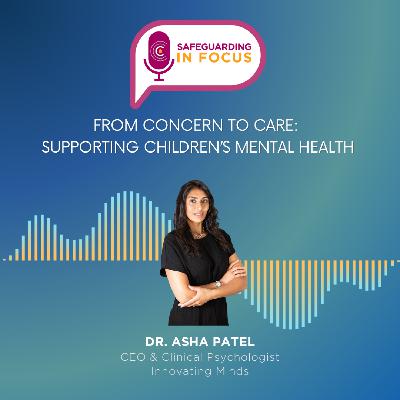
In this first episode of Safeguarding in Focus, host Sam Eustace speaks with clinical psychologist Dr. Asha Patel, CEO of Innovating Minds, about how settings working with children can move from reactive responses to proactive, trauma-informed systems of care. Her multi-award winning organisation empowers schools and communities by delivering essential support and psychological services that promote emotional wellbeing. Drawing on her background in forensic and clinical psychology, Dr. Patel explores how children’s mental health needs have intensified over the last decade, why education settings are often expected to fill systemic gaps in care and how whole-school approaches can lead to meaningful early intervention. The conversation highlights that supporting not only students but also educators and leaders who are navigating increasing emotional and safeguarding pressures, is essential in effective safeguarding. KEY POINTS: Trauma-informed practice is about everyday interactions, relationships and culture. Effective safeguarding is predicated on staff support, including supervision and reflective practice. Whole-school approaches create sustainable change, allowing for earlier interventions and improving outcomes for children.
Comments


Download from Google Play

Download from App Store
 United States