


 Claim Ownership
Space by Stansons
Subscribed: 0Played: 2
Subscribe

© Stansons Group Ltd.
Description
Welcome to Space by Stansons. Listen to raw, thought-provoking conversations with key players in the interiors industry, as we challenge conventional thinking towards aesthetics and sustainability. Most importantly our objective is to inspire designers to think holistically, creating spaces where people of today and the future, truly flourish.
106 Episodes
Reverse
“No one knows everything on site.”Next week’s episode breaks down the real role of an estimator and why asking questions might be the most underrated skill in construction.Stay tuned 👀
✨ Subscribe to Show Notes for more from Space by Stansons at https://www.stansons.co.uk/space ✨In this episode, Guy sits down with Hamza Shaikh, Digital Artist at Gensler, to explore the rapidly evolving world of AI, image generation, and creativity in design alongside the release of his latest book.Hamza shares his journey from architectural drawing and social media to becoming deeply immersed in AI experimentation, explaining how early exposure to tools like Midjourney shaped his thinking and led him to write about agency, authorship, and creative control in an AI-driven world.The conversation dives into the current state of the industry, from the explosion of AI-generated content and “slop” online, to the growing tension around copyright, data ownership, and the ethics of creative work. Hamza also reflects on the limitations of current AI tools, highlighting that while image generation has advanced rapidly, the industry is still far from generating fully realised, data-rich built environments.A key theme throughout is education. Hamza questions whether traditional architectural education is preparing students for the realities of practice, arguing that too much focus is placed on theoretical or utopian design, and not enough on real-world skills like documentation, client understanding, and adaptability.They also explore:The rise and fatigue of social media for creativesWhy AI should be used to amplify creativity, not replace itThe importance of maintaining creative authorship and controlHow understanding legacy tools leads to better use of future technologiesWhy “learning how to learn” is the most important skill in a fast-changing worldThe future impact of AI and robotics on design, construction, and beyondHamza also opens up about his personal relationship with creativity, balancing his role in a global firm with his desire to reconnect with analogue drawing and artistic expression outside of technology.This is an episode about understanding the tools shaping our future and ensuring creatives stay in control as those tools evolve.Episode ResourcesHamza Shaikh on LinkedIn: https://www.linkedin.com/in/hamza-shaikh-design/?originalSubdomain=ukGuy Stanley on LinkedIn: https://www.linkedin.com/in/guystanleyLearn more about Stansons Group Ltd. here: https://stansons.co.uk🔗 Useful Links:🎧 Apple Podcast: https://apple.co/3JuplSC🎧 Spotify: https://bit.ly/4924osv💬 Comment below your favourite part!
Students spend 7 years in education.And still aren’t ready for the real world.Next week on Space by Stansons, Hamza Shaikh breaks down the gap between design education and practice, and how AI is making that gap even wider.We get into:AI in designCreative ownershipThe future of skillsWhy the tools aren’t the problemThis is a big one.Episode drops next week 👀🎧
✨ Subscribe to Show Notes for more from Space by Stansons at https://www.stansons.co.uk/space ✨ In this episode, Guy sits down with Helena, Creative Director and Founder of Studio Masat, to discuss navigating the design industry as a new mother while launching her own studio.Helena shares her background in design & build, what it was like managing pregnancy in a client-facing role, and why transparency, planning, and trust are essential when balancing projects and maternity leave. The conversation explores outdated industry norms around flexibility, the loss of talented mothers due to rigid systems, and why outcomes matter more than hours at a desk.They also dive into how motherhood reshaped Helena’s perspective on accessibility in the built environment — and why inclusive design should never be a retrofit or afterthought.This is an episode about leadership, flexibility, and designing better systems — both in our workplaces and in the spaces we create.They also explore:How parenthood exposed everyday access barriers (and why it changed Helena’s design lens)Why physical accessibility is being left behind in wider inclusion conversationsThe difference between inclusive design and “retrofit” afterthought solutionsAnnouncing pregnancy on client projects: what works, what doesn’t, and when to share itThe “buddy system” approach that protects the client experience and grows junior talentWhy the “mothers are less ambitious” narrative is wrong — and what’s actually trueThe outdated 9–5 model in a two-income world (and why flexibility is already happening elsewhere)Trust + communication as the real foundation of flexible workExamples of accessibility done well — and what most buildings still get wrongEpisode ResourcesHelena Masat on LinkedIn: https://www.linkedin.com/in/helena-masat-671522104/?originalSubdomain=ukGuy Stanley on LinkedIn: https://www.linkedin.com/in/guystanleyLearn more about Stansons Group Ltd. here: https://stansons.co.uk🔗 Useful Links:🎧 Apple Podcast: https://apple.co/3JuplSC🎧 Spotify: https://bit.ly/4924osv💬 Comment below your favourite part!
“You don’t have to choose between motherhood and your career.”From pitching multi-million pound projects while pregnant to launching her own studio for real flexibility, Helena shares why trust — not presenteeism — is what actually drives performance.Full episode drops next week.Come listen 👀🎧Episode ResourcesHelena (Studio Masat) on LinkedInhttps://www.linkedin.com/in/helena-masat-671522104/?originalSubdomain=ukGuy Stanley on LinkedIn: https://www.linkedin.com/in/guystanleyLearn more about Stansons Group Ltd. here: https://stansons.co.uk🔗 Useful Links:🎧 Apple Podcast: https://apple.co/3JuplSC🎧 Spotify: https://bit.ly/4924osv
In this episode, Guy sits down with Jenny Edwards, Creative Director at Oktra, for a high-energy conversation covering sustainability, inclusivity, AI, and the realities of design in both traditional consultancy and design & build environments.The conversation goes deep into what sustainability really means in workplace design. Not just recycled materials or box-ticking accreditations but designing out waste from the start, questioning lifecycle impact, and building spaces that are inclusive, adaptable, and built to last.They also explore:Why AI can’t replace human-led design thinkingThe importance of inclusive design from day oneDesigning for dismantle and zero-waste principlesWhy “cheap” upfront often costs more long-termThe real impact designers can have across citiesOneNote, Miro boards, and the creative process behind the scenesJenny speaks candidly about having a strong voice in the industry, why sustainability needs advocates, and how even junior designers can influence meaningful change.This is an episode about intent and the responsibility that comes with shaping the built environment.Jenny Edwards on LinkedIn: https://www.linkedin.com/in/jenny-edwards-a96b6ab9/Guy Stanley on LinkedIn: https://www.linkedin.com/in/guystanleyLearn more about Stansons Group Ltd. here: https://stansons.co.uk🔗 Useful Links:🎧 Apple Podcast: https://apple.co/3JuplSC🎧 Spotify: https://bit.ly/4924osv💬 Comment below your favourite part!
“It’s not about recycled materials. It’s about designing out waste.”From challenging AI hype to rethinking zero-waste design, Jenny Edwards shares why sustainability isn’t a tick-box — it’s a mindset.Full episode drops next week.Come listen 👀🎧Episode ResourcesJenny Edwards on LinkedIn: https://www.linkedin.com/in/jenny-edwards-a96b6ab9/Guy Stanley on LinkedIn: https://www.linkedin.com/in/guystanleyLearn more about Stansons Group Ltd. here: https://stansons.co.uk🔗 Useful Links:🎧 Apple Podcast: https://apple.co/3JuplSC🎧 Spotify: https://bit.ly/4924osv
This week on Space by Stansons, host Guy Stanley sits down with Dicky Lewis, co-founder of White Red Architects, for a wide-ranging conversation on neurodiversity, pitching, and what it really takes to deliver a major HQ project at the highest level.From being diagnosed with dyslexia at 12 (and finding early inspiration in Richard Branson’s story) to winning and delivering Virgin’s headquarters in Fitzrovia, Dicky breaks down how his brain works, how White Red balances “instigator vs implementer” energy, and why the unglamorous stuff—process, people, honest post-project analysis—matters just as much as the design.They also dig into sustainability in practice (not just slogans): reducing Cat A waste, making small spec decisions that add up, and experimenting with alternative building systems like fabric ducting adapted from swimming pools to cut waste and improve performance.⸻What You’ll LearnHow dyslexia can shape leadership style, creativity, and risk tolerance — and why it’s increasingly common in architectureThe “instigator vs implementer” dynamic inside White Red (and why you need both)What it takes to win a major pitch: rehearsal, storytelling, detail obsession, and team chemistryHow the Virgin HQ opportunity evolved from a small refurb into a full HQ procurement — and what changed in the second pitchThe realities of delivering for a multi-stakeholder brand: sustainability, DEI, operations, and governance all feeding into the briefWhy reputation is everything for a growing practice — and how honest post-project review builds stronger deliveryThe awkward-but-real moments that force you to “step up” (like clients waiting outside a locked studio…)What Dicky learned from meeting Branson — and the handwritten note that became a full-circle career momentPractical sustainability: incremental wins in finishes, furniture circularity, and designing out waste over timeA smart MEP example: why White Red trialled fabric ductwork, how it performs, and what they learnedDicky’s concentration soundtrack: binaural beats, instrumental film music, and the “don’t let me DJ the office Sonos” ruleEpisode HighlightsThis episode is a must-listen for designers, founders, and project teams who want the honest version of practice-building: big wins, messy realities, and the systems that help you grow.If you enjoyed this episode, make sure to subscribe, rate, and review on Apple Podcasts and Spotify.00:00 Cold open: the origin story behind “White Red” (and the White Stripes influence)07:00 Dyslexia: early diagnosis, stigma, and the Richard Branson inspiration09:25 “Instigator vs implementer”: how the founders balance ideas, delivery, and focus14:19 Virgin HQ begins: how a small refurb turned into a full HQ opportunity (and a re-pitch)16:00 Winning the pitch: what they did differently—storytelling, detail, rehearsal, commitment19:45 Delivery reality check: discoverables, structural issues, and complex stakeholders22:00 Post-project honesty: learning without blame to improve the practice29:37 Meeting Branson: the walkthrough, the “it’s really bright” moment, and the surrealness of it31:21 The handwritten note from Necker Island: full-circle recognition and imposter syndrome35:46 Sustainability in practice: Cat A waste, incremental wins, and the fabric ducting experimentEpisode ResourcesDicky Lewis on LinkedIn: https://www.linkedin.com/in/dicky-lewis/Guy Stanley on LinkedIn: https://www.linkedin.com/in/guystanleyLearn more about Stansons Group Ltd. here: https://stansons.co.uk🔗 Useful Links:🎧 Apple Podcast: https://apple.co/3JuplSC🎧 Spotify: https://bit.ly/4924osv💬 Comment below your favourite part!
“From dyslexia to delivering Virgin’s HQ.”What started as a small refurb turned into a career-defining pitch — and a full-circle moment with Richard Branson.Full episode drops next week.Come listen 👀🎧Episode ResourcesDicky Lewis on LinkedIn: https://www.linkedin.com/in/dicky-lewis/Guy Stanley on LinkedIn: https://www.linkedin.com/in/guystanleyLearn more about Stansons Group Ltd. here: https://stansons.co.uk🔗 Useful Links:🎧 Apple Podcast: https://apple.co/3JuplSC🎧 Spotify: https://bit.ly/4924osv
This week on Space by Stansons Guy Stanley sits down with Warren Bragg, Contracts Manager at Ambit Moat, to dig into the side of projects we don’t talk about enough: the nuts and bolts of delivery.From why “never assume” is the golden rule on site to how document control, health & safety, value engineering, and communication actually make or break a programme, Warren shares what it really takes to deliver projects on time, on budget, and safely — and how designers can help contractors long before site starts.⸻What You’ll LearnWhy bridging the gap between design vision and site delivery starts with earlier collaborationThe “never assume” mindset — and how small assumptions can create big site issuesHow document control portals help teams work from the latest information (and reduce mistakes)What a Contracts Manager actually does day-to-day across multiple live projectsWhy health & safety is the biggest thing keeping delivery teams up at nightPractical value engineering wins — why lighting is often the first big saving, and how to do it smartlyHow to spot cost-saving alternatives in furniture and finishes without compromising design intentWhere sustainability is genuinely viable — and where it becomes a cost/time balancing actHow AI, Matterport scans, and immersive visuals could change decision-making and reduce surprisesThe biggest delivery challenge: communication, expectation management, and getting end users on board earlyHow designers can help projects run smoother by sharing standard details and build-critical info soonerThis episode is a must-listen for anyone designing, managing, or delivering workplace projects — and for teams who want fewer surprises once the programme hits site.If you enjoyed this episode, make sure to subscribe, rate, and review it on Apple Podcasts and Spotify.⸻Episode Highlights00:00 Intro: Bringing the construction “nuts and bolts” into Space by Stansons00:57 Warren’s career journey: from assistant site manager to contracts manager02:33 “Never assume”: why construction needs checkpoints and rigorous process03:31 Document control portals: keeping teams aligned on the latest drawings06:35 What a Contracts Manager does: juggling projects, people, budgets, and programmes08:42 What keeps Warren up at night: health & safety, changing sites, and risk management11:11 Staying organised: diaries, emails to self, and why WhatsApp is underrated14:47 Value engineering hacks: why lighting is often the biggest opportunity16:47 Furniture & finishes: finding alternatives that protect design intent and budget18:02 Sustainability in practice: reuse, repurpose, and when it does (and doesn’t) stack up24:26 What’s changing in construction: robots, AI, Matterport scans, and immersive planning30:18 Biggest delivery challenge: communication, end-user expectations, and disruption planning34:36 How design can help delivery: sharing details early to avoid rework on site38:02 What excites Warren: sustainable products becoming more accessible and affordable39:13 Wrap: bridging design and delivery through better communicationEpisode ResourcesWarren Braggs on LinkedIn: https://www.linkedin.com/in/warren-braggGuy Stanley on LinkedIn: https://www.linkedin.com/in/guystanleyLearn more about Stansons Group Ltd. here: https://stansons.co.uk🔗 Useful Links:🎧 Apple Podcast: https://apple.co/3JuplSC🎧 Spotify: https://bit.ly/4924osv💬 Comment below your favourite part!
“Yeah, that’ll be fine” — famous last words on site.Full episode drops next week.Come listen 👀🎧Episode ResourcesWarren Braggs on LinkedIn: https://www.linkedin.com/in/warren-braggGuy Stanley on LinkedIn: https://www.linkedin.com/in/guystanleyLearn more about Stansons Group Ltd. here: https://stansons.co.uk🔗 Useful Links:🎧 Apple Podcast: https://apple.co/3JuplSC🎧 Spotify: https://bit.ly/4924osv
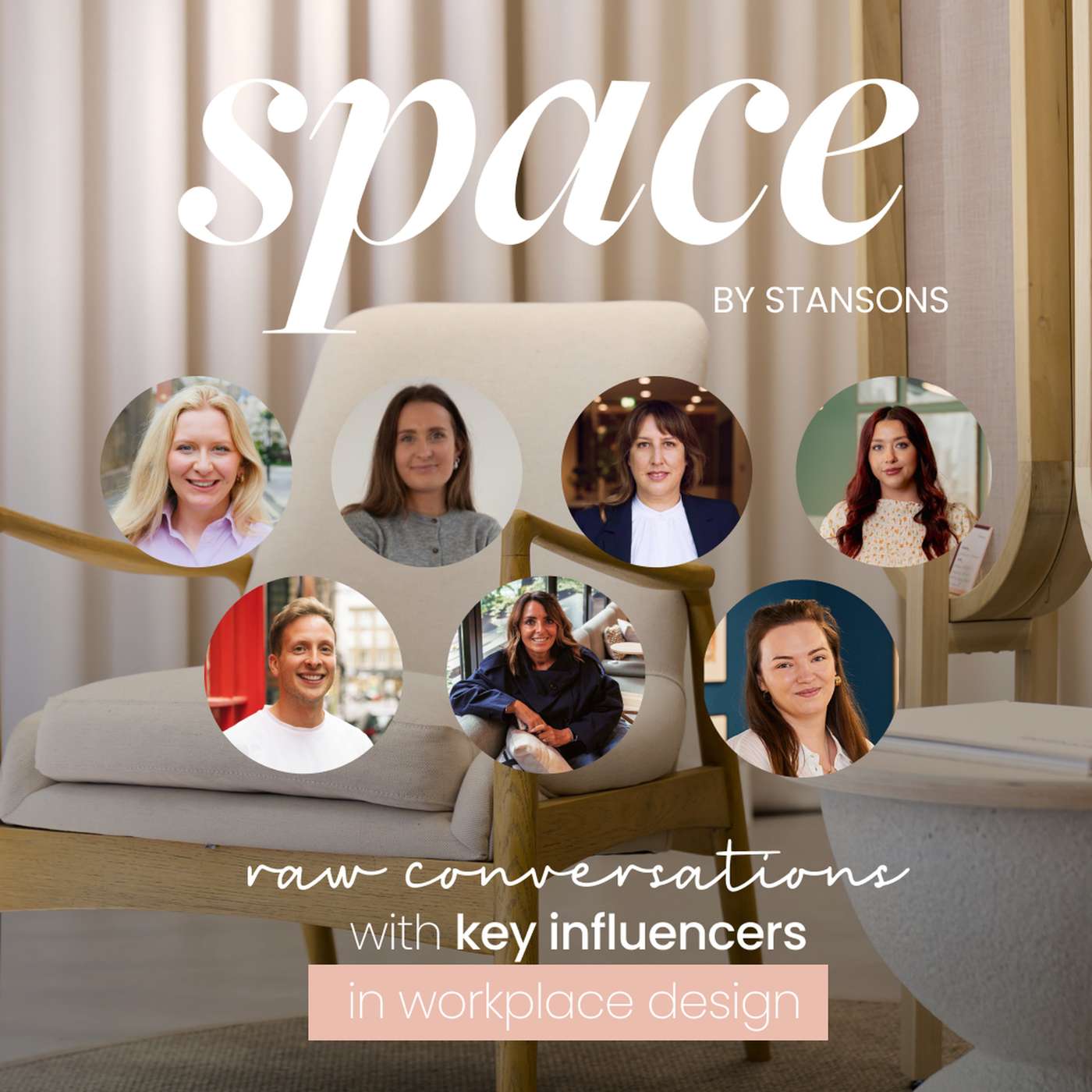
We’re switching things up in this episode of Space by Stansons, as host Guy Stanley brings together designers and workplace experts to explore one forward-looking question: what spaces will be used most in offices in 2026?From cocoon environments and soft meeting rooms to kitchen islands, event spaces, and brand-led pitch pods, this conversation looks at how offices are evolving beyond desks and meeting rooms — and why the future workplace is defined by connection, flexibility, and experience.What You’ll LearnWhy cocoon environments are making a comeback as people look for focus without distractionHow collaboration spaces are becoming the primary reason people choose to come into the officeWhy the traditional boardroom is being replaced by softer, more relaxed meeting spacesHow kitchens and tea points are emerging as the true social heart of the workplaceWhy event spaces and multifunctional areas are some of the most heavily used zones in modern officesHow pitch pods and curated Zoom rooms can support brand consistency in hybrid workingWhy amenities like yoga studios, podcast rooms, and multi-use spaces are becoming standard requestsHow designing places people want to be changes behaviour, connection, and cultureThis episode offers a practical and future-focused look at how offices are being reshaped to support collaboration, wellbeing, and meaningful in-person experiences.If you enjoyed this episode, make sure to subscribe, rate, and review it on Apple Podcasts and Spotify.Episode Highlights00:00 What space will be used most in 2026? Cocoon environments and focus00:21 Collaboration as the real purpose of coming into the office00:45 Designing spaces that help people shape their day around connection01:23 Soft meeting rooms: sofas over boardrooms02:00 Lounges and designing workplaces people want to be in02:05 Kitchen islands as natural collaboration hubs02:28 Why kitchens and tea points are the heart of the office03:00 Event spaces as some of the busiest areas in modern workplaces03:35 Multifunctional spaces: events, panels, and lounge modes03:58 The evolution of Zoom pods into branded pitch spaces04:51 Amenities on the rise: yoga studios, podcast rooms, and multi-use spaces05:13 Looking ahead to the workplace of 2026Episode ResourcesAntonia Walmesly on LinkedIn: https://www.linkedin.com/in/antonia-walmsley-590a13b/Paula Rowntree on LinkedIn: https://www.linkedin.com/in/paula-rowntree-05318733/Eleanor Penny on LinkedIn: https://www.linkedin.com/in/eleanor-penny-096058157/Sarah Wakefield on LinkedIn: https://www.linkedin.com/in/sarah-wakefield-405349ba/Ellie Mumford on LinkedIn: https://www.linkedin.com/in/eleanor-louise-mumford-344b64136/Tia Brooks on LinkedIn: https://www.linkedin.com/in/tia-brooks/Dicky Lewis on LinkedIn: https://www.linkedin.com/in/dicky-lewis/Guy Stanley on LinkedIn: https://www.linkedin.com/in/guystanleyLearn more about Stansons Group Ltd. here: https://stansons.co.uk🔗 Useful Links:🎧 Apple Podcast: https://apple.co/3JuplSC🎧 Spotify: https://bit.ly/4924osv💬 Comment below your favourite part!
We’re diving into colour in this episode of Space by Stansons, as host Guy Stanley brings together designers and industry voices to debate one big question: what colour trends will we see in 2026?From bold predictions like mustard and black cherry to strong opinions on why corporate blue has had its day, this conversation explores how colour influences mood, identity, and experience in the workplace — and why designers are increasingly looking to warmer, richer palettes to shape the offices of the future.What You’ll LearnWhy mustard, black cherry, and deep reds are emerging as standout colour trends for 2026Why many designers are moving away from corporate blue in workplace interiorsHow colour can add calm, warmth, and depth to office environmentsWhy yellow is having a resurgence — and how to use it without overwhelming a spaceHow personal taste, brand identity, and cultural shifts all influence colour decisionsWhy looking back to 70s and 80s palettes is shaping contemporary design thinkingThis episode is a lively, opinion-led discussion on colour, confidence, and creativity — perfect for anyone designing, specifying, or rethinking the modern workplace.If you enjoyed this episode, make sure to subscribe, rate, and review it on Apple Podcasts and Spotify.Episode Highlights00:00 What is the colour of 2026? Mustard enters the conversation00:26 Earthy neutrals, sage greens, and evolving colour trends00:45 Black cherry and dark plum tones take centre stage01:04 A strong stance: why terracotta divides opinion01:59 “I’m sick of the corporate blue office” — and why designers are moving on02:19 Burgundy, red wine tones, and creating calm through colour02:39 Browns and yellows: adding joy, warmth, and depth to spaces03:21 Deep reds in the workplace: bold but striking choices04:15 Red oxide, ochres, and the return of retro-inspired palettes05:30 Burnt orange and warm autumnal tones as future-facing coloursEpisode ResourcesAntonia Walmesly on LinkedIn: https://www.linkedin.com/in/antonia-walmsley-590a13b/Paula Rowntree on LinkedIn: https://www.linkedin.com/in/paula-rowntree-05318733/Eleanor Penny on LinkedIn: https://www.linkedin.com/in/eleanor-penny-096058157/Sarah Wakefield on LinkedIn: https://www.linkedin.com/in/sarah-wakefield-405349ba/Ellie Mumford on LinkedIn: https://www.linkedin.com/in/eleanor-louise-mumford-344b64136/Tia Brooks on LinkedIn: https://www.linkedin.com/in/tia-brooks/Dicky Lewis on LinkedIn: https://www.linkedin.com/in/dicky-lewis/Guy Stanley on LinkedIn: https://www.linkedin.com/in/guystanleyLearn more about Stansons Group Ltd. here: https://stansons.co.uk🔗 Useful Links:🎧 Apple Podcast: https://apple.co/3JuplSC🎧 Spotify: https://bit.ly/4924osv💬 Comment below your favourite part!
The conversation on the Mix 30 Under 30 miniseries continues in the latest episode of Space by Stansons as host Guy Stanley welcomes winner, Ellie Mumford, Senior Creative at Modus to explore why designers need collaborative partnerships, how to balance aesthetics with acoustic performance and accessibilityand the strategies shaping flexible, human-centred workspaces for the hybrid era.What You’ll LearnWhy functionality must precede aesthetics in design strategyHow to build a collaborative ecosystem instead of being a solo expertThe shifting purpose of office spaces in hybrid work modelsHow to design wellness-centric spaces that serve multiple emotional needsWhy face-to-face client engagement remains irreplaceable despite digital toolsThe "flexible meeting space" framework beyond traditional boardroomsEllie Mumford is a Senior Creative at Modus, specialising in interior design and spatial planning with a focus on functionality-first design strategies. Recently recognised as a Mix 30 Under 30 winner, Ellie brings innovative thinking to complex workplace design challenges, including neurodiversity considerations, sustainability integration and multi-disciplinary collaboration.Her expertise spans designing flexible, human-centred spaces that balance aesthetic excellence with practical functionality. Her work exemplifies the next generation of design professionals committed to creating spaces that genuinely serve people's wellbeing and professional needs.If you enjoyed this episode, make sure to subscribe, rate, and review it on Apple Podcasts and Spotify. Instructions on how to do this are here: https://www.fame.so/follow-rate-reviewEpisode Highlights00:00 Introduction to Space by Stansons00:56 Meet Ellie Mumford: Senior Creative at Modus & 30 Under 30 Honoree04:08 Why Functionality Reigns Supreme in Workspace Design05:25 Multi-Disciplinary Partnerships vs. Solo Mastery08:41 Is Gen-Z Tired of Tech?11:55 Innovative Workplaces: Design Studio, Pitch Room & Music-Inspired Meeting Space15:40 Design for Social Connection, Not Just Individual Workstations17:00 Meeting Spaces Don’t Have to be Boring & Traditional19:20 Design Wellness Rooms for Emotional Regulation & Wellbeing22:10 The Value of Comprehensive Post-Launch Aftercare23:19 Ellie’s Picks: Music, Podcasts & Personal Focus28:05 New Year's Resolutions: Half Marathon, Family, & Health Goals31:07 Final ThoughtsEpisode Resources:Ellie Mumford on LinkedIn: https://www.linkedin.com/in/eleanor-louise-mumford-344b64136/Modus Website: https://www.modus.space/Guy Stanley on LinkedIn: https://www.linkedin.com/in/guystanleyLearn more about Stansons Group Ltd. here: https://stansons.co.uk
The conversation on the Mix 30 Under 30 miniseries continues in the latest episode of Space by Stansons as host Guy Stanley welcomes winner, Ellie Mumford, Senior Creative at Modus to explore why designers need collaborative partnerships, how to balance aesthetics with acoustic performance and accessibility and the strategies shaping flexible, human-centred workspaces for the hybrid era. What You’ll LearnWhy functionality must precede aesthetics in design strategyHow to build a collaborative ecosystem instead of being a solo expertThe shifting purpose of office spaces in hybrid work modelsHow to design wellness-centric spaces that serve multiple emotional needsWhy face-to-face client engagement remains irreplaceable despite digital toolsThe "flexible meeting space" framework beyond traditional boardroomsEllie Mumford is a Senior Creative at Modus, specialising in interior design and spatial planning with a focus on functionality-first design strategies. Recently recognised as a Mix 30 Under 30 winner, Ellie brings innovative thinking to complex workplace design challenges, including neurodiversity considerations, sustainability integration and multi-disciplinary collaboration. Her expertise spans designing flexible, human-centred spaces that balance aesthetic excellence with practical functionality. Her work exemplifies the next generation of design professionals committed to creating spaces that genuinely serve people's wellbeing and professional needs.If you enjoyed this episode, make sure to subscribe, rate, and review it on Apple Podcasts and Spotify. Instructions on how to do this are here: https://www.fame.so/follow-rate-review Episode Resources:Ellie Mumford on LinkedIn: https://www.linkedin.com/in/eleanor-louise-mumford-344b64136/ Modus Website: https://www.modus.space/ Guy Stanley on LinkedIn: https://www.linkedin.com/in/guystanley Learn more about Stansons Group Ltd. here: https://stansons.co.uk 💬 Comment below your favourite part!
The Mix 30 Under 30 miniseries continues on Space by Stansons as host Guy Stanley sits down with winners Hannah Carson, Strategist at M Moser Associates and Tia Brooks, Project Designer at Peldon Rose, for a riveting discussion on creating emotionally intelligent and supportive workplaces using innovative design practices.What You’ll LearnHow to design for neurodiversity and individual needs by moving beyond one-size-fits-all open plan Why emotional design matters more than functional designThe importance of spaces that look after their occupants as much as occupants invest in themThe business case for ongoing client partnerships post-delivery of projectsHow to position authenticity as your competitive advantage by leaning into personality and individuality Why in-office presence is non-negotiable for knowledge transfer and innovationThe importance of having in-person interactions in facilitating cross-generational mentorshipWhy it’s necessary to foster belonging in an atomised, digital-first worldHannah Carson is a Strategist at M Moser Associates, recognised as part of Mix Magazine's 30 Under 30 in 2025. With a background in workplace strategy and design, Hannah transitioned from her role as a designer to lead client-facing strategy work, specialising in understanding organisational needs and crafting compelling briefs. Her expertise lies in building deeper workplace connections through data-driven insights and human-centred design, making her a key voice shaping how offices foster authentic community and collaboration in the next generation of workplace design.Tia Brooks is an Interior Designer within the Landlord Team at Peldon Rose, also recognised as a Rising Star in 2025. With a unique journey that began through early exposure to workspace design, Tia brings fresh perspectives on neurodiversity-informed design, adaptable spaces, and challenging conventional office typologies. Her work focuses on creating emotionally resonant environments that celebrate individuality while fostering genuine human connection, a philosophy that's redefining how landlords and tenants approach space activation in London's design community.If you enjoyed this episode, make sure to subscribe, rate, and review it on Apple Podcasts and Spotify. Instructions on how to do this are here: https://www.fame.so/follow-rate-review Episode Highlights00:00 Introduction & Meeting the Rising Stars Shaping Office Design01:26 The Road to Mix 30 Under 30 Recognition04:40 Breaking Into Design: Two Unconventional Career Paths10:10 Strategy vs. Interior Design: Understanding the Difference11:51 Design for Human Connection, Not Just Function13:52 Design for Neurodiversity and Individual Choice15:35 The Office as a Place to Meet, Connect, and Belong20:50 Challenging the Market: Design Leaders vs. Client Expectations22:28 When Design Works Too Well: Unexpected Office Demand24:00 Why Full In-Office Presence Matters for Mentorship25:08 Reverse Mentoring: What Interns Teach Senior Designers26:00 AI and ChatGPT: Balancing Tools With Human Learning26:55 Lean Into Authenticity as Your Professional USP31:04 Reframe Imposter Syndrome as Creative Ambition31:43 Book & Podcast Recommendations for Design Leaders33:26 Key Takeaways: The Future of Office Design and CultureEpisode Resources:Hannah Carson on LinkedIn: https://www.linkedin.com/in/hannah-carson-30abab1b3/ Tia Brooks on LinkedIn: https://www.linkedin.com/in/tia-brooks/ M Moser Website: https://www.mmoser.com/ Peldon Rose Website: https://www.peldonrose.com/ Guy Stanley on LinkedIn: https://www.linkedin.com/in/guystanley Learn more about Stansons Group Ltd. here: https://stansons.co.uk 💬 Comment below your favourite part!
The Mix 30 Under 30 miniseries continues on Space by Stansons as host Guy Stanley sits down with winners Hannah Carson, Strategist at M Moser Associates and Tia Brooks, Project Designer at Peldon Rose, for a riveting discussion on creating emotionally intelligent and supportive workplaces using innovative design practices.What You’ll LearnHow to design for neurodiversity and individual needs by moving beyond one-size-fits-all open plan Why emotional design matters more than functional designThe importance of spaces that look after their occupants as much as occupants invest in themThe business case for ongoing client partnerships post-delivery of projectsHow to position authenticity as your competitive advantage by leaning into personality and individuality Why in-office presence is non-negotiable for knowledge transfer and innovationThe importance of having in-person interactions in facilitating cross-generational mentorshipWhy it’s necessary to foster belonging in an atomised, digital-first worldHannah Carson is a Strategist at M Moser Associates, recognised as part of Mix Magazine's 30 Under 30 in 2025. With a background in workplace strategy and design, Hannah transitioned from her role as a designer to lead client-facing strategy work, specialising in understanding organisational needs and crafting compelling briefs. Her expertise lies in building deeper workplace connections through data-driven insights and human-centred design, making her a key voice shaping how offices foster authentic community and collaboration in the next generation of workplace design.Tia Brooks is an Interior Designer within the Landlord Team at Peldon Rose, also recognised as a Rising Star in 2025. With a unique journey that began through early exposure to workspace design, Tia brings fresh perspectives on neurodiversity-informed design, adaptable spaces, and challenging conventional office typologies. Her work focuses on creating emotionally resonant environments that celebrate individuality while fostering genuine human connection, a philosophy that's redefining how landlords and tenants approach space activation in London's design community.If you enjoyed this episode, make sure to subscribe, rate, and review it on Apple Podcasts and Spotify. Instructions on how to do this are here: https://www.fame.so/follow-rate-review Episode Highlights00:00 Intro02:21 Meet the Rising Stars Shaping Office Design03:32 From Complete Shock to Mix 30 Under 30 Recognition06:46 Breaking Into Design: Two Unconventional Career Paths12:14 Strategy vs. Interior Design: Understanding the Difference14:12 Design for Human Connection, Not Just Function16:08 Design for Neurodiversity and Individual Choice18:14 The Office as a Place to Meet, Connect, and Belong19:51 Bringing Your Authentic Self to Work Culture21:44 Moving Beyond Open Plan: The Case for Cosy Workspaces22:45 Challenging the Market: Design Leaders vs. Client Expectations24:04 Post-Delivery Partnership: Evolving Spaces With Your Clients25:06 When Design Works Too Well: Unexpected Office Demand26:30 Why Full In-Office Presence Matters for Mentorship27:06 Reverse Mentoring: What Interns Teach Senior Designers28:52 AI and ChatGPT: Balancing Tools With Human Learning30:52 Lean Into Authenticity as Your Professional USP34:08 Reframe Imposter Syndrome as Creative Ambition34:43 Book & Podcast Recommendations for Design Leaders36:19 Key Takeaways: The Future of Office Design and CultureEpisode Resources:Hannah Carson on LinkedIn: https://www.linkedin.com/in/hannah-carson-30abab1b3/ Tia Brooks on LinkedIn: https://www.linkedin.com/in/tia-brooks/ M Moser Website: https://www.mmoser.com/ Peldon Rose Website: https://www.peldonrose.com/ Guy Stanley on LinkedIn: https://www.linkedin.com/in/guystanley Learn more about Stansons Group Ltd. here: https://stansons.co.uk 💬 Comment below your favourite part!
The Mix 30 Under 30 miniseries kicks off on Space by Stansons as host Guy Stanley welcomes Eleanor Penny, Head of Workplace at Layrd and Sarah Astill, Interior Designer at Jolie Studio. Tune in for an inspiring masterclass in going against the tide and asking the tough questions. What You’ll LearnHow to design for neurodiversity without creating sterile, overstimulating spacesWhy sensory design goes beyond aesthetics to influence behaviour and emotional well-beingHow to leverage colour psychology, fragrance, sound, and texture to create spaces where people want to workThe business case for designing soft, collaborative meeting spaces over cold boardroomsHow design impacts psychological safety in the workplace How to break through gatekeeping in male-dominated construction and property sectors as a young woman designerWhy portfolio presentation and personality matter as much as technical skills when hiring emerging talentThe emerging 2026 design trends shaping workplace cultureEleanor is Head of Workspace Design at Layrd, recognised as a rising star in design for her innovative approach to creating inclusive, neurodiversity-conscious workspaces. With a background in interior design, Eleanor was inspired to pursue autism assessment after exploring how neurodiversity influences spatial design, a discovery that fundamentally shaped her professional philosophy. Her work emphasises designing spaces that consider sensory experiences for all users, moving beyond one-size-fits-all approaches. Featured in Mix’s 30 under 30, 2025, Eleanor champions the integration of warmth, texture, and accessibility into workplace environments while leading a talented design team across the UK.Sarah Astill is an Interior Designer at Jolie Studio, a Manchester-based studio specialising in sensory-driven design experiences. With an architectural background and a dissertation focused on colour theory's psychological impact, Sarah brings technical rigour and creative vision to every project. Recognised on Mix’s 30 under 30, 2025 list, her expertise spans colour psychology, fragrance integration, and multi-sensory design strategies that enhance how people feel and function in spaces. Sarah's commitment to sustainable material innovation and holistic design approaches—from hotel concepts to collaborative workspaces, reflects a new generation of designers prioritising human wellbeing alongside environmental responsibility.If you enjoyed this episode, make sure to subscribe, rate, and review it on Apple Podcasts and Spotify. Instructions on how to do this are here: https://www.fame.so/follow-rate-review Episode Highlights00:00 Intro: Mix 30 Under 30 Rising Stars in Workplace Design00:03 Meet Eleanor & Sarah: Layered and Jolie Interior Design00:07 How Team Excellence Drives Industry Impact00:12 Sustainability as a Holistic Design Philosophy00:13 Sensory Design: Layering Colour, Scent, Sound and Texture for Impact00:16 Why Neurodiversity-Informed Design Benefits All Users00:20 Inclusive Design Doesn’t Have to Be Bland00:24 Young Women in Male-Dominated Construction and Property00:28 Why Gen Z Learns Faster Than Previous Generations00:31 Getting Your Foot in the Door: Portfolio Strategy and Culture Fit00:35 Why Physical Portfolios Cut Through Digital Noise00:36 Your Personality Won't Appeal to Everyone (And That's Good)00:38 Book Recommendations: The Colour Bible, Sense Hacking, Designing Inclusively00:40 2026 Design Predictions: Warm Burgundy, Soft Meeting Spaces, Kitchen Islands00:43 The Death of Cold Office Aesthetics00:45 Rich Yellows, Browns, and Warm Tones: The Future of Workplace Colour00:45 Reimagining Break Room Culture00:48 Key Takeaways: Inclusive, Sensory-Rich Design Is the Future of WorkEpisode Resources:Eleanor Penny on LinkedIn: https://www.linkedin.com/in/eleanor-penny-096058157/ Sarah Astill on LinkedIn: https://www.linkedin.com/in/sarah-astill/ Layrd Website: https://www.layrddesign.co.uk/ Jolie Studio Website: https://wearejolie.com/ Guy Stanley on LinkedIn: https://www.linkedin.com/in/guystanley Learn more about Stansons Group Ltd. here: https://stansons.co.uk 💬 Comment below your favourite part!
The Mix 30 Under 30 miniseries kicks off on Space by Stansons as host Guy Stanley welcomes Eleanor Penny, Head of Workplace at Layrd and Sarah Astill, Interior Designer at Jolie Studio. Tune in for an inspiring masterclass in going against the tide and asking the tough questions. What You’ll LearnHow to design for neurodiversity without creating sterile, overstimulating spacesWhy sensory design goes beyond aesthetics to influence behaviour and emotional well-beingHow to leverage colour psychology, fragrance, sound, and texture to create spaces where people want to workThe business case for designing soft, collaborative meeting spaces over cold boardroomsHow design impacts psychological safety in the workplace How to break through gatekeeping in male-dominated construction and property sectors as a young woman designerWhy portfolio presentation and personality matter as much as technical skills when hiring emerging talentThe emerging 2026 design trends shaping workplace cultureEleanor is Head of Workspace Design at Layrd, recognised as a rising star in design for her innovative approach to creating inclusive, neurodiversity-conscious workspaces. With a background in interior design, Eleanor was inspired to pursue autism assessment after exploring how neurodiversity influences spatial design, a discovery that fundamentally shaped her professional philosophy. Her work emphasises designing spaces that consider sensory experiences for all users, moving beyond one-size-fits-all approaches. Featured in Mix’s 30 under 30, 2025, Eleanor champions the integration of warmth, texture, and accessibility into workplace environments while leading a talented design team across the UK.Sarah Astill is an Interior Designer at Jolie Studio, a Manchester-based studio specialising in sensory-driven design experiences. With an architectural background and a dissertation focused on colour theory's psychological impact, Sarah brings technical rigour and creative vision to every project. Recognised on Mix’s 30 under 30, 2025 list, her expertise spans colour psychology, fragrance integration, and multi-sensory design strategies that enhance how people feel and function in spaces. Sarah's commitment to sustainable material innovation and holistic design approaches—from hotel concepts to collaborative workspaces, reflects a new generation of designers prioritising human wellbeing alongside environmental responsibility.If you enjoyed this episode, make sure to subscribe, rate, and review it on Apple Podcasts and Spotify. Instructions on how to do this are here: https://www.fame.so/follow-rate-review Episode Resources:Eleanor Penny on LinkedIn: https://www.linkedin.com/in/eleanor-penny-096058157/ Sarah Astill on LinkedIn: https://www.linkedin.com/in/sarah-astill/ Layrd Website: https://www.layrddesign.co.uk/ Jolie Studio Website: https://wearejolie.com/ Guy Stanley on LinkedIn: https://www.linkedin.com/in/guystanley Learn more about Stansons Group Ltd. here: https://stansons.co.uk 💬 Comment below your favourite part!
What if the future of your workplace is already walking through the door? In the latest episode of Space by Stansons, host Guy Stanley flies solo to frame an exciting new miniseries featuring the Mix 30 Under 30 award winners, exploring how the next generation thinks differently about sustainability, wellbeing, mentorship, and workplace culture. What You’ll LearnHow to reframe sustainability from an abstract future concern to an immediate operational priority,Why remote-first work experience during formative education years is reshaping expectations around workplace designHow to shift recruitment strategy from overweighting experience to valuing mindset and core beliefsThe bidirectional mentorship model: why reverse mentoring creates competitive advantage over traditional one-way knowledge transferHow to harness ambition as a differentiator rather than a liability, positioning the next generation's drive as a cultural assetThe wellness-as-longevity framework: How to design workplaces and policies that support this generation's focus on holistic healthThe new era of workplace design looks nothing like it did before - listen in for a sneak peek at the future! If you enjoyed this episode, make sure to subscribe, rate, and review it on Apple Podcasts and Spotify. Instructions on how to do this are here: https://www.fame.so/follow-rate-review Episode Highlights00:00 Introduction to the Brand New Series: Mix Class of 2025 02:02 Sustainability, Remote Work & Holistic Wellbeing: The New Generation03:23 Rethinking Recruitment: Mindset Over Experience04:03 Bidirectional Mentorship: Why Reverse Mentoring Matters04:34 Harnessing Ambition as a Competitive Cultural Asset05:10 Magazine, Show Notes, and How to Stay ConnectedEpisode Resources:Guy Stanley on LinkedIn: https://www.linkedin.com/in/guystanley Learn more about Stansons Group Ltd. here: https://stansons.co.uk 🔗 Useful Links:🎧 Apple Podcast: https://apple.co/3XmuFKZ 🎧 Spotify: https://bit.ly/47PN0oK 💬 Comment below your favourite part!

Comments

Download from Google Play

Download from App Store
 United States