


 Claim Ownership
Red Sea Creatures Podcast
Subscribed: 2Played: 1
Subscribe

© 2026 Red Sea Creatures
Description
Exploring the fascinating marine life of the Red Sea. Dive into articles about creatures, dive sites, and underwater adventures.
23 Episodes
Reverse
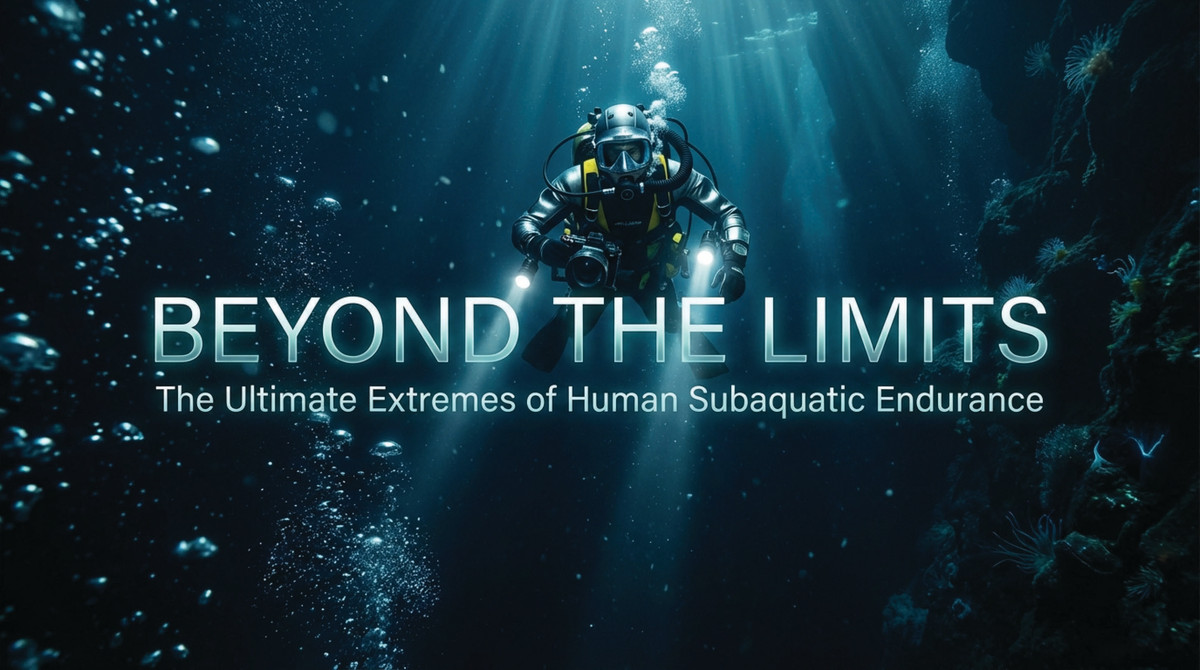
For recreational divers, the ocean is a fleeting escape limited by air and no-decompression rules. But elite explorers like Ahmed Gabr shatter those bounds, plunging to 332 meters in Egypt's Red Sea in 2014 - descending in 15 minutes, only to endure a 14-hour ascent battling gas saturation and crushing pressure. Through precise trimix blends and endless 3-meter stops, they turn survival into a clinical triumph over the deep.
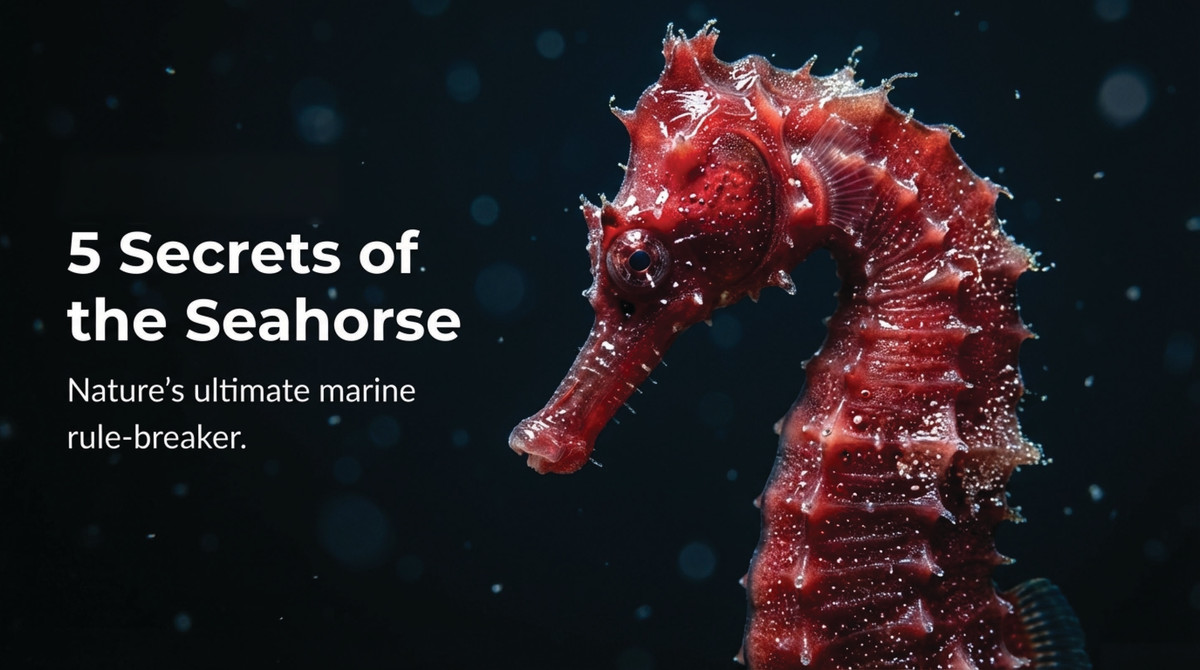
Seahorses defy everything we know about fish, swimming upright like ethereal ghosts through seagrass with horse-like heads and bony armor, trading speed for stealthy precision in coral mazes. Unlike sleek speedsters, they flutter tiny dorsal fins to hover vertically, mastering cluttered reefs where others falter. And in a stunning role reversal, males carry the eggs in brood pouches, enduring labor to birth hundreds of tiny offspring - nature's ultimate paternal twist.
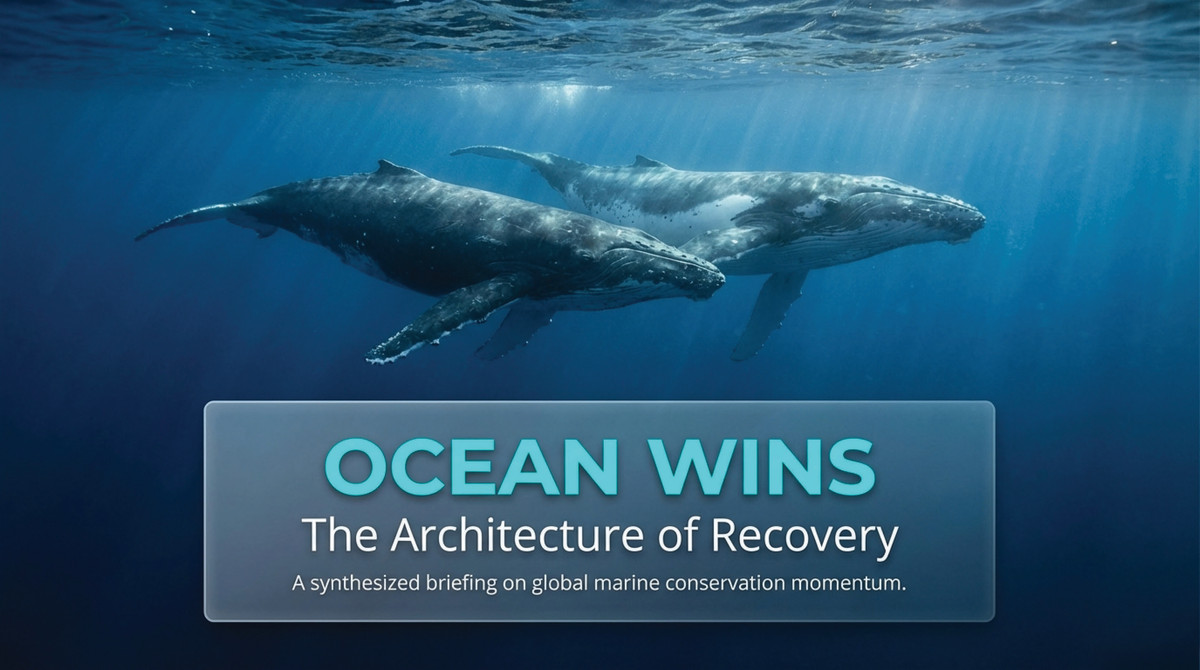
For too long, ocean news has drowned us in doom - warming waters, plastic chokeholds, and vanishing reefs. But a powerful sea change is surging: the High Seas Treaty now legally safeguards nearly two-thirds of the global ocean, enabling vast protected areas beyond borders for the first time. Chile leads with monumental ambition, shielding nearly 1 million km² of its waters, proving bold policy and cooperation are turning crisis into restoration right now.
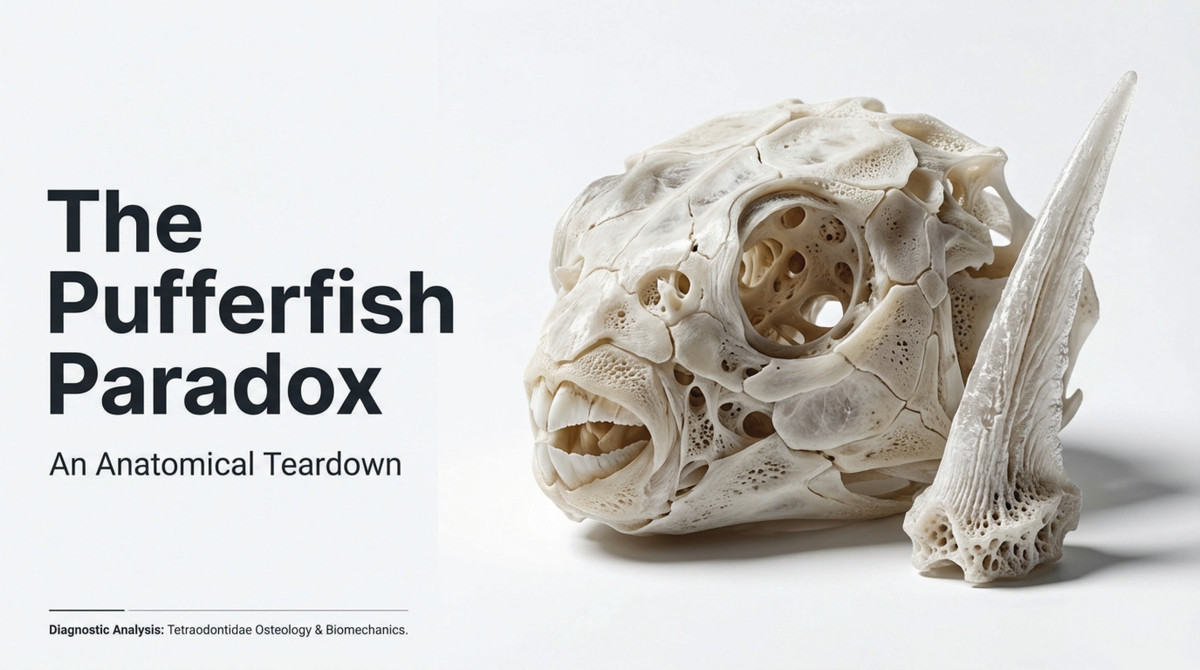
Pufferfish are evolutionary rebels that have abandoned nearly every rule of typical fish anatomy to become biological fortresses. These remarkable creatures possess fused beak-like teeth, lack ribs and pelvic fins, and feature an extraordinarily elastic stomach that allows them to inflate to several times their original size in seconds as a defense mechanism. By shedding conventional fish features and redesigning their bodies as sophisticated hydraulic systems, pufferfish have transformed themselves from vulnerable swimmers into ocean predators' most formidable challenge, trading speed for near-absolute impenetrability through their specialized inflation ability and protective spines.
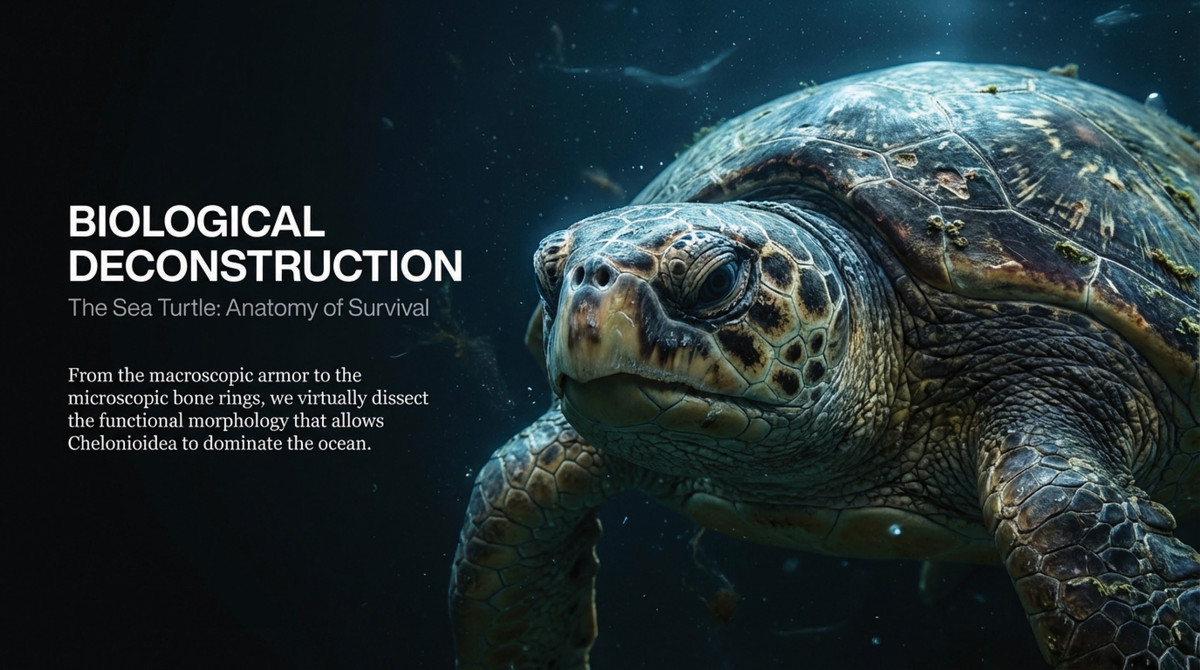
Sea turtles glide across vast oceans with timeless grace, their bodies a masterpiece of evolution perfectly tuned for survival - from flexible, high-tech shells that withstand deep-sea pressure to bones etched with growth rings revealing their hidden ages. Unlike humans, they show no wrinkles or gray hair, so scientists turn to "virtual dissections" and skeletochronology, examining humerus bones like tree rings to unlock these ancient voyagers' secret diaries. Dive beneath the shell to discover how resilient travelers dominate the seas.
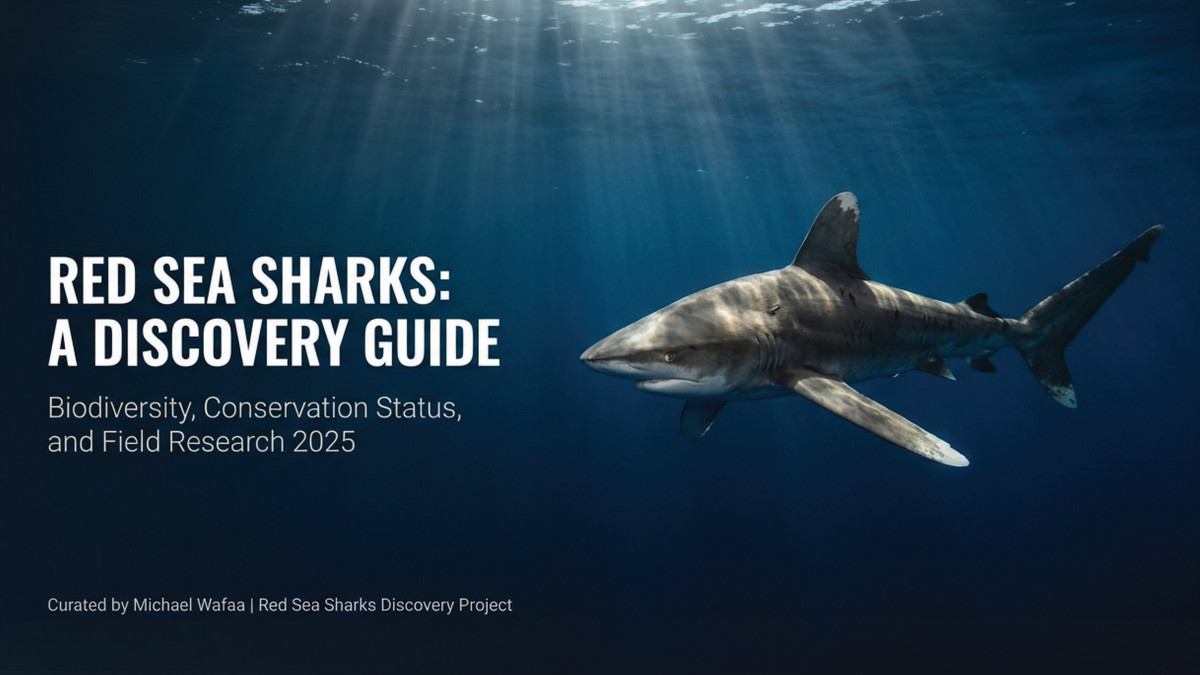
Dive into the Egyptian Red Sea's thrilling shark encounters at vibrant sites like Brothers, Daedalus, and Elphinstone - the Golden Triangle where Oceanic Whitetips, Scalloped Hammerheads, and elusive Thrashers patrol deep drop-offs. Fresh 2025 field data reveals 29 cataloged Oceanic Whitetips, some bearing fishing hooks from human impacts, underscoring their Critically Endangered status and urgent conservation needs. This guide blends species insights, prime sighting zones, and satellite tracking efforts to inspire awe-filled dives with respect for these apex predators.
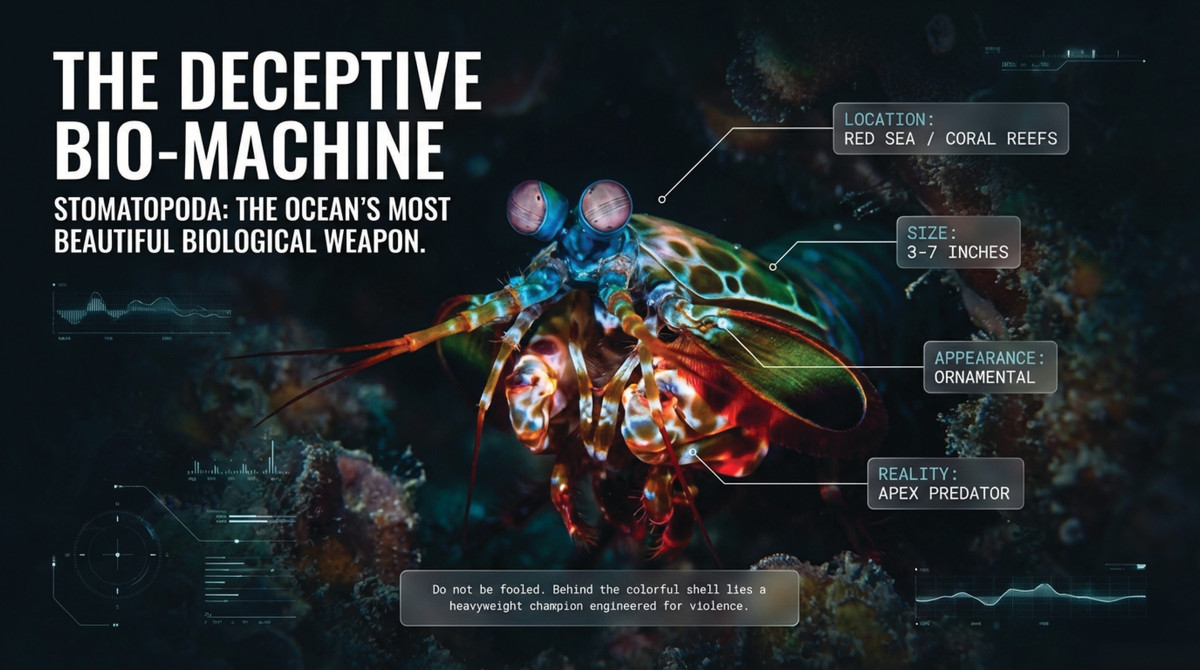
Don't be fooled by the mantis shrimp's vibrant colors and tiny size - lurking in Red Sea crevices is one of Earth's most ferocious predators, armed with a club that strikes at bullet speeds of 50 mph, accelerating at 10,400 g to shatter crab shells and aquarium glass. Its dactyl club, reinforced with hydroxyapatite crystals in a shock-absorbing herringbone pattern, survives the onslaught while creating cavitation bubbles that boil water and deliver a stunning double punch. Dive deeper to uncover the ocean's ultimate heavyweight champion.
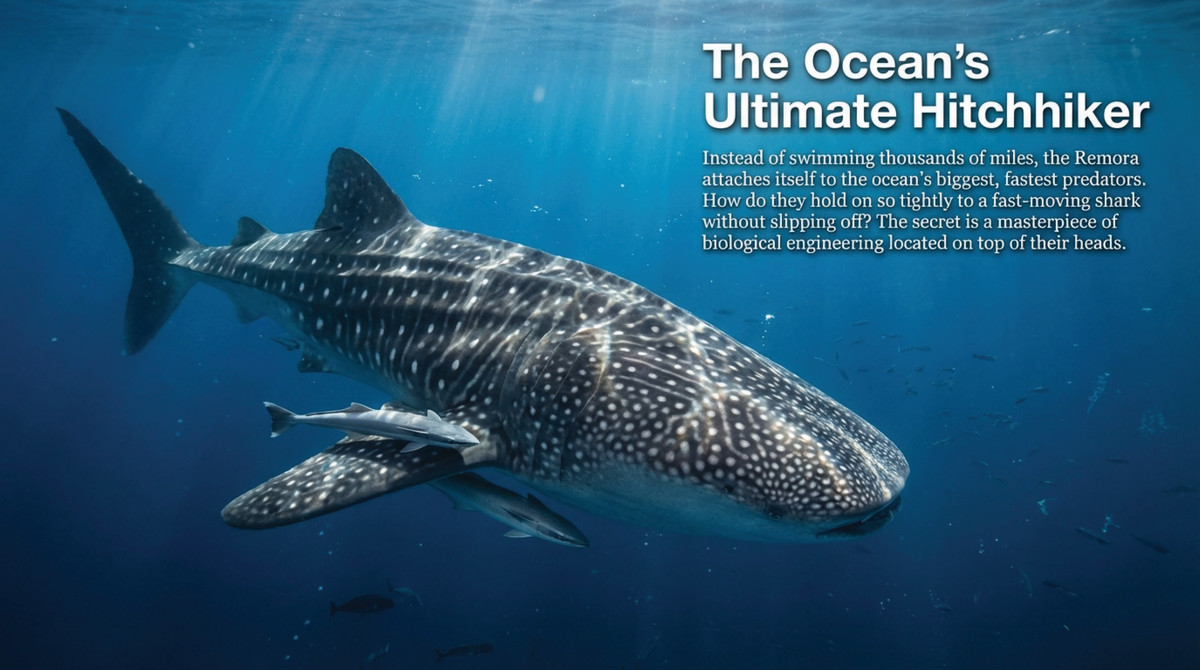
Spot a whale shark or manta ray in the Red Sea, and you'll notice sleek remoras - nature's ultimate hitchhikers - clinging tightly to their bellies for a free ride across the ocean. Their secret weapon? A flattened dorsal fin transformed over 32 million years into a ribbed suction disc on their heads, complete with a blood-engorged lip for an airtight seal and friction spikes to withstand high-speed sprints. This biological marvel lets them feast on scraps and parasites while hitching effortlessly with giants.
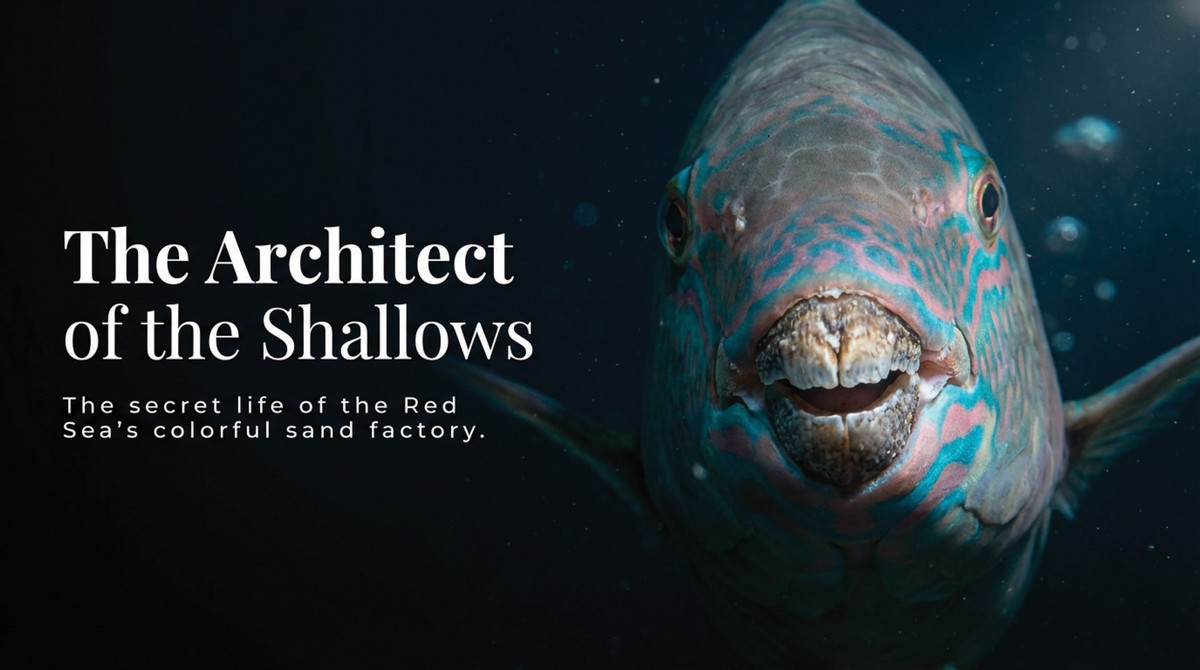
That pristine white sand under your feet on Red Sea beaches? It's mostly parrotfish poop - finely ground coral excreted by these colorful reef dwellers. With unbreakable, fluorapatite beaks harder than gold, they crunch algae off solid coral, then grind it in their throat's pharyngeal mill before pooping out up to 1,000 pounds yearly per fish. Nature's ultimate sand factory at work!
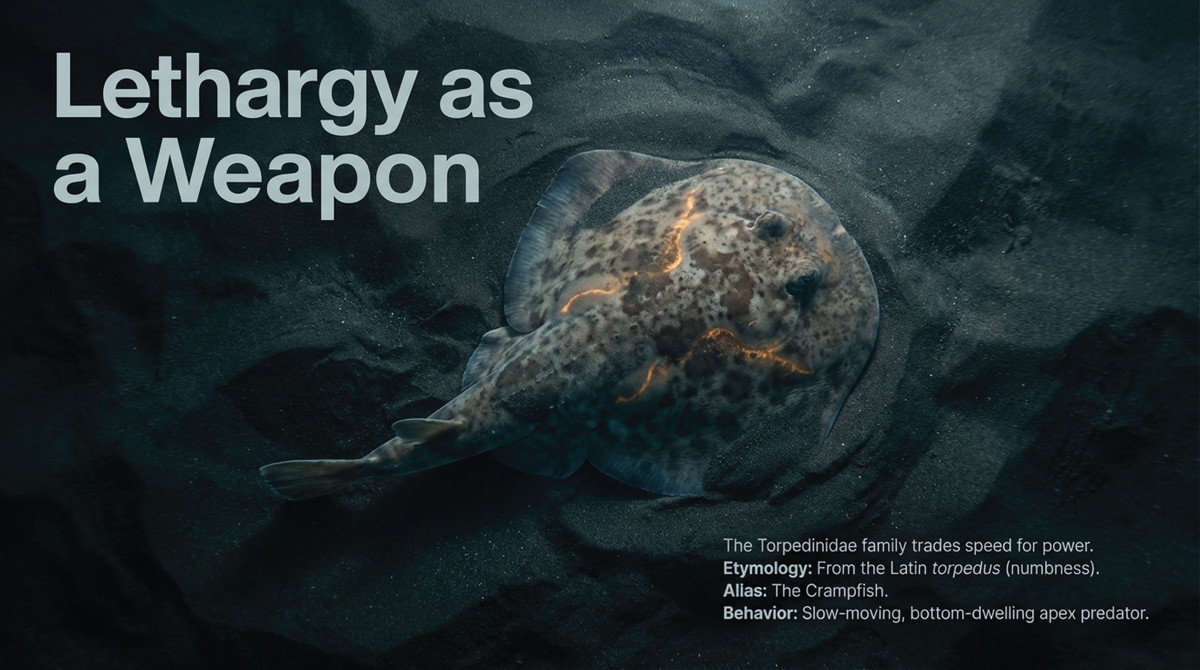
Meet the Torpedo Ray, aka the "Crampfish," a sluggish bottom-dweller that rules as an apex predator not with speed, but with shocking electric power from its name's Latin root meaning "numbness." Hidden in its pectoral disc are twin generators - massive organs of modified muscle forming a honeycomb of jelly-filled electroplate stacks - that unleash up to 220 volts to stun prey. This living battery evolved raw electricity over chase, proving power trumps pace in the deep.
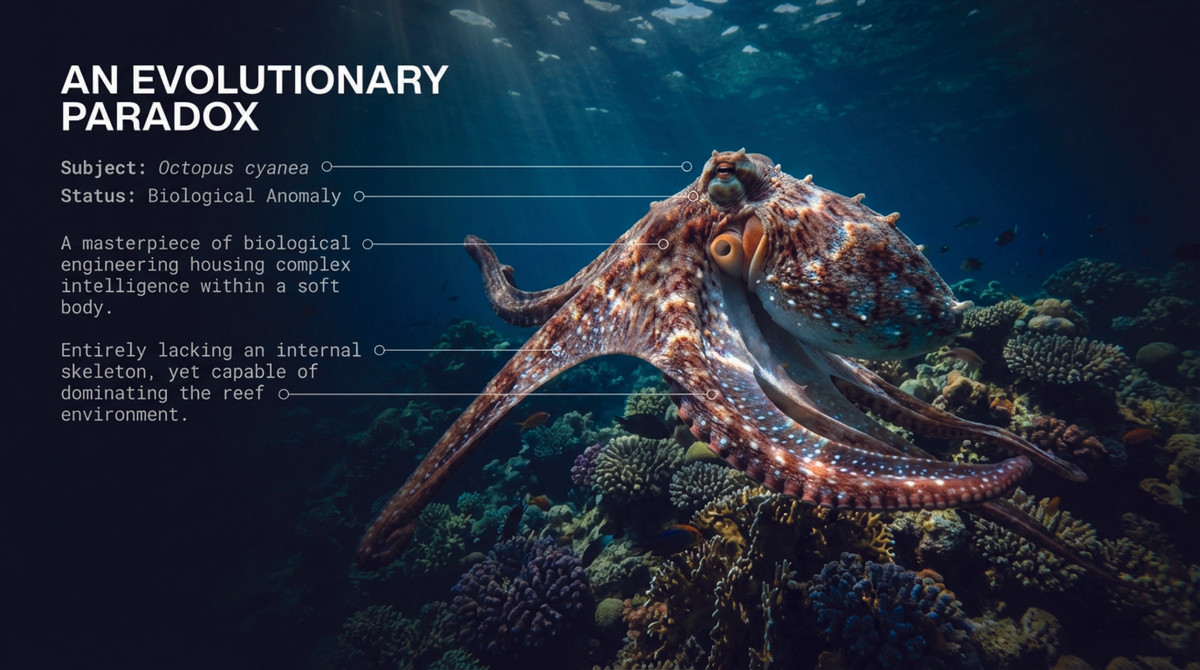
Octopuses represent an evolutionary paradox - possessing remarkably complex intelligence within a boneless, soft body that relies on a hydrostatic skeleton for structure and movement. Their nervous system is extraordinarily distributed, with approximately two-thirds of their 500 million neurons located in their eight arms rather than their brain, enabling semi-autonomous arm control and allowing each sucker to function as both a sensory organ capable of taste and touch and a precision gripper. This unique neural architecture, combined with their advanced skin display system featuring chromatophores, iridophores, and texture-changing papillae, represents a masterpiece of biological engineering entirely distinct from vertebrate intelligence.
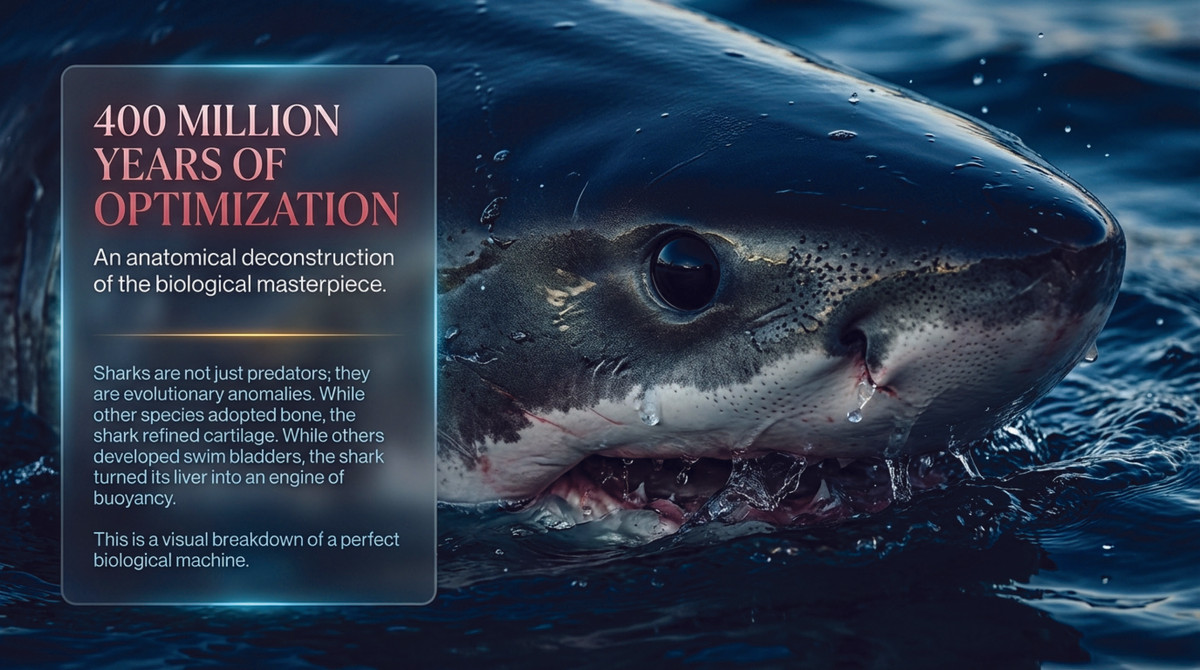
Forget the myth of sharks as primitive "living fossils" - these ancient predators, evolving over 450 million years before dinosaurs roamed, have masterfully refined their biology for supremacy. Their lightweight cartilaginous skeletons, a clever evolutionary reversion from bony ancestors, slash weight by half while tesserae armor boosts strength for lightning-fast turns and speed. Far from relics, sharks are engineered marvels thriving from reefs to abyssal depths.
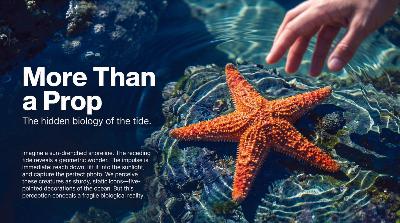
Sea stars are not the sturdy, photogenic props they appear to be - they're fragile organisms with complex biological needs that make them vulnerable to seemingly harmless interactions. Their entire body surface functions as a breathing apparatus, relying on specialized skin structures called papulae to absorb oxygen directly from seawater, meaning even brief air exposure can trigger fatal physiological distress. Understanding this hidden vulnerability is essential for protecting these remarkable creatures, as the simple act of lifting a sea star for a photo can cause internal organ damage and suffocation, making "look but don't touch" not just a guideline, but a lifeline for their survival.
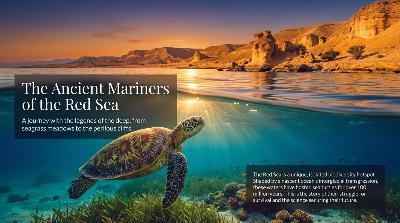
Discover the Red Sea's "Big Five" sea turtles - ancient marine legends like the seagrass-gardening Green Turtle, critically endangered Hawksbill with its hawk-like beak, and rare deep-diving Leatherback giants - that have thrived in this biodiversity hotspot for over 100 million years. These keystone species shape vibrant reefs and nurseries, but face dire threats from overheating sands, rising tides, and habitat loss. This guide reveals how to spot them and why urgent conservation is key to their precarious future.
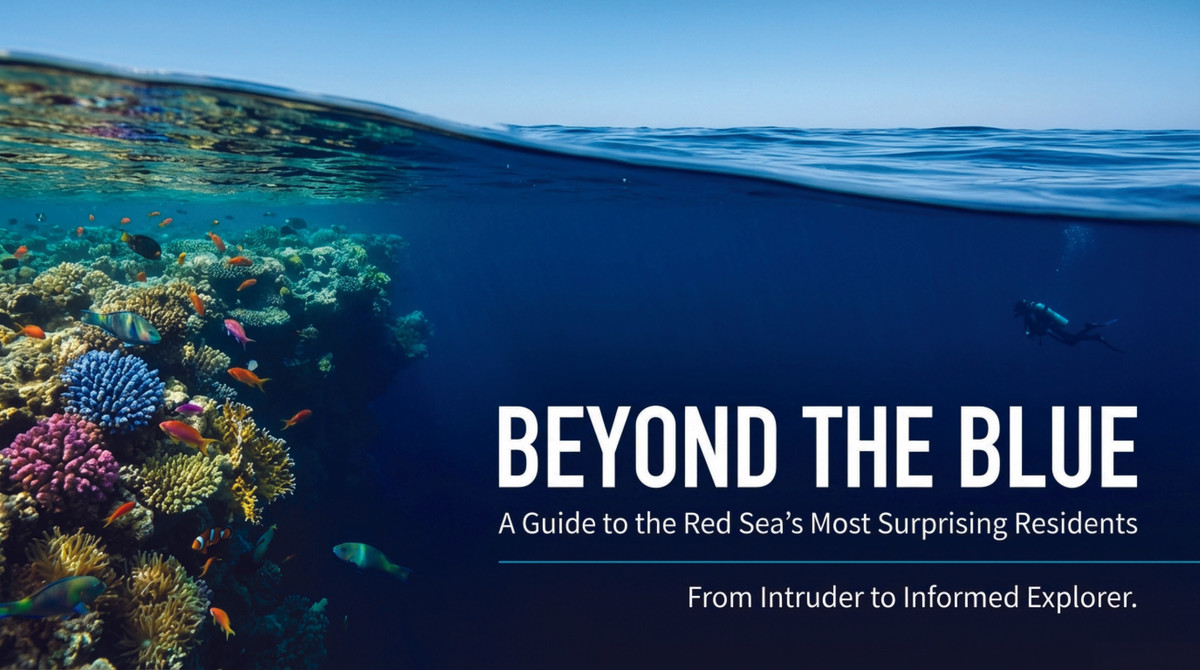
Beneath the Red Sea's vibrant coral paradise lies a hidden world of survival, where sharks, corals, and urchins wield neurotoxins, nematocysts, and razor-sharp spines as ingenious defenses against predators. Far from a danger zone, this ecosystem rewards informed divers who respect territorial displays - like the Grey Reef Shark's arched-back warning - and avoid accidental encounters. Dive smarter, not scared, to explore its fragile beauty with grace.
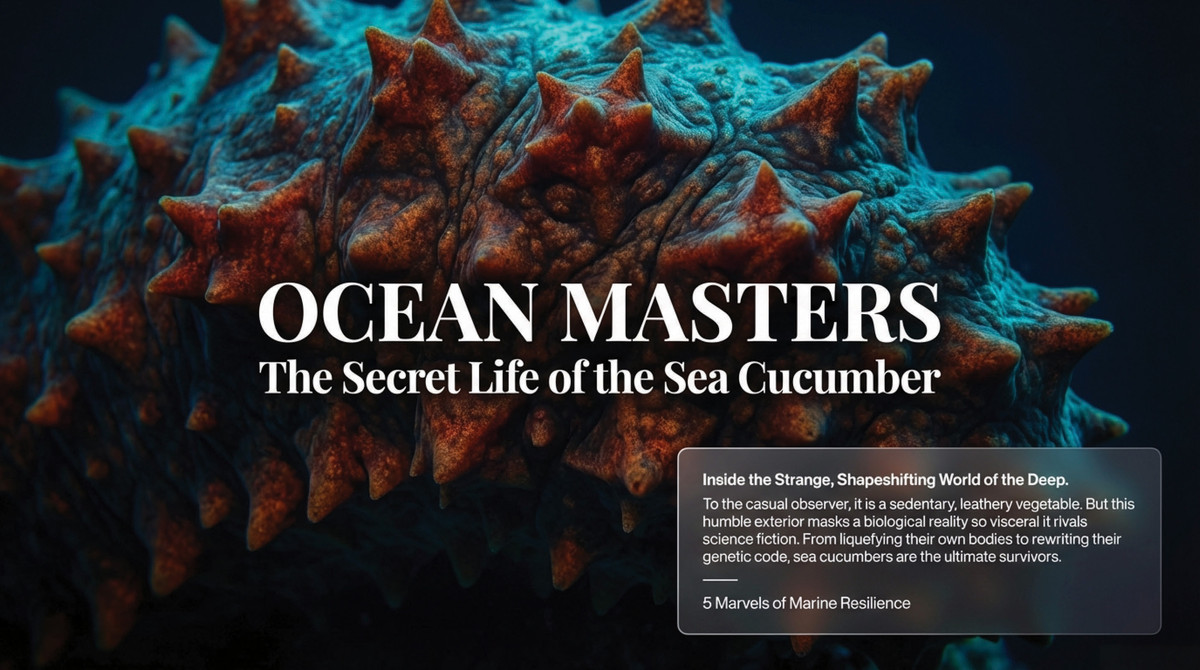
Don't be fooled by the sea cucumber's unassuming, leathery lump on the ocean floor - it's a master of extreme survival. When threatened, it dramatically ejects its guts, tentacles, and even sticky respiratory tubules as a distracting trap for predators, then regenerates everything in weeks. These "Ocean Masters" liquefy their bodies to slip into crevices and endure the deep's harshest conditions, proving nature's underdogs are unstoppable.
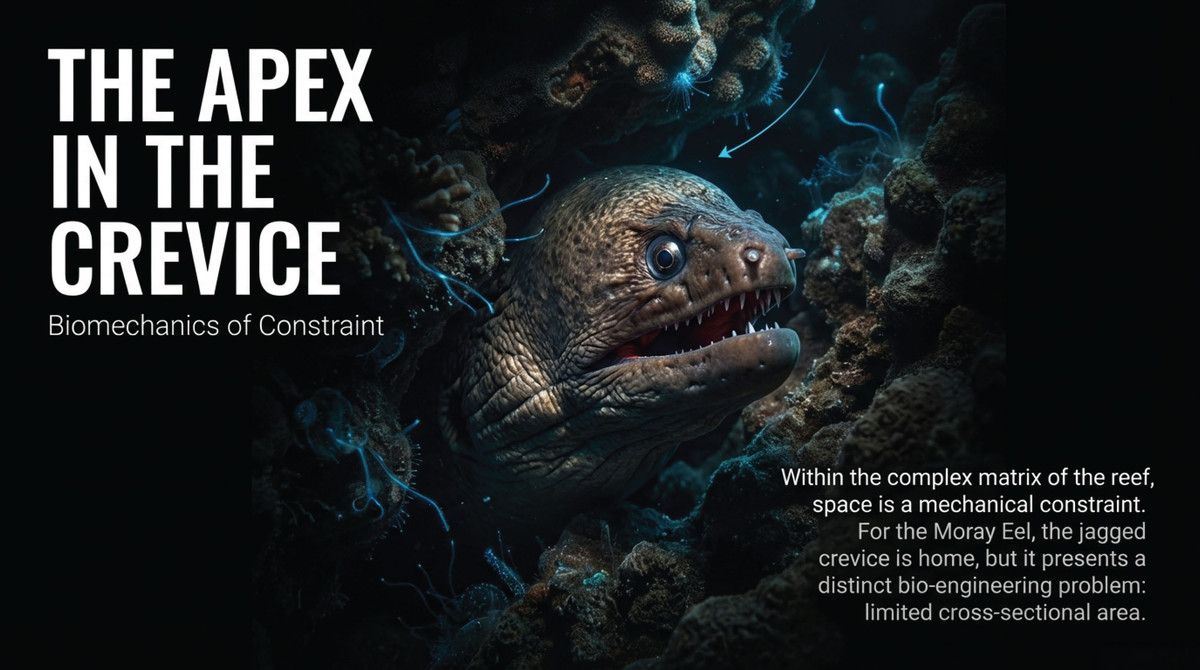
In the tight crevices of coral reefs, moray eels face a feeding dilemma: no room for the suction-powered mouth expansion most fish rely on to gulp prey. Enter their astonishing adaptation - a second set of "alien" jaws that rocket from the throat into the mouth, armed with talon-like teeth to seize and drag struggling food back to the esophagus. This raptorial innovation, uncovered by researchers Rita S. Mehta and Peter C. Wainwright, marks the first known vertebrate strategy to bypass hydraulic feeding entirely.
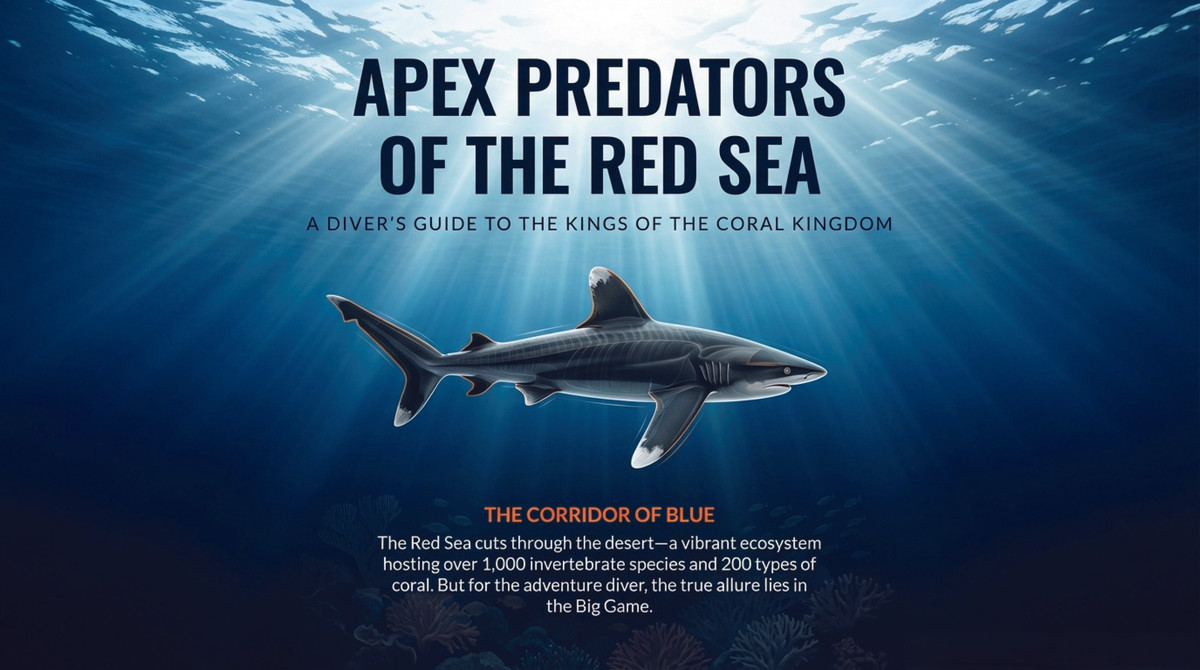
Dive into the Red Sea's thrilling shark encounters, where over 44 species patrol vibrant reefs teeming with 1,000 invertebrate species and 200 corals. Meet the bold oceanic whitetip with its unmistakable white-tipped fins at sites like Elphinstone, shy schools of scalloped hammerheads at Jackson Reef, and majestic whale sharks - the gentle giants of the deep. Discover myths, behaviors, and safe diving tips for adrenaline-pumping adventures with these apex predators.
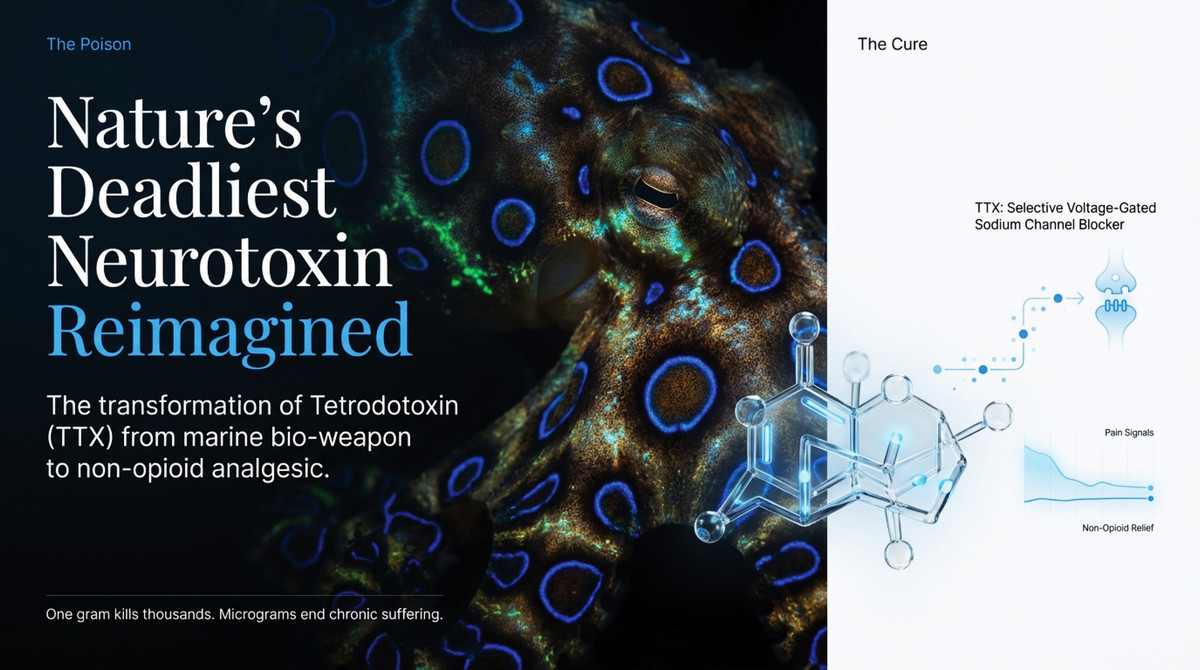
Tetrodotoxin (TTX) is one of nature's most lethal neurotoxins - over 1,200 times more toxic than cyanide - yet it remains largely unknown outside scientific circles. Found in pufferfish, blue-ringed octopuses, and surprisingly diverse marine animals, this heat-stable poison works by blocking sodium channels in nerve cells, paralyzing muscles and potentially causing death. Beyond its notorious role in the Japanese delicacy fugu, TTX poisoning kills hundreds globally each year, making it a silent threat lurking in seemingly innocuous seafood.
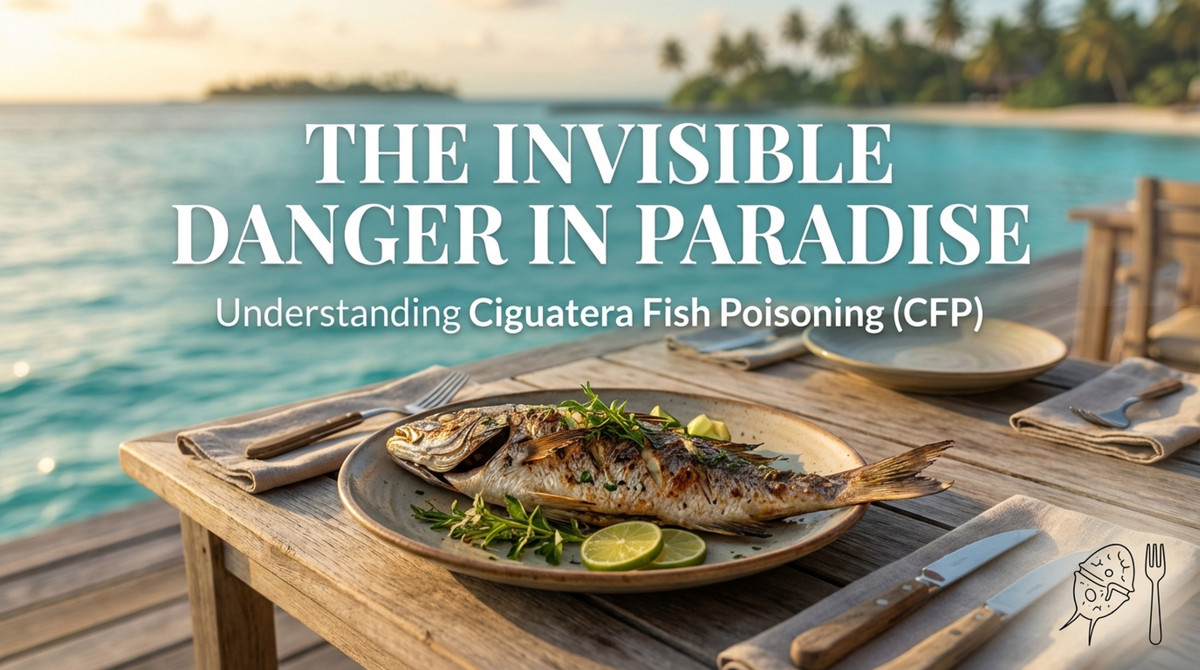
Love the vibrant coral reefs and fresh seafood from tropical waters? Beware the hidden danger of Ciguatera Fish Poisoning (CFP), the most common non-bacterial foodborne illness from reef fish tainted with potent ciguatoxins. These toxins start with microscopic algae on dead coral, accumulate in herbivorous fish, and concentrate in predators like barracuda, grouper, and snapper - making large catches risky, with no visual warning signs. Stay safe and savor the sea wisely.

Comments

Download from Google Play

Download from App Store
 United States