


 Claim Ownership
The Neurodiversity Voices Podcast
Subscribed: 4Played: 9
Subscribe

© Copyright 2026 All rights reserved.
Description
The Neurodiversity Voices Podcast is hosted by Paul Cruz, a neurodivergent creator sharing real conversations rooted in lived experience. This Vancouver-based podcast explores autism, ADHD, disability, and neurodiversity through honest storytelling, interviews, and community dialogue. We amplify voices often overlooked and create space for respectful, accessible conversations about identity, inclusion, mental health, and navigating systems not built for different minds. Featuring advocates, educators, authors, and community leaders, the show focuses on understanding rather than fixing people. If you're looking for authentic neurodiversity content, lived-experience perspectives, and thoughtful discussions on accessibility, belonging, and representation, you're in the right place. Subscribe for interviews, insights, and stories that embrace every mind and share every voice.
Website: https://www.neurodiversityvoices.com
Website: https://www.neurodiversityvoices.com
29 Episodes
Reverse
What happens when a late diagnosis doesn't just explain your past — it reshapes how you move through the present? In this episode, Paul Cruz talks with Erica about late-identified autism and ADHD (combined type), alexithymia, and the layered experience of unmasking while parenting a neurodivergent child. Erica shares the validation and clarity that came with diagnosis — alongside the grief for the younger self who navigated without support. We also explore how creative practice can become a lifeline: why poetry offered a "nonlinear" container for truth-telling, how nature and animals provide kinship and unconditional grace, and how activism can evolve into something sustainable through words, art, and care. Erica explains how tarot and spiritual frameworks can function as tools for self-understanding (and why "one-size-fits-all" approaches can harm neurodivergent people), and introduces her forthcoming book, The Autistic Arcana — a neurodivergent approach to tarot, magic, and the Major Arcana. If you've ever felt "too much," "not enough," or simply misunderstood — this conversation offers both language and permission. If this episode resonated, please follow/subscribe, leave a review, and share it with someone who might feel seen by it. Be A TNVP Ad-Free + Subscriber https://podcasts.apple.com/us/podcast/the-neurodiversity-voices-podcast/id1806028241
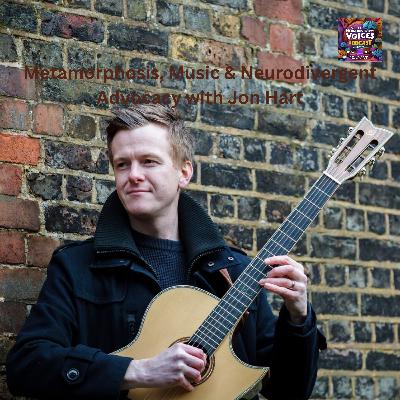
In this deeply honest and expansive conversation, Paul and Tegan sit down with musician and advocate Jon Hart to explore identity, late diagnosis, burnout, creative processing, and what it means to unmask in an industry that often rewards performance over wellbeing. Jon shares his journey from building and losing a music business to experiencing a mental health crisis that ultimately led to discovering his ADHD and autism. What followed wasn't just recovery — it was what he calls a five-year metamorphosis. Together, we explore: The crash that forced a reinvention ADHD, autism, and late diagnosis in adulthood Music as nervous system regulation Why "sex, drugs & rock and roll" hides unhealthy coping Processing through creativity as an "external hard drive." The power of sitting in the mud with someone instead of fixing them Why neurodivergence isn't a deficit — it's creative wiring What the music industry must confront about inclusion Building community for neurodivergent musicians Jon also shares practical strategies he uses to regulate and protect his well-being online and build sustainable systems as a neurodivergent entrepreneur. If there's one takeaway from this episode: Process what you're going through in a way that feels natural to you — your creativity can become your clarity. Connect with Jon Hart: https://jonhartmusic.com/ndm Music about page: https://jonhartmusic.com/about Facebook: facebook.com/jonhartmusic Instagram: instagram.com/jonhartmusic Youtube: youtube.com/jonhartmusic TikTok: tiktok.com/@jonhartmusic Listen, follow, and share with someone who needs to feel less alone in their journey. Be A TNVP Ad-Free + Subscriber https://podcasts.apple.com/us/podcast/the-neurodiversity-voices-podcast/id1806028241

Guest: Dr. Shani Challenor. In this episode of The Neurodiversity Voices Podcast, host Paul Cruz is joined by educator, advocate, and "Neurodiva" Dr. Shani Challenor for a deeply personal and powerful conversation about neurodivergence, education, faith, and what becomes possible when people are truly seen. Dr. Shani shares her journey as a trained dancer, special and general education teacher, adjunct professor, and mom—along with her experience being diagnosed with ADHD, anxiety, and depression while earning her doctorate. She reflects on growing up feeling unheard in school, how movement and the arts became a gateway to learning, and why connection—not compliance—is the foundation of meaningful education. Together, Paul and Dr. Shani explore the emotional weight that families of neurodivergent children carry, the gaps in overwhelmed school systems, and the importance of shifting mindsets from "fixing" students to honouring their brilliance. Dr. Shani also speaks candidly about intersectionality, sharing what it means to navigate neurodivergence as a Black woman, and how faith continues to guide her calling and advocacy. This episode is a reminder that progress doesn't always look like perfection—and that breakthroughs often begin with patience, grace, and hope. Connect with Dr. Shani Instagram: @DRSHANICHALLENOR The Challenor Challenge: Shifting spaces, mindsets, and systems so neurodivergent individuals and all learners are genuinely included, valued, and supported through storytelling, education, creativity, and lived experience. About the Podcast The Neurodiversity Voices Podcast centers lived experience, amplifies neurodivergent voices, and explores what it really means to be supported, understood, and valued in our communities and systems. If this episode resonated with you, please share it with someone who might need to hear it—and follow or subscribe so you don't miss future conversations. Website: www.neurodiversityvoices.com Be A TNVP Ad-Free + Subscriber https://podcasts.apple.com/us/podcast/the-neurodiversity-voices-podcast/id1806028241
Guest: Nathan Stafford-King. Paul sits down with Nathan, a storyteller, photographer, and theatre director whose life has unfolded across the UK, Germany, Denmark, India, Australia, New Zealand, Japan, Mexico, and now Canada. Together, they explore how ADHD can be misunderstood, misdiagnosed, and masked, especially when moving through different systems and cultures. Nathan opens up about early signs in childhood, the impact of a later misdiagnosis, and the moment he finally sought an ADHD assessment after realizing that even "doing everything right" (sleep, routines, food, exercise) couldn't reliably stabilize focus. He describes the daily push-and-pull of time, unfinished projects, distraction, and the constant practice of patience and flexibility. The conversation also highlights the gifts: deep hyperfocus (including marathon video-editing sessions), creative spark, humour, and the ability to turn chaos into story. Nathan shares a wildly unforgettable travel moment from a night bus in India — a perfect example of how impulsivity and problem-solving collide in real life. They close with a powerful message for listeners who feel scattered or "too multi-passionate," including a recommendation for the book Range and a reminder that accumulated experiences can add up in meaningful ways — even when the path looks non-linear. Memorable Moments / Quotes (pull quotes) "Some days I did everything right… and I still couldn't focus. It felt unfair." "Task initiation is sometimes really hard… but with video editing, I could just go." "Identity is the one thing about us that isn't ours — it's given by others." "If you can step into someone else's perspective, you double your knowledge." Where to find Nathan Instagram: @NathSK Link to his play: https://www.youtube.com/watch?v=T8CJ1yXZMBY Range: Why Generalists Triumph in a Specialized World (Book recommendation) Amazon US/International Affiliate Link: https://amzn.to/3MBrtcjAmazon Canada Affiliate Link: https://amzn.to/3XTKdWT Connect With Us Learn more about the Neurodiversity Voices Podcast: www.neurodiversityvoices.com Be A TNVP Ad-Free + Subscriber https://podcasts.apple.com/us/podcast/the-neurodiversity-voices-podcast/id1806028241 Grab your The Neurodiversity Voices Podcast Merch Items from our Storehttps://www.neurodiversityvoices.com/category/all-products Support by joining our Patreon Community: https://www.patreon.com/14218572/join If you're listening on Apple Podcasts, Spotify, or any podcast player you love, please take a moment to rate the show and leave a comment. It makes a huge difference!
Guest: Dr. Emily Levy, founder of EBL Coaching, to unpack practical, research-based strategies that help neurodiverse students thrive. From time management and organization to reading, writing, and math, Dr. Levy shares powerful tools rooted in executive functioning and multisensory instruction. You'll learn how techniques such as ET vs. AT time-tracking, the three-tiered organization system, visual brainstorming webs, and Orton-Gillingham reading instruction transform learning for students with ADHD and dyslexia. Dr. Levy also offers guidance for parents, quick wins students can use immediately, and a moving success story that proves early struggles do not define long-term potential. Whether you're a parent, educator, or neurodivergent learner yourself, this conversation is packed with actionable insights that foster confidence, independence, and meaningful academic growth. Learn More About Dr. Levy & EBL Coaching Visit EBLCoaching.com for: Articles Resources Program details Additional podcasts and interviews Follow EBL Coaching on Instagram, Facebook, TikTok, X, and LinkedIn. Instagram: https://www.instagram.com/ebl_coaching/ Facebook: https://www.facebook.com/EBLCoaching LinkedIn: https://www.linkedin.com/in/emilylevy/ Connect With Us Learn more about the Neurodiversity Voices Podcast: www.neurodiversityvoices.com The Neurodiversity Voices Podcast would love your feedback. Post a review on our Google profile. https://share.google/9RAoxcWhwXu5Pl1xY Grab your The Neurodiversity Voices Podcast Merch Catalogue Items from our Storehttps://www.neurodiversityvoices.com/category/all-products Support by joining our Patreon Community: https://www.patreon.com/14218572/join Be A TNVP Ad-Free + Subscriber https://podcasts.apple.com/us/podcast/the-neurodiversity-voices-podcast/id1806028241 If you're listening on Apple Podcasts, Spotify, or any podcast player you love, please take a moment to rate the show and leave a comment. It makes a huge difference!
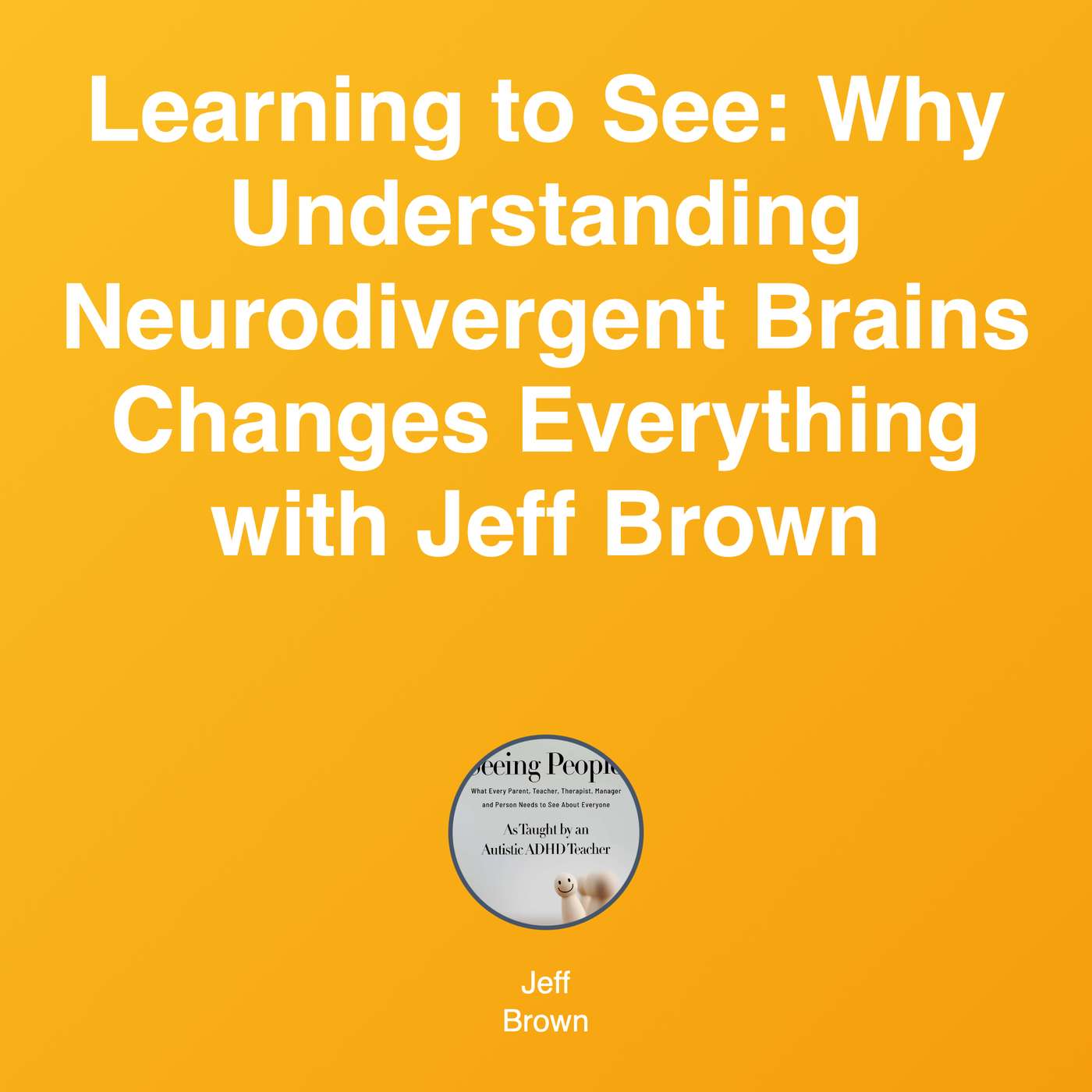
Guest: Jeff Brown. What does it truly mean to see a child — not just their behaviour, but the brain and experiences underneath it? In this episode of The Neurodiversity Voices Podcast, host Paul Cruz is joined by educator and author Jeff Brown, a high school teacher with over 25 years of experience and lived experience as an autistic and ADHD adult. Together, they explore how slowing down our perception can transform classrooms, homes, and lives. Jeff shares why behaviour is so often misunderstood, how neurodivergent students are mislabeled as "lazy" or "defiant," and what becomes possible when adults choose curiosity over judgment. From sensory overload and rejection sensitivity to discipline systems and long-term self-worth, this conversation reframes advocacy as something that begins with how we see people — long before paperwork or policy. This episode is especially meaningful for: Neurodivergent youth who've felt misunderstood Parents and caregivers seeking a more compassionate lens Educators looking to build inclusive, supportive classrooms When people feel seen, they feel safer. And when they feel safe, they can grow. Purchase the book mentioned in this episode through Amazon, "Seeing People: What Every Parent, Teacher, Therapist, Manager, and Person Needs to See About Everyone As Taught by an Autistic ADHD Teacher" - Author Jeff Brown. As an Amazon Associate, we earn from qualifying purchases. If you choose to buy through our affiliation links, we may earn a small commission at no extra cost to you. Thank you for supporting the podcast! For Amazon US and International Buyers (except Canada) 1. Seeing People: What Every Parent, Teacher, Therapist, Manager, and Person Needs to See About Everyone as Taught by an Autistic ADHD Teacher - https://amzn.to/3MDRfwG For Amazon Canada Buyers: 1. Seeing People: What Every Parent, Teacher, Therapist, Manager, and Person Needs to See About Everyone as Taught by an Autistic ADHD Teacher - https://amzn.to/48Spgk9 Website: https://www.jeffbrownsclassroom.com/books/seeing-people Connect With Us Learn more about the Neurodiversity Voices Podcast: www.neurodiversityvoices.com Grab your The Neurodiversity Voices Podcast Merch Catalogue Items from our Storehttps://www.neurodiversityvoices.com/category/all-products The Neurodiversity Voices Podcast would love your feedback. Post a review to our Google profile. https://share.google/9RAoxcWhwXu5Pl1xY Support by joining our Patreon Community: https://www.patreon.com/14218572/join Be A TNVP Ad-Free + Subscriber https://podcasts.apple.com/us/podcast/the-neurodiversity-voices-podcast/id1806028241 If you're listening on Apple Podcasts, Spotify, or any podcast player you love, please take a moment to rate the show and leave a comment. It makes a huge difference! ★ Support this podcast on Patreon ★

Guest: Lynn Greenberg is a former family law attorney turned children's author. She shares the powerful story behind the Creative Cab Company, the award-winning book series she co-created with her son. Lynn opens up about advocating for neurodivergent kids, recognizing early signs of dyslexia and ADHD, and transforming her family's journey into characters like Robbie the Dyslexic Taxi and Susie the ADHD Taxi—a heart-opening conversation about celebrating differences, trusting your instincts, and giving every child a voice. Purchase the books mentioned in this episode through Amazon As an Amazon Associate, we earn from qualifying purchases. If you choose to buy through our affiliation links, we may earn a small commission at no extra cost to you. Thank you for supporting the podcast! For Amazon US and International Buyers (except Canada) 1. "Suzy the ADHD Taxi and the Sightseeing Adventure" - https://amzn.to/3KtW1vM 2. "Robby the Dyslexic Taxi and the Airport Adventure" - https://amzn.to/4ruPlhM For Amazon Canada Buyers: 1. "Suzy the ADHD Taxi and the Sightseeing Adventure" - https://amzn.to/4pdIacn 2. "Robby the Dyslexic Taxi and the Airport Adventure" - https://amzn.to/49IEIl3 Creative Cab Company Website: https://creativecabcompany.com/ Facebook: https://www.facebook.com/creativecabcomp Instagram: https://www.instagram.com/creativecabcompany/ Substack: https://creativewayfinders.substack.com/ Connect With Us Learn more about the Neurodiversity Voices Podcast: www.neurodiversityvoices.com Grab your The Neurodiversity Voices Podcast Merch Catalogue Items from our Storehttps://www.neurodiversityvoices.com/category/all-products The Neurodiversity Voices Podcast would love your feedback. Post a review to our Google profile. https://share.google/9RAoxcWhwXu5Pl1xY Support by joining our Patreon Community: https://www.patreon.com/14218572/join Be A TNVP Ad-Free + Subscriber https://podcasts.apple.com/us/podcast/the-neurodiversity-voices-podcast/id1806028241 If you're listening on Apple Podcasts, Spotify, or any podcast player you love, please take a moment to rate the show and leave a comment. It makes a huge difference! ★ Support this podcast on Patreon ★
Guest: Kiran Rodriguez joins Paul to share the personal story and mission behind NeuroMatch—a new platform that creates safer, Neurodiversity-Affirming spaces for dating, friendship, and community. We delve into feature choices such as chat prompts, voice notes, dyslexia-friendly colour settings, and verification; why starting local in Hampshire is important; and how the team is addressing safety, moderation, and crisis signposting. Notable quotes "ADHD is very hard to live with… It's shaped me because I've learned how to be strong and resilient." "Prompts are there to help when you can't think of what to say first." "I'm dyslexic—I want people to choose the colour that helps them read." "Friendship comes first… some people just want someone to talk to when they're lonely." "You're never alone… there's always somebody you can connect with." Resources & links NeuroMatch (soft-launch; website first, app later): neuromatchapp.co.uk Instagram: https://www.instagram.com/neuromatchapp/ LinkedIn: https://www.linkedin.com/in/kiran-rodriguez-1a625276?utm_source=share&utm_campaign=share_via&utm_content=profile&utm_medium=ios_app Tiktok: https://www.tiktok.com/@neuromatchapp?_t=ZN-90C62rnsqrn&_r=1 Follow for meetups in Hampshire (UK) and global rollout updates Support & safety: in-platform reporting + support hub (as described) Call to action If you're an ND seeking an authentic connection, join the NeuroMatch soft launch to share feedback and help shape the platform. Creators & orgs in neurodiversity: reach out to collaborate on the pilot. Connect With Us Learn more about the Neurodiversity Voices Podcast: www.neurodiversityvoices.com Grab your The Neurodiversity Voices Podcast Merch Catalogue Items from our Storehttps://www.neurodiversityvoices.com/category/all-products Be A TNVP Ad-Free + Subscriber https://podcasts.apple.com/us/podcast/the-neurodiversity-voices-podcast/id1806028241 If you're listening on Apple Podcasts, Spotify, or any podcast player you love, please take a moment to rate the show and leave a comment. It makes a huge difference! ★ Support this podcast on Patreon ★

Guest: Andrew Letchuk—an autistic, disabled, and neurodivergent advocate, writer, and podcaster—to explore disability justice, representation, and what true access can look like in everyday life. Andrew shares his journey through special education, diagnosis, and post-secondary accommodations, and how those experiences shaped his identity as a disabled person and pushed him into advocacy. Together, they unpack the differences between disability rights and disability justice, discuss media stereotypes of autism, and envision what it means to build accessible events, classrooms, and movements from the ground up. This conversation is part story, part political education, and part invitation: to listen to disabled expertise, honour lived experience, and practice disability justice in our daily choices. Connect with Andrew Letchuk: Our Voices podcast: Our Voices: Conversations of Disability | Podcast on Spotify Disability on the Street blog: Disability On The Street | disability issues neurodiversity social justice FUTURES program (for interested listeners): Futures - The AccessStudio Tangled Art + Disability: Tangled Art + Disability The Disability Collective: Home | The Disability Collective Connect With Us Learn more about the Neurodiversity Voices Podcast: www.neurodiversityvoices.com Grab your The Neurodiversity Voices Podcast Merch Catalogue Items from our Storehttps://www.neurodiversityvoices.com/category/all-products The Neurodiversity Voices Podcast would love your feedback. Post a review to our Google profile. https://share.google/9RAoxcWhwXu5Pl1xY Be A TNVP Ad-Free + Subscriber https://podcasts.apple.com/us/podcast/the-neurodiversity-voices-podcast/id1806028241 If you're listening on Apple Podcasts, Spotify, or any podcast player you love, please take a moment to rate the show and leave a comment. It makes a huge difference! ★ Support this podcast on Patreon ★

Guest: Nellie Nakhel — author, advocate, and founder of Lovely Life Library, a creative space that celebrates neurodiversity and inclusion through children's stories. Diagnosed with dyslexia at a young age, Nellie transformed what once felt like a barrier into her greatest creative strength. Through her storytelling and teaching, she's helping kids and adults alike see that thinking differently isn't a limitation — it's a superpower. Together, Paul and Nellie explore how neurodiversity shapes learning, creativity, and empathy, and what it means to create stories that make every child feel seen. Notable Quotes "It's not necessarily a bad thing to think differently — it just means your mind works in its own amazing way." — Nellie Nakhel"If I can make even one child feel better about their differences, that's success to me." — Nellie Nakhel"Neurodiversity isn't something to overcome — it's something to celebrate." — Paul Cruz Nellie Nakhel is an author, educator, and advocate for neurodiversity. As the founder of Lovely Life Library, she creates inclusive picture books that help children embrace their differences with pride. Her work blends her background in psychology, her experience in higher education, and her personal journey with dyslexia to empower learners of all kinds. To purchase Nellie's Lovely Life Library's 7 books through Amazon As an Amazon Associate, we earn from qualifying purchases. If you choose to buy through our affiliation links, we may earn a small commission at no extra cost to you. Thank you for supporting the podcast! For Amazon US and International Buyers (except Canada) 1. "Rising With Dyslexia" - https://amzn.to/3MuXVx3 2. "Light Of Hers" - https://amzn.to/48JPkxS 3. "Shining in Silence: The Story of a Deaf Dancer" - https://amzn.to/44iD9H6 4. "The Waves of Anxiety: And Learning How to Swim" - https://amzn.to/48zi9yn 5. "Breathe, Little One: It's Not So Easy...But I'm Trying!" - https://amzn.to/48PHoez 6. "Leo, the Lion Who Taught Me" - https://amzn.to/4iRiNup 7. "Every Believes In Something: Together in a World of Differences" https://amzn.to/4aKZMI2 For Amazon Canada Buyers: 1. "Rising With Dyslexia" -https://amzn.to/4rQACxV 2. "Light Of Hers" - https://amzn.to/4q3u11e 3. "Shining in Silence: The Story of a Deaf Dancer" - https://amzn.to/3KXr6ID 4. "The Waves of Anxiety: And Learning How to Swim" - https://amzn.to/3MpxN6R 5. "Breathe, Little One: It's Not So Easy...But I'm Trying!" - https://amzn.to/4abf8p9 6. "Leo, the Lion Who Taught Me" - https://amzn.to/48vSqXu 7. "Every Believes In Something: Together in a World of Differences" https://amzn.to/4oOjVjK 🔗 Learn more: lovelylifelibrary.com Connect with Nellie Nakhel Website: lovelylifelibrary.com Instagram: @nellienakhel_lovelylifelibrary Facebook: nellie.nakhel Her books can be found on Amazon and Ingramspark Connect With Us Learn more about the Neurodiversity Voices Podcast: www.neurodiversityvoices.com Grab your The Neurodiversity Voices Podcast Merch Catalogue Items from our Store https://www.neurodiversityvoices.com/category/all-products Be A TNVP Ad-Free + Subscriber https://podcasts.apple.com/us/podcast/the-neurodiversity-voices-podcast/id1806028241 If you're listening on Apple Podcasts, Spotify, or any podcast player you love, please take a moment to rate the show and leave a comment. It makes a huge difference! ★ Support this podcast on Patreon ★
Guest: Dr. Gregory James Skinner, M.D., a Calgary-based family physician and leading advocate for accessible adult autism diagnosis. Dr. Skinner shares his remarkable journey through international medical training, his personal connection to autism, and the challenges he faced building one of the few medical practices in Canada specializing in adult autism assessment. His story highlights the urgent need for better access, validation, and understanding for autistic adults who are often overlooked or dismissed. Key Quotes: "Autism isn't invisible—it's a visible neuro-minority. People see it, but it's misunderstood." – Dr. Gregory Skinner "Diagnosis is not about weakness—it's about validation, recognition, and access to support." – Dr. Gregory Skinner Resources & Links: Learn more about Dr. Skinner's Clinic, Autism Exists Diagnosis Clinic - https://www.autismexists.com Visit Lives in the Balance to explore Dr. Ross Greene's collaborative approach to care - https://livesinthebalance.org Connect With Us Learn more about the Neurodiversity Voices Podcast: www.neurodiversityvoices.com Grab your The Neurodiversity Voices Podcast Merch Catalogue Items from our Storehttps://www.neurodiversityvoices.com/category/all-products Be A TNVP Ad-Free + Subscriber https://podcasts.apple.com/us/podcast/the-neurodiversity-voices-podcast/id1806028241 If you're listening on Apple Podcasts, Spotify, or any podcast player you love, please take a moment to rate the show and leave a comment. It makes a huge difference! ★ Support this podcast on Patreon ★

Guest: Cynthia Miller-Lautman – Occupational Therapist, Educator, and Host of Swinging Upside Down In this episode of The Neurodiversity Voices Podcast, host Paul Cruz sits down with occupational therapist Cynthia Miller-Lautman, whose work bridges sensory science and neurodiversity-affirming practice. Cynthia shares how early clinical experiences, parenthood, and work in diverse communities taught her to "watch the person" and see so-called "behaviours" as signals of dysregulation, not defiance. Together, Paul and Cynthia explore the eight senses (including vestibular, proprioception, and interoception), what "just right" regulation actually feels like, and how to design sensory-safe micro-spaces in schools, homes, clinics, dental offices, and workplaces—without needing huge budgets or perfect setups. You'll walk away with a minimum viable plan to support sensory regulation, plus a new lens on "behaviour" that centres safety, consent, and dignity for neurodivergent children and adults. Key Quotes "Sensory is not a reward. Sensory is a human need." – Cynthia Miller-Lautman "Behaviours are often signals—our detective work is figuring out what's really going on." "Parents, teachers, and therapists must become sensory detectives to help kids (and adults) find 'just right.'" Resources & Links Website & resources: cynthiamillerlautman.com Facebook: https://www.facebook.com/cynthiamillerlautmanot Instagram: https://www.instagram.com/cynthiamillerlautman TikTok: https://www.tiktok.com/@cynthiamillerlautman LinkedIn: https://www.linkedin.com/in/cynthiamillerlautman Connect With Us Learn more about the Neurodiversity Voices Podcast: www.neurodiversityvoices.com Be A TNVP Ad-Free + Subscriber https://podcasts.apple.com/us/podcast/the-neurodiversity-voices-podcast/id1806028241 ★ Support this podcast on Patreon ★

Guests: Gabe Galand and Stacey Smith — two individuals who found clarity and self-acceptance later in life through their ADHD and autism diagnoses. Gabe, a producer from Vancouver who grew up in France, shares how years of being misunderstood shaped his sense of self — and how an ADHD diagnosis at 29 helped him rewrite his story. Stacey, diagnosed autistic at 35, reads a heartfelt letter to her younger self about masking, sensory overwhelm, and learning to give herself grace. This episode serves as a reminder that every voice matters — especially those that have been quiet for too long. Memorable quotes "I wish I could tell my younger self not to feel bad about the way my brain works." — Gabe "I see you now. I'm holding you. I understand you now." — Stacey Connect With Us Learn more about the Neurodiversity Voices Podcast: www.neurodiversityvoices.com Grab your The Neurodiversity Voices Podcast Merch Catalogue Items from our Storehttps://www.neurodiversityvoices.com/category/all-products Be A TNVP Ad-Free + Subscriber https://podcasts.apple.com/us/podcast/the-neurodiversity-voices-podcast/id1806028241 If you're listening on Apple Podcasts, Spotify, or any podcast player you love, please take a moment to rate the show and leave a comment. It makes a huge difference! ★ Support this podcast on Patreon ★
Guest: Nuriye Sinem Berthier. With a rich background in chemistry, pharmacology, genetics, and biochemistry, and personal experience as a parent navigating autism, Sinem offers a unique lens on child development, neurodiversity, and the microbiome. She introduces her Autism Cascade Hypothesis, highlighting how early-life environmental factors—including birth method, feeding choices, and gut health—may influence neurodevelopment and proposes a connection between diet, immune function, and brain development. It's not a proven theory, but it's an example of how science is trying to map complex biological pathways rather than single causes. To further explain, imagine a row of dominoes: a certain milk protein gets broken down into a peptide, which might affect the gut and the brain's protective barrier, leading to inflammation, and — in some individuals — changes in brain development. That's the 'cascade' this idea is trying to describe. It's still hypothetical — a chain of maybes, not certainties — but it's fascinating because it tries to connect dots across biology, diet, and development. Autism is multi-factorial — genetic, neurodevelopmental, sensory, and environmental factors all intertwine. The Cascade Hypothesis is one of several emerging models that explore how biology and development might interact, especially early in life. Understanding biology doesn't mean we're trying to 'fix' autism — it means learning more about how diverse brains develop. Insights from models like this could improve support, reduce distress, and honor neurodivergent experiences. This hypothesis is an early-stage idea — not clinical advice or a proven model. It's a thought experiment that may guide future research. As always, any medical or dietary changes should be based on peer-reviewed science and professional guidance. How do we balance curiosity about emerging science with respect for lived experience? We'd love to hear your thoughts — send us your reflections at info@neurodiversityvoices.com As always on this show, We approach research with curiosity and humility. Today's topic is a developing hypothesis, shared to deepen understanding — not to define autistic lives or suggest that difference needs correcting. Connect With Nuriye Sinem Berthier LinkedIn: http://www.linkedin.com/in/sinem-berthier Orcid Account: https://orcid.org/0009-0002-5840-7957 Journal Articles: 1. Proposing the Autism Cascade Hypothesis: A Novel Mechanistic Framework Linking Dietary Peptides, Neuroimmune Activation, and Developmental Timing. https://zenodo.org/records/17007271 2. Cascading Pathways in Autism: A New Clinical Lens on Early Pediatric Intervention. https://zenodo.org/records/17019400 Connect With Us Learn more about the Neurodiversity Voices Podcast: www.neurodiversityvoices.com Grab your The Neurodiversity Voices Podcast Merch Catalogue Items from our Storehttps://www.neurodiversityvoices.com/category/all-products Be A TNVP Ad-Free + Subscriber https://podcasts.apple.com/us/podcast/the-neurodiversity-voices-podcast/id1806028241 If you're listening on Apple Podcasts, Spotify, or any podcast player you love, please take a moment to rate the show and leave a comment. It makes a huge difference! ★ Support this podcast on Patreon ★
Guest: Michelle Steiner, a writer, photographer, paraeducator, and disability advocate who lives with an invisible disability. In this powerful and inspiring episode of the Neurodiversity Voices Podcast, hosts Paul Cruz and Gino Akbari sit down with Michelle Steiner. Michelle shares her deeply personal journey of being told what she couldn't do—only to go on and earn her college degree, publish widely, advocate for students with disabilities, and build a meaningful creative career. Through heartfelt storytelling, Michelle sheds light on the realities of invisible disabilities, self-advocacy, resilience, relationships, and the power of creativity as healing and expression. This episode is a must-listen for neurodivergent individuals, educators, parents, caregivers, and advocates seeking hope, understanding, and actionable insight. Memorable Quotes "Just because people can't see my disability doesn't mean it's not there." "I did it afraid. And when I started focusing on what I could do, I began to see success." "Having a disability isn't a weakness—it can become a strength." Connect with Michelle: Website: https://www.michellesmission.com Facebook: https://www.facebook.com/michelle.steiner.493966/ Instagram: https://www.instagram.com/steiner7250/ LinkedIn: https://www.linkedin.com/in/michelle-steiner-0573ba260/ Bluesky: https://bsky.app/profile/michellesmission.bsky.social Connect With Us Learn more about the Neurodiversity Voices Podcast: www.neurodiversityvoices.com Grab your The Neurodiversity Voices Podcast Merch Catalogue Items from our Storehttps://www.neurodiversityvoices.com/category/all-products Be A TNVP Ad-Free + Subscriber https://podcasts.apple.com/us/podcast/the-neurodiversity-voices-podcast/id1806028241 If you're listening on Apple Podcasts, Spotify, or any podcast player you love, please take a moment to rate the show and leave a comment. It makes a huge difference! ★ Support this podcast on Patreon ★
Be A TNVP Ad-Free + Subscriber Subscribe on Apple Podcasts and become a valued supporter of The Neurodiversity Voices Podcast! As a TNVP Ad- Fee + subscriber, you'll enjoy ad-free episodes starting September 8, 2025. Your support helps us keep creating meaningful, empowering content that amplifies neurodiverse voices. Join our growing community of supporters and be part of the movement to celebrate and uplift neurodiversity. Connect With Us Learn more about the Neurodiversity Voices Podcast: www.neurodiversityvoices.com Grab your The Neurodiversity Voices Podcast Merch Catalogue Items from our Storehttps://www.neurodiversityvoices.com/category/all-products Be A TNVP Ad-Free + Subscriber https://podcasts.apple.com/ca/podcast/the-neurodiversity-voices-podcast-adhd-autism-audhd/id1806028241 If you're listening on Apple Podcasts, Spotify, or any podcast player you love, please take a moment to rate the show and leave a comment. It makes a huge difference! ★ Support this podcast on Patreon ★

Guests: Janelle Peters (Mental Health Counsellor) and Amy Bujak (Social Worker) from Coast Mental Health's Brain Training Team. Together, they explore how cognitive remediation and neuroplasticity enable individuals to overcome challenges related to attention, memory, and executive functioning. From practical compensatory strategies like mental retracing and task linking, to stigma-smashing art pop-ups and the power of group connection, this conversation shines a light on how hope-based recovery transforms lives. Whether you're neurodivergent, a caregiver, an educator, or simply curious, this episode offers tools, stories, and perspectives that remind us: growth is always possible, and healing doesn't have to be a solo journey. Coast Mental Health Brain Training Program Website: https://www.coastmentalhealth.com/brain-training-changes-lives/ Connect With Us Learn more about the Neurodiversity Voices Podcast: www.neurodiversityvoices.com Grab your The Neurodiversity Voices Podcast Merch Catalogue Items from our Storehttps://www.neurodiversityvoices.com/category/all-products Be A TNVP Ad-Free + Subscriber https://podcasts.apple.com/us/podcast/the-neurodiversity-voices-podcast/id1806028241 If you're listening on Apple Podcasts, Spotify, or any podcast player you love, please take a moment to rate the show and leave a comment. It makes a huge difference! ★ Support this podcast on Patreon ★

Guest: Samanta Merz, poet and mental health advocate. Samantha shares her journey of discovering poetry at 19, how her neurodivergence influences her creative process, and how writing became a powerful outlet for expressing emotions like loneliness and resilience. From her published collections, Kazoo and Meadowlite, to her newest book, Only You Will Do, Samantha opens up about the challenges and triumphs of being a neurodivergent creative. She also discusses the importance of mental health advocacy, the role of community programs such as Thrive Open Door and Coast Mental Health, and how activities like singing in a choir and playing badminton enrich her overall well-being. This inspiring conversation highlights the power of creativity, community, and perseverance in building a more inclusive world. Connect with Samantha: Website: SamanthaMers.wordpress.com Instagram: @SamanthaMers Facebook: Samantha Mers Books available at: Blurb Bookstore Connect With Us Learn more about the Neurodiversity Voices Podcast: www.neurodiversityvoices.com Grab your The Neurodiversity Voices Podcast Merch Catalogue Items from our Storehttps://www.neurodiversityvoices.com/category/all-products Be A TNVP Ad-Free + Subscriber https://podcasts.apple.com/us/podcast/the-neurodiversity-voices-podcast/id1806028241 If you're listening on Apple Podcasts, Spotify, or any podcast player you love, please take a moment to rate the show and leave a comment. It makes a huge difference! ★ Support this podcast on Patreon ★
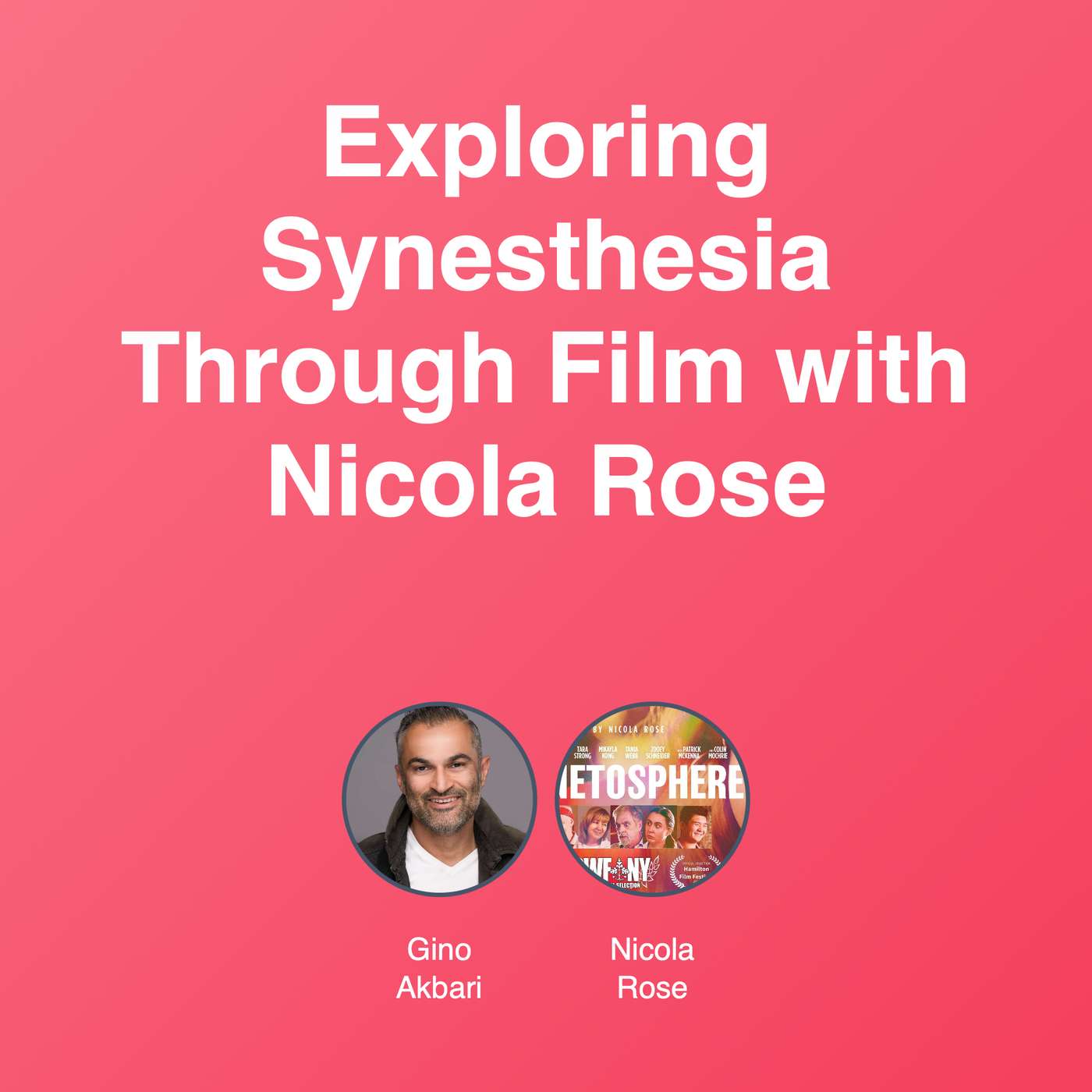
Guest: Nicola Rose—an accomplished director, producer, and writer—to discuss her new feature film Magnetosphere. The film follows 13-year-old Maggie as she navigates her first crush, a big family move, and her unique way of experiencing the world through synesthesia, all set against the backdrop of the 1997 Hale-Bopp comet. With a cast that includes Colin Mochrie, Patrick McKenna, Debra McGrath, Tara Strong, Steven He, and breakout star Shayelin Martin, Magnetosphere brings neurodivergence to life in a visually stunning and heartfelt way. Nicola shares her inspiration for the story, her process of authentically representing synesthesia on screen by interviewing over 70 synesthetes, and the challenges of making an independent film that is both magical and deeply human. Memorable Quotes "The way to be authentic is ask people—'what did you experience?'—and then bring that truth to screen." – Nicola Rose "Synesthesia became a metaphor for feeling out of sync, which so many of us experience." – Nicola Rose "Being kind is the most important lesson filmmaking has taught me." – Nicola Rose Resources & Links Watch the Magnetosphere trailer: http://freestyledigitalmedia.tv/film/magnetosphere Stream Magnetosphere now on Amazon Prime & Apple TV Nicola's Substack: nicolarosedirects.substack.com Nicola on Instagram: @nicolarosedirects Magnetosphere on Instagram: @magnetospheremovie Magnetosphere on Facebook: Magnetosphere — Movie Synesthesia - Wikipedia https://en.wikipedia.org/wiki/Synesthesia Connect With Us Learn more about the Neurodiversity Voices Podcast: www.neurodiversityvoices.com Grab your The Neurodiversity Voices Podcast Merch Catalogue Items from our Storehttps://www.neurodiversityvoices.com/category/all-products Be A TNVP Ad-Free + Subscriber https://podcasts.apple.com/us/podcast/the-neurodiversity-voices-podcast/id1806028241 If you're listening on Apple Podcasts, Spotify, or any podcast player you love, please take a moment to rate the show and leave a comment. It makes a huge difference! ★ Support this podcast on Patreon ★

Guests: Jenna Ignaczak, Malka Finkelstein, and Maddie Sardone — Student leaders from the Neurodiversity Students Association (NDSA) at Toronto Metropolitan University discuss what it truly means to be a neurodivergent student in post-secondary education today. In this powerful episode of The Neurodiversity Voices, host Paul Cruz hands the mic to Hussein and Zion, two university students from the Venture for Canada entrepreneurship program. They sit down with three student leaders from the Neurodiversity Students Association (NDSA) at Toronto Metropolitan University (TMU) to explore what it really means to create a neurodivergent-friendly campus. You'll hear honest, deeply personal stories about masking, accessibility, academic barriers, and the emotional toll of constantly self-advocating. You'll also hear hopeful visions for a future where equity, not just equality, guides how universities support their students. Together, they share stories of inclusion, moments of isolation, experiences with ableism, and insights into how universities can better support neurodivergent students. The conversation dives into policy challenges, mental health, masking, equity vs. equality, and the importance of community. Whether you're a student, educator, ally, or policymaker, this episode will leave you informed, inspired, and motivated to advocate for a more inclusive future in higher education. Quotes to Remember: "It's not about equality, it's about equity." – Malka "We don't know what we don't know. Ask students what they need." – Jenna "It's easier to get rid of us than support us. That's the problem." – Maddie Neurodiversity Students Association, Toronto Metropolitan UniversityInstagram: @tmu_ndsa This episode also features a special clip from "Telos: A Neurodiversity Conversation," a youth-led podcast hosted by autistic teen Ares Wren. Featured Clip: Telos – A Neurodiversity Conversation We open with a segment from the podcast Telos, in the episode "In Neurodiversity: Why Race, Culture, and Language Matter." The clip explores: How Asian, South Asian, Indigenous, and other BIPOC communities face unique barriers in diagnosis and support The role of medical mistrust, language barriers, and cultural stigma How masking can be not just a coping strategy, but a cultural expectation How systems, racism, and a lack of cultural humility can make being neurodivergent actively dangerous for some You can listen to this full Telos episode on their feed https://anchor.fm/s/fc565318/podcast/rss Connect With Us Learn more about the Neurodiversity Voices Podcast: www.neurodiversityvoices.com Grab your The Neurodiversity Voices Podcast Merch Catalogue Items from our Storehttps://www.neurodiversityvoices.com/category/all-products Be A TNVP Ad-Free + Subscriber https://podcasts.apple.com/us/podcast/the-neurodiversity-voices-podcast/id1806028241 If you're listening on Apple Podcasts, Spotify, or any podcast player you love, please take a moment to rate the show and leave a comment. It makes a huge difference! ★ Support this podcast on Patreon ★

Comments

Download from Google Play

Download from App Store
 United States