


 Claim Ownership
Visions of Representation
Subscribed: 0Played: 0
Subscribe

© Copyright Redirect
Description
Visions of Representation is a series of interviews edited by Andrew Schaap (Director of the series) with scholars in democratic theory as part of the Horizon-funded Redirect project. In these interviews world-leading experts in democratic theory discuss their ideas about the shifting dynamics in practices of representation in contemporary political life. The interviews introduce the state of the art of contemporary academic debates about the nature of representation, including diagnoses of the disconnect between representatives and represented in Western democracies and proposals for reconnection through democratic innovations.
REDIRECT is a project funded by the EU’s Horizon-Europe programme. Call: HORIZON-CL2-DEMOCRACY-01-Democracy in flux. Grant Number: 101095142
REDIRECT is a project funded by the EU’s Horizon-Europe programme. Call: HORIZON-CL2-DEMOCRACY-01-Democracy in flux. Grant Number: 101095142
10 Episodes
Reverse

In this interview, recorded in Falmouth on 29 May 2024, Prof Mihaela Mihai (Edinburgh) discusses her article, ‘Foundational Moments, Representative Claims and the Ecology of Social Ignorance’ Political Studies 70(4) 2021: 962-982. She explains how, especially in moments of constitutional re-founding, representation can nurture social ignorance, despite the availability of ample opportunities for political contestation and alternative opinion formation.

In this interview, recorded during the ECPR annual conference at University College Dublin on 13 August 2024, Prof Suzanne Dovi (Arizona) discusses her article, ‘What’s Missing: A Typology of Political Absence,’ The Journal of Politics 2020 82(2): 559-571. She explains how understanding and properly evaluating representation requires attending not only to how representation makes groups present but also to how it makes groups absent.

In this interview, recorded during the BIAPT annual conference at the University of York on 10 January 2025, Prof Monica Brito Vieira (York) discusses her article, ‘Representing Silence in Politics,’ American Political Science Review 2020 114(4): 976-988.Against the tendency to understand silence as the absence of voice, she argues that silence is best understood as the site of a potential or actual presence and proposes criteria to assess the legitimacy of claims to represent silent constituencies.
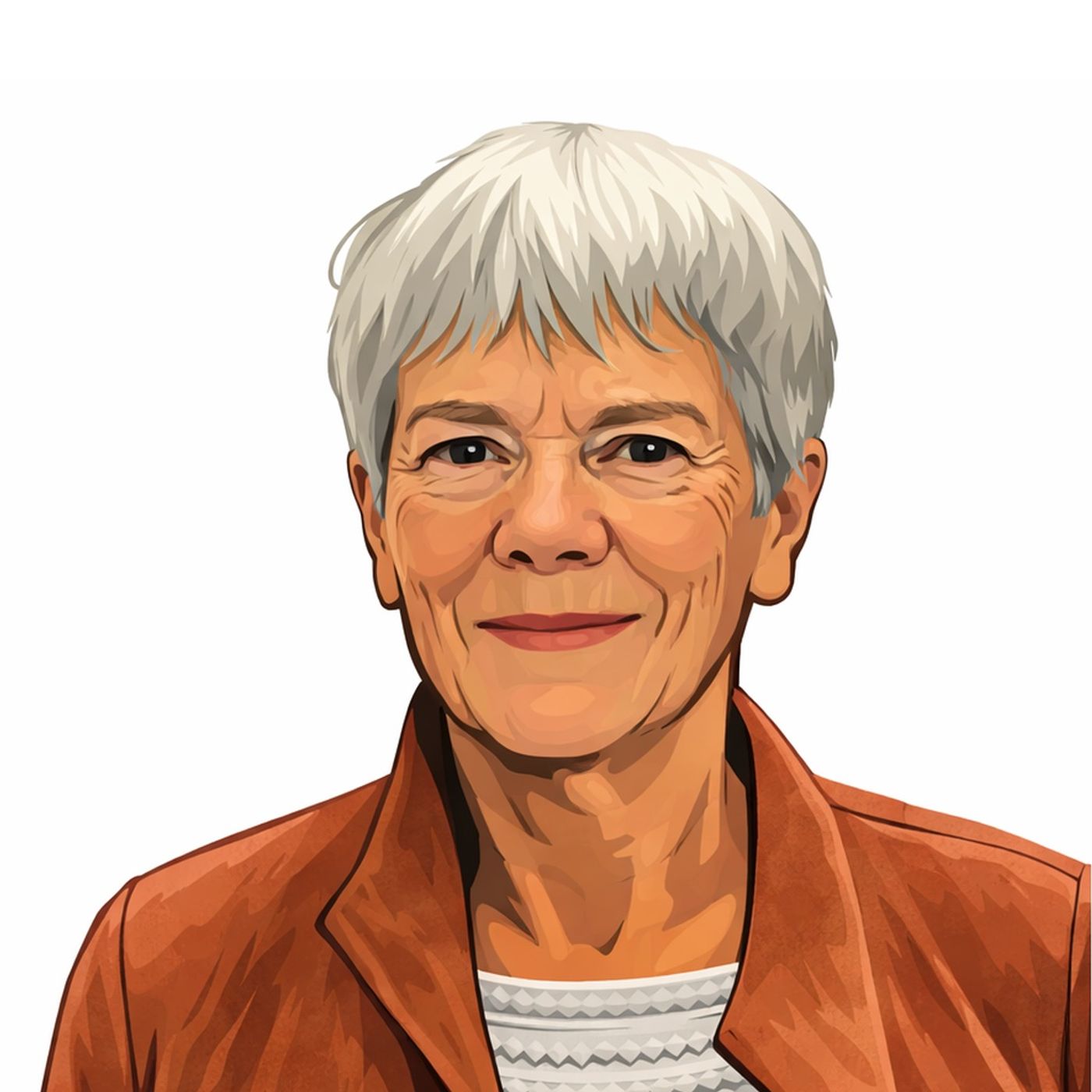
In this interview, recorded in London on 19 March 2025, Emeritus Professor Anne Phillips discusses her contribution ‘Descriptive Representation Revisited’ to Rohrschneider & Thomassen (eds) The Oxford Handbook of Political Representation. OUP 2020: 174-191. She explains the key reasons why descriptive representation matters and addresses three perennial concerns: worries about essentialism; disagreements about the extent to which it implies a form of group representation; and questions about whose exclusion matters.

In this interview, recorded at the University of Exeter on 19 May 2025, Prof Mark Warren (British Columbia) discusses his co-authored paper (with Şule Yaylaci & Eden Beuavais), ‘When, Where and Why Might Elected Political Elites Reach for Democratic Innovations’. He explains the potential incentives for elected officials to adopt democratic innovations (such as deliberative mini-publics or participatory budgeting) and the conditions under which innovations might align with their interests.
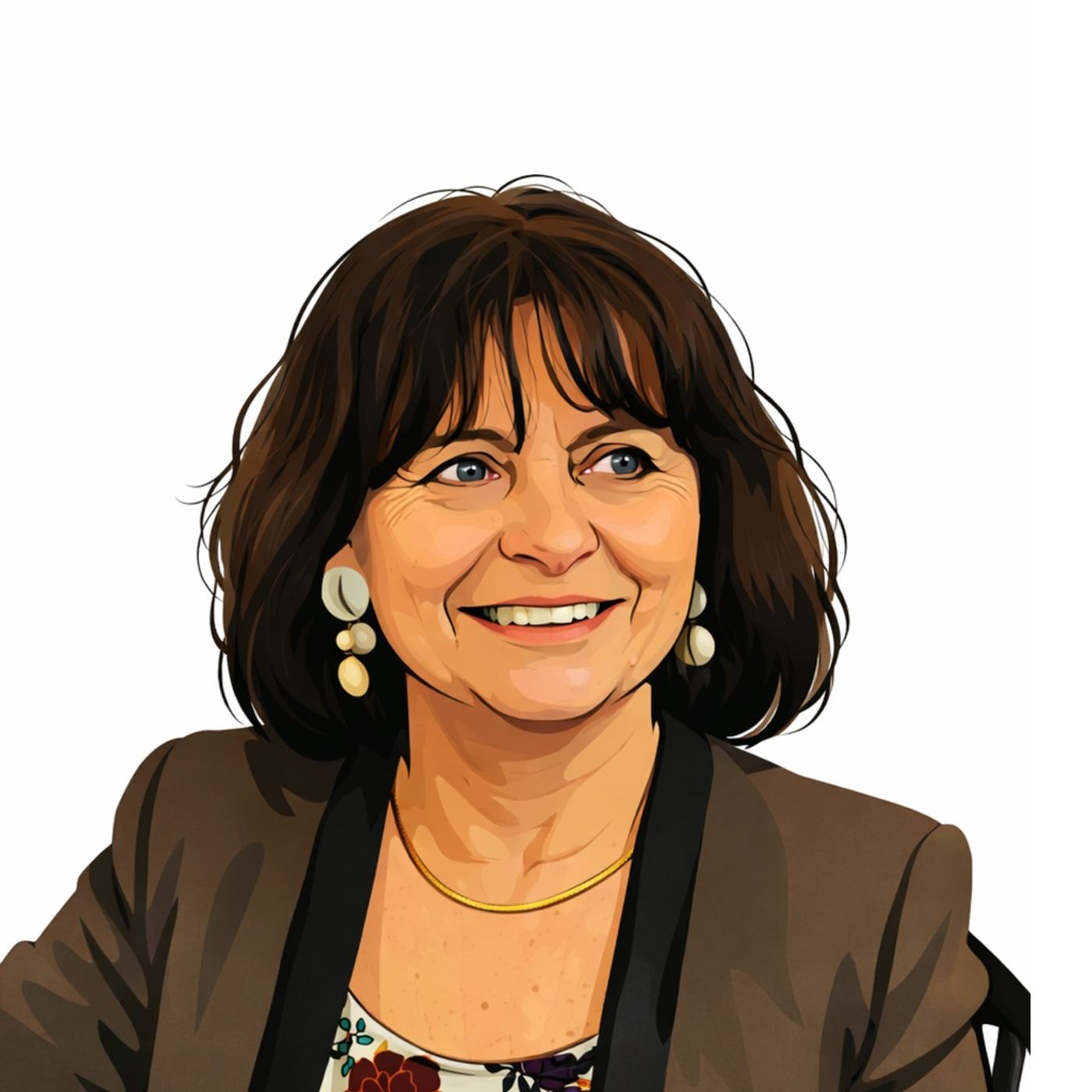
In this interview, recorded at the APSA annual conference in Vancouver on 11 September 2025, Prof Nadia Urbinati (Columbia University) discusses her article, ‘The decline and the need of the key force of intermediation,’ Philosophy and Social Criticism 51(4) 2025: 559-570. She explains how it is not only the decline of parties as intermediary political bodies that contributes to the democratic disconnect: we also need to foster social intermediary bodies to make representative government more responsive to the weaker parts of society.
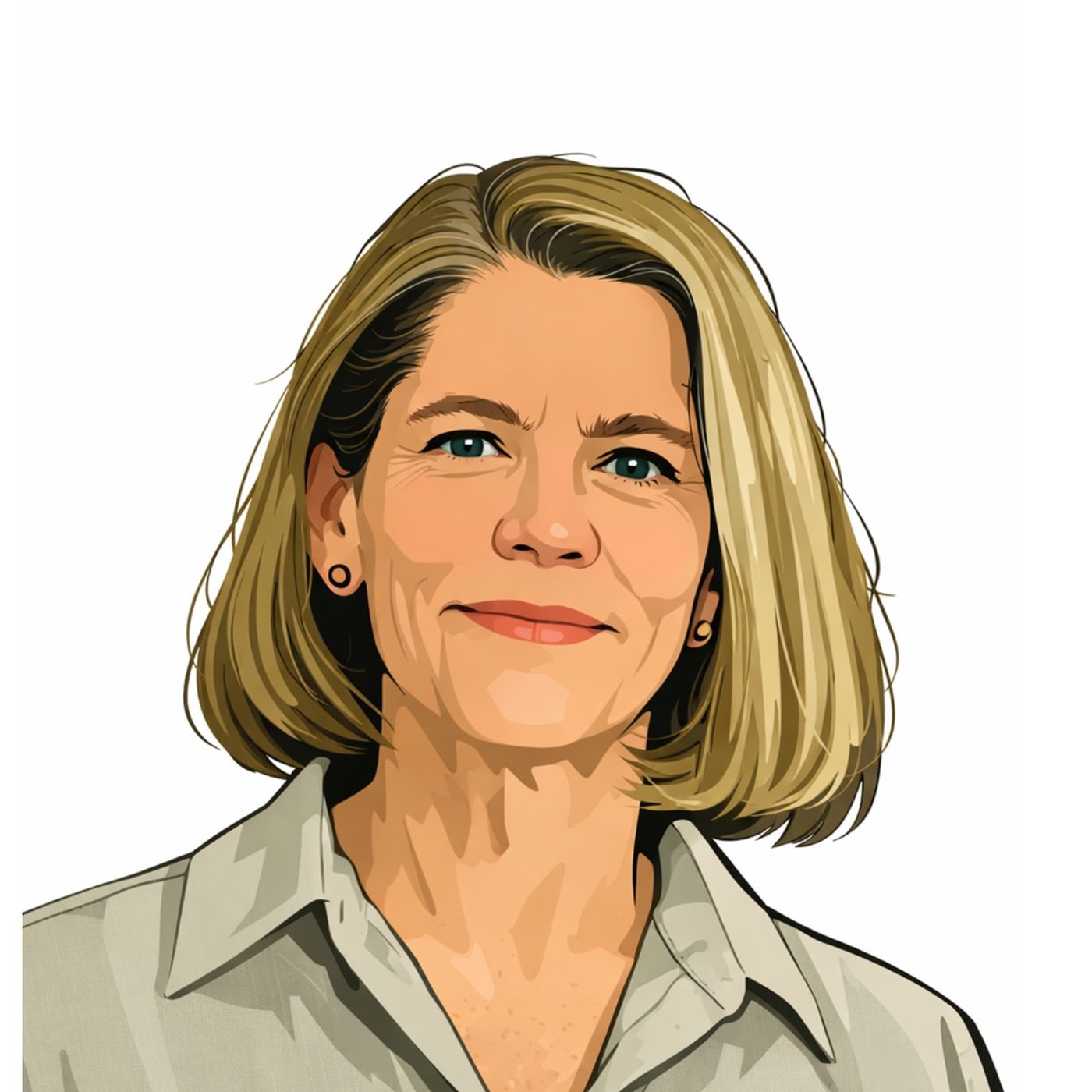
In this interview, recorded at the APSA annual conference in Vancouver on 12 September 2025, Prof Simone Chambers (UC Irvine) discusses her article ‘Deliberative Democracy and the Digital Public Sphere: Asymmetrical Fragmentation as a Political not a Technological Problem,’ Constellations 30(1) 2023: 61-68. She explains how the fragmentation and privatization of public life, which poses a challenge for representative government, is not primarily due to the rise of social media but to authoritarian actors attacking democracy by wrecking the public sphere.

In this interview, recorded at Friends’ House in London on 24 October 2025, Prof Michael Saward (Warwick) discusses his article ’Shape-Shifting Representation.’ American Political Science Review. 2014;108(4):723-736

In this interview, recorded at the Bourse in Brussels on 6 December 2025, Prof Philippe van Parijs reflects on the role of the public intellectual within representative democracy, including his own contribution to public debates about and political campaigns for an unconditional basic income. Visions of Representation is a series of interviews with scholars in democratic theory recorded by Andrew Schaap as part of the EU Horizon-funded project Redirect (101095142).

In this interview, recorded online on 29 February 2024, Professor Alfio Mastropaolo discusses the chapter on “Representation and the Invention of Modern Politics” from his book Waging War by Other Means: Historical Sociology of Democratic Government.
Comments

Download from Google Play

Download from App Store
 United States