


 Claim Ownership
CALIFATO ISIS: PASADO, PRESENTE Y FUTURO.
Subscribed: 0Played: 18
Subscribe

© 2026 alfonpoza
Description
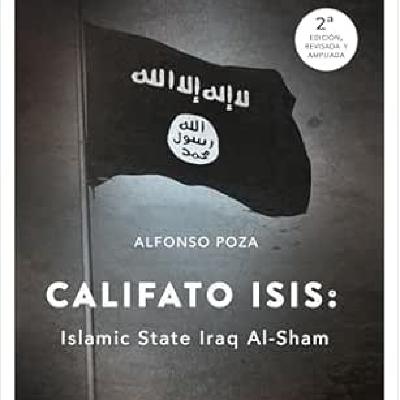
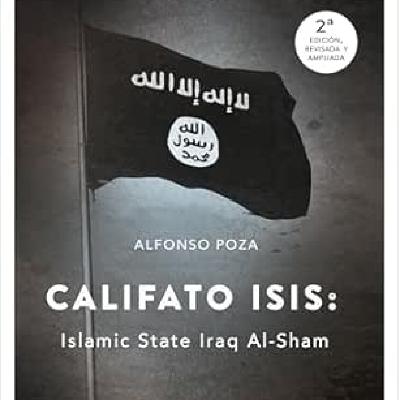
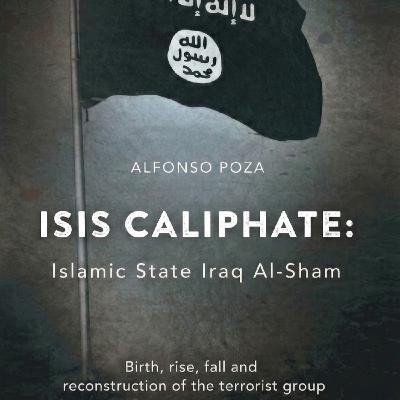
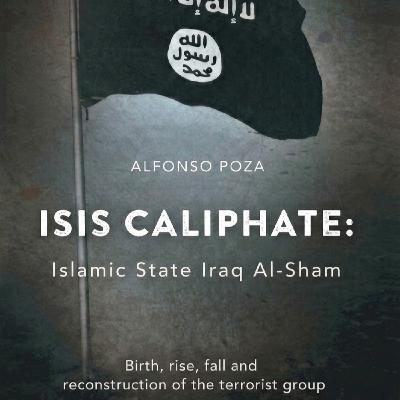
Pódcasts de los distintos capítulos del libro "Califato ISIS: Islamic State Iraq al-Sham. Nacimiento, auge, caída y reconstrucción", noticias y estudios sobre el pasado, presente y futuro del yihadismo.
18 Episodes
Reverse
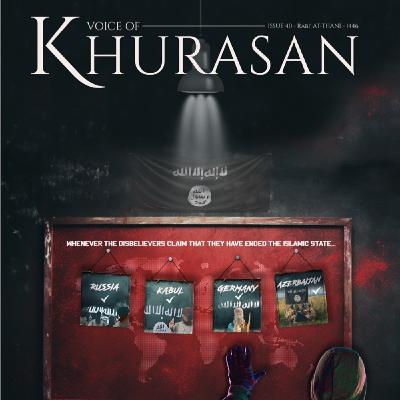
Este informe del Centro Internacional de Lucha contra el Terrorismo analiza la trayectoria de la revista Voice of Khurasan, principal órgano de difusión en inglés de la facción ISKP. El documento examina cómo esta publicación digital evolucionó de un enfoque regional en Afganistán hacia una estrategia de propaganda global diseñada para radicalizar a audiencias occidentales. A través de un estudio detallado de sus contenidos, el autor expone las tácticas utilizadas para incitar a la violencia sectaria y deslegitimar a grupos rivales como los talibanes. El texto destaca el papel crucial de la guerra mediática en la resiliencia operativa de la organización hasta su declive por presiones militares en 2025. Finalmente, la investigación ofrece una guía de referencia sobre las temáticas recurrentes que buscan motivar atentados transnacionales mediante narrativas de crisis extrema.
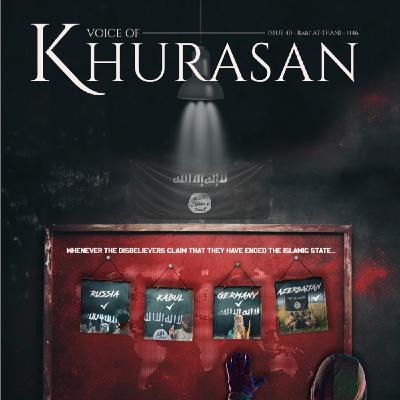
This report from the International Centre for Counter-Terrorism (ICCT), written by associate fellow Haroro Ingram (https://icct.nl/publication/voice-khurasan-inside-islamic-state-khurasan-provinces-english-language-magazine), analyzes the English-language magazine Voice of Khurasan, published by the Islamic State Khurasan Province (ISKP) faction,. The document details how this organization utilizes digital media to attract Western audiences and radicalize the South and Central Asian diaspora,. Through a review of forty-six issues, the author examines the group’s strategic transition from a regional focus in Afghanistan toward a global jihad agenda,,. The magazine's central narrative justifies genocidal violence and transnational attacks under the pretext of defending Islam from perceived internal and external enemies,,. Finally, the report documents the steep decline of the publication in 2025 resulting from the pressure of international counter-terrorism operations.
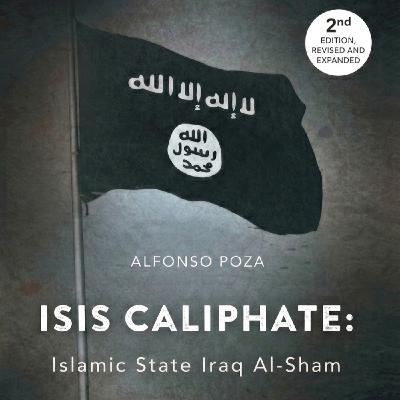
This intelligence report details the Islamic State's (IS) global offensive against China between 2024 and 2026, positioning the Asian giant as its primary adversary following the withdrawal of the West. The analysis highlights that groups such as ISKP in Afghanistan execute targeted attacks and bombings against mining infrastructure and diplomats to sabotage Beijing's economic influence. On the African continent, jihadist affiliates employ extortion and the kidnapping of workers to destabilize development projects and finance their insurgent operations. Additionally, the organization has sophisticated its multilingual propaganda, utilizing the mistreatment of the Uyghur minority and the export of surveillance technology as tools for recruitment and ideological justification. Finally, the text examines China's strategic dilemma, whose dependence on private security contractors unintentionally reinforces the extremist narrative of an occupying power.
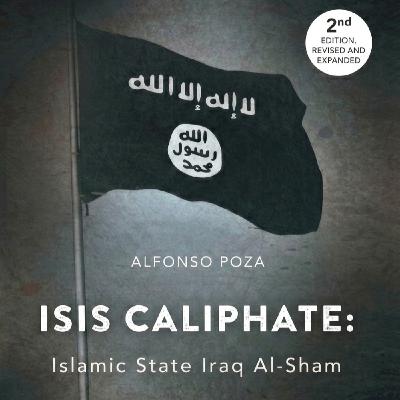
Este informe de inteligencia detalla la ofensiva global del Estado Islámico contra los intereses de China entre los años 2024 y 2026. El análisis explica cómo el grupo terrorista ha pasado de la retórica a una guerra total, motivada por el trato a la minoría uigur y la expansión económica china en regiones en conflicto. Las filiales yihadistas en Afganistán y África han ejecutado atentados contra diplomáticos, secuestros de técnicos y extorsión a empresas mineras para desestabilizar la influencia de Pekín. Además, la organización utiliza propaganda sofisticada en varios idiomas para presentar a China como una potencia opresora y colonizadora. Ante esta situación, Pekín enfrenta el dilema de aumentar su seguridad privada, lo que paradójicamente refuerza la narrativa de ocupación utilizada por los insurgentes.
This report analyzes the consolidation of the Islamic State Central Africa Province (ISCAP) as one of the most dangerous factions of global jihadism in the Democratic Republic of the Congo between 2025 and 2026. The podcast examines how the former Allied Democratic Forces (ADF) transformed into an ISIS franchise, achieving remarkable tactical and financial resilience through the illicit exploitation of minerals and agricultural resources.
It details a sophisticated command structure coordinated from Somalia (the Al-Karrar Office), the use of digital technology for recruitment via platforms like Telegram and TikTok, and the execution of hybrid attacks that have triggered a devastating humanitarian crisis. Furthermore, it evaluates the insufficiency of joint military operations, such as Operation Shujaa, and the risk that regional geopolitical instability may allow for further terrorist expansion across the Great Lakes region
. Ultimately, the source warns that the group has transitioned from a local militia to an existential challenge for the strategic security of the African continent
Se analiza la consolidación de la Provincia de África Central del Estado Islámico (ISCAP) como una de las facciones más peligrosas del yihadismo global en la República Democrática del Congo entre 2025 y 2026. El texto examina cómo las antiguas Fuerzas Democráticas Aliadas se transformaron en una franquicia de ISIS, logrando una notable resiliencia táctica y financiera mediante la explotación ilícita de minerales y recursos agrícolas. Se detalla una sofisticada estructura de mando coordinada desde Somalia, el uso de tecnología digital para el reclutamiento y la ejecución de ataques híbridos que han provocado una crisis humanitaria devastadora. Asimismo, evalúa la insuficiencia de las operaciones militares conjuntas y el riesgo de que la inestabilidad geopolítica regional permita una mayor expansión terrorista en los Grandes Lagos. En conjunto, la fuente advierte que el grupo ha pasado de ser una milicia local a convertirse en un desafío existencial para la seguridad estratégica del continente africano.
The Al-Assad Dynasty: Power, Survival, and Conflict
The analysis examines the Al-Assad dynasty in Syria, tracing its trajectory from the consolidation of power under Hafez al-Assad to the presidency of his son, Bashar. It details how the regime utilized military repression, Alawite sectarianism, and strategic alliances with Iran and Russia to maintain its grip on power.
The author describes the evolution of the 2011 protests, which transformed from peaceful demonstrations into a devastating civil war following the state's violent response. Furthermore, the text examines the deployment of paramilitary militias, the systematic use of torture in prisons such as Saydnaya, and the instrumentalization of jihadism as a tactic to delegitimize the opposition. Finally, the account integrates external factors, including the economic impact of the drought and the influence of U.S. foreign policy in the region.
The recent media output from the Islamic State (IS), including the Al-Furqan Media audio address and the magazines Voice of Khorasan and al-Naba, reveals a coordinated effort to adapt to regional shifts and maintain ideological influence
.
Strategic Pivot to Africa: The most significant takeaway from the Al-Furqan audio ("The Right Path Has Become Distinct from Error") is the formal shift of focus toward Sub-Saharan Africa
. The group now considers this region the most viable for territorial persistence and resource mobilization, while the Levant is treated as a site for opportunistic insurgency
.
Delegitimization of Syrian Authority: IS has intensified its rhetoric against the new Syrian administration under Ahmed al-Sharaa (referred to as Al-Jolani), labeling it an "apostate" puppet of the United States and Turkey
. They aim to exploit the current "governance deficit" to recruit disillusioned fighters and incite attacks on Damascus
.
ISKP’s Regional Strategy: The Islamic State Wilayat Khorasan (ISKP) has resumed its Pashto-language propaganda (Voice of Khorasan Issue 38) after a long pause
. This content specifically targets local populations in Afghanistan and Pakistan to undermine the religious authority of the Taliban and discredit rival militant groups like the TTP
.
Global Jihad and External Operations: The leadership has issued a renewed call for "lone-actor" strikes in Europe, North America, and Russia
. There is a specific intent to target "the heart of Europe" to project strength during this transitional phase for the organization
.
Ideological Narratives (The Iran-Israel "Collusion"): In al-Naba Issue 535, the group promotes a conspiracy narrative claiming that the conflict between Iran and Israel is a "theater" designed to crush the Sunni population in the Levant and Mesopotamia
. They also delegitimize groups like Hamas and Hezbollah, calling them "tools" of Persian interests
.
Technological and Operational Security: Recent propaganda includes guidance on the careful use of AI tools for translation and research, reflecting an increased awareness of digital vulnerabilities and surveillance risks
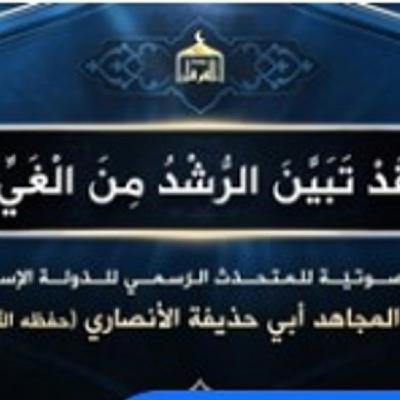
Tras dos años de silencio, el Estado Islámico ha emitido un comunicado oficial para declarar una nueva fase de guerra en el territorio sirio. El portavoz de la organización, Abu Hudhayfah al-Ansari, instó a sus seguidores a combatir prioritariamente al gobierno de Ahmed al-Shara, calificándolo como un régimen infiel y prooccidental. El mensaje también hace un llamamiento a la juventud musulmana para que abandone sus países y se desplace a zonas de conflicto para fortalecer las filas yihadistas. Asimismo, el grupo se jacta de los ataques perpetrados en Europa y reafirma su intención de atentar contra objetivos judíos en todo el mundo. Ante esta amenaza de resurgimiento, las fuerzas internacionales han intensificado los bombardeos aéreos y el traslado de prisioneros peligrosos para evitar una posible reorganización del grupo terrorista.

This podcast offers a detailed account of the Al-Assad dynasty in Syria, tracing the transition of authoritarian power from Hafez al-Assad to his son Bashar. The author examines how the regime consolidated its control through a repressive security apparatus, strategic alliances with Iran and Russia, and the management of sectarian tensions between the Alawite minority and the Sunni majority.
Critical prewar factors are analyzed, such as a devastating drought that triggered mass migration and Syria’s role as a corridor for jihadists during the Iraq War. The narrative culminates in the outbreak of the Arab Spring, detailing how the state’s violent response transformed peaceful protests into a bloody civil conflict marked by crimes against humanity.
Finally, it denounces the use of prisons such as Saydnaya for the systematic torture and extermination of opponents, underscoring the heavy human cost of maintaining power.

This investigation examines how gaming environments and chat platforms—specifically Roblox and Discord—are vulnerable to the spread of extremist propaganda targeting minors. Although the presence of ISIS symbolism and cases of youth self-radicalization have been verified, the report clarifies that there is no evidence of centralized or official recruitment by the terrorist organization within these spaces. The primary risk lies in user-generated content and private communities that allow young people to interact with violent ideologies under a playful appearance. Technology companies have implemented moderation measures, but the decentralized nature of these networks makes the complete eradication of dangerous content difficult. Ultimately, the text emphasizes that protecting children depends on a combination of platform oversight and active parental supervision.
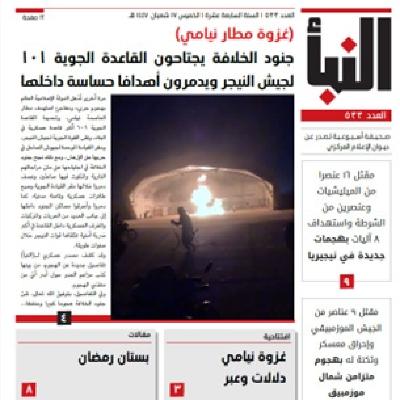
Las fuentes analizadas consisten en un ejemplar de la revista al-Naba y un resumen de inteligencia que evalúa su contenido. El reporte detalla operaciones militares del Estado Islámico, destacando un asalto contra una base aérea en Níger y diversas agresiones en África Central. Los analistas utilizan estas publicaciones para monitorear la distribución geográfica de los ataques y la capacidad operativa de la organización. Aunque se reconoce que las cifras de daños suelen estar exageradas con fines propagandísticos, el documento técnico las considera indicadores útiles para predecir tendencias de seguridad. En general, el estudio concluye que el grupo mantiene un nivel de amenaza estable mediante tácticas de desgaste y ataques oportunistas contra infraestructuras críticas.
This podcast analyzes the evolution of the conflict in Iraq following the U.S. invasion of 2003, highlighting how the power vacuum and the dissolution of the national army fostered the emergence of a Sunni insurgency. The author examines the figure of Saddam Hussein, demystifying his supposed secularism by detailing his “Faith Campaign” and how this unintended religious radicalization prepared the ground for extremist groups. The rise of Abu Musab al-Zarqawi, leader of Al Qaeda in Mesopotamia, is explored; his strategy of extreme brutality and sectarian warfare sought to permanently fracture Iraqi society. The sources describe the ideological transition toward the creation of the Islamic State of Iraq, driven by figures such as Abu Ali al-Anbari, who integrated former Baathist military officers into the jihadist structure. Finally, the narrative addresses the phenomenon of the “Sunni Awakening” and General Petraeus’s intervention—factors that temporarily weakened the insurgents before instability in Syria reignited the conflict.
"The podcast describes how U.S.-run prisons in Iraq, following the 2003 invasion, unintentionally transformed into training centers for Islamic extremism. It examines the Abu Ghraib torture scandal and how the mass transfer of inmates to Camp Bucca allowed for unprecedented internal organization among prisoners. In this environment, former officers from Saddam Hussein’s army and jihadist militants forged a strategic alliance motivated by resentment toward the occupation. This union enabled key figures, including the future leader of the Islamic State, Abu Bakr al-Baghdadi, to establish networks and operational plans. Finally, sources conclude that these facilities functioned as a 'university of jihadism,' where radicalization became professionalized before the prisoners were released."
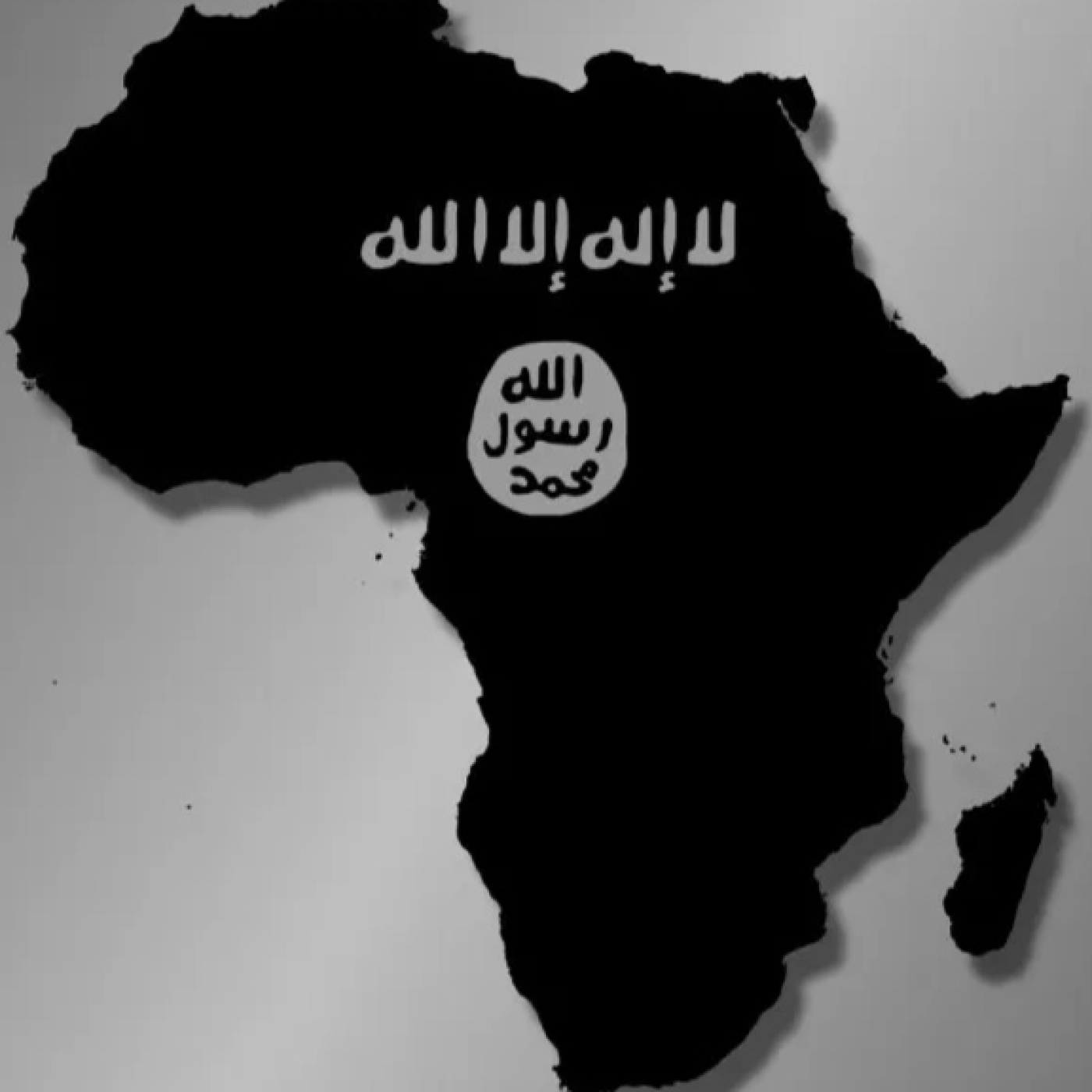
El resurgimiento estratégico del Estado Islámico en 2025, destacando su desplazamiento desde el Medio Oriente hacia Somalia, que ahora funciona como un nodo logístico y financiero global. A pesar de su derrota territorial previa, el grupo ha evolucionado hacia una estructura descentralizada que utiliza criptomonedas y tecnología avanzada, como drones, para coordinar ataques internacionales. En Afganistán, la filial ISKP se consolida como una amenaza letal que desafía al régimen talibán y ataca intereses extranjeros, especialmente de China. Mientras tanto, en Siria e Irak, la inestabilidad política permite la reactivación de células durmientes y campañas de reclutamiento. Las fuerzas de Puntlandia, con apoyo estadounidense, lideran ofensivas militares para frenar esta expansión, advirtiendo que la complacencia internacional ha facilitado el fortalecimiento de la red terrorista. En conjunto, subrayan que la organización no ha desaparecido, sino que se ha transformado en una amenaza transnacional más difusa y difícil de erradicar.
Tercer capítulo del libro "Califato ISIS: Islamic State Iraq al-Sham" reproducido en forma de pódcast gracias a la IA Gemini. En el tercer episodio se describe cómo la primavera árabe llega a Siria, comienzan las protestas y la represión del régimen de Bashar al Asad y cómo la sangrienta guerra civil va a ser el caldo de cultivo del surgimiento de todo tipo de grupos yihadistas.
Segundo capítulo del libro "Califato ISIS: Islamic State Iraq al-Sham" reproducido en forma de pódcast gracias a la IA Gemini. En el segundo episodio se aborda el surgimiento de la insurgencia en Irak tras la invasión estadounidense y la figura de Abu Musab al Zarqaui.
Primer capítulo del libro "Califato ISIS: Islamic State Iraq al-Sham" reproducido en forma de pódcast gracias a la IA Gemini. En el primer episodio se aborda la invasión de Irak de 2003, el inicio de la insurgencia yihadista y los sucesos acaecidos en las cárceles de Abu Ghraib y Camp Bucca, fundamentales para la posterior formación del Estado Islámico.
Comments

Download from Google Play

Download from App Store
 United States