DiscoverSOAR – Braking Barriers Podcast
SOAR – Braking Barriers Podcast
Claim Ownership

SOAR – Braking Barriers Podcast

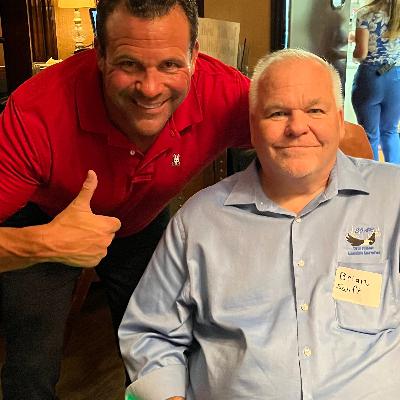
Author: Brian Swift JD

Subscribed: 1Played: 0
Share

Description

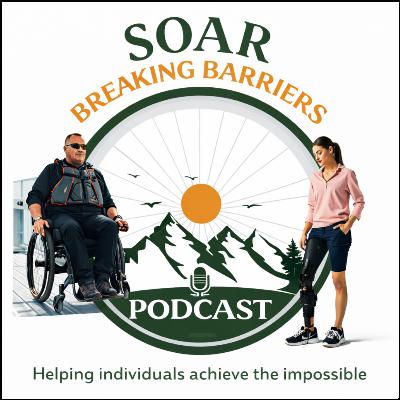
HOST (Brian Swift): Welcome to SOAR: Breaking Barriers where disability, grit, and the outdoors collide to prove what’s possible, the podcast where resilience meets real life.

What if the barriers in front of you weren’t the end of the story… but the beginning of something bigger?

This isn’t about inspiration for inspiration’s sake. It’s about how people actually break through—physically, mentally, emotionally.

“Resilience is built, not born.” “Independence looks different for everyone.” “The outdoors gave me my life back.”

Follow this story for helpful and inspiring insights that will change your world. Raw honesty, feeling, wisdom and emotion from the Quadfather on life, business, health and more. Breake free from mental and emotional patterns unlocks a quantum shift, leading to healing your conscious and subconscious, and a life of abundance and success.

Are you struggling with unknown traumas, self-sabotage, or limiting beliefs? Are you seeking a change in your life? It's time to create a grit mindset!
26 Episodes
Reverse
People need values and goals because they provide direction, stability, and meaning. Values are the internal compass that guide decisions when life gets complicated. They define what matters most—integrity, faith, family, growth, service—and help you stay grounded when pressure tries to push you off course. Without values, you drift. With values, you decide.Goals, on the other hand, give those values motion. If values are the “why,” goals are the “how.” They turn belief into action. Goals challenge you to grow, stretch, and move beyond comfort. They transform intention into measurable progress.When values and goals align, life becomes powerful. You stop chasing distractions and start pursuing purpose. Setbacks feel like lessons, not failures, because they’re anchored in something bigger than temporary emotion. Clear values prevent you from compromising who you are. Clear goals prevent you from settling for less than you’re capable of.Together, values shape character, and goals shape achievement. Without them, you wander. With them, you build a life that stands for something.
Founder of Swift Outdoor Accessible Recreation (SOAR) a 501 C 3 Non profit. At SOAR, we provide adaptive equipment, accessible recreation opportunities, and community-driven support to empower people with disabilities to experience freedom, confidence, and connection in the outdoors. Through our programs, participants gain positive physical, mental, social, and emotional benefits that come from engaging in meaningful outdoor activities. . https://www.soarnonprofit.com
Resilience is built one decision at a time. Every challenge you face becomes either a building block or a stumbling stone. The difference isn’t the difficulty of the obstacle—it’s the meaning you assign to it. When setbacks are seen as proof that you’re incapable, they become stones that trip you up. But when they’re viewed as training grounds, they become bricks that strengthen your foundation.Adversity exposes weaknesses, but it also reveals capacity. Pressure builds endurance. Failure builds humility. Criticism builds self-awareness. Discomfort builds courage. Each experience, even the painful ones, offers material you can use to construct a stronger version of yourself.Resilience isn’t about pretending things don’t hurt. It’s about choosing to grow anyway. It’s about asking, “What is this teaching me?” instead of “Why is this happening to me?”The strongest people aren’t those who avoided hardship. They are the ones who turned stumbling stones into stepping stones. In the end, resilience is less about what happens to you and more about what you decide to build with it.
A disability can be an advantage because it forces a person to develop strengths many others never have to build. When life changes unexpectedly, you learn resilience. You learn how to adapt, problem-solve, and push through discomfort. Those skills transfer into leadership, business, relationships, and everyday challenges.A disability often sharpens perspective. You stop taking small victories for granted. Gratitude becomes natural. Empathy becomes deeper. You understand struggle firsthand, which makes you more compassionate, more patient, and more aware of the needs of others.It also builds creativity. When the traditional path isn’t accessible, you find another way. That ability to innovate, pivot, and see opportunities where others see obstacles becomes a powerful edge.Most importantly, a disability can strengthen identity. It strips away ego and forces you to define yourself by character, not circumstance. What begins as limitation can become fuel. The very thing that changed your life can become the reason you rise.
Adding value to others is one of the most powerful ways to create impact and influence. It’s not about titles, status, or recognition—it’s about contribution. When you focus on helping someone grow, solve a problem, or see possibility where they once saw limitation, you elevate both their life and your own. Value can come in many forms: encouragement during a hard season, honest feedback that sparks growth, sharing knowledge that shortens someone’s learning curve, or simply listening when no one else will.Adding value requires intention. It means walking into every room asking, “How can I serve?” instead of “What can I gain?” When you consistently operate from that mindset, trust builds. Relationships strengthen. Opportunities expand. People remember how you made them feel and how you helped them move forward.The greatest leaders, coaches, and difference-makers measure success not by what they accumulate, but by what they give away. When you make it your mission to lift others, you create a ripple effect that extends far beyond what you can see.
Grit and competition are not about size, talent, or perfect circumstances — they’re about heart. No one embodies that better than Rudy Ruettiger. Rudy wasn’t built like a typical Notre Dame football player. He lacked the height, the speed, and the natural gifts most competitors rely on. What he had was relentless grit.Competition tests what you’re made of when the odds are stacked against you. Rudy walked on to a Division I football program where he was underestimated daily. He was told he didn’t belong. He was knocked down, doubted, and dismissed. But grit means showing up anyway. It means earning respect rep by rep, day by day.True competition isn’t about beating others; it’s about refusing to quit on yourself. Rudy’s legacy isn’t just that he played one game — it’s that he competed with unwavering belief. Grit turns ordinary people into extraordinary examples. When heart outworks talent, perseverance becomes victory.
Core values are the internal compass that guide your decisions when life gets complicated. They define who you are beyond circumstances, titles, or temporary success. Without core values, you drift—pulled by trends, pressure, fear, or the expectations of others. With them, you stand firm.Core values create clarity. When you know what matters most—integrity, resilience, faith, service, courage—you make decisions faster and with greater confidence. You waste less time second-guessing yourself because your choices are anchored in something deeper than emotion.They also build consistency. People trust those whose actions align with their stated beliefs. Core values help you respond instead of react. In difficult moments, they remind you who you are and how you show up.Most importantly, core values protect your identity. Success without values feels empty. Adversity without values feels overwhelming. But when your life is rooted in clear principles, both victory and hardship become part of a purposeful journey.
The consistent, resistant pursuit of wisdom from a coach is not about comfort — it’s about growth. Most people want encouragement. Few want correction. But wisdom is rarely handed to those who only seek validation. It is earned by those willing to be challenged, stretched, and sometimes humbled.A great coach doesn’t just cheer you on. A great coach confronts your blind spots, questions your excuses, and refuses to let you settle for average. That resistance you feel? That’s where transformation lives. When a coach pushes back on your thinking, demands higher standards, or holds you accountable to your own potential, it can feel uncomfortable. But discomfort is often the doorway to clarity.Consistently pursuing wisdom means showing up even when your ego is bruised. It means asking hard questions. It means listening more than defending. It requires humility to admit you don’t know everything and courage to apply what you learn.Over time, that resistant pursuit builds mental toughness, sharper judgment, and deeper self-awareness. You stop chasing approval and start chasing mastery. And in that process, you don’t just gain information — you gain perspective, discipline, and the kind of wisdom that changes how you lead, live, and serve others.
I want to tell you about a great organization and podcast. SOAR https://www.soarnonprofit.com Swift Outdoor Accessible Recreation and host of the Breaking Barriers Podcast. Our mission is deeply rooted in service, equity, and empowerment. PLEASE Subscribe, like and share. https://youtu.be/KA_tZ-89UkA?si=-7LVDEAm5eCQ7KlAGetting outdoors is important because it reconnects you to something bigger than your daily stress. Fresh air, sunlight, and open space calm the nervous system and clear mental fog. When you step outside, your perspective shifts. Problems feel smaller. Solutions feel closer.Nature also strengthens resilience. Uneven trails, changing weather, and wide landscapes remind you that growth doesn’t happen in comfort. The outdoors challenges your body and sharpens your mind at the same time. Movement boosts energy, improves mood, and builds confidence.But it’s more than physical. Being outside grounds you. It reminds you that you are part of something alive and powerful. Screens disconnect us; nature restores us.Whether it’s a mountain, a park, or a quiet shoreline, stepping outside isn’t escape—it’s renewal. And renewal fuels everything else.
Believe in yourself

Believe in yourself

2026-02-1600:34

Believing in yourself is important because it shapes how you show up in every situation—especially when things get hard.When you believe in yourself, you take action. You apply for the opportunity. You start the project. You speak up in the room. Without self-belief, doubt wins before you ever begin. Most people don’t fail because they aren’t capable—they fail because they quit on themselves too early.Self-belief also fuels resilience. When setbacks come—and they always do—confidence in yourself keeps you from interpreting failure as identity. You don’t think, “I am a failure.” You think, “This didn’t work… yet.” That small shift changes everything. It turns obstacles into training grounds instead of stopping points.Believing in yourself impacts how others see you, too. Confidence—real confidence, not arrogance—is magnetic. People trust, follow, and support those who carry conviction. If you don’t believe in your own vision, why would anyone else?It also determines your ceiling. Your skills matter. Your experience matters. But your belief about what’s possible for you sets the limit. If you think you can’t, you won’t try. If you believe you can, you’ll find a way—or create one.At the end of the day, you are with yourself more than anyone else. Your inner voice can either build you or break you. Believing in yourself means choosing to become your own ally instead of your harshest critic.And here’s the truth: you don’t have to feel confident all the time. You just have to decide that quitting on yourself is not an option.
Being mentally paralyzed isn’t about a lack of intelligence or ability. It’s the feeling of being stuck inside your own head. You overthink every move. You replay every mistake. You imagine every worst-case scenario until action feels impossible. Opportunities pass, not because you can’t take them, but because fear has convinced you not to.Mental paralysis often comes from doubt, comparison, or the pressure to be perfect. You wait for clarity. You wait for confidence. You wait for the “right time.” Meanwhile, life keeps moving.The danger isn’t standing still for a moment. The danger is staying there.The way out isn’t massive change—it’s small movement. One decision. One call. One step forward. Action breaks fear’s grip. Motion creates momentum. And momentum reminds you that you were never truly stuck—just paused.
A bad day doesn’t have to be a wasted day. It can be a turning point—if you choose to treat it that way. The first step is to pause instead of react. Frustration clouds judgment, but reflection creates clarity. Ask yourself: What is this teaching me?Every setback carries feedback.Next, separate the event from your identity. A mistake doesn’t make you a failure. A rough conversation doesn’t define your character. When you stop personalizing the moment, you regain control of it.Then, take one productive action. Make the call. Fix the error. Go for a walk. Write down the lesson. Movement shifts your mindset and prevents one bad moment from becoming a bad pattern.Finally, practice gratitude. Even on hard days, something is working in your favor. Focusing on that resets your perspective.A bad day can either drain you—or develop you. The difference is intention. Choose growth.
An interview with David Meltzer is important because he brings clarity to the connection between mindset, values, and business success. Meltzer doesn’t just talk about money—he talks about meaning, energy, and service. His journey from massive financial success to losing everything and rebuilding with a new perspective offers real-world lessons in resilience and humility.He challenges leaders to redefine wealth beyond dollars, focusing on impact, relationships, and purpose. An interview with him isn’t just a conversation about achievement—it’s a masterclass in alignment. How you think determines how you earn, lead, and serve. Learning from someone who has experienced both extreme success and failure provides insight that theory alone cannot teach. That perspective is powerful.
A bad day is inevitable. Two bad days in a row is often a choice. When something goes wrong, it’s easy to carry frustration, disappointment, or anger into the next morning. But unresolved emotions don’t expire overnight—they compound.Stopping a bad day from becoming two starts with a reset. Reflect on what happened, take responsibility for your part, and release what you can’t control. Don’t let one moment define your momentum. Protect your mindset before you go to sleep. Write it down. Pray on it. Breathe through it.Tomorrow deserves a fresh start. Momentum works both ways—downward or upward. Decide that yesterday’s setback will not steal today’s opportunity. Break the cycle early.
Changing your perspective can change your entire outcome. When you look at a situation from only one angle, you limit your options and your growth. A shift in perspective turns obstacles into opportunities and problems into possibilities. What feels like rejection might be redirection. What looks like delay might be preparation.Perspective creates emotional control. Instead of reacting, you respond with clarity. Instead of assuming the worst, you search for lessons. Growth requires flexibility—the willingness to see beyond your current viewpoint.When you intentionally step back and ask, “What else could this mean?” you open the door to creativity, resilience, and better decisions. Sometimes the breakthrough isn’t changing circumstances—it’s changing how you see them.
We need tough love because comfort rarely creates growth. Encouragement is powerful, but without accountability, it can leave us stuck. Tough love challenges our excuses, confronts our blind spots, and pushes us beyond self-imposed limits. It’s not harsh for the sake of being harsh—it’s honest with the goal of helping us rise.The people who care about you most won’t always tell you what you want to hear; they’ll tell you what you need to hear. That truth can sting, but it sharpens character and builds resilience. Growth requires friction. When someone believes in your potential enough to challenge you, that’s not criticism—it’s commitment to your becoming better than you are today.
Day one or one day

Day one or one day

2026-02-1524:36

Is today day one—or one day? The difference is action. “One day” is a wish. It’s where goals go to wait. It’s comfortable, safe, and endlessly delayed. “Day one” is a decision. It’s imperfect, sometimes messy, but powerful. It means you start before you feel fully ready. It means you choose progress over excuses.The life you want won’t be built in a single leap—it’s built in small, consistent steps that begin now. Clarity comes after commitment, not before. You don’t need everything figured out. You just need to begin. So ask yourself: are you postponing your potential, or stepping into it today?
Walking into a room with confidence isn’t about arrogance—it’s about certainty. It’s knowing who you are, what you stand for, and what value you bring. Confidence shows up before you speak. It’s in your posture, your eye contact, your pace. You don’t rush in seeking approval; you enter with presence.Confident people aren’t free from doubt—they’ve just decided doubt doesn’t get the final say. They prepare, they breathe, and they choose composure. When you walk in grounded and self-assured, others feel it. Energy is contagious.Confidence grows from keeping promises to yourself. Do that consistently, and every room you enter becomes an opportunity, not an obstacle.
Leadership

Leadership

2026-02-1529:59

Leadership begins long before anyone follows you. It starts with how you lead yourself. Self-leadership is the discipline to do what needs to be done, even when motivation fades. It’s choosing responsibility over excuses, growth over comfort, and clarity over chaos. When you lead yourself well, your actions align with your values, and your habits reflect your vision. You become consistent, accountable, and emotionally steady under pressure.People are drawn to leaders who demonstrate integrity and self-control. If you can’t manage your time, your mindset, or your reactions, you’ll struggle to guide others effectively. Leading yourself means setting standards, honoring commitments, and course-correcting when you fall short. True leadership isn’t about control—it’s about example. Master yourself first, and influence naturally follows.
Solving Mental Health

Solving Mental Health

2026-02-1500:42

Getting outdoors is one of the most powerful, natural tools for improving mental health. Fresh air, sunlight, and open space signal to your nervous system that you are safe, which helps reduce stress and anxiety. Exposure to sunlight boosts vitamin D and supports serotonin production, improving mood and energy levels. Even a short walk outside can lower cortisol, the body’s primary stress hormone.Nature also interrupts mental rumination. When you step away from screens and daily pressures, your mind shifts from constant problem-solving to presence. The rhythm of walking, the sound of wind through trees, or the sight of open water creates a calming effect that grounds your thoughts.Being outdoors encourages movement, and movement itself is medicine for the brain. Whether hiking, rolling along a trail, or simply sitting in a park, nature restores perspective. It reminds you that challenges are temporary—and that you are part of something bigger.
loading
Comments